经济观察报

Search documents
“联通先生”李小加:从沪港通到滴灌通|我们的四分之一世纪
经济观察报· 2025-12-29 08:15
Core Viewpoint - The essence of all financial products is a swap, exchanging current funds for future cash flows or values [4] Group 1: Background and Career of Li Xiaojia - Li Xiaojia, known as "Mr. Connect," has built bridges between Chinese enterprises and international capital throughout his financial career [3] - His tenure at Hong Kong Exchanges and Clearing (HKEX) focused on deepening the connectivity between China's financial market and the world [4] - Li Xiaojia founded "滴灌通" (Drip Irrigation) to connect global capital with micro and small enterprises, aiming to enhance financial supply channels for these businesses [4] Group 2: Development of Market Connectivity - The initial concept of the Shanghai-Hong Kong Stock Connect was sketched on a napkin by Li Xiaojia and the then-chairman of the Shanghai Stock Exchange, outlining a path for cross-border trading [8] - The core challenge was to achieve a market-oriented connection between the open Hong Kong capital market and the capital-controlled mainland market [8] - The Shanghai-Hong Kong Stock Connect was officially launched on November 17, 2014, marking a significant step towards the two-way opening of the mainland capital market [10] Group 3: Innovations and Reforms - The introduction of "same share, different rights" structures for companies like Xiaomi was a pivotal reform, allowing innovative firms to list in Hong Kong instead of the U.S. [13][14] - Li Xiaojia's efforts to acquire the London Stock Exchange were driven by the strategic value of its assets, including global clearing and index-setting capabilities [19][15] Group 4: Drip Irrigation's Business Model - Drip Irrigation aims to provide financial services to micro and small enterprises, which are often underserved by traditional financial products [17] - The company faced challenges in its initial phase, particularly during the pandemic, but managed to achieve nearly 10% returns despite the difficulties [18] - The transition to the 2.0 phase revealed the need for standardized financial products to meet institutional investors' demands [19] Group 5: Future Plans and Market Structure - The 3.0 phase of Drip Irrigation focuses on creating a "central kitchen" to standardize cash flows from numerous small enterprises into asset-backed securities (ABS) [20] - The plan includes developing various investment products to cater to different types of investors, enhancing the overall market ecosystem [21]



吴晓求:这一生大概只为中国资本市场而来|我们的四分之一世纪
经济观察报· 2025-12-29 08:00
Core Viewpoint - The article highlights the journey and insights of Wu Xiaoqiu, a prominent figure in China's capital market research, emphasizing the importance of a robust financial system for China's growth and the ongoing reforms needed to achieve this goal [4][30]. Group 1: Background and Early Career - Wu Xiaoqiu was one of the earliest scholars to study capital markets in China, transitioning from macroeconomics to focus on securities and capital market research after publishing influential textbooks [6][19]. - He founded the Financial and Securities Research Institute at Renmin University in 1996 and initiated the China Capital Market Forum in 1997 to discuss long-term issues affecting capital market development [6][19]. Group 2: Capital Market Development - The establishment of the Shanghai and Shenzhen Stock Exchanges in December 1990 marked the official birth of China's capital market [18]. - Wu Xiaoqiu proposed the "capital market center theory," arguing that the capital market is the core of the modern financial system, which sparked significant debate at the time [7][19]. Group 3: Key Reforms and Challenges - The stock market faced significant challenges in the early 2000s, including issues like insider trading and market manipulation, leading to the "stock market casino theory" proposed by economists [20][24]. - Wu Xiaoqiu emphasized the need for the split-share structure reform to address liquidity issues in the capital market, which he identified as a fundamental barrier to its development [21][22]. Group 4: Market Trends and Predictions - Following the completion of the split-share structure reform in 2005, the Chinese stock market experienced a bull market from 2006 to 2007, with the Shanghai Composite Index rising over 400% [24]. - Wu Xiaoqiu predicted that by 2020, the A-share market capitalization would reach 100 trillion RMB, positioning China as a major global financial center [24]. Group 5: Financial Crisis and Recovery - The global financial crisis in 2008 led to a bear market in China, prompting Wu Xiaoqiu to advocate for continuous reforms rather than short-term market interventions [25][26]. - He highlighted the importance of maintaining market transparency and fairness in rules to foster a healthy capital market environment [25][26]. Group 6: Future Aspirations - Wu Xiaoqiu expressed a desire for the Chinese capital market to become a global financial center by 2050, with the RMB recognized as a major international currency alongside the USD and EUR [30][16]. - He emphasized the need for ongoing reforms in the financial system, including legal frameworks to deter fraud and enhance market integrity [29][30].
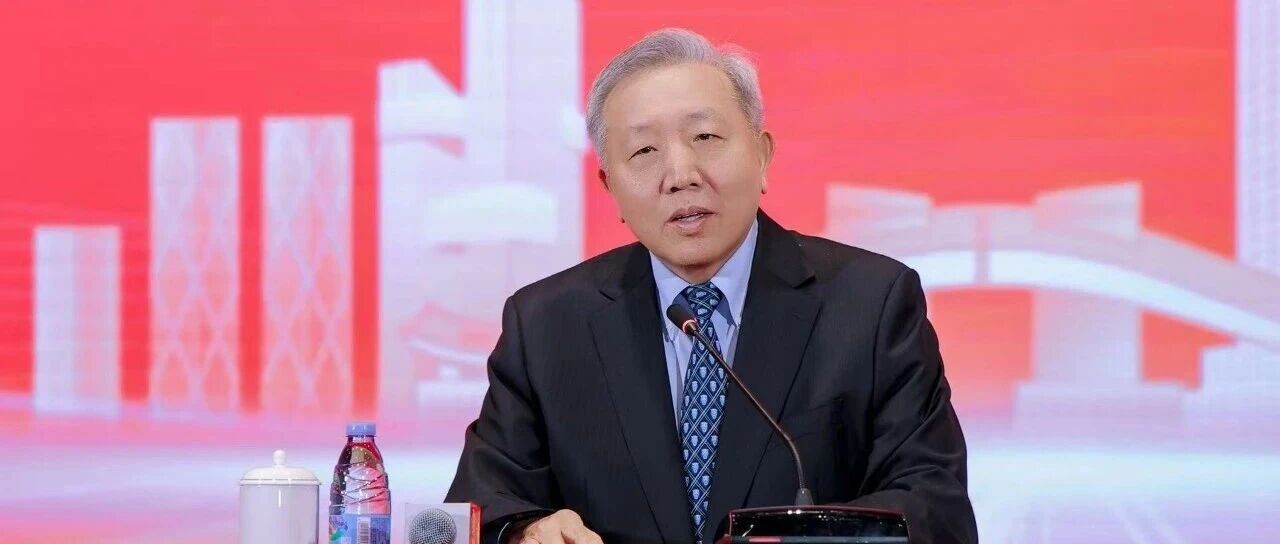
“破壁者”宋瑞霖:乐意为医药创新鼓与呼|我们的四分之一世纪
经济观察报· 2025-12-29 07:46
Core Viewpoint - The article highlights the significant contributions of Song Ruilin to the Chinese pharmaceutical industry over the past 25 years, emphasizing his role as a reformer and advocate for innovation in the sector [3][4][5]. Group 1: Background and Achievements - Song Ruilin, born in 1962, transitioned from a legal background in the State Council to lead the China Pharmaceutical Innovation Promotion Association (CPIA) for 16 years, becoming a key figure in China's pharmaceutical reforms [4][5]. - He played a crucial role in drafting policies that addressed systemic issues in drug approval and patent protection, significantly impacting the pharmaceutical landscape in China [6][19]. - His leadership helped transform the CPIA from a marginal organization into a prominent voice for pharmaceutical innovation, advocating for industry interests and engaging in policy discussions [9][28]. Group 2: Key Events and Contributions - Between 2016 and 2018, Song Ruilin was involved in pivotal reforms, including the issuance of the "Opinions on Deepening the Reform of the Drug Review and Approval System" which aimed to eliminate barriers to pharmaceutical innovation [17][18]. - He identified flaws in the clinical trial system, arguing that the requirement for generic drugs to undergo unnecessary trials delayed innovation by 4 to 5 years compared to international standards [18][20]. - His advocacy for a robust patent protection system was recognized at a high-level meeting, leading to the formal adoption of reforms that aligned with international practices [20][19]. Group 3: International Engagement - The CPIA's membership in the International Federation of Pharmaceutical Manufacturers & Associations (IFPMA) marked a significant step in aligning China's drug regulatory standards with international norms [21][22]. - Song Ruilin's efforts facilitated China's entry into the International Council for Harmonisation (ICH), enhancing the credibility of Chinese pharmaceuticals on the global stage [23][22]. Group 4: Industry Representation and Challenges - As a non-pharmaceutical professional, Song Ruilin's leadership style and willingness to engage in controversial discussions set him apart, often leading to debates over drug pricing and industry regulations [27][26]. - His approach to advocacy emphasizes the importance of understanding industry needs and challenges, positioning the CPIA as a genuine representative of the pharmaceutical sector rather than a mere regulatory body [27][30]. Group 5: Legal and Ethical Standards - Song Ruilin's legal background informs his commitment to evidence-based advocacy, insisting on regulatory compliance and ethical standards in industry practices [34][33]. - His tenure at the CPIA reflects a dedication to transparency and accountability, ensuring that the association operates within legal frameworks while advocating for industry interests [35][37].
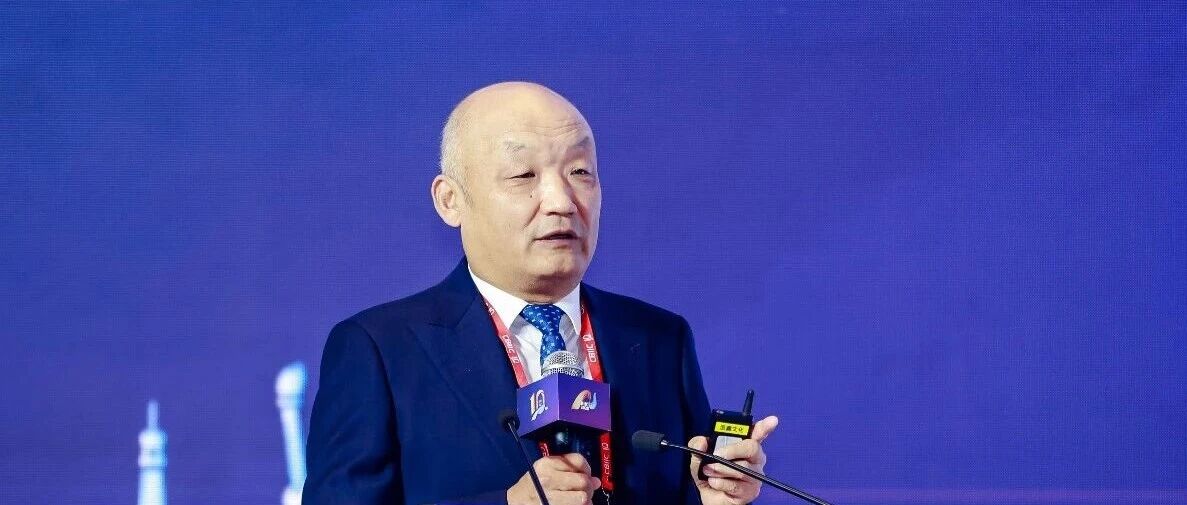
“直播教父”刘岩:我不是造浪的人,但浪来了要入水|我们的四分之一世纪
经济观察报· 2025-12-28 11:16
Core Viewpoint - Liu Yan, a prominent figure in the Chinese internet industry, has transitioned from being a pioneer in live streaming to exploring the potential of AI, emphasizing the importance of possibilities and the pursuit of freedom in entrepreneurship [1][4][25]. Group 1: Background and Early Career - Liu Yan graduated from Peking University and began his career as an investment analyst at Roberson Stephens & Co. in the U.S., viewing the internet primarily as an asset class [5]. - He participated in the listings of early internet companies like AsiaInfo and Sina, characterizing this period as the "Copy to China" era, where proven management practices and capital logic from the U.S. were introduced to China [5]. Group 2: Development of Live Streaming - In 2006, Liu Yan founded the live streaming platform Six Rooms, which became one of the most visited video websites in China, leveraging short video content to attract users [6]. - The competition in the early days was straightforward, focusing on acquiring a limited number of films and TV shows, with Liu signing nearly every available film to gain market share [6][10]. - The financial crisis in 2008 forced Liu to make tough decisions, including layoffs and cost-cutting, leading to a focus on product and team management rather than relying on external funding [7][12]. Group 3: Reflection on Live Streaming Industry - Liu Yan reflects on the commercialization of live streaming, acknowledging that the industry's shift towards entertainment and profit was partly his responsibility [11][14]. - He notes that the initial design of live streaming, which included features like virtual gifts and rankings, was driven by the need for quick monetization during financial struggles [13][14]. - The competitive landscape evolved, with platforms focusing on user scale and monetization efficiency, leading to a loss of innovation space in the industry [14][18]. Group 4: Transition to AI and New Ventures - Liu Yan has shifted his focus to AI, founding the 43 Group to explore the boundaries of prompt capabilities, emphasizing a fresh start and avoiding reliance on past experiences [21][28]. - He aims to create technology that can replicate human thought processes and personality traits, moving beyond mere visual or auditory imitation [20][21]. - Liu's approach to investment has changed, favoring small-scale, self-funded projects that allow for innovation without the constraints of traditional venture capital [28][29]. Group 5: Philosophical Reflections - Throughout his journey, Liu has contemplated the meaning of life and legacy, expressing a desire to create technology that preserves dignity and freedom rather than merely extending life [20][25]. - He believes that true freedom in entrepreneurship comes from the ability to choose one's path without the constraints imposed by external capital [25][26].
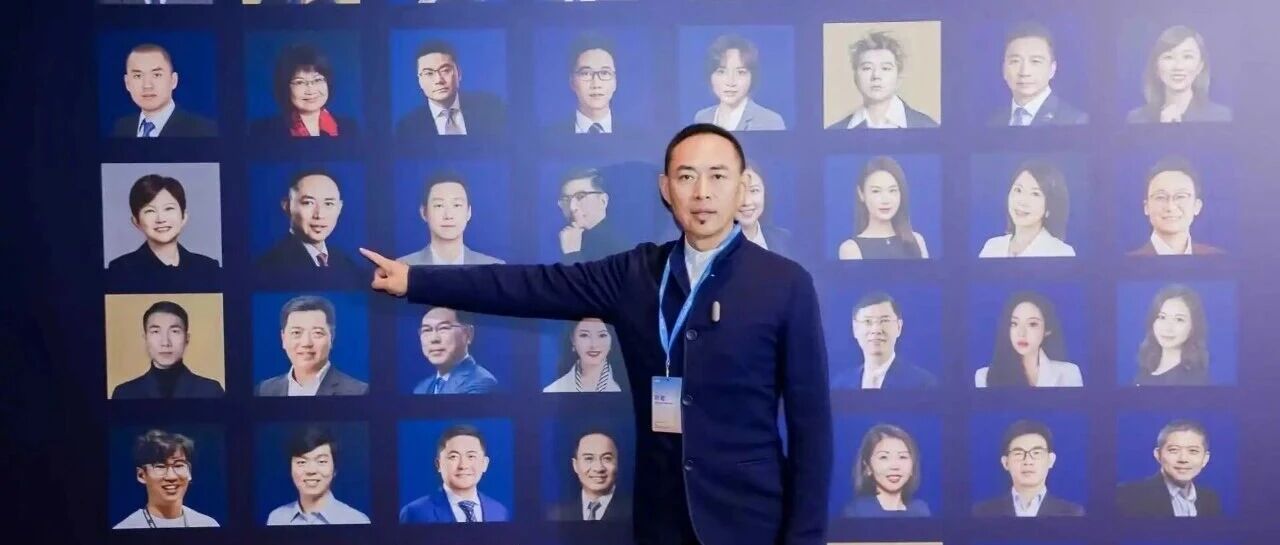
张悦然:保持在场,永不放弃严肃表达|我们的四分之一世纪
经济观察报· 2025-12-28 08:56
张悦然仍然相信当下是成为作家的好时机:"文学变得边缘 化,但写作也有机会变得更自由。" 作者: 罗文利 封图:受访者供图 编者按:2025年,经济观察报以"我们的四分之一世纪"为年终特刊主题,旨在通过数十位时代亲历者的故事,共绘一幅属于这段岁月的集体记忆图 谱。 2001年1月,第三届新概念作文大赛决赛现场。念高三的张悦然从家乡济南奔赴上海,坐在上海某个学校的一间教室里,眼前摆着三道命题作文题。 她选择了其中一道《假如明天没有太阳》,却在多年以后,对另一道念念不忘。"有一种向日葵是种不出来的,比如梵高的《向日葵》;有一种小屋是 别人造不出来的,比如《汤姆叔叔的小屋》,请讨论艺术与生活的关系。"她更喜欢这道题,却对如何回答它感到没有把握。 决赛收官,张悦然获得大赛A组一等奖,与郭敬明、秦雯等人一同成为该届大赛的焦点人物,频繁出现在公共话题讨论中。此后,张悦然继续写小说、 办杂志,将文字与创作融入日常,在作家这条道路上越走越远。 时间指针来到2025年,张悦然已成为中国人民大学的副教授,教授创意写作班的研究生课程。从执笔者到授业者,张悦然保持了25年文学的"在场", 她认为这种在场对她有价值、很重要,"这需要对时 ...

00后对谈“95后”资中筠:这个世界如何,就在于年轻人往何处去|我们的四分之一世纪
经济观察报· 2025-12-28 08:45
Core Viewpoint - The article emphasizes the importance of maintaining moral integrity and personal standards in a rapidly changing society, particularly for the younger generation, who are encouraged to navigate their paths with a sense of conscience and responsibility [7][44][46]. Group 1: Personal Experiences and Observations - The interviewee, Zizhongjun, reflects on her life experiences, noting significant changes in China since the late 1970s, highlighting the overall prosperity of the country over the past 30 years [17]. - Zizhongjun expresses disappointment in the current education system, stating that while education has become more widespread, the quality and cultural literacy have declined, which could have long-term implications for the nation [18][19]. - She recalls her own educational experiences, contrasting them with the current pressures faced by students, emphasizing the importance of genuine interest in learning rather than merely fulfilling external expectations [21][22]. Group 2: Advice for the Younger Generation - Zizhongjun advises young people to maintain a moral baseline and not to compromise their values, suggesting that they should prioritize integrity in their professional and personal lives [44][46]. - She encourages youth to pursue their interests and consider alternative paths outside the conventional trajectory of education and career, suggesting that they can find fulfillment in smaller cities or through entrepreneurship [37][40]. - The importance of individual responsibility is highlighted, with Zizhongjun asserting that every person can contribute to the nation's future by excelling in their respective roles, regardless of their ambitions [43]. Group 3: Reflections on Society and Values - Zizhongjun critiques the current societal trends that prioritize material success and social status, urging young people to resist these pressures and focus on meaningful pursuits [39][40]. - She reflects on the historical context of her parents' generation, noting that they navigated societal expectations differently, which she believes should inspire today's youth to challenge contemporary norms [38][39]. - The article concludes with a call for the younger generation to take charge of their future, emphasizing that the direction of society depends on their choices and actions [47].

【首席观察】2026年,人民币汇率会怎么走?
经济观察报· 2025-12-28 08:45
Core Viewpoint - The article discusses the implications of currency exchange, particularly the timing for exchanging RMB for USD or EUR, emphasizing the importance of managing future payment capabilities and controlling cash flow impacts from exchange rate fluctuations [1][4]. Group 1: Currency Exchange Trends - The offshore RMB to USD exchange rate (CNH) broke 7, reaching around 6.99 on December 25, 2025 [2]. - In 2025, the RMB appreciated approximately 4% against the USD, making the exchange of 10,000 USD cheaper by about 3,000 RMB compared to the beginning of the year [3]. - Conversely, the RMB depreciated by 9%-10% against the EUR in 2025, meaning exchanging 10,000 EUR at year-end would cost an additional 7,000-7,800 RMB compared to the start of the year [3]. Group 2: Market Dynamics and Influences - The RMB's appreciation against the USD is attributed to several factors, including a weaker USD index, increased attractiveness of RMB assets, rising demand for currency exchange from export enterprises, and policy guidance for orderly appreciation [6][8]. - The RMB's strength in late December 2025 is seen as a response to external factors, including a significant decline in the USD index, which fell approximately 9.9% over the year, marking its worst performance since 2003 [8]. Group 3: Future Outlook for RMB - For 2026, the RMB is expected to maintain a strong position against the USD, with 6.8 being a critical level, although caution is advised regarding potential pullbacks [4]. - Five key triggers are identified for the RMB's performance in 2026: continued USD weakness, stable trade surpluses, recovery in real estate expectations, marginal improvements in capital inflows, and effective policy measures to manage exchange rate volatility [11][12][13][14]. - The overall expectation for 2026 is a dual-directional fluctuation of the RMB, with a higher probability of upward trends, emphasizing the importance of confidence in monetary policy and economic structure [15].

董明珠:坚持信念,随时准备“战斗”|我们的四分之一世纪
经济观察报· 2025-12-28 08:45
Core Viewpoint - The article emphasizes the unwavering belief of Dong Mingzhu, the chairwoman of Gree Electric Appliances, in the concept of "industry serving the nation" as a guiding principle throughout her career [2][4]. Group 1: Company Evolution - Gree Electric Appliances transformed from a small air conditioning assembly factory with an annual output value of less than 20 million yuan to a publicly listed company over the past 25 years [3][4]. - Dong Mingzhu joined Gree in 1990 as a salesperson and has since become a legendary figure in the business world, leading the company through significant growth and challenges [3][16]. - By 2005, Gree had established itself as a leader in the air conditioning market, achieving a production and sales volume of over 10 million units, making it the world's largest air conditioning manufacturer [19]. Group 2: Technological Advancement - Dong Mingzhu identified 2005 as a pivotal year for Gree, marking the company's shift towards technological exploration, focusing on the research and development of compressors and motors [19]. - The company has made significant strides in developing its own CNC machine tools, which are crucial for enhancing manufacturing capabilities and reducing reliance on imports [20][22]. - Gree's commitment to technological independence is evident in its recent achievements, including winning a gold medal for its self-developed CNC machine at the Geneva International Exhibition of Inventions [20][21]. Group 3: Talent Development - Dong Mingzhu has prioritized the cultivation of domestic talent, emphasizing the importance of nurturing Chinese graduates over relying on overseas returnees [24][25]. - Gree's workforce has grown from 200 to over 20,000 R&D personnel, showcasing the company's commitment to developing local expertise [24]. Group 4: Market Position and Strategy - Gree has chosen not to participate in price wars, which has led to a decline in revenue, with a reported revenue of approximately 137.2 billion yuan in the first three quarters of 2025, a decrease of 6.5% year-on-year [30][31]. - The company remains steadfast in its commitment to quality over price, believing that short-term gains from low pricing can lead to long-term costs for consumers [31]. - Dong Mingzhu's approach to competition is characterized by a readiness to face challenges and a belief that pressure can lead to growth and innovation [31][32].

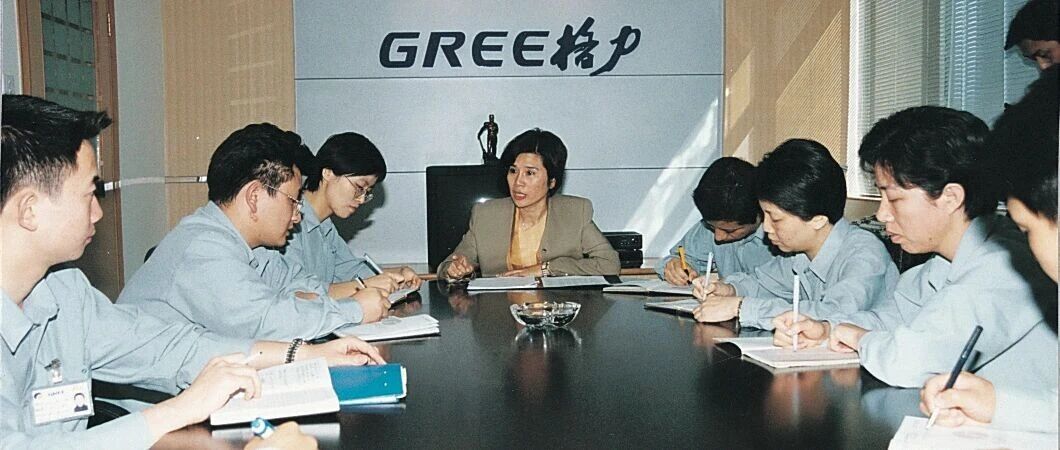
破产法学者李曙光:在改革的脉搏中|我们的四分之一世纪
经济观察报· 2025-12-28 08:15
Core Viewpoint - The article highlights the significant contributions of Li Shuguang in the development of bankruptcy law in China, emphasizing the importance of a robust legal framework for market economy and the need for personal bankruptcy legislation [4][10][21]. Group 1: Background and Contributions - Li Shuguang has been actively involved in drafting and revising various laws, including bankruptcy law, since 1986, playing a crucial role in the 2006 bankruptcy law and its upcoming 2025 revision [4][6][10]. - He believes that bankruptcy law serves as a necessary mechanism for market competition, allowing for the elimination of failing companies and promoting fair competition among viable market players [7][10][19]. Group 2: Legislative Evolution - The initial bankruptcy law in 1986 was aimed at facilitating state-owned enterprise reform and was limited to state-owned enterprises [12][13]. - The 2006 bankruptcy law was a significant step towards establishing a market economy, but its implementation faced challenges, with a notable decline in bankruptcy cases filed in the years following its enactment [36][37]. Group 3: Current Developments and Future Directions - The 2025 revision of the bankruptcy law aims to address existing gaps and introduce provisions for small and micro enterprises, cross-border bankruptcy, and personal bankruptcy, reflecting the evolving economic landscape [44][45]. - Li Shuguang advocates for the establishment of a personal bankruptcy system, which he believes is essential for addressing the needs of individuals facing financial difficulties and promoting social stability [21][52][53].

“妖镍”井喷:除了矿端扰动,还有没有需求新故事?
经济观察报· 2025-12-28 07:38
Core Viewpoint - The price movement of electrolytic nickel is primarily influenced by actual demand conditions, despite supply-side contractions and market speculation [1] Supply Disruption - Nickel is categorized into primary and recycled nickel, with electrolytic nickel being a key trading product and delivery standard for futures [4] - The price of electrolytic nickel has been in a downward trend due to weak downstream demand, with historical data showing significant volatility in nickel prices [4][5] - Recent policy adjustments in Indonesia, which plans to significantly reduce nickel ore production targets for 2026, have led to a rapid price rebound in the nickel market [6][5] - The futures market saw a dramatic increase in trading volume and price, indicating a surge in market participation and speculation [7] Demand Dilemma - The primary demand for electrolytic nickel comes from stainless steel, which accounts for over 70% of nickel consumption [9] - Despite supportive policies for the real estate sector, actual improvements in demand remain slow, with recent data showing a decline in stainless steel production [9][10] - Other sectors like alloys and electroplating have stable but limited demand, insufficient to absorb the excess supply of electrolytic nickel [10] Potential for Nickel Recovery - Some analysts remain optimistic about future nickel prices, citing historical trends where metals gain value in a low-interest-rate environment [12] - The demand from the new energy battery sector, particularly with the rise of solid-state batteries, is expected to contribute to future nickel consumption growth [13][14] - However, the realization of this demand is projected to be long-term, with significant commercial viability not expected until 2030 [14] - The recent price surge is attributed to policy expectations and market speculation rather than a fundamental improvement in supply-demand dynamics [14]