TENCENT(00700)

Search documents
腾讯等科技股重挫,汇丰等国际金融股“登顶”
Di Yi Cai Jing Zi Xun· 2026-02-04 10:06
Group 1 - The core viewpoint of the article highlights the ongoing decline in Hong Kong's technology stocks, with the Hang Seng Tech Index dropping 2.19% on February 4, while the Hang Seng Index showed a slight recovery, indicating a divergence between financial and tech sectors [2] - Tencent Holdings experienced a significant drop, reaching a four-month low of 558 HKD, influenced by rumors of tax increases and restrictions on WeChat's integration with certain services [2][3] - The performance of international financial stocks like HSBC and Standard Chartered was strong, reaching new highs, contrasting with the weakness in tech stocks, suggesting a "financial strong, tech weak" market dynamic [2][5] Group 2 - Analysts noted that the recent decline in tech stocks was driven by concerns over tax issues and valuation pressures from the US market, particularly affecting companies like Kingsoft and Weimob [3][4] - The introduction of AI applications by companies like Anthropic raised fears of software obsolescence, contributing to a significant drop in related stocks, with Kingsoft and Weimob seeing declines of nearly 7% and over 9%, respectively [3] - There is speculation that non-traditional software companies like Tencent and Alibaba may be unfairly impacted by market sentiment, with potential for recovery in the telecom sector as short-term negative factors are priced in [4][5]




腾讯元宝微信屏蔽「罗生门」背后,组织乱战还是「左右脑互搏」?
雷峰网· 2026-02-04 10:05
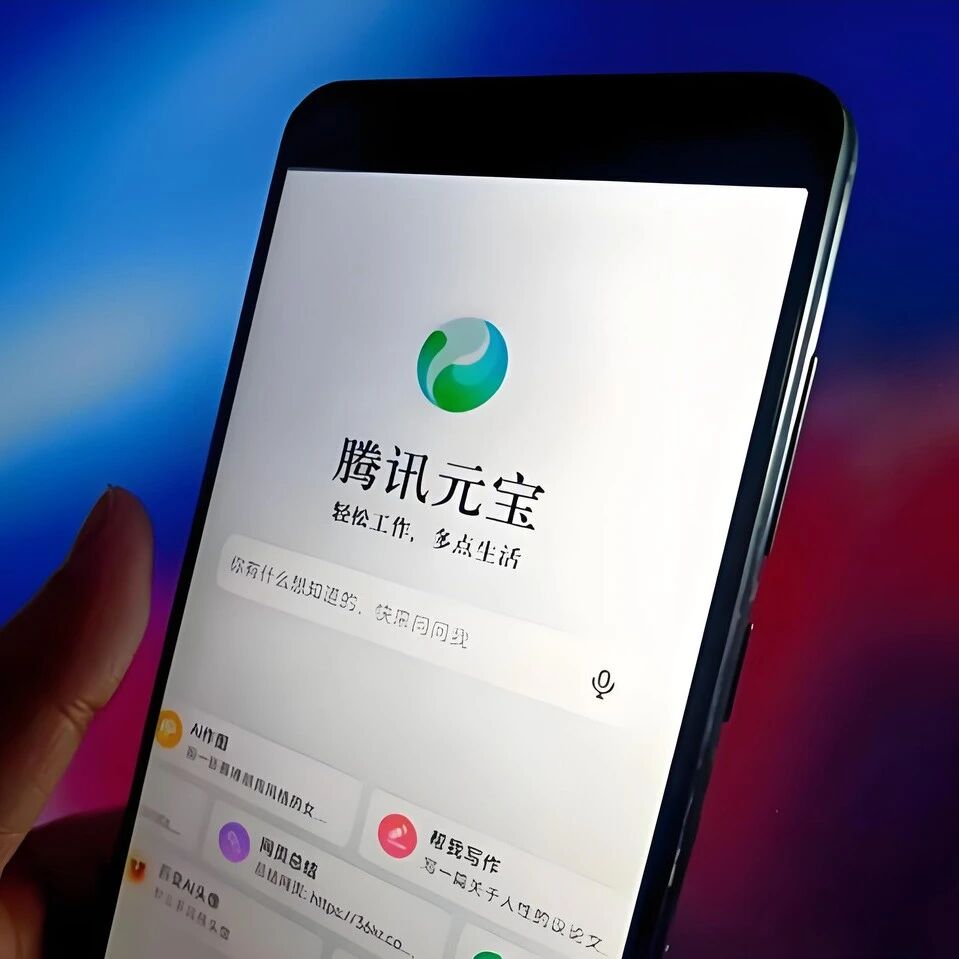
Core Viewpoint - The article discusses Tencent's recent marketing strategies, particularly focusing on the "Yuanbao" app and its challenges in penetrating lower-tier markets while maintaining user engagement and product experience [1][5][15]. Group 1: Marketing Strategy and Performance - The "Yuanbao" app experienced a surge in downloads due to the "Shang Yuanbao, distribute 1 billion" campaign, reaching the top of the Apple App Store free chart shortly after its launch [4]. - Concerns were raised about the effectiveness of such marketing tactics, as high daily active user (DAU) numbers do not guarantee long-term user retention or loyalty, as evidenced by the decline of the "Yuanmeng Zhixing" game despite initial success [5]. - The marketing strategy aimed to penetrate lower-tier markets but ended up primarily engaging Tencent employees and the tech community, failing to create significant traction in essential family and local groups [7][8]. Group 2: Internal Dynamics and Strategic Implications - The article highlights the internal challenges within Tencent regarding cross-departmental coordination for the "Yuanbao" campaign, suggesting that such initiatives require strong leadership from top executives [15]. - There is speculation that Tencent's decision to halt the initial marketing push was a strategic move to maintain platform integrity while also generating discussion around the brand, potentially benefiting from the controversy [14]. - The integration of AI resources within Tencent remains a work in progress, indicating that the company has yet to fully leverage its social capabilities to enhance its AI business [15].
南向资金丨腾讯控股获净买入22.31亿港元
Di Yi Cai Jing· 2026-02-04 10:00
南向资金净买入133.73亿港元,腾讯控股、阿里巴巴-W、南方恒生科技净买入额位列前三,分别获净 买入22.31亿港元、11.71亿港元、11.23亿港元。净卖出方面,中芯国际遭净卖出7.07亿港元、华虹半导 体遭净卖出2.36亿港元。 ...
南向资金今日净买入约134亿港元 创近两周单日流入新高

Mei Ri Jing Ji Xin Wen· 2026-02-04 09:59
(文章来源:每日经济新闻) 每经AI快讯,2月4日,南向资金今日净买入约133.73亿港元,为1月22日以来单日流入规模新高。腾讯 控股、阿里巴巴-W分别获净买入约22.31亿港元、11.71亿港元;中芯国际遭净卖出7.07亿港元。 ...
恒生指数收涨0.05%,煤炭、内房股走高,科网股低迷
Jin Rong Jie· 2026-02-04 09:58
Market Overview - The Hang Seng Index closed up 0.05% at 26,847.32 points, while the Hang Seng Tech Index fell by 1.84% to 5,366.44 points [1]. Sector Performance - Coal stocks led the gains, with Yanzhou Coal Mining rising over 10% and China Shenhua Energy increasing by over 5% [1]. - Chip stocks showed weak performance, with Shanghai Fudan down over 5% and Huahong Semiconductor declining nearly 5% [1]. - The technology sector overall performed poorly, with Tencent Holdings down nearly 4% and Bilibili falling over 3% [1]. - Domestic property stocks collectively rose, with Shimao Group increasing over 14% and Sunac China rising over 8% [1]. Individual Stock Movements - Among the Hang Seng Index constituents, Xinyi Glass, China Shenhua, and China Resources Land had the highest gains [1]. - Conversely, Ctrip Group, Tencent Holdings, and NetEase saw the largest declines [1]. - In the Hang Seng Tech Index, Li Auto, Leapmotor, and Haier Smart Home showed the most significant increases [1]. - On the downside, Kingdee International, Ctrip Group, and Tongcheng Travel experienced the largest drops [1].

BAT集体加入春节红包大战,为啥又开始拼红包了?
Bei Jing Ri Bao Ke Hu Duan· 2026-02-04 09:53
Group 1 - The core point of the article is that major internet companies (BAT) are re-entering the Spring Festival red envelope battle in 2026, indicating a renewed competition for user engagement and AI application promotion [3][6][9] - Tencent launched its "Shangyuanbao, share 1 billion" activity on February 1, 2026, which quickly gained popularity, making it the top free app on the Apple App Store [3] - Baidu announced a cash red envelope activity with a total of 500 million yuan available from January 26 to March 12, 2026, and will collaborate with Beijing TV for the Spring Festival Gala [3][4] Group 2 - The red envelope battle is seen as a marketing opportunity for internet giants to showcase their AI applications, as they compete for the C-end AI application super entrance [9][10] - The success of past red envelope campaigns, particularly Tencent's 2015 initiative, demonstrates that the effectiveness of such campaigns relies on meeting user needs and maintaining low barriers to participation [10][12] - The industry has shifted from a "traffic-first" approach to a focus on user retention, emphasizing the importance of creating a closed loop of "red envelope-experience-habit-ecosystem" to ensure long-term user engagement [12]


腾讯等科技股重挫,汇丰等国际金融股“登顶”
第一财经· 2026-02-04 09:46
Core Viewpoint - The article discusses the recent performance of Hong Kong's technology stocks, highlighting a decline in the Hang Seng Technology Index and contrasting it with the strength of financial stocks, indicating a market preference for traditional sectors over technology amid various pressures [2][3][4]. Group 1: Market Performance - On February 4, the Hang Seng Technology Index fell by 2.19%, closing at 5347 points, while the Hang Seng Index decreased by 0.41% before slightly recovering to a 0.05% increase by the end of the day [2]. - Tencent Holdings saw a significant drop, reaching a four-month low of 558 HKD, influenced by negative sentiment surrounding technology stocks [2]. - Financial stocks like HSBC and Standard Chartered reached new highs, showcasing a "strong financial, weak technology" market characteristic [2]. Group 2: Factors Influencing Technology Stocks - The decline in technology stocks was attributed to various factors, including rumors of tax increases and restrictions on WeChat's integration with Tencent's services, which negatively impacted market sentiment [3][4]. - Concerns over the potential replacement of existing legal software by new AI applications contributed to the drop in stocks like Kingsoft and Weimob, with Kingsoft experiencing a nearly 7% decline and Weimob over 9% [3]. Group 3: Investment Outlook - Analysts suggest that non-traditional software companies like Tencent and Alibaba may be unfairly affected by market sentiment, indicating potential buying opportunities [4]. - The article notes that while financial stocks may face challenges in sustaining their upward momentum due to established valuation mechanisms, the telecom sector could see stronger rebounds as negative sentiment dissipates [4]. - Long-term prospects for technology stocks may improve with the acceleration of AI commercialization and potential easing of monetary policy by the Federal Reserve, which could enhance growth potential in the sector [4].

南向资金今日净买入133.73亿港元
Xin Lang Cai Jing· 2026-02-04 09:45
Group 1 - Tencent Holdings and China Mobile received net purchases of HKD 20.66 billion and HKD 3.51 billion respectively through the Hong Kong Stock Connect (Shanghai) [1] - Semiconductor Manufacturing International Corporation (SMIC) had the highest net sell amount, totaling HKD 2.76 billion in the Hong Kong Stock Connect (Shanghai) [1] - Southern Hang Seng Technology and Alibaba-W received net purchases of HKD 11.23 billion and HKD 9.55 billion respectively through the Hong Kong Stock Connect (Shenzhen) [1] Group 2 - SMIC also had the highest net sell amount in the Hong Kong Stock Connect (Shenzhen), amounting to HKD 4.31 billion [1]

日薪3000的「游戏陪玩」,正疯狂捞金
36氪· 2026-02-04 09:39
Core Insights - The article discusses the explosive growth of the gaming companion market driven by the game "Delta Action," which has significantly impacted the industry and created new revenue streams for players and clubs [5][12][15]. Group 1: Market Dynamics - The gaming companion market is experiencing unprecedented growth, with some clubs reporting monthly revenues exceeding 100 million RMB due to the popularity of "Delta Action" [12][15]. - Players can earn substantial incomes, with some full-time companions making over 6,000 RMB per month, and top-tier players charging around 300 RMB per hour for their services [8][9]. - The game "Delta Action" has achieved remarkable user engagement, surpassing 41 million daily active users (DAU) [15][18]. Group 2: Business Models - The article highlights two primary business models within the companion market: "running knives" and "escort services," both of which cater to different player needs and income levels [26][30]. - "Running knives" involves players accumulating in-game currency (Haf coins) for clients, while "escort services" provide a more interactive experience where companions assist players in achieving game objectives [30][31]. - The exchange rate for Haf coins is approximately 1:30 with RMB, creating a lucrative market for both players and service providers [25][26]. Group 3: Industry Challenges - The companion industry operates in a gray area, facing regulatory risks and potential backlash from game developers regarding non-standard gaming behaviors [45][46]. - The rise of the escort service model has led to concerns about fairness and the potential for creating a divide between casual players and those who can afford to pay for enhanced gaming experiences [50][51]. - The article notes that the industry is evolving, with a shift towards more professionalized and capitalized service offerings, indicating a potential future where these services may become fully regulated [59][60].

微信为何今日突然封杀元宝? 知情人称在给千问们“立规矩”
Xin Lang Cai Jing· 2026-02-04 09:38
Core Viewpoint - The WeChat team has officially blocked the red envelope links from the Yuanbao App, citing excessive marketing and inducement sharing violations as the reason for the action [2][3][12] Group 1: WeChat's Actions - WeChat's official statement indicated that the blocking was a response to numerous user complaints about Yuanbao's marketing activities disrupting platform order and user experience [3][13] - The timing of WeChat's action is seen as strategic, coinciding with the upcoming Alibaba Qianwen's 3 billion yuan red envelope event, suggesting a move to set rules for competitors [2][6][19] - WeChat emphasized that the action was not solely against Yuanbao but aimed at all similar inducement sharing behaviors [3][13] Group 2: Yuanbao's Response - The Yuanbao team quickly announced adjustments to their sharing mechanism, shifting from link sharing to password sharing to mitigate the impact of the block [5][15] - This rapid response has sparked discussions among users, with some appreciating WeChat's actions while others view it as a pre-planned strategy [5][15] Group 3: User Reactions - Many WeChat users expressed frustration over the overwhelming number of Yuanbao red envelope links flooding group chats, leading to calls for bans on sharing these links within groups [7][17] - Users reported receiving hundreds of red envelope links daily, which significantly disrupted normal communication [7][17] Group 4: Industry Insights - Industry analysts noted that Yuanbao's viral marketing led to a false sense of activity in WeChat groups, ultimately harming genuine social interactions [9][19] - The blocking of Yuanbao is viewed as a necessary step to maintain the integrity of the WeChat ecosystem, with analysts suggesting that WeChat's initial leniency was to help Yuanbao achieve user growth before enforcing the block [6][19]