MEITUAN(03690)

Search documents
港股通11月4日成交活跃股名单
Zheng Quan Shi Bao Wang· 2025-11-04 16:24
Core Insights - The Hang Seng Index fell by 0.79% on November 4, with southbound trading totaling HKD 1000.97 billion, including HKD 549.64 billion in buying and HKD 451.32 billion in selling, resulting in a net inflow of HKD 98.32 billion [1] Trading Activity - The most actively traded stock by southbound funds was Alibaba-W, with a total trading amount of HKD 74.27 billion, followed by SMIC and Xiaomi Group-W with HKD 42.55 billion and HKD 36.09 billion respectively [1] - In terms of net buying, China National Offshore Oil Corporation (CNOOC) led with a net inflow of HKD 10.46 billion, while Xiaomi Group-W and China Mobile had net inflows of HKD 10.02 billion and HKD 7.53 billion respectively [1] - The stocks with the highest net selling were Alibaba-W, with a net outflow of HKD 8.68 billion, followed by Sunny Optical Technology and SMIC with net outflows of HKD 3.25 billion and HKD 2.34 billion respectively [1] Continuous Net Buying/Selling - Among the stocks, CNOOC and Xiaomi Group-W were notable for continuous net buying, with Xiaomi Group-W having a total net inflow of HKD 29.15 billion over five days, and CNOOC with HKD 26.49 billion over four days [2] - Conversely, SMIC, Alibaba-W, and Tencent Holdings experienced continuous net selling, with total net outflows of HKD 23.26 billion, HKD 21.89 billion, and HKD 21.63 billion respectively [2]





港股通净买入98.32亿港元
Zheng Quan Shi Bao Wang· 2025-11-04 16:21
Market Overview - On November 4, the Hang Seng Index fell by 0.79%, closing at 25,952.40 points, while southbound funds through the Stock Connect recorded a net purchase of HKD 9.832 billion [1] Trading Activity - The total trading volume for the Stock Connect on November 4 was HKD 100.097 billion, with a net purchase of HKD 9.832 billion. Specifically, the Shanghai Stock Connect had a trading volume of HKD 61.300 billion and a net purchase of HKD 5.202 billion, while the Shenzhen Stock Connect had a trading volume of HKD 38.796 billion and a net purchase of HKD 4.631 billion [1] Active Stocks - In the Shanghai Stock Connect, Alibaba-W had the highest trading volume at HKD 44.666 billion, followed by SMIC and Xiaomi Group-W with trading volumes of HKD 26.778 billion and HKD 22.200 billion, respectively. In terms of net buying, Xiaomi Group-W led with a net purchase of HKD 0.908 billion, despite its closing price dropping by 2.91%. Conversely, Alibaba-W experienced the highest net selling at HKD 0.586 billion, with a closing price decline of 2.57% [1] Shenzhen Stock Connect Highlights - In the Shenzhen Stock Connect, Alibaba-W also topped the trading volume with HKD 29.600 billion, followed by Tencent Holdings and SMIC with trading volumes of HKD 17.460 billion and HKD 15.760 billion, respectively. Tencent Holdings saw the highest net purchase of HKD 0.379 billion, with a slight closing price increase of 0.16%. The stock with the highest net selling was Sunny Optical Technology, which had a net selling amount of HKD 0.325 billion, closing down by 4.59% [2]


饿了么与淘宝闪购,阿里更需要谁
Bei Jing Shang Bao· 2025-11-04 15:01
Core Insights - The competition in the instant retail market is intensifying this year, with major players like Taobao Flash Purchase, Meituan, and JD engaging in rapid "minute-level" races to capture market share [1] - The controversy surrounding the potential renaming of Ele.me to Taobao Flash Purchase highlights the aggressive market presence and strategy of Taobao Flash Purchase in the instant retail sector [1][2] Group 1: Business Integration and Strategy - Ele.me, as Alibaba's leading food delivery service, and Taobao Flash Purchase are collaborating to enhance their market presence, leveraging each other's supply chain resources [1][4] - Alibaba's organizational restructuring, which includes integrating Ele.me and Fliggy into its China e-commerce business group, signifies a strategic shift towards a comprehensive consumer platform [4][5] - The collaboration between Ele.me and Taobao Flash Purchase has led to a significant increase in daily orders for Taobao Flash Purchase, surpassing 60 million orders [4] Group 2: Market Expansion and Product Offering - Taobao Flash Purchase has rapidly expanded its offerings beyond food and daily necessities to include beauty and apparel products, reflecting a broader market strategy [7] - The integration of offline and online resources has resulted in a substantial increase in non-food orders, with over 130 million non-food orders recorded, accounting for more than 16% of total daily orders [7] - The launch of "Taobao Convenience Store" aims to provide a comprehensive range of products with a promise of 30-minute delivery, enhancing the instant retail experience [8] Group 3: Competitive Landscape - The competition among instant retail platforms has escalated, with both Taobao Flash Purchase and Meituan achieving daily order volumes of 120 million, indicating a fierce battle for market dominance [6][8] - The integration of instant retail services into Alibaba's broader e-commerce strategy aims to meet consumer demand for a wider variety of products delivered quickly, moving beyond traditional food delivery [8][9] - Membership systems are being strengthened to enhance consumer loyalty, with Alibaba's Taobao boasting over 100 million platinum members who exhibit high purchasing frequency [9]


“双11”本地之战 | 饿了么与淘宝闪购,阿里更需要谁
Bei Jing Shang Bao· 2025-11-04 14:48
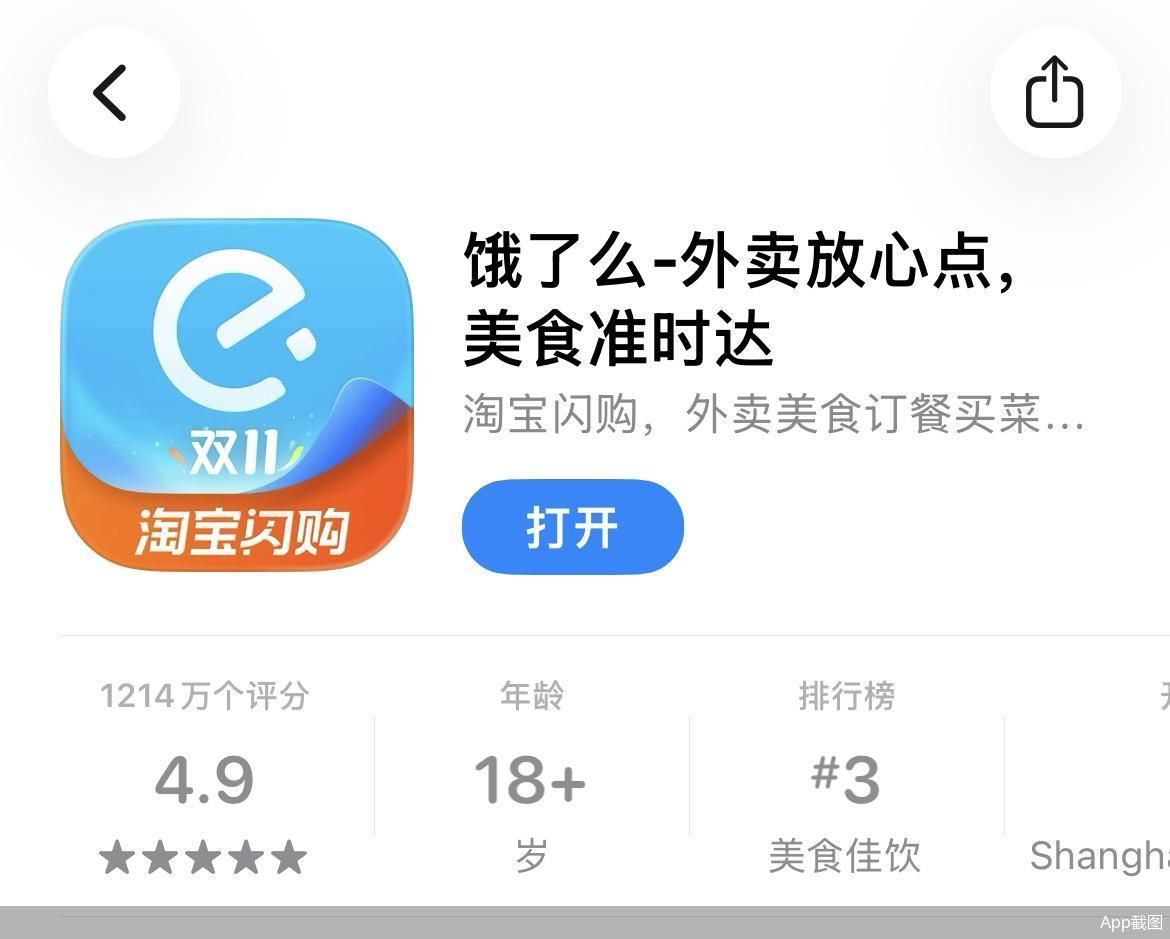
Core Viewpoint - The controversy surrounding "Ele.me rebranding as Taobao Flash Purchase" highlights the aggressive market presence and strategy of Taobao Flash Purchase in the instant retail sector this year [1][3]. Group 1: Business Integration - There are claims that the latest version of the Ele.me app has been renamed to "Taobao Flash Purchase," although no official confirmation has been provided [2]. - The integration of Ele.me and Taobao Flash Purchase is part of Alibaba's strategy to streamline local life resources and compete more effectively against Meituan and JD [1][3][8]. - The collaboration between Ele.me and Taobao Flash Purchase has led to significant operational changes, including organizational restructuring within Alibaba to enhance efficiency and resource allocation [7][11]. Group 2: Market Performance - Taobao Flash Purchase has seen a surge in daily orders, exceeding 60 million, and is being positioned as a "super increment" by Alibaba's leadership [8][12]. - The partnership with Ele.me has allowed Taobao Flash Purchase to leverage existing delivery infrastructure and merchant resources, significantly boosting its market presence [9][10]. - The competition in the instant retail space has intensified, with both Taobao Flash Purchase and Meituan achieving daily order volumes of 120 million, indicating a fierce battle for market share [9]. Group 3: Product Expansion - Taobao Flash Purchase is expanding beyond traditional categories like fresh food and daily necessities to include beauty and apparel products, reflecting a broader market strategy [10][12]. - The integration of online and offline resources is becoming more sophisticated, with brands needing to adapt their inventory and performance metrics to accommodate the new instant retail model [11]. Group 4: Consumer Engagement - Alibaba is enhancing its membership system to increase consumer loyalty, with over 100 million high-value members in the Taobao ecosystem, who frequently engage with the platform [13]. - The launch of "Taobao Convenience Store" aims to provide a comprehensive range of products with rapid delivery, further solidifying Taobao Flash Purchase's market position [12].

“不与商家争利”:淘宝闪购重塑便利店生态
2 1 Shi Ji Jing Ji Bao Dao· 2025-11-04 12:53
Core Insights - The article discusses the strategic developments in the instant retail sector, particularly focusing on the launch of Taobao's new convenience store brand and the competitive dynamics with Meituan's flash purchase service [1][2]. Group 1: Market Dynamics - Taobao's flash purchase service has seen explosive growth, with peak daily orders reaching 120 million in August and a 200% increase in monthly active buyers compared to April [2]. - The convenience store model aims to address the growing consumer demand for 24-hour service, with one-third of convenience stores on the platform providing such services, reflecting a 50% year-on-year growth [2]. - The competition between Taobao and Meituan has intensified, with both platforms expanding their supply chain infrastructure to enhance service capabilities [1][6]. Group 2: Business Model and Strategy - Taobao's convenience store operates on a brand authorization model, allowing high-quality merchants to use the brand without the platform opening stores or warehouses [2][3]. - The company plans to invest 2 billion yuan in the next year to support the construction of quality warehouses, upgrade product quality, and enhance logistics capabilities [3]. - The focus is on breaking the traditional retail model by integrating supply, warehousing, logistics, and payment into a single "station" [1][6]. Group 3: Challenges and Opportunities - The industry faces challenges such as product homogeneity and low brand recognition, which hinder service quality improvement [2][7]. - The need for digital upgrades and enhanced operational efficiency is critical for merchants to compete effectively in the evolving market [7]. - The article highlights the importance of local data insights for brands to connect with younger consumers and meet their evolving shopping preferences [7].
“不与商家争利”:淘宝闪购重塑便利店生态丨解构阿里系
2 1 Shi Ji Jing Ji Bao Dao· 2025-11-04 12:51
Core Insights - The article discusses the strategic developments in the instant retail sector, particularly focusing on the launch of Taobao's new convenience store brand and the competitive dynamics with Meituan's flash purchase service. Group 1: Market Dynamics - Taobao's flash purchase service has introduced a new convenience store brand, "Taobao Convenience Store," which aims to cover over 200 cities through brand authorization to qualified merchants [1] - Meituan has announced a partnership with numerous brands to establish "official flagship flash warehouses," indicating a competitive push into each other's territories [1] - The instant retail market is experiencing explosive growth, with Taobao's peak daily orders reaching 120 million in August, and the number of monthly active buyers surpassing 300 million, a 200% increase since April [2] Group 2: Business Model and Strategy - Unlike traditional self-operated models, Taobao's convenience store adopts a brand authorization model, focusing on empowering merchants through technology and standardization [2] - The company plans to invest 2 billion yuan in the next year to enhance merchant quality, product upgrades, logistics capabilities, and digital transformation [3] - The instant retail sector is evolving from emergency needs to a broader range of scenarios, including business trips and camping, highlighting the need for improved service quality and brand recognition [2][3] Group 3: Operational Challenges - The industry faces challenges such as inventory accuracy, with current estimates around 80%, leading to issues like picking errors and stockouts [4] - A successful case is noted where a warehouse achieved a 99.7% inventory accuracy rate, showcasing the potential for improvement through digital upgrades [5] - The article emphasizes the need for brands to address homogenization and enhance quality to avoid price competition, as 70% of products in some stores are similar [6][7] Group 4: Consumer Insights - The demand for quality and brand recognition is increasing, with a significant rise in daily active users and purchase frequency on Taobao's platform [6] - Brands must leverage localized data to understand consumer needs and innovate products to build long-term trust with younger consumers [7] - The competition between Taobao and Meituan represents a shift in the retail landscape, where platforms are becoming facilitators rather than direct competitors [6][7]
智通港股通活跃成交|11月4日
智通财经网· 2025-11-04 11:01
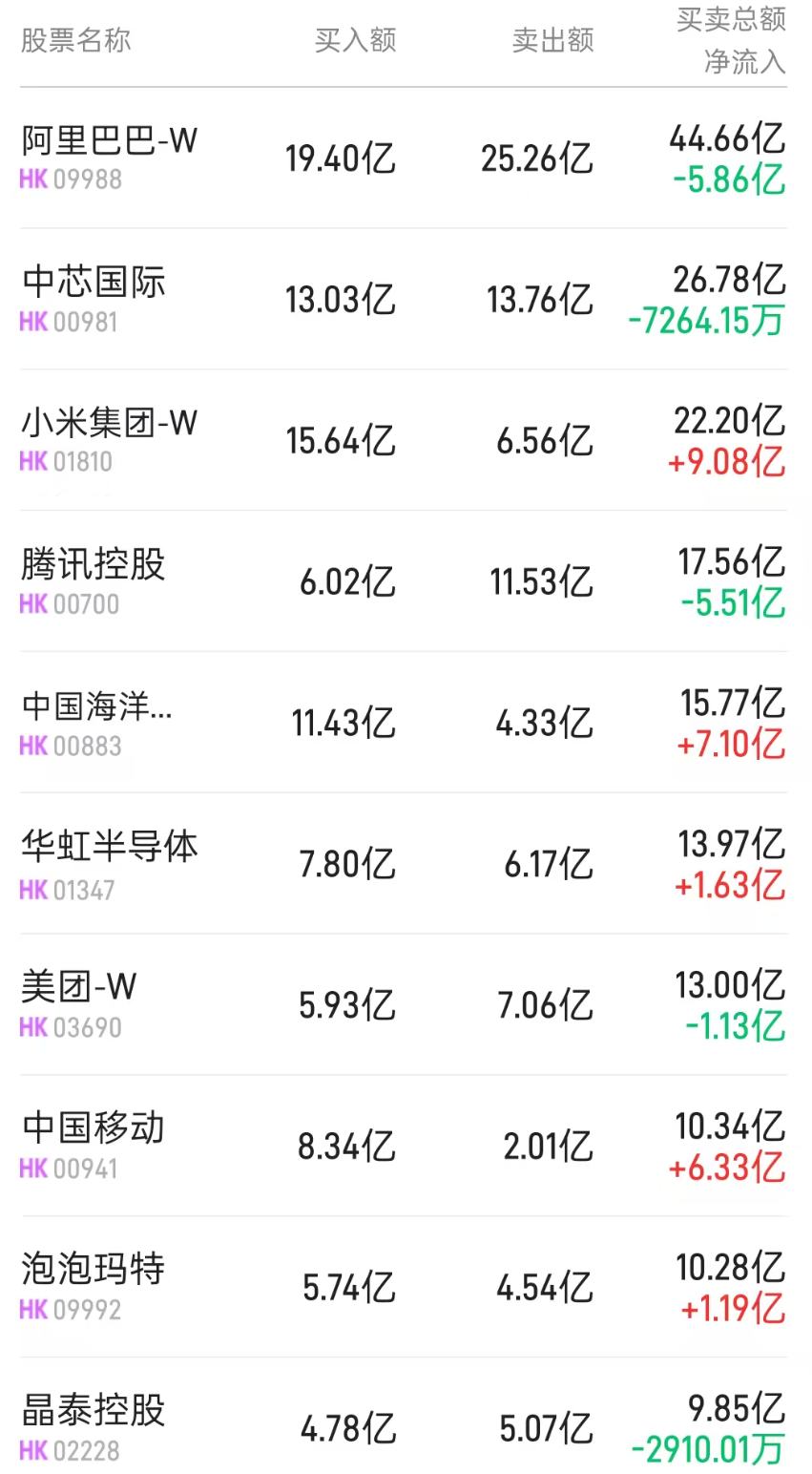
Core Insights - On November 4, 2025, Alibaba-W (09988), SMIC (00981), and Xiaomi Group-W (01810) were the top three companies by trading volume in the Southbound Stock Connect, with trading amounts of 4.466 billion, 2.678 billion, and 2.220 billion respectively [1] - In the Southbound Stock Connect for the Shenzhen-Hong Kong Stock Connect, Alibaba-W (09988), Tencent Holdings (00700), and SMIC (00981) also ranked as the top three, with trading amounts of 2.960 billion, 1.746 billion, and 1.576 billion respectively [1] Southbound Stock Connect (Shanghai-Hong Kong) - Top active companies by trading amount: - Alibaba-W (09988): 4.466 billion, net buy of -0.586 billion - SMIC (00981): 2.678 billion, net buy of -72.6415 million - Xiaomi Group-W (01810): 2.220 billion, net buy of 0.908 billion - Tencent Holdings (00700): 1.756 billion, net buy of -0.551 billion - CNOOC (00883): 1.577 billion, net buy of 0.710 billion - Hua Hong Semiconductor (01347): 1.397 billion, net buy of 0.163 billion - Meituan-W (03690): 1.300 billion, net buy of -0.113 billion - China Mobile (00941): 1.034 billion, net buy of 0.633 billion - Pop Mart (09992): 1.028 billion, net buy of 0.119 billion - Jingtao Holdings (02228): 0.985 billion, net buy of -29.1001 million [2] Southbound Stock Connect (Shenzhen-Hong Kong) - Top active companies by trading amount: - Alibaba-W (09988): 2.960 billion, net buy of -0.282 billion - Tencent Holdings (00700): 1.746 billion, net buy of 0.379 billion - SMIC (00981): 1.576 billion, net buy of -0.161 billion - Xiaomi Group-W (01810): 1.389 billion, net buy of 9.35231 million - CNOOC (00883): 0.910 billion, net buy of 0.336 billion - Hua Hong Semiconductor (01347): 0.883 billion, net buy of 0.166 billion - Meituan-W (03690): 0.730 billion, net buy of 0.204 billion - Sunny Optical Technology (02382): 0.573 billion, net buy of -0.325 billion - China Mobile (00941): 0.563 billion, net buy of 0.120 billion - Pop Mart (09992): 0.534 billion, net buy of 0.0078456 billion [2]
北水动向|北水成交净买入98.32亿 OPEC+暂停增产消息推升油价 北水加仓中海油超10亿港元
Zhi Tong Cai Jing· 2025-11-04 10:07
Core Insights - The Hong Kong stock market saw a net inflow of 98.32 billion HKD from northbound trading on November 4, with 52.02 billion HKD from the Shanghai Stock Connect and 46.31 billion HKD from the Shenzhen Stock Connect [1] Group 1: Stock Performance - The most bought stocks included CNOOC (00883), Xiaomi Group-W (01810), and China Mobile (00941) [1] - The most sold stocks were Alibaba-W (09988), SMIC (00981), and Tencent (00700) [1] Group 2: Detailed Stock Transactions - Alibaba-W had a buy amount of 19.40 billion HKD and a sell amount of 25.26 billion HKD, resulting in a net outflow of 5.86 billion HKD [2] - Xiaomi Group-W saw a net inflow of 9.08 billion HKD, with a buy amount of 15.64 billion HKD and a sell amount of 6.56 billion HKD [2] - CNOOC had a net inflow of 10.46 billion HKD, supported by OPEC+'s decision to pause production increases [5] - China Mobile received a net inflow of 7.52 billion HKD, with a strategic share transfer to China National Petroleum Corporation [5] Group 3: Sector Insights - The semiconductor sector showed mixed results, with Hua Hong Semiconductor (01347) receiving a net inflow of 3.29 billion HKD, while other stocks faced net outflows [6] - Bubble Mart (09992) gained a net inflow of 1.27 billion HKD, driven by seasonal sales trends and new product launches [7]
骑手里89%是兼职,究竟该如何保障他们?
3 6 Ke· 2025-11-04 10:03
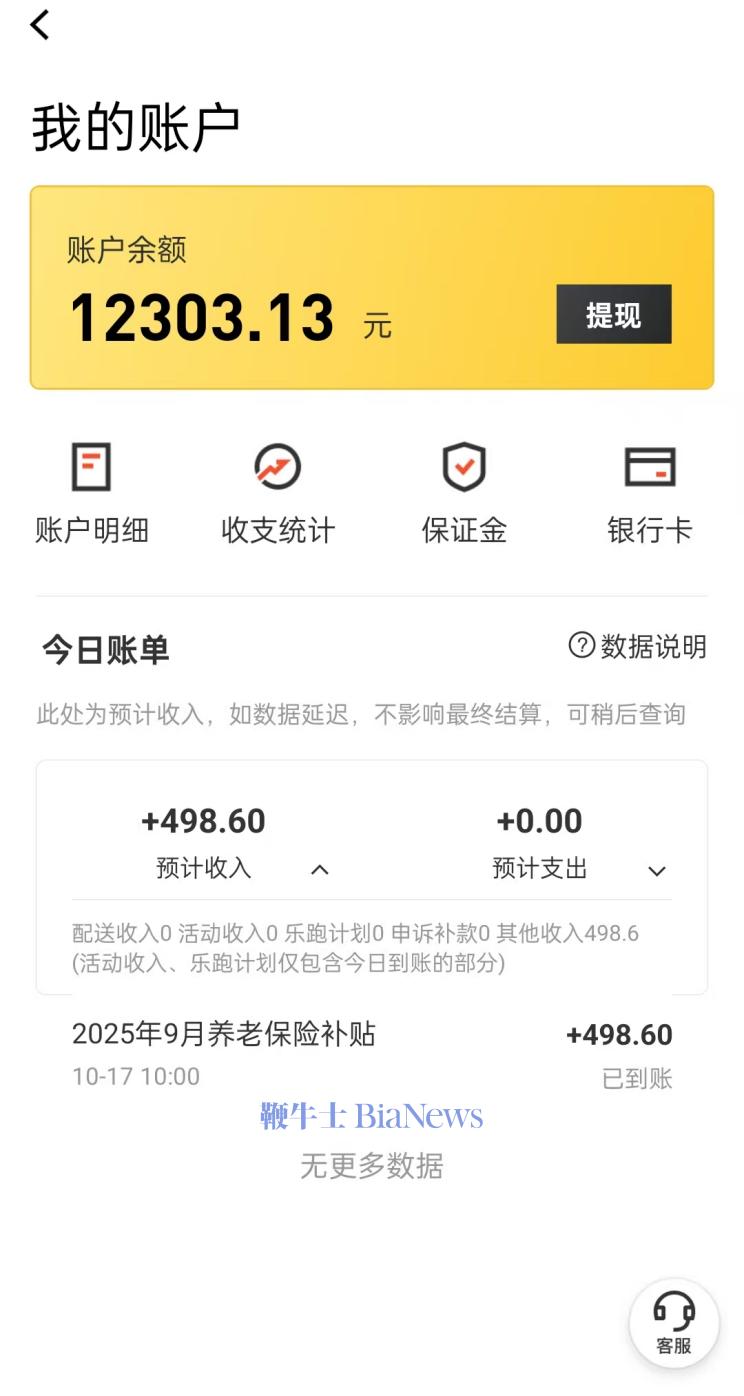
Core Insights - The article discusses the implementation of a pension insurance subsidy policy by Meituan for delivery riders, highlighting its impact on their financial security and work-life balance [2][5][28] - It emphasizes the complex needs and challenges faced by the rider community, particularly regarding social security and employment stability [7][8][12] Group 1: Pension Insurance Subsidy - Meituan's pension insurance subsidy policy provides riders with a monthly subsidy of over 500 yuan, significantly easing their financial burden [2][5] - The policy has been extended nationwide, allowing all types of riders to receive cash subsidies after paying for pension insurance, benefiting millions [5][28] - The subsidy encourages riders to participate in social insurance, transforming it from a financial burden into an affordable safety net [11][30] Group 2: Rider Demographics and Employment Characteristics - As of September 2024, there are 7.45 million riders on Meituan's platform, with 89% working part-time, indicating a highly mobile workforce [6] - Many riders view their job as a transitional phase, leading to a reluctance to commit to long-term social security contributions [7][16] - A significant portion of riders comes from rural areas, complicating their participation in urban social security systems [7][12] Group 3: Challenges in Social Security Participation - Riders face a dilemma between needing immediate cash income and the long-term benefits of social security, leading to resistance against mandatory contributions [7][9] - The traditional binary classification of employment does not adequately address the unique status of delivery riders, who operate in a gray area between dependent and independent labor [11][12] - The high mobility of riders creates challenges in maintaining continuous social security coverage, as many work across multiple platforms [12][13] Group 4: Broader Welfare Needs - Riders express a need for comprehensive protection that goes beyond pension insurance, including coverage for work-related injuries and daily living support [22][24] - Meituan has initiated various welfare programs, such as work injury insurance and meal subsidies, to address the diverse needs of riders [28][30] - The establishment of rider stations offering basic amenities reflects an understanding of the riders' daily challenges and enhances their overall work experience [30][34] Group 5: Future Implications - The article suggests that Meituan's approach to rider welfare could serve as a model for other flexible employment sectors, addressing the broader issue of social security for gig workers [33][34] - The ongoing development of a multi-layered welfare system aims to provide a safety net for a wide range of flexible workers, not just delivery riders [34][35] - The anticipated "social security year" for riders in 2025 marks a significant step in the evolution of labor rights for flexible employment groups [35]
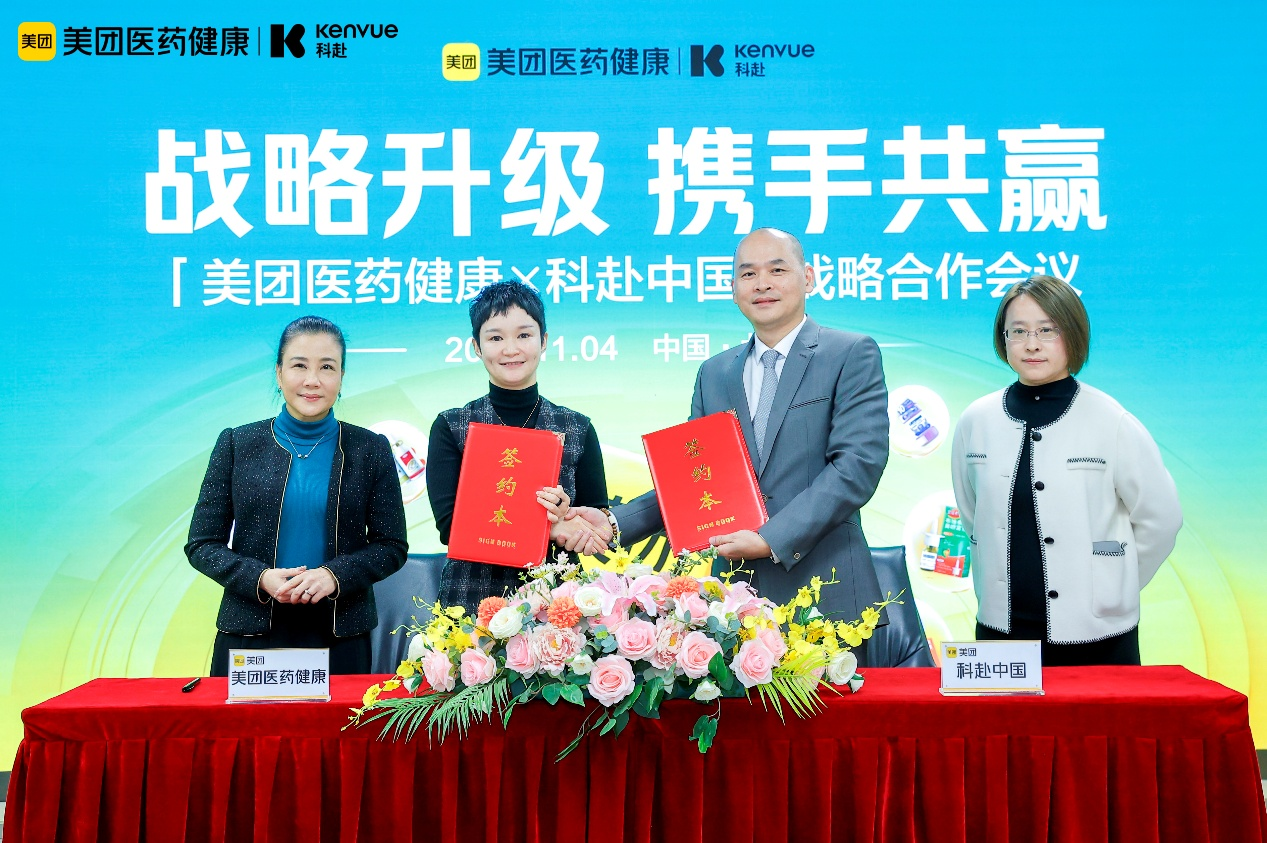
科赴与美团医药健康升级战略合作为消费者构建更加多元化、便捷的健康解决方案
Xin Hua Wang· 2025-11-04 09:35
Core Insights - The strategic partnership between Kefu China and Meituan Pharmaceutical Health has been upgraded to leverage Kefu's innovation and brand influence alongside Meituan's digital and retail capabilities to explore the potential of the health retail market in China [1][4][8] Group 1: Market Demand and Consumer Trends - The demand for quality health products among Chinese consumers is increasing due to economic growth and improved health literacy, driving innovation in the health industry [4] - A global consumer trends report by Kefu indicates that Chinese consumers recognize the importance of self-health management, which is a key motivation for the partnership upgrade [4] Group 2: Growth Achievements and Future Plans - Over the past six years, Kefu's brands have achieved a 16-fold growth on Meituan's platform, highlighting the success of their collaboration [4] - Meituan's user base has rapidly expanded, leading to a more diverse range of health consumption scenarios and a stronger demand for personalized health services [4] Group 3: New Product Development and Market Penetration - Kefu and Meituan have made significant breakthroughs in new product growth and penetrating lower-tier markets, utilizing digital tools to enhance product distribution and traffic operations [5][6] - The launch of the Meilin fever patch reached the second highest sales rank in its category within three months, demonstrating effective market entry strategies [5] Group 4: Capability Enhancement and User Experience - The partnership will focus on enhancing three key capabilities: digital capabilities, health service capabilities, and new product-driven capabilities [7] - Meituan will utilize its O2O model to integrate advertising and distribution for new product launches, aiming to create a more efficient growth model [7] - The collaboration will also explore the oral health market, enhancing the distribution channels for Kefu's Listerine mouthwash and providing scientific oral health education to consumers [7]