HAIDILAO(06862)

Search documents
金秋消费季海底捞加码“鲜切”系列上新
Bei Jing Shang Bao· 2025-09-29 03:50
Core Insights - Haidilao is launching a series of fresh-cut products this autumn, focusing on fresh beef and seafood to enhance dining options and stimulate market demand [1][2] - The fresh-cut beef trio has been introduced in over 600 stores nationwide, with same-day delivery capabilities [1] - Seafood products have been launched in 16 provinces, covering more than 600 stores, with promotional pricing in select cities [1] Product Development - The fresh-cut beef series includes various products tailored to different regions, such as selected fresh-cut beef trio and premium cuts in Guangdong and Fujian [1] - The company aims to operate over 100 standard theme stores featuring fresh-cut and live products by September 2025 [1] Market Impact - The introduction of fresh-cut products is expected to boost local industries, with daily usage projected to reach five to six tons for fresh-cut beef sourced from regions like Ningxia and Gansu [2]

多家餐厅悄悄撤下“现做”招牌被骂:预制菜透明化,已成餐企绕不开的必答题
Sou Hu Cai Jing· 2025-09-29 00:26
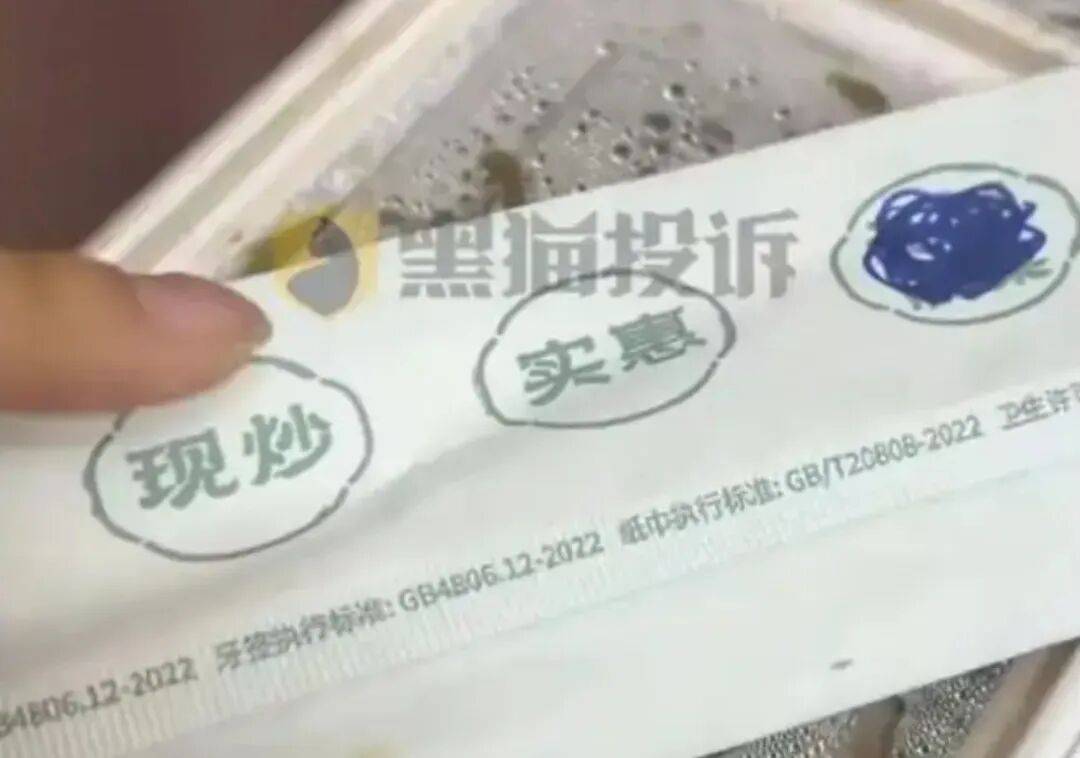
Core Viewpoint - The restaurant industry is facing a dilemma regarding the use of pre-prepared dishes, with some companies opting for transparency while others choose to avoid the topic altogether. The push for transparency in pre-prepared dishes is becoming an inevitable trend driven by consumer rights and regulatory pressure [1][4][25]. Group 1: Industry Response to Pre-prepared Dishes - Some restaurants, like Green Tea, have removed signs claiming "no pre-prepared dishes" and have blacked out such labels on disposable utensils, indicating a cautious approach to avoid backlash [2][5][6]. - In contrast, other establishments, such as Haidilao, have begun to label certain dishes as "partially pre-processed," reflecting a more transparent strategy [8][10]. - The well-known brand Dabowl Mr. has announced plans to clearly label the preparation methods of all 126 dishes in its menu, with 65.8% being freshly made [13]. Group 2: Challenges in Defining Pre-prepared Dishes - The lack of a clear definition and standards for what constitutes a pre-prepared dish complicates the labeling process for restaurants, leading to confusion and inconsistency in the industry [16][17]. - The complexity of traditional Chinese cuisine makes it difficult to categorize dishes as pre-prepared, as the preparation process can vary significantly [18][20]. - Smaller restaurants face additional challenges due to limited resources and the inability to implement comprehensive labeling systems [22]. Group 3: Consumer Perception and Market Dynamics - Consumer perception equates pre-prepared dishes with lower quality, leading to hesitance among restaurants to label their offerings as such, especially in higher-end dining establishments [23][24]. - The reliance on pre-prepared ingredients is widespread in the industry, with few restaurants able to operate without them, particularly in chain operations [24]. - The recent decline in customer traffic for brands like Xibei highlights the potential negative impact of being associated with pre-prepared dishes [24]. Group 4: Regulatory Trends and Future Directions - The push for transparency in pre-prepared dishes is gaining momentum, with government agencies advocating for clearer labeling practices to protect consumer rights [25][29]. - Some regions are already implementing mandatory labeling requirements for pre-prepared dishes, indicating a shift from optional to required transparency [29]. - The industry may see a division where high-end restaurants focus on freshly made dishes while fast-casual dining embraces pre-prepared options, reflecting changing consumer expectations [33].

餐饮变天,消费者正在告别“大牌”,拥抱“质价比”
Sou Hu Cai Jing· 2025-09-28 10:07
Group 1 - The core viewpoint of the article is that the restaurant industry is undergoing a significant transformation, shifting from a focus on brand loyalty and scale expansion to prioritizing "quality-price ratio" and sustainable business practices [3][4][5] - Consumers are becoming more discerning, valuing stable quality, reasonable prices, and authentic experiences over brand recognition, with only 20.6% preferring well-known brands and 27.4% favoring unique, niche restaurants [4][6] - The average price in the restaurant industry has decreased, with a notable drop from 43.2 yuan in 2022 to 42.6 yuan in 2023, and further down to 39.8 yuan in 2024, indicating a shift in consumer spending behavior [6][8] Group 2 - The article identifies four main drivers of this transformation: rational consumer behavior, a desire for authentic flavors, social currency and experiential dining, and a shift towards more thoughtful spending [4][22][23] - The restaurant sector is seeing a rise in local specialties and experiential dining, with 45% of tourists prioritizing food experiences during travel, leading to a fusion of local cuisine and tourism [9][11] - The industry is moving towards a model of single-store profitability, focusing on operational efficiency and customer experience rather than mere expansion [25][33] Group 3 - Innovative store formats are emerging, such as delivery-only restaurants and shared spaces, which reduce costs and enhance operational efficiency [26][28][29] - Successful brands are adopting a "small store model" that emphasizes lower investment costs and higher efficiency, as exemplified by the "Little Garden" restaurant chain [34][41] - Digital tools are becoming central to restaurant operations, enhancing site selection, supply chain management, and customer experience [45][46] Group 4 - The article emphasizes the need for restaurants to shift from merely selling products to providing unique experiences, with brands like Haidilao exemplifying this approach through innovative dining environments [47][48][49] - The future of the restaurant industry is characterized by a focus on value creation and sustainable practices, with brands that effectively implement "quality-price ratio" likely to succeed in the coming decade [55][56]

餐饮业强化供应链控制 构建从田间到餐桌的高效韧性体系
Zhong Guo Jin Rong Xin Xi Wang· 2025-09-28 08:20
Core Insights - The restaurant industry is shifting its strategic focus towards supply chain integration and food quality control in response to consumer recovery and intensified competition [1][2] - Leading companies are enhancing control over food sources through initiatives like direct sourcing, cold chain upgrades, and collaboration with farmers [1] Group 1: Supply Chain Strategies - Major companies are building planting bases and engaging in targeted procurement to strengthen their control over food sources [1] - Haidilao's "6 Jin Tomato Hotpot" features tomatoes sourced from the golden planting belt around latitude 40° in Xinjiang and Inner Mongolia, with projected sales exceeding 70 million servings in 2024, leading to an annual procurement of over 70,000 tons of tomatoes [1] - Happy Little Sheep is collaborating closely with farmers and implementing sterile slaughtering technology to extend the shelf life of fresh lamb to 45 days, establishing a stable supply chain for fresh meat across its nationwide outlets [1] Group 2: Efficiency and Product Offerings - Companies are improving logistics and processing efficiency to achieve "fresh-cut, same-day delivery" [2] - Haidilao has launched fresh-cut products in over 600 stores nationwide, with a goal of operating more than 100 standard theme stores featuring fresh-cut products by September 2025 [2] - Industry experts suggest that competition is evolving from store operations to the efficiency of the entire supply chain, making supply chain management a core driver for transformation and upgrading in the restaurant sector [2]
海底捞推出多款秋季新品 番茄锅年销量超7000万份
Xin Lang Ke Ji· 2025-09-28 07:31
Core Insights - Haidilao has launched several autumn products, including a 6 kg tomato hot pot and fresh-cut beef trio, along with seafood offerings [1] Product Launch and Sales - The 6 kg tomato hot pot is made from tomatoes sourced from the golden planting belt around latitude 40° in Xinjiang and Inner Mongolia, with projected annual sales exceeding 70 million servings in 2024, leading to a total procurement of over 70,000 tons for all tomato products [1] - The company has been developing a "fresh-cut" series in its meat offerings, with over 100 standard theme stores featuring fresh-cut products expected to be operational by September 2025 [1] Fresh-Cut Product Strategy - Fresh-cut beef is primarily sourced from regions including Ningxia, Gansu, Guizhou, and Inner Mongolia, with an anticipated daily usage of five to six tons following increased promotional efforts in the autumn [1]
科技融入餐饮:海底捞“火锅+AI编程”成亲子消费新热点
Qi Lu Wan Bao Wang· 2025-09-27 01:34
Core Insights - Haidilao has opened an innovative concept store in Beijing, collaborating with AI education brand Yuan Programming to create an "AI Enlightenment Base" for children, allowing parents to enjoy hot pot while their kids learn technology [1][3] Group 1: Store Features - The store features a transparent kitchen, welcoming robots, a dessert station, and a cocktail bar, enhancing the dining experience with technology [1] - The children's area includes four high-tech installations that teach programming concepts through interactive play, such as obstacle-avoiding cars and balance challenges [3] Group 2: Customer Experience - The store achieved a table turnover rate exceeding 6 during its opening weekend, indicating high customer interest and engagement [5] - The concept integrates AI education into the dining experience, transforming traditional family meals into interactive learning opportunities [3][5] Group 3: Future Plans - Haidilao plans to expand this "hot pot + AI education + entertainment" model to other sectors, including tourism and retail, aiming to integrate technology into everyday life [5]

大馆子放下身段 居民乐享口福
Bei Jing Wan Bao· 2025-09-26 06:47
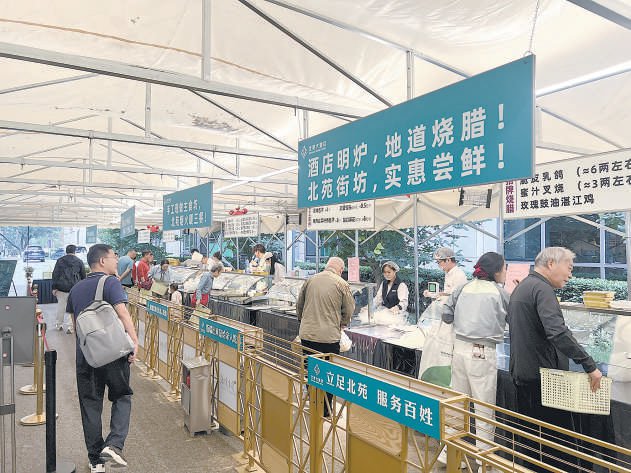
Core Viewpoint - Major restaurant chains are increasingly engaging in community-oriented businesses, offering affordable meals and services to local residents, reflecting a shift towards more accessible dining options [1][12]. Group 1: Community Engagement by Major Chains - Haidilao has opened its first community store in the Shahe area, selling staple foods, ready-to-eat meals, and convenient breakfast options [1][4]. - Other well-known brands like Meizhou Dongpo and Jindingxuan have also started offering affordable breakfast options, enhancing their service offerings based on local feedback [4][5]. - The trend of large restaurants providing community services is not limited to breakfast; it includes various meal options that cater to local tastes and preferences [10][11]. Group 2: Product Offerings and Pricing - Haidilao's breakfast offerings include freshly made items such as fried dough sticks priced at 1.5 yuan, tea eggs at 2.5 yuan, and various buns ranging from 2.9 to 4.5 yuan, making it affordable for residents [4]. - The new community stores, like the Ziguangyuan yogurt station, offer a range of products including yogurt, baked goods, and ready-to-eat meals at competitive prices, with items like croissants priced at 3.5 yuan [7][8]. - North Yuan Hotel has introduced a variety of ready-to-eat meals, with prices for cold dishes starting at 9.9 yuan, making it an attractive option for local residents [10]. Group 3: Market Trends and Consumer Behavior - The rise of "small but beautiful" community stores is being adopted by more chain restaurants, indicating a shift in the market towards localized and accessible dining experiences [9]. - Consumers are increasingly favoring these community-oriented dining options, as evidenced by the growing number of regular customers at these establishments [11][12]. - The trend reflects a broader movement in the restaurant industry towards enhancing daily life for residents, moving away from formal dining experiences to more casual, everyday meal options [12].
日本餐厅闷声发万亿财,中国海底捞营收却跌3.7%,谁在买单
Sou Hu Cai Jing· 2025-09-25 10:14
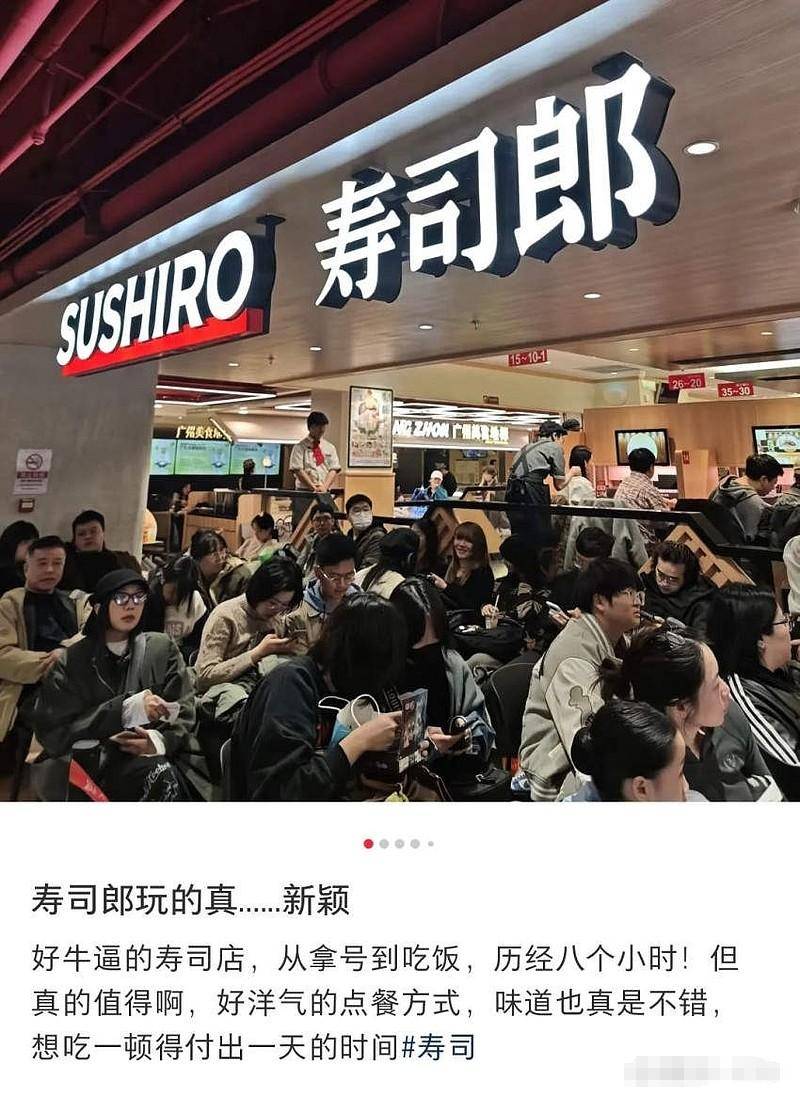
Core Insights - Japanese restaurants have rapidly expanded in the Chinese dining market, achieving a market value exceeding 1 trillion yen, while local Chinese restaurants struggle to attract consumers [1][19]. Expansion of Japanese Restaurants - Japanese restaurants have significantly increased their presence in China, with a notable rise in the number of establishments from 70,000 in the past to a projected increase of 100 more by 2033 [13][15]. - Major chains like Sushi郎 and 藏寿司 have strategically opened locations in high-consumption cities such as Beijing and Shanghai [15][19]. Economic Context - Japan's economic challenges, including a significant depreciation of the yen and a decline in the restaurant sector, have prompted Japanese restaurants to adopt aggressive strategies to recover [3][5]. - The restaurant industry in Japan has seen a 20% decline over five to six years, necessitating adjustments to survive [5]. Strategies for Success - Japanese restaurants have lowered prices to attract more consumers, with examples of menu items being reduced from 400 yen to 200 yen [7]. - The introduction of versatile part-time staff has helped reduce costs and increase revenue streams [9]. Performance Metrics - Sushi郎's revenue surged by 18.3% year-on-year, with operating profit reaching 68.4%, contributing to its market value surpassing 1 trillion yen in 2024 [19]. - In contrast, Chinese restaurant chains like 海底捞 are experiencing revenue declines, with a 3.7% drop projected for the first half of 2025 [19]. Consumer Preferences - Japanese restaurants enjoy high customer traffic, often resulting in long wait times of 6 to 10 hours, indicating strong consumer demand despite higher prices [23]. - The perceived value of Japanese dining experiences, including generous portion sizes and quality service, enhances their appeal compared to local options [25][27]. Challenges for Chinese Restaurants - Despite the abundance of Chinese restaurants, many face declining revenues and issues related to food safety, which hinder their competitiveness [29]. - The need for Chinese restaurants to innovate and improve quality is critical for regaining consumer trust and market share [29].
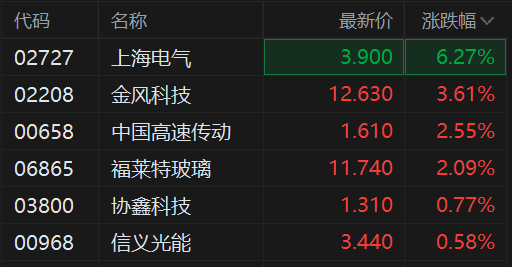
电力设备股普涨 上海电气涨超6% 行业高景气度延续
Ge Long Hui· 2025-09-25 02:44
Group 1 - The core viewpoint is that the telecommunications equipment stocks in Hong Kong are experiencing a general increase, driven by a global uptrend in power equipment demand [1] - Shanghai Electric leads the gains with an increase of over 6%, followed by Goldwind Technology at 3.6%, China High-Speed Transmission at 2.5%, and Fulaite Glass at 2% [2] - The report from CITIC Securities indicates that global investment in power grids is expected to exceed $400 billion by 2025, maintaining a high level of market activity [1] Group 2 - AI is projected to significantly boost global electricity demand, leading to a notable increase in the demand for supporting electrical equipment [1] - Major overseas companies are raising their capital expenditure forecasts and increasing investments in AIDC infrastructure [1] - The demand for transformers in the U.S. market continues to strengthen, with high transformer price indices, and the Middle East is experiencing rapid growth in transformer demand [1]

豪餐均消超600,“穷鬼套餐”20多元,海底捞“既要又要”
3 6 Ke· 2025-09-24 23:53
Core Insights - High-end hotpot business is facing challenges, with Haidilao reporting a decline in revenue, net profit, and customer traffic in the first half of 2025 [1][2][3] - The company is attempting to pivot towards higher-end offerings while also targeting lower-income consumers with budget options [6][11] Financial Performance - Haidilao's revenue for the first half of 2025 was 20.703 billion yuan, a year-on-year decrease of 3.7% [1] - The group's profit was 1.755 billion yuan, down 13.7% year-on-year, with core operating profit declining by 14.0% to 2.408 billion yuan [1] - Customer visits dropped by over 10 million, with total customer count reaching nearly 190 million, compared to over 200 million in the same period last year [1] New Store Concepts - Haidilao launched its first "Premium Store" in Beijing, targeting high-net-worth individuals with an average spending of over 600 yuan per person, significantly higher than the regular store average of 97.9 yuan [2][4] - The Premium Store offers enhanced service and high-quality ingredients, but has also introduced lower-priced group packages to attract more customers [4][5] Market Strategy - The company is diversifying its offerings with new store formats, including community stores and budget-friendly options, to capture a wider customer base [10][11] - The "Down-to-Earth" hotpot meal options have seen significant growth, with a 59.6% increase in revenue from the takeaway segment [6][9] Industry Context - The overall hotpot industry is struggling, with a net decrease of over 27,000 stores in the past year, indicating a challenging market environment [13][15] - Haidilao's market value has dropped to 71.236 billion HKD from a peak of over 430 billion HKD since its IPO in 2018 [13] Operational Challenges - Haidilao experienced a net decrease of 5 stores in the first half of 2025, with operational inefficiencies leading to closures [12] - The company is facing increased competition and pressure from both high-end and budget segments, complicating its growth strategy [15]