CGS(601881)

Search documents
中国银河:瑞幸咖啡多头预计2026-2028年市场份额将增长
Xin Lang Cai Jing· 2026-01-13 06:33
Core Viewpoint - Luckin Coffee is favored by China Galaxy International due to its overseas expansion plans and resilient market share, with expectations of over 23% growth in total merchandise transaction volume from 2026 to 2028 [1] Group 1: Company Analysis - Analysts highlight that rising coffee bean prices are tightening cash flow, putting pressure on smaller competitors in the ready-to-drink beverage industry [1] - Luckin Coffee is expected to benefit from the industry's expansion in Southeast Asia [1] - A potential acquisition of a high-end brand is deemed crucial for Luckin Coffee to solidify its brand and enter more mature overseas coffee markets [1] Group 2: Market Performance - China Galaxy International initiates coverage on Luckin Coffee, assigning a "Buy" rating with a target price of $52.00 [1] - The company's American Depositary Shares closed up 1.2% at $33.52 [1]

保险代销“下半场”竞速开启
Bei Jing Ri Bao Ke Hu Duan· 2026-01-13 02:16
Core Viewpoint - The integration of insurance products into brokerage apps signifies a potential transformation in wealth management, indicating a shift towards a more comprehensive financial service model [1][3]. Group 1: Insurance Product Integration - Major brokerages like CITIC Securities, China Merchants Securities, and others have introduced dedicated insurance purchase sections in their apps, showcasing a variety of insurance products [3][4]. - The types of insurance products available include health insurance, accident insurance, and various life insurance options, with some brokerages offering nearly 20 different products [3][5]. - The move to include insurance in brokerage apps reflects a growing recognition of insurance as a critical component of wealth management, especially as the demand for diversified financial services increases among consumers [3][11]. Group 2: Historical Context and Regulatory Changes - The practice of brokerages selling insurance is not new, having begun over two decades ago, but it has gained momentum only recently due to regulatory changes that allowed for broader participation [4][5]. - The 2012 regulations by the China Securities Regulatory Commission opened the door for brokerages to sell insurance products, yet progress has been slow due to limited participation from qualified firms [5][6]. Group 3: Comparison with Banking Channels - Unlike banks, which have a well-established and mature insurance sales model, brokerages are still in the early stages of developing their insurance offerings, leading to a less comprehensive product range [6][8]. - Banks have a significant advantage in customer trust and service infrastructure, making them more effective in selling insurance products compared to brokerages, which primarily focus on securities trading [8][9]. Group 4: Market Opportunities and Challenges - The entry of brokerages into the insurance market presents new opportunities for diversification and revenue growth, particularly as they seek to enhance customer engagement through integrated financial services [11][12]. - However, challenges remain, including the need for brokerages to build expertise in insurance sales and establish strong partnerships with insurance companies to ensure quality service [13].






中国银河证券:国产AI泡沫风险可控 建议关注港股科技巨头及AI应用链
智通财经网· 2026-01-13 01:25
智通财经APP获悉,中国银河证券发布研报称,当前人工智能浪潮并非互联网时期的"非理性泡沫",而 是国家战略规划、企业发展布局、市场情绪推动的多维作用结果。相较于海外科技巨头资本开支快速扩 张的路线,国内受到算力等资源的进口限制,具有国产替代内生需求,结合广阔国内市场的支撑,该行 认为,中国AI泡沫风险更加可控。建议关注AI投入不断增加港股互联网核心资产、AI赋能不断深化的 AI应用及产业链相关相关子板块:1)港股科技巨头。2)AI应用及产业链相关的公司。 规模扩张加速,云业务构筑AI业绩支点 中国银河证券主要观点如下: 2020年以来,美股互联网四大巨头持续加码AI领域资本开支与研发投入,聚焦基础设施搭建与技术创 新;中国头部科技企业亦紧跟AI产业浪潮,在政策加持下加速相关布局。与美股巨头极高的capex增速 相比,中国企业的资本开支整体增速较为克制,反映出中国市场环境的复杂性与企业战略调整的灵活 性,而2024年以来的阶段性快速增长,则标志着中国AI产业进入规模化投入阶段。 人工智能与互联网浪潮的复盘对比:资金聚焦成熟企业,商业化逐步开启验证 在互联网泡沫时期,IPO市场异常繁荣,部分公司估值与基本面严重脱 ...
中国银河证券党委书记、董事长王晟:践行金融报国使命 构建一流投行新格局
Zhong Guo Zheng Quan Bao· 2026-01-13 00:32
解码"一流" 五大要素筑牢发展根基 "二十五载磨一剑,砺得锋芒照九州。" 扎根资本市场二十五载,中国银河证券步伐铿锵。刚刚过去的一年,公司总资产、净利润双双刷新历史 纪录,核心经营指标稳居行业第一梯队。 这份亮眼答卷,是央企券商服务国家战略的担当,更是深化改革、转型发展的必然。中国证券业协会监 事长,中国银河证券党委书记、董事长王晟日前在接受中国证券报记者专访时,展现出对行业使命与公 司发展的深入思考。 "加快建设金融强国的时代号角已吹响,打造一流投资银行是我们必须答好的时代课题。"在王晟看 来,"一流"二字,内涵丰富,标准严苛,它承载着在功能发挥、专业立身、国际视野、风险防控与文化 底蕴等方面的全面要求与系统性提升。中国银河证券正以此为战略导向与行动标尺,全面开启迈向高质 量发展的新征程,立志在中国式现代化大局中展现更大担当、实现更大作为。 风险防控是安全底线。"安而不忘危,存而不忘亡,治而不忘乱。风险管理跟不上,高质量发展就无从 谈起。"王晟直言,当前市场风险复杂多变,必须统筹发展和安全之间的关系,健全完善全面风险管理 体系,对业务全流程实施更加精准有效的风险管控,提升风险管理的前瞻性、主动性和精细化水平 ...
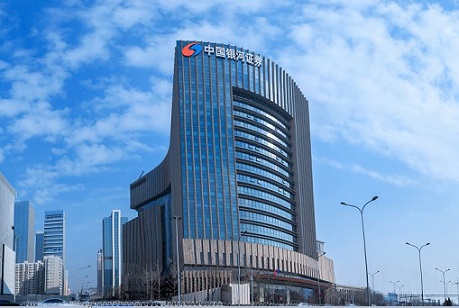
践行金融报国使命 构建一流投行新格局
Zhong Guo Zheng Quan Bao· 2026-01-12 20:45
"二十五载磨一剑,砺得锋芒照九州。" 扎根资本市场二十五载,中国银河证券步伐铿锵。刚刚过去的一年,公司总资产、净利润双双刷新历史 纪录,核心经营指标稳居行业第一梯队。 这份亮眼答卷,是央企券商服务国家战略的担当,更是深化改革、转型发展的必然。中国证券业协会监 事长,中国银河证券党委书记、董事长王晟日前在接受中国证券报记者专访时,展现出对行业使命与公 司发展的深入思考。 "加快建设金融强国的时代号角已吹响,打造一流投资银行是我们必须答好的时代课题。"在王晟看 来,"一流"二字,内涵丰富,标准严苛,它承载着在功能发挥、专业立身、国际视野、风险防控与文化 底蕴等方面的全面要求与系统性提升。中国银河证券正以此为战略导向与行动标尺,全面开启迈向高质 量发展的新征程,立志在中国式现代化大局中展现更大担当、实现更大作为。 ● 本报记者 徐昭 解码"一流" 五大要素筑牢发展根基 谈及一流投资银行的建设路径,王晟认为这是一项系统工程,不能简单用规模大小来衡量,必须坚持目 标导向和问题导向,深入把握五个核心要素。 功能发挥是核心导向。"国有金融企业的使命,始终与国家发展同频共振。"王晟表示,必须践行金融工 作的政治性和人民性,把 ...
从“辅助”到“引擎”:互联网分公司成券商转型胜负手
Zheng Quan Ri Bao Zhi Sheng· 2026-01-12 17:08
Core Viewpoint - The securities industry is undergoing a significant transformation, marked by the closure of over 180 offline branches and the rapid rise of internet subsidiaries, indicating a trend towards digitalization and smart transformation in the sector [1][2]. Group 1: Industry Trends - The establishment of internet subsidiaries is becoming a new strategy for securities firms to capture online market share and expand customer bases, driven by favorable market conditions and increased trading activity [2][6]. - By 2025, the total number of new investor accounts in the capital market is expected to reach 30.0571 million, providing ample opportunities for securities firms to enhance their internet business [2]. - Major firms like China Galaxy Securities and Dongwu Securities are actively setting up internet subsidiaries, reflecting a broader trend of digital transformation in the industry [2][3]. Group 2: Differences Between Internet Subsidiaries and Traditional Branches - Internet subsidiaries differ from traditional branches in strategic focus, targeting a broader customer base through standardized and centralized operations, while traditional branches primarily serve high-net-worth and corporate clients [3]. - The operational logic of internet subsidiaries is data and algorithm-driven, contrasting with the reliance on personal experience and social networks in traditional branches [3][4]. - Internet subsidiaries operate as independent units with unified rights, responsibilities, and benefits, allowing for quicker decision-making and a full-cycle approach to customer acquisition and revenue generation [3][4]. Group 3: Functional Roles of Internet Subsidiaries - The core functions of internet subsidiaries include conducting targeted marketing and lead generation on external platforms, managing daily operations of various online platforms, providing refined customer service, and acting as a "smart brain" for data monitoring and AI application across all business processes [4][5]. - Internet subsidiaries aim to address traditional pain points in the securities industry, such as inadequate service for long-tail customers and low operational efficiency due to dispersed operations [5][6]. Group 4: Performance and Effectiveness - The effectiveness of internet subsidiaries is being validated through various practices, with firms like Guotai Junan and Dongwu Securities reporting significant growth in customer acquisition and asset management [6][7]. - Guotai Junan's internet subsidiary has doubled its customer acquisition on new media platforms in 2025 compared to 2024, while Dongwu Securities has successfully attracted nearly 3 million followers and accumulated 150 million yuan in assets [6][7]. Group 5: Challenges and Future Outlook - Despite the progress, internet subsidiaries face challenges such as internal collaboration barriers and the need for alignment with headquarters on operational strategies [8][9]. - Not all securities firms are suited to establish internet subsidiaries, as some leading firms have already integrated internet capabilities into their operations, while smaller firms may prefer to focus resources on key business areas [8][9]. - The future of internet business in the securities industry will depend on advancements in technology, business models, and organizational structures, with a focus on creating long-term customer engagement and breaking down traditional departmental barriers [9][10].



进驻券商App 保险代销竞速下半场
Bei Jing Shang Bao· 2026-01-12 15:26
Core Viewpoint - The integration of insurance products into brokerage apps signifies a potential transformation in wealth management, indicating the beginning of a new phase in the market [1][2]. Group 1: Insurance Product Integration - Major brokerage firms such as CITIC Securities, China Merchants Securities, and GF Securities have introduced dedicated insurance purchase sections in their apps, showcasing a variety of insurance products including medical insurance and whole life insurance [2]. - The move to include insurance products in brokerage apps is a recent development, despite the fact that brokerage firms have been allowed to sell insurance since 2012 [2][3]. Group 2: Comparison with Banks - Unlike banks, which have a long-standing experience in selling insurance products and offer a wide range of options, brokerage apps currently have a limited selection and less developed service features [4]. - Banks have established a robust system for insurance sales, while brokerage firms are still in the early stages of developing their insurance offerings [4][5]. Group 3: Market Dynamics and Challenges - The insurance distribution landscape is undergoing significant changes, with brokerages entering the market as new competitors, which may lead to increased choices for consumers [6]. - There are differing opinions on the future of insurance sales by brokerages; some believe they could become significant players, while others remain cautious due to past slow growth [6][7]. - The demand for stable returns from insurance products aligns well with the investment profiles of brokerage clients, presenting an opportunity for growth in this sector [6][7]. Group 4: Operational Challenges - Brokerages face challenges in ensuring sales quality and establishing strong partnerships with insurance companies, which are critical for success in this new venture [7]. - The complexity of insurance products compared to traditional financial products necessitates time and skill development for brokerage firms to effectively educate and guide clients [7].

证券公司学习宣传贯彻党的二十届四中全会精神 | 中国银河证券党委书记、董事长王晟:践行金融报国使命 构建一流投行新格局
Zhong Guo Zheng Quan Bao· 2026-01-12 12:07
Core Viewpoint - The article emphasizes the importance of building a first-class investment bank in China as part of the broader goal of achieving a financial strong nation, highlighting the responsibilities of the securities industry in this context [1][2]. Group 1: Industry Mission and Strategic Direction - The securities industry is tasked with aligning its mission with national development, focusing on five key areas: technology finance, green finance, inclusive finance, pension finance, and digital finance [3][4]. - The company aims to enhance its core functions and competitiveness by optimizing financial service models and innovating financial products to support key national strategies [3][5]. Group 2: Key Elements of a First-Class Investment Bank - Five core elements are identified for building a first-class investment bank: functional performance, professional capability, internationalization, risk management, and cultural development [3][4][5]. - Functional performance is crucial, requiring the company to actively engage in supporting national strategies and enhancing its core functions [3]. - Professional capability is essential for meeting diverse financial needs, emphasizing the importance of providing tailored solutions to clients [3][4]. Group 3: Practical Implementation and Achievements - The company has made significant strides in various sectors, including technology finance, where it assisted in major financing projects totaling 115 billion yuan [6][7]. - In green finance, it created innovative financial products to address carbon tariffs and support carbon neutrality goals [6][7]. - The company has also led in inclusive finance, serving over 19 million clients and innovating in insurance and futures business models [6][7]. Group 4: Future Development Directions - The company plans to focus on three core directions: strengthening party leadership, deepening reforms to stimulate new growth, and enhancing industry responsibility [10][11][12]. - Emphasis will be placed on integrating party governance with business operations and fostering a culture of compliance and integrity [10]. - The company aims to enhance its international presence and collaboration with global markets, particularly in Southeast Asia [12][13].
中国银河证券:今非昔比,逻辑生变 从“理性泡沫”到“务实增长”—— AI 泡沫系列研究之传媒互联网行业篇
Xin Lang Cai Jing· 2026-01-12 09:47
炒股就看金麒麟分析师研报,权威,专业,及时,全面,助您挖掘潜力主题机会! 来源:中国银河证券 近日,中国银河证券发布 AI 泡沫系列研究之传媒互联网行业深度报告。报告指出,当前人工智能浪潮 并非互联网时期的 "非理性泡沫",而是国家战略规划、企业发展布局与市场情绪推动的多维作用结 果,行业正从 "理性泡沫" 向 "务实增长" 加速转型,为传媒互联网行业带来全新发展机遇与投资方向。 报告核心观点如下: 互联网泡沫与 AI 浪潮:历史复盘与核心差异 报告复盘 1995-2002 年互联网泡沫历程,其经历了技术萌芽期、资本狂热期、盈利质疑期和泡沫破裂期 四个阶段。彼时 IPO 市场异常繁荣,大量未盈利甚至零收入公司获得极高估值,估值体系与基本面严 重脱节,最终导致近 900 家互联网公司倒闭、3800 家被兼并的行业洗牌。 而本轮 AI 浪潮呈现出显著不同的发展逻辑。资金端来看,AI 主题初创公司更依赖充裕的私募融资, 2025 年前三季度全球 19 家 AI 企业融资金额达 650 亿美元,占私募市场融资总额的 75% 以上,无需急 于通过 IPO 变现,避免了市场过热;同时,资金更聚焦于英伟达、微软等经营状况良 ...
中国银河证券:2025年12月挖机内外销增速+10.9%/+26.9% 矿山机械需求强劲
Zhi Tong Cai Jing· 2026-01-12 05:59
Core Insights - The report from China Galaxy Securities indicates a positive growth outlook for excavator sales, with domestic and export sales expected to increase by 10.9% and 26.9% respectively by December 2025 [1][2] Group 1: Excavator Sales - In December, a total of 23,095 excavators were sold, representing a year-on-year increase of 19.2%, with domestic sales at 10,331 units (+10.9%) and exports at 12,764 units (+26.9%) [2] - For the year 2025, total excavator sales are projected to reach 235,257 units, a 17% increase year-on-year, with domestic sales of 118,518 units (+17.9%) and exports of 116,739 units (+16.1%) [2] - Both medium and large excavators showed positive growth in domestic sales, while large excavator exports continue to perform strongly [1][2] Group 2: Loader and Other Machinery Sales - In December, loader domestic sales increased by 17.6% and exports surged by 41.5%. For 2025, domestic sales are expected to grow by 22.1% and exports by 14.6% [2] - In November, various machinery categories such as truck cranes, crawler cranes, and forklifts experienced double-digit growth in domestic sales [2] - Specific sales growth rates for November include: truck cranes overall +17% (domestic +26%, export +8.5%), crawler cranes overall +66% (domestic +102%, export +53%), and forklifts overall +14% (domestic +24%, export +0.7%) [2] Group 3: Working Hours and Export Data - December saw a decline in average working hours for major construction machinery products, averaging 76.5 hours, down 18.6% year-on-year [3] - From January to November, China's construction machinery export value reached $53.756 billion, reflecting a year-on-year increase of 12.4% [4] - Komatsu's data for November indicates that North America and Indonesia saw positive growth in working hours, while Europe and Japan experienced declines [3] Group 4: Industry Outlook and Recommendations - The industry is expected to benefit from a positive demand environment, with recommendations for leading manufacturers such as SANY Heavy Industry, XCMG, LiuGong, and Zoomlion, as well as core component manufacturers like Hengli Hydraulic [5]