Anjoy food(603345)

Search documents
光大证券晨会速递-20251209
EBSCN· 2025-12-09 02:07
Macro Analysis - In November 2025, China's exports increased by 5.9% year-on-year, primarily due to the fading high base effect and sustained overseas demand [1] - Looking ahead, December's export growth may face high base effects, but optimism remains for next year's overseas demand due to global fiscal expansion and improved China-US trade relations [1] Real Estate Industry - As of December 7, 2025, new home transactions in 20 cities totaled 720,000 units, a decrease of 13.9% year-on-year; Beijing saw 37,000 units (-19%), Shanghai 95,000 units (-5%), and Shenzhen 25,000 units (-33%) [2] - In the secondary housing market, transactions in 10 cities reached 711,000 units, an increase of 1.5% year-on-year; Beijing recorded 160,000 units (+1%), Shanghai 236,000 units (+8%), and Shenzhen 64,000 units (+9%) [2] Company Research - For Anjins Food (603345.SH), the forecasted net profit for 2025-2027 is 1.391 billion, 1.513 billion, and 1.672 billion yuan, translating to EPS of 4.17, 4.54, and 5.02 yuan, with current P/E ratios of 19, 18, and 16 times respectively [3] - The company's short-term operations are improving, with a gradual recovery in profitability expected as industry price competition eases; if the consumption environment improves next year, performance elasticity is anticipated [3] - New products and channel strategies are actively evolving, with expected positive outcomes in the future, maintaining a "buy" rating [3]

安井食品(603345):经营向好 新品渠道发力
Xin Lang Cai Jing· 2025-12-09 00:25
Core Viewpoint - The company is experiencing a positive trend in its operations for the fourth quarter, with a potential easing of price competition in the industry [1] Group 1: Operational Performance - The company has seen an improvement in downstream restaurant demand and a reduction in promotional efforts, leading to better order placements as the peak season approaches [1] - The company has shifted its growth strategy from channel-driven to product-driven, with significant contributions from new product launches, particularly in shrimp products [1] Group 2: New Product Development - The company emphasizes a product-driven approach, aiming to increase the proportion of C-end sales to 40%, with a focus on continuous innovation and the introduction of popular products [2] - Key products include high-margin vacuum-sealed packaging, which has seen nearly double-digit revenue growth, and the successful introduction of shrimp products into major retail systems [2] - The company is also expanding into new areas such as frozen baking and halal food, with plans to increase production capacity in these segments [2] Group 3: Channel Strategy - The company has adopted a customized approach for major retail partners, establishing collaborations with leading supermarket chains and improving operational efficiency through a tiered management system [3] - The company is focusing on enhancing its operational precision in channel management while embracing changes in the retail landscape [3] Group 4: Financial Forecast - The company maintains its profit forecasts for 2025-2027, projecting net profits of 1.391 billion, 1.513 billion, and 1.672 billion yuan, with corresponding EPS of 4.17, 4.54, and 5.02 yuan [3] - The current stock price corresponds to P/E ratios of 19, 18, and 16 for the respective years, indicating a potential for recovery in profitability as industry competition eases [3]
研报掘金丨华泰证券:予安井食品“买入”评级,目标价为113.04元
Ge Long Hui A P P· 2025-12-08 07:48
Group 1 - The core viewpoint of the report indicates that some essential consumer companies have shown accelerated financial reporting and signs of fundamental improvement in Q3 2025, with certain discretionary consumer sub-sectors recovering ahead of essential consumption [1] - The frozen food category within essential consumption is showing signs of revenue improvement, and the industry price war has eased, creating favorable conditions for profit recovery among major companies [1] - Anjins Foods, as a leading company in the frozen food industry, is driving growth through product innovation and structural adjustments, effectively embracing strategies such as customized offerings for large B2B supermarkets, which are expected to lead to continued operational improvement [1] Group 2 - The company's growth strategy is clearly defined, focusing on diversification through embracing new channels such as O2O instant retail, membership-based supermarkets, and bulk snack stores, while also exploring customized and differentiated products to tap into incremental growth opportunities [1] - The company is expanding its overseas revenue by targeting the Southeast Asian market, which has similar dietary cultures, vast space, and a fragmented landscape, thereby opening up broader growth potential [1] - The report assigns a "buy" rating for the company with a target price of 113.04 yuan, up from a previous value of 101.64 yuan, corresponding to a 22x PE for 2026 [1]

中信建投:茅台批价寻底,关注潜在政策催化下的跨年机会
Xin Lang Cai Jing· 2025-12-07 13:05
Core Viewpoint - The recent decline in Moutai's wholesale prices has temporarily suppressed the performance of the sector, but potential policy-driven consumption catalysts in December are noteworthy. Current valuations in the food and beverage sector are at relatively low historical levels, indicating clear bottom logic for quality assets like liquor. The focus on three main lines in the consumer goods sector presents structural opportunities, with recommendations to continue investing in liquor and consumer goods with specific logic. It is expected that the consumer goods sector will outperform liquor, with liquor demand stabilizing as the market awaits the Spring Festival [1][14]. Group 1: Market Performance - This week, the A-share market rose, with the Shanghai Composite Index closing at 3902.81 points, a weekly change of 0.37%. The food and beverage sector experienced a weekly decline of 1.90%, underperforming the market by 2.27 percentage points, ranking 30th among Shenwan's primary industry classifications [2][15]. - Among the various sub-sectors of food and beverage, the performance from highest to lowest was as follows: pre-processed foods (+1.51%), beer (+1.20%), soft drinks (+0.43%), meat products (-0.11%), health products (-0.17%), seasoning and fermented products (-0.32%), snacks (-0.73%), dairy products (-1.74%), liquor (-2.59%), and other alcoholic beverages (-3.06%) [2][15]. Group 2: Investment Recommendations - Clear signals of industry bottoming are evident, presenting opportunities for undervalued investments. Liquor demand is in a bottoming phase, with sales still under pressure but gradually recovering compared to Q3. Liquor companies are expected to continue the trend of performance clearing, actively alleviating market burdens. The liquor sector's valuation is at historical lows, providing strong bottom configuration value, while potential consumption policy catalysts are also noteworthy [3][16]. - For consumer goods, focus on three structural opportunities: 1) Improvement in the restaurant supply chain and supermarket customization, with a reduction in price wars and lighter channel inventory burdens as the traditional peak season approaches. 2) The health and functional product segment is experiencing high growth, with leading oat brands benefiting from the "oat+" health trend. 3) The price cycle is nearing a turning point, with expected improvements in upstream profitability as raw milk prices stabilize [3][16]. Group 3: Sector-Specific Insights - In the liquor sector, the recent global distributor conference for Fenjiu emphasized the certainty of future growth, with expectations for the domestic economy to stabilize and recover, supported by policy and consumption revival. This is anticipated to lead to a dual leap in cultural value and market scale for liquor as a cyclical industry [4][17]. - The average milk price in major production areas was 3.02 yuan/kg in the last week of November, down 0.1 yuan/kg, indicating a continued bottoming of raw milk prices. The first batch of deep-processed products from Mengniu has passed testing and is expected to contribute to performance improvements in the dairy sector as production capacity increases [20].







周观点:年底关注渠道反馈,餐供龙头率先复苏-20251207
GOLDEN SUN SECURITIES· 2025-12-07 08:24
Investment Rating - The report maintains an "Increase" rating for the food and beverage industry, indicating a positive outlook for selected stocks and sectors within the industry [4]. Core Insights - The white liquor sector is showing signs of recovery, with Shanxi Fenjiu focusing on national expansion, youth engagement, and internationalization strategies for 2026. The company is optimizing inventory and enhancing market capacity, which is expected to support growth [2]. - In the beverage sector, companies like Nongfu Spring are planning to strengthen their water and tea product lines while introducing new products. The beer segment is diversifying with new flavors to cater to changing consumer preferences [3]. - The report highlights the potential for growth in consumer staples, with companies like Three Squirrels expanding into a full-category strategy and Mengniu Dairy leading in deep processing innovations [7]. Summary by Sections White Liquor - Shanxi Fenjiu's 2026 marketing strategy focuses on nationalization, youth engagement, and precise consumer service. The company is targeting key markets and optimizing inventory to enhance growth potential [2]. - The white liquor industry is characterized by bottoming out in sales, clearing financial reports, and low expectations, suggesting a favorable environment for quality asset allocation [2]. Beer and Beverage - The beer sector is witnessing the launch of new products like Jin Xing Beer’s winter flavor, reflecting a shift in consumption patterns towards home and outdoor settings [3]. - Nongfu Spring's strategy for 2026 includes strengthening its core water products and expanding its tea offerings, indicating a focus on product diversification and market penetration [3]. Consumer Staples - Three Squirrels is advancing its full-category strategy with the opening of flagship stores, emphasizing community engagement and a wide range of products [7]. - Mengniu Dairy is enhancing its product line with deep processing innovations, which are expected to drive demand and improve the utilization of raw milk [7]. - The frozen food sector is recovering, with companies like Anjuke benefiting from new product launches and channel optimizations, indicating a positive market response [7].



食品饮料行业周报:高端酒批价回落,关注需求承接-20251206
Shenwan Hongyuan Securities· 2025-12-06 15:19
Investment Rating - The report maintains a "Buy" rating for quality companies in the food and beverage sector, particularly in the liquor segment [4][9]. Core Insights - The report indicates that major liquor companies have experienced significant revenue declines year-on-year, with high-end liquor prices continuing to drop as the market seeks a balance between volume and price. It anticipates a double-digit decline in sales for Q1 2026, with a potential stabilization in Q2 and a fundamental turnaround in Q3 2026 as inventory clears and demand recovers [4][9]. - The report highlights that if the fundamentals improve as expected, the end of 2026 to 2027 could see a dual boost in valuation and performance for quality companies, marking a strategic allocation period for long-term investors [4][9]. - The report emphasizes a systemic opportunity in mass consumer goods, with a focus on CPI as a core observation indicator. It predicts a gradual improvement in food CPI throughout the year, driven by structural demand improvements and a shift in competitive strategies from price to quality [4][9]. Summary by Sections 1. Weekly Perspective on Food and Beverage - The food and beverage sector saw a decline of 1.90% last week, with liquor down 2.59%, underperforming the market by 2.27 percentage points. The top gainers included companies like Anji Food and Haixin Food, while the biggest losers were ST Yanshan and Yantang Dairy [8]. 2. Market Performance by Sector - The report notes that the average price of Moutai has dropped to 1545 RMB per bottle, a decrease of 25 RMB week-on-week, while the price for Wuliangye remains stable at approximately 825 RMB. The decline in Moutai prices is attributed to increased shipments by distributors to meet annual targets amid weak seasonal demand [10][12]. 3. Industry Matters - The report suggests focusing on the restaurant supply chain, particularly in condiments and frozen foods, with recommendations for companies like Anji Food and Qianhe Flavoring. It anticipates continued improvement in operational performance for these companies as the restaurant sector recovers [11][12]. 4. Valuation Table - As of December 5, 2025, the food and beverage sector has a dynamic PE of 20.19x, with a premium rate of 24%, while the liquor segment has a dynamic PE of 18.87x, with a premium rate of 16% [32].

速冻食品行业2025年回顾与2026年展望:需求恢复可期,产品创新突围
ZHONGTAI SECURITIES· 2025-12-06 12:00
Investment Rating - The industry investment rating is "Increase" [4][32]. Core Viewpoints - The frozen food industry is expected to see demand recovery, with product innovation playing a crucial role in overcoming challenges [6][29]. - The revenue from the downstream catering sector is anticipated to maintain a recovery trend in 2026, while profit margins are expected to gradually improve due to cost control and product innovation [6][29]. - The market size of China's frozen food sector is projected to reach 213.1 billion by 2025, up from 168.8 billion at the end of 2022 [8]. Summary by Sections Industry Overview - The frozen food industry faced a slowdown in growth during the first three quarters of 2025 due to fluctuations in catering demand and other adverse factors, but signs of recovery were noted in Q4 [6][29]. - The total market value of the industry is approximately 45,795.07 billion [1]. Market Trends - The national catering revenue from January to October 2025 reached 46,188 billion, showing a year-on-year growth of 3.3% [7]. - The chain rate in the catering industry is expected to rise to 25% in 2025, indicating significant room for growth compared to the U.S. and Japan [8]. Product Performance - In the first half of 2025, the frozen food category in supermarkets grew by 5%, contrasting with a decline of 9.5% in the same period last year [9]. - There is a structural shift in the market, with traditional staple categories under pressure while snack categories like pizza and frozen dim sum show strong growth potential [9]. Channel Development - The frozen food companies are actively responding to the demand from large chain supermarkets, leading to an increase in sales through these channels [15]. - New retail channels are also showing significant growth, contributing to the overall performance of the industry [15]. Cost and Profitability - The prices of most food raw materials have decreased, alleviating some cost pressures for frozen food companies, although packaging costs remain high [21]. - The combined revenue growth of key companies in the frozen food sector was 3.0% year-on-year for the first three quarters of 2025, with a notable acceleration in Q3 [29]. Company-Specific Insights - Anjiu Foods is expected to benefit from the gradual recovery in catering and the continuous expansion of new customers, leading to a potential increase in profitability [31]. - Qianwei Yangchu is focusing on product innovation and expanding its market presence through both B2B and B2C channels, indicating strong long-term growth potential [31]. - Lihai Foods is actively developing new products and strengthening partnerships with key clients, positioning itself well for future growth in the baking sector [31].


华泰证券-必选消费行业2026年度策略:冬藏伺机,春归可期
Sou Hu Cai Jing· 2025-12-06 03:13
Core Insights - The report from Huatai Securities indicates that the essential consumer sector has entered a favorable left-side layout window, with expectations for a mild recovery in consumption in the second half of 2026 due to stabilizing real estate prices, increased policy stimulus, and the recovery of household balance sheets [1][2]. Industry Overview - The essential consumer sector is currently at historical low valuation levels and public fund allocation ratios, providing a high safety margin and potential upside for investors [1][2]. - Some sub-industries are showing signs of bottoming out, with leading companies shifting focus from price wars to product innovation and adapting to channel changes [1][2][6]. - Structural changes such as the rebalancing of raw milk cycles, recovery in restaurant demand, and stricter regulations on zero additives are optimizing the competitive landscape of the industry [1][2]. Investment Recommendations - The report recommends four categories of stocks: 1. Cyclical high-upside stocks, including Gujing Gongjiu, Luzhou Laojiao, China Resources Beer, Qingdao Beer, Haitian Flavoring, Anjuke Food, and Qianhe Flavoring [2][7]. 2. Companies at fundamental turning points, such as Mengniu Dairy and Master Kong [2][7]. 3. High-dividend blue-chip leaders like Yili and Shuanghui Development [2][7]. 4. Small but promising growth stocks, including Ximai Food, Baoli Food, and Yanjinpuzi [2][7]. Market Trends - The report emphasizes a three-stage market strategy from expectation recovery to performance realization for 2026 [2]. - The essential consumer sector is expected to see a gradual improvement in retail sales growth, projected to reach 4.8% in 2026 [25]. - The consumer confidence index has shown some recovery but remains in a low range, indicating cautious consumer sentiment [26]. Sub-Industry Insights - Specific sub-industries are highlighted: 1. Frozen food is showing signs of bottoming out, with expectations for a reduction in price wars in 2026 [6][10]. 2. The dairy sector is anticipated to see a rebalancing of the raw milk cycle, enhancing domestic substitution logic [6][10]. 3. The beer industry is expected to maintain profit resilience due to rational competition and a diminishing demand dividend [6][10]. 4. Traditional condiment leaders are actively adjusting strategies to capture market share [6][10]. Conclusion - The essential consumer sector is positioned for a potential recovery, with various sub-industries adapting to market changes and focusing on innovation and strategic adjustments to enhance competitiveness [1][2][6].



供应链上市公司“花样整活”,用产品回馈股东成潮流
Sou Hu Cai Jing· 2025-12-05 17:02
Group 1 - Qianwei Central Kitchen announced a shareholder gift plan, offering frozen product gift packages worth 200 yuan to shareholders holding 100 shares or more, clarifying that this is a seasonal reward and not a stock clearance effort [3][4] - Former Wahaha Group executive Pan Jiajie has joined Guming as Senior Vice President of Supply Chain, focusing on new business incubation, which is expected to enhance the company's supply chain and production management [3][4] - Country Garden Services has formed a strategic partnership with Mengniu Group to collaborate on various dairy products, aiming to reduce delivery costs and improve service efficiency in community logistics [6][7] Group 2 - Lu Hua Group signed a strategic cooperation agreement with NetEase Yanxuan to leverage each other's strengths in channel capabilities and product quality to expand online market reach [6][7] - Zilin Vinegar's main products have received EU organic certification, allowing them to use the EU organic logo and access the EU market [6] - COFCO Technology plans to invest 880 million yuan to build a new starch sugar project in Pingliang, with a capacity of 250,000 tons per year, aiming to fill a gap in the northwest region [6][7] Group 3 - Gai Shi Food launched a new black gold gift box featuring rare seafood, inspired by "Seven Swords Descend from the Sky," targeting various gifting scenarios [7] - Jiangzhong Shiliao introduced a new series of vegetarian noodles, emphasizing high protein and low fat, suitable for health-conscious consumers [7] - The market has seen a rise in discussions around "hormone eggs," with misinformation spreading about their characteristics, highlighting the public's concern for food safety [10][11] Group 4 - Chilean cherry exporters have officially launched the 2025/26 cherry season in China, with over 546,000 tons imported in the previous season, amounting to approximately 3.3 billion USD [12] - Beijing's government has proposed to enhance the modern logistics system, focusing on food safety in key sectors and promoting cold chain logistics for fresh food [12]


厦门上市公司“离经叛道”聘了三位董事长
Sou Hu Cai Jing· 2025-12-05 11:21
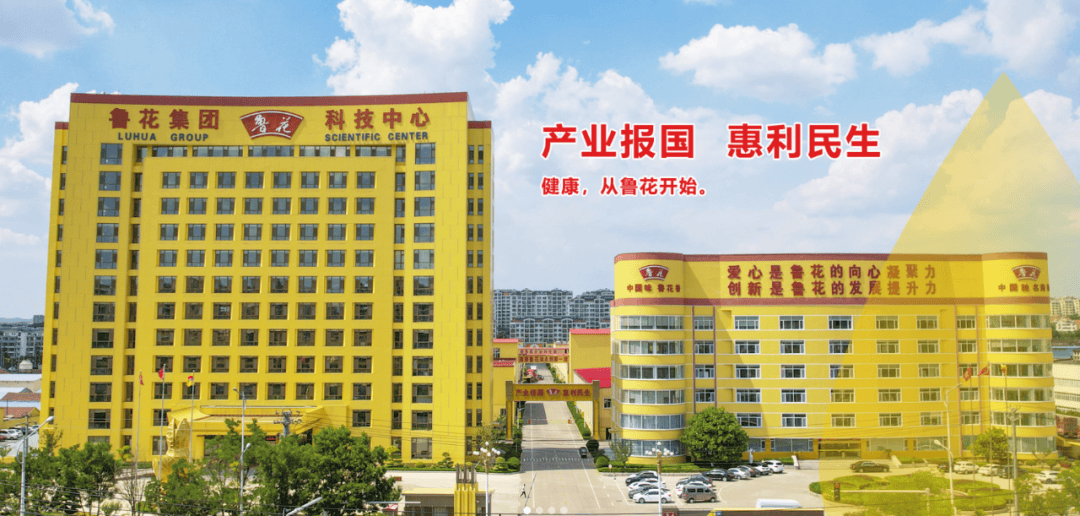
Core Viewpoint - Anjiu Food has appointed two co-chairmen, becoming the first A-share listed company with three chairmen, reflecting a unique governance structure aimed at balancing power and preparing for future leadership transitions [2][4]. Group 1: Company Governance - The recent shareholder meeting approved the appointment of Zhang Qingmiao and the original actual controller Zhang Gaolu as co-chairmen alongside the existing chairman Liu Mingming [4]. - The appointment of three chairmen is seen as a strategy to balance relationships among stakeholders following the transfer of control [4][6]. - The current largest shareholder, Guoli Minsheng, holds 22% of the shares, while Liu Mingming, the third-largest shareholder, has only 3.69% [6][9]. Group 2: Historical Context and Market Position - Anjiu Food was founded in 2001 by Liu Mingming and Guoli Minsheng, capitalizing on the underdeveloped frozen food market in China [11][13]. - The company initially focused on fish products, avoiding competition in the saturated noodle market, and later shifted its strategy to emphasize hot pot ingredients, which proved successful [13][15]. - Anjiu's market position improved significantly from 2008 to 2015, becoming a key supplier for major hot pot chains, while competitors like Sanquan and Haixin struggled [15]. Group 3: Financial Performance - In 2024, Anjiu reported record revenue of 15.1 billion yuan, but profit growth slowed dramatically from 34% in 2023 to just 0.46% [17]. - Historical data shows that Anjiu has maintained double-digit profit growth in most years since its IPO, with the only decline occurring in 2015 [17][16].