ZGXT(000831)

Search documents
超4200股飘红
Di Yi Cai Jing Zi Xun· 2025-10-20 03:56
Core Viewpoint - The A-share market experienced a significant rebound, particularly in technology stocks, with the Shanghai Composite Index rising by 0.69%, the Shenzhen Component Index by 1.38%, and the ChiNext Index by 2.49% [2]. Market Performance - The total trading volume in the Shanghai and Shenzhen markets reached 1.16 trillion yuan, a decrease of 16.5 billion yuan compared to the previous trading day, with over 4,200 stocks showing gains [4]. - The A-share market's total market capitalization surpassed 24.5 trillion yuan [4]. Sector Highlights - Technology stocks, particularly in CPO, computing power, and 6G concepts, saw significant gains, with companies like Cambrian Technology reporting a revenue increase of 2386.38% year-on-year [4][6]. - Solid-state battery concepts gained traction, with companies like Hekang New Energy and Zhuhai Guanyu rising over 10% following announcements of technological breakthroughs in solid-state battery production [6][8]. - Precious metals experienced a notable decline, with the precious metals sector down by 6.09% [3]. Notable Stocks - Agricultural Bank of China saw its stock price rise over 1%, continuing a streak of 12 consecutive days of gains [4]. - Companies in the CPO sector, such as Huijie Ecology and Cambridge Technology, reached their daily limit up [8]. - The stock of Cambrian Technology expanded its gains to over 5%, trading at 1318.97 yuan [4].






中国稀土10月17日获融资买入3.12亿元,融资余额24.14亿元
Xin Lang Cai Jing· 2025-10-20 01:25
Core Insights - The stock of China Rare Earth fell by 1.63% on October 17, with a trading volume of 3.24 billion yuan [1] - The financing buy-in amount for China Rare Earth on the same day was 312 million yuan, while the financing repayment was 345 million yuan, resulting in a net financing outflow of 32.99 million yuan [1] - As of October 17, the total financing and securities lending balance for China Rare Earth was 2.44 billion yuan [1] Financing Summary - On October 17, the financing buy-in for China Rare Earth was 312 million yuan, with a current financing balance of 2.41 billion yuan, accounting for 4.05% of the circulating market value [1] - The financing balance is above the 90th percentile level for the past year, indicating a high level of financing activity [1] - In terms of securities lending, 57,900 shares were repaid, while 19,100 shares were sold, with a selling amount of 1.0734 million yuan calculated at the closing price [1] Company Performance - As of September 19, the number of shareholders for China Rare Earth reached 230,000, an increase of 6.66% from the previous period [2] - The average number of circulating shares per person decreased by 6.25% to 4,614 shares [2] - For the first half of 2025, China Rare Earth reported operating revenue of 1.875 billion yuan, a year-on-year increase of 62.38%, and a net profit attributable to shareholders of 162 million yuan, up 166.16% year-on-year [2] Dividend and Shareholding Information - Since its A-share listing, China Rare Earth has distributed a total of 346 million yuan in dividends, with 124 million yuan distributed in the last three years [3] - As of June 30, 2025, Hong Kong Central Clearing Limited was the fourth-largest circulating shareholder, holding 19.6025 million shares, an increase of 3.8909 million shares from the previous period [3] - The Southern CSI 500 ETF ranked fifth among circulating shareholders, holding 11.0663 million shares, an increase of 1.4870 million shares [3]

三维度看黄金与黄金股分化,关注锂基本面寻底
Changjiang Securities· 2025-10-20 01:02
Investment Rating - The report maintains a "Positive" investment rating for the industry [8] Core Views - The report highlights that gold prices have reached historical highs due to multiple factors, including heightened risk aversion and expectations of interest rate cuts. Despite some weakness in equity performance, it suggests increasing allocation to gold stocks [4][2] - The report emphasizes the importance of focusing on the fundamentals of lithium as it approaches a bottom, indicating potential investment opportunities in the sector [6] Summary by Sections Precious Metals - Gold prices have recently reached historical highs driven by risk aversion and interest rate cut expectations. The report suggests that the current equity weakness is primarily due to fear of high prices, but this may be a temporary phenomenon [4] - The report recommends increasing allocation to gold stocks, noting that many companies are expected to show volume and price increases in Q3 [2][4] - Key companies to focus on include Zijin Mining, which has a current PE ratio of nearly 40 times, and other gold stocks with lower valuations [4] Industrial Metals - The report notes increased volatility in copper and aluminum prices due to rising risk events, with LME copper up 2.4% and aluminum up 1.8% [5] - Despite short-term pressures, the long-term outlook for copper and aluminum remains positive due to supply constraints and macroeconomic conditions [5] - Recommended stocks include Luoyang Molybdenum, Zijin Mining, and others in the copper sector, as well as high-dividend aluminum stocks [5][6] Energy and Minor Metals - The report discusses the long-term bullish outlook for cobalt prices, driven by supply constraints from the Democratic Republic of Congo and expected shortages in the global cobalt market [6] - It also highlights the potential for lithium prices to reach a bottom in 2026, suggesting that investors should consider the lithium sector for future opportunities [6] - Companies to watch include Ganfeng Lithium, Tianqi Lithium, and others involved in the lithium supply chain [6]



美收500万美元港务费!荷兰抢中资300亿企业,中国稀土和造船反制
Sou Hu Cai Jing· 2025-10-19 09:53
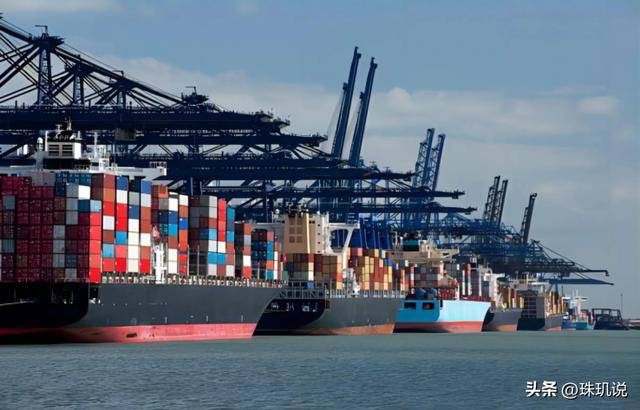
Core Points - The article discusses the ongoing trade conflict between China and the United States, highlighting the shift from traditional retaliatory measures to a more complex struggle for global rule-making authority [3][7][24] - It emphasizes the impact of U.S. actions on global supply chains, particularly in the shipping and semiconductor industries, and how these actions disrupt the established norms of fair competition and contractual spirit [3][5][10] Shipping Industry - The U.S. has implemented a new port fee policy targeting Chinese vessels, charging $50 per net ton for Chinese ships and $18 for others, resulting in a potential fee of $500,000 for a 100,000-ton vessel [10][12] - This policy aims to increase operational costs for Chinese shipping companies, thereby reducing their competitiveness in the global market [10][12] - The U.S. strategy in the shipping sector is designed to indirectly affect China's foreign trade while maintaining its dominance in the global shipping market [12] Semiconductor Industry - The U.S. has introduced stringent semiconductor export bans, further isolating certain Chinese companies from the global supply chain and causing material shortages for downstream global enterprises [5][14] - The Netherlands has taken aggressive actions against a Chinese-controlled semiconductor company, citing concerns over its rising influence in the semiconductor sector, which reflects broader European anxieties about competition with China [14][24] - The U.S. and its allies are employing a combination of tactics to restrict China's access to critical semiconductor technologies, which could have long-term implications for global tech supply chains [14][22] China's Response Strategies - China is adopting a strategy of "asymmetric retaliation," focusing on areas where it holds competitive advantages rather than mirroring U.S. actions [16][20] - In the shipping sector, China has introduced a special port fee for foreign vessels with significant U.S. ownership, effectively targeting U.S. capital's influence in global shipping [16][18] - For the semiconductor industry, China is implementing stricter controls on rare earth supplies, leveraging its dominance in rare earth processing to influence global supply chains [20][22] Global Trade Dynamics - The ongoing trade conflict is expected to reshape global trade dynamics over the next 10 to 20 years, with a potential shift towards a multipolar trade environment [22][26] - The article suggests that countries prioritizing technological innovation and open cooperation will ultimately prevail in this evolving landscape [22][26] - China's commitment to fair cooperation is gaining recognition among developing nations, which may lead to increased collaboration and a shift away from U.S.-led hegemonic practices [24][26]
有色金属周报:铜铝价格上行,看好后续铝补涨行情-20251019
SINOLINK SECURITIES· 2025-10-19 08:33
Group 1: Copper - LME copper price increased by 2.41% to $10,624.00 per ton, while Shanghai copper decreased by 1.77% to 84,400 yuan per ton [1][12] - Domestic copper inventory increased by 0.55 thousand tons to 17.75 thousand tons due to weak downstream consumption and replenishment of imported sources [1][12] - The operating rate of domestic major refined copper rod enterprises rose to 62.5%, up 19.06% week-on-week, but down 16.39% year-on-year, indicating a recovery post-holiday but still below pre-holiday levels [1][12] Group 2: Aluminum - LME aluminum price rose by 1.82% to $2,796.00 per ton, while Shanghai aluminum decreased by 0.33% to 20,900 yuan per ton [2][13] - Domestic electrolytic aluminum ingot inventory decreased by 2.3 thousand tons, indicating a slight recovery in demand [2][13] - The operating rate of domestic aluminum processing enterprises remained stable at 62.5%, with a year-on-year decline of 1.4% [2][13] Group 3: Gold - COMEX gold price increased by 7.65% to $4,344.30 per ounce, influenced by U.S. government shutdown and geopolitical risks [3][14] - SPDR gold holdings increased by 17.46 tons to 1,034.62 tons, reflecting increased demand amid market uncertainties [3][14] - The U.S. government shutdown has led to delays in key economic data releases, impacting the economy and the dollar's position [3][14] Group 4: Rare Earths - The price of praseodymium and neodymium oxide decreased by 9.01% to 507,100 yuan per ton, with expectations of price recovery due to overseas replenishment [4][32] - The strategic importance of rare earths has increased due to regulatory changes, with a positive outlook for major companies in the sector [4][32] - The implementation of new regulations is expected to gradually show positive effects on supply and pricing [4][32] Group 5: Antimony - Antimony price decreased by 4.08%, but demand is expected to recover due to the stabilization of photovoltaic glass production [4][33] - The implementation of stricter standards for flame-retardant cables may provide a demand boost for antimony [4][33] - Global antimony prices are expected to trend upward due to resource scarcity and reduced supply from major mines [4][33] Group 6: Lithium - The average price of lithium carbonate decreased by 0.63% to 73,100 yuan per ton, while lithium hydroxide decreased by 0.43% to 78,200 yuan per ton [5][60] - Total lithium carbonate production increased to 21,100 tons, reflecting a slight recovery in supply [5][60] - Strong demand from the energy storage sector is expected to support lithium prices despite recent supply increases [5][60] Group 7: Cobalt - Cobalt price increased by 9% to 381,000 yuan per ton, driven by tight supply conditions [5][61] - The market is characterized by a "price without market" phenomenon, with strong upward pressure on prices due to raw material shortages [5][61] - Future price increases are anticipated as supply constraints from Congo continue to affect the market [5][61] Group 8: Nickel - LME nickel price increased by 0.1% to $15,200 per ton, while Shanghai nickel price decreased by 0.6% to 121,200 yuan per ton [5][62] - Concerns over the stability of nickel ore supply due to regulatory changes in Indonesia are providing short-term support for prices [5][62] - The market is expected to remain volatile due to the interplay between supply disruptions and weak fundamentals [5][62]


中国稀土出口管制政策对全球高端制造业的影响分析
Sou Hu Cai Jing· 2025-10-19 06:57
Core Insights - China's new rare earth export regulations, effective from October 9, 2025, significantly impact the global supply chain, reflecting a shift in strategic resource management and the competitive landscape in technology [1][11] - The regulations introduce a comprehensive control system that includes not only the export of raw materials but also extends to products containing Chinese rare earth elements, with a threshold of 0.1% for controlled substances [3][11] Regulatory Framework - The new regulations feature a "full-chain penetration control" approach, covering all aspects of the rare earth industry from mining to recycling [3] - Key elements include a 0.1% content threshold focusing on critical applications like high-performance magnets and semiconductor materials, and a 45-day approval cycle affecting global supply chain timelines [3][11] Global Manufacturing Impact - Rare earth elements are essential in high-end manufacturing, with significant applications in products like the F-35 fighter jet and Tesla Model 3 [4] - China dominates the rare earth market, controlling 70% of global mining, 90% of separation processing, and 93% of permanent magnet manufacturing [4] Case Studies - ASML, the sole producer of advanced EUV lithography machines, faces potential production disruptions due to the new regulations, as its products contain 0.3% dysprosium, exceeding the new threshold [5] - The U.S. military and semiconductor industries are also at risk, with rising costs and potential delays in production schedules due to increased rare earth prices [5][6] Market Reactions - The stock market has reacted variably, with Chinese rare earth companies seeing price increases while U.S. firms like Applied Materials experienced declines, indicating a reassessment of the strategic value of rare earths [6][11] Strategic Responses - Countries are diversifying their supply chains in response to the new regulations, with the U.S. supporting domestic rare earth industries and forming partnerships with countries like Australia and Canada [8] - Companies are adjusting inventory and procurement strategies, with some exploring alternative technologies to reduce reliance on rare earths [8] Industry Evolution - China's rare earth industry is focusing on upgrading and transitioning towards high-end, circular, and clustered development, enhancing its competitive edge in advanced processing technologies [9] - The new regulations signify a shift in China's role in global governance, moving from rule adaptation to active participation in rule-making [11][12]


G7紧急开会应对中国稀土管控,欧洲日本为何对美国如此依恋?
Sou Hu Cai Jing· 2025-10-19 05:04
Group 1: Global Tensions and Dependencies - The international competition surrounding rare earth elements has become a focal point, with G7 countries expressing intentions to "resist China," while simultaneously seeking cooperation with Chinese firms [2] - 31 countries are anxious about their reliance on China for rare earths, with Europe and Japan aware of the risks yet unwilling to diverge from the U.S. stance [2][12] - The U.S. has threatened to increase pressure on China, but has also shown signs of retreat, indicating a complex geopolitical landscape [2] Group 2: Importance of Rare Earth Elements - Rare earth elements are critical for modern technology, with estimates suggesting that over half of the high-tech industry would stagnate without them [4] - China dominates the global rare earth market, producing 70% of the world's supply and holding 93% of refining capacity, making it difficult for other countries to compete [4] - Europe imports 72% of its rare earths from China, highlighting the continent's significant dependency [6] Group 3: Recent Policy Changes - In October 2023, China announced new export controls on rare earths, primarily restricting military applications while allowing compliant civilian applications [8] - The new regulations are set to take effect on December 1, 2023, and aim to ensure normal industrial cooperation while addressing misuse [8] Group 4: Historical Context of Dependency - The dependency of Europe and Japan on the U.S. has historical roots, stemming from post-World War II dynamics and the establishment of a Western hegemony [12] - Japan views its alliance with the U.S. as crucial for both security and economic growth, while Europe has similarly aligned itself with U.S. interests despite potential conflicts [12][13] Group 5: Consequences of U.S. Policies - The U.S. has faced challenges in its own rare earth industry, which is unable to recover, leading to significant impacts on its technology sector [15] - Internal conflicts within European countries are emerging, as they grapple with the implications of U.S. policies on their own industries [15] Group 6: Future of Rare Earth Supply Chains - Historical precedents show that Western sanctions on Chinese materials have often been short-lived due to the critical nature of these resources for production [16] - Canada claims to have rich rare earth resources, but establishing refining capabilities would take years and be costly, making it uncompetitive with China [16] Group 7: China's Position in the Market - China has developed not only extraction and processing technologies but also holds a significant share of patents in rare earth applications, making it difficult for Western companies to bypass these barriers [18] - China's collaborations with other countries for rare earth processing further complicate the potential for Western nations to sever ties with Chinese supply chains [18] Group 8: Call for Cooperation - The pressure from 31 countries is more about gaining control over rare earth regulations than ensuring supply chain security, as they are uncomfortable with China's assertive stance [20] - A shift from confrontation to cooperation is suggested as the more viable path for resolving the rare earth issue, emphasizing the interdependence of global supply chains [20]

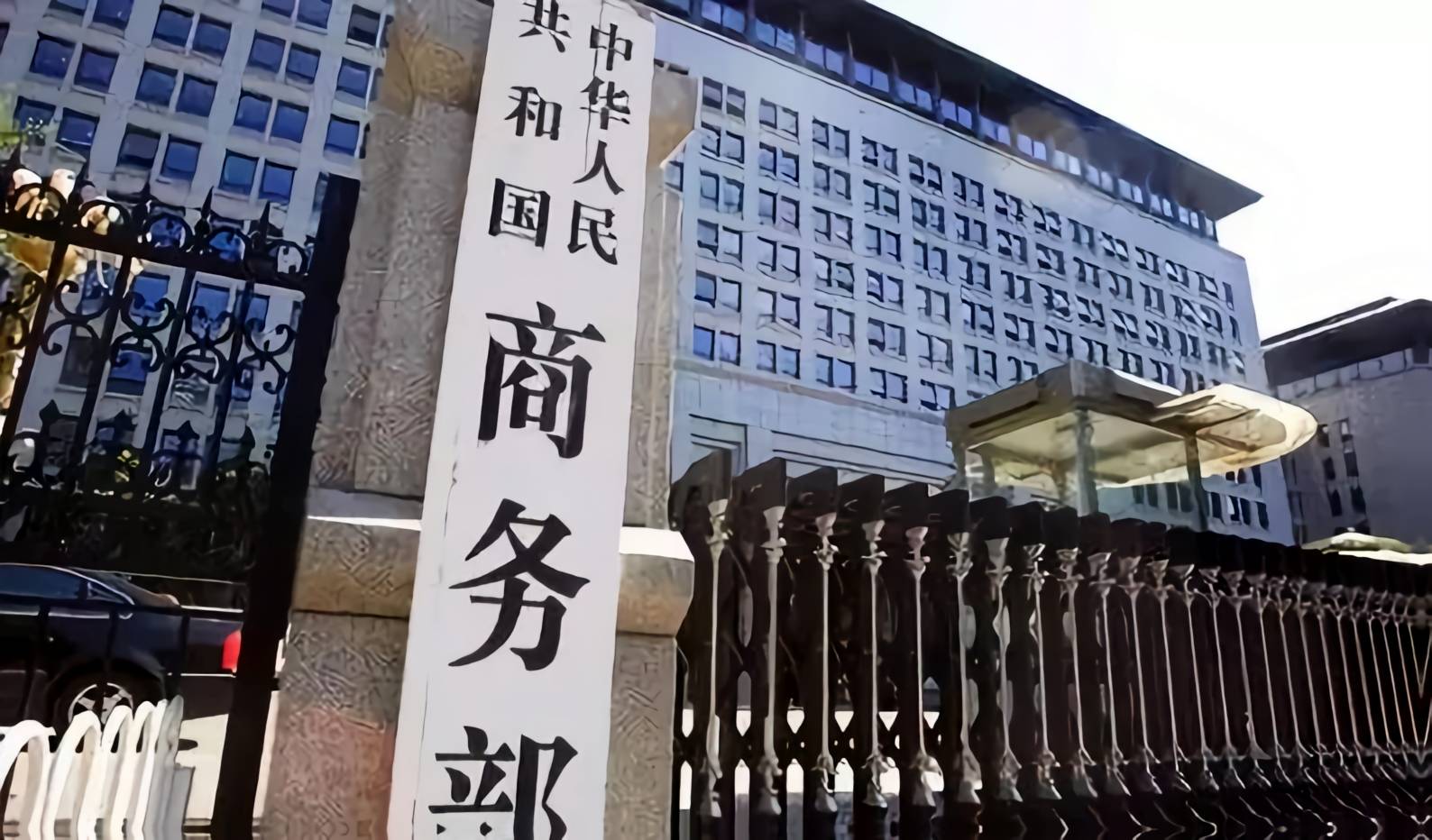
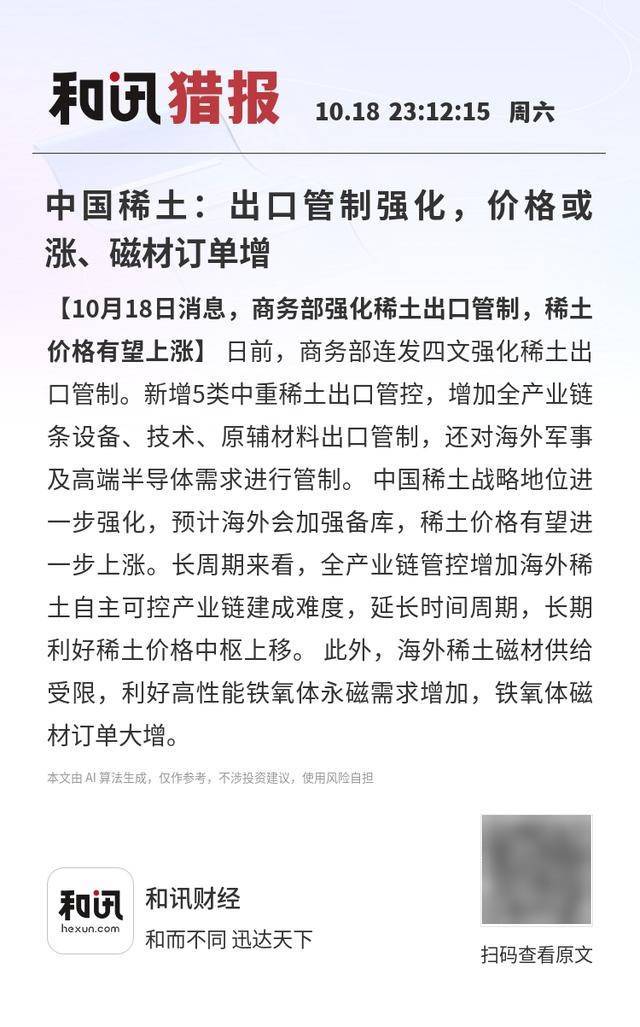
中国稀土:出口管制强化,价格或涨、磁材订单增
Sou Hu Cai Jing· 2025-10-19 01:11
Core Viewpoint - The Chinese Ministry of Commerce has strengthened export controls on rare earths, which is expected to lead to an increase in rare earth prices and a surge in orders for high-performance ferrite magnets [1][2]. Group 1: Export Control Measures - The Ministry of Commerce has issued four documents to enhance export controls on rare earths, adding five categories of medium and heavy rare earths to the export control list [1][2]. - The new measures include controls on the export of equipment, technology, and raw materials across the entire industry chain, as well as restrictions on overseas military and high-end semiconductor demands [1][2]. Group 2: Market Implications - China's strategic position in the rare earth sector has been further reinforced, leading to expectations that overseas entities will increase their stockpiling of rare earths, which may drive prices higher [1][2]. - Over the long term, the comprehensive control measures are expected to complicate the establishment of a self-sufficient rare earth supply chain overseas, extending the time required for its development and benefiting the upward movement of rare earth price levels [1][2]. Group 3: Demand for Ferrite Magnets - The limited supply of rare earth magnetic materials overseas is expected to boost demand for high-performance ferrite magnets, resulting in a significant increase in orders for ferrite materials [1][2].
中国稀土领跑欧美,美国军工雷达也得靠,西方砸3000亿难追赶
Sou Hu Cai Jing· 2025-10-18 23:16
Core Insights - The global manufacturing industry increasingly relies on rare earth elements, often referred to as "industrial vitamins," essential for products like smartphones, chips, wind power, and electric vehicles [1][14] - Despite many countries' efforts to reduce dependence on China for rare earths, actual production capabilities remain limited, indicating a systemic issue rather than a mere lack of resources [1][3] Group 1: U.S. Rare Earth Production Challenges - The U.S. holds the world's third-largest rare earth reserves, primarily consisting of light rare earths, while heavy rare earths, crucial for advanced military equipment, account for less than 1% of global reserves [3][5] - Even with plans to produce 32,000 tons of REO concentrate by 2025, 70% of this will still need to be sent to China for processing, highlighting the U.S.'s inability to refine these materials domestically [5][6] - The U.S. produces only 1,000 tons of neodymium-iron-boron magnets annually, which is less than 1% of China's production in 2018, and the purity level is significantly lower than China's military-grade standards [5][6] Group 2: Talent and Regulatory Barriers - Since 2000, fewer than 200 graduates in relevant fields have emerged from U.S. universities, while China produces thousands annually, dominating the global talent pool [6][14] - Environmental regulations and community lawsuits pose significant hurdles, with new project development taking five to ten years and requiring investments exceeding $300 billion to rebuild a complete supply chain [6][16] Group 3: China's Historical and Current Position - China initially faced a disadvantage in the 1970s, possessing valuable resources but lacking core technologies, leading to the sale of raw materials at low prices [8][10] - The turning point came in the 1970s when Chinese researchers developed advanced extraction techniques, achieving a purity level of 99.9999%, significantly reducing costs and improving efficiency [10][12] - Currently, Chinese companies have mastered ultra-high purity refining capabilities, producing materials used in advanced technologies like the F-35 radar systems and Tesla motors [14][16] Group 4: Strategic Control and Future Outlook - Recent export control measures by China, including comprehensive restrictions on design documents and process parameters, aim to safeguard national interests and prevent proliferation [16][17] - The industry is witnessing a shift towards self-sufficiency, with a focus on building robust domestic capabilities while remaining open to international collaboration when needed [17] - Continuous innovation, including AI monitoring and environmentally friendly recycling methods, is enhancing the overall competitiveness of the industry, suggesting that long-term success will depend on sustained research and development efforts [17]
中国稀土之父徐光宪:如果美国没有稀土,过去就打不赢海湾战争
Sou Hu Cai Jing· 2025-10-18 12:35
Core Insights - China's recent actions in the rare earth sector, including export controls and technological upgrades, have positioned it as a dominant player in the global rare earth industry, moving from a history of low-value raw material exports to a strategic leader [1][3][15] - The historical context reveals that China was once trapped in a cycle of "resource selling at low prices" and "technology being restricted," leading to a reliance on high-priced imports of processed rare earth products [7][9] Industry Transformation - China, holding the largest rare earth reserves globally, previously exported unprocessed rare earth minerals at prices lower than pork, resulting in environmental degradation and a lack of advanced processing technology [7][9] - The breakthrough in rare earth separation technology was spearheaded by Xu Guangxian, known as the "Father of Chinese Rare Earths," who developed new extraction theories and methods despite limited resources [9][11] Technological Advancements - The new extraction and separation process developed in China has significantly improved efficiency and reduced environmental impact, allowing for the production of high-purity rare earth elements domestically [11][13] - China's rare earth extraction purity has reached levels of 99.99%, enabling the country to produce essential materials for high-end applications, thus breaking the Western monopoly on this technology [11][13] Full Industry Chain Development - China has established a comprehensive industry chain from mining to application, including extraction, refining, and production of high-end materials, creating a self-sufficient ecosystem [13][15] - This integrated approach provides China with a competitive edge that is difficult for Western countries to replicate in the short term, as they would require over a decade to develop a similar infrastructure [13][15] Strategic Positioning - The recent export control measures are framed as a means of protecting national security and industrial development, marking a shift from passive compliance to active defense of China's interests in the global market [15][17] - The rise of China's rare earth industry illustrates the importance of self-reliance in core technologies, emphasizing that true advancement comes from domestic innovation rather than external acquisition [17]