WLY(000858)

Search documents
再论白酒周期
2025-12-08 00:41
Summary of the Baijiu Industry Conference Call Industry Overview - The Baijiu industry is transitioning from passive inventory accumulation to active destocking, with expectations for stabilization in volume and price by the first half of 2026 [2][5] - Supply-side contraction is already evident, with most companies setting conservative targets for 2025 [2][6] - The demand for Baijiu is highly correlated with the macroeconomic environment, indicating that market stabilization in 2026 will require economic support [2][6] Key Insights and Arguments - The Baijiu industry is currently in a destocking cycle, with stock prices nearing their bottom [2][5] - Historical patterns show that during destocking phases, stock prices typically remain low until a clear upward price trend is observed [3][4] - The last complete inventory cycle from 2009 to 2012 saw a significant price increase followed by a downturn due to policy restrictions on consumption, leading to a phase of passive inventory accumulation [4] - The current market conditions are reminiscent of the 2013-2014 period, where many companies failed to meet their annual targets, except for leading brands like Moutai and Shui Jing Fang [6] Supply and Demand Dynamics - From 2024 to 2025, many Baijiu companies are expected to gradually reduce supply, with a notable trend of increasing concentration among leading firms [6][7] - The industry is facing a 20% loss rate, which may expand to 30% in the coming years, indicating a challenging environment for many companies [6] - The marginal impact of alcohol bans is decreasing, suggesting that supply contraction and demand recovery could lead to stabilization in the first half of 2026 [6][7] Valuation and Market Position - The current valuation of the Baijiu industry is at a historical low, with most companies below the 25th percentile of historical valuations [8] - Fund holdings in Baijiu have reverted to levels seen before 2017, indicating a cautious market sentiment [8] - Leading companies like Moutai and Wuliangye offer strong dividend yields, providing some support for their stock prices [8] Recommendations and Investment Opportunities - The Baijiu industry maintains a recommendation rating, with a focus on companies that show strong certainty and a faster destocking cycle [9] - Recommended stocks include: - **Moutai**: Strong brand influence and competitive advantages [9] - **Shanxi Fenjiu**: Stability in pricing and a robust product matrix [9] - **Yanghe**: Potential for performance recovery and stock price elasticity due to recent adjustments [10] Conclusion - The Baijiu industry is poised for potential recovery, with a focus on leading companies that can navigate the current challenges effectively. The outlook for 2026 appears cautiously optimistic, contingent on macroeconomic conditions and internal industry dynamics.



第八代五粮液突然降到800多元?公司回应了:是补贴,不是调低出厂价!
Xin Lang Cai Jing· 2025-12-07 23:24
炒股就看金麒麟分析师研报,权威,专业,及时,全面,助您挖掘潜力主题机会! 临近岁末,一则关于白酒行业龙头企业的重大价格动向引发市场高度关注。 有市场消息称,2026年五粮液将对核心单品52度第八代五粮液调整价格 ——在1019元/瓶的出厂价基础上给予折扣,经销商开票直降119元,为900元/瓶; 若叠加费用支持、返利等政策,该单品经销商端实际成本甚至可低至800多元/瓶。 针对此消息,《每日经济新闻・将进酒》记者第一时间联系五粮液方面。公司明确回应,第八代五粮液1019元/瓶的出厂价并未调整,市场所传 "降价", 实为公司相关补贴支持政策落地后的价格变化。 图片来源:每日经济新闻 资料图 在白酒行业处于结构性调整的关键阶段,龙头酒企的价格与渠道政策变动向来牵一发而动全身。五粮液此次重大营销政策调整,会不会直接影响五粮液 2026年营收?作为白酒头部企业,此举是否会触动其他酒企,引发行业跟进? 直降119元 第八代五粮液开票价降至900元? 五粮液方面表示,第八代五粮液出厂价(市场称为打款价)仍为1019元/瓶并未调整。市场消息所谓的降价,是在公司有相关补贴支持政策之后的价格变 化。对于该政策的细节,其并未透露 ...

外交部:中方不接受日方所谓交涉,已当场驳回;5款百万元的抗癌药纳入商保;金融产品无法兑付!三家上市公司发声丨每经早参
Mei Ri Jing Ji Xin Wen· 2025-12-07 23:05
Group 1: Diplomatic Tensions - The Chinese Foreign Ministry responded to Japan's claims of radar illumination by Chinese naval aircraft, asserting that Japan's frequent reconnaissance activities pose a greater risk to maritime security [2][5][6] - China rejected Japan's so-called negotiations and has lodged counter-protests in both Beijing and Tokyo, urging Japan to cease its disruptive actions [2][5][6] Group 2: Pharmaceutical Developments - The 2025 National Medical Insurance Directory has added 114 new drugs, including 50 innovative drugs such as Teriparatide and the domestic ADC drug [7] - The commercial insurance directory now includes five CAR-T cell therapies and two imported Alzheimer's drugs, with CAR-T therapy costing over one million yuan per treatment if paid out of pocket [7] Group 3: Financial Issues in Companies - Xiangyuan Cultural Tourism announced that its actual controller is responsible for the overdue financial products, clarifying that these products are unrelated to the company and it bears no repayment obligations [3][15] - Other companies, including Jiaojian Co. and Haichang Ocean Park, also issued statements regarding the financial product issues [15][16] Group 4: Regulatory Actions - First Capital has received a notice of administrative penalty from the Jiangsu Securities Regulatory Bureau, with potential fines nearing 20 million yuan due to supervisory failures in a past convertible bond project [14] - The rapid investigation and penalty process highlights the increasing regulatory scrutiny in the investment banking sector [14]



外交部:中方不接受日方所谓交涉,已当场驳回;5款百万元的抗癌药纳入商保;金融产品无法兑付!三家上市公司发声;五粮液回应降价传闻丨每经早参
Mei Ri Jing Ji Xin Wen· 2025-12-07 21:43
Group 1 - China's foreign exchange reserves increased by $3 billion to $33,464 billion at the end of November, marking a 0.09% rise from the end of October [8] - The People's Bank of China has increased its gold reserves for 13 consecutive months, reaching 7.412 million ounces by the end of November, an increase of 30,000 ounces from the previous month [8] - The National Medical Insurance Directory has added 114 new drugs, including 50 innovative drugs, with five CAR-T therapies included in the commercial insurance list [9] Group 2 - Baidu Group clarified rumors regarding the potential spin-off of its subsidiary Kunlun Chip for independent listing, stating that any such action would require regulatory approval and is not guaranteed [15] - Wuliangye responded to market rumors about a price drop for its flagship product, confirming that the factory price remains unchanged and the reported price changes are due to subsidy policies [16] - First Capital Securities is facing a potential fine of nearly 200 million yuan due to supervisory issues related to a past convertible bond project, highlighting rapid enforcement actions by regulatory bodies [18]

中国酒都”奔向“万亿产业高地
Zheng Quan Shi Bao· 2025-12-07 19:12
Core Viewpoint - Yibin is leveraging its unique geographical advantages and forward-looking policy layout to diversify its industrial base beyond traditional sectors like liquor and coal, focusing on digital economy and green energy industries, which are expected to drive economic growth and elevate its position in Sichuan province [1][2]. Group 1: Economic Development - Yibin's economic output is projected to exceed 400 billion yuan in 2024, ranking third in Sichuan province, with expectations for further improvement in its ranking [1]. - The city is positioned as a key node in the Western Land-Sea New Corridor, enhancing its logistics capabilities and reducing shipping times for large goods [2]. Group 2: Financial Innovation and Support - Yibin has introduced a collaborative development strategy combining "industrial chain + fund + scenario," establishing a fund matrix exceeding 60 billion yuan [3]. - The city has seen a continuous increase in loan balances, leading the province in growth rates, with annual increments exceeding 100 billion yuan [3]. - Specialized financial products have been developed to cater to the diverse needs of enterprises, including low-interest loans for green projects and innovation financing for tech companies [3]. Group 3: Emerging Industries - Yibin is establishing a modern industrial system with a focus on digital economy and green energy, forming a robust new energy landscape with power batteries, crystalline silicon photovoltaics, and new energy storage [4]. - The city has become a major hub for the power battery industry, with production capacity reaching 180 GWh and significant contributions to the global market [4][6]. - Yibin's new energy storage sector is rapidly developing, with production value expected to rise from 5 billion yuan to over 10 billion yuan [6]. Group 4: Traditional and New Industry Synergy - The traditional liquor industry is successfully integrating with emerging sectors like power batteries and digital economy, creating a mutually beneficial relationship that enhances overall competitiveness [7]. - Yibin's traditional industries are providing foundational support and expertise to new sectors, while innovations in new industries are feeding back into traditional sectors, creating a synergistic effect [7][8]. Group 5: Cultural and Brand Integration - Yibin is working to combine its rich liquor culture with new energy technology to create unique tourism experiences, enhancing brand influence and cultural significance [8][9]. - The city is organizing events that promote cultural integration, such as the "Rose Wedding" and collaborative activities with neighboring cities, fostering community engagement and brand recognition [9].

培育增长新动能 五粮液领衔构建产业生态圈
Zheng Quan Shi Bao· 2025-12-07 18:26
Core Viewpoint - Wuliangye is a core force in the Yibin industrial landscape, recognized as a leader in the Chinese liquor industry, contributing significantly to local economic development while maintaining quality and innovation [1] Group 1: Financial Performance - In 2024, Wuliangye Group achieved a sales revenue of 195.297 billion yuan, a year-on-year increase of 10.3%, and a total profit of 47.243 billion yuan, up 10.86% [2] - For the first three quarters of 2025, Wuliangye (listed company) reported an operating income of 60.945 billion yuan and a net profit attributable to shareholders of 21.511 billion yuan [2] - The company plans to distribute over 10 billion yuan in cash dividends, reflecting strong financial health [2] Group 2: Growth Drivers - Wuliangye is actively cultivating new growth drivers through product innovation, channel reform, and digital empowerment [3] - The launch of the 29° Wuliangye "First Encounter" product targets younger consumers, achieving over 100 million yuan in sales within 60 days of its release [3] - The company has partnered with FIFA for a global product launch, enhancing its brand's international appeal [3] Group 3: Channel Innovation and Digitalization - In 2025, Wuliangye is focusing on channel innovation and digital construction, achieving an 8% year-on-year increase in online sales [4] - The company has implemented direct distribution in 20 core cities and has over 20 million members in its digital ecosystem [4] - These initiatives demonstrate Wuliangye's agility in responding to market changes and maintaining competitiveness [4] Group 4: Industry Ecosystem - Wuliangye plays a leading role in building a white liquor industry ecosystem in Yibin, contributing to the region's recognition as a premier production area [6] - The company has established a high-standard grain base of 1.7 million acres, benefiting 170,000 farming households [6] - Wuliangye's industrial cluster includes over 50 large-scale liquor enterprises and 280 small and medium-sized enterprises, forming a billion-yuan industry group [6] Group 5: Global Development - Wuliangye has received international recognition for its sustainable performance, winning the EFQM Global Award [8] - The company is expanding its international presence through cultural exchanges and innovative marketing strategies [8][9] - Wuliangye's "He Mei Global Tour" has reached 19 countries, promoting Chinese liquor culture globally [9][10]
“中国酒都”奔向“万亿产业高地”
Zheng Quan Shi Bao· 2025-12-07 17:56
Core Viewpoint - Yibin is leveraging its unique geographical advantages and forward-looking policy layout to diversify its economy beyond traditional industries, focusing on digital economy and green energy sectors, thus injecting new momentum into urban industrial upgrades [1][2]. Economic Growth - In 2024, Yibin's economic output is expected to exceed 400 billion yuan, ranking third in Sichuan province, with optimistic projections for further improvement in its ranking [2]. - The dual development of traditional and emerging industries is accelerating Yibin's rise as a significant player in the trillion-yuan battery industry [2]. Policy and Infrastructure - Yibin benefits from its strategic location along the Yangtze River, facilitating efficient transportation and becoming a key node in the new western land-sea corridor [3]. - The city has introduced a collaborative development strategy involving "industry chain + fund + scenario," establishing a fund matrix exceeding 60 billion yuan to support industrial growth [4]. Financial Innovation - Yibin has launched various financial products tailored to different enterprise needs, including "innovation loans" for tech companies and low-interest loans for green projects, contributing to a robust financial ecosystem [4]. - The city has seen a continuous increase in loan balances, leading the province in growth rates, with annual increments exceeding 100 billion yuan [4]. Emerging Industries - Yibin is establishing a modern industrial system with a focus on digital economy and green energy, particularly in the fields of power batteries, crystalline silicon photovoltaics, and new energy storage [5]. - The city has become a global leader in power battery production, with a capacity of 180 GWh and a significant share of the global market [5][6]. Industry Collaboration - Yibin has attracted over 120 upstream and downstream projects in the power battery sector, creating a comprehensive green industrial chain [6]. - The city is set to host the 2025 World Power Battery Conference, which will feature 180 green energy projects with an estimated total investment of 86.13 billion yuan [6]. Storage Market Development - Yibin is actively developing its new energy storage industry, with signed agreements for 18 GWh of storage system capacity and a projected increase in output value from 5 billion yuan to over 10 billion yuan [7]. - The crystalline silicon photovoltaic industry in Yibin has achieved a production value of 299.9 billion yuan in the first ten months of the year, marking a 34.5% year-on-year increase [7]. Synergy Between Traditional and Emerging Industries - Yibin is fostering a collaborative environment where traditional industries like liquor production and emerging sectors such as power batteries mutually benefit from shared resources and expertise [8]. - The integration of traditional and new industries is expected to enhance Yibin's competitive edge, creating a multiplier effect on its economic growth [8]. Ecological Collaboration - Yibin is aligning its industrial development with "dual carbon" goals, utilizing new energy technologies to enhance traditional industries, such as applying battery storage technology in liquor production [9]. - The city is promoting a green ecosystem by incorporating ESG criteria into supplier assessments and establishing a comprehensive green supply chain [9]. Cultural and Tourism Integration - Yibin is planning to merge its liquor culture with new energy technology to create unique tourism experiences, enhancing brand influence and economic synergy [9][10]. - The city is organizing events that celebrate both its cultural heritage and technological advancements, aiming to attract tourism and investment [10].

今天官方消息:五粮液十年首次“降价”,行业或掀起跟风潮
Sou Hu Cai Jing· 2025-12-07 14:15
值得注意的是,这是普五近十年来的首次价格下调。上一次降价需追溯至2014年的行业深度调整期,当时普五价格从729元/ 瓶降至609元/瓶。 "五粮液降价是一个非常务实的决策。"白酒行业分析师肖竹青对蓝鲸新闻记者分析指出,此次调整将有助于缓解渠道的资 金与库存压力,并将企业资源更多导向真实的消费环节。"白酒行业的纳税包括从量税和从价税,在此时降价有利于降低征 税基数,从而减轻企业税负。降价后,经销商也能将更多精力投入到争夺消费场景、提升消费者体验等更具价值的工作 中。" 蓝鲸新闻 2025-12-07 17:24发布于北京蓝鲸财经官方账号 蓝鲸新闻12月7日讯(记者 朱欣悦)白酒行业近日传出一则备受关注的消息,有市场人士透露,五粮液将从明年起调整其核 心产品第八代普五的实际售价,即在维持1019元/瓶的官方打款价不变的前提下,给予经销商每瓶119元的折扣,实际开票价 将降至900元/瓶。 针对《每日经济新闻》的求证,五粮液方面回应称,第八代普五1019元/瓶的出厂价并未调整。市场传闻的"降价",实际是 公司相关补贴支持政策落地后的价格体现。 事实上,今年以来白酒行业正经历一股"寒流"。"除飞天茅台外,其他产品价 ...
五粮液回应“10年来首次降价”:是补贴,不是调低出厂价
Sou Hu Cai Jing· 2025-12-07 13:54
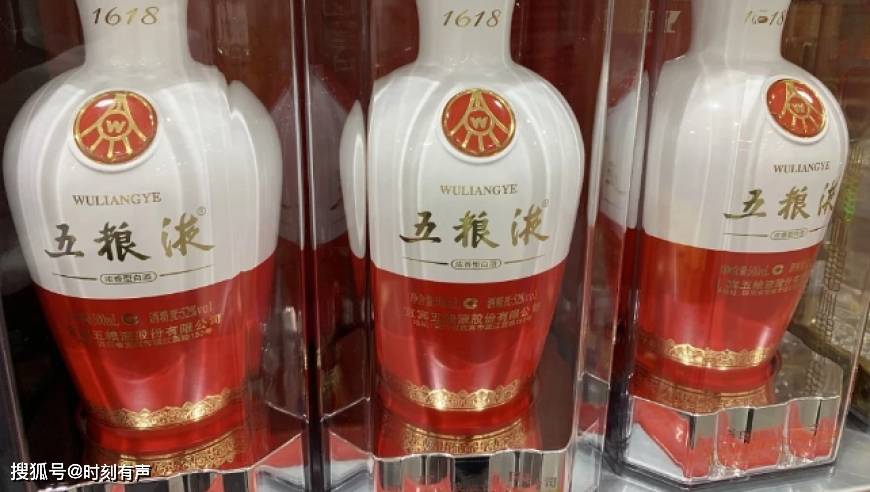
Core Viewpoint - The major price adjustment of the core product, the 52-degree Eighth Generation Wuliangye, has sparked significant market attention, with reports suggesting a price drop to 900 yuan per bottle, although the company clarifies that the factory price remains unchanged at 1019 yuan per bottle, and the perceived price drop is due to subsidy policies [1][3][9]. Price Adjustment Details - Reports indicate that the Eighth Generation Wuliangye's invoice price may drop to 900 yuan per bottle, with potential costs for distributors falling to around 800 yuan per bottle when including various support and rebate policies [1][2][4]. - The company maintains that the factory price of the Eighth Generation Wuliangye has not been adjusted, and the market's perception of a price drop is linked to the implementation of subsidy support policies [3][9]. Market Context - The white liquor industry has experienced a price increase trend from the second half of 2023 to the first half of 2024, with several major brands raising their factory prices, including a notable increase for Wuliangye's Eighth Generation product from 969 yuan to 1019 yuan [8][9]. - The current price drop is viewed as a "structural concession" aimed at alleviating financial and inventory pressures on distributors, allowing them to focus on genuine consumer engagement rather than speculative trading [9][10]. Industry Implications - The adjustment is seen as a strategic move to reward distributors who actively engage with consumers, thereby enhancing the overall consumer experience and driving sales [10]. - Experts in the industry have positively evaluated the decision, suggesting that it could help mitigate financial pressures and redirect resources towards actual consumption [10].
五粮液回应降价传闻称出厂价未调整
3 6 Ke· 2025-12-07 13:41
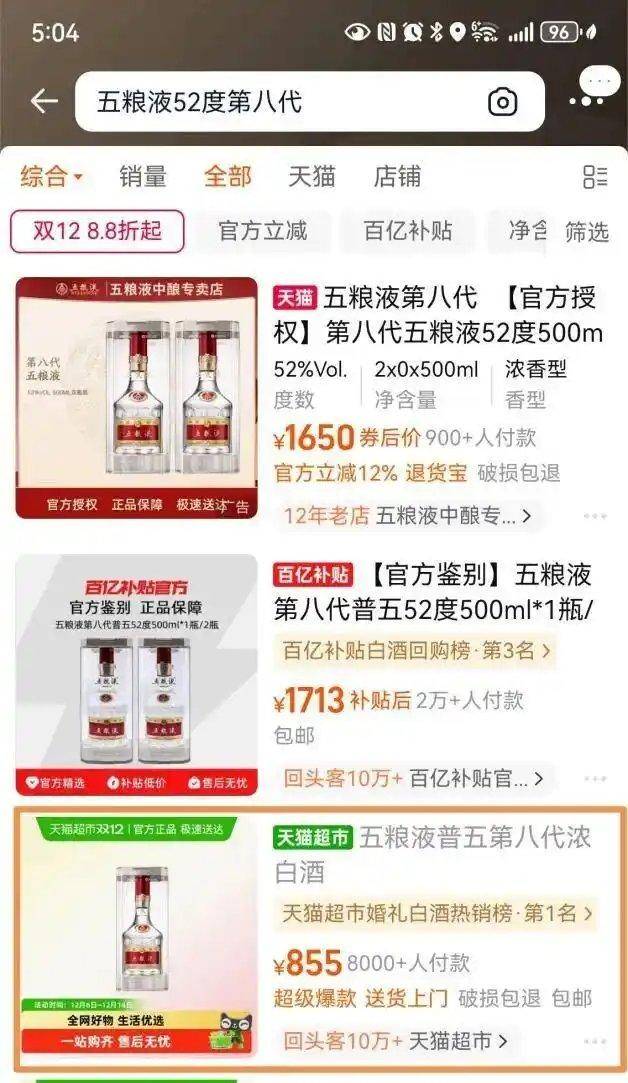
Group 1 - The core message of the article is that Wuliangye has denied rumors regarding a price reduction for its core product, the 52-degree Eighth Generation Wuliangye, stating that the factory price remains unchanged at 1019 yuan per bottle [1] - Market speculation suggested that the price could drop to 900 yuan per bottle after discounts and support policies, with actual costs for distributors potentially falling below 800 yuan per bottle [1] - Wuliangye clarified that the perceived price drop is a result of the implementation of related subsidy support policies rather than an adjustment to the factory price [1]