
WLY(000858)

Search documents
节后首个交易日午盘白酒板块微跌 贵州茅台下跌1.11%
Bei Jing Shang Bao· 2025-10-09 05:21
Core Viewpoint - The white liquor sector experienced a decline in stock prices despite a general market increase, indicating potential challenges in the industry [1]. Market Performance - On October 9, the Shanghai Composite Index rose by 1.24% to 3931.07 points, while the white liquor sector closed at 2232.28 points, down by 0.86% [1]. - Among 20 white liquor stocks, notable declines included: - Kweichow Moutai: closed at 1427.92 CNY/share, down 1.11% - Wuliangye: closed at 120.4 CNY/share, down 0.89% - Shanxi Fenjiu: closed at 188.09 CNY/share, down 3.05% - Luzhou Laojiao: closed at 128.87 CNY/share, down 2.31% - Yanghe Brewery: closed at 67.60 CNY/share, down 0.50% [1]. Industry Insights - According to Kaiyuan Securities, the improvement in the white liquor market's sales dynamics depends on two key factors: - The pace of social inventory reduction - The distribution strategies of liquor manufacturers [1]. - If manufacturers lower their payment collection requirements and slow down delivery schedules, it could alleviate channel inventory pressure and lay the groundwork for a sales recovery [1].





沪深300ESGETF(561900)涨1.54%,半日成交额24.72万元
Xin Lang Cai Jing· 2025-10-09 04:45
Core Viewpoint - The performance of the Hu-Shen 300 ESG ETF (561900) shows a mixed trend among its major holdings, with some stocks experiencing gains while others decline, reflecting the current market volatility [1] Group 1: ETF Performance - As of the midday close on October 9, the Hu-Shen 300 ESG ETF (561900) increased by 1.54%, priced at 0.990 yuan, with a trading volume of 247,200 yuan [1] - Since its inception on July 6, 2021, the fund has reported a return of -2.42%, while the return over the past month is 3.54% [1] Group 2: Major Holdings Performance - Among the major holdings, Kweichow Moutai decreased by 1.11%, China Merchants Bank fell by 0.79%, while Contemporary Amperex Technology Co. (CATL) rose by 3.91% [1] - Other notable movements include: Yangtze Power up by 0.62%, Industrial Bank down by 0.40%, Midea Group down by 0.89%, BYD up by 2.12%, Industrial and Commercial Bank of China down by 0.27%, Wuliangye down by 0.89%, and Ping An Insurance down by 0.49% [1]




需求边际修复,供给持续出清:白酒行业双节动销反馈
Huachuang Securities· 2025-10-09 04:43
Investment Rating - The report maintains a "Recommendation" rating for the liquor industry, expecting the industry index to outperform the benchmark index by more than 5% in the next 3-6 months [22]. Core Viewpoints - The liquor industry is experiencing a marginal recovery in demand while supply continues to clear out, with expectations of a 20% year-on-year decline in sales during the holiday period [5][6]. - High-end products like Moutai and Wuliangye are showing better turnover, while mid-range products are performing relatively well in certain regions [5]. - The report suggests prioritizing investments in companies with stable performance, those undergoing significant transformation, and those with quality products that are clearing out inventory [5]. Industry Basic Data - The liquor industry consists of 20 listed companies with a total market capitalization of 31,219.12 billion [2]. - The circulating market value stands at 31,214.28 billion [2]. Relative Index Performance - The absolute performance of the liquor industry over the past 1 month, 6 months, and 12 months is -4.0%, -6.4%, and -15.6% respectively [3]. - The relative performance compared to the benchmark index is -7.2% over 1 month, -24.9% over 6 months, and -31.1% over 12 months [3]. Sales Performance Insights - During the holiday period, liquor sales are expected to decline by approximately 20%, aligning with pre-holiday expectations [5]. - High-end gifting demand has improved slightly before the holidays, while mid-range business group purchases are still under pressure [5]. - Regional performance varies, with provinces like Henan, Shandong, and Sichuan showing slightly better-than-expected results [5]. Brand Performance - Moutai and Wuliangye are performing well, while other brands are experiencing significant declines in sales [5][6]. - The report highlights that brands like Gujing and Jiuzi are expected to confirm performance bottoms and drive growth through market share [5]. Channel and Inventory Insights - Channel inventory is slightly decreasing, with supply and demand remaining in a tight balance [5]. - The report anticipates that Q4 will focus on inventory digestion, with price stability expected despite some downward pressure [5]. Investment Recommendations - The report recommends focusing on companies with low performance risk, those confirming performance bottoms, and those undergoing deep transformations [5]. - Specific companies highlighted for investment include Moutai, Fenjiu, and Gujing, with a focus on dividend yield for Wuliangye and monitoring the performance of Laojiao [5].

中国白酒追踪 - 黄金周期间销售依然疲软;宴会需求成唯一增长支柱-China Spirits Tracker_ Sales remained weak during Golden Week; banquet demand as the only growth pillar
2025-10-09 02:00
Summary of China Spirits Tracker Conference Call Industry Overview - The report focuses on the **China Spirits Industry**, particularly during the **Golden Week holiday season** which includes the National holiday and Mid-Autumn festival - Sales momentum for liquor consumption remained weak year-over-year (YoY) in key regions such as **Hunan, Anhui, and Henan** [1][1][1] Key Insights - **Banquet Demand**: Banquets are identified as the only growth pillar for spirits brands, outperforming other consumption scenarios during the holiday season, especially in **Jiangsu** and **Henan** provinces [1][1][1] - **Gifting Demand Decline**: There was a notable decline in gifting demand, with high-premium moon cakes (priced over Rmb500) market share dropping to approximately **1.8%** in 2025 YTD from **7.2%** in 2023. Pre-festival sales of moon cakes decreased by over **45%** YoY [1][1][1] - **Retail Sales Performance**: Overall retail sales of key enterprises in retail and catering increased by **3.3%** in the first four days of Golden Week, compared to a **6.3%** increase during the Labor Day holiday in 2025 [1][1][1] Regional Sales Performance - **Anhui**: Retail-end sales likely declined by **20%-30%** during the double holiday, with banquet sales still in a YoY downward trend [1][1][1] - **Jiangsu**: Retail-end sales likely decreased by over **20%** YoY, although banquet sales outperformed other consumption scenarios [1][1][1] - **Henan**: Holiday retail-end sales likely saw a **10%-15%** YoY decline, with banquet sales possibly remaining flat [1][1][1] - **Sichuan**: Retail-end sales may decrease by **20%** YoY, with gift-sending/business-related sales down by **20%-40%** YoY [1][1][1] - **Hunan**: Pre-festival shipment volumes for major brands like Feitian Moutai and Wuliangye saw declines ranging from **12% to 31%** YoY [1][1][1] Brand Performance - **Moutai**: - Feitian sell-through remained flat YoY, while non-standard SKUs saw a decline of over **20%** YoY [1][1][1] - Wholesale prices for original case Feitian Moutai decreased from **Rmb1,810** to **Rmb1,780** [1][1][1] - **Wuliangye**: - 1618 and Wuliangchun performed positively YoY, while common Wuliangye sell-through declined by **10%-15%** YoY [1][1][1] - **Laojiao**: Guojiao sell-through declined by over **25%** YTD YoY in some regions [1][1][1] Pricing Trends - Post-festival, wholesale prices for key upper-premium SKUs like Feitian Moutai and Common Wuliangye trended weaker compared to pre-festival prices, marking the weakest performance in the past five years [1][1][1] - Channel inventory levels remained stable, with Wuliangye and Laojiao at less than **2 months** and **3 months** respectively, while Gujing faced high inventory pressure [1][1][1] Additional Developments - **New Retail Initiatives**: - Waima opened its first offline store in **Chongqing**, offering upper-premium spirits brands [1][1][1] - I-Moutai launched insta-delivery services, supporting intra-city delivery in as fast as **30 minutes** [1][1][1] - **Sales Performance in Zhejiang**: Wuliangye management reported stable performance in weddings and celebratory banquets in the Zhejiang market [1][1][1] Conclusion - The China Spirits industry is currently facing challenges with weak demand trends, particularly in gifting and general consumption, while banquet demand remains a critical growth area. Brands are adjusting their strategies in response to changing consumer behaviors and market conditions.

食饮-中秋国庆渠道跟踪总结
2025-10-09 02:00
Summary of Key Points from the Conference Call Industry Overview - The conference call primarily discusses the **Chinese liquor industry**, focusing on the performance of **Baijiu** (Chinese liquor) during the **Mid-Autumn Festival** and **National Day** in 2025, along with insights into the broader food and beverage sector. Core Insights and Arguments 1. **Decline in Business and Gift Demand**: There has been a significant decline in business and gift demand, with mass consumer spending becoming the main driver. This trend has negatively impacted sales of traditional gifts such as **mooncakes** and **crabs** during the Mid-Autumn Festival in 2025, reflecting overall weak business demand [2][9]. 2. **Shift to Online Sales**: The proportion of online sales in the liquor market is increasing. In 2024, online sales accounted for approximately **15%** of total Baijiu consumption, expected to rise to **20%** in 2025. Brands like **Moutai** and **Wuliangye** are projected to have online sales proportions exceeding **30%** during key sales periods [3][4]. 3. **Challenges in the Baijiu Market**: The Baijiu market faces challenges such as poor profitability in offline retail and high inventory pressure. For instance, the profit margin for a bottle of Moutai is only between **50 to 80 yuan**, leading distributors to reduce stock levels [4][5]. 4. **Sales Performance of Moutai**: During the Mid-Autumn Festival, Moutai's sales performance exceeded expectations in economically vibrant regions like **Shanghai** and **Zhejiang**, although overall sales volume declined by **10% to 20%** [6][9]. 5. **Regional Market Dynamics**: The eastern Baijiu market remains stable, while growth in the central and western regions is weak, with provinces like **Shaanxi** and **Shanxi** experiencing declines. High-end Baijiu, such as Moutai, is seeing increased demand from the mass market, with price sensitivity leading to a rise in online sales [7][9]. 6. **Overall Market Performance**: The overall Baijiu sales volume during the double festival period (Mid-Autumn and National Day) is expected to decline by **15% to 20%** year-on-year, which is better than other categories like mooncakes and crabs. The demand for mass dining has increased, while business dining has decreased significantly [9][12]. 7. **Future Market Expectations**: The Baijiu market is anticipated to stabilize, with a gradual return to normalcy in demand levels. The expectation for 2025 is that sales will align closely with low forecasts, with some regions showing better-than-expected performance due to economic activity [14][22]. 8. **High-End Baijiu Pricing Trends**: As of now, the wholesale price of Moutai is around **1,780 yuan**, showing a slight decrease. It is expected that prices may drop to around **1,600 to 1,700 yuan** in the coming months, reflecting a potential bottoming out of prices [15][22]. Other Important Insights - **Consumer Behavior**: There is a notable shift in consumer behavior towards more price-sensitive purchasing, particularly during festive seasons, which has led to increased online shopping and promotional activities [3][4]. - **Regional Variations**: Different regions exhibit varying performance levels, with **Jiangsu** showing better-than-expected results due to a recovery in business and mass dining demand following the withdrawal of inspection teams [16][19]. - **Investment Recommendations**: Investors are advised to monitor macroeconomic improvements that could accelerate the recovery of business consumption and to look for opportunities in price upgrades as inventory levels stabilize [22]. - **Broader Food and Beverage Trends**: The call also touched on the performance of the **beer industry** and **snack foods**, indicating a recovery in dining out and family gatherings, which positively impacted sales [23][24]. This summary encapsulates the key points discussed in the conference call, providing a comprehensive overview of the current state and future expectations of the Baijiu market and related sectors.

白酒中秋国庆跟踪电话会
2025-10-09 02:00
Summary of the Conference Call on Baijiu Sales During the Mid-Autumn Festival and National Day Industry Overview - The overall sales of baijiu during the Mid-Autumn Festival and National Day were lower than last year, with high-end brands like Moutai and Wuliangye experiencing smaller declines due to gift-giving demand. The price range of 300-600 RMB saw the fastest decline, exceeding 30% [1][3]. - Online channels diverted some sales from offline, leading to a significant drop in offline distributor channels [1][4]. Key Points on Sales Performance - **Sales Disparity**: Sales performance varied significantly across different price ranges. High-end brands like Moutai and Wuliangye had smaller declines, while the 300-600 RMB price range saw the most significant drop [3][4]. - **Regional Performance**: In Jiangsu, sales were down compared to last year, with Yanghe focusing on inventory reduction and price increases. Guoyuan performed relatively well, with a decline of less than 10% [2][8]. - **Inventory Levels**: Jinshiyuan's inventory exceeded three months, while other brands like Guoyuan had larger terminal inventories, leading to price reductions for some products [10][6]. Brand-Specific Insights - **Yanghe**: Prices for core products increased, but social inventory remained high. The overall return rate was about 55%, which is a decline compared to last year [8][6]. - **Guoyuan**: The company aims for a return rate of over 90% by the end of November, with some products seeing a 20% increase in returns compared to last year [9]. - **Wuliangye**: The company implemented price control measures, allowing distributors to sell at higher prices, which helped stabilize prices around 810-815 RMB [32][33]. - **Luzhou Laojiao**: The brand's market performance was poor, completing only 55% of its annual target, with a focus on maintaining high prices for its high-alcohol products [34][35]. Consumer Behavior and Market Trends - **Shift to Online Sales**: Consumers are increasingly turning to online purchases, with some stores reporting a 50% increase in online sales, although overall sales remain dominated by offline channels [16][22]. - **Sales Channels**: There is a notable differentiation in sales performance among smoke shops, with those maintaining good customer relationships experiencing smaller declines [5][22]. Future Outlook - **Inventory Management**: The current inventory reduction cycle is expected to last longer, with a risk of 10%-30% of terminal stores potentially closing if the market does not recover by the Spring Festival [27]. - **Overall Market Trends**: The overall sales situation is projected to decline by about 15% in 2025 compared to the previous year, with significant challenges in the mid-range and low-end segments [31][25]. Conclusion - The baijiu industry is facing significant challenges with declining sales across various price segments, increased online competition, and inventory management issues. High-end brands are somewhat insulated from these trends, but overall market performance remains weak.
电商低价促销知名白酒常态化,酒商担忧没有最低只有更低
Di Yi Cai Jing· 2025-10-09 00:53
假日经济|电商低价促销知名白酒常态化,酒商担忧"没有最低,只有更低" 【中国白酒网】电商与白酒企业的矛盾日益加剧。 电商平台与白酒企业的价格冲突仍在持续。记者注意到,今年双节前后,即时电商和平台电商的白 酒促销大战仍在持续,多个名酒品牌的核心产品优惠后价格都跌破了线下市场的批发价,这也加剧了线 下渠道的压力。 记者注意到,多个电商平台采用了限时补贴的方式进行优惠,优惠后的价格比批发价更低。比如飞 天茅台的市场零售价约在1900元/瓶左右,但优惠后价格只有1700元/瓶,而第三方平台该产品的批发价 约在1780元/瓶;五粮液的核心单品普五优惠后价格为769元/瓶,而同期市场批发价为840元/瓶。不仅仅 是头部酒企,记者注意到,包括山西汾酒、剑南春等名酒补贴后价格也都低于批发价。 济南酒商老盛告诉记者,由于价格的波动,线下终端商拿货非常谨慎,不愿囤货,经销商的出货节 奏也受到影响。一般而言,双节前名酒的价格都会有所上涨,但今年完全没有起色,预计节后酒价还有 下行空间。 多位经销商表示,前一段时间即时电商的售价更低,但在双节市场,电商平台的促销力度更大,消 费者已经养成了线上比价的习惯,这样一来,不得已也只能偷偷降 ...
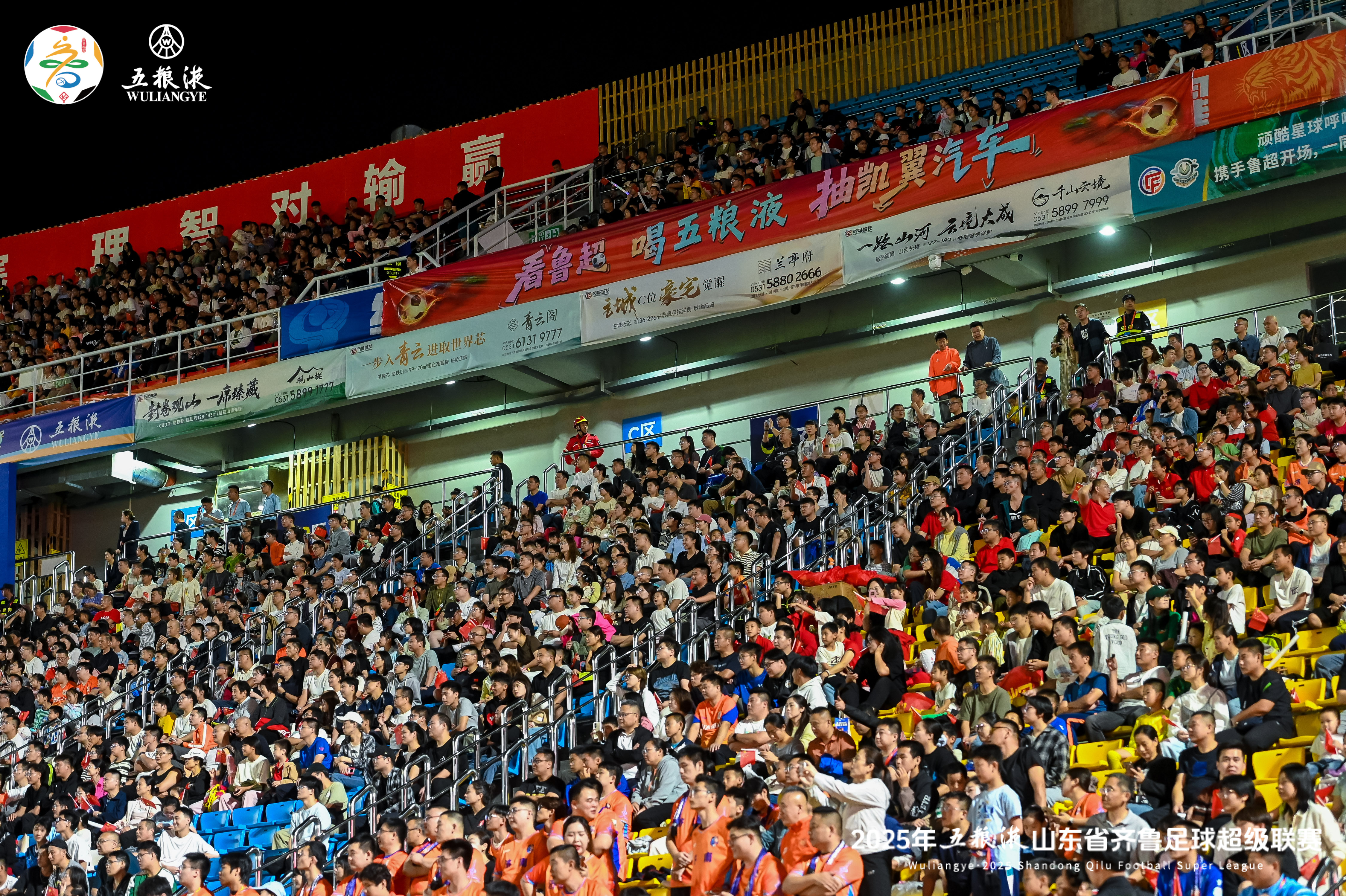
鲁超小组赛迎收官之战!五粮液邀您一起看球抽车赢门票!
Qi Lu Wan Bao· 2025-10-08 08:25
Group 1 - The core viewpoint of the articles highlights the excitement and emotional engagement of fans during the ongoing Shandong Super League matches, showcasing both competitive spirit and personal moments [3][5][22] - The matches are crucial for teams' advancement, leading to a surge in ticket demand, making them a scarce resource [5][22] - The emotional narratives from the matches, such as a player’s tears after a draw and a public proposal during a game, illustrate the deep connection between fans and the sport [3][5] Group 2 - A promotional lottery event by Wuliangye has been launched, allowing fans to win tickets to the matches, with a high probability of winning [6][10][22] - The lottery includes various prizes, such as a car and collectible items, enhancing fan engagement and providing an alternative to the challenging ticket purchasing process [10][11][22] - The event encourages fans to participate by purchasing specific Wuliangye products, thus integrating consumer goods with sports entertainment [11][22]

2025年四季度食品饮料行业投资策略:底部蓄能,强者恒强
Guoxin Securities· 2025-10-08 06:52
Core Conclusions - The report emphasizes that the food and beverage industry is currently at a bottoming phase, with strong players continuing to thrive [4] - The market has underperformed due to weak domestic demand and consumer confidence, with A-share food and beverage sector down 4.7% year-to-date, while H-share food and beverage sector increased by 29.5% [4] - There is a notable divergence among product categories, with alcoholic beverages facing pressure while mass-market products show signs of improvement, particularly in leading brands [4] Market Indicators - The trading volume, open interest, and valuation of the food and beverage sector are at historically low levels, with the sector's trading volume in A-shares dropping below 2% [9][10] - The price-to-earnings (PE) ratio for food and beverage has been declining since 2021, with categories like liquor and beer at historically low percentiles [12][16] Fundamental Analysis - The report discusses the need for a top-down approach to assess the investment value of leading companies like Kweichow Moutai, which holds a 31% weight in the food and beverage sector [27] - A bottom-up approach is also suggested to identify rapidly growing segments or companies in recovery [27] Company Recommendations - The report recommends focusing on policy-sensitive sectors such as liquor and the restaurant supply chain, highlighting companies like Kweichow Moutai, Luzhou Laojiao, and Haidilao [4] - Strong brands in the mass-market segment are also recommended, including Nongfu Spring, Dongpeng Beverage, and Yili Group [4] Industry Outlook - The report anticipates a recovery in liquor consumption as the impact of recent policies diminishes, with positive signals expected from the supply side [4] - The fourth quarter is projected to see improvements in key indicators for the liquor sector, including the price of Moutai [4] Performance Forecast - For Q3 2025, Kweichow Moutai is expected to generate revenue of 1,863.3 billion yuan, reflecting a 7% year-on-year increase, while Luzhou Laojiao is projected to see a 10% decline in revenue [49][50] - The report provides detailed forecasts for various companies, indicating expected revenue and profit changes for the upcoming quarters [49][50]




行业筑底,保持耐心:——2025中秋国庆白酒渠道反馈
Shenwan Hongyuan Securities· 2025-10-08 06:32
Investment Rating - The report maintains a cautious outlook on the liquor industry, indicating a need for patience as the sector is still in a bottoming phase [5][8]. Core Insights - The overall demand for the liquor industry is expected to decline by 20-30% year-on-year during the 2025 Mid-Autumn Festival and National Day, with inventory increasing by 10-20% [5][8]. - The report highlights that the consumption scenarios, particularly banquet and gift demands, have underperformed expectations, while the business sector shows some improvement but still has a significant year-on-year gap [5][8]. - The report suggests that the stock price turning point may occur before the fundamental turning point, indicating that investors should remain patient and wait for the right opportunities [5][8]. Summary by Sections 1. Industry Perspective - The liquor industry is experiencing a downturn, with a projected demand drop of 20-30% and an increase in inventory levels [5][8]. - The report emphasizes the need for patience and suggests that high dividend yield stocks from leading companies may provide long-term value [5][8]. - Key recommendations include Guizhou Moutai, Shanxi Fenjiu, and Luzhou Laojiao, with a watch on Wuliangye, Jianshe, and Yingjia Gongjiu [5][8]. 2. Brand Performance - Moutai is performing the best, with expected sales decline in the single digits and stable pricing around 1780-1835 yuan [9][10]. - Wuliangye is expected to see a 15% decline in sales, with current pricing around 810-830 yuan [9][10]. - Guojiao 1573 anticipates a 20-30% sales drop, maintaining prices of 630 yuan for low-alcohol and 820-830 yuan for high-alcohol variants [9][10]. - Fenjiu is expected to see a 10-15% decline in sales, with pricing for Qinghua 20 around 330-360 yuan [10]. 3. Regional Insights - In Henan, overall sales volume dropped by 15%, with Moutai and Wuliangye showing declines of 6% and 8% respectively [11][12]. - In Jiangsu, the market is experiencing a 20% decline in sales, with Moutai maintaining stable pricing around 1800 yuan [19][20]. - The report notes that the business consumption scenario has been the most affected, with a recovery to only 70% of previous levels [18][22]. 4. Future Outlook - The report anticipates that the fourth quarter of 2025 will see stable prices, but inventory levels will need time to be digested [22][23]. - The 2026 Spring Festival is expected to face significant pressure due to high base effects from 2025, with overall performance likely to remain subdued [22][23].