
WLY(000858)

Search documents
白酒产业深度调整背景下,宜宾如何实现酒业新突破? 不只卖酒 更是世界酒旅胜地
Si Chuan Ri Bao· 2025-12-25 07:36
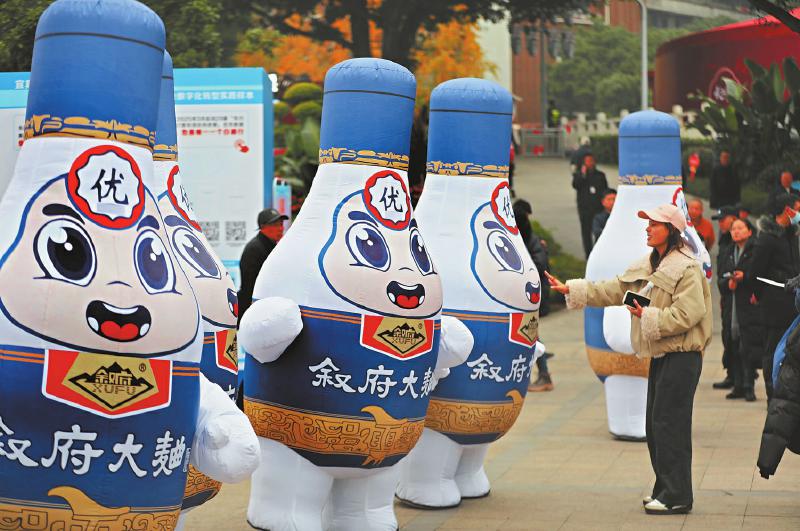
12月19日,中国国际名酒博览会白酒展区的厂家人偶。兰锋 摄(C视觉) 冬日晨雾中,一艘货轮停泊在宜宾李庄古镇奎星阁外的江面上。张华 摄(C视觉) 2025中国国际名酒博览会期间,每晚18时,在宜宾的合江门,一场别开生面的宫廷酒宴都会准时上演:游客 在此举杯对饮,随乐声与古典舞秀互动。而体验这一切,花费不到百元。 这个极具穿越感与性价比的消费新场景,让厚重的酒文化变得可亲、可感、可参与。 这也是宜宾发展"酒旅融合"的一个切片。在这届名酒博览会上,12月19日,中国酒业协会授予宜宾"世界酒旅 胜地"称号。这座千年酒都,正从"名酒产地"向"酒旅胜地"跨越。 从卖产品到卖场景 酒旅融合已是产业突破"必答题" 宜宾有"中国酒都"之称,优质白酒是这座城市的四大主导产业之一,已形成以五粮液为龙头,52户规模以上 酒企为主导,280多户小微生产企业、130余户配套企业协同发展的千亿级产业集群。 当前,白酒产业深度调整,中国酒类市场已经进入存量提质改造和增量结构调整并重的全新阶段,白酒消费 逻辑发生根本转变。 "酒旅融合不是锦上添花的可选动作,而是产业突破瓶颈、开辟新增长轨道的战略要求。"经济和信息化厅一 级巡视员冯锦花认为 ...


观酒|湾区白酒半年图谱:名酒价格频频失守,行业陷深度博弈
Nan Fang Du Shi Bao· 2025-12-25 05:56
Core Insights - The Chinese liquor industry is undergoing significant transformation in 2025, facing challenges such as high channel inventory and weak terminal sales, while also experiencing new opportunities driven by changing policies, consumption patterns, and scenarios [2][3] - The market is seeing a shift towards product innovation targeting younger consumers, with low-alcohol beverages and fruit-flavored wines becoming popular among Generation Z [2] - The industry is also accelerating its international expansion, moving from product export to cultural export, as domestic growth slows [2] Price Trends - The retail prices of liquor in the Guangdong-Hong Kong-Macao Greater Bay Area have shown a clear trend of "overall decline, weak peak seasons, and increasing differentiation" [4][6] - Over half of the monitored products in the Bay Area have experienced price declines, including high-end brands like Moutai and Wuliangye, indicating a significant pressure on the price points [6][10] - The price of high-end products has collectively "cooled down," with many products in the 1,000 yuan price range facing substantial pressure, leading to a significant gap between listed and actual transaction prices [6][10] Regional Analysis - In Guangzhou, the liquor market has continued to show price declines and frequent fluctuations, reflecting a deepening adjustment trend [8][9] - Shenzhen's liquor prices have shown stability in offline channels, acting as a "price ballast," while online channels have seen significant price drops [12][15] - In Foshan, the price trends are characterized by a "two-tier" differentiation, with stable products maintaining their prices while others experience significant volatility [16][17] - Dongguan's liquor market has shown structural differentiation in price trends, with high-end products under pressure and mid-range products adopting flexible pricing strategies [19][21] Market Dynamics - The collective price adjustments in the Bay Area are driven by a combination of macroeconomic pressures, industry cycles, and channel transformations [22][23] - The current market pressure stems from a cooling demand for consumption, particularly in business and banquet settings, alongside a shift in consumer preferences [22] - The evolution of channels, particularly the rise of instant retail platforms, has increased price transparency and intensified competition among channels [23] Future Outlook - The market is expected to maintain a "low-price" trend in the short term, with the upcoming Spring Festival being a focal point for potential sales recovery [24] - However, significant price rebounds are unlikely until consumer confidence is restored and channel inventories are effectively reduced [24] - The industry is likely to see a shift from price wars to competition based on brand strength, product innovation, and refined channel management [24]




中国银河证券:头部酒企定调来年战略 传统消费有望迎来底部改善
Zhi Tong Cai Jing· 2025-12-25 02:55
Core Viewpoint - The food and beverage index in December experienced a pullback, primarily due to the timing of the Mid-Autumn Festival affecting November sales data and the later stocking period for the 2026 Spring Festival, which may pressure Q4 revenue growth [1] Group 1: Industry Insights - Major liquor companies are adjusting their strategies for 2026, focusing on maintaining price stability and channel profit margins amid ongoing industry downturn pressures [1] - Companies are developing high-margin products and increasing marketing investments to boost distributor engagement [1] - Long-term transformations include targeting new consumer demographics and developing products aligned with new consumption trends, as well as enhancing relationships with e-commerce platforms and instant retail channels [1] Group 2: Price Tracking - As of December 24, 2025, the price of Feitian Moutai increased by 20 yuan compared to November, while prices for Wuliangye and Luzhou Laojiao remained stable or slightly decreased year-on-year [2] - Packaging material prices showed a mixed trend, with glass prices down 26.4% year-on-year, while aluminum and carton prices increased [2] - Raw material prices for sugar, flour, and pork saw significant year-on-year declines, while quail eggs and soybeans experienced price increases [2] Group 3: Market Performance - The food and beverage sector declined by 3.1% as of December 23, 2025, underperforming the overall A-share index by 4.9%, ranking 28th among 31 sub-industries [3] - Half of the sub-sectors saw gains, with snacks, seasoning and fermentation products, and pre-processed foods leading the increases at 3.6%, 3.0%, and 2.6% respectively [3]

酒企打响“马年”发令枪:生肖酒市场的喜与忧
Xin Lang Cai Jing· 2025-12-24 16:48
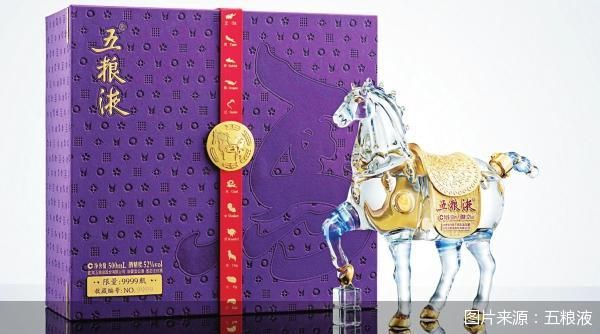
Core Viewpoint - The Chinese liquor industry is experiencing a shift in the zodiac liquor market for the Year of the Horse in 2026, with a notable decrease in enthusiasm compared to previous years, indicating a more rational approach from companies amidst industry adjustments and changing consumer perceptions [5][6]. Group 1: Market Dynamics - Major liquor companies, including Wuliangye, Yanghe, and Luzhou Laojiao, have launched zodiac liquor products for the Year of the Horse, but the market appears less vibrant than in previous years [3][4]. - The number of companies participating in the zodiac liquor market is expected to decrease by at least 30% compared to previous years, as the market becomes dominated by leading brands, raising entry barriers [6][9]. - The market is transitioning from a speculative investment focus to a cultural consumption perspective, driven by changing consumer attitudes and a need for differentiation in product offerings [7][8]. Group 2: Consumer Behavior - Consumers are increasingly prioritizing taste and gifting scenarios over investment potential, indicating a shift back to the core values of consumption [8][9]. - The demand for unique and culturally rich products is rising, as consumers show signs of fatigue towards homogenized designs and offerings in the zodiac liquor market [9][10]. Group 3: Challenges and Opportunities - The zodiac liquor market faces challenges such as product homogenization, supply-demand imbalances, and the risk of value bubbles, necessitating deeper cultural engagement and innovation from companies [9][10]. - Companies are encouraged to develop strong cultural narratives and product matrices to establish independent value systems and consumer bases, moving away from reliance on leading brands like Moutai and Wuliangye [10][11].



生肖酒“降温”
Bei Jing Shang Bao· 2025-12-24 16:03
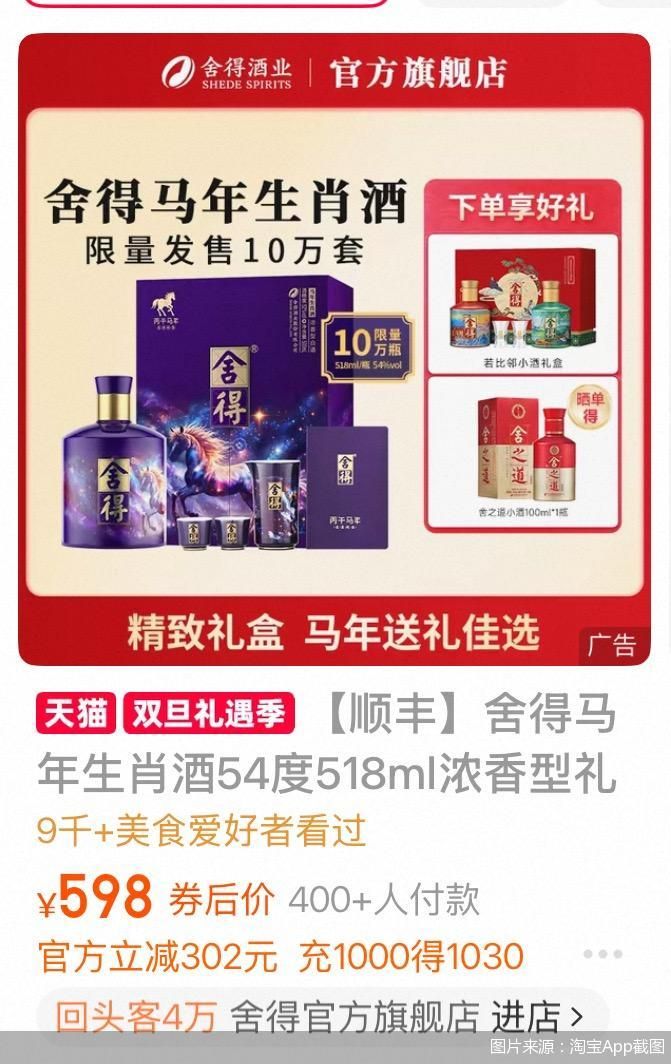
Core Viewpoint - The domestic liquor industry is actively launching zodiac-themed products for the upcoming Year of the Horse in 2026, but the market appears less enthusiastic compared to previous years, indicating a shift in consumer sentiment and market dynamics [1][4][6]. Group 1: Market Activity - Major liquor companies such as Wuliangye, Yanghe, and Luzhou Laojiao have already released their zodiac-themed products for 2026, with various pricing strategies and limited editions [3][4]. - Specific product launches include Tianyoude's limited edition of 1,000 bottles, Luzhou Laojiao's offerings priced at 888 yuan, and Wuliangye's zodiac liquor debuting on JD.com [3][4]. Group 2: Market Trends - The zodiac liquor market is experiencing a "cooling down" phase, contrasting sharply with the previous years' frenzy of new product launches and market excitement [4][6]. - A significant reduction in the number of companies participating in the zodiac liquor market is anticipated, with estimates suggesting a decrease of at least 30% compared to previous years [4][5]. Group 3: Consumer Behavior - The previous investment and collectible appeal of zodiac liquors is diminishing, as consumers are now prioritizing taste and gifting scenarios over speculative value [6][7]. - The shift in consumer demand is pushing the zodiac liquor market to refocus on cultural and emotional values rather than purely investment-driven motives [7][8]. Group 4: Challenges and Opportunities - The zodiac liquor market faces challenges such as product homogenization, supply-demand imbalances, and the risk of value bubbles [8][9]. - Companies need to innovate beyond simple design replication and engage in deeper cultural storytelling and regional integration to differentiate their products [8][9]. Group 5: Future Directions - The future success of zodiac liquors will depend on companies' abilities to develop long-term capabilities, including cultural narrative, direct consumer engagement, pricing strategies, and product lifecycle management [9][10]. - Emphasizing cultural significance and scarcity will be crucial for achieving market success in the evolving landscape of the zodiac liquor market [10].
酒企打响“马年”发令枪 生肖酒市场的喜与忧
Bei Jing Shang Bao· 2025-12-24 13:21
Core Viewpoint - The Chinese liquor industry is experiencing a "cooling" phase in the zodiac liquor market for the upcoming Year of the Horse in 2026, contrasting with previous years' fervor, as companies like Wuliangye, Yanghe, and Luzhou Laojiao release new products amid a more rational consumer sentiment and industry adjustments [1][4][6]. Group 1: Market Dynamics - Major liquor companies, including Wuliangye, Yanghe, and Luzhou Laojiao, have launched zodiac liquor products for the Year of the Horse, with various pricing strategies and limited editions [2][5]. - The number of companies participating in the zodiac liquor market is expected to decrease by at least 30% compared to previous years, as the market becomes dominated by leading brands, raising entry barriers [5][9]. - The market is witnessing a shift from speculative investment to cultural consumption, as consumers prioritize taste and gifting over mere investment value [7][8]. Group 2: Consumer Behavior and Trends - Consumers are increasingly focused on the drinking experience and gifting scenarios, indicating a need for zodiac liquors to enhance their core drinking value alongside cultural attributes [7][9]. - The current market is characterized by homogenization in product design and packaging, leading to consumer fatigue and a decline in perceived uniqueness [8][9]. - The future success of zodiac liquors will depend on the ability of companies to innovate culturally and establish independent value systems for their products [9][10].
13只白酒股下跌 贵州茅台1400.90元/股收盘
Bei Jing Shang Bao· 2025-12-24 12:16
Core Viewpoint - The liquor industry is entering a phase of rapid performance clearing, with expectations of a weak recovery in demand as policy pressures ease and consumption expansion policies take effect [1] Industry Summary - The three major indices collectively rose, with the Shanghai Composite Index closing at 3940.95 points, up 0.53% [1] - The liquor sector closed at 2196.49 points, with a slight increase of 0.18%, although 13 liquor stocks experienced declines [1] - The current industry valuation is low, and pessimistic expectations are fully priced in, indicating a clearer direction for industry clearing and a more defined bottom [1] Company Summary - Kweichow Moutai (600519) closed at 1400.90 CNY per share, down 0.49% [1] - Wuliangye (000858) closed at 109.28 CNY per share, down 0.40% [1] - Shanxi Fenjiu (600809) closed at 175.60 CNY per share, down 0.96% [1] - Luzhou Laojiao (000568) closed at 119.94 CNY per share, down 0.38% [1] - Yanghe Brewery (002304) closed at 62.10 CNY per share, down 0.06% [1]
海南封关启新程,白酒出海正当时,共赴全球飘香新纪元!
Sou Hu Cai Jing· 2025-12-24 11:26
Core Viewpoint - The recent implementation of the Hainan Free Trade Port marks a historic step in China's opening-up strategy, providing a strategic opportunity for the Chinese liquor industry to overcome international market barriers and reshape its global presence [1][3]. Group 1: Hainan's Role in Liquor Export - The "closure" of Hainan is a customs regulatory model that allows for the free flow of goods, capital, and personnel between Hainan and foreign countries, while maintaining regular supervision with the mainland, positioning Hainan as a key hub for connecting domestic and international markets [3]. - Currently, global spirits exports exceed $40 billion, but Chinese liquor accounts for only 2.4% of this market, indicating a significant mismatch between the industry's scale and its international presence [3]. - Hainan's policies, including zero tariffs on foreign goods and a low-cost platform for logistics, significantly reduce operational costs for liquor companies looking to export [5][6]. Group 2: Supply Chain and Logistics Improvements - Hainan's customs policies simplify the clearance process, significantly shortening the time required for liquor exports, while improving warehousing and logistics infrastructure [8]. - Major international liquor companies have established bonded warehouses in Hainan, allowing for rapid release of goods, which can also benefit Chinese liquor companies by enabling pre-processing activities [8]. - The development of cross-border e-commerce policies in Hainan facilitates a new model of "online ordering and bonded direct shipping," providing Chinese liquor companies with new pathways to expand overseas [8]. Group 3: Cultural and Market Challenges - One of the main challenges for Chinese liquor in international markets is the lack of understanding of its unique cultural and flavor profiles, which Hainan can help address through cultural promotion and experiential marketing [9]. - Hainan's international tourism and business attributes allow liquor companies to set up experience centers to enhance consumer understanding and appreciation of Chinese liquor [9]. - The establishment of local channels and partnerships in Hainan can help liquor companies overcome the previous "solo" approach to international expansion [9]. Group 4: Industry Upgrades and Standards - The Hainan Free Trade Port will drive the liquor industry to enhance standards, product innovation, and talent development to meet international market demands [11]. - Hainan can serve as a testing ground for establishing international standards for Chinese liquor, facilitating technical exchanges with global spirits industries [11]. - Companies need to innovate products to cater to diverse global consumer preferences, leveraging Hainan's processing advantages for targeted production [11]. Group 5: Competitive Landscape and Future Outlook - The local liquor market in Hainan is approximately $6 billion, with a high proportion of sauce-flavored liquor, and the influx of international brands post-closure will intensify competition [12]. - Talent shortages remain a critical barrier to internationalization, necessitating the recruitment and training of professionals familiar with international trade and brand management [12]. - The liquor industry must collaborate to build a cooperative mechanism in Hainan, avoiding disordered competition while promoting the global dissemination of Chinese liquor culture [12]. Group 6: Historical Context and Future Prospects - The internationalization of Chinese liquor has historically aligned with national opening strategies, and Hainan's full closure represents a significant milestone in this regard [14]. - The ongoing release of policy benefits and industry upgrades will facilitate the cultural promotion and channel development of Chinese liquor on the global stage [14]. - The expectation is that unique Chinese liquor flavors will reach global markets, enhancing the understanding of Chinese brewing techniques and cultural heritage [14].
五粮液旗下海大橡胶集团注册资本增至6.75亿元
Zheng Quan Ri Bao· 2025-12-24 11:12
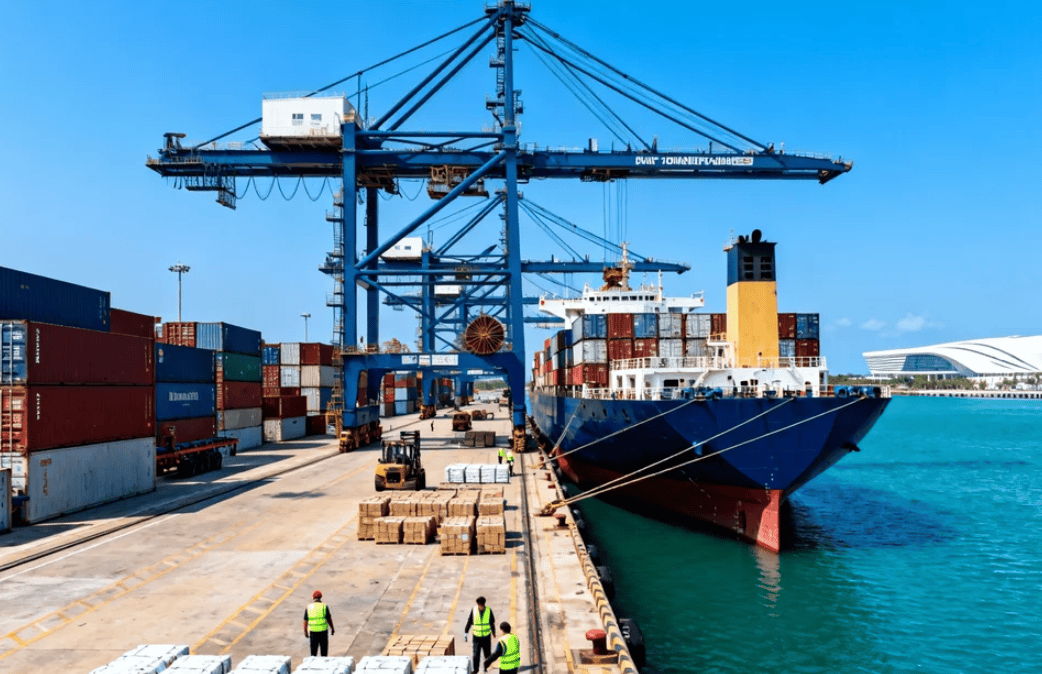
Group 1 - The core point of the article is that Sichuan Haida Rubber Group Co., Ltd. has increased its registered capital from 484 million yuan to approximately 675 million yuan [2] - The company was established in November 1997 and is wholly owned by Sichuan Yibin Wuliangye Group Co., Ltd. [2] - The business scope of the company includes tire manufacturing, tire sales, rubber product manufacturing, and rubber product sales [2]
五粮液(000858)1218经销商大会交流:普五量价平衡为先
Xin Lang Cai Jing· 2025-12-24 10:47
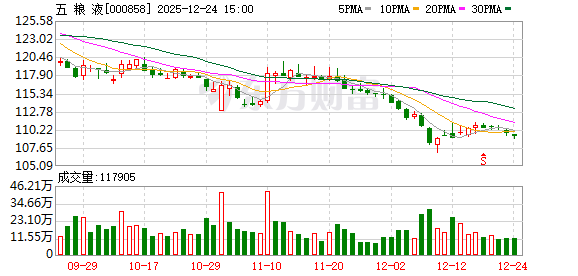
Company Dynamics - The company participated in the Wuliangye 2025 1218 dealer conference and communicated with management, indicating a proactive slowdown in 2025 to alleviate channel pressure [1] - The company has positioned 2026 as the "Year of Marketing Integrity and Innovation," focusing on balancing volume and price for its core product "Pu Wu" and enhancing market share [1] Comments - The company aims to establish the eighth generation of Wuliangye as the leading product in the 1,000 yuan price segment, utilizing phased incentive policies and volume-price balance strategies to achieve strong market share in the 800-1,000 yuan range [2] - The opening scan rate for 39-degree Wuliangye has increased from 50% to 60%, with banquet activities growing by over 20% year-on-year; the 1618 product is positioned as a protective product, achieving over 30% growth in banquet sessions and opening volume [2] - The company is optimizing traditional channels by implementing reverse incentives for distributors and terminal package incentives, while also restructuring channel supply to resist low-price sales from large wholesalers [2] - In 2026, the company plans to add 100 exclusive stores, bringing the total to 1,700; it will also add 300 "three stores and one" and 10 cultural experience stores [2] - The company is cultivating emerging channels, with direct sales network revenue from corporate clients reaching 4.5 billion yuan and "Famous Liquor into Famous Enterprises" achieving 900 million yuan in sales [2] - Looking ahead to 2026, the company will focus on balancing volume and price for Pu Wu, supported by phased subsidies to maintain distributor confidence [2] Profit Forecast and Valuation - The company maintains its 2025 profit forecast at 24.84 billion yuan but has reduced the 2026 profit forecast by 6.0% to 22.45 billion yuan due to intensified industry competition [3] - The target price has been lowered by 26.4% to 128 yuan, corresponding to 20.0/22.1 times P/E for 2025/26, while the current price corresponds to 17.1/19.0 times P/E, indicating a 16.7% upside potential [3]