BYD(002594)

Search documents
合肥2025:新能源车产量全国第一,打造“车能路云”闭环
Xin Lang Cai Jing· 2026-02-20 00:15
Core Insights - Hefei is positioned as a leading city in China's new energy vehicle (NEV) industry, leveraging its unique status as the only city with five national-level pilot projects in battery swapping, dual intelligence, supply chain systems, vehicle-road-cloud integration, and vehicle-network interaction [1][5][6] - In 2024, Hefei's NEV production is projected to reach 1.376 million units, representing an 84.5% year-on-year increase, with an industry chain output value of 260 billion yuan [1][4][5] - The city aims to establish a world-class intelligent connected NEV industry cluster by 2025, targeting a production goal of 1.55 million units and an industry scale exceeding 500 billion yuan [4][6] Industry Development - Hefei has developed a comprehensive "vehicle-parts-market" layout, attracting over 500 core component enterprises and enhancing supply chain resilience and collaboration [1][2] - The city is implementing policies to stimulate automotive consumption, including consumer vouchers and trade-in programs, which have driven over 17.3 billion yuan in automotive sales [2][5] - Hefei's focus on integrating artificial intelligence into smart cockpits and forming an automotive chip alliance supports technological advancements and addresses industry bottlenecks [2][5] Key Projects and Initiatives - The city has successfully launched various initiatives, including the establishment of a virtual power plant for vehicle-to-grid (V2G) technology and the signing of cooperation agreements between banks and enterprises to enhance industry collaboration [5][6] - Hefei hosted the 2025 International New Energy Vehicle Conference, attracting over 520,000 visitors and generating sales exceeding 3.6 billion yuan, showcasing its robust industry ecosystem [6] - The completion of the Star River new energy high-power battery project, with a total investment of 2 billion yuan, aims to enhance the local NEV supply chain and support high-end, clustered development [6][7]


三一第一 重汽/徐工争前二 陕汽/东风破千!充电重卡1月销超万辆大涨1.7倍 | 头条
第一商用车网· 2026-02-19 13:30
Core Viewpoint - The domestic new energy heavy truck market experienced a significant growth of 127% year-on-year in January 2026, with total sales reaching 16,100 units, marking a strong start to the year [1][3]. Market Performance - In January 2026, the sales of new energy heavy trucks totaled 16,100 units, with a month-on-month decrease of 65% compared to December 2025, but a year-on-year increase of 127% [3]. - Pure electric heavy trucks, including battery-swapping and charging models, accounted for 98.88% of total sales, with charging heavy trucks alone selling 11,500 units, reflecting a year-on-year growth of 168% [3][30]. - Charging heavy trucks have achieved a continuous doubling of sales for 25 months, consistently outperforming the overall new energy heavy truck market for 29 months [30]. Segment Analysis - In January 2026, the sales of charging heavy trucks included 6,515 units of tractor trucks, 2,070 units of dump trucks, and 1,641 units of concrete mixers, with respective market shares of 56.7%, 18.0%, and 14.3% [8][22]. - The market share of charging heavy trucks in pure electric heavy truck sales reached 72.33%, slightly up from the previous month [3]. Company Performance - In January 2026, SANY topped the sales chart with 2,100 units sold, followed closely by China National Heavy Duty Truck Group (2,027 units) and XCMG (1,939 units) [14]. - A total of 14 companies sold over 100 units, with six companies exceeding 1,000 units sold [14]. - Notably, companies like United Heavy Truck and BYD saw remarkable growth rates of 825% and 1200% year-on-year, respectively [17]. Market Share Insights - In January 2026, four companies held over 10% market share in the charging heavy truck segment: SANY (18.3%), China National Heavy Duty Truck Group (17.7%), XCMG (16.9%), and FAW Jiefang (11.6%) [21][20]. - The market share of China National Heavy Duty Truck Group increased significantly by 4.5 percentage points compared to the same period in 2025 [20]. Conclusion - The charging heavy truck market commenced 2026 with impressive sales figures, achieving 11,500 units sold and a year-on-year growth of 168%, indicating a robust continuation of the previous year's positive trend [30].






充电比加油还快?底盘比肩法拉利?2025年最强技术都有谁?
电动车公社· 2026-02-18 16:15
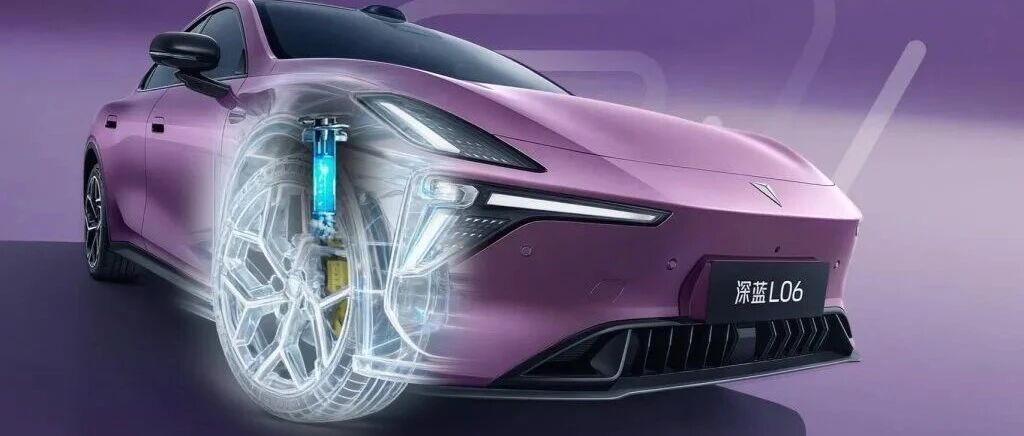
Core Viewpoint - In 2025, the penetration rate of domestic new energy passenger vehicles will exceed 50%, marking an unprecedented milestone in the industry [1]. Group 1: Technological Advancements - The acceptance and purchase of new energy vehicles are driven by technological advancements that enhance product capabilities [2]. - Key technologies emerging as new trends include semi-solid batteries, megawatt fast charging, VLA action language models, WA world models, and magnetorheological dampers [3][16][34][52][67]. Group 2: Semi-Solid Batteries - Semi-solid batteries, represented by brands like NIO and MG, are seen as a more feasible alternative to solid-state batteries, which face significant production and reliability challenges [4][5]. - By 2025, models such as NIO ET7 and MG4 will achieve mass production of semi-solid batteries [6]. - The semi-solid battery's electrolyte can be in gel or slurry form, allowing for better conductivity and safety compared to liquid batteries [9][12]. - The cost of semi-solid battery vehicles has been reduced to around 100,000 yuan, making them more accessible [14]. Group 3: Megawatt Fast Charging - BYD and CATL have introduced megawatt fast charging technology, significantly improving charging speeds, with the potential to add 400 kilometers of range in just 5 minutes [16][17]. - The technology requires supportive energy storage charging stations to mitigate the impact on the power grid [22]. - The use of silicon carbide power devices enables higher voltage platforms, reducing heat loss during charging [24][27]. Group 4: VLA Action Language Model - The VLA model, adopted by brands like Li Auto and Xpeng, enhances autonomous driving by integrating generative language tools to interpret visual data into actionable commands [34][41]. - This model allows engineers to modify generated text for better control, transforming the "black box" of AI into a more transparent system [44]. - Users can interact with the system through voice commands, improving the overall experience [45]. Group 5: WA World Model - The WA world model, utilized by Huawei and NIO, addresses the "black box" issue by simulating and understanding three-dimensional physical interactions for better driving predictions [52]. - This model focuses on cloud-based training to enhance the system's ability to handle complex scenarios [57]. - The WA model is designed to be faster and more efficient than the VLA model, with a focus on real-time decision-making [63]. Group 6: Magnetorheological Dampers - Magnetorheological dampers represent a significant advancement in chassis technology, offering rapid response times compared to traditional dampers [68][86]. - These dampers can adjust their viscosity in real-time, providing better ride comfort and handling [82]. - The entry price for vehicles equipped with magnetorheological dampers has been lowered to around 150,000 yuan, indicating potential for wider adoption [90].



今日新闻丨特斯拉首辆Cybercab下线!领汇汽车首款车型官图公布!
电动车公社· 2026-02-18 16:15
Group 1 - Tesla's first mass-produced Cybercab has officially rolled off the production line, designed specifically for Robotaxi scenarios, featuring only two seats and a 21-inch central control screen, eliminating manual controls like steering wheels and pedals, relying entirely on a pure vision-based FSD autonomous driving system [2][6] - The Cybercab is currently a production validation model, with full-scale production set to begin in April, and the first batch of deliveries planned to be completed by the end of 2026, with a price range of $25,000 to $30,000 (approximately 170,000 to 210,000 RMB). Currently, the optional rate for Tesla's Robotaxi service in the local area is about 19%, and software reliability needs continuous optimization [6] Group 2 - On February 18, BYD's new sub-brand, Linghui Automotive, released official images of its first model, the Linghui e9, marking a significant step in its layout in the transportation market targeting B-end services [7] - Linghui Automotive focuses on serving the taxi, ride-hailing, rental companies, and government vehicle markets, creating a clear distinction from BYD's personal consumption-oriented Dynasty and Ocean series, indicating BYD's entry into the high-end market and showcasing its competitive pricing [9]


跃进/远程争冠 比亚迪进前五 徐工跻身前十!新能源轻卡1月实销大涨107%!| 头条
第一商用车网· 2026-02-18 13:27
Core Viewpoint - The domestic new energy light truck market experienced significant growth in January 2026, achieving a sales volume of 10,400 units, marking a year-on-year increase of 107% and continuing a 25-month growth streak [4][5][30]. Group 1: Market Performance - In December 2025, the new energy light truck market sold 24,900 units, setting a record for monthly sales [1]. - January 2026 saw a month-on-month decline of 58% compared to December 2025, but the year-on-year growth remained strong [4][7]. - The overall light truck market in January 2026 sold 44,600 units, with new energy light trucks accounting for 23.39% of the total, a decrease from 41.65% in December 2025 [9][12]. Group 2: Company Sales and Rankings - SAIC Yuejin led the sales in January 2026 with 1,674 units sold, a 314% increase year-on-year, followed closely by Yuancheng with 1,603 units [24][28]. - Other notable companies included Foton with 1,338 units, China National Heavy Duty Truck with 874 units, and BYD with 728 units [24][28]. - The top 12 companies in terms of sales saw 11 achieve year-on-year growth, with eight of them doubling their sales figures [25][28]. Group 3: Regional Insights - Guangdong province accounted for over 3,000 units sold in January 2026, representing 32.48% of the national sales [12][14]. - Most provinces saw an increase in registration numbers, with significant growth in regions like Jiangsu, Zhejiang, and Sichuan [14][12]. Group 4: Fuel Type Distribution - Pure electric vehicles dominated the new energy light truck market in January 2026, comprising 93.85% of sales, a slight increase from 92.04% in 2025 [16][18]. - Hybrid and fuel cell vehicles saw a decline in market share, with hybrid trucks accounting for only 5.44% and fuel cell trucks 0.71% [16][18]. Group 5: Competitive Landscape - The competition in the new energy light truck market remains intense, with significant shifts in rankings compared to the end of 2025 [28]. - Companies like SAIC Yuejin, China National Heavy Duty Truck, and BYD improved their rankings, while others like Foton and Jianghuai saw declines [28].


比亚迪起诉美国要退关税,上千企业助阵胜率极高,特朗普赖不掉了
Sou Hu Cai Jing· 2026-02-18 05:38
Core Viewpoint - The core issue revolves around BYD's lawsuit against the U.S. government to reclaim high tariffs imposed by the Trump administration, with significant legal backing and a favorable judicial landscape [1][11]. Group 1: Legal Context - BYD's primary demand is the refund of high tariffs imposed in April 2025, which were deemed overreaching by the U.S. International Trade Court on May 28, 2025, although a temporary stay was placed by the Federal Circuit Court on May 29, 2025 [1]. - Over 1,000 companies, including Toyota and Costco, are participating in similar lawsuits, enhancing the collective strength against unjust tariff practices [1][11]. Group 2: Economic Implications - The lawsuit represents a broader resistance against U.S. economic hegemony, highlighting global discontent with unfair tariff practices [3][12]. - If successful, the lawsuit could not only recover tariffs but also encourage the U.S. government to rectify its illegal actions, fostering a fairer investment environment for global companies [3][12]. Group 3: Strategic Importance for BYD - BYD's legal action is part of its global strategy, having established a significant electric bus manufacturing base in California, which is crucial for its future entry into the U.S. passenger vehicle market [7][9]. - The lawsuit serves as a powerful brand promotion for BYD, showcasing its commitment to challenging unreasonable regulations and enhancing its brand influence in both domestic and international markets [9][12]. Group 4: Broader Global Context - The case reflects a shift in global dynamics, where more companies are standing up against U.S. unilateral actions, indicating a decline in American economic dominance [11][12]. - The outcome of this lawsuit could set a precedent for other Chinese and global companies, reinforcing the importance of maintaining a fair international trade environment [12].
极速496km/h!销量吊打迈巴赫!刷新24小时耐力赛纪录!2025年重磅新车都有谁?
电动车公社· 2026-02-18 00:02
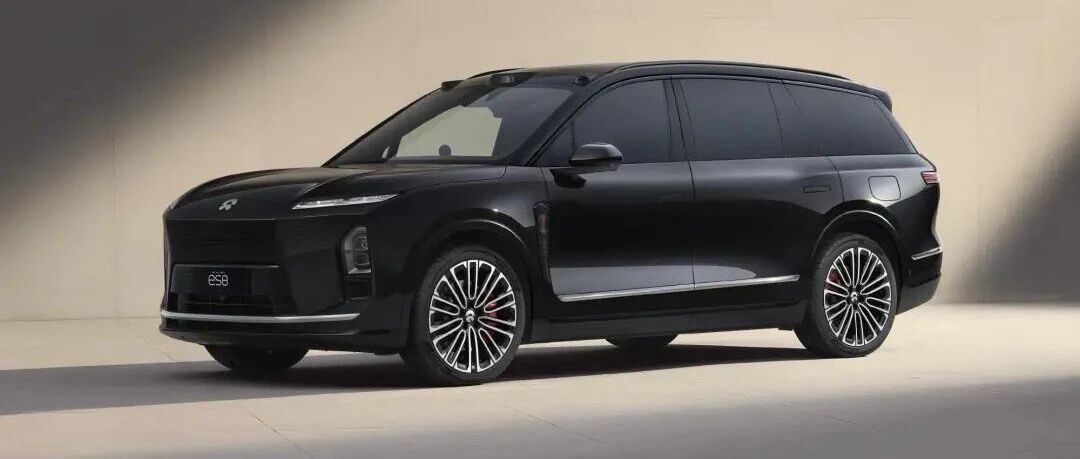
Group 1 - The article highlights the significant success of NIO's ES8 in 2025, achieving a record delivery of 48,134 units in December and marking a profitable quarter [5][6] - The ES8's success is attributed to three main factors: cost reduction leading to a competitive price of 406,800 RMB, the benefits of NIO's battery swapping technology, and the refined product quality of the ES8 [8][9][11] - The article anticipates the performance of NIO's upcoming flagship model, the ES9, with high expectations [12] Group 2 - Xiaomi's YU7 is described as a phenomenon in the automotive market, with 152,357 units registered in 2025 and a remarkable sales performance in January 2026 [15][16] - The success of YU7 is linked to Xiaomi's strong supply chain management, marketing prowess, and the efforts of its design and engineering teams [16][17] - YU7 is positioned as a major competitor to Tesla's Model Y, indicating its significant impact on the market [18] Group 3 - Leap Motor is recognized for its steady growth, aiming for a sales target of one million units in 2025, with models like the C10 and C11 driving its success [21][22][24] - The company has demonstrated resilience by enhancing existing products and optimizing design and configuration [23][25] Group 4 - Nissan's N7 is highlighted as a key example of a joint venture brand successfully developing a fully electric vehicle independently, achieving significant sales milestones [31][32] - The N7's development showcases the collaboration between Nissan and local partners, emphasizing the shift towards localized electric vehicle production [30][32] Group 5 - Geely's Star Wish has maintained strong sales, achieving over 40,000 units per month and becoming the best-selling model in its category [37][38] - The article attributes its success to effective marketing strategies and strong product features that appeal to a wide audience [38] Group 6 - The Lantu Dreamer has undergone significant upgrades, enhancing its electric range and luxury features, resulting in a notable increase in sales [42][45] - The model's versatility as both a family and business vehicle is emphasized, contributing to its market position [44] Group 7 - The BYD Yangwang U9 Xtreme has set records for speed, showcasing BYD's engineering capabilities and technological advancements in the electric vehicle sector [48][50] - The U9 Xtreme's performance highlights BYD's commitment to breaking foreign monopolies in the high-performance electric vehicle market [50] Group 8 - Volvo's XC70 is noted for its successful transition to hybrid technology, becoming the first luxury hybrid model to exceed 5,000 units in monthly sales [57][58] - The article suggests that this model could represent a new direction for luxury brands in their electric vehicle strategies [58] Group 9 - Tesla's Model Y remains a strong contender in the market despite a 20% decline in new registrations, ranking third in sales among electric vehicles [63][64] - The introduction of the extended Model Y L variant aims to enhance its appeal and maintain its competitive edge [66][68] Group 10 - The ZunJie S800 has achieved remarkable sales in the luxury segment, delivering over 4,000 units in December 2025, setting a record for Chinese brands in the million-level market [73] - The model's design and luxury features are highlighted as key factors in its success, challenging traditional luxury car perceptions [73]


BYD Company Limited (BYDDF) Shareholders Who Lost Money – Contact Law Offices of Howard G. Smith About Securities Fraud Investigation
Businesswire· 2026-02-17 20:27
Core Viewpoint - An investigation has been announced regarding BYD Company Limited for potential violations of federal securities laws, which may impact investors who have suffered losses [1]. Group 1 - The Law Offices of Howard G. Smith are representing investors of BYD Company Limited in this investigation [1]. - Investors who have incurred losses in BYD Company Limited are encouraged to contact the law firm to discuss potential claims for recovery [1].

淘宝年货节海外销额增超40%;比亚迪进入埃及市场丨出海周报
2 1 Shi Ji Jing Ji Bao Dao· 2026-02-17 06:33
Industry Overview - The global humanoid robot market is expected to see a shipment of approximately 17,800 units by 2025, representing a year-on-year growth of 508%, with a market sales value of around $440 million [1] - Chinese manufacturers dominate the market, with Zhiyuan Robotics and Yushu Technology shipping about 5,000 units combined, leading the industry [1] - The commercial application of humanoid robots is primarily focused on entertainment, education, and data collection [1] Digital Trade - China's digital service trade surplus is projected to double by 2025, reaching approximately $33 billion, driven by the expansion of cloud computing and AI sectors [2] - The surplus in telecommunications, computer, and information services is expected to be around $31.8 billion, with a year-on-year increase of nearly 30% [2] - Major Chinese tech companies like Alibaba and ByteDance are establishing robust overseas business systems in e-commerce, gaming, and social networking [2] E-commerce and Logistics - Taobao's overseas sales during the New Year festival increased by over 40% compared to the previous year, with significant growth in pet and automotive accessories [3] - JD.com has launched its self-built logistics network, JoyExpress, in Europe, covering major cities and offering same-day and next-day delivery services [7] - Cainiao has initiated Spring Festival logistics guarantees, providing rapid delivery services across over 200 cities in China [8] Automotive Industry - BYD has officially entered the Egyptian market, aiming for overseas sales of 1.3 million units by 2026, a nearly 25% increase from the previous target [6] - AITO Wenjie has partnered with Abu Dhabi Motors to enter the UAE market, marking a significant step in its global strategy [9] - The collaboration between Tencent and Uber expands Tencent's ride-hailing service to over 20 countries, enhancing user accessibility [10] Strategic Partnerships - Midea Group has signed a strategic agreement with CMA CGM to enhance cross-border logistics and technology innovation between China and the U.S. [13] - Temu has partnered with DEKRA to improve compliance and safety standards for electronic products on its platform [11][12] - Miaokelando has collaborated with SADAFCO to explore the children's cheese snack market in Saudi Arabia, leveraging local distribution channels [14]
定位中型SUV,比亚迪宋Ultra EV预计售价在18万元左右;超过二十项功能新增与优化,方程豹钛7开启新一轮OTA升级丨汽车交通日报
创业邦· 2026-02-17 03:42
Group 1 - NIO achieved a record high of 146,649 battery swaps on February 15, 2023, and has built over 8,600 charging and swapping stations nationwide, with more than 3,700 dedicated battery swap stations [2] - BYD's new mid-size SUV, the Song Ultra EV, is expected to be priced around 180,000 yuan and has completed the Ministry of Industry and Information Technology's approval process [2] - The Fangcheng Leopard Ti7 has launched a new OTA upgrade featuring over twenty new and optimized functions, powered by an advanced AI model, with a price range of 179,800 to 219,800 yuan [2]