Sungrow Power Supply(300274)

Search documents
兴证策略:2025年四季度主动权益基金管理规模小幅下降 四季度存量基金的赎回压力仍然较大
Sou Hu Cai Jing· 2026-01-23 12:38
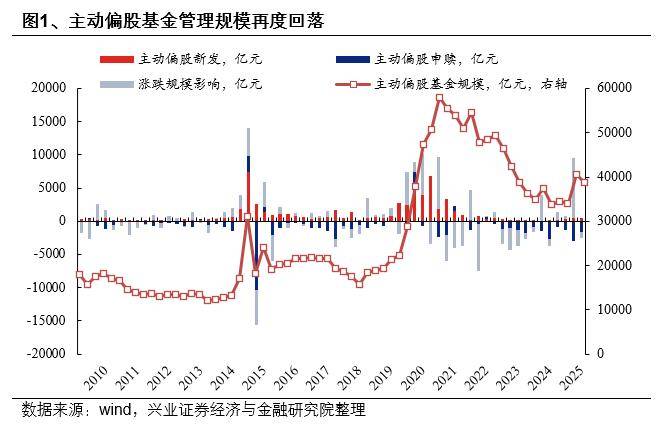
Group 1 - The active equity fund management scale decreased slightly in Q4 2025, primarily due to significant redemption pressure from existing funds, resulting in a net redemption of 165.6 billion yuan [1] - The total management scale of three types of active equity funds (ordinary stock, mixed equity, and flexible allocation) decreased by 189.8 billion yuan, with new active equity fund issuance at 56.2 billion yuan [1] - The active equity fund's position in Q4 2025 decreased by 0.83 percentage points to 86.62%, remaining at the second-highest level in history [2] Group 2 - In terms of sector allocation, the proportion of the ChiNext board increased by 1.24 percentage points to 24.98%, while the main board and Sci-Tech Innovation board saw declines [5][8] - The allocation to the main board decreased by 0.30 percentage points to 58.21%, indicating a further increase in underweight [8] - Active equity funds increased their positions in cyclical and financial real estate sectors while reducing exposure to technology growth and pharmaceuticals [11] Group 3 - The active equity funds increased their allocation in the non-ferrous metals, communication, and non-bank financial sectors, with increases of 2.26 percentage points, 1.85 percentage points, and 0.87 percentage points respectively [13] - The funds reduced their positions in electronics, pharmaceuticals, media, power equipment, and computers, with reductions of 1.72 percentage points, 1.54 percentage points, and 1.16 percentage points respectively [13] - Excluding thematic/sector funds, the active equity funds still increased their positions in non-ferrous metals, communication, and non-bank financial sectors [14] Group 4 - The allocation to the TMT sector slightly decreased in Q4 2025, with the configuration coefficient at 1.48, indicating room for further improvement [29] - Within the TMT sector, active equity funds increased their holdings in communication equipment and components while reducing positions in consumer electronics and semiconductors [32] - The dividend sector's allocation stabilized and increased, with the low-volatility dividend index rising by 1.7 percentage points to 4.3% [37] Group 5 - The top five stocks in active equity funds in Q4 2025 included Zhongji Xuchuang, Xinyi Sheng, Dongshan Precision, China Ping An, and Zijin Mining, with respective increases in holding ratios [43] - The top ten holdings accounted for 4.83%, 4.01%, and 3.97% of the total market value of the funds [46] - The concentration of individual stocks in active equity funds increased slightly, while the concentration of industries showed a mixed trend [49] Group 6 - The Hong Kong stock allocation of active equity funds decreased to 15.98%, down from 19.09%, with a total holding value of 302.9 billion yuan [51] - The funds increased their positions in the healthcare, materials, and energy sectors while reducing exposure to consumer discretionary and information technology sectors [54] - Tencent maintained its position as the largest holding in Hong Kong stocks, with a market value of 57.3 billion yuan [56]







华商新能源汽车混合A:2025年第四季度利润2838.7万元 净值增长率6.86%
Sou Hu Cai Jing· 2026-01-23 10:32
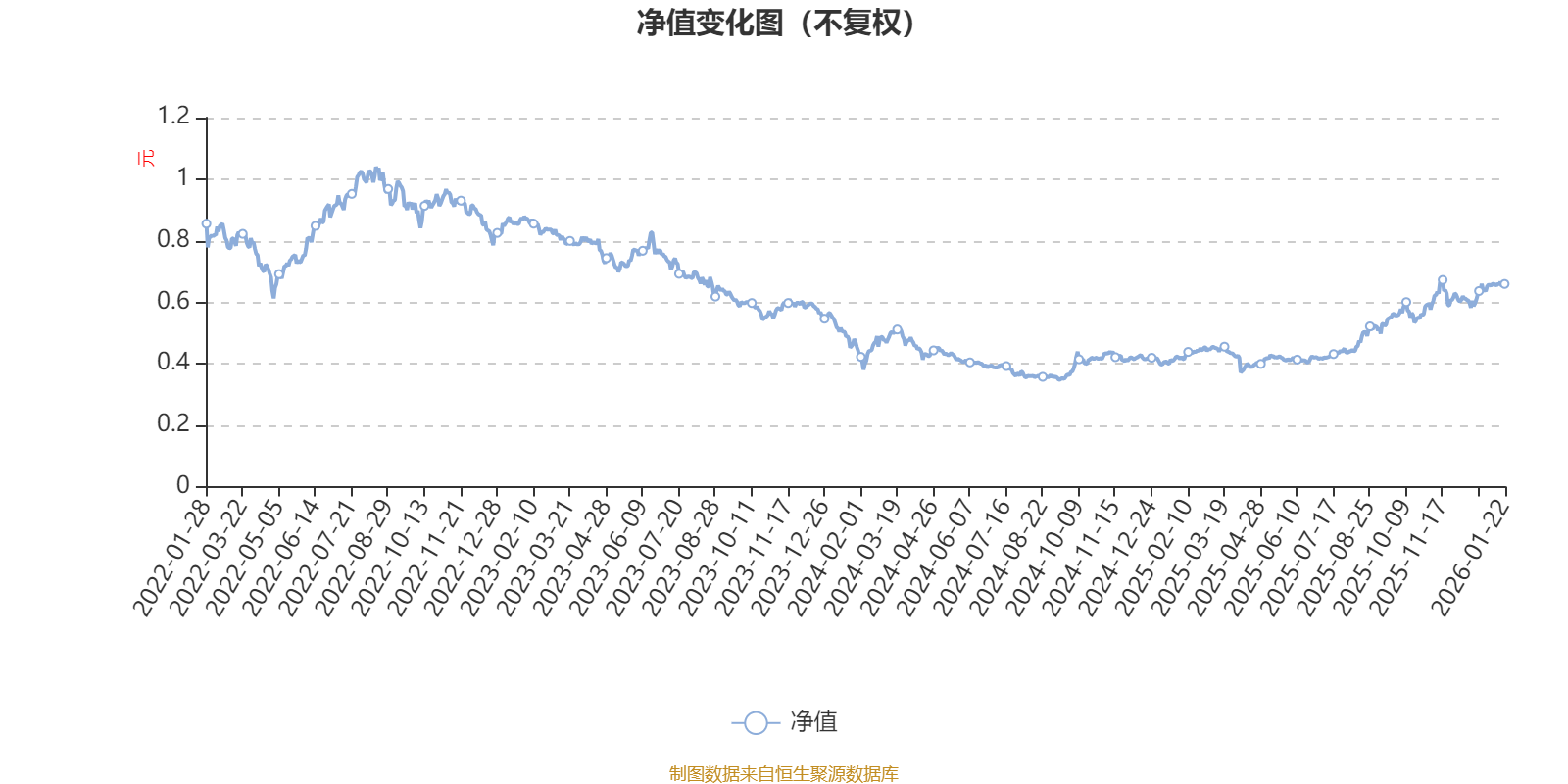
Core Viewpoint - The AI Fund Huashang New Energy Vehicle Mixed A (013886) reported a profit of 28.387 million yuan for Q4 2025, with a weighted average profit per fund share of 0.0407 yuan. The fund's net value growth rate was 6.86%, and its total size reached 448 million yuan by the end of Q4 2025 [2][15]. Fund Performance - As of January 22, the unit net value of the fund was 0.659 yuan. The fund manager, Chen Xiaoqiong, oversees three funds, all of which have shown positive returns over the past year. The highest growth rate among these funds was 105.95% for Huashang High-end Equipment Manufacturing Stock A, while the lowest was 56.95% for Huashang New Energy Vehicle Mixed A [2][3]. Market Overview - In Q4 2025, the A-share market experienced fluctuations, with the Shanghai Composite Index oscillating between 3,800 and 4,030 points, briefly surpassing the 4,000-point mark in October. The Shanghai Composite Index, CSI 300, ChiNext Index, and STAR Market Index saw respective changes of 2.22%, -0.23%, -1.08%, and 10.1% [3]. Investment Strategy - The fund's investment strategy focuses on two main themes: growth and quality. Growth investments are centered around sectors such as lithium batteries, energy storage, solid-state batteries, and AIDC power equipment, with an emphasis on tracking industry developments and selective stock picking. The quality investments are directed towards assets with strong competitive advantages and sustainable profitability [3]. Fund Rankings - As of January 22, the fund's performance over various time frames ranked as follows among comparable funds: 20.14% growth over the last three months (40/621), 51.01% over the last six months (54/621), 56.95% over the last year (141/613), and -24.00% over the last three years (524/535) [3]. Risk Metrics - The fund's Sharpe ratio over the last three years was 0.0231, ranking 495 out of 526 comparable funds. The maximum drawdown during this period was 60.46%, with the largest single-quarter drawdown occurring in Q1 2024 at 32.7% [9][11]. Portfolio Composition - The average stock position of the fund over the last three years was 87.3%, slightly above the comparable average of 85.83%. The fund reached its highest stock position of 92.85% at the end of Q3 2025 and its lowest of 74.26% at the end of H1 2024 [14]. Top Holdings - As of the end of Q4 2025, the fund's top ten holdings included Ningde Times, Sunshine Power, Tianci Materials, Duofluor, Huasheng Lithium, Huayou Cobalt, Guocheng Mining, Xian Dao Intelligent, Penghui Energy, and Nord Shares [18].





浦银安盛环保新能源A类:2025年第四季度利润247.83万元 净值增长率4.02%
Sou Hu Cai Jing· 2026-01-23 10:20
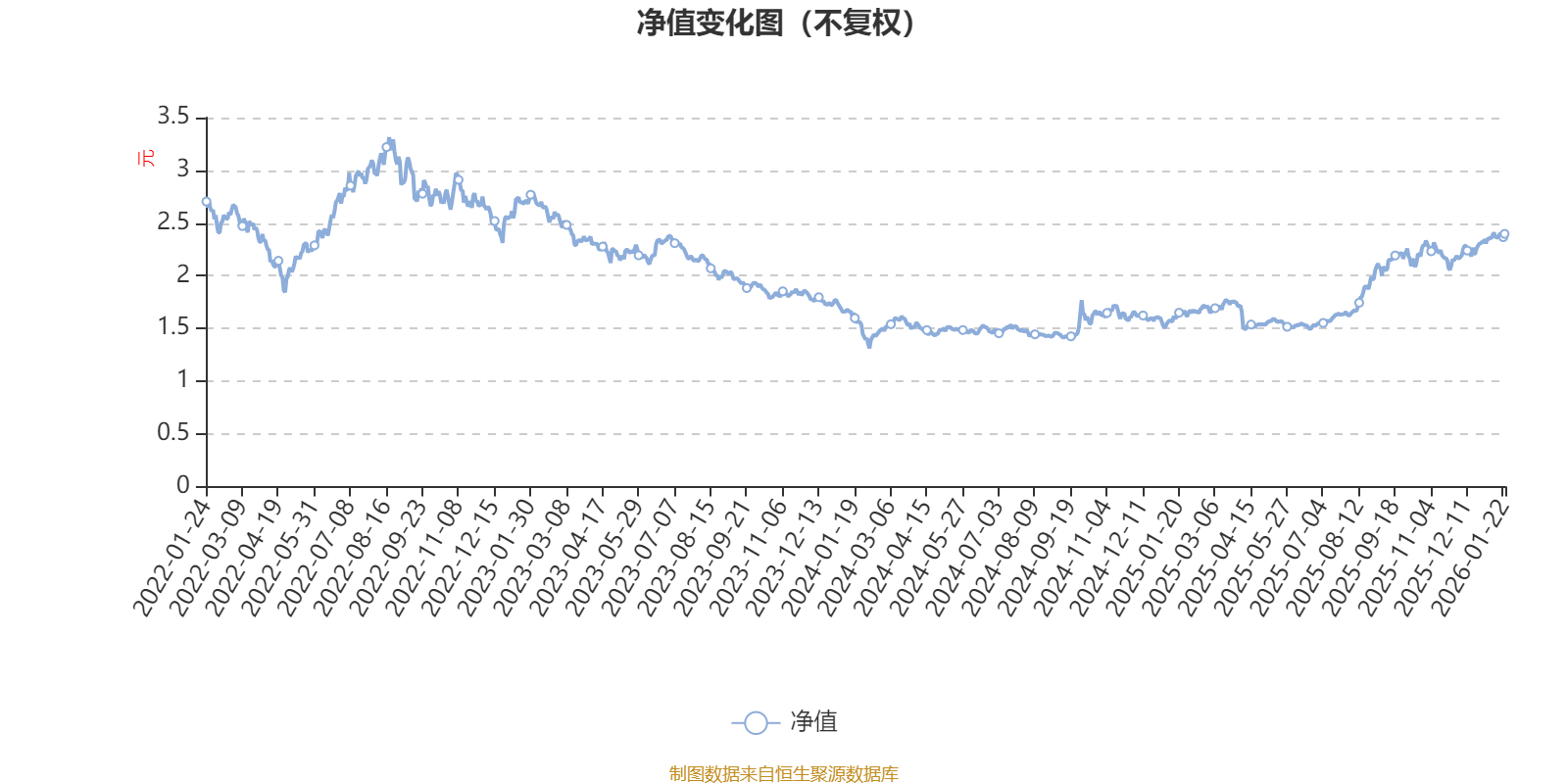
Core Viewpoint - The AI Fund Puyin Ansheng Environmental New Energy Class A (007163) reported a profit of 2.4783 million yuan for Q4 2025, with a net value growth rate of 4.02% during the reporting period [3]. Fund Performance - The fund's scale reached 62.5804 million yuan by the end of Q4 2025 [16]. - As of January 22, the unit net value was 2.397 yuan [3]. - The fund's performance over different time frames includes: - 3-month net value growth rate: 8.87%, ranking 73 out of 100 among comparable funds [3]. - 6-month net value growth rate: 46.35%, ranking 21 out of 100 [3]. - 1-year net value growth rate: 45.39%, ranking 49 out of 92 [3]. - 3-year net value growth rate: -11.96%, ranking 55 out of 68 [3]. Risk Metrics - The fund's Sharpe ratio over the past three years is 0.0855, ranking 55 out of 66 among comparable funds [9]. - The maximum drawdown over the past three years is 52.94%, with a ranking of 54 out of 66 [11]. - The highest quarterly maximum drawdown occurred in Q1 2020, at 29.78% [11]. Investment Strategy - The fund focuses on advanced manufacturing stocks, particularly in the tight supply chain segments of large storage, solid-state, and lithium batteries [3]. - The management is also monitoring opportunities in the photovoltaic industry and the expansion of new scenarios in wind power enterprises to enhance returns for investors [3]. Portfolio Concentration - The fund has a high concentration of holdings, with the top ten stocks including: - CATL (宁德时代) - Cambricon (寒武纪) - Industrial Fulian (工业富联) - Zhejiang Rongtai (浙江荣泰) - Shenzhen South Circuit (深南电路) - Yangtze Power (长江电力) - Shenghong Technology (胜宏科技) - Sungrow Power (阳光电源) - Topband (拓普集团) - Luoyang Molybdenum (洛阳钼业) [19]. Stock Positioning - The average stock position over the past three years is 81.04%, compared to a comparable average of 87.15% [14]. - The fund reached its highest stock position of 92.74% by the end of 2025, with a lowest position of 62.61% at the end of 2019 [14].




马斯克力挺太空光伏!光伏ETF(159857)标的指数狂飙近7%,获资金申购6300万份
Xin Lang Cai Jing· 2026-01-23 06:32
Group 1 - The core viewpoint of the article highlights a significant surge in the photovoltaic sector, with the photovoltaic ETF (159857) index soaring nearly 7% and attracting a subscription of 63 million shares [1] - Elon Musk expressed strong support for space photovoltaics at the Davos Forum, revealing key production capacity plans, with SpaceX and Tesla aiming to achieve an annual solar manufacturing capacity of 100 GW within the next three years [1] - China plans to deploy 13,000 low-orbit satellites between 2026 and 2030, following the submission of over 200,000 satellite constellation applications, marking a new phase in commercial space deployment that will drive long-term demand for space photovoltaics [1] Group 2 - Financial analysts believe that the rise of commercial space will benefit space photovoltaics, with satellite constellations like SpaceX's Starlink and China's Qianfan constellation significantly increasing the demand for space photovoltaic cells [1] - The largest photovoltaic ETF in the Shenzhen market (159857) tracks the photovoltaic industry index, covering the entire industry chain from silicon materials to solar power station operations, reflecting the core competitiveness of China's photovoltaic industry [1] - The top ten constituent stocks of the ETF include industry leaders such as Longi Green Energy, Tongwei Co., and Sungrow Power Supply, indicating a reasonable concentration with both growth and stability [1]



博时新能源主题混合A:2025年第四季度利润44.08万元 净值增长率0.39%
Sou Hu Cai Jing· 2026-01-23 04:45
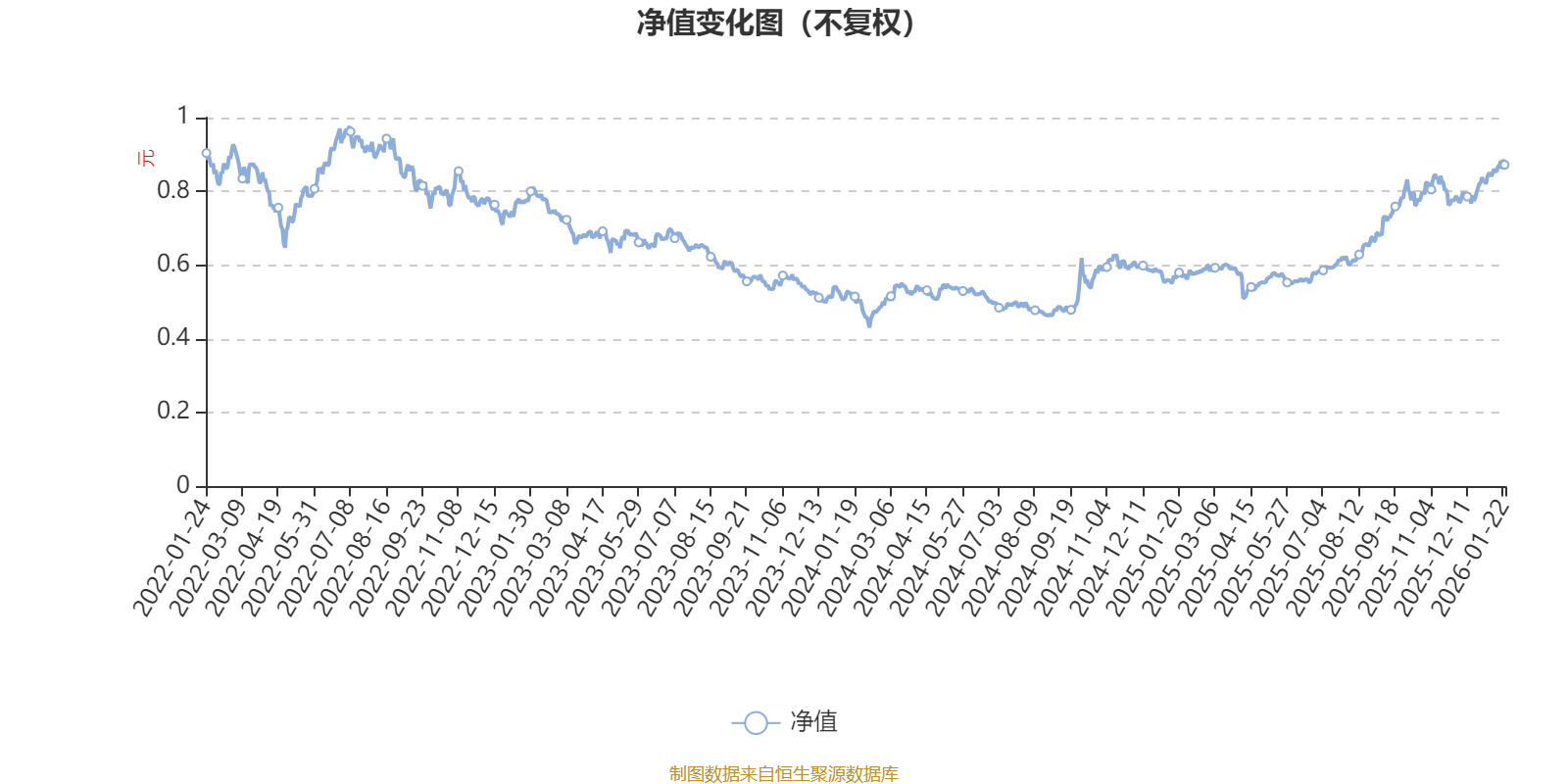
Core Viewpoint - The report highlights the performance and strategic focus of the Bosera New Energy Theme Mixed A Fund, emphasizing its investment in high-growth and low-penetration sectors within the new energy industry, particularly in electric equipment and solid-state batteries [3][4]. Fund Performance - The fund reported a profit of 440,800 yuan in Q4 2025, with a weighted average profit per share of 0.0022 yuan [3]. - The net asset value (NAV) growth rate for the fund was 0.39% during the reporting period, with a total fund size of 162 million yuan as of the end of Q4 [3][15]. - As of January 22, the fund's unit NAV was 0.872 yuan [3]. Comparative Performance - Over the past three months, the fund's NAV growth rate was 12.65%, ranking 49 out of 100 among comparable funds [4]. - The fund's NAV growth rate over the past six months was 41.54%, ranking 31 out of 100 [4]. - The one-year NAV growth rate was 52.48%, ranking 36 out of 92 [4]. - The three-year NAV growth rate was 10.94%, ranking 31 out of 68 [4]. Risk Metrics - The fund's Sharpe ratio over the past three years was 0.4889, ranking 25 out of 66 among comparable funds [9]. - The maximum drawdown over the past three years was 46.79%, with the highest single-quarter drawdown occurring in Q2 2022 at 22.22% [11]. Investment Strategy - The fund manager indicated an increased allocation to high-growth and low-penetration sectors within the new energy industry, specifically targeting electric equipment exports and upstream lithium battery materials [3]. - The solid-state battery sector is highlighted as a low-penetration area, with expectations for mass production to begin in 2026 and scale deployment in 2027 [3]. Portfolio Composition - As of December 31, the fund's top ten holdings included companies such as CATL, Sungrow Power Supply, and Tianqi Lithium [18]. - The average stock position over the past three years was 86.14%, with a peak of 89.88% at the end of Q1 2023 [14].


“翻倍基”调仓 基金经理激辩AI投资,坚守算力还是冲向应用?
2 1 Shi Ji Jing Ji Bao Dao· 2026-01-23 02:26
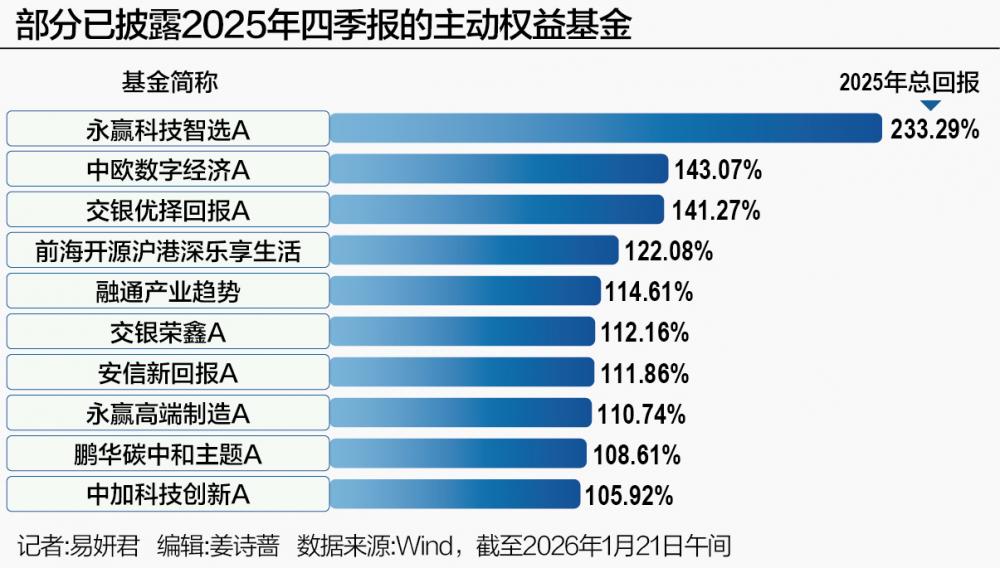
Core Insights - The 2025 annual performance of AI-themed funds has drawn market attention, with significant adjustments in their holdings during the reporting period [1] - There is a divergence among fund managers regarding investment opportunities in the AI sector for 2026, despite some funds experiencing substantial net value increases due to their investments in AI application stocks [9] Fund Adjustments - The top-performing active equity funds have made considerable adjustments to their AI asset holdings, with some funds increasing their positions in leading companies while others have reduced their stakes [1][4] - For instance, the fund Yongying Technology Select increased its holdings in Dongshan Precision, Jingwang Electronics, and others, while reducing its stake in Zhongji Xuchuang [1][4] - The fund Zhongou Digital Economy has also shifted its focus, increasing investments in domestic AI and AI infrastructure while reducing exposure to smart driving and edge AI [1][6] Sector Consensus and Divergence - There is a consensus among high-performing funds regarding the PCB sector, with several funds increasing their positions in companies like Dongshan Precision and Shengxin Technology [5][6] - However, there are notable divergences in the strategies of different funds regarding specific AI sub-sectors, such as the varying approaches to Zhongji Xuchuang [4][5] Future Outlook - Fund managers are considering how to capitalize on the expanding AI market, with a focus on the potential for significant breakthroughs in AI applications and the ongoing competition in the large model sector [10][11] - Some managers emphasize the importance of balancing growth potential with safety margins, while others highlight the need for diversified investments to mitigate risks associated with high valuations in the AI sector [12]


未知机构:聚焦涨价环节AI太平洋新能源周展望系列20260123-20260123
未知机构· 2026-01-23 02:20
Summary of Key Points from Conference Call Records Industry Focus: Electric Vehicle and Energy Storage Sector Core Insights and Arguments 1. The electric vehicle and energy storage sectors are structurally improving, benefiting companies like CATL and EVE Energy. Recent announcements from multiple automakers reveal ambitious sales targets for 2026, including: - Leap Motor: 1 million units, a year-on-year increase of approximately 67.6% - NIO: 456,400 to 489,000 units, a year-on-year increase of 40% to 50% - Xiaomi Auto: 550,000 units, a year-on-year increase of approximately 34% - Hongmeng Zhixing: 1 million to 1.3 million units, with an upper limit year-on-year increase of approximately 120% [1][2] 2. According to Xinluo Lithium Battery data, global lithium battery production is expected to reach 2,297 GWh by 2025, a year-on-year increase of 48.5%. The core sources of growth will be: - Power batteries: 1,495 GWh, a year-on-year increase of 40.5% - Energy storage batteries: 636 GWh, a year-on-year increase of 92.7%, with a market share exceeding 27% [2] 3. CATL has signed a five-year strategic cooperation memorandum with Changan Automobile, focusing on advanced fields such as battery swapping, smart automotive robotics, flying cars, and embodied intelligence [2]. Upstream Lithium Carbonate Supply and Demand 1. The supply and demand for lithium carbonate continue to improve, benefiting companies like Salt Lake Industry and Dazhong Mining. By 2025, China's lithium carbonate production is projected to reach 976,300 tons, a year-on-year increase of 49%. The proportion of spodumene production is rising, while mica production is expected to decline significantly due to policy adjustments. The lithium carbonate market is anticipated to maintain a tight balance in 2026, with price centers expected to rise [3]. 2. Dazhong Mining plans to invest 3.688 billion yuan in a lithium mining project in Hunan, which is expected to produce approximately 80,000 tons of lithium carbonate annually upon reaching full capacity [3]. 3. The global solid-state battery sector is entering a critical phase of engineering and industrialization, with companies like Xiamen Tungsten and Putailai poised to benefit. Recently, Dongfeng Motor has initiated cold weather testing for solid-state batteries [3]. Industry Focus: Photovoltaic and Energy Storage Sector Key Developments 1. Investment in the power grid and AI-driven demand for electrical equipment are on the rise, benefiting companies like Sungrow Power Supply, Sieng Electric, and Sifang Co. The State Grid has announced a fixed asset investment of 4 trillion yuan for the 14th Five-Year Plan period (2026-2030), a 40% increase compared to the previous plan. The core objective is to support carbon peak by 2030 and to initially establish a new energy system [4]. 2. Smart microgrids are expected to be a key focus in 2026, with their core value lying in utilizing energy storage technology (especially grid-connected storage) to address renewable energy consumption and improve power supply reliability in remote areas [4].



新能源ETF(516160)强势拉升涨超3%,政策+资本双轮驱动,新能源全产业链迎发展新机遇
Xin Lang Cai Jing· 2026-01-23 02:03
Core Viewpoint - The renewable energy sector is experiencing positive momentum driven by supportive government policies and increasing demand in electric vehicles and energy storage [1][2][3] Group 1: Market Performance - The New Energy ETF (516160) rose by 3.02%, with a trading volume of 906.94 million yuan [1] - Key stocks in the index, such as Maiwei Co., Ltd. and Laplace, saw significant gains of 20.00% and 19.62% respectively [1] Group 2: Government Policies - On January 20, the Ministry of Finance released five documents outlining a package of favorable policies to support small and medium enterprises, private investment, and equipment upgrades [1] - Key focus areas for support include energy power, new energy vehicles, energy conservation, and small hydropower [1] Group 3: Industry Trends - The electric vehicle and energy storage sectors are entering a new growth cycle, with several automakers announcing ambitious sales targets for 2026 [2] - Global lithium battery production is projected to reach 2,297 GWh by 2025, marking a 48.5% year-on-year increase, with power batteries being the main growth driver [2] - CATL and Changan Automobile signed a five-year strategic cooperation memorandum focusing on advanced fields such as battery swapping and smart vehicles [2] Group 4: Supply Chain Dynamics - The supply and demand for lithium carbonate are expected to remain favorable, with China's production projected to reach 976,300 tons by 2025, a 49% increase [2] - A recent investment of 3.688 billion yuan by a major mining company aims to produce approximately 80,000 tons of lithium carbonate annually [2] Group 5: Technological Advancements - The solid-state battery sector is entering a critical phase of engineering and industrialization, with recent tests being conducted in extreme cold conditions [2] - The State Grid announced a fixed asset investment of 4 trillion yuan for the 14th Five-Year Plan period (2026-2030), a 40% increase from the previous period, aimed at achieving carbon peak by 2030 [3] - The integration of AI in manufacturing is being promoted to enhance productivity and support new industrialization [3] Group 6: Index Composition - The New Energy Index includes companies involved in renewable energy production, application, storage, and interaction devices, with the top ten weighted stocks accounting for 43.23% of the index [3]



工银新材料新能源股票:2025年第四季度利润1.17亿元 净值增长率8.96%
Sou Hu Cai Jing· 2026-01-23 01:41
Core Viewpoint - The AI Fund ICBC New Materials New Energy Stock (001158) reported a profit of 117 million yuan in Q4 2025, with a net value growth rate of 8.96% during the reporting period, and a total fund size of 1.342 billion yuan by the end of Q4 2025 [2][12]. Fund Performance - As of January 22, the fund's unit net value was 2.07 yuan, with a one-year cumulative net value growth rate of 63.38%, ranking it 10th out of 57 comparable funds [2][3]. - Over the past three months, the fund achieved a net value growth rate of 23.29%, ranking 1st out of 58 comparable funds, and over the past six months, it recorded a growth rate of 53.45%, ranking 3rd out of 58 [3]. Risk and Return Metrics - The fund's Sharpe ratio over the past three years is 0.8509, placing it 17th out of 56 comparable funds [7]. - The maximum drawdown over the past three years is 28.76%, with the largest single-quarter drawdown occurring in Q1 2021 at 25.09% [8]. Investment Strategy - The fund maintains a high stock position, with an average stock position of 88.03% over the past three years, slightly below the industry average of 88.64% [11]. - The fund's top ten holdings include Zijin Mining, CATL, and Jerry Holdings, indicating a concentrated investment strategy [16]. Market Outlook - The fund manager highlights increasing market attention on resources, particularly non-ferrous metals like copper, driven by geopolitical uncertainties and rising electricity demand from AI computing investments [2].



2030年中国新型储能累计装机有望达到3.7亿千瓦 未来储能收益结构将显著转型
Zheng Quan Shi Bao Wang· 2026-01-22 13:48
Core Insights - As of December 2025, China's cumulative installed capacity for energy storage reached 213.3 GW, marking a 54% year-on-year increase [1] - The market share of pumped storage is 31.3%, while new energy storage, represented by lithium batteries, has seen a significant growth, accounting for over two-thirds of the total installed capacity [1] - New energy storage installations reached 144.7 GW, an 85% increase year-on-year, with the cumulative capacity being 45 times that of the end of the 13th Five-Year Plan [1] Installed Capacity and Market Trends - By the end of 2025, new energy storage installations included 66.43 GW and 189.48 GWh, with power and energy scales increasing by 52% and 73% respectively [1] - The top ten provinces in terms of installed capacity each exceeded 5 GWh, collectively accounting for nearly 90% of the total, with western provinces leading the way [1] Bidding and Pricing Dynamics - In 2025, the number of bidding sections for energy storage systems decreased by 10.4% to 690, while EPC bidding sections increased by 4.5% to 1,536 [2] - The bidding scale for energy storage systems reached 121.5 GWh, a 140.1% increase, and EPC bidding scale was 206.3 GWh, up 125.5% [2] - The procurement prices for lithium iron phosphate systems ranged from 391.14 to 913.00 yuan/kWh, with significant price variations based on system duration [2] Policy and Market Reforms - In 2025, 869 new policies related to energy storage were released, a 13% increase year-on-year, indicating a high level of policy activity [3] - The "14th Five-Year" planning goals for new energy storage across provinces exceed 91.6 GW, with most provinces having met their targets [3] - The market is transitioning towards a more market-oriented approach, with commercial energy storage expected to gradually move towards market participation [3] Future Outlook - The commercial energy storage sector is expected to maintain stable growth, with a shift from fixed price arbitrage to a more diversified revenue model [4] - The revenue structure for energy storage is anticipated to transform significantly, with energy arbitrage becoming the dominant revenue source [5] - The average duration of new energy storage installations is projected to increase from 2.58 hours in 2025 to 3.47 hours by 2030, reflecting advancements in technology and market demand [6]