ZHONGJI INNOLIGHT(300308)

Search documents
347股上一交易日获融资买入超亿元 中际旭创获买入30.76亿元居首
Ge Long Hui A P P· 2025-11-24 01:28
Core Insights - A total of 3739 stocks in the A-share market received financing purchases on November 21, with 347 stocks having purchase amounts exceeding 100 million yuan [1] - The top three stocks by financing purchase amount were Zhongji Xuchuang, Xinyi Sheng, and Sunshine Power, with amounts of 3.076 billion yuan, 1.686 billion yuan, and 1.432 billion yuan respectively [1] - Six stocks had financing purchase amounts accounting for over 30% of the total transaction amount on that day, with Aikesai Bo, Senying Windows, and Qianyuan Power leading at 49.65%, 44.13%, and 37.82% respectively [1] - Seven stocks recorded net financing purchases exceeding 100 million yuan, with Dekeli, Beijing Bank, and Zhongwen Online ranking first, second, and third with net purchases of 156 million yuan, 151 million yuan, and 141 million yuan respectively [1]






347股获融资买入超亿元,中际旭创获买入30.76亿元居首
Di Yi Cai Jing· 2025-11-24 01:17
从融资净买入金额来看,有7只个股获融资净买入超亿元。其中,德科立、北京银行、中文在线融资净 买入金额排名前三,分别获净买入1.56亿元、1.51亿元、1.41亿元。 Wind数据显示,A股11月21日共有3739只个股获融资资金买入,有347股买入金额超亿元。其中,中际 旭创、新易盛、阳光电源融资买入金额排名前三,分别获买入30.76亿元、16.86亿元、14.32亿元。 从融资买入额占当日总成交金额比重来看,有6只个股融资买入额占比超30%。其中爱科赛博、森鹰窗 业、黔源电力融资买入额占成交额比重排名前三,分别为49.65%、44.13%、37.82%。 ...
中际旭创:目前主要产品涵盖400G、800G和1.6T产品,3.2T产品尚在研发和完善中
Mei Ri Jing Ji Xin Wen· 2025-11-24 00:59
Core Viewpoint - The company is actively expanding its product offerings in response to strong demand for computing power in the Middle East and Europe, with ongoing developments in its product lines [1] Group 1: Market Expansion - The company has indicated that its products can reach the Middle East and European markets, aligning with the growing demand from Gulf countries like Saudi Arabia and Dubai [1] - The company is in the early stages of establishing sales channels in these regions [1] Group 2: Product Development - The company's main products currently include 400G, 800G, and 1.6T optical modules and related accessories [1] - The 1.6T product is experiencing a continuous increase in production, while the 3.2T product is still under research and development [1]
利好来了!增量资金,即将入市
Shang Hai Zheng Quan Bao· 2025-11-23 09:08
Group 1 - The core viewpoint of the articles indicates that the technology sector is expected to attract incremental capital, with 16 technology-themed funds approved on November 21, signaling strong investor interest in this area [1][5][8] - The approved funds include the first batch of science and technology entrepreneurship artificial intelligence ETFs from seven fund companies, reflecting a focus on companies involved in AI [2][4] - The issuance of these funds is anticipated to bring at least 30 billion yuan in new capital, as the majority of the funds are not initiated funds, with only one being an initiated fund [5][6] Group 2 - The recent trend shows a significant recovery in new fund issuances, with 73 equity funds established in November alone, averaging around 600 million yuan in issuance size [6][8] - There is a notable demand for technology-themed funds, with some experiencing oversubscription, such as the E Fund Technology Pioneer Mixed Fund, which had effective subscription applications exceeding its 2 billion yuan cap [6][8] - Institutional investors remain optimistic about the technology sector, despite recent market volatility, with continued inflows into AI-themed ETFs, indicating a belief in the long-term growth potential of the AI industry [9][10]


创业板指一周跌没6%!券商研判:中期调整已至,长期慢牛未改
Di Yi Cai Jing Zi Xun· 2025-11-23 05:47
Market Performance - The A-share market experienced a significant downturn, with the ChiNext Index dropping 6.15% last week and falling below the 3000-point mark on November 21, closing at 2920.08 points [1] - The Hang Seng Index also declined over 5% for the week, while the Hang Seng Tech Index fell more than 7% [1] - Major Asian markets, including the Korean Composite Index and Nikkei 225, also saw declines of nearly 4% and over 3.48%, respectively [1] Sector Analysis - The technology and battery sectors, which had previously shown strong performance, underwent substantial corrections, with the electronics sector experiencing a weekly decline of 5.89% [2] - The lithium battery supply chain faced a sharp drop, with the lithium mining index falling by 9.67% on a single day, affecting multiple stocks such as Shengxin Lithium Energy and Ganfeng Lithium, which hit their daily limit down [2] - The computing power industry also saw a collective pullback, with significant declines in stocks like Xin Yi Sheng and Zhong Ji Xu Chuang [2] Long-term Outlook - Despite the short-term pressures, several brokerages indicated that the long-term slow bull trend in the A-share market remains intact [3] - Analysts suggest that the current market adjustment is a normal part of the bull market process, with expectations of a gradual recovery after the current phase of volatility [3][4] - The AI industry chain is expected to continue its long-term growth trend, although there may be short-term fluctuations [3] Valuation and Investor Sentiment - The ChiNext Index's price-to-earnings ratio has decreased to 37.72, indicating a moderate valuation level compared to historical highs, suggesting no significant overvaluation risk [7] - Despite short-term capital outflows, the continued net subscriptions of ChiNext ETFs reflect long-term investor confidence [7] - The current market adjustment is viewed as profit-taking and a reaction to market sentiment, with a focus on quality growth stocks supported by strong earnings [7]






2025年中国AI光模块行业市场进入壁垒、行业政策、成本结构、市场规模、竞争格局及发展趋势研判:已成为全球增长最快的区域,市场规模保持增长[图]
Chan Ye Xin Xi Wang· 2025-11-23 01:17
Core Insights - The AI optical module market is experiencing rapid growth, driven by the increasing demand for high-speed interconnects in data centers due to the rise of generative AI technologies [1][4] - The global AI optical module market is projected to reach 42.8 billion yuan in 2024, an increase of 23.8 billion yuan from 2023, and is expected to grow to 71.6 billion yuan by 2025 [1][4] - China's AI optical module market is also expanding, with a forecasted growth to 17.8 billion yuan by 2025, up from 10.6 billion yuan in 2024 [1][5] Industry Definition and Barriers - AI optical modules are essential for meeting the ultra-high bandwidth and low latency requirements of AI computing clusters, acting as the "nervous system" of the AI era [2][4] - The market barriers include technological research and development, supply chain management, product comprehensiveness, customer loyalty, and globalization [4] Current Industry Status - The AI optical module market is a hot sector within the semiconductor and communication fields, with sustained high demand due to the ongoing global AI arms race [4] - The rapid development of generative AI technologies has significantly increased the demand for optical modules in data centers [4] Industry Chain - The upstream of the AI optical module industry includes optical devices, chips (optical and circuit chips), PCB boards, and structural components [5] - The midstream involves the production and system integration of AI optical modules, while the downstream consists of cloud service providers utilizing these modules in AI data centers [5] Cost Structure - The cost structure of AI optical modules shows that optical devices account for 74% of the total cost, followed by integrated circuit chips at 19% and printed circuit boards (PCBs) at 4% [7] Development Environment and Policies - The Chinese government has implemented various policies to support the AI optical module industry, recognizing its importance in the AI computing infrastructure [9] - Key policies include initiatives aimed at enhancing network infrastructure, computing power layout, technological research, and application scenarios [9] Competitive Landscape - The Chinese AI optical module market is characterized by significant differentiation among companies, with leading firms such as Zhongji Xuchuang and NewEase occupying dominant positions [11][12] - Major companies in the sector include Wuhan Guangxun Technology Co., Ltd., Zhongji Xuchuang Co., Ltd., and Huagong Technology, among others [12][13] Future Trends - The demand for AI optical modules is expected to grow explosively due to the increasing competition in artificial intelligence and the unprecedented requirements for data transmission rates and bandwidth in data centers [14][15] - Continuous innovation and commercialization in technology will further drive the growth of the AI optical module market [14][15]


雷来了,104家央国企累计减持破百亿,A股被上市公司自己做空了
Sou Hu Cai Jing· 2025-11-22 17:42
Core Viewpoint - A significant capital withdrawal is occurring in the A-share market, with major state-owned enterprises and industry leaders reducing their holdings, indicating a potential peak in valuations [1][3][6] Group 1: Capital Withdrawal Trends - In the past month, 104 central state-owned enterprises have collectively reduced their holdings by over 10 billion yuan [1] - In October 2025, a record 247 companies announced share reductions within a week, with over 400 companies reporting significant shareholder reductions totaling 19 billion yuan [3][6] - The total amount of reductions by major shareholders in A-shares has exceeded 380 billion yuan since the beginning of 2025, marking a new high [6] Group 2: Industry-Specific Reductions - Leading companies in various sectors, including semiconductor giant Zhongwei and liquor leader Shanxi Fenjiu, have seen substantial reductions, with Zhongwei's major shareholders reducing holdings by over 1.8 billion yuan [3][4] - The chemical industry leader Wanhua Chemical has also faced reductions exceeding 1.1 billion yuan, despite a recent decline in stock price [3] - The wind power leader Goldwind Technology has seen its fourth-largest shareholder reduce holdings by over 655 million yuan [4] Group 3: Shareholder Behavior and Market Impact - The reduction trend is characterized by a "group-style" phenomenon, where multiple companies and their major shareholders are reducing holdings simultaneously [6] - The electronics, computer, and machinery sectors have been particularly affected, accounting for over 40% of total reductions, reflecting a retreat from previously favored high-growth sectors [6] - Major shareholders often cite "personal funding needs" as the reason for reductions, but deeper motivations include valuation locking and profit realization [8][10] Group 4: Market Reactions and Sentiment - The market reacts negatively to high-profile reductions, with significant declines in stock prices following announcements, particularly for small-cap companies [10][12] - The behavior of major shareholders, especially state-owned entities, sends strong signals about market confidence and future prospects [10][19] - The current market sentiment remains optimistic, with some analysts suggesting that the reductions do not alter the overall upward trend, provided that confidence and funding remain intact [16][18]




鹏华中证科创创业人工智能ETF首批获批,标的指数年内涨幅72%脱颖而出
Sou Hu Cai Jing· 2025-11-22 10:23
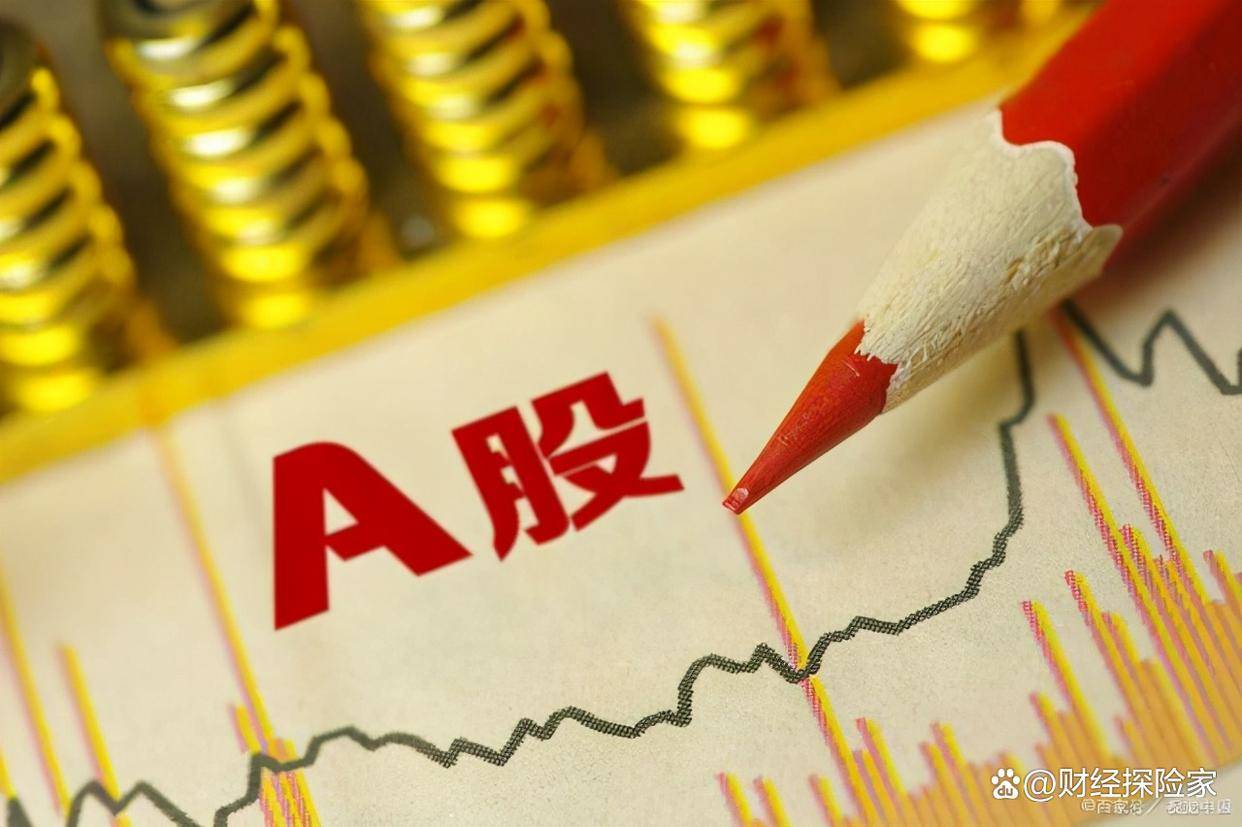
Core Insights - The first batch of seven AI-focused ETFs has been approved, tracking the newly established Zhongzheng Sci-Tech Entrepreneurship AI Index, which will include 50 companies involved in AI-related sectors [1] - The AI-related ETFs primarily track four major indices, each offering differentiated tools for investing in the AI industry chain [1] - The Zhongzheng Sci-Tech Entrepreneurship AI Index combines companies from both the Sci-Tech and Growth Enterprise markets, enhancing exposure to both communication and semiconductor sectors [1] Index Performance - As of November 21, the Zhongzheng Sci-Tech Entrepreneurship AI Index has seen a remarkable increase of 72.04% since the beginning of the year, outperforming other AI indices [3] - The index also recorded the lowest maximum drawdown compared to its peers, indicating strong resilience [3] Market Context - Recent market fluctuations have raised concerns among investors, primarily due to liquidity worries stemming from the Federal Reserve's anticipated interest rate decisions and fears of an AI bubble [5] - Despite these concerns, the Chinese market does not exhibit signs of excessive AI capital expenditure, contrasting with the situation in the U.S. [5] - The upcoming economic work conference in December is expected to provide further policy guidance, which could positively influence market sentiment [5] Investment Opportunities - Penghua Fund has been approved for two new products focusing on the Sci-Tech Entrepreneurship AI and Sci-Tech Chip Design themes, expanding the range of investment tools available for investors in the tech sector [5] - This expansion aims to facilitate efficient investment in high-tech sectors and direct more capital towards companies with core technologies that drive industrial upgrades [5]
趋势研判!2025年中国AI智算行业产业链全景、发展现状、企业布局及未来发展趋势分析:智算驱动增长,千亿市场加速成型[图]
Chan Ye Xin Xi Wang· 2025-11-22 02:45
Core Insights - The AI computing industry is transitioning into an "application dividend period," driven by the integration of artificial intelligence and high-performance computing, with a projected global market size of $234 billion in 2024 and expected to exceed $2.75 trillion by 2032, reflecting a compound annual growth rate of 36.8% [5][6][10] AI Computing Industry Overview - AI computing (Intelligent Computing) combines AI with high-performance computing, utilizing dedicated hardware and distributed architecture to provide efficient and scalable computing power for AI tasks [2][3] - The industry is characterized by a three-pronged model of "computing power + algorithms + data," which supports complex AI model training and inference, making it a critical infrastructure for the digital economy [2][3] Global and Chinese AI Computing Development - The global AI market is evolving from a "model dividend period" to an "application dividend period," becoming a core engine for the digital economy, with significant advancements in computing power architecture [5][6] - In 2024, the total global computing power is expected to reach 2207 EFLOPS, with intelligent computing power contributing 1610 EFLOPS, marking a year-on-year growth of 63.8% [5][6] - China's total computing power is projected to reach 280 EFLOPS in 2024, with intelligent computing power at 90 EFLOPS, indicating a significant gap between supply and future demand [6][10] AI Computing Industry Chain in China - The AI computing industry chain in China consists of upstream hardware (GPUs, NPUs), midstream service providers (telecom operators, cloud service providers), and downstream application sectors (internet, finance, manufacturing) [8][10] - The market for AI acceleration chips is expected to grow from 17.56 billion yuan in 2020 to 142.54 billion yuan in 2024, with a compound annual growth rate of 68.8% [9][10] Competitive Landscape - Major players in the infrastructure layer include Huawei, which leads in domestic chip production, and Inspur, which dominates the AI server market [10] - Telecom operators and cloud service providers, such as China Telecom, Alibaba Cloud, and Tencent Cloud, are key players in the computing service layer [10] Future Trends in AI Computing Industry - The industry is expected to evolve towards collaborative evolution, with a focus on efficient resource utilization and deep integration with the real economy [11][12] - The emphasis will shift from model performance to creating measurable business value through large-scale applications in key sectors such as manufacturing, finance, and healthcare [13]






主力资金抢筹股出炉!
Zheng Quan Shi Bao Wang· 2025-11-21 15:09
Core Viewpoint - The media industry is the only sector to receive net inflows of capital, while the overall market experiences significant outflows, particularly in the technology and materials sectors [1][2]. Capital Flow Summary - The main capital outflow from the Shanghai and Shenzhen markets today amounts to 985.55 billion yuan, with the ChiNext board seeing a net outflow of 377.44 billion yuan and the CSI 300 index experiencing a net outflow of 267.85 billion yuan [1][2]. - Among the 31 primary industries, all experienced declines, with the comprehensive, non-ferrous metals, and power equipment sectors dropping over 5%. Other sectors like basic chemicals, electronics, and communications fell over 4% [2]. - Only the media industry saw a net inflow of 13.26 billion yuan, while the electronic, power equipment, and computer sectors had the largest outflows, each exceeding 100 billion yuan. Other sectors such as non-ferrous metals, pharmaceuticals, machinery, communications, and non-bank financials also faced significant outflows, each exceeding 42 billion yuan [2]. Individual Stock Performance - In individual stock performance, 37 stocks saw net inflows exceeding 1 billion yuan, with 6 stocks receiving over 3 billion yuan. The leading stock in net inflow was the photolithography concept stock, Kaimete Gas, with 7.75 billion yuan [3]. - The photolithography concept stocks rose against the market trend, with stocks like Guofeng New Materials hitting the daily limit, and Kaimete Gas reaching its limit during trading [3]. - AI application concept stock Yidian Tianxia saw a limit increase with a net inflow of 6.54 billion yuan, with significant buying from specific trading desks [4]. Tail-End Capital Flow - At the market close, there was a net outflow of 143.68 billion yuan, with the ChiNext board experiencing a net outflow of 57.56 billion yuan and the CSI 300 index seeing a net outflow of 41.92 billion yuan [8]. - Among individual stocks, 19 stocks had net inflows exceeding 20 million yuan at the close, with the leading stock being Changxin Bochuang, which had a net inflow of 1.13 billion yuan [8]. - A total of 22 stocks had net outflows exceeding 80 million yuan, with 13 stocks seeing outflows exceeding 1 billion yuan [9].