
CATL(300750)

Search documents
36氪分享理想与宁德关于电池思路的增量信息
理想TOP2· 2025-12-28 05:23
Core Viewpoint - CATL is striving to regain market share, maintaining production and ensuring rapid product circulation while facing challenges in profit margins and competition from other battery manufacturers [1][2]. Group 1: Market Position and Strategy - CATL's market share in China has decreased from 51% in 2021 to 43% today, indicating a loss of competitive edge [1]. - The company is focusing on long-term partnerships, as evidenced by a recent five-year strategic cooperation agreement with Li Auto, emphasizing the importance of maintaining a significant market share [1]. - CATL has locked in over 10 billion yuan in orders from NIO annually, showcasing its strong position in the supply chain despite NIO's previous attempts to reduce reliance on CATL [2]. Group 2: Production and Supply Chain - CATL is experiencing production capacity constraints, prioritizing clients with deep cooperation for battery supply, which has led to a backlog of 20,000 units of range-extended batteries at its Liuyang factory [1]. - The company is able to offer competitive pricing, quoting 20% lower than Geely's self-produced batteries due to its efficient production processes [3]. - CATL's production speed is three times faster than the industry average, allowing it to respond quickly to market demands [3]. Group 3: Product Development and Collaboration - CATL is developing solutions for models it does not secure low-spec projects for, ensuring readiness to meet urgent demands [3]. - Despite competition, data indicates that the failure rates of self-produced battery packs from various automakers are comparable to those of CATL, suggesting that CATL maintains a strong reputation for reliability [4].



电池厂商“抢滩”新能源物流车市场
中国能源报· 2025-12-28 00:40
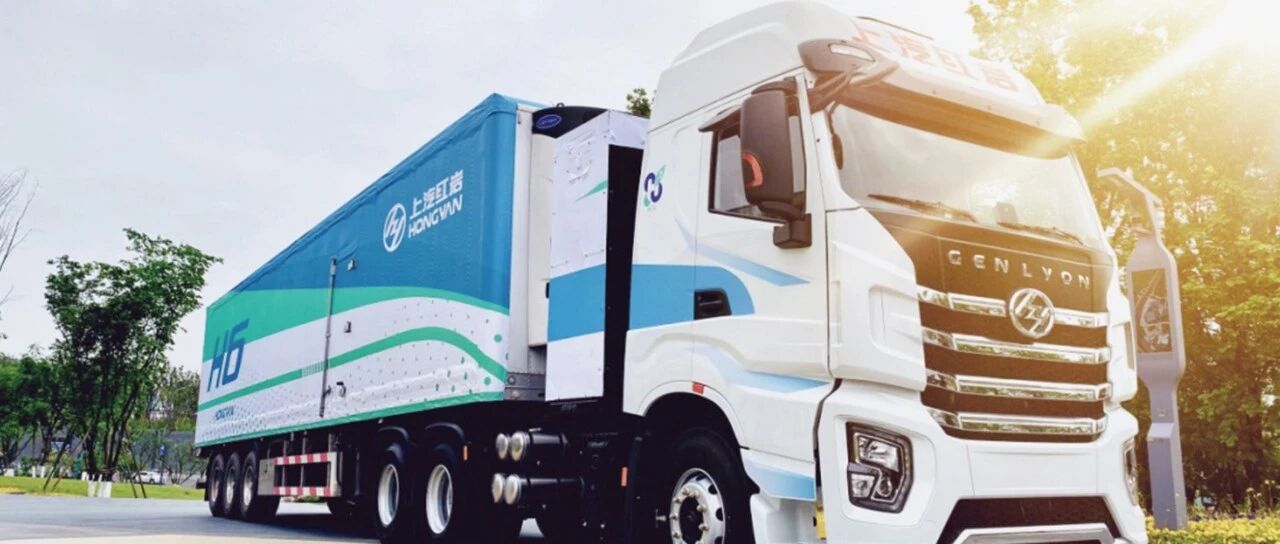
有业内人士表示,物流场景的广泛性与复杂性使得相关车辆在续航里程、充电速度等方面仍存在一定瓶颈。 在绿色低碳转型加速推进背景下,物流领域传统车型新能源化转型正在加快,越来越多的绿色运输车辆得以应用,该趋势也受到电池企 业关注。今年以来,包括宁德时代、亿纬锂能在内的多家头部厂商凭借在商用车动力电池领域的深厚技术积累,通过战略合作等多元模 式切入并深度布局物流赛道。 值得注意的是,与私家车相比,物流车日均行驶里程更长、运营频次更高,因此对配套电池性能提出更高要求。"比如,续航里程受 限、充电不便、电池自重较大等挑战仍制约着电动重卡在长途运输场景中的大规模推广,需要企业聚焦电池充电效率展开技术攻坚,并 逐步完善配套服务体系,从而进一步提升运营效率。"一位电池行业分析师向《中国能源报》记者表示。 有业内人士表示,物流场景的广泛性与复杂性使得相关车辆在续航里程、充电速度等方面仍存在一定瓶颈。未来,随着电池企业持续加 码核心技术研发并不断推出更加适配物流场景需求的产品,有望进一步助推物流用车电动化进程提质提速。 加码相关业务合作 今年以来,已有多家电池厂商在物流领域展开战略合作与业务布局。近期,哆啦好运新能源物流平台与比亚 ...


铁锂行业掀风暴:天齐锂业“脱离”有色网,材料商停产施压电池厂
Jing Ji Guan Cha Wang· 2025-12-27 14:30
Core Insights - The lithium iron phosphate (LFP) industry is experiencing significant changes, with major companies announcing equipment maintenance and price disputes affecting market dynamics [2][5][6]. Group 1: Company Announcements - Hunan Youneng announced a one-month equipment maintenance starting January 1, 2026, which is expected to reduce its production of phosphate-based cathode materials by 15,000 to 35,000 tons [5][7]. - Tianqi Lithium announced it will no longer reference Shanghai Metals Market (SMM) prices for its product transactions starting January 1, 2026, opting instead for prices from Mysteel and the Guangzhou Futures Exchange [2][3]. - Other companies, including Wanrun New Energy and Defang Nano, also announced similar one-month maintenance periods, indicating a coordinated effort among LFP producers [2][5]. Group 2: Price Discrepancies - A significant price discrepancy exists between the spot and futures markets for lithium carbonate, with SMM reporting a price of 101,500 CNY/ton, while the futures market prices from the Guangzhou Futures Exchange and Shanghai Steel Union were reported at 121,000 CNY/ton and 116,000 CNY/ton, respectively [3][4]. - The CEO of SMM stated that their pricing reflects the actual market conditions, and most lithium battery companies use SMM prices for procurement and sales [3][4]. Group 3: Market Dynamics - The recent maintenance announcements by LFP producers are seen as a strategy to negotiate better prices with downstream battery manufacturers, particularly as negotiations with leading companies like BYD and CATL have been challenging [5][6]. - The overall production capacity of Hunan Youneng, Wanrun New Energy, and Defang Nano accounts for approximately 48% of the industry’s total capacity, indicating their significant influence on market supply [8]. - The anticipated production of lithium iron phosphate is projected to reach around 3.7 million tons by 2025, highlighting the growing demand in the industry [8].




宁德时代2025年锁定这些大单丨年度观察
起点锂电· 2025-12-27 11:52
Core Viewpoint - 2025 is a significant year for CATL, as the energy storage industry is experiencing a resurgence, leading to a continuous influx of large orders, reflecting a strong competitive landscape post-restructuring [2]. Group 1: Major Orders and Collaborations - CATL signed a five-year supply agreement with South Korean electrolyte manufacturer Enchem, planning to deliver 350,000 tons of electrolyte products from 2026 to 2030, valued at approximately 1.5 trillion KRW, marking Enchem's largest single customer order to date [2]. - CATL announced a three-year energy storage contract with Siyuan Electric for a total of 50 GWh, aiming for collaboration in energy storage systems and related equipment [4]. - A supply agreement was signed with Vena Energy for 4 GWh of EnerX energy storage systems, which will support a 2 GW solar power station in Indonesia [6][7]. - CATL secured a 2.2 GWh energy storage order from Vanda RE for a solar power station and energy storage system in Indonesia [8]. - A partnership with Marubeni Corporation in Japan was established to develop a 2.4 GWh grid-level energy storage project [9]. - CATL signed a strategic cooperation agreement with Haibo Shichuang for a cumulative procurement of no less than 200 GWh from January 1, 2026, to December 31, 2035 [10]. - CATL was selected as the battery storage system supplier for Masdar's large-scale solar energy storage project in Abu Dhabi, providing 19 GWh of battery storage [12]. - CATL is set to supply 20 GWh of energy storage cells to CRRC Zhuzhou Institute, with procurement of 8 million 314Ah cells and 6.4 million 587Ah cells [13][14]. Group 2: Material and Equipment Orders - CATL's increased energy storage orders are driving demand for upstream materials, leading to significant contracts, including a 2.182 billion RMB contract with Xianhui Technology [15][17]. - A cooperation agreement with Rongbai Technology was signed, designating them as the primary supplier of sodium battery cathode materials, with a commitment to purchase at least 60% of total procurement [18]. - CATL and Jiayuan Technology signed a substantial agreement for the supply of battery anode materials, with a projected value of 66 billion RMB from 2026 to 2028 [19]. - A 1.5 billion RMB contract was established with Fulian Precision for lithium iron phosphate supply, supporting capacity expansion [21]. - CATL signed agreements with Longpan Technology for the supply of lithium iron phosphate materials, with total amounts exceeding 60 billion RMB [23]. Group 3: Market Dynamics and Future Outlook - The surge in large orders indicates explosive growth in the energy storage market, driven by increasing demand across various sectors, including AI [26]. - The transition from a focus on high energy density in power batteries to a value-driven competition in energy storage is evident, with an emphasis on safety, cycle life, and cost-effectiveness [28]. - CATL's expansion into battery swapping services is seen as a necessary step to reach new growth peaks, supported by significant cash reserves and ongoing financing efforts [28].
人形机器人行业双周报(1215-1228):智元第5000 台机器人下线,具身机器人商业化加速-20251227
Huajin Securities· 2025-12-27 11:12
Investment Rating - The industry investment rating is maintained as "Outperform the Market" [6] Core Insights - The humanoid robot industry is entering a phase of accelerated commercialization, driven by a significant increase in the number of new product launches and growing order volumes. The report highlights that many components of humanoid robots share technology with the automotive industry, suggesting investment opportunities in companies with both brain and hardware iteration capabilities, such as XPeng Motors, Xiaomi Group, and others [6][30] - The report notes that the humanoid robot index increased by 4.61% from December 22 to December 26, 2025, outperforming the CSI 300 index by 2.66 percentage points [3][46] Summary by Sections 1. Humanoid Robot Commercialization - The milestone of the 5000th humanoid robot produced by Zhiyuan marks the entry into large-scale commercial use. The cumulative output includes 1742 units of the Expedition A1/A2, 1846 units of the Lingxi X1/X2, and 1412 units of the Spirit G1/G2 [4][10] - The report emphasizes the rapid commercialization of humanoid robots, with significant orders and application scenarios being upgraded. The financing scale and frequency in the humanoid robot sector are also noted to be high, with multiple financing rounds exceeding 1 billion RMB [30][31] 2. Market Performance - The humanoid robot index showed a weekly increase of 4.61%, while the CSI 300 index rose by 1.95%, indicating strong market performance for humanoid robots [3][46] - The report provides a detailed overview of key companies and their performance, highlighting significant orders and partnerships that contribute to the industry's growth [31][35] 3. Key Company Announcements - Zhiyuan's humanoid robots are being deployed in various sectors, including industrial manufacturing and service industries, with notable partnerships established with leading companies like CATL and Bosch [5][36] - The report outlines significant financing events, such as Galaxy General Robotics completing over 300 million USD in new financing, which sets a record for single-round financing in the field of embodied intelligence [5][30] 4. Investment Recommendations - The report suggests focusing on companies that possess both the brain and hardware iteration capabilities, as well as those with the ability to industrialize humanoid robot components. Specific companies mentioned include Top Group, Sanhua Intelligent Control, and CATL among others [6][30]

失去的,宁德时代要拿回来|深氪
36氪· 2025-12-27 09:48
Core Viewpoint - The article discusses the competitive dynamics between leading companies in the electric vehicle battery market, particularly focusing on CATL (宁德时代) and its strategies to regain market share amidst rising competition from companies like Xiaomi and Li Auto [4]. Group 1: Negotiation Dynamics - A negotiation took place between CATL's chairman, Zeng Yuqun, and Xiaomi's chairman, Lei Jun, regarding battery supply agreements, with Xiaomi seeking to secure favorable rebate conditions [5][6]. - Xiaomi's first car, the SU7, had a high dependency on CATL for battery supply, but the second model, YU7, saw a shift towards BYD batteries, reducing CATL's share significantly [6][7]. - Xiaomi's successful sales of 130,000 units of the SU7 in its first year highlight its effective supply chain management, which has attracted numerous suppliers [7][8]. Group 2: Market Share and Financial Performance - CATL's market share in the domestic battery market has declined from 53% in 2021 to 43% currently, while its battery gross margin has also decreased to around 23% [11][12]. - The competitive landscape has forced CATL to restructure its sales team and adopt a more aggressive approach to regain lost market share [12][13]. - CATL's financial performance remains strong, with a profit of 30.5 billion yuan in the first half of the year, surpassing the total profits of 17 car manufacturers combined [55]. Group 3: Strategic Responses - CATL is expanding its production capacity, aiming to reach 1,000 GWh by next year, to meet the increasing demand for batteries [24]. - The company is also adopting a "2C strategy" to enhance its brand presence among consumers, investing nearly 10 billion yuan in marketing efforts [41][42]. - CATL's ability to deliver batteries quickly and efficiently has positioned it favorably against competitors, allowing it to capture significant orders from emerging car manufacturers like Zero Run [30][31]. Group 4: Competitive Tactics - CATL employs a "blocking tactic" by preparing resources in advance and quickly stepping in to fill gaps left by competitors, ensuring it remains a preferred supplier [31][32]. - The company has successfully captured orders from various automakers by offering competitive pricing and rapid delivery, which has made it difficult for second-tier battery manufacturers to compete [36][37]. - CATL's strategic investments in its brand and technology have solidified its position as a leader in the high-performance battery market, particularly in the ternary lithium battery segment [45][46]. Group 5: Industry Trends and Future Outlook - The article suggests that the ongoing competition between battery suppliers and automakers will continue, with companies striving to establish control over their supply chains [61]. - As automakers like Li Auto and Xiaomi explore their own battery production capabilities, the dynamics of the battery supply market are expected to evolve further [56][58]. - The future of the industry will depend on balancing cost efficiency with the need for high-quality, high-density batteries, as well as the ability to navigate the complexities of supply chain management [60].
2025年国内锂电产业链投资超8200亿
高工锂电· 2025-12-27 07:41
Core Viewpoint - The lithium battery industry in China is experiencing significant growth, with total planned investments exceeding 820 billion yuan by 2025, marking a year-on-year increase of over 74% [2]. Investment Overview - A total of 282 investment projects across the entire lithium battery industry chain are expected by 2025, with over 80% of the investment focused on lithium batteries and key materials [2]. - The planned total investment for the year is projected to reach 348.5 billion yuan, reflecting a 92% year-on-year increase [3]. Lithium Battery Sector - Approximately 64 new lithium battery projects are planned in China for 2025, with a total planned capacity exceeding 1,100 GWh, representing a 105% year-on-year growth [2]. - Major companies such as CATL, EVE Energy, and others have announced new capacity expansion plans, indicating a positive industry expansion signal [4]. Lithium Battery Materials - The planned investment in lithium battery materials, including cathode materials, anode materials, electrolytes, separators, and copper foil, is expected to reach 308.5 billion yuan, a 127% increase year-on-year [4]. - The demand for high-density, long-cycle-life cathode materials is driving rapid capacity expansion, while the electrolyte sector is experiencing growth due to supply-demand adjustments and rising production costs [5]. Solid-State Battery Sector - About 60 new solid-state battery projects are planned for 2025, with a total planned capacity of 189 GWh and a total investment of approximately 67.7 billion yuan, which is a 9% decrease year-on-year [7]. - Despite the decrease in investment, capacity planning has increased by 23%, attributed to breakthroughs in key processes that lower equipment costs [8]. Sodium Battery Sector - The sodium battery sector is set to see 42 new projects with a planned capacity exceeding 290 GWh and total investment surpassing 100 billion yuan, with all three metrics showing significant year-on-year growth [11]. - Key drivers for the rapid development of sodium batteries include continuous technological breakthroughs, increased application penetration, and cost advantages due to the rising prices of lithium materials [11].
2025年储能行业“低开高走” 从“政策性退潮”到“市场性抢购”
Shang Hai Zheng Quan Bao· 2025-12-27 02:15
岁末寒冬,储能行业却有点"盛夏"的味道。 产业链上游原材料供应紧张,碳酸锂等原材料价格翻倍。宁德时代等头部储能电池企业进入"满产满 销"状态,储能装机规模不断刷新纪录。回看今年初时,行业还是另一番景象:随着新能源行业重磅文 件发布,强制配储成为历史,行业一度跌入"无单可做"的谷底。 戏剧性的反转背后,是一场更加残酷的阶层重构。头部储能电池企业通过低价策略横扫千军,不断扩大 市场份额;海博思创等储能系统集成商则借着新型电力系统升级、AI算力需求爆发顺势腾飞。 多位接受上海证券报记者采访的企业人士和专家表示,对于更多储能赛道企业而言,这波"反弹"更像是 巨头们吃肉后的残局,行业洗牌仍在高速运转。2026年的储能行业发展将更分化,只能谨慎乐观。 从"政策性退潮"到"市场性抢购" 今年2月,国家发展改革委、国家能源局发布《关于深化新能源上网电价市场化改革促进新能源高质量 发展的通知》(业内简称"136号文"),明确叫停新能源强制配储。这一政策急转弯,直接导致市场需求 出现"真空期"。 据中关村储能产业技术联盟(CNESA)数据显示,今年一季度,国内新增投运新型储能项目装机规模 5.03GW/11.79GWh,同比下降 ...
未来我想做船长!
Mei Ri Shang Bao· 2025-12-26 22:18
Group 1 - The recruitment event held by Hangzhou Automotive Senior Technician School is the largest in its history, attracting nearly 80 companies across five sectors, including new energy vehicles, traditional fuel vehicles, smart manufacturing, drones, and shipping, offering around 700 job positions for over 400 students [1] - The school has established a "five common" order-based training model and has signed cooperation agreements with companies like Xianglong Aviation and Coolfly Aircraft, focusing on training talents for roles such as sales, drone pilots, and maintenance technicians [1] - 30 new energy vehicle companies participated in the recruitment, accounting for 40% of the total, with students from the CATL (300750) order class receiving hands-on training in battery disassembly and maintenance, as well as free certification through the CATL CIEP project [1] Group 2 - The recruitment event featured well-known automotive groups and companies in shipping and power sectors, including Zhejiang Yuantong, Deao, and Hangzhou New Century Power Equipment, covering multiple professional directions [2] - The school has long-term partnerships with companies like Hangzhou Water Public Sightseeing Bus Co., providing students with practical positions in engine maintenance and ship electronic log recording, with companies covering certification costs for various maritime qualifications [2] - Several graduates have obtained professional qualifications and secured positions in state-owned enterprises, showcasing the effectiveness of the school's training programs [2]
宁德时代与厦门建发集团签署战略合作协议
Zheng Quan Shi Bao Wang· 2025-12-26 14:26
人民财讯12月26日电,近日,宁德时代(300750)与厦门建发集团签署战略合作协议。双方将充分发挥 各自在产业、技术、资源及市场布局等方面的优势,重点围绕三大领域展开战略合作: 新能源汽车产业方面,双方将依托共同投资的时代智慧科技(福建)有限公司,通过深化电池综合售后 服务、安全科技、电池商业模式创新等领域的合作,为新能源市场应用提供一流的解决方案。 供应链业务方面,宁德时代将向建发集团开放供应链项目合作,建发集团则发挥在供应链运营方面的优 势和资源,协助宁德时代产品、产能、技术出海,并助力其供应链体系优化升级。 新兴产业投资方面,双方将以协同投资或组建基金共同投资等形式,携手推动先进技术孵化、高端产能 升级与创新生态构建,实现价值共创与长远共赢。 ...