BABA(BABA)

Search documents
阿里CEO吴泳铭新年家书:公司仍在创业路上,处在关键的时代路口
Sou Hu Cai Jing· 2026-01-19 03:26
Core Insights - Alibaba is at a pivotal moment in its 26-year journey, leveraging AI to reshape the world and consumer behaviors [1][2] - The company has achieved significant milestones in various sectors, including a successful turnaround for Taobao Flash Sales and the rapid development of a comprehensive consumer service ecosystem [1][2] - The AI initiatives, such as the Qianwen app, have seen impressive adoption, with over 10 million downloads in just one week, indicating a strong market response [1][2] Group 1 - The company emphasizes that AI is not about replacement but about upgrading and creating more possibilities [1][2] - Alibaba's commitment to technology that is empathetic and addresses social issues is highlighted as a core value [1][2] - The company acknowledges the importance of trust and long-term relationships among its employees and partners, which is essential for sustained growth [3] Group 2 - The company expresses gratitude towards its employees and partners for their support, recognizing that its growth is a collective effort [2][3] - The upcoming challenges are acknowledged, but there is a clear vision for the future, with a focus on collaboration and resilience [3][4]


阿里巴巴AI版图再添一员 阿里健康推出医生版“GPT”
Jin Rong Jie· 2026-01-19 03:04
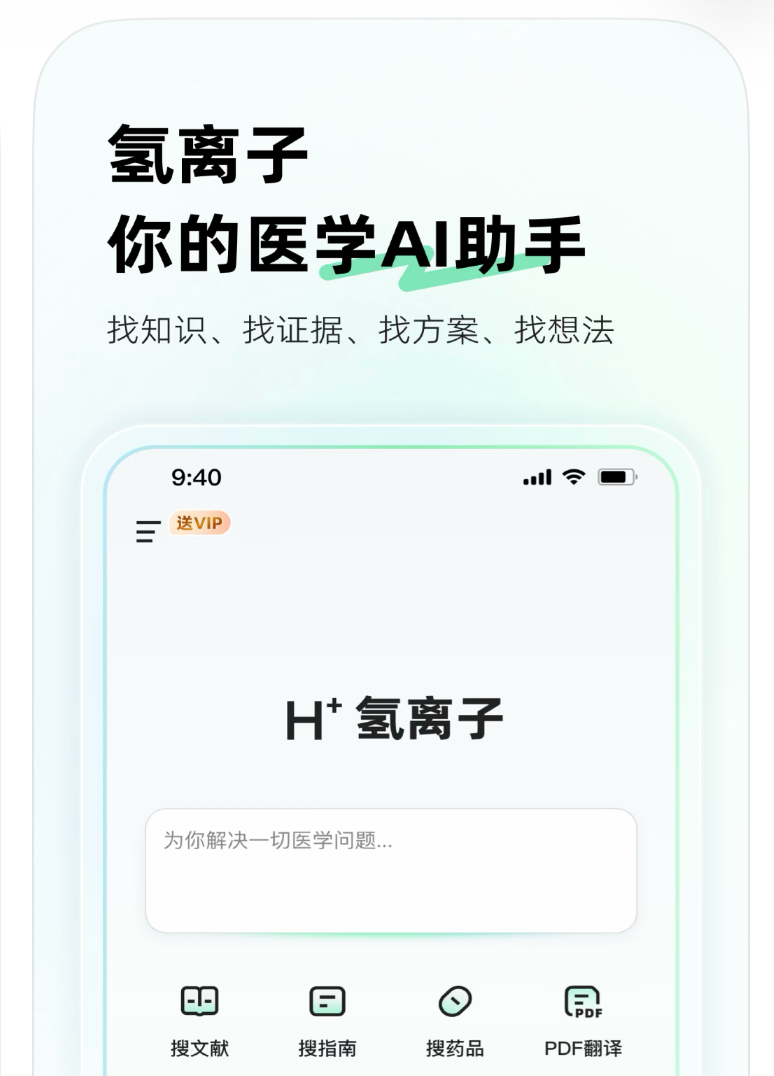
据悉,阿里健康重磅AI产品"氢离子"已完成内测并开放下载。 经多方信源证实,该产品已进入实际应用阶段,主要面向临床、科研领域的医生群体。据了解,"氢离子"主打"低幻觉、高循证"核心能力,所有回答均有权 威出处,支持一键溯源、直达信源,致力于打造医疗领域幻觉率最低的AI助手。 此前,阿里健康财报中也曾透露,其自研医学大模型正在积极探索在严肃医疗领域的应用场景,致力增强模型在临床决策、临床科研等关键环节的AI循证 能力。此次,"氢离子"正是该模型能力的首个产品化体现。 多位参与内测的医生反馈,"氢离子"在循证问答、证据整合与分析总结等任务中表现出高度准确度,尤其在临床、科研语境下的智能检索和中英文献研读方 面,更贴合国内医生习惯。其产品逻辑与海外大热的OpenEvidence相似,但在本地化体验上更具优势。 此前,阿里巴巴已通过通义千问、蚂蚁阿福布局C端健康服务。高门槛、高专业性的严肃医疗场景应用,则交由深耕医疗健康领域十余年的阿里健康承接。 至此,阿里在医疗健康领域的AI布局已实现"C+D"端的完整布局,其医疗AI版图已然补齐。 小 即 阿托伐他汀 财经频道更多独家策划、专家专栏,免费查阅>> 责任编辑:钟离 ...


多家机构看好港股成长板块回撤买入机会!恒生互联网ETF(513330)连续4日净流入
Mei Ri Jing Ji Xin Wen· 2026-01-19 03:04
Group 1 - The core viewpoint of the articles suggests that institutions are recommending attention to the Hong Kong stock growth sector, which has seen relatively less increase in the current rally, indicating potential buying opportunities during suitable pullbacks [1] - Financial conditions are generally loose, with foreign capital and southbound flows returning, and earnings expectations being revised upward, making Hong Kong stocks more attractive in terms of value compared to A-shares [1][2] - The sentiment indicators for Hong Kong stocks have moved out of panic territory, with a noticeable decline in short positions, indicating a potential right-side harvesting period [1] Group 2 - As of last week, foreign net inflows into Hong Kong stocks reached $2.82 billion, compared to $1.54 billion the previous week, with active foreign funds turning into net inflows of $160 million, marking the largest weekly net inflow since September 2024 [2] - Southbound capital saw a net inflow of approximately HKD 10.05 billion last week, primarily flowing into sectors such as media, computing, and retail, with Tencent Holdings, Alibaba, Kuaishou, and Xiaomi Group receiving the most inflows [2] - The Hang Seng Internet ETF has seen net inflows for four consecutive days, being the largest ETF tracking the Hang Seng Internet Technology Index, which focuses on sectors like internet, media, and computing [2]




Q4剧集商务总结:系列剧招商走高,成毅《长安二十四计》优酷广告年冠
3 6 Ke· 2026-01-19 02:48
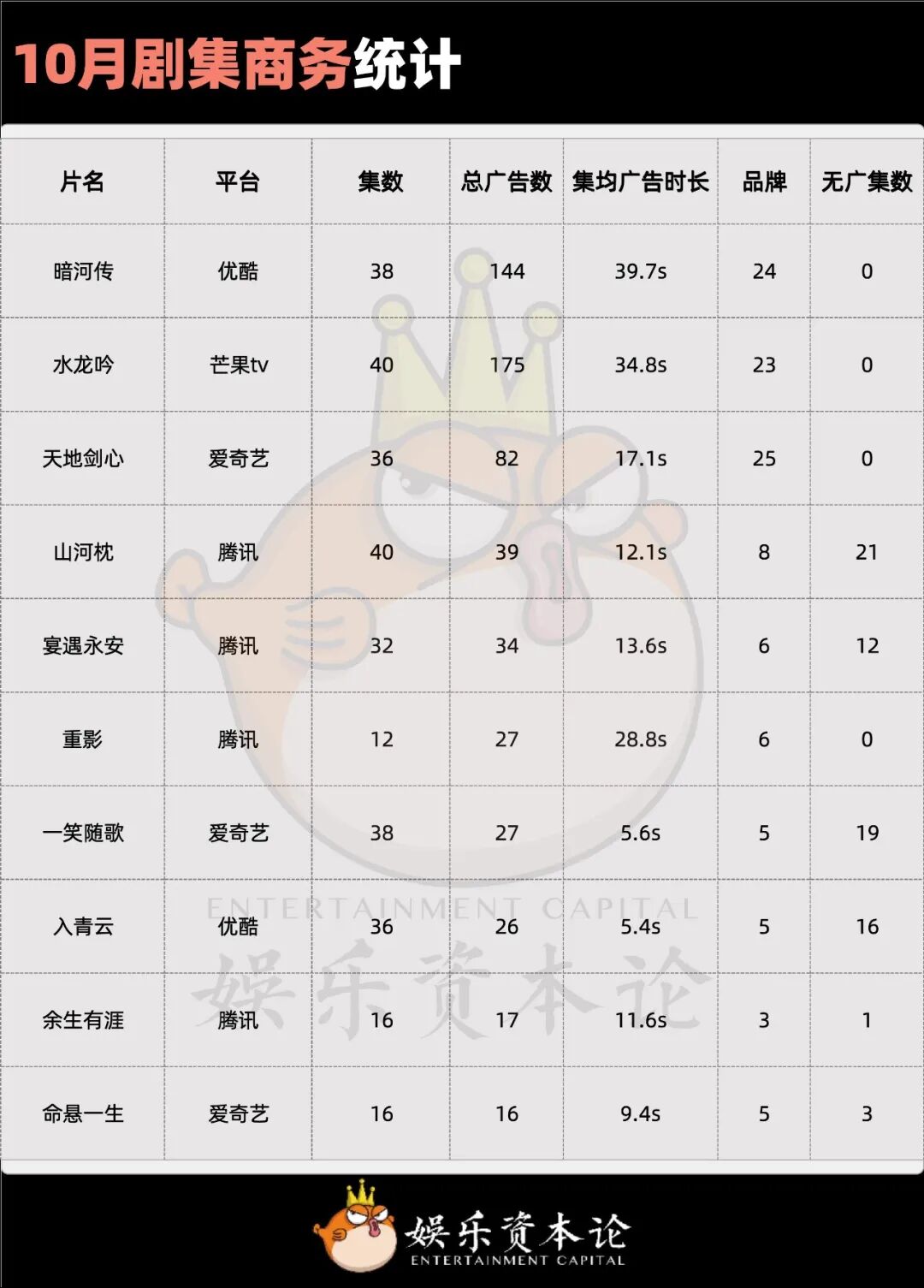
Core Insights - The overall trend in the drama advertising market for Q4 2025 continues to show a slight contraction, characterized by a polarization between top-tier and mid-tier projects [1][4] - Top projects like "Chang'an Twenty-Four Hours" have excelled in advertising performance, securing 223 ads and 41 brand partnerships, while mid-tier projects struggle with nearly 70% having single-digit brand collaborations, highlighting the "80/20 effect" in the industry [1][6] Advertising Market Performance - The advertising market experienced fluctuations, with a notable decline in ad placements in November, where the overall ad rate dropped to 27% [3][4] - In October, "Anhe River" and "Water Dragon Song" led the ad placements with 144 and 175 ads respectively, together accounting for 54% of the month's total ad placements [2][3] - Despite strong performances from sequels like "Tang Dynasty Mystery" and "News Queen 2," the overall market remained sluggish, with many mid-tier dramas facing a "vacuum" in advertising interest [4][6] Brand Partnerships and Trends - Fast-moving consumer goods (FMCG) brands dominate the advertising landscape, with brands like Baishui Mountain and Aitame appearing frequently across both ancient and modern dramas [17][18] - A significant portion of advertisers (70.36%) only engaged in single ad placements, indicating a cautious approach due to market uncertainties and competition among dramas [18][19] - The preference for ancient dramas among advertisers is evident, with 73.3% of high-frequency advertisers focusing on this genre, aligning with the need for strong exposure and user memory reinforcement [19] Content Quality and Investment - The success of dramas in attracting advertising is increasingly tied to their content quality, star power, and established IPs, with a clear shift towards projects that combine these elements [8][19] - The competition for advertising dollars is intensifying, necessitating a more strategic approach to content that aligns with brand expectations and market demands [8][19] - The fourth quarter's advertising performance reflects a rational return to investment strategies, emphasizing the importance of high-quality content in securing brand partnerships [19]
开源证券:阿里巴巴全面发力Agent 建议继续关注AI应用端
Zhi Tong Cai Jing· 2026-01-19 02:34
Core Insights - Alibaba has established a strong position in the AI application space with various products like "Ant Aifu," "Lingguang," and "Qianwen," suggesting potential investment opportunities in AI applications [1] Group 1: Qianwen App Integration - The Qianwen App has fully integrated into Alibaba's ecosystem, enabling users to perform tasks such as ordering food, shopping, and booking flights through AI functionalities [2] - It has incorporated over 50 public service features via Alipay, enhancing its utility in daily life [2] - The app has evolved from a standard AI assistant to a significant entry point for Alibaba's ecosystem, potentially becoming a major traffic hub in the AI era [2] Group 2: Ant Aifu Health Assistant - Ant Group launched the AI health manager AQ, which was upgraded to "Ant Aifu," offering over a hundred AI functionalities related to health [3] - As of January 2026, the app has over 30 million monthly active users, with daily inquiries exceeding 10 million, indicating strong user engagement [3] - Notably, 55% of users are from third-tier cities and below, highlighting its reach in less urbanized areas [3] Group 3: Lingguang AI Assistant - The "Lingguang" AI assistant was introduced as a productivity tool, capable of generating small applications in 30 seconds using natural language [4] - It is the first AI assistant in the industry to support full-code generation for multi-modal content, including 3D models, audio, icons, animations, and maps [4] - The assistant has launched three main features, enhancing user interaction and efficiency [4] Group 4: Investment Recommendations - Beneficiary companies in the industry chain include Shiji Information, Jinqiao Information, Boyan Technology, and others, indicating a broad spectrum of investment opportunities [5] - Continued focus on AI application investments is recommended, with specific companies highlighted such as Kingsoft Office, Hehe Information, and others, suggesting a diverse investment landscape [5]
布局中国互联网:AI 投资关键年与核心定位防守战;围绕每股收益兑现、叙事转变与股东回报的个股精选-Navigating China Internet_ Pivotal year for AI investments & Defending core positioning; Stock picking around EPS delivery, Narrative changes & Shareholder returns
2026-01-19 02:32
Summary of Key Points from the Conference Call Industry Overview - The conference call focuses on the **China Internet** sector, particularly the competitive landscape involving major players like **ByteDance**, **Alibaba**, and **Tencent**. It highlights the strategic pivots expected in 2026 due to advancements in AI technologies and changing market dynamics. Core Insights and Arguments 1. **Strategic Pivot Year**: 2026 is anticipated to be a pivotal year for China internet mega-caps, driven by increased investments in AI technologies and efforts to defend core market positions. ByteDance's advancements in AI and eCommerce are significant factors prompting these changes [1][11][42]. 2. **ByteDance's Market Position**: ByteDance has achieved notable success, being the top in daily token consumption and having the most used consumer-facing app, Doubao, with over 100 million daily active users (DAU). Its Douyin eCommerce GMV is projected to grow over 30% in 2025, positioning it to surpass Pinduoduo in 2026 [11][43]. 3. **AI Investment Themes**: Six key AI themes for 2026 include: - Shift towards ROI-based advertising and new marketing strategies. - Breakthroughs in AI models focusing on multi-modal and cost-efficient architectures. - Proliferation of consumer-facing AI assistants. - Competition for next-generation chips impacting AI model performance. - Expansion into global markets with a mix of open and closed-source models. - Increased demand for AI inference driving cloud revenue growth [2][15]. 4. **Stock Recommendations**: - **Alibaba** and **Tencent** are viewed as strong long-term investments due to their AI capabilities. - **PDD** is highlighted as a key mega-cap idea for 2026, benefiting from a favorable risk-reward profile and strong user engagement [3][16][20]. 5. **Sub-sector Preferences**: The updated preference ranking includes: - **Cloud & Data Centers** (1) - **Games & Entertainment** (2) - **AI Models** (newly added) [21]. Additional Important Insights 1. **Regulatory Environment**: The call discusses the regulatory landscape, indicating that recent investigations into the food delivery sector are not indicative of a return to stringent regulatory measures but rather a push for healthy competition [32]. 2. **Market Valuations**: Current valuations for China internet stocks are noted, with the sector trading at a median 2026E P/E of 18X, which is competitive compared to US peers [13][26]. 3. **Food Delivery Competition**: The competitive landscape in food delivery is expected to normalize, with significant losses narrowing for Alibaba and JD as they adapt to new regulations and market conditions [30][32]. 4. **AI Model Competition**: The competition in AI models is expected to extend towards multi-modal capabilities, with Alibaba positioned as a leader in this space [22][43]. This summary encapsulates the key points discussed in the conference call, providing insights into the strategic direction of the China internet sector and the implications for major players.

社区团购,倒在了2026年?
3 6 Ke· 2026-01-19 02:30
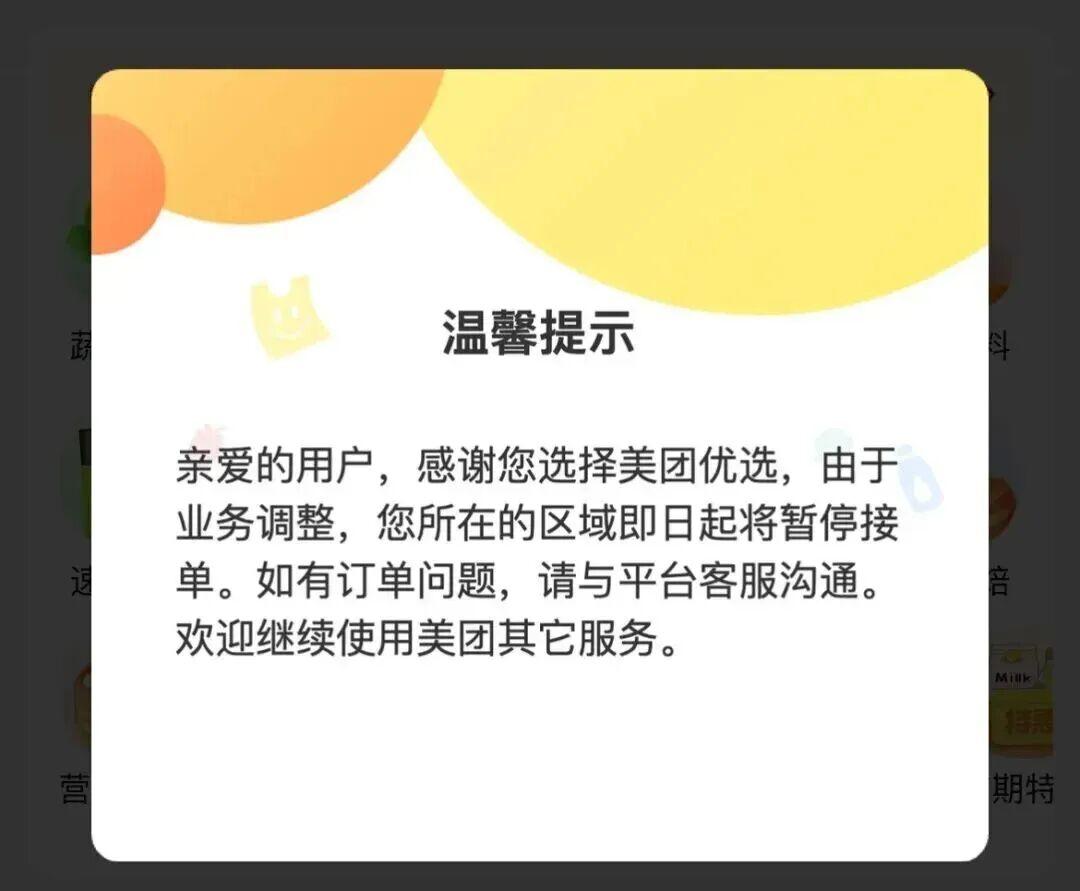
Core Insights - The community group buying sector has rapidly transitioned from explosive growth to a collective retreat, with major players like Alibaba's Taocai Cai, Didi's Orange Heart Selection, and Meituan exiting the market, leaving only Pinduoduo's Duoduo Maicai remaining [1][2] Group 1: Market Dynamics - In 2020, internet giants heavily invested in community group buying, with total financing reaching hundreds of billions and over 200 companies involved, leading to a fierce competition [2] - Regulatory scrutiny began in December 2020, with the introduction of new rules aimed at preventing unfair competition, marking a turning point for the industry [2] - By 2021, the bubble burst, leading to a wave of bankruptcies and significant business reductions among major players, including Didi and JD [3] Group 2: Business Model Challenges - The community group buying model has faced fundamental profitability issues since its inception, relying on heavy subsidies and unsustainable pricing strategies that failed to yield long-term profits [4] - The high loss rates and low margins associated with fresh produce further exacerbated the profitability challenges, leading to long-term losses for many platforms [4] Group 3: Competitive Pressures - The sector faced intense competition, with numerous platforms vying for market share, resulting in resource wastage and increased market saturation [7] - The rise of alternative retail formats, such as discount stores and instant retail, diminished the competitive advantages of community group buying, leading to a decline in market space [7] Group 4: Shift to Instant Retail - Instant retail has emerged as a new battleground for major players, with projections indicating that the market could exceed 1 trillion yuan by 2026 [8] - Changing consumer preferences towards immediate gratification have rendered the community group buying model less appealing, as consumers now prioritize convenience and speed [8] - Major companies are investing heavily in instant retail, with Alibaba, JD, and Meituan all planning significant financial commitments to capture market share [9]

大摩闭门会-互联网调研纪要与中国AI发展更新
2026-01-19 02:29
Summary of Key Points from Conference Call Records Industry and Company Overview - **Companies Involved**: Alibaba, Baidu, Yunmanman, Tencent, Huya, Bilibili, Tencent Music, GDS, OTA Industry - **Industry Focus**: E-commerce, Cloud Computing, AI Technology, Data Centers, Live Streaming, Online Travel Agencies (OTA) Core Insights and Arguments Alibaba - **E-commerce Performance**: Alibaba's CMR (Customer Management Revenue) is expected to show low single-digit growth in the December quarter, down from previous expectations of mid-single-digit growth. NBS (Net Merchandise Sales) decreased by 5% in October and November, reflecting competitive pressures and high base effects. CMR is projected to decline in the March quarter but may stabilize in Q2 and recover in the second half of the year [1][2] - **Financial Outlook**: The company anticipates a full-year loss of approximately 60 billion RMB for FY2027, with cloud revenue expected to exceed 380 billion RMB, maintaining growth expectations despite supply chain considerations [1][3] - **Flash Sales Business**: Positive performance noted, but March quarter losses are not expected to decrease significantly [1] Baidu - **Kunlun Chip Development**: Baidu plans to complete the IPO of its Kunlun chip within four to five months, with an internal valuation of 40-50 billion USD, exceeding market expectations. The company will retain over 50% ownership post-IPO [4] - **Client Base**: Major clients include Tencent and China Mobile, with no supply chain disruptions reported [4] Yunmanman - **Order Growth**: The fourth-quarter order growth is at the lower end of guidance due to seasonal factors and the cleaning of low-quality orders, but this will not impact revenue or profit. The company plans to invest in autonomous driving and overseas expansion in 2026, which may negatively affect profits [5] - **Revenue Confidence**: The company is confident in achieving a 30% or higher growth in commission-based revenue [5] Tencent - **Stock Sale Impact**: Tencent's sale of Hong Kong stocks aimed to meet liquidity requirements, leading to a market overreaction and stock price decline. Current valuation is considered undervalued at a 2026 P/E ratio of 16 [6] Data Center Industry - **Growth Expectations**: GDS anticipates an increase in annual new bookings from 250-300 MW to 500 MW, reflecting ambitious growth plans. However, new large data centers face strict regulatory approvals, with only a 10% success rate for project applications [7] OTA Industry - **Regulatory Challenges**: The OTA industry faces short-term uncertainties due to regulatory scrutiny, reminiscent of Alibaba's past experiences with antitrust issues, leading to cautious investor sentiment [8] Bilibili and Tencent Music - **Bilibili's Advertising Growth**: Strong performance in advertising with over 20% growth attributed to increased traffic, despite challenges in the gaming sector [9] - **Tencent Music's Market Sentiment**: No significant changes in operations, but market disappointment over K-POP performance restrictions in China has negatively impacted stock prices [9] Huya - **Live Streaming Business**: Huya's revenue is primarily global, with compliance risks at historical lows. The company expects stable or slight revenue growth through refined operations [10][11] - **Investor Returns**: Huya commits to a 200 million USD dividend and a 100 million USD stock buyback over the next three years [12] Concert Ticketing and IP Business - **Ticketing Market Saturation**: The concert ticketing business is currently saturated, limiting revenue growth despite strong demand. The company plans to focus on content investment for overseas expansion [13][14] - **Impact of Sino-Japanese Relations**: No significant impact on sales observed post-relations events, though some projects have been delayed [15] Additional Important Insights - **AI Technology Platform**: Huya's AI platform is among the top 30 global aggregators, expected to achieve over 5% annual growth in third-party advertising revenue for 2026 and 2027 [11] - **Market Reactions**: Overall market reactions to stock sales and regulatory news have led to volatility, but some companies are viewed as having strong fundamentals and potential for recovery [6][9] This summary encapsulates the key points from the conference call records, highlighting the performance and outlook of various companies and industries involved.


中金公司 _ 阿里云深度:AI驱动下的全栈布局与全球扩张机遇
中金· 2026-01-19 02:29
阿里云:AI驱动下的全栈布 局与全球扩张机遇 白洋 分析员 SAC 执证编号:S0080520110002 SFC CE Ref:BGN055 yang3.bai@cicc.com.cn 徐卓楠 分析员 SAC 执证编号:S0080520080008 SFC CE Ref:BPR695 zhuonan.xu@cicc.com.cn 吴维佳, CFA 分析员 SAC 执证编号:S0080521010011 SFC CE Ref:BHR850 weijia.wu@cicc.com.cn 王秋婷 分析员 SAC 执证编号:S0080523030001 SFC CE Ref:BTK905 qiuting.wang@cicc.com.cn 刘泓蔚 分析员 SAC 执证编号:S0080524020012 hongwei.liu@cicc.com.cn 中金公司研究部 2026-01-14 0 概览 AI渗透与国际化扩张双轮驱动增长 我们估算未来3年阿里云收入CAGR有望超过30%。 利润率提升空间大,盈利韧性有望超预期 随着AI收入占比持续提高、海外高毛利业务占比提升,以及成本端规模效应的进一步显现,我们估算其利润率有 ...

沪指涨0.5%,电网设备掀起涨停潮,人民币中间价创逾32个月新高,恒科指跌0.6%,科网股调整,沪锡跌超5%
Hua Er Jie Jian Wen· 2026-01-19 02:26
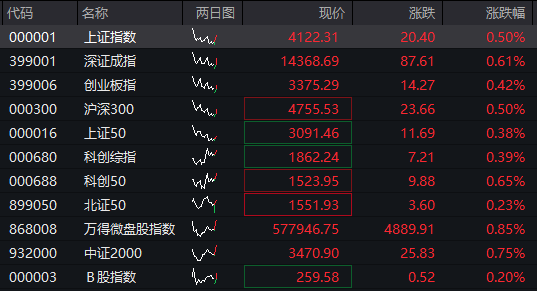
Market Overview - A-shares experienced a volatile rise in early trading on January 19, with all three major indices strengthening, particularly in the electric grid equipment and precious metals sectors [1] - The Hang Seng Index opened lower and continued to decline, with the Hang Seng Technology Index also falling, while new consumption concepts rebounded [2][3] A-shares Performance - The Shanghai Composite Index rose by 20.40 points, or 0.50%, to 4122.31 - The Shenzhen Component Index increased by 87.61 points, or 0.61%, to 14368.69 - The ChiNext Index gained 14.27 points, or 0.42%, to 3375.29 [1] Hong Kong Market Performance - The Hang Seng Index fell by 229.97 points, or 0.86%, to 26614.99 - The Hang Seng Technology Index decreased by 43.23 points, or 0.74%, to 5778.95 [2][3] Bond Market - The bond market showed mixed results, with the 30-year main contract down by 0.23% and the 10-year main contract down by 0.01% [3][4] Commodity Market - Most domestic commodity futures declined, with notable drops in tin (over 6%) and lithium carbonate (nearly 4%) - Silver and gold prices saw increases, with silver up by 2% and gold by 1% [4][5] Electric Grid Equipment Sector - The electric grid equipment sector saw a surge, with stocks like Shuangjie Electric hitting the daily limit up of 20%, and several others rising over 10% [6][7] Tourism and Hospitality Sector - The tourism and hotel sector showed positive movement, with Jiuhua Tourism hitting the daily limit up and several other hotel stocks also rising, driven by increased travel bookings for the upcoming holiday season [8] AI Application Sector - The AI application sector rebounded, with stocks like Baina Qiancheng rising over 10%, following news of OpenAI testing ad placements in its services [9][11] Precious Metals Sector - The precious metals sector was active, with Sichuan Gold rising over 9% and other gold stocks following suit, influenced by record high international gold and silver prices [10]