
BMW(BMWYY)

Search documents
BBA最后的堡垒,快守不住了
商业洞察· 2025-10-10 09:29
Core Viewpoint - The article discusses the significant shift in the Chinese luxury car market, highlighting the decline of traditional German brands (BBA: BMW, Benz, Audi) due to the rapid rise of domestic electric vehicle brands, particularly in the entry-level and mid-range luxury segments [3][4][10]. Group 1: Market Dynamics - Over the past two decades, BBA has established itself as a symbol of luxury in China, but is now losing market share in the entry-level luxury sedan segment, where prices have dropped significantly [3][4]. - In the first half of 2025, the sales of Benz C-Class and Audi A4L fell by 16% and 27% respectively, while BMW 3 Series saw a slight increase [3]. - The market share of new energy vehicles in the 200,000 to 300,000 yuan price range has increased from 60% to 63.3% year-on-year, further squeezing the market for traditional luxury entry-level cars [3][4]. Group 2: Financial Impact - BBA's financial performance has been adversely affected, with Benz's net profit dropping by 55.8%, Audi's by 37.5%, and BMW's by 29% in the first half of 2025 [4]. - The mid-range luxury sedan market is also experiencing price cuts, with the entry-level BMW 5 Series seeing a price reduction of 40% [4]. Group 3: Competition from Domestic Brands - Domestic brands like NIO and BYD are increasingly targeting the ultra-luxury market, with models like the NIO ET9 and BYD's Yangwang U8 directly competing with BBA's offerings [4][5]. - NIO's ET9 surpassed BMW 7 Series and Audi A8L in sales shortly after its launch, indicating a shift in consumer preference [5]. - The Huawei-backed ZunJie S800 received over 14,000 pre-orders within 109 days, suggesting a strong market response that could challenge BBA's dominance [5][19]. Group 4: Historical Context and Future Outlook - The luxury car market in China has evolved significantly from 2010 to 2020, with BBA's market share dropping from 94.03% in 2012 to 63% in 2020 [7][10]. - By 2024, BBA's combined market share is projected to fall to 35%, while domestic brands like Li Auto and AITO are gaining traction [10]. - The competition in the ultra-luxury segment remains challenging for domestic brands, as they must overcome brand perception issues and establish a strong market presence [24][26].


汽车早报|东风、华为合作DH项目征集品牌中文名 比亚迪登陆阿根廷乘用车市场
Xin Lang Cai Jing· 2025-10-10 00:39
Group 1: Policy and Market Trends - The Ministry of Industry and Information Technology, along with the Ministry of Finance and the State Taxation Administration, announced adjustments to the technical requirements for new energy vehicles (NEVs) eligible for vehicle purchase tax exemptions for 2026-2027 [1] - During the recent National Day holiday, the charging volume for NEVs on highways reached a record high of 1.23 billion kilowatt-hours, with an average daily charging volume of 15.36 million kilowatt-hours, which is 2.59 times higher than regular days [1] Group 2: Company Performance - Chery Group reported a 77.1% year-on-year increase in NEV sales for the first three quarters, with a total of 587,545 units sold [2] - Buick's new model, the Zhijing L7, achieved 12,000 pre-orders within 10 days of its launch, with deliveries expected to start on October 20 [3] Group 3: Collaborations and Investments - Dongfeng and Huawei are seeking public input for a new brand name and logo for their DH project, which focuses on mid-to-high-end intelligent vehicles [4] - Seres announced a cooperation framework agreement with Beijing Volcano Engine Technology for intelligent robotics projects [7] - Avita Technology has completed the payment of 11.5 billion yuan for a 10% stake in Huawei's subsidiary, Yiwang [6] Group 4: Market Expansion and Product Launches - BYD officially entered the Argentine passenger car market by launching three electric and hybrid models, including the Dolphin MINI and Yuan Pro [9] - Ferrari raised its revenue guidance for 2025 and expects to maintain total revenue around 9 billion euros by 2030, with an EBITDA of at least 3.6 billion euros [10] Group 5: Safety and Regulatory Issues - BMW announced a recall of 12,491 vehicles in South Africa due to a starter motor defect that poses a fire risk [9] - The U.S. National Highway Traffic Safety Administration (NHTSA) has initiated an investigation into Tesla's Full Self-Driving (FSD) feature, potentially affecting nearly 2.9 million vehicles [9]




德系豪华车,失守中国市场
Di Yi Cai Jing· 2025-10-09 14:08
Group 1 - The performance of German luxury car manufacturers in the Chinese market has not improved in Q3 after a decline in sales during the first half of the year [2] - BMW's global sales increased by 8.8% year-on-year in Q3, while Mercedes-Benz and Porsche experienced a decline in sales [2] - In China, BMW's sales decreased by 0.4% to 147,000 units, while Mercedes-Benz and Porsche's sales fell by 27% and 20.7% respectively [2] Group 2 - Mercedes-Benz faced significant challenges in the Chinese market, with a 40% month-on-month decline in retail sales in July, marking the first time in five years that monthly sales fell below 28,000 units [2] - Porsche's sales in China have been on a downward trend, with a 15% decline in 2023 and a projected 28% drop in 2024 [3] - The competitive landscape in the luxury car segment in China has intensified, with local brands like AITO and Li Auto gaining market share [4] Group 3 - The traditional reliance on mechanical performance and brand premium by luxury brands is becoming insufficient in the era of smart electric vehicles [4] - BMW is the only German luxury brand with a notable presence in the electric vehicle market, while Mercedes-Benz, Audi, and Porsche have underperformed [4] - Porsche has adjusted its product strategy to focus more on fuel and hybrid vehicles, slowing down the pace of electric vehicle development [5]
德系豪华车,失守中国市场
第一财经· 2025-10-09 13:55
Core Viewpoint - The performance of German luxury car manufacturers in the Chinese market has not improved in the third quarter, with significant declines in sales for brands like Mercedes-Benz and Porsche, while BMW shows slight resilience in other global markets [3][4]. Group 1: Sales Performance - BMW's global sales in Q3 increased by 8.8%, but in China, sales decreased by 0.4% to 147,000 units [3]. - Mercedes-Benz and Porsche reported significant declines in their Chinese sales, with Mercedes-Benz down 27% to 125,000 units and Porsche down 20.7% to 11,000 units [3][4]. - In the first half of the year, Audi's sales in China fell by 10.2%, while BMW and Mercedes-Benz saw declines of 15.5% and 14%, respectively [3]. Group 2: Market Challenges - Mercedes-Benz faced severe challenges in the Chinese market, with a 40% month-on-month decline in July, marking the first time in five years that monthly sales fell below 28,000 units [3]. - Porsche's sales in China have been on a downward trend since 2022, with a 15% drop in 2023 and a projected 28% decline in 2024 [5]. - The competitive landscape in the luxury car segment has intensified, with Chinese brands like AITO and Li Auto gaining market share through their advantages in electrification and smart technology [5][6]. Group 3: Electric Vehicle Strategy - BMW is the only German luxury brand with a notable presence in the electric vehicle market, while Mercedes-Benz and Audi have struggled [6]. - Mercedes-Benz plans to phase out the "EQ" sub-brand and integrate electric models into its main product lineup [6]. - Porsche has adjusted its product strategy, slowing down electric vehicle development and shifting focus back to fuel and hybrid models [6].
财经调查|二手车“量升价跌”:库存周期拉长,线上卖车获客成本高企
Sou Hu Cai Jing· 2025-10-09 12:56
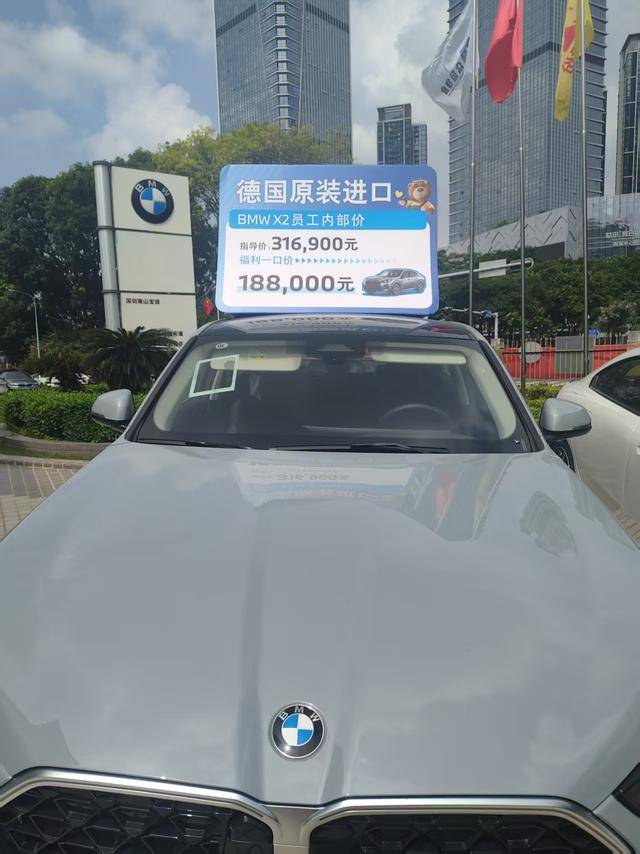
Core Viewpoint - The automotive industry is experiencing a structural pressure characterized by rising volumes but declining prices, particularly in the used car market during the traditional peak sales season of "Golden September and Silver October" [1] Group 1: New Car Promotions and Price Reductions - New car prices are being heavily discounted, with promotions such as a 6-fold discount on popular models, indicating aggressive pricing strategies to stimulate sales [2] - Specific examples include the BMW 2 Series being offered at a price of 168,000 yuan, down from a suggested retail price of 259,900 yuan, and the BMW X2 at 188,000 yuan from 316,900 yuan [2][4] Group 2: Used Car Market Dynamics - The used car market in Shenzhen shows signs of recovery, but prices are under significant downward pressure, with some luxury vehicles selling for only a fraction of their original prices [4][6] - The average inventory cycle for used cars has extended to 43 days, with 35.6% of dealers experiencing inventory cycles exceeding 30 days, reflecting increased operational challenges [8] Group 3: Financial Strain on Dealers - A report from the China Automobile Dealers Association indicates that 73.6% of used car dealers are facing losses, exacerbated by ongoing price wars in the new car market [6][12] - The cost of acquiring customers has risen sharply, with an average cost of 6,200 yuan per customer, while the average profit per transaction is only around 1,500 yuan [9][11] Group 4: Electric Vehicle Market Challenges - Despite electric vehicles (EVs) accounting for 36.7% of new car sales, they represent only 5.3% of used car transactions, primarily due to rapid depreciation and consumer hesitance [12][14] - The report highlights that the used car market saw a transaction volume of 9.57 million units in the first half of the year, with a total transaction value of 623.24 billion yuan, but the average transaction price fell by 12.3% year-on-year [12][14]
宝马的「新世代」之路:孤独向前、起大早赶晚集、远水难解近渴
3 6 Ke· 2025-10-09 11:05
Core Viewpoint - BMW officially announced the launch of a direct sales model, set to begin implementation in 2027, marking a significant shift away from traditional dealership partnerships [1] Group 1: Transformation and Strategy - BMW is transitioning from a fuel-centric product era to a new generation of products, focusing on self-developed technologies such as the Panoramic iDrive system and sixth-generation eDrive technology [1] - The new generation represents a culmination of European automotive transformation, showcasing both ambition and a disconnect with global market trends, particularly in smart technology [3][5] - The new generation's energy performance is impressive, featuring an 800V high-voltage platform and an expected range of 900 kilometers, but its smart technology appeal is perceived as weak [3][5] Group 2: Challenges and Comparisons - BMW's new generation is likened to Volkswagen's ID series, facing challenges due to its European roots and a lack of software development capabilities [5][7] - Compared to competitors like Audi and Nissan, which have rapidly developed their new models, BMW's timeline has been slower, with the iX3L model only beginning testing in April 2023, despite the new generation platform being proposed in 2021 [7] - BMW's collaboration with Chinese partners has been less effective than that of its competitors, as its partner, Brilliance, lacks the competitive edge of other Chinese automotive firms [7][8] Group 3: Design and Market Perception - The design of the new generation has sparked controversy, particularly regarding the rear design of the 5 Series and the narrowed kidney grille, which reflects a struggle to balance tradition with modernity [8][10] - The narrowing of the kidney grille is a nod to BMW's historical design, but it raises questions about the brand's ability to innovate while retaining its identity [10][12] Group 4: Recent Developments and Market Performance - In 2023, BMW announced several strategic partnerships aimed at enhancing its technological capabilities, including collaborations with Alibaba and Momenta for AI and autonomous driving systems [14][15] - Despite a recent sales increase of 42% for Brilliance BMW, overall sales for BMW in the first half of the year fell by over 15%, indicating ongoing market challenges [15][17] - BMW's pricing strategy has shifted, with the 5 Series and 3 Series seeing significant price reductions, reflecting a reliance on competitive pricing to maintain market presence [15][17]
一阿维塔06起火致8车烧毁,阿维塔发情况说明;宝马因安全隐患在南非召回逾1.2万辆汽车丨汽车交通日报
创业邦· 2025-10-09 10:30
Group 1 - Avita Technology is investigating a fire incident involving the Avita 06 model, which occurred on October 5, 2025, in Ningde, Fujian. Initial findings indicate that the fire started in the passenger seat area, with normal battery parameters at the time, ruling out faults in the battery, drive motor, and high-voltage control systems. Further investigations are ongoing to determine other potential causes [2] - BMW South Africa has announced a recall of 12,491 vehicles due to a starter motor defect that poses a fire risk. The recall affects six models sold in South Africa since 2016, including the 3 Series, 4 Series, 5 Series, Z4, X3, and X4 [2] - The second-hand electric vehicle market in the U.S. is experiencing unprecedented growth, with average prices nearly equal to those of second-hand gasoline vehicles. Sales of second-hand electric vehicles increased by 34% year-on-year as of June 2025, while new electric vehicle sales saw only slight growth [2] - BYD has officially entered the Argentine passenger car market, launching three electric and hybrid models in Buenos Aires. The vehicles include the Dolphin MINI, Yuan Pro, and the plug-in hybrid Song Pro DM-i, featuring BYD's self-developed "blade battery" known for its safety and long range. Over 1,500 units have been pre-sold, indicating growing consumer interest in new energy vehicles in Argentina [2]

宝马集团:2025年第三季度共交付汽车58.83万辆 同比增长8.8%
Zhong Guo Zhi Liang Xin Wen Wang· 2025-10-09 07:48
Core Insights - BMW Group reported a total of 588,300 vehicle deliveries in Q3 2025, representing an 8.8% increase year-over-year [1] - Cumulative deliveries for BMW, MINI, and Rolls-Royce reached approximately 1.8 million units by the end of September, showing a slight increase of 2.4% compared to the previous year [1] - In the Chinese market, BMW's sales declined by 0.4% year-over-year, totaling 147,121 units [1] Segment Performance - The electric vehicle segment showed strong performance, with a total of 151,282 electric and plug-in hybrid vehicles delivered in Q3 [3] - Cumulative deliveries of new energy vehicles (including BEV and PHEV) reached 470,313 units in the first three quarters, marking a 15.0% year-over-year increase [3] - Sales of pure electric vehicles (BEV) reached 323,447 units in the first three quarters, reflecting a 10.0% increase year-over-year [3] Brand Performance - BMW brand delivered 514,620 vehicles in Q3, a 5.7% increase year-over-year, with cumulative deliveries of 1.58558 million units remaining stable compared to the previous year [3] - The MINI brand continued its strong growth, delivering 72,376 units in Q3, a significant increase of 37.5%, and cumulative deliveries of 206,214 units, up 23.7% year-over-year [3] - Rolls-Royce delivered 4,100 vehicles in the first three quarters, a 3.3% increase, maintaining its position in the ultra-luxury car market [4] Motorcycle Division - BMW's motorcycle division delivered 159,156 motorcycles and scooters in the first three quarters, a decline of 2.6% year-over-year, but showed recovery in Q3 with 53,247 units delivered, a 5.7% increase [4] Management Commentary - Jochen Goller, a member of the management board, noted that BMW Group achieved slight sales growth by the end of September, with strong performances in Europe and the Americas, as well as encouraging results from the MINI brand [4]
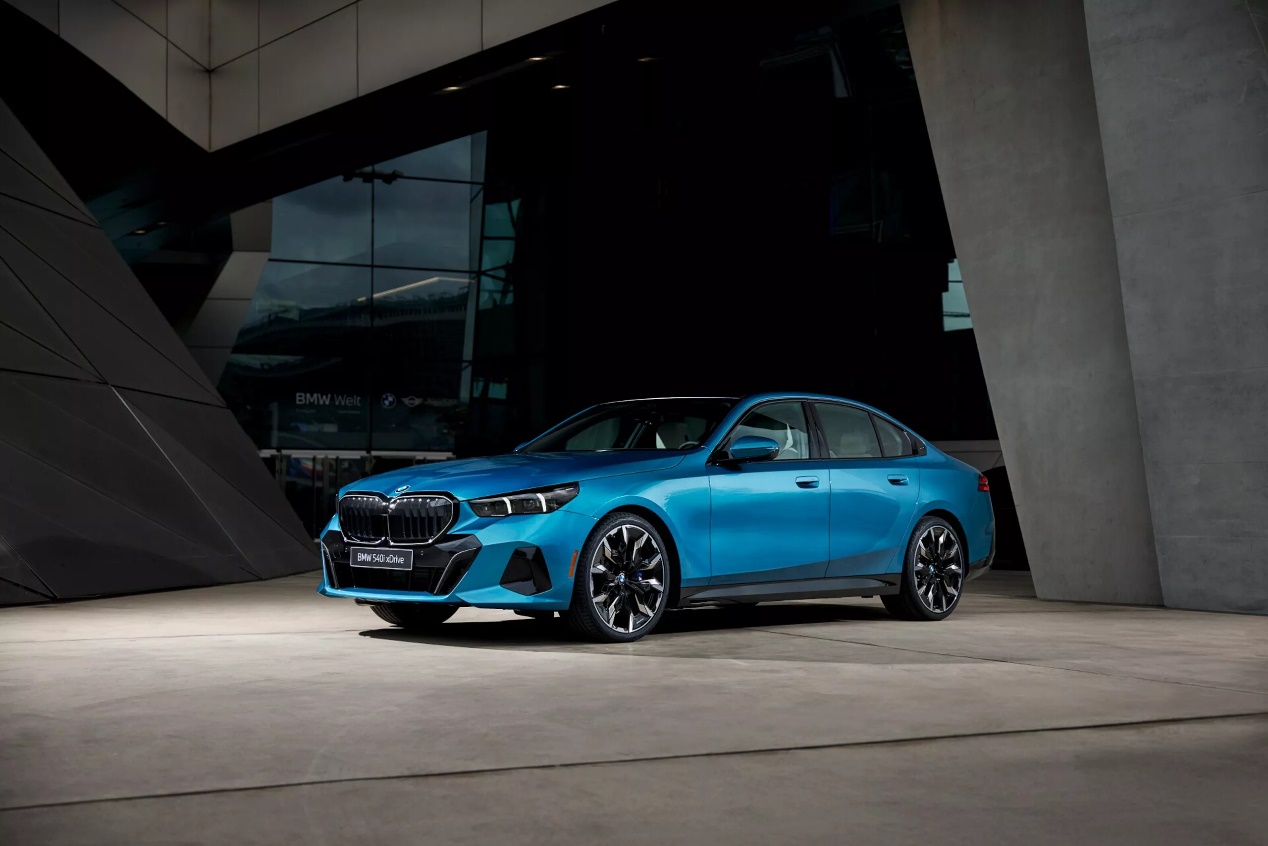
BMW trims 2025 outlook as China demand lags and US tariffs bite
Yahoo Finance· 2025-10-08 11:24
Core Viewpoint - BMW has lowered its 2025 earnings guidance due to weaker-than-expected growth in China and the impact of US import tariffs [1][2][4] Group Performance - Year-to-date volume growth has been reported in Europe and the Americas, but deliveries in China have fallen short of internal targets, leading to reduced sales expectations for the Chinese market in Q4 [1][2] - The automotive EBIT margin for 2025 is now expected to be in the range of 5% to 6%, down from the previously guided 5% to 7% [3][4] Financial Projections - The revised return on capital employed (automotive) is projected at 8% to 10%, down from 9% to 13% [4] - Group earnings before tax are expected to decline slightly, contrary to previous forecasts of being on the same level as the previous year [4] - Free cash flow in the automotive segment for 2025 is now expected to be above €2.5 billion ($2.91 billion), down from a prior expectation of above €5 billion [5] External Factors - A significant reduction in commissions from local Chinese banks related to financial and insurance products will necessitate financial support to bolster dealer profitability [2] - BMW assumes that reimbursements of customs duties from American and German authorities, totaling a high three-digit million figure, will not be received in 2025 but only paid in 2026 [4] Future Outlook - BMW plans to publish full quarterly results and the adjusted outlook on 5 November 2025 in its Quarterly Statement to 30 September 2025 [6]