
Mercedes-Benz(MBGYY)

Search documents
36氪晚报|诺基亚与意大利电信达成三年期5G合作协议;地瓜机器人与傅利叶达成深度战略合作;阿里国际站面向全球市场推出AI Mode
3 6 Ke· 2025-11-17 09:41
Group 1 - Hema's former CEO Hou Yi's pet food brand "Paitexiansheng" is closing many stores and will launch a new online brand "Chongtiantian" to recover [1] - Nokia has signed a three-year agreement with Telecom Italia to expand and upgrade its 5G network coverage and capacity [1] - Morgan Stanley predicts that the European Central Bank will lower interest rates further in the first half of next year, with German bond yields expected to be around 2.45% by the end of 2026 [1] Group 2 - Panasonic has signed a share transfer agreement with YKK to sell 80% of its residential division, PHS, while retaining a 20% stake [2] - Google has committed to invest $2.25 million to modernize public data systems in Africa to prepare for the AI era [2] - XPeng Motors expects fourth-quarter deliveries to be between 125,000 and 132,000 vehicles, with revenue projected to increase by approximately 33.5% to 42.8% year-on-year [2] Group 3 - Alibaba International Station is launching AI Mode to help global SMEs automate cross-border e-commerce procurement processes [3] - Meituan Health and SF Express have announced a strategic partnership to establish a pharmaceutical e-commerce air logistics center in Ezhou, Hubei [4] - Bawang Tea Ji has celebrated its 8th anniversary, with cumulative sales of its product "Boya Juexian" exceeding 1.25 billion cups [5] Group 4 - TotalEnergies has agreed to acquire a 50% stake in EPH's flexible power generation platform in Western Europe for €5.1 billion [6] - Momenta and BMW have announced a partnership to develop a new generation of intelligent driving assistance solutions for the Chinese market, set to be produced in 2026 [6] - "Good Friends Technology" has completed a strategic financing round of 100 million yuan from Meihua Venture Capital to accelerate the application of its photon technology in mining [6] Group 5 - Digua Robot has formed a deep strategic partnership with Fourier to promote embodied intelligent interaction using the new domestic high-performance platform RDK S600 [7] - LG Energy plans to start producing lithium iron phosphate (LFP) batteries in South Korea by 2027, with an initial production capacity of 1 GWh [8] - Mercedes-Benz CEO Ola Källenius stated that the strict deadline for phasing out new combustion engine vehicles in Europe by 2035 is no longer feasible [8] Group 6 - Zhiyuan Robotics has developed its own robot operating system "Lingqu OS," which is set to be open-sourced by the end of this year [9] - In October, China's banks settled 15,194 billion yuan and sold 13,940 billion yuan in foreign exchange [10] - Indonesia plans to impose an export tax of 7.5% to 15% on gold products starting next year to encourage domestic processing [10]





德国商界无视默茨政府“警示”:中国提供的利润太诱人,撤不走
Guan Cha Zhe Wang· 2025-11-17 08:47
Core Viewpoint - Despite the German government's concerns about dependency on China, major German exporters continue to invest heavily in the Chinese market, with a projected increase in investment from €54 billion to €57 billion between 2023 and 2024, reflecting a €1.3 billion growth [1] Group 1: Automotive Industry - The automotive sector is central to German investment in China, accounting for approximately two-thirds of total investments, with a significant growth rate of 69% expected from 2023 to 2024, reaching €42 billion [3] - Major German car manufacturers like BMW, Mercedes-Benz, and Volkswagen view China as their most important market, with BMW investing around €3.8 billion in a battery project in Shenyang and planning to export electric SUVs back to Europe [3][4] - Mercedes-Benz is developing electric vehicles exclusively for the Chinese market, while Volkswagen has signed multiple agreements with Chinese companies to accelerate technological development [3] Group 2: Chemical and Engineering Sectors - BASF has opened a comprehensive facility in China valued at €8.7 billion, marking its largest investment project to date, emphasizing the importance of the Chinese market for compensating for weak production capacity in Germany [4] - Bosch is also increasing its R&D efforts in China while reducing jobs in Germany, indicating a shift in focus towards the Chinese market [5] Group 3: Investment Trends and Challenges - Over the past five years, Germany's average annual investment in China has reached €5.2 billion, significantly higher than the €3.3 billion average from 2015 to 2019 [5] - The high costs associated with finding alternative sources for materials like rare earths and chips pose a challenge for companies, as these alternatives are often more expensive than sourcing from China [5] - The automotive industry is actively pursuing risk mitigation measures, but these efforts require political support to be effective [5][6] Group 4: Political Context and Future Outlook - The German government, under Chancellor Merz, is considering a reassessment of trade policies with China, focusing on energy, raw materials, and investments in critical infrastructure [8] - The recent visit of Germany's Vice Chancellor and Finance Minister to China aims to foster open dialogue and cooperation on macroeconomic conditions and multilateral collaboration [9]

【快讯】每日快讯(2025年11月13日)
乘联分会· 2025-11-13 08:40
Domestic News - The Ministry of Industry and Information Technology (MIIT) emphasizes the expansion of applications for power batteries across various sectors, including construction machinery, shipping, and robotics, highlighting the industry's promising future [2] - The Ministry of Public Security proposes a regulation that requires passenger vehicles to have a default acceleration time of no less than 5 seconds from 0 to 100 km/h, aiming to enhance vehicle safety [3] - Shandong Province reports a 4.7% year-on-year increase in foreign trade imports and exports for the first ten months, totaling 2.89 trillion yuan, with a notable 30.8% increase in commercial vehicle exports [4] - The 2025 World Power Battery Conference has signed 180 projects with a total value of 861.3 billion yuan, covering key areas in green energy, including power batteries and digital economy [5][6] - China FAW's Qiming Company has been approved for a key industry patent navigation project in Jilin Province, marking a significant achievement in the automotive sector [7] - Mercedes-Benz's virtual assistant has been approved for launch, becoming the first foreign enterprise AI model approved in Beijing, indicating progress in AI applications for foreign companies in China [8] - The first electric vertical take-off and landing (eVTOL) aircraft factory has begun trial production in Guangzhou, marking a significant step in the low-altitude economy [9] - The China Automotive Chip Innovation Alliance has established a RISC-V working group with several major manufacturers to promote the large-scale application of related chips [10] International News - Toyota has officially launched its battery factory in North Carolina, with plans to invest an additional $10 billion in the U.S. manufacturing sector over the next five years [11] - General Motors is developing two versions of its sixth-generation small-block V8 engines, focusing on fuel efficiency and high performance, with over $800 million already invested in R&D and production upgrades [12] - Rho Motion reports a 23% year-on-year increase in global electric vehicle sales in October, reaching 1.9 million units, driven by strong demand in major markets [13] - Waymo has launched the first highway autonomous taxi service in the U.S., providing 24/7 service in select cities [14] Commercial Vehicles - Dongfeng Dana Axle and Xirui New Energy Vehicles have entered a strategic partnership to promote the green transformation of commercial vehicles [15] - GAC's Lingcheng T9 pure electric heavy truck has officially started pre-sales, priced at 459,900 yuan, with promotional offers to stimulate market interest [16] - Ruichi Automobile's new pure electric light truck C9 has been officially announced, marking a strategic move in the new energy commercial vehicle sector [17] - Toyota has launched an upgraded version of the Hilux pickup truck in Thailand, aiming to increase production and sales in emerging markets [19]



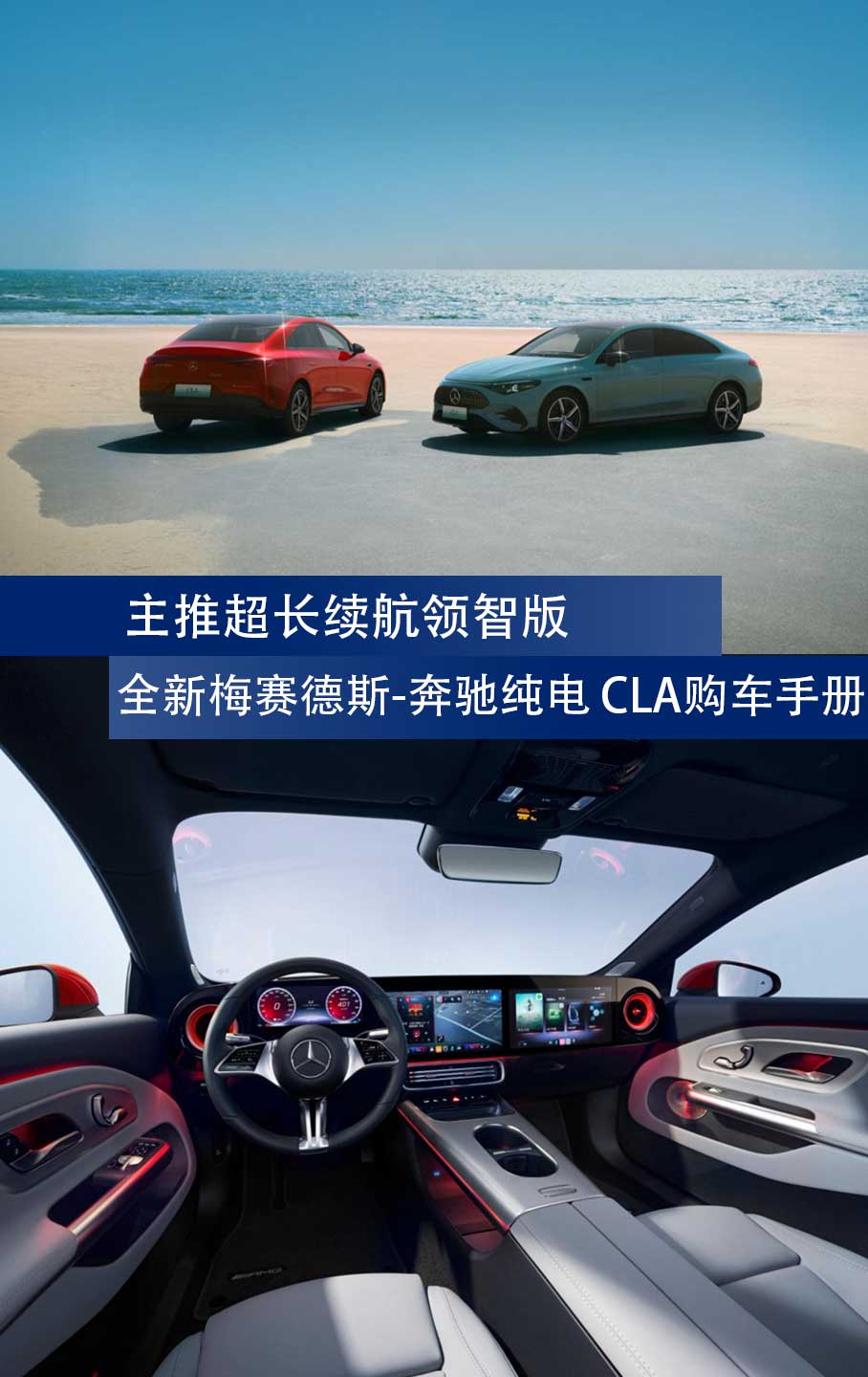
全新梅赛德斯-奔驰纯电 CLA购车手册:主推超长续航领智版
Zhong Guo Zhi Liang Xin Wen Wang· 2025-11-11 09:21
Core Insights - The all-new Mercedes-Benz pure electric CLA was unveiled as the first domestic model on the MMA electric platform, targeting young consumers who value both luxury and practicality [1][15] - The vehicle features a sleek design with a focus on efficiency, intelligence, and safety, appealing to the "refined pragmatism" of its target demographic [1][15] Model Configurations - The new Mercedes-Benz pure electric CLA is available in three configurations: 300L Long Range, 300L Long Range Intelligent Edition, and 300L Long Range Champion Limited Edition, with differences primarily in exterior features, lighting systems, and sport packages [3][4] Pricing and Features - The pricing for the models is as follows: 300L Long Range at 249,000 CNY, 300L Long Range Intelligent Edition at 285,600 CNY, and 300L Long Range Champion Limited Edition at 290,000 CNY [4][11] - The top model includes AMG body style components, while the lower and mid-tier models focus on a more understated luxury design [4] Interior and Comfort Features - Interior configurations vary mainly in comfort features and materials, with standard offerings including ambient lighting, heated front seats, and a Burmester® 3D surround sound system in higher trims [5][6] - The mid-tier model adds a front passenger display screen, enhancing the in-car experience for families [6] Smart Technology and Connectivity - All models come equipped with a dual-screen system featuring a 10.25-inch instrument cluster and a 14-inch central display, supporting touch and voice controls for navigation and media [6] - Advanced connectivity features include a 5G communication module and various smart interaction systems [6] Safety and Driver Assistance - The CLA is equipped with the MB.DRIVE driver assistance system, with lower-tier models focusing on long-distance travel features, while mid-tier models add urban navigation assistance [7][8] - Passive safety features are consistent across all models, emphasizing the brand's commitment to safety with standard knee airbags and other protective systems [8] Performance Specifications - All three models share the same powertrain, featuring a single motor rear-wheel drive system with a maximum power of 200 kW and a peak torque of 327 N·m, achieving a CLTC range of 866 km [11] - The vehicle supports rapid charging, allowing for a 10-80% charge in just 22 minutes [11] Market Positioning - The 300L Long Range Intelligent Edition is highlighted as offering the best value for those with a budget, while the Champion Limited Edition caters to luxury enthusiasts seeking exclusivity [13][15] - The CLA aims to provide a blend of luxury and practicality in the 250,000 CNY electric vehicle market, appealing to a diverse range of consumers [15]
当奔驰全员换上“红头像”:一款24.9万的CLA与它的价值保卫战
2 1 Shi Ji Jing Ji Bao Dao· 2025-11-08 13:29
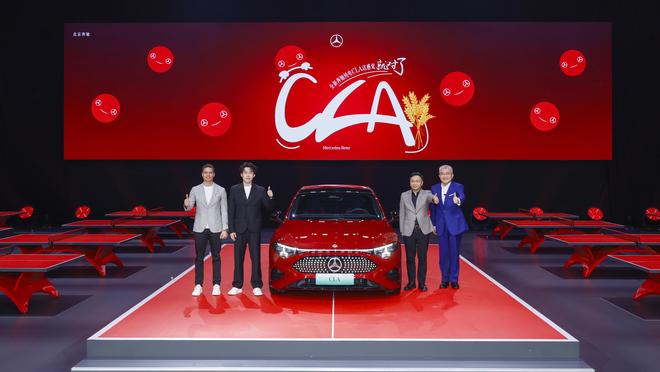
Core Insights - The launch of the all-new Mercedes-Benz pure electric CLA marks a significant step in the company's electric and intelligent transformation, symbolizing a new strategic pivot for the brand in the Chinese market [1][11][15] Product Features - The new CLA is built on the "oil-electric dual action" MMA platform, featuring an 800V high-voltage architecture and the world's first electric two-speed transmission, achieving a CLTC range of 866 kilometers and an energy consumption of 10.9 kWh per 100 kilometers [2][7] - The vehicle has undergone extensive testing, including 150 real vehicle crash tests and an additional 30 for local models, with nearly 500 million kilometers of real-world durability testing [5][6] Safety Standards - Mercedes-Benz emphasizes safety as a core value, with the CLA featuring 11 standard airbags and advanced battery safety measures that exceed new national standards [3][5] - The design includes a modular aluminum chassis specifically for electric vehicles, enhancing safety and battery protection [6][7] Market Strategy - The CLA is positioned as a new starting point for Mercedes-Benz in smart and electric vehicle manufacturing, with plans to introduce seven China-exclusive models by 2027 [11][12] - The marketing strategy includes collaborations with brands like McDonald's and League of Legends, aiming to attract younger consumers and reshape the brand's image [10][11] Sales and Distribution - The company has implemented immersive training for over 1,700 sales staff to ensure they can effectively communicate the product's value [12] - Mercedes-Benz is shifting from a focus on network expansion to enhancing dealer efficiency and service quality [13][14] Corporate Responsibility - The company maintains a commitment to corporate social responsibility, exemplified by rapid disaster response efforts and long-term educational initiatives [13][14]
王楚钦加码赋能,奔驰纯电CLA想和年轻人交个朋友
Guan Cha Zhe Wang· 2025-11-07 07:46
Core Insights - The launch of the new Mercedes-Benz pure electric CLA marks a strategic shift towards engaging younger consumers, with a focus on simplicity and direct communication in its marketing approach [1][14] - The vehicle is positioned competitively in the Chinese electric vehicle market, with a starting price of 249,000 yuan, directly targeting competitors like Tesla Model 3 and local brands [14] Product Launch Details - The CLA is available in three models with prices set at 249,000, 285,600, and 299,900 yuan [1] - The launch event featured a unique approach with minimal product explanation and immediate price disclosure, aiming to resonate with younger audiences [1][5] Brand Ambassador and Social Initiatives - Wang Chuqin, a world champion and representative of the younger generation, has been appointed as the brand ambassador, promoting educational initiatives in rural schools [3][14] - The collaboration aims to enhance the quality of education for over 100 schools in the next four years, integrating various educational content [3] Technological Innovations - The CLA is the first model based on Mercedes' self-developed MB.OS architecture, emphasizing local development and user experience tailored to Chinese consumers [9][11] - It features advanced hardware, including a Qualcomm Snapdragon 8295 chip and multiple display screens, enhancing the smart cockpit experience [9] Safety and Performance - The vehicle boasts a range of 866 km (CLTC standard) and a charging power of up to 320 kW, with a focus on energy efficiency at 10.9 kWh/100 km [13] - Safety features include 11 airbags and extensive pre-launch testing, adhering to new electromagnetic safety standards set to be implemented by 2026 [13] Market Positioning - The CLA aims to differentiate itself from competitors through its brand prestige and engineering capabilities, while also addressing the pain points of price comparison in the car buying process [14] - Mercedes-Benz plans to leverage this model as part of a broader strategy to strengthen its market presence in the competitive Chinese electric vehicle landscape [14]
全新梅赛德斯-奔驰纯电CLA上市
Yang Shi Wang· 2025-11-06 13:12
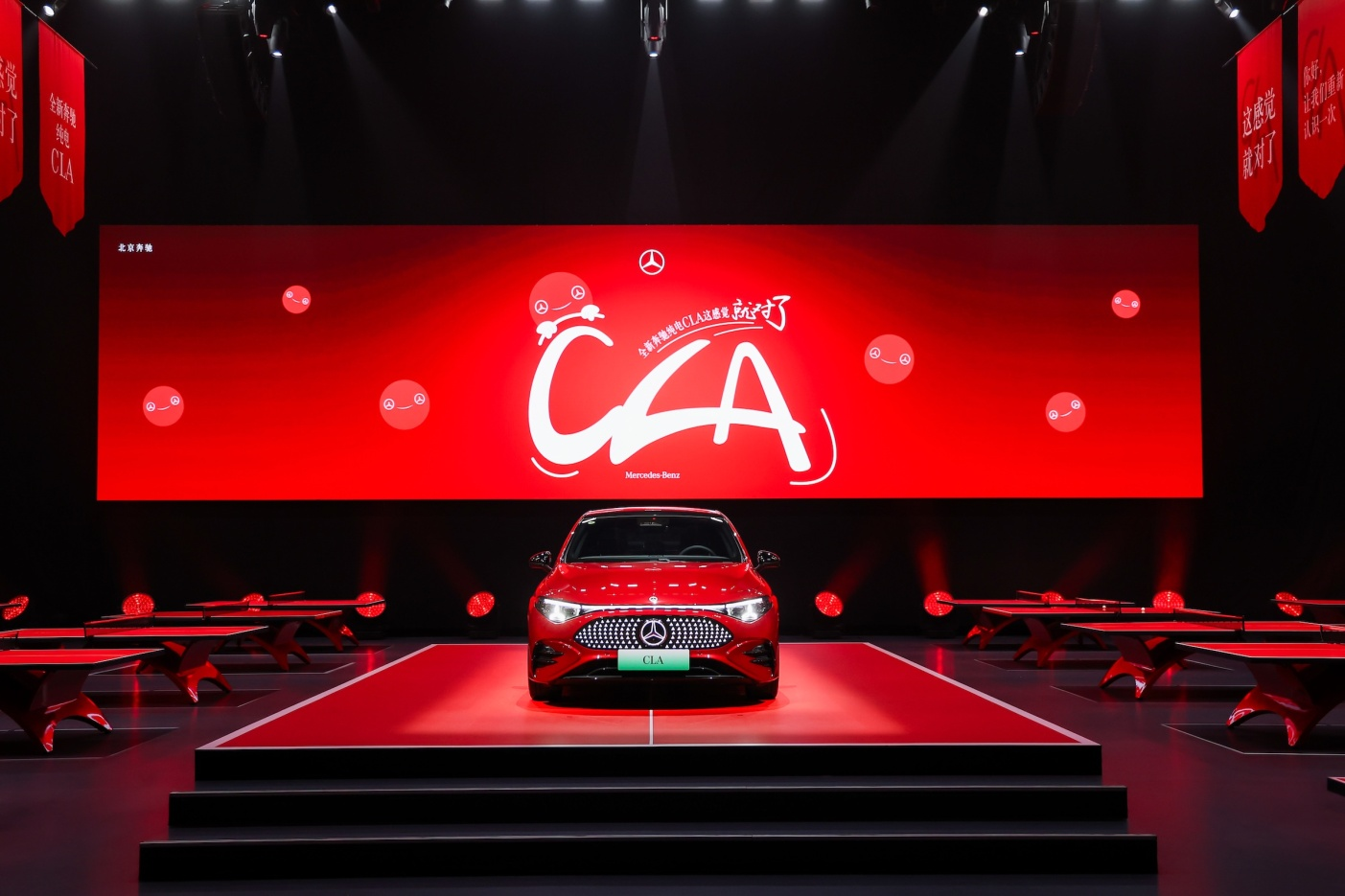
Core Insights - The all-new Mercedes-Benz pure electric CLA has officially launched, offering three models with prices ranging from RMB 249,000 to RMB 299,900 [1][3] Group 1: Product Features - The new electric CLA features advanced technologies including high nickel positive electrodes, silicon oxide negative electrodes, an 800-volt electrical system, and a dual-speed electric transmission, making it a benchmark for energy efficiency [3][5] - It achieves a low energy consumption of 10.9 kWh per 100 km and a CLTC range of 866 km, with a maximum charging power of 320 kW [5][7] - The vehicle is equipped with an AI-enabled smart cockpit and a navigation assistance system tailored for the Chinese market, supporting functions like intelligent lane changing and parking assistance [7] Group 2: Safety and Design - The new CLA comes standard with 11 airbags and has undergone over 180 real vehicle crash tests, achieving multiple safety certifications [7] - The design retains the classic aesthetics of Mercedes-Benz coupes, featuring a star-patterned closed grille and customizable sound experiences [7][9] Group 3: Marketing and Social Responsibility - Mercedes-Benz has partnered with McDonald's for a special vehicle design and collaborated with League of Legends for artistic projects [9] - The company has launched a youth education initiative in partnership with brand ambassador Wang Chuqin, aiming to provide educational resources to over 100 schools in the next four years [9]
5日欧洲三大股指集体收涨
Sou Hu Cai Jing· 2025-11-06 01:04
Core Viewpoint - European stock markets rebounded from a tech stock sell-off, driven by positive earnings reports, particularly from BMW, which met analyst expectations [1] Group 1: Company Performance - BMW reported a decline in multiple performance indicators for Q3 of the 2025 fiscal year, but its earnings before interest reached €2.3 billion, aligning with analyst forecasts [1] - BMW's stock price increased by 6.85% on Wednesday, positively impacting the German automotive sector [1] - Mercedes-Benz and Volkswagen also saw stock price increases of 3.54% and 2.43%, respectively, following BMW's performance [1] Group 2: Market Trends - Chemical and industrial stocks performed well, contributing to the overall rise of Europe's three major stock indices on Wednesday [1] - The UK stock market rose by 0.64%, the French stock market saw a slight increase of 0.08%, and the German stock market gained 0.42% by the end of trading [1]
梅赛德斯-奔驰佟欧福:以终为始同赴“零排放”,商责并举共建“美丽中国”
Zhong Guo Jing Ji Wang· 2025-11-05 04:50
Core Viewpoint - Mercedes-Benz emphasizes its commitment to sustainable development through continuous investment and strategic initiatives, highlighted by the launch of the new electric CLA model and partnerships aimed at achieving carbon neutrality by 2039 [1][5][11]. Group 1: Sustainable Development Initiatives - Mercedes-Benz has launched a public welfare cooperation project with Sanjiangyuan National Park and published the "Mercedes-Benz Group China Sustainable Development Blue Book 2024-2025" [1]. - The company aims for "zero emissions" in transportation, which influences its entire product lifecycle and investment strategies [3][5]. - The new electric CLA model, set to launch in early November, showcases the company's commitment to sustainability through its design, materials, and technology [5]. Group 2: Collaboration and Partnerships - Mercedes-Benz is enhancing collaboration with local partners to achieve sustainability goals, with nearly all suppliers signing a "Vision Intent Letter" by June 2025 to commit to carbon neutrality [7][9]. - The company is leveraging local innovations, such as ByteDance's virtual assistant and Momenta's smart driving solutions, while adhering to strict safety standards [8][7]. Group 3: Alignment with National Policies - The company's sustainability vision aligns with China's "14th Five-Year Plan," which emphasizes green transformation and carbon neutrality [9][11]. - Beijing Benz has achieved carbon peak in 2022 and is now focused on reducing its carbon footprint by approximately 60% compared to 2022 [11]. Group 4: Corporate Social Responsibility - Mercedes-Benz has invested over 360 million yuan in public welfare since 2007, benefiting over 100 million people through various projects [14]. - The company supports biodiversity, cultural heritage, and education initiatives, including a carbon-neutral talent education program with Tsinghua University [14][12]. - The "Safe Journey" project has reached over 260,000 students across 210 schools, emphasizing the importance of traffic safety education [14].

九重之下尽显匠心匠技 五载发掘探秘紫禁城“地下史书”
Zhong Guo Qi Che Bao Wang· 2025-11-04 09:43
Core Insights - The Mercedes-Benz Star Fund has been actively involved in cultural heritage preservation and community support in China for 15 years, creating a significant impact through various projects [1][8] - The recent exhibition "Under Nine Layers: Archaeological Achievements of the Palace Museum's Workshop" showcases the results of a five-year archaeological project supported by the Star Fund, highlighting the historical significance of the Forbidden City [3][5] Group 1: Cultural Heritage Initiatives - The Star Fund has established a strategic partnership with the Palace Museum since 2018, focusing on cultural heritage preservation, archaeological research, and youth education [7] - The archaeological project at the Palace Museum's workshop has uncovered approximately 2,300 square meters of historical remains, providing valuable insights into the architectural history of the Forbidden City [5][7] - The Star Fund has also supported the "Gyeongbokgung Palace Research Protection" project and various educational activities aimed at promoting traditional culture among youth [7] Group 2: Corporate Social Responsibility - Mercedes-Benz emphasizes a dual commitment to business development and corporate social responsibility in China, with the Star Fund being a key platform for its philanthropic efforts [8] - The Star Fund has implemented nearly 100 projects across various sectors, benefiting over 100 million people, and is the only international automotive brand with long-term partnerships with both the Palace Museum and the Dunhuang Research Institute [8]
