
NTES(NTES)

Search documents
谁会是AI时代的下一个任天堂?
新财富· 2025-04-03 06:04
Core Viewpoint - The article discusses the transformative impact of AI on the gaming industry, highlighting the evolution of NPCs and the emergence of AI-native games, while questioning the current state and future direction of AI in gaming [1]. Group 1: AI in NPC Development - The initial demand for AI in gaming is to mimic human behavior, particularly in NPCs, which are crucial for player interaction [3][4]. - Traditional NPC design relied on behavior trees and finite state machines, but these methods are limited in creating truly human-like interactions [5]. - The integration of large language models into NPC behavior aims to enhance their expressiveness and interaction capabilities [6][7]. - Major gaming companies in China, such as NetEase and Tencent, are rapidly adopting AI for NPCs, enhancing their conversational and behavioral realism [9][11]. Group 2: Rise of Text-Based AI Native Games - Character.ai has emerged as a leading platform for AI-driven text-based games, achieving significant user growth, with MAU increasing from 30 million to 63 million within a year [13][16]. - The platform appeals particularly to younger audiences, with 66% of users aged 18-24, indicating a strong demand for emotional companionship through AI [16]. - Text-based adventure games are well-suited for AI integration, allowing for deep interaction with NPCs, which aligns with current AI capabilities [17][21]. Group 3: Challenges in Game AI Development - The gaming industry lacks high-quality, stable, and quantifiable datasets necessary for training specialized AI models, which hampers the development of vertical AI tools for gaming [25][30]. - The dynamic and interactive nature of games complicates the quantification of gameplay experiences, making it difficult to create effective AI models [29][30]. Group 4: AI as a Development Tool - AI is increasingly being used as a production tool in game development, with 52% of companies reportedly utilizing generative AI tools [33]. - Companies like Roblox and Tencent are leading in the development of AI-generated 3D assets, enhancing the efficiency of game development processes [34][38]. Group 5: Future of AI in Gaming - The article suggests that the next generation of gamers, who are growing up with AI technologies, will shape the future of AI-native games and potentially become developers and investors in this space [42].




互联网及教育行业:2025年关注竞争格局稳定下的变现提升潜力及出海进展
BOCOM International· 2025-04-02 12:35
Investment Rating - The report assigns a "Buy" rating to multiple companies in the internet and education sector, including Tencent, Alibaba, Pinduoduo, Meituan, JD, NetEase, Ctrip, Baidu, Kuaishou, and others [4]. Core Insights - The report highlights that companies with rapid business adjustments and improved commercialization capabilities have shown strong revenue growth, while larger companies have maintained their leading positions despite a slowdown in growth [5][6]. - In 2025, companies are expected to enhance their monetization capabilities and explore overseas expansion to drive revenue growth, with a focus on new business initiatives and long-term strategic planning [3][5]. - The OTA industry is projected to grow approximately 10% driven by international business, while the e-commerce sector benefits from consumption stimulus policies and low base effects [3][5]. - Local lifestyle services are expected to see revenue growth between 15-20%, supported by platform monetization and operational improvements [3]. - The gaming industry is anticipated to grow by 10% in 2025, driven by new game launches and effective operations [3]. - Cloud services remain a key area of focus, with significant potential driven by demand for computing power and AI applications [3]. - The entertainment sector is expected to maintain steady growth in music subscription revenue, while long video platforms may see effects from short drama layouts [3]. Summary by Sections Revenue Growth - Companies with high revenue growth (20%-60%) are primarily those undergoing strategic expansion and business adjustments, such as education training, OTA, Pinduoduo, Meituan, and others [5]. - Companies with moderate revenue growth (10-19%) face some business pressures but have other segments performing well, such as New Oriental and Bilibili [6]. - Companies with low revenue growth (0-9%) still outpace GDP growth, with Tencent showing continuous improvement in monetization [6]. Profit Growth - Profit growth for most internet companies is driven by cost reduction and efficiency improvements, with leading companies benefiting from high-margin business growth [10]. - The report indicates that companies are focusing on optimizing their business structures to enhance profitability [10]. R&D and Capital Expenditure - R&D expenses are increasing due to heightened investments in AI, while some reductions are attributed to the scaling back of non-strategic projects [14]. - Capital expenditures for major companies like Tencent and Alibaba are projected to increase significantly, with a large portion allocated to AI-related initiatives [17]. Shareholder Returns - The report outlines various companies' shareholder return strategies, with many focusing on share buybacks and stable dividend payouts [18]. - Companies like Alibaba and JD have substantial buyback plans, indicating a commitment to returning value to shareholders [18]. Institutional Holdings - The report notes changes in institutional holdings, with several companies seeing increased ownership percentages, particularly in AI-related sectors [19][21]. - The report highlights the top companies with increased institutional holdings, indicating a positive outlook from investors [20].


早报 (03.29)| 关税重磅!特朗普最新发声;美股全线暴跌;市场监管局对长和港口交易审查


Ge Long Hui· 2025-03-29 01:56
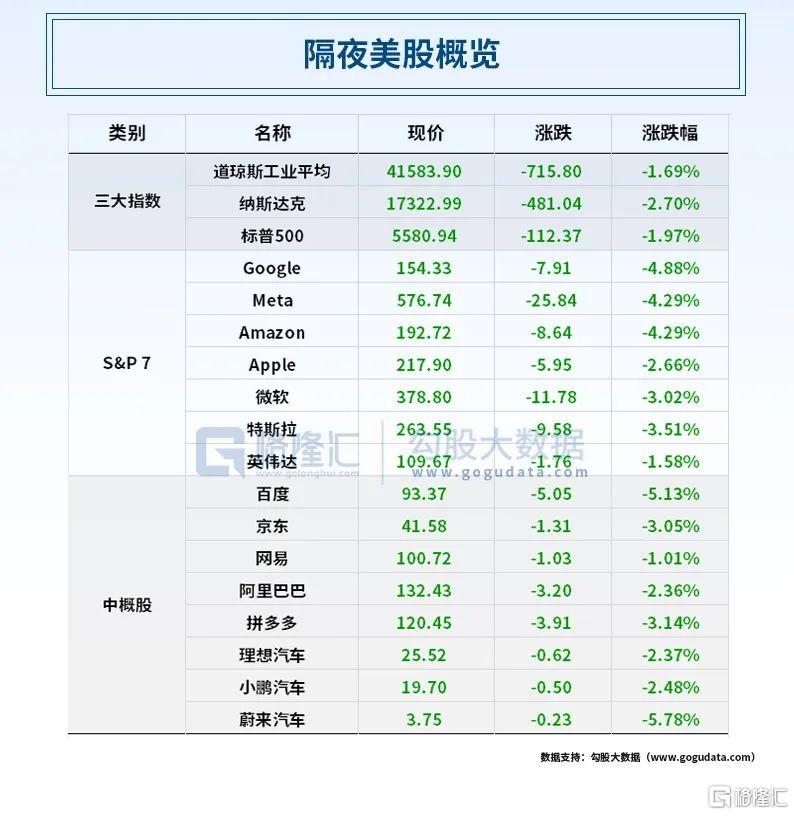
Group 1: US Tariff Plans and Market Reactions - President Trump plans to announce new tariffs in the coming days, indicating a willingness to negotiate tariff agreements with other countries, but any agreements will likely occur after the tariffs take effect on April 2 [1] - The US stock market saw significant declines, with the Nasdaq dropping 2.7%, the S&P 500 down 1.97%, and the Dow Jones falling 1.69% [1][4] Group 2: Technology Sector Performance - Major tech stocks experienced declines, with Netflix, Google, Amazon, and Meta falling over 4%, while Tesla, Microsoft, and Intel dropped over 3% [2] - The Nasdaq Golden Dragon China Index fell by 3.11%, with popular Chinese stocks like Baidu and NIO dropping over 5% [2] Group 3: IPO Market Developments - Wolfspeed's stock plummeted approximately 52%, marking the worst single-day performance for an IPO in the US [3] - CoreWeave's IPO closed flat at $40 on its first day of trading [3] Group 4: Commodity Market Trends - COMEX gold futures for June rose by 0.59% to $3116.6, marking a weekly increase of 2.26% [4] - WTI crude oil futures for May fell by 0.8% to $69.36 per barrel, with a weekly increase of 1.58% [4] Group 5: Regulatory and Taxation News - The Trump administration is unexpectedly considering higher taxes on the wealthy, which could provide room for other priority issues [6] - The EU plans to impose mild penalties on Apple and Meta under its digital market regulations, potentially leading to fines amounting to billions of dollars [8] Group 6: Market Movements and Trends - The six major state-owned banks in China reported a total net profit of approximately 1.4 trillion yuan for 2024, averaging about 38 billion yuan per day [17] - The Chinese central bank stated that current financial risks are overall controllable, with the financial system's resilience expected to improve as the macro economy recovers [20]
科技未来:我,机器人——2035 年人工智能现状
2025-03-27 07:29
Summary of Key Points from the Conference Call Industry Overview - The focus is on the **China Internet sector** and its intersection with **AI technology** development, particularly in the context of gaming and content creation [7][11][12]. Core Insights and Arguments 1. **Faster AI Development in China**: The AI application layer is expected to develop more rapidly in China than in the West due to a large, culturally homogenous user base and diverse commercial intents on Chinese Internet platforms [7][12][13]. 2. **User Engagement Trends**: Internet users in China are anticipated to leverage AI for increased productivity and content consumption, leading to a rise in short-form video engagement [3][42]. 3. **Content Quality vs. Quantity**: The proliferation of AI-generated content may lead to a bifurcation in media, emphasizing the importance of quality storytelling and emotional connection with creators [4][23]. 4. **AI's Role in E-commerce**: AI is expected to enhance user experiences by streamlining the purchasing process and automating fulfillment, potentially transforming how consumers interact with e-commerce platforms [19][45]. 5. **Long-term Media Consumption**: The expectation is that AI will lead to more media consumption, with a notable shift towards short-form video platforms, which have seen significant growth in user engagement [42][49]. Important but Overlooked Aspects 1. **Cultural Factors**: The unique "996" work culture in China may accelerate the iteration of AI applications, contributing to faster adoption and development [13]. 2. **Trust in AI**: There is a higher level of trust in AI among Chinese users compared to their Western counterparts, which may facilitate quicker adoption of AI technologies [31][34]. 3. **Walled Gardens**: The structure of China's Internet, characterized by walled gardens, reduces the risk of disruption from AI agents, allowing major platforms to maintain their roles [33][44]. 4. **Human Touch in AI Era**: As AI automates many tasks, the value of human interaction and creativity may become a premium commodity, contrasting with the abundance of AI-generated content [4][23][52]. Valuation and Investment Implications 1. **Positive Outlook for China Internet Stocks**: Companies like Tencent, Meituan, and Alibaba are highlighted as top picks due to their strong positions in the evolving AI landscape [9][10]. 2. **Valuation Comparisons**: The valuation multiples for Chinese Internet companies are approaching those of their US counterparts, indicating a potential for growth [10][12]. 3. **Market Dynamics**: The medium-term outlook for the sector remains constructive, despite short-term volatility in stock prices [9][10]. Conclusion - The conference call presents a comprehensive view of the future of AI in the China Internet sector, emphasizing rapid development, changing user behaviors, and the importance of quality content amidst an influx of AI-generated material. The investment landscape appears promising, with key players positioned to benefit from these trends.
政策转向,游戏行业的上市潮要来了吗?
Sou Hu Cai Jing· 2025-03-25 11:57
Core Viewpoint - The article discusses the potential resurgence of IPOs for gaming companies in China due to a policy shift that supports cultural industries, signaling a possible wave of listings in the A-share market [1][8][9]. Group 1: Historical Context - The journey of gaming companies to list in China has been fraught with challenges, starting with the first listing of Shenzhen Zhongqingbao Interactive Network in 2010, followed by several others until regulatory tightening in 2016 halted new listings [2][5]. - After 2016, no gaming companies successfully passed the IPO review for two years, leading many to seek listings overseas, such as in Hong Kong or the U.S. [5][6]. Group 2: Policy Shift - In January 2025, the Chinese government announced new policies to support cultural enterprises, including gaming companies, in listing and refinancing, marking a significant change in the regulatory environment [8][9]. - The acceptance of Jiangsu Yuanli Digital Technology's application for listing on the Beijing Stock Exchange is seen as a breakthrough, indicating a more favorable regulatory stance towards gaming companies [9]. Group 3: Market Performance - The gaming sector has shown signs of recovery, with the China gaming market's actual sales revenue increasing and user numbers reaching new highs in 2024 [11]. - A-share gaming companies have begun to report improved financial performance, although there is a noticeable divergence between leading firms and smaller companies [11][12]. Group 4: Potential IPO Candidates - Notable candidates for potential A-share listings include NetEase, XD Inc. (parent of TapTap), and Hero Entertainment, all of which have shown strong market presence and financial performance [15][16][18]. - MiHoYo, known for its hit game "Genshin Impact," and Eagle Horn Network, recognized for "Arknights," are also considered strong contenders for future listings due to their substantial growth and market influence [19][21]. Group 5: Market Impact - The anticipated influx of new gaming companies could disrupt existing stocks, with investor attention potentially shifting towards new entrants, which may lead to short-term volatility in stock prices [22]. - The overall valuation of gaming companies in A-shares may adjust as the market reassesses the investment value of the gaming sector, moving from a "policy risk discount" to a "growth premium" [22][24]. Group 6: Future Outlook - The successful listing of multiple gaming companies could lead to a more comprehensive gaming industry sector in the domestic capital market, enhancing opportunities for companies across various segments [28][30]. - While the policy shift presents new opportunities, there is a caution against potential market overheating and the need for companies to focus on genuine value creation rather than speculative trading [28][30].






开源证券:开源晨会-20250325
KAIYUAN SECURITIES· 2025-03-25 08:29
Group 1 - The report highlights the recent performance of the CSI 300 and ChiNext indices, showing a decline of 32% and 16% respectively over the past year [2] - The top-performing sectors yesterday included non-ferrous metals, home appliances, and banks, with respective gains of 1.14%, 0.95%, and 0.88% [2] - Conversely, the worst-performing sectors included computers, real estate, and defense, with declines of 1.92%, 1.77%, and 1.68% [2] Group 2 - The fixed income analysis indicates that high real interest rates are not a sufficient condition for interest rate cuts, emphasizing that current monetary policy is already supportive of the real economy [8][10] - The report discusses the efficiency of monetary policy transmission in China, stating that changes in policy rates directly influence lending rates without the need for intermediary market adjustments [11] - It is noted that the actual interest rate is more of an academic concept with limited impact on the real economy, as evidenced by the U.S. experiences during past crises [12] Group 3 - The automotive sector is witnessing significant advancements in autonomous driving technology, with multiple companies announcing progress towards Level 3 capabilities expected to be achieved by 2025 [20][21] - BYD has made notable announcements regarding its charging infrastructure and vehicle sales, indicating strong market activity and consumer interest [19] - The report emphasizes the importance of the automotive industry's transition to higher levels of automation and the competitive landscape among various manufacturers [20] Group 4 - The service consumption sector is experiencing robust growth, with travel bookings for the Qingming Festival showing positive trends, and companies like Tongcheng reporting significant revenue increases [26] - The education sector is also highlighted, with companies like Excellence Education Group and Thinking乐 reporting impressive revenue and profit growth, indicating a strong market recovery [27] - The report notes that the average per capita service consumption expenditure in China is expected to exceed 50% by 2030, reflecting a growing trend in service-oriented spending [27] Group 5 - In the chemical industry, the report indicates a continued upward trend in organic silicon prices, driven by strong manufacturer pricing intentions and potential supply shortages [32] - The urea market is also showing signs of recovery, with prices slightly increasing due to various market dynamics, including reduced inventories and seasonal demand [33] - The report recommends several companies in the chemical sector, including 合盛硅业 and 兴发集团, as potential investment opportunities [35] Group 6 - The media sector is focusing on AI applications and gaming, with significant developments in virtual reality films expected to enhance audience engagement and revenue generation [42] - The report highlights the approval of numerous new games, indicating a healthy pipeline for the gaming industry, which is expected to contribute positively to revenue growth [41] - Companies like Tencent and NetEase are recommended for their strong positions in the gaming market and ongoing innovations in AI technology [40]



突破大厂封锁,中小游戏团队靠AI逆袭?
3 6 Ke· 2025-03-24 10:21
Core Insights - The article discusses how small and medium-sized game development teams are leveraging AI technology to create successful games, potentially disrupting the dominance of larger companies in the gaming industry [1][3][4]. AI Cost Reduction - The introduction of open-source AI, particularly DeepSeek, significantly lowers the cost of game development, making it accessible for smaller teams [10][12]. - The cost of using DeepSeek's AI is reported to be 1/20 of previous models, which could change the competitive landscape of the industry [10][12]. Game Development Efficiency - AI can enhance game development efficiency by over 30%, allowing smaller developers to bypass traditional high-cost barriers [12]. - The training cost for AI models is only 1/10 of GPT-4, and the API call price is significantly lower than industry averages [11]. Innovation and Market Opportunities - The article highlights the emergence of innovative AI-driven games from small teams, such as Shanghai Meowjito, which has released multiple successful titles in a short period [3][4]. - Predictions indicate that by 2026, 70% of independent games will utilize AI-assisted development, reducing costs by over 50% [12]. Competitive Landscape - Major gaming companies are also integrating AI into their products, indicating a shift in the industry where both large and small developers are adopting AI technologies [13][15]. - Smaller teams are expected to thrive by focusing on niche markets and utilizing low-cost AI tools to create unique gaming experiences [19][20]. Challenges and Risks - Despite the advantages, there is a risk of homogenization in game design, as many small teams may produce similar content due to the ease of access to AI tools [22][24]. - The article emphasizes the importance of creativity and unique game design, suggesting that the true value lies in the developers' ability to innovate beyond the technology [24].

从游戏到矿山:网易AI技术如何打破产业边界?丨洞见价值·港股新质生产力巡礼
证券时报· 2025-03-19 04:30
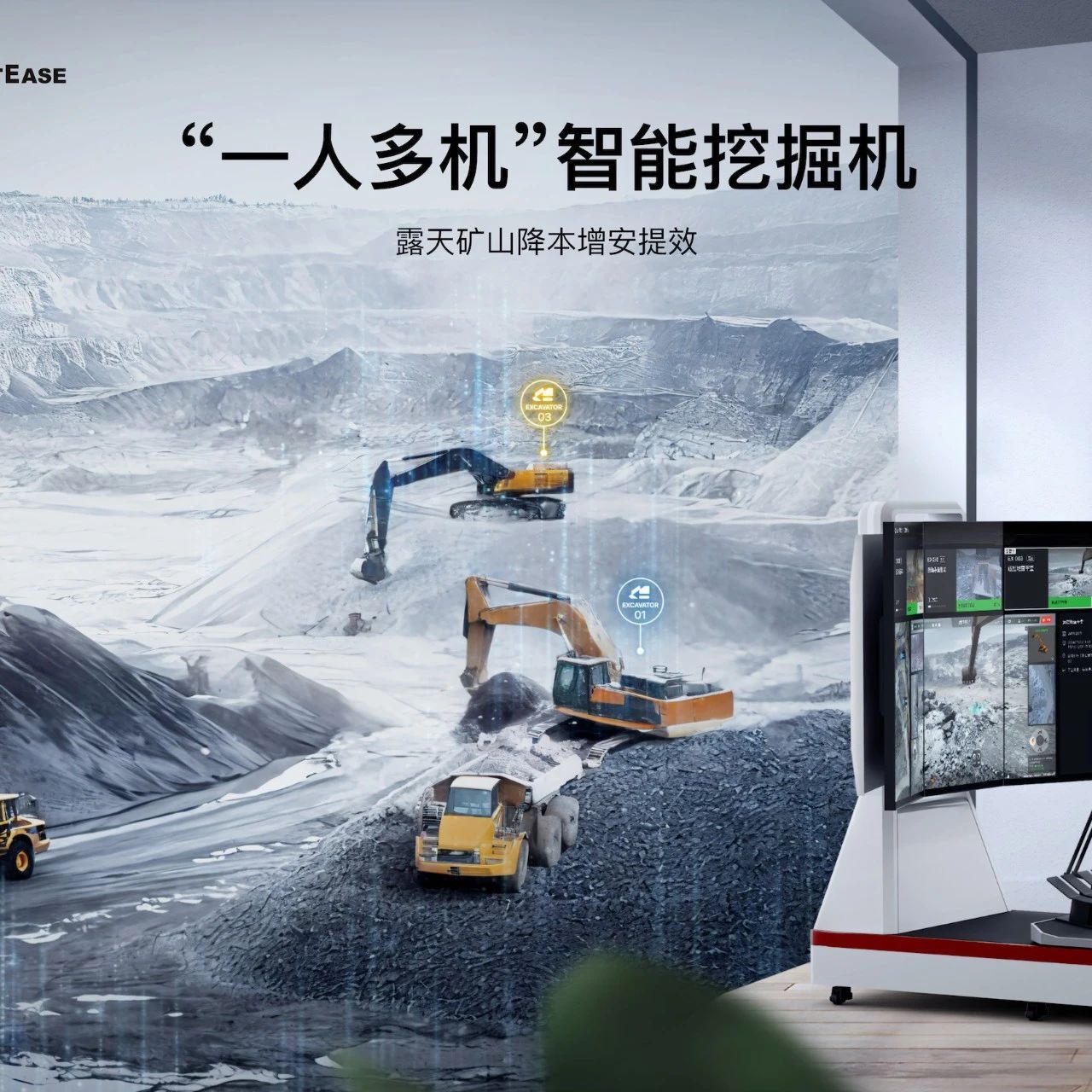
Core Viewpoint - The article highlights how Chinese internet companies, exemplified by NetEase, are leveraging technological advancements to bridge the gap between the virtual and real economies, thereby driving new productive forces in various industries [1]. Group 1: Company Overview - NetEase reported a significant R&D investment of 17.5 billion yuan for the year 2024, with a R&D intensity of 16.6%, marking five consecutive years of over 10 billion yuan in R&D spending [3]. - The establishment of the NetEase Fuxi AI Lab in 2017 has been pivotal in exploring the application of AI technologies across various sectors, including education, music, enterprise services, and gaming [3][4]. Group 2: AI and Industrial Applications - The integration of AI with engineering machinery is a key focus for NetEase Lingdong, enabling remote control of excavators and loaders, thus achieving automation in construction tasks [6]. - The "Industrial Big Model + Game-based AI Technology" dual innovation system is central to NetEase Lingdong's competitive advantage, allowing for a transition from mechanical execution to autonomous decision-making [6][7]. Group 3: Strategic Collaborations and Innovations - A strategic partnership with XCMG was established to innovate and apply technologies in the engineering machinery sector, resulting in the launch of automated products for unmanned operations in challenging environments [9]. - The "Black Lamp Construction Site" product can operate in complete darkness, achieving a production efficiency of 120% compared to traditional methods, while reducing energy consumption by 15% and overall operational costs by 30% [9]. Group 4: Future Directions and Ecosystem Development - The release of the embodied intelligent solutions by NetEase Fuxi marks a new phase in the development of humanoid robotics, with applications already penetrating over 50 real-world economic scenarios [10]. - The company aims to replicate successful technology applications across various high-value scenarios, emphasizing a collaborative approach with partners to enhance the integration of AI technologies into diverse industries [10].
游戏行业探寻系列报告(三):二手游戏道具交易:一种新的游戏数字资产交易形式
Hua Yuan Zheng Quan· 2025-03-10 23:43
Investment Rating - The report maintains a "Positive" investment rating for the gaming industry [4] Core Insights - The gaming industry is experiencing rapid market expansion, with the virtual goods trading market in China reaching a total scale of 742.5 billion yuan in 2023 [5][12] - The industry is evolving towards a more mature three-tiered supply chain, consisting of game developers, distributors, trading platforms, and end-users [5][12] - The report highlights the increasing diversification of trading goods, including accounts, items, in-game currency, and services [5][12] Summary by Sections 1. Gaming Trading Industry Market and Leading Platforms - The gaming trading market is rapidly expanding, with a total market size of 742.5 billion yuan in 2023, including segments for equipment (248.7 billion yuan), currency (253.9 billion yuan), consumables (190.1 billion yuan), accounts (5.2 billion yuan), and boosting services (33.4 billion yuan) [12] - The industry has formed a mature three-tier supply chain, with upstream players including game developers and studios, midstream trading platforms, and downstream players being the gamers [12][15] 2. Feasibility of Data Asset Trading in Cultural and Digital Exchanges - The report discusses the legal protection of virtual assets in online games, indicating that the legal framework is evolving to support such transactions [46] - The trading of virtual goods is seen as a growing trend, with cultural and digital exchanges like the Zhejiang Cultural Exchange gaining traction in facilitating these transactions [51] 3. Growth Drivers of the Second-Hand Trading Market - From the manufacturer’s perspective, a mature second-hand trading system is crucial for sustaining game operations and enhancing market transparency [5] - From the player’s perspective, the second-hand market meets the demand for virtual asset monetization and fosters a complete gaming ecosystem [5] 4. Advantages of Cultural and Digital Exchanges Over In-Game Trading Systems - Cultural and digital exchanges offer more secure and regulated trading environments compared to in-game systems, which are often prone to fraud [5] - These exchanges can facilitate the conversion of virtual currencies into legal tender, addressing a significant limitation of in-game trading systems [5] 5. Market Outlook - The gaming industry is moving towards the standardization of in-game trading markets, with manufacturers shifting from merely restricting transactions to actively designing rules to guide market order [5]


传媒互联网行业周报:AI Agent产品Manus发布,持续关注AI产业发展进度
Hua Yuan Zheng Quan· 2025-03-09 14:06
Investment Rating - The report maintains a "Positive" investment rating for the media internet industry [4] Core Insights - The report emphasizes the potential of domestic open-source models to overcome computational and chip limitations, accelerating technological catch-up. Major internet companies are expected to undergo value reassessment in AI development, with a focus on companies like Tencent, Alibaba, Kuaishou, and Bilibili [4] - Tencent's AI products are rapidly iterating, with the launch of "Hunyuan Turbo S," which has doubled the articulation speed and reduced initial latency by 44%. This indicates a proactive shift in Tencent's AI business strategy [4] - The report highlights the importance of companies that embrace new technologies and possess data, user, and application advantages, suggesting a focus on companies like Kunlun Wanwei, Meitu, and others [5] Summary by Sections Industry Performance - The media sector ranked fifth among all industries with a 5.16% increase from March 3 to March 7, 2025 [10][14] AI Developments - The report discusses the launch of the AI Agent product Manus by the Monica.im team, which has achieved state-of-the-art performance in GAIA benchmark tests, surpassing similar models from OpenAI. Manus features autonomous planning and learning capabilities, indicating significant advancements in AI applications [6][23] Gaming Sector - The report suggests exploring the potential of AI in gaming, particularly in mobile internet games that have weaker commercialization. Companies like Tencent, NetEase, and others are recommended for their innovative approaches [7] Film and Television - The report notes that quality content like "Nezha: The Devil's Child" is expected to drive box office demand and suggests monitoring key film producers and cinema companies [7][39] - In the television sector, the report highlights the performance of popular series, with "Nan Hong" leading in viewership [44] Internet Companies - The report indicates that major internet companies like Tencent and Alibaba are showing resilience in their financial performance, with a focus on strategic adjustments in their organizational structures [8] Publishing and Media - The report advises monitoring state-owned publishing companies as they explore new business models and continue to push for industry consolidation [9] AI Investment Events - The report details ten AI investment events, with significant funding rounds, including a $2 billion investment in SSI, indicating strong market interest in AI and frontier technology [29][30]

