
华润啤酒

Search documents
食品饮料行业周报:成长为先,阿洛酮糖获批-20250706
GUOTAI HAITONG SECURITIES· 2025-07-06 12:42
成长为先,阿洛酮糖获批 [Table_Industry] 食品饮料 股票研究 /[Table_Date] 2025.07.06 [Table_Invest] 评级: 增持 ——食品饮料行业周报 | | | | [table_Authors] 訾猛(分析师) | 颜慧菁(分析师) | 陈力宇(分析师) | | --- | --- | --- | | 021-38676666 | 021-38676666 | 021-38676666 | | 登记编号 S0880513120002 | S0880525040022 | S0880522090005 | 行 业 双 周 证 券 研 究 报 告 请务必阅读正文之后的免责条款部分 股 票 本报告导读: 消费行业产品焕新加速,重点配置持续创新的企业,零食、饮料等品类创新相对较 快、结构性成长红利持续,白酒产业风险加速释放。 投资要点: 研 究 报 [Table_Summary] 投资建议:饮料、啤酒迈入旺季,结构性成长持续,阿洛酮糖在国 内获批有望释放潜力,白酒产业风险加速释放。1)白酒建议增持: 动销较好标的山西汾酒、贵州茅台、今世缘,及相对稳健标的:五 粮液、迎驾贡 ...
港股“踩刹车”破24000点,每经品牌100指数本周小跌0.77%
Mei Ri Jing Ji Xin Wen· 2025-07-06 06:27
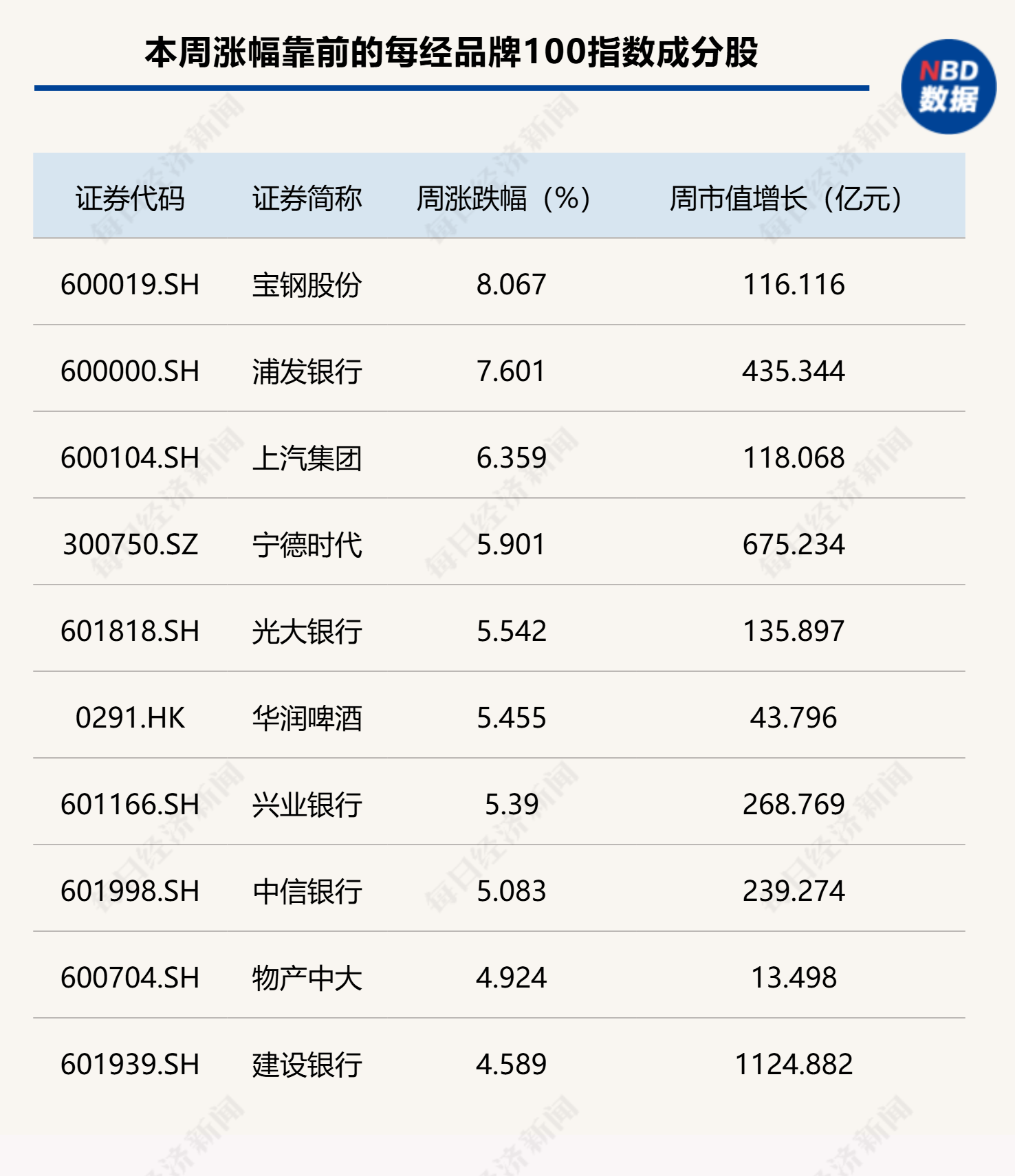
Market Performance - A-shares and H-shares exhibited divergent performance this week, with the Shanghai Composite Index reaching a new high of 3472.32 points, marking a weekly increase of 1.4%, while the Hang Seng Index fell below the 24000-point mark, with a weekly decline of 1.52% [1][2] - The divergence in market performance led to a slight decline of 0.77% in the 每经品牌100指数, closing at 1068.62 points [1] A-share Market - The A-share market maintained a strong upward trend, with the Shanghai Composite Index successfully standing above 3400 points since June 24, and peaking at 3497 points this week [2] - Key stocks in the A-share market included 宝钢股份, which surged by 8%, and several other companies like 浦发银行, 上汽集团, and 宁德时代, which saw increases of over 5% [2][3] H-share Market - The H-share market faced continuous adjustments, primarily due to the decline of leading internet companies, which are significant components of the 每经品牌100指数 [2] - Only 华润啤酒 among H-share constituents saw an increase of over 5% this week [2] Solid-State Battery Industry - 宁德时代 experienced a strong performance, with a weekly increase of 5.9% in A-shares and 9.17% in H-shares, reaching a new high since its listing in Hong Kong [6] - The company is committed to investing in solid-state battery technology, with expectations for small-scale production by 2027, indicating a significant acceleration in the solid-state battery industry's development [7] Steel Industry - 宝钢股份 was the top performer among the 每经品牌100指数 constituents, with a weekly increase exceeding 8%, driven by improved demand and tightening supply in the steel industry [8] - The steel ETF (515210) also saw a rise of 5.4%, reflecting positive sentiment in the sector, supported by government policies aimed at stabilizing infrastructure investment and improving product quality [8][9]







李嘉诚长子出局
Sou Hu Cai Jing· 2025-07-04 16:50
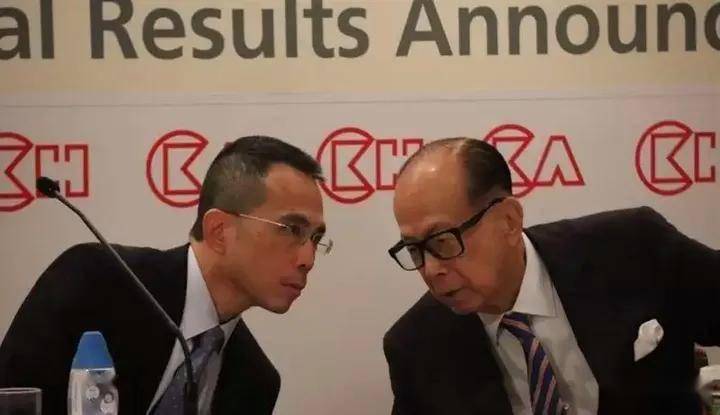
最近,香港特区政府公布了新的特首顾问团名单,大伙儿一看,就发现不对劲了——李嘉诚的儿子李泽钜,居然从名单里消失了! 有媒体把新旧名单做了对比,上一届顾问团一共31个人,共有三人未获续约,分别是汤晓鸥、傅育宁和李泽钜。 汤晓鸥是港中大教授、商汤科技创始人,23年底因病离世。傅育宁是华润集团前董事长,已经到龄退休。 所以正值壮年的李泽钜,突然被踢出特首顾问名单,这信号可太明显了。 先说这特首顾问团,它可不是普通的组织,那是香港高层级的政策咨询"智囊团",为特首提供战略发展方面的意见。 这个特首顾问团里面的30多人,基本都是政商学界的顶尖大佬,随便拎出来一个,在各自领域都是能呼风唤雨的角色。 能进这个顾问团,就相当于拿到了香港政商圈子的"VIP入场券",不光能跟各路大腕儿打交道,还能在香港刷足政治地位和社会影响力。 现在李泽钜被踢出局,对李氏家族来说,就是迎头一棒,作为香港首富,这脸可真是没处搁了。 李泽钜被踢出来的原因,明眼人都看得透透的,这事儿跟李家非要把43个港口卖给美国脱不了干系,尤其是那个关键的巴拿马运河港口。 李家卖港口的事刚爆出来的时候,舆论闹的很大,媒体轮番抨击,说这是在背刺国家。 李嘉诚则风轻云淡 ...
酒企高管密集调整 行业生态正在重构?
Zheng Quan Ri Bao· 2025-07-04 16:08
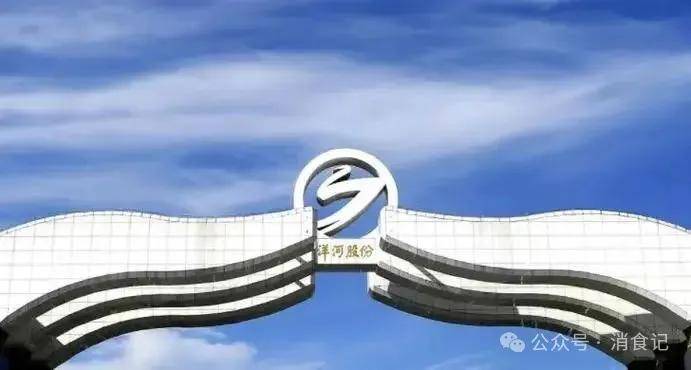
近期,多家上市酒企相继发布人事调整公告,引发市场对行业战略转向的讨论。 "酒企高管调整的频次增加,核心动因在于业绩增长的现实压力。核心高管职位的变动,往往是企业面 临战略转型或开展深化改革的关键信号。"中国酒文化品牌研究院智库专家蔡学飞向《证券日报》记者 表示,从行业动态来看,新晋管理团队已开始着手对企业的经营策略、管理模式及发展理念进行系统性 调整与创新,旨在通过战略重构与执行优化,有效应对当前市场环境带来的多重挑战。 7月2日,江苏洋河酒厂股份有限公司(以下简称"洋河股份")发布公告称,因工作调整,张联东申请辞 去公司第八届董事会董事、董事长及董事会战略委员会主任委员、提名委员会委员职务,辞职后不在公 司及控股子公司担任其他职务;6月25日,宿迁市人民政府官网发布的一则人事任免公告显示,杨卫国 被正式免去宿迁产业发展集团有限公司董事长、江苏洋河集团有限公司董事长及江苏双沟集团有限公司 董事长职务。 在洋河股份2024年度股东大会上,张联东表示,洋河股份过去20多年高速发展积累的经验,如今或许已 成为阻碍其发展的因素,公司迫切需要寻找新的方法与路径。 蔡学飞认为,尽管洋河股份业绩出现波动,但张联东的改革成果 ...
小摩:推动中国股票下一轮上涨的三大因素!超配互联网和消费
Zhi Tong Cai Jing· 2025-07-04 11:44
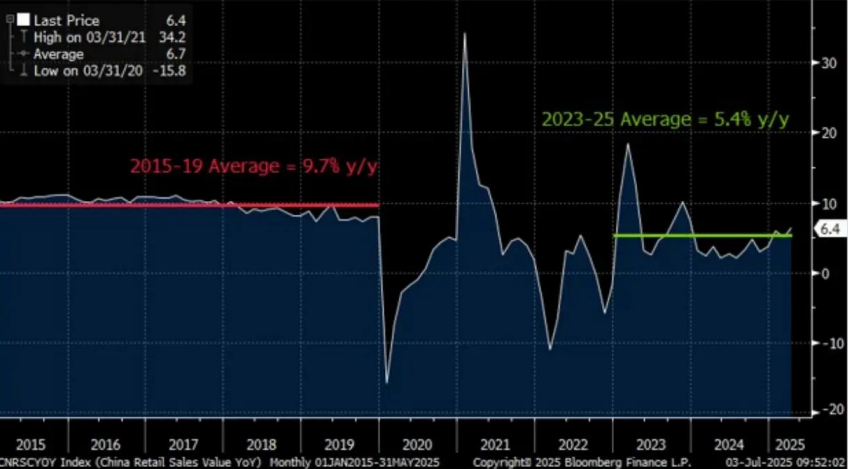
Group 1: Core Insights - The MSCI China Index has increased by 32% over the past year and is currently at a price-to-earnings ratio of 11.5, close to its 20-year average of 11.9, raising questions about the sustainability of this growth [1] - JPMorgan identifies three key factors supporting a positive outlook for the Chinese market: initial recovery in consumption, addressing overcapacity issues, and high equity risk premium due to significantly lower interest rates [1] Group 2: Consumption Recovery - The recovery of Chinese consumption is a critical theme for the second half of 2025, with retail sales growth averaging 5.4% since 2023, down from pre-COVID levels of 9-10%, but showing signs of rebound [2] - Improving consumption will help balance supply and demand, alleviate deflationary pressures, and enhance corporate pricing power and profitability [2] - Key areas to focus on for sustained retail sales growth include expanding policy support, emphasizing consumer services, and stabilizing the real estate market, which has negatively impacted GDP by 2-2.5% annually over the past four years [2] Group 3: Addressing Overcapacity - The Chinese government is focusing on reducing overcapacity, particularly in the context of real estate control and technology access restrictions from the U.S., aiming for greater self-sufficiency in the industrial chain [7] - There is anticipation for meaningful supply-side reforms, with a focus on sectors such as automotive, materials, industrials, and technology [7] - Stocks that may benefit from industry consolidation include BYD, CATL, Chalco, Putailai, and Nippon Paint [7] Group 4: Capital Costs and Equity Risk Premium - Despite the MSCI China Index's mean reversion, the equity risk premium remains high, attributed to a significant decline in government bond yields, indicating that the Chinese stock market is still undervalued [9] - Interest rates are expected to remain low, with a forecasted 10 basis point cut by the end of 2025, currently at 1.64% for 10-year government bonds [9] - The current earnings yield of the Chinese stock market is 9%, suggesting an implied equity risk premium exceeding 7%, which is historically high compared to the U.S. [9][10]
白酒行业人事震荡:洋河与金种子高管离任背后的战略重构与行业困局
Sou Hu Cai Jing· 2025-07-04 02:10
Core Insights - The recent resignations of key executives in the Chinese liquor industry highlight the urgent need for strategic transformation amid deep industry adjustments [1][5][14] Group 1: Company Performance - Yanghe Co., under Zhang Liandong's leadership, experienced a revenue decline of 12.83% to 28.876 billion yuan in 2024, with net profit plummeting 33.37% to 6.673 billion yuan, dropping from third to fifth in industry rankings [2][4] - Jinzhongzi Liquor, led by He Xiuxia, saw revenue decrease from 1.186 billion yuan in 2022 to 925 million yuan in 2024, with a cumulative net loss of 633 million yuan [10][12] Group 2: Strategic Challenges - Yanghe's strategic missteps included outdated brand management and a rigid distribution model, leading to losses in market share against competitors like Jinshiyuan [4][15] - Jinzhongzi's challenges stemmed from a misalignment between beer and liquor market strategies, resulting in a lack of brand recognition and market penetration [10][12] Group 3: Management Changes - The resignations of Zhang Liandong and He Xiuxia reflect broader trends in the industry, with local governments influencing management changes to drive strategic shifts [7][16] - The new leadership at both companies faces significant challenges, including cash flow issues and the need to balance independence with corporate integration [12][18] Group 4: Industry Trends - The liquor industry is currently in a "shrinking competition" phase, with production among large enterprises declining by 6.8% in 2024, and revenue growth slowing significantly [15] - The departure of key executives signals a shift from "scale expansion" to "value cultivation," emphasizing the need for strategic innovation and organizational transformation [18]


近5年累亏超6亿,“酒圈女将”提前离任,华润难救金种子酒
Sou Hu Cai Jing· 2025-07-04 02:10
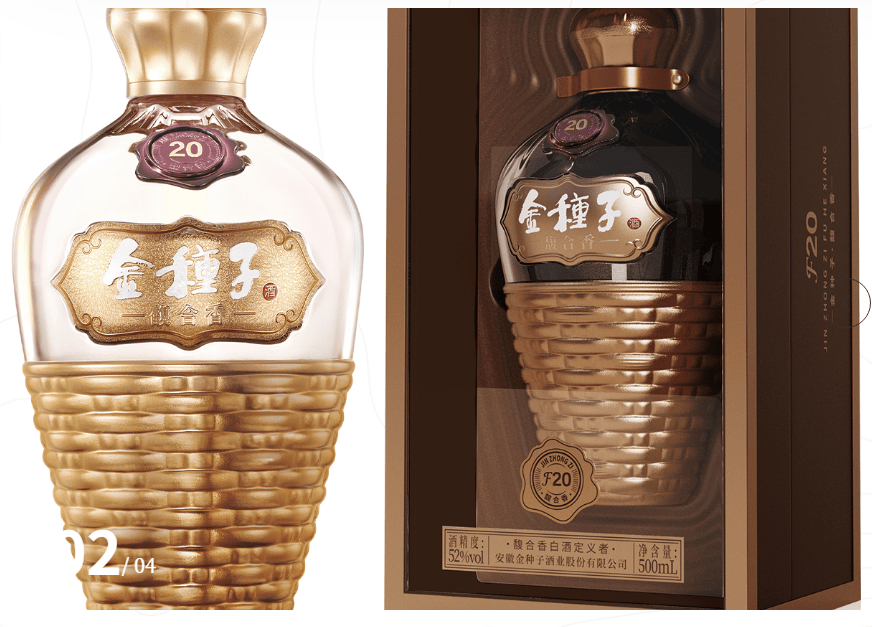
Core Viewpoint - The resignation of He Xiuxia as the general manager of Jinzhongzi Wine highlights ongoing management instability and challenges in the company's performance despite efforts from the new major shareholder, China Resources [2][3][10]. Group 1: Management Changes - He Xiuxia resigned from her positions as director and general manager of Jinzhongzi Wine, with Liu Fubi, the deputy general manager, taking over her responsibilities temporarily [2][4]. - He Xiuxia's tenure was marked by significant changes, including a complete overhaul of the sales system and organizational restructuring, but ultimately did not yield the desired financial results [6][10]. - The management team has seen continuous turnover, with reports indicating that 70% of middle management was replaced during He Xiuxia's leadership [8]. Group 2: Financial Performance - Jinzhongzi Wine has faced significant financial difficulties, accumulating losses exceeding 600 million yuan over the past five years, with a record loss of 258 million yuan in 2024 [10][13]. - The company's revenue has drastically declined, with 2024 revenue reported at 925 million yuan, significantly lower than competitors like Gujinggongjiu and Kuaijiaqingjiu [11]. - In the first quarter of 2025, the company reported a 29.41% decline in revenue, with net losses expanding to 38.93 million yuan [13]. Group 3: Strategic Initiatives - Despite the challenges, Jinzhongzi Wine has attempted to innovate its product offerings and improve its market presence, including a restructuring of its product tiers and a focus on high-end offerings [6][10]. - The company has also expanded its distribution network significantly, increasing the number of distributors from 40,000 to 220,000 [6]. - Jinzhongzi Wine's management has expressed confidence in turning around the brand's image and product structure, focusing on the "Fuhuo Xiang" series as a key growth area [15].
清仓式套现?华润啤酒侯孝海离任:豪赌白酒一地鸡毛,啤酒七年首现双降 | 酒业内参
新浪财经· 2025-07-04 00:54
Core Viewpoint - The departure of Hu Xiaohai, the chairman of China Resources Beer, has raised concerns about the company's future, especially as it faces declining revenues and profits for the first time in seven years [2][10]. Group 1: Company Performance - China Resources Beer reported a total revenue of 38.635 billion, a year-on-year decrease of 3.57%, and a net profit of 4.739 billion, down 8.03% [2][6]. - The beer segment generated revenue of 36.486 billion, a decline of 1% compared to the previous year, which had seen a 4.5% increase [6][10]. - The company has closed 36 breweries over the past nine years, reducing its workforce from 58,200 in 2016 to approximately 26,000 by the end of 2024, a decrease of over 50% [9]. Group 2: Leadership Changes - Hu Xiaohai, who joined China Resources Snow Beer in 2001 and held various leadership roles, including CEO and chairman, announced his resignation to focus on personal matters, confirming no disagreements with the board [2][6]. - Before his departure, Hu sold 93,800 shares, cashing out approximately 26.12 million Hong Kong dollars, reducing his holdings by 92% [21][23]. Group 3: Strategic Challenges - The company's foray into the white liquor market has not yielded expected results, with the revenue from the white liquor segment, including brands like Jinsha, only reaching 2.149 billion, a mere 4% increase year-on-year [2][16]. - The acquisition of Jinsha for 12.3 billion has not yet recouped its investment, with current revenues falling significantly short of the target [16][18]. - The white liquor segment's performance has been hampered by a lack of successful brand strategy, with the main brand contributing 70% of revenue while the secondary brand struggles [18][20].


天风证券晨会集萃-20250704
Tianfeng Securities· 2025-07-04 00:15
Group 1: Credit and Debt Settlement - Several provinces have reported specific amounts allocated for settling overdue enterprise payments, with Hunan and Yunnan allocating 200 billion and 356 billion respectively, while Guangxi and Shaanxi have also set aside significant amounts from their special bonds [1][18][19] - Various counties have reported on the scale of overdue payments, with notable repayments such as 20.59 billion in Guizhou's Tongren Dejiang County, and several counties achieving a "zero balance" on overdue payments [1][19][20] Group 2: Food and Beverage Industry - The recent fluctuation in the price of Moutai has affected market sentiment, prompting leading brands to explore new consumption scenarios and target younger demographics [2][29] - The beer sector has seen a decline, with a recommendation to focus on companies like Yanjing Beer as consumption policies evolve [2][30] - The food and beverage sector is experiencing a mixed performance, with health products and baked goods showing growth, while traditional alcoholic beverages face challenges [2][28][31] Group 3: Internet Industry - The valuation of Chinese internet companies is considered attractive, with the Hang Seng Index and Hang Seng Tech Index showing significant valuation advantages [3][34] - The focus for 2025 is on the resurgence of growth and innovation within the Chinese internet sector, with companies like Tencent and Alibaba actively pursuing new business opportunities [3][34] - AI applications are expected to enhance the overall valuation of Chinese internet companies, with significant advancements in technology and business practices [3][34][35] Group 4: Emerging Industries - The approval of D-allohexose as a new food ingredient in China is expected to expand market demand, with companies like Baolong Chuangyuan and Bailingbao positioned to benefit from this development [9][10] - The global market for allohexose is projected to grow significantly, with a CAGR of 33.26% from 2019 to 2023, indicating strong future potential [9][10] Group 5: Textile and Fashion Industry - Jin Hong Group is successfully leveraging IP licensing and cloud brocade to enhance its market presence, with significant revenue growth projected for the coming years [8][26] - The company is focusing on creating diverse consumer experiences through innovative retail strategies and collaborations with popular brands [8][24][25]
中炬高新完成董事会换届选举 鹤禧基金所提名“90后”未当选
Zheng Quan Shi Bao Wang· 2025-07-03 13:46
Core Viewpoint - The recent shareholder meeting of Zhongju Gaoxin (600872) resulted in the election of a new board of directors, with significant implications for the company's strategic direction and governance [1][2]. Group 1: Board Election Results - The new board consists of 9 members, including 5 non-independent directors, with 4 out of 6 non-independent candidates successfully elected [1]. - Li Ruxiong, with a background in the "China Resources" system, received 308 million votes, accounting for 95.7133% of the valid voting rights [1]. - Other successful candidates include Lin Ying, Liu Ge Rui, and Wan He Qun, all achieving over 93% of the votes [2]. Group 2: Candidate Backgrounds - Li Ruxiong has extensive experience in strategic transformation and capital operations, having held key positions in major enterprises such as China Resources and CITIC [1]. - The unexpected failure of Liang Daheng to secure a position, receiving only 100 million votes (31.1986%), raises questions about the board's composition [2]. - Candidate Sha Lingyun also did not succeed, garnering 76.76 million votes (23.8528%), despite being nominated by He Xi Fund [3]. Group 3: Fund Involvement - He Xi Fund, a private equity fund with a management scale between 2 billion and 5 billion yuan, played a role in the nomination process for candidates [4].
