
奔驰

Search documents
大众、宝马、奔驰半年业绩下滑明显,中美市场成两大主因
Guan Cha Zhe Wang· 2025-08-01 00:49
Core Viewpoint - The financial results for the first half of 2025 from major European automakers Volkswagen, Mercedes-Benz, and BMW show significant declines in revenue and profit, attributed to factors such as U.S. tariffs and intense competition in the Chinese market [1][3][9]. Financial Performance Summary - Mercedes-Benz reported a revenue of €72.6 billion (approximately ¥597.9 billion) for the first half of 2025, a decrease of 8.6% year-on-year, with a net profit of €2.7 billion (approximately ¥222.3 billion), down 55.8% compared to the previous year [3]. - Volkswagen's second-quarter revenue was €80.81 billion (approximately ¥665.4 billion), a 3% decline year-on-year, with an operating profit of €3.83 billion (approximately ¥315.3 billion), down 29.4% [3]. - BMW's total sales revenue for the first half of 2025 was €67.7 billion (approximately ¥557.5 billion), a decrease of 8% year-on-year, with a net profit of €4 billion (approximately ¥329.3 billion), down 29% [3]. Sales Performance Summary - Mercedes-Benz's global sales fell by 8% to 1.076 million units in the first half of 2025, with a 14% decline in China, a 6% decline in the U.S., and a 3% decline in Europe [4]. - BMW's global sales decreased by 0.5% to 1.207 million units, with a 15.5% drop in China, although sales in Europe increased by 8.2% [4][6]. Market Challenges - Both Mercedes-Benz and BMW cited U.S. tariffs and fierce competition in the Chinese market as key factors contributing to their declining performance [3][6]. - The impact of U.S. tariffs has been particularly severe, with Volkswagen experiencing a 16% drop in sales in North America and an estimated cost increase of €1.3 billion (approximately ¥10.7 billion) due to tariffs [9][12]. Strategic Responses - Despite the poor financial performance, the companies remain committed to their transformation strategies, with BMW leading in electric vehicle sales, reporting an 18.5% increase in sales of electric and plug-in hybrid models [8]. - Mercedes-Benz and Volkswagen are implementing cost-control measures and restructuring plans to mitigate financial losses, including layoffs and strategic shifts [12][13].

英伟达回应芯片“后门”问题;理想高管邀请乘龙卡车直播对撞;微软市值一度突破4万亿美元;乐道L90上市,17.98万起丨邦早报
创业邦· 2025-08-01 00:10
Group 1 - The core viewpoint of the article revolves around the controversy regarding the collision video involving the Li Auto i8 and a truck from Chenglong, with both companies issuing statements regarding the incident [2][3][4] - Chenglong Truck claims that the video released by a certain automotive brand constitutes serious infringement and misleads the public, potentially violating multiple laws [2] - Li Auto asserts that the collision test was conducted by a professional third-party testing agency, and the results showed that the i8 performed well under extreme conditions [3][4] Group 2 - Nvidia faced scrutiny from China's National Internet Information Office regarding security risks associated with its H20 computing chip, prompting a request for explanations and proof of safety [7][8] - ByteDance addressed internal performance adjustments during an all-hands meeting, clarifying that the adjustments aim to reduce internal competition and dispelling rumors about employee tenure [8] - Microsoft reported a significant increase in stock price, surpassing a market capitalization of $4 trillion, following strong quarterly earnings driven by AI cloud growth [9][10] Group 3 - Tata Motors announced plans to acquire Iveco for approximately €3.8 billion, aiming to form a commercial vehicle group with an expected annual sales volume exceeding 540,000 units [17] - OpenAI's annual revenue reached $12 billion, significantly surpassing previous figures, with ChatGPT's weekly active users growing by 40% [12] - The Chinese gaming market saw a 14% increase in revenue in the first half of 2025, reaching a record high of 168 billion yuan [30]





奔驰超长续航新车曝光,消息称计划采用吉利旗下莲花跑车插混技术;印度塔塔汽车将斥资近38亿欧元收购依维柯丨汽车交通日报
创业邦· 2025-07-31 10:42
Group 1 - BYD has recently published a patent for a "floating display device" which involves a technology for aerial imaging, enhancing touch accuracy and sensitivity through a structured interaction mechanism [1] - BMW reported a 29% year-on-year decline in net profit for the first half of the year, with sales revenue of €67.7 billion, down 8% compared to the same period last year [2] - Tata Motors announced an agreement to acquire Iveco for approximately €3.8 billion, excluding its defense business, with the deal expected to be completed by mid-2026 [3] - Mercedes-Benz plans to launch a long-range plug-in hybrid vehicle in the Chinese market, potentially utilizing Geely's Lotus sports car hybrid technology, with ongoing discussions about development details [4]



中美稀土战争持续!美国重金开采稀土!中国稀土武器会失去优势吗
Sou Hu Cai Jing· 2025-07-31 10:28
Core Viewpoint - The U.S. is investing heavily in domestic rare earth production to reduce reliance on China, but faces significant challenges in cost, technology, and time to establish a competitive industry [1][22][40]. Group 1: U.S. Investment and Production - The Pentagon invested $400 million in MP Materials and promised an additional $150 million loan to expand rare earth separation capabilities [3][4]. - Apple followed with a $500 million investment, indicating a broader corporate involvement in the U.S. rare earth self-sufficiency initiative [4]. - The Mountain Pass mine in California, the only operating rare earth mine in the U.S., has begun large-scale production, achieving a record output of over 45,000 metric tons of rare earth oxide concentrate in 2024, accounting for 15% of global production [5][7]. Group 2: Cost and Competitive Disadvantages - The cost of rare earth refining in the U.S. is significantly higher, with China at $35,000 per ton compared to the U.S. at $58,000 per ton, a 65% difference [15]. - Even with increased production, U.S. facilities may only meet 30% of military needs by 2028, highlighting a substantial gap in supply for electric vehicles and other sectors [17][19]. - The U.S. lacks the necessary refining technology and skilled workforce, having fallen behind China, which controls nearly 90% of global rare earth refining capacity [19][22]. Group 3: China's Strategic Position - China has implemented export restrictions on seven rare earth elements, impacting U.S. industries such as automotive and defense, revealing vulnerabilities in the supply chain [11][13]. - The Chinese rare earth industry benefits from stable government support and a well-established ecosystem, making it difficult for the U.S. to replicate this model quickly [24][26]. - China's recent measures include a dynamic export adjustment mechanism and a safety assessment system for the rare earth industry, maintaining its dominant position in the global market [13][28]. Group 4: Future Outlook and Competition - The competition for rare earths is evolving into a contest of development models, with the U.S. focusing on technology and capital, while China emphasizes systematic layout and long-term accumulation [38][40]. - The International Energy Agency predicts a threefold increase in global rare earth demand by 2030, but supply diversification is progressing slowly, posing systemic risks for over-reliance on any single country [36][44]. - The U.S. is also exploring strategic reserves and technological innovations in recycling, but these efforts will take time to materialize [40][42].


专家解读《中国汽车产业竞争力评价研究(2025)》:全球格局下的中国机遇与突破路径
Zhong Guo Jin Rong Xin Xi Wang· 2025-07-31 10:23
Core Viewpoint - The report titled "China Automotive Industry Competitiveness Evaluation Research (2025)" highlights the competitive landscape of the global automotive industry, emphasizing China's opportunities and pathways for breakthroughs in the context of global dynamics [1]. Group 1: Research Framework - The study establishes a "1+1+N" evaluation framework focusing on comprehensive automotive industry competitiveness and specialized competitiveness in intelligent connected new energy vehicles, with additional evaluations for key segments of the industry chain [2]. - The framework integrates classic theories such as Porter's Diamond Model and PEST analysis, aligning with the automotive industry's transformation towards electrification, connectivity, and intelligence [2]. Group 2: Global Competitiveness Ranking - Based on 2023 data, the global automotive industry competitiveness ranking is as follows: EU, Japan, USA, China, and South Korea, reflecting a clear tiered structure [4]. - The EU leads due to its balanced advantages, including strong technological innovation and a mature automotive culture, while Japan follows with deep technological expertise and global market presence [4]. - The USA and China are in the second tier, with the USA excelling in innovation and China in scale and transformation speed, having established a complete industrial system [4]. Group 3: China's Performance in Key Segments - China ranks first globally in the intelligent connected new energy vehicle sector, driven by a robust policy framework, collaborative innovation, and a massive market demand [6]. - In specific segments, China leads in power batteries and hydrogen fuel cell vehicles, showcasing advanced technology and a complete supply chain [7]. - The intelligent cockpit sector is also competitive, sharing the top tier with the USA, thanks to high market penetration and integration of AI technologies [8]. Group 4: Future Trends and Strategic Directions - The next decade is critical for the global automotive industry, with three major transformations anticipated: a shift in competitive discourse towards new energy vehicles, regionalization of supply chains, and a reconfiguration of productivity driven by data and technology [9]. - China's automotive industry is positioned to transition from the second tier to the first tier, with a focus on enhancing technological innovation, upgrading industry structure, and expanding domestic market presence [9].

奔驰大电池新车,计划采用吉利插混技术
3 6 Ke· 2025-07-31 07:12
Core Insights - Mercedes-Benz is accelerating the localization of its products in China by collaborating with local companies, particularly in the field of hybrid power systems [1][2] - The company plans to introduce a long-range plug-in hybrid vehicle in China, leveraging Geely's hybrid technology [1][3] Group 1: Collaboration and Technology - Mercedes-Benz is in discussions with Geely to develop a new plug-in hybrid system, with key decisions already made [2] - The hybrid technology from Geely's Lotus brand, named "Luyao," is expected to be released in November 2024, featuring a range exceeding 1100 kilometers [3] - The "Luyao" system supports fast charging while driving, addressing performance issues during low battery scenarios [3] Group 2: Market Position and Competition - Mercedes-Benz faces stiff competition in the plug-in hybrid market, with rivals like Wuling and Li Auto offering superior electric ranges [4][8] - The company’s current plug-in hybrid models have shorter electric ranges compared to competitors, highlighting the need for technological upgrades [7][8] Group 3: Strategic Shift and Sales Performance - Despite a focus on electric vehicle development, Mercedes-Benz is shifting attention to plug-in hybrids due to declining sales in its electric vehicle segment [8][9] - In the first half of 2025, Mercedes-Benz's sales of pure electric vehicles dropped by 24%, while plug-in hybrid sales increased by 34% [8] Group 4: Historical Context and Future Outlook - Mercedes-Benz has previously invested in hybrid technology but has not kept pace with the current market trends in China [7][9] - Collaborating with Geely is seen as a pragmatic approach to enhance competitiveness in the rapidly evolving hybrid vehicle market [10][14] Group 5: Corporate Relationships - The close ties between Mercedes-Benz and Geely, including shared ownership stakes, facilitate collaboration on technology and supply chain [12][14] - Previous partnerships, such as the Smart brand joint venture, have established a foundation for ongoing cooperation in hybrid technology [12][14]
观车 · 论势 || 二线豪华品牌“护城河”失守启示
Zhong Guo Qi Che Bao Wang· 2025-07-31 03:24
Core Viewpoint - The second-tier luxury brands are rapidly losing their appeal and market position due to significant price reductions and competition from Chinese brands, particularly in the context of the electric vehicle (EV) era [1][2][3] Group 1: Market Dynamics - Second-tier luxury brands like Jaguar, Volvo, and Lexus are experiencing dramatic price cuts, with examples such as the Jaguar XEL 90th Anniversary Edition priced at 159,800 yuan and the Volvo XC60 reduced by 174,000 yuan [1] - The market share of Chinese brands in passenger vehicles has reached 68.5%, while foreign brands are losing ground [3] - Consumers are increasingly willing to pay more for smart features, with a 47% increase in budget allocation for intelligent experiences [3] Group 2: Technological Shifts - Chinese brands have achieved technological parity, while traditional luxury brands are lagging in their transition to EVs, leading to a widening technological gap [2] - The shift in value standards from traditional metrics like engine efficiency to new dimensions such as battery energy density and smart cockpit interaction is reshaping the competitive landscape [4] Group 3: Challenges and Transformation - The decline of second-tier luxury brands is a result of their inability to adapt to the new value chain, where traditional mechanical advantages are losing relevance [4] - Brands face a dilemma of either lowering prices to remain competitive or risking market exit, as seen in the case of Lexus and its diminishing service advantages [4] - A comprehensive transformation is required, moving from mere electrification to a complete overhaul of technology paradigms and ecosystem structures [5] Group 4: Future Opportunities - Brands must innovate their cultural symbols and user experiences to survive, with suggestions for collaborations in new lifestyle sectors [5][6] - The future of competition lies in the ability to create a sustainable value innovation ecosystem rather than merely reinforcing existing competitive advantages [6]
为何跨国车企集体暂缓电动化?
Zhong Guo Jing Ying Bao· 2025-07-30 18:10
Core Viewpoint - The global automotive industry is experiencing a significant shift in its electrification strategy, with major brands like Mercedes-Benz, BMW, and Audi postponing their electric vehicle (EV) plans, contrasting sharply with previous targets set for around 2030 [1] Group 1: Market Demand and Consumer Acceptance - The demand growth for electric vehicles is slower than expected, with consumer acceptance facing multiple challenges [2] - In North America, consumer acceptance of electric vehicles is lower than anticipated, while Europe shows slightly better conditions [2] - Key reasons for consumer reluctance include high prices, limited range, and concerns over future battery replacement costs [2][3] Group 2: Pricing and Infrastructure Challenges - The average price of electric vehicles remains higher than that of gasoline vehicles, limiting market access for many consumers [3] - European manufacturers have refrained from launching affordable models priced between €20,000 and €25,000 to protect profit margins, which has excluded a significant number of consumers [3] - The need for improved charging infrastructure and consumer confidence in technology is critical for increasing EV adoption [4] Group 3: Industry Adjustments and Future Trends - The initial electrification targets set by automakers may have been overly ambitious, leading to factory closures due to lower-than-expected demand [4] - To drive EV adoption, significant changes are needed, including substantial price reductions, improved charging times, and enhanced consumer confidence in battery technology [4] - The future may see a coexistence of multiple energy forms, with traditional hybrid vehicles gaining traction due to their lower prices and reduced range anxiety [5] - The profitability of internal combustion engine vehicles remains higher than that of pure electric vehicles, potentially slowing the urgency of the electrification transition [5]
三问三解之:四驱系统,如何四驱?
Zhong Guo Zhi Liang Xin Wen Wang· 2025-07-30 13:53
Group 1: Importance of Four-Wheel Drive (4WD) - Four-wheel drive systems enhance vehicle stability and control, especially in slippery or winding road conditions, reducing the risk of understeer and oversteer [2][4] - Vehicles with 4WD can distribute power to all four wheels, improving handling and traction, particularly in extreme conditions [4] Group 2: Types of Four-Wheel Drive Systems - Four-wheel drive systems can be categorized into part-time, full-time, and on-demand systems, each with distinct operational characteristics [5][9] - Part-time 4WD requires manual selection and is commonly found in off-road SUVs, balancing power and fuel efficiency [7] - Full-time 4WD operates continuously, providing consistent traction but may have lower fuel efficiency due to constant engagement [9] - On-demand 4WD automatically switches between two-wheel and four-wheel drive based on road conditions, optimizing fuel economy while maintaining traction [9] Group 3: Specific 4WD Systems from Major Brands - Audi's quattro system has evolved from a manual locking mechanism to a more sophisticated quattro ultra system, which allows for dynamic switching between 4WD and front-wheel drive, enhancing fuel efficiency [12][24] - BMW's xDrive system utilizes an electronically controlled multi-plate clutch for power distribution, allowing for up to 100% power transfer to either axle, but may struggle in extreme off-road conditions [27][29] - Mercedes-Benz's 4MATIC varies across models, with entry-level systems using on-demand 4WD and higher-end models employing full-time systems with advanced torque distribution capabilities [30][32]
买得起保时捷,也在意豪车税
Hu Xiu· 2025-07-30 11:35
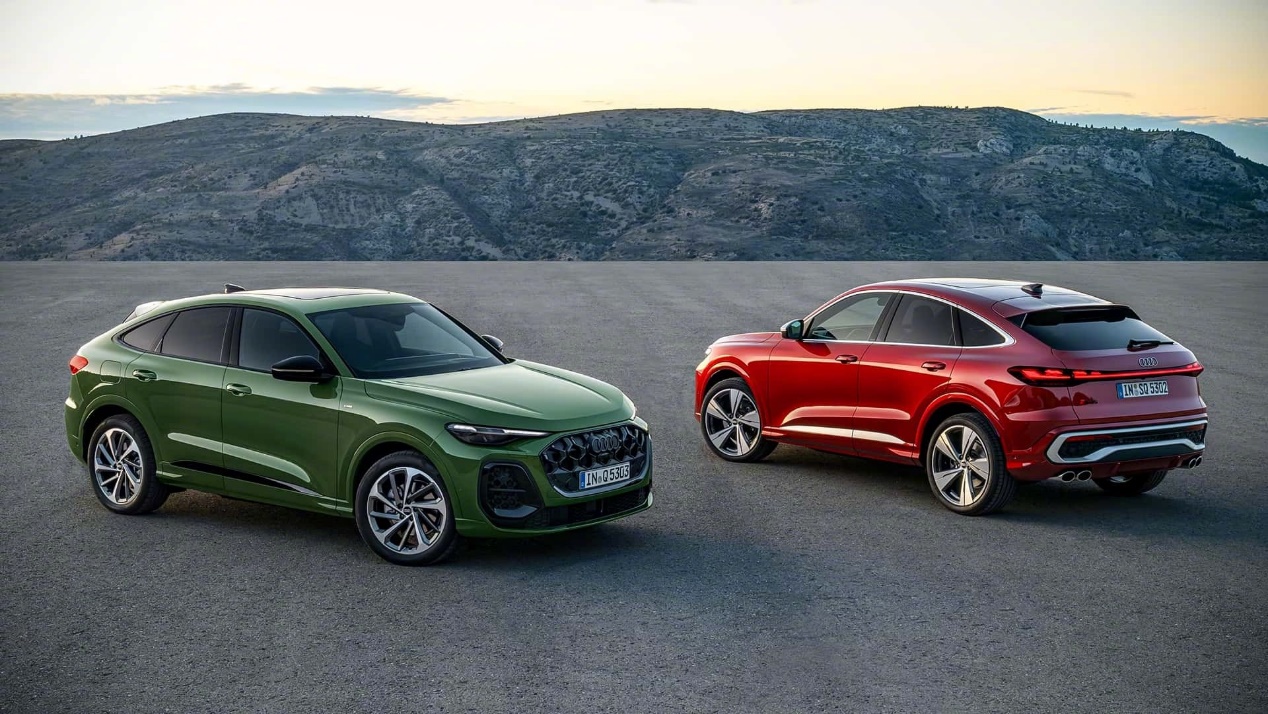
Group 1 - The new luxury car consumption tax policy has lowered the threshold from a retail price of 1.3 million yuan to 900,000 yuan, affecting various luxury car models including Porsche, Mercedes-Benz, and BMW [3][11][12] - Following the announcement of the new tax policy, there was a significant increase in inquiries and sales for luxury second-hand cars, with a reported 50% increase in consultations and a 30% rise in transaction volume [3][5] - Luxury brands are responding to the new tax by offering limited-time tax subsidies to encourage purchases, with brands like Jaguar Land Rover and Mercedes-Benz announcing full tax coverage for specific models [4][5] Group 2 - The second-hand luxury car market is experiencing a price increase, with some models seeing a rise of 50,000 to 90,000 yuan due to the new tax policy, making them more attractive as they are exempt from the new consumption tax [8][9] - The introduction of the new tax has led to a shift in consumer focus towards second-hand luxury cars, as buyers seek to avoid the additional costs associated with new luxury vehicles [7][10] - The new policy has also impacted the export of zero-kilometer luxury cars, increasing costs for foreign trade merchants and complicating the export process due to stricter regulations [9][10]