东风股份

Search documents
东风汽车坚持“做难而正确的事”,锚定2026年325万辆目标
Zhong Guo Jing Ji Wang· 2026-02-10 08:57
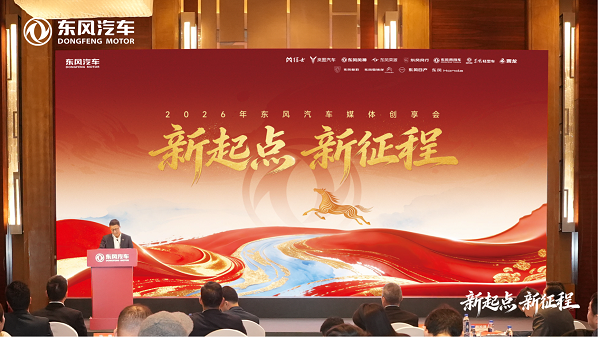
Core Insights - Dongfeng Motor achieved significant growth in 2025, with new energy vehicle (NEV) sales reaching 1.05 million units, a year-on-year increase of 21%, and total sales of self-owned brands exceeding 1.5 million units, accounting for over 60% of total sales [1][3] - The company aims for ambitious targets in 2026, setting overall sales at 3.25 million units, including 1.7 million NEVs and 600,000 units for export [1][3] Group 1: Sales Performance - In 2025, Dongfeng's NEV sales reached 1.05 million units, marking a 21% increase year-on-year [1][3] - Self-owned brand sales surpassed 1.5 million units, representing over 60% of total sales, indicating a successful transition from the investment phase to the harvest phase [3] Group 2: Technological Advancements - Dongfeng's R&D investment intensity reached 7.9% in 2025, with the DF30 automotive-grade high-end MCU chip entering mass production, achieving full-stack domestic control [5] - The Mahle hybrid engine's thermal efficiency exceeded 48%, setting a new industry record, while the largest 16,000T integrated die-casting production line was established, enhancing vehicle lightness and manufacturing efficiency [5] Group 3: Brand and Product Strategy - Dongfeng is developing a clearer and more synergistic brand and product matrix, with the Dongfeng Warriors setting a benchmark for luxury electric off-road vehicles and the Dongfeng Lantu leading the high-end market [7] - The company is exploring a new model of "Chinese customers, Chinese standards, Chinese components, Chinese speed," creating a strategic community for co-creating new value [7] Group 4: Future Goals and Innovations - For 2026, Dongfeng aims to accelerate the transition from "technology realization" to "value resonance," focusing on smart, green, and integrated transformation [7] - The company plans to launch the new generation Mahle power system and high-performance DF30 chip on a large scale, with the "Tianyuan Intelligent" system and "Tianyuan Smart Cabin" enhancing user experience [7][9] Group 5: Upcoming Product Launches - The new "Yijing" brand, co-created with Huawei, is set to debut globally in March 2026, focusing on high-end intelligent vehicles [9] - Dongfeng will introduce several new models, including the U series from Dongfeng Warriors and various high-end products from Dongfeng Lantu, targeting intelligent driving and aesthetics [9][10]


“十五五”前瞻:解放/重汽/东风/福田/远程等战略目标揭秘,谁将问鼎新霸主?| 头条
第一商用车网· 2026-02-10 07:27
Core Viewpoint - The article discusses the strategic goals and implementation paths of seven major commercial vehicle companies in China for the "15th Five-Year Plan," focusing on the transformation towards electrification, intelligence, and globalization in the commercial vehicle industry. Group 1: FAW Jiefang - FAW Jiefang aims to enter the "world-class commercial vehicle camp" by 2030, with a focus on "international Jiefang, green Jiefang, and technological Jiefang" [2] - The company targets a total sales volume of 320,000 units in 2026, with 75,000 units being electric vehicles and 80,000 units for overseas sales [4] Group 2: Dongfeng Motor Corporation - Dongfeng aims to regain its position as the industry leader with a total sales target of 750,000 commercial vehicles by 2030 [5] - The company plans to achieve industry-leading positions in total sales, heavy-duty trucks, and new energy trucks during the "15th Five-Year Plan" [8] Group 3: China National Heavy Duty Truck Group (CNHTC) - CNHTC targets to exceed 800,000 units in total sales and achieve a revenue of 400 billion yuan by 2030 [11] - The company has proposed a "six transformations" strategy focusing on green, digital, service, international, diversified, and high-end development [12] Group 4: Shaanxi Automobile Group - Shaanxi aims to maintain a top-three position in the industry and targets a sales volume of 100,000 heavy-duty trucks in 2026 [14] - The company emphasizes a unified development strategy called "One Shaanxi" to enhance overall competitiveness [18] Group 5: Foton Motor - Foton aims for a 50% penetration rate of new energy vehicles and 300,000 units in overseas sales by 2030 [20][22] - The company has set ambitious targets for 2026, aiming for 200,000 units in both exports and new energy vehicles [22] Group 6: Yuantong New Energy Commercial Vehicles - Yuantong aims to become the domestic sales leader and the global leader in new energy commercial vehicles by 2030, targeting 1 million units in annual sales [24][26] - The company plans to launch a comprehensive product matrix covering various vehicle types by 2026 [26] Group 7: Chery Commercial Vehicles - Chery targets to achieve 1 million units in sales by 2030, with a focus on becoming the leading brand in China's new energy commercial vehicle sector [28] - The company plans to invest over 10 billion yuan in heavy-duty truck research and development in the coming years [31]




汽车周报:理想、比亚迪均有技术催化,板块轮动+科技成长双轮驱动-20260210
Shenwan Hongyuan Securities· 2026-02-10 03:43
Investment Rating - The report maintains a positive outlook on the automotive sector, highlighting the potential for growth driven by technological advancements and market dynamics [2]. Core Insights - The report emphasizes the importance of new vehicle announcements and the upcoming Q1-Q2 product cycles, particularly for companies like Li Auto, Xpeng, BYD, Great Wall Motors, and others, driven by enhanced product capabilities due to new technologies [2]. - Tesla's AI transformation is noted as a significant market expectation, with a focus on the valuation flexibility within the robotics supply chain [2]. - The report identifies smart technology as a key growth area for the year, with expectations for Full Self-Driving (FSD) technology to gain traction in China, benefiting companies like Desay SV, Jingwei Hirain, and others [2]. - Domestic cost pressures are acknowledged, leading to a cautious stance on annual profit forecasts, while overseas export opportunities for companies like BYD and Geely are viewed positively [2]. Industry Updates - According to the China Passenger Car Association, the average daily retail sales of passenger cars in the first week of January were 50,000 units, representing a 22% year-on-year decline and a 31% month-on-month decline [2]. - Recent weeks have seen a decrease in traditional and new energy raw material price indices, with traditional vehicle raw material prices down by 2.8% week-on-week and 1.0% month-on-month, and new energy vehicle raw material prices down by 6.7% week-on-week and 2.7% month-on-month [2]. - The total transaction value in the automotive sector for the week was 530.697 billion yuan, a 22.58% decrease from the previous week, while the automotive industry index rose by 0.32% [2][11]. Market Situation - The automotive industry index closed at 8023.01 points, outperforming the Shanghai Composite Index, which fell by 1.33% [11]. - A total of 141 automotive stocks rose, while 127 fell, with the largest gainers being Kailong High-Tech, Xingmin Zhitong, and Yinlun, which saw increases of 72.8%, 21.3%, and 17.1% respectively [16]. - Key events included the release of the 404th batch of new vehicle approvals by the Ministry of Industry and Information Technology, which included several notable models from various manufacturers [3][4]. Investment Analysis - The report suggests focusing on companies that are leveraging AI and smart technology, particularly new entrants like Xpeng and NIO, as well as established players with overseas business support like BYD and Geely [2]. - It highlights the potential for significant changes driven by state-owned enterprise reforms, with attention on SAIC and Dongfeng [2]. - In the components sector, companies involved in robotics and data center cooling are expected to transition from thematic investments to industry trends, with a focus on firms with strong performance and valuation potential [2].




2026格局与趋势 |(上):天黑请睁眼
3 6 Ke· 2026-02-10 01:20
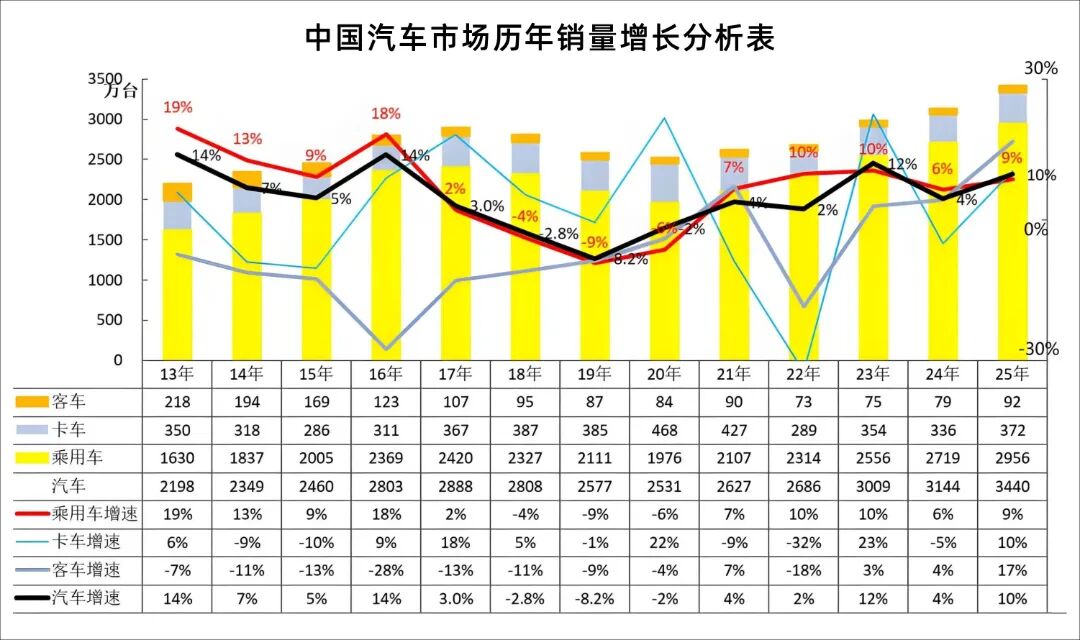
Core Viewpoint - The Chinese automotive market is facing significant challenges in 2026, with predictions of a decline in sales due to economic pressures and changing consumer behavior, despite some optimistic forecasts for growth in exports and specific segments like new energy vehicles [1][3][4]. Group 1: Market Trends and Predictions - In 2026, the overall automotive sales in China are expected to range between 34.5 million to 35 million units, with a potential decline in domestic retail sales by over 5% if no significant policy changes occur [3][7]. - January 2026 data shows a dramatic decline in retail sales, with a 28% year-on-year drop, indicating a challenging start to the year [6]. - Various institutions predict a range of outcomes for 2026, with the most pessimistic forecasts suggesting a 7% decline in sales, while the most optimistic predict only a 1% increase [4][7][8]. Group 2: Policy and Economic Influences - Key factors affecting the market include adjustments to subsidy policies for new energy vehicles, which have shifted from full exemptions to partial reductions, impacting consumer purchasing behavior [6][9]. - The decline in consumer confidence and shrinking middle-class income due to economic downturns are expected to further suppress automotive sales [6][9]. Group 3: Competitive Landscape - The automotive industry is experiencing intense competition, with a shift from price wars to a focus on technological advancements and value creation as companies seek to stabilize their market positions [12][16]. - Major players are adjusting their sales targets, with some aiming for significant growth while others adopt more conservative strategies in response to market conditions [18][19]. Group 4: Export Opportunities - Exports are projected to be a key growth area, with expectations of a 12-15% increase, potentially reaching 8 million units, which could help offset domestic market declines [22][26]. - The global supply chain dynamics are pushing Chinese automotive companies to enhance their international presence, with a focus on building global production and R&D capabilities [26][28]. Group 5: Segment-Specific Insights - The new energy vehicle segment is anticipated to grow, with retail sales expected to increase by 12-15%, driven by favorable policies for mid-range models [9][10]. - The large six-seat SUV market is projected to maintain strong growth, with expectations of a 30-50% increase in sales, despite overall market challenges [31][32].


乾崑智驾跨越百万丰碑,高楼引望迈向千万瀚海
NORTHEAST SECURITIES· 2026-02-10 01:15
Investment Rating - The report maintains an "Outperform" rating for the industry [4] Core Insights - The commercialization of L3 autonomous driving has reached a turning point, transitioning from "optional" to "preferred" [1][14] - The approval of L3 licenses marks a significant shift from technical validation to operational readiness, establishing a clear regulatory framework [14] - The competitive landscape has evolved from hardware specifications to a focus on end-to-end models driven by data and algorithms, enhancing industry concentration [1][20] Summary by Sections 1. Commercialization of L3 Autonomous Driving - The dual approval of operational licenses and road rights has established a commercial closure for L3 autonomous driving, with clear responsibilities defined [14] - User perception of intelligent driving has matured, with advanced features becoming a key factor in purchasing decisions, as 60% of consumers view autonomous driving as the most anticipated technological breakthrough [16][17] - The paradigm of intelligent driving is shifting towards an end-to-end model, where the core competitive logic is now based on data quality, computational power, and model iteration efficiency [20][21] 2. Huawei's QianKun Intelligent Driving - Huawei's QianKun Intelligent Driving has evolved from a single supplier to a public technology platform, enhancing its market position [30][45] - The company has developed a multi-tiered cooperation model, including component supply, HI mode, and Harmony Intelligent Driving, to cover various market segments [31][32] - The QianKun Intelligent Driving system has undergone significant iterations, establishing a technological moat centered around end-to-end models [36] 3. Independent Entity "Yinwang" - The establishment of Yinwang as an independent entity has alleviated concerns among automakers regarding technology control, allowing for broader collaboration [41][42] - The strategic partnership with automakers has led to a valuation of 115 billion RMB, positioning Yinwang as a unicorn in the industry [45] - Yinwang aims to become a neutral public platform for the smart electric vehicle industry, similar to Bosch's role in the traditional automotive sector [48][49] 4. Hardware Cost Breakdown - The cost of intelligent driving hardware per vehicle exceeds 10,000 RMB, with significant portions attributed to chips and PCB components [2][3] - The potential market space for various components in the intelligent driving supply chain is substantial, with estimates reaching billions in growth opportunities [2] 5. Investment Opportunities - The report identifies potential investment opportunities in advanced process wafer fabs, packaging and testing companies, and PCB manufacturers, highlighting the growth potential in the intelligent driving sector [3]
研判2026!中国LNG车用气瓶行业产业链、产量、销量、竞争格局及发展趋势分析:天然气重卡销量攀升,直接拉动LNG车用气瓶需求增长[图]
Chan Ye Xin Xi Wang· 2026-02-10 01:10
Core Viewpoint - LNG is recognized as a clean energy source that effectively reduces automotive exhaust pollutants and greenhouse gas emissions, leading to increased demand for clean energy vehicles, particularly heavy-duty trucks that utilize LNG due to its high storage density and long range [1][7]. LNG Cylinder Industry Overview - LNG vehicle cylinders are high-vacuum insulated containers specifically designed for storing liquefied natural gas (LNG) as fuel, featuring a double-layer structure that minimizes external heat impact [3][4]. - The industry has experienced a decline in sales from 2020 to 2022 due to a drop in heavy-duty truck sales, exacerbated by the pandemic's impact on factory operations and logistics [1][8]. Market Demand and Growth - In 2023, the LNG vehicle cylinder industry in China saw a significant sales increase of 292.7% year-on-year, driven by the advantages of oil and gas price differentials and supportive policies [1][8]. - The industry is projected to continue growing, with sales expected to reach 250,300 units by 2025, reflecting an 8.8% year-on-year increase [1][8]. Industry Chain and Raw Materials - The upstream materials for LNG vehicle cylinders include steel, aluminum alloys, and other insulation materials, which are crucial for safety, manufacturing costs, and supply stability [4][6]. - The production of stainless steel, a key material for LNG cylinders, has shown a recovery trend, with production expected to reach 39.44 million tons in 2024, marking a 7.5% year-on-year increase [6]. Competitive Landscape - The LNG vehicle cylinder industry features a diverse competitive landscape, with leading companies leveraging full industry chain advantages and resource integration to maintain market dominance [9][12]. - Key players include Zhangjiagang Furui Special Equipment Co., Ltd., CIMC Enric Holdings Limited, and Beijing Jingcheng Machinery Electric Company, among others [9][10]. Industry Development Trends - The industry is focusing on lightweight and intelligent designs, utilizing new composite materials and IoT technology for real-time monitoring and predictive maintenance [11][12]. - The demand for LNG vehicle cylinders is expected to expand due to increasing global emphasis on environmental protection and the replacement of older LNG vehicles [11][12]. - The industry is anticipated to undergo consolidation, with stricter regulations raising entry barriers, favoring larger companies with comprehensive product certifications [12].




天汽模出手收购延伸产业链 东实股份年销售170亿欲曲线上市
Chang Jiang Shang Bao· 2026-02-10 00:00
天汽模称,本次交易事项尚处于筹划阶段,初步确定的交易对方为德盛拾陆号企业管理(天津)合伙企 业(有限合伙)(简称"德盛16号")。 长江商报消息 ●长江商报记者 沈右荣 易主国资不到两个月,天汽模(002510.SZ)的资本运作来了。 2月5日晚,天汽模发布公告,公司正在筹划通过发行股份及支付现金的方式购买东实汽车科技集团股份 有限公司(以下简称"东实股份")股权并募集配套资金。 长江商报记者发现,这是天汽模第三次出手收购东实股份股权。 2017年,天汽模通过公开竞拍获得东实股份25%股权。2025年4月,天汽模筹划收购东实股份50%股 权,不过未能顺利完成。 吸引天汽模第三次出手,东实股份有何特别之处? 东实股份主要业务围绕汽车车身、底盘、动力等三大系统,形成汽车零部件产业体系,主要客户包括东 风汽车、一汽、比亚迪等知名企业。2025年,公司销售收入超过170亿元。 东实股份曾筹划A股IPO,未能如愿,借助本次重组,其或将完成曲线上市。 天汽模是一家汽车零部件企业,如果本次重组完成,公司产业链将得到延伸,盈利能力将会明显提升。 第三次出手收购东实股份 天汽模第三次出手收购东实股份,以图提升自身市场竞争力。 ...

尘封一年的事故曝光:东风奕派撞车后,“不起火电池”50秒爆燃
Guo Ji Jin Rong Bao· 2026-02-09 13:32
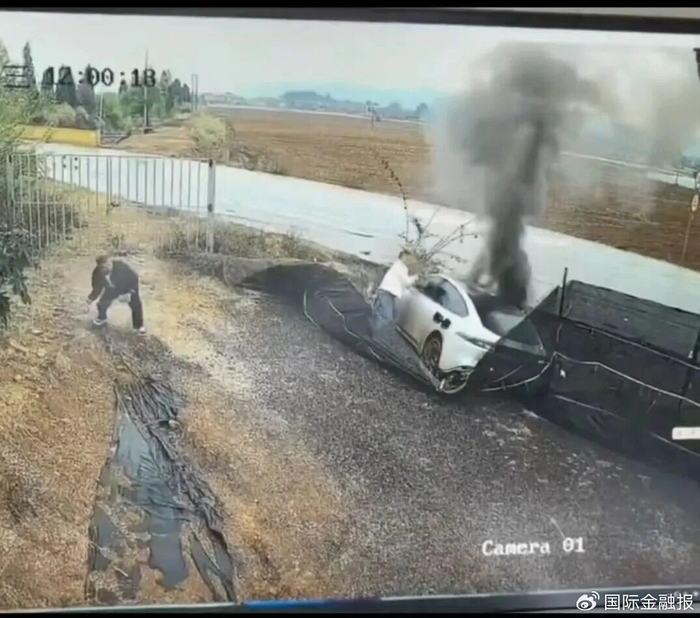
2月4日,一段汽车碰撞救援视频在网络平台悄然传开,迅速引发全网热议。 网传视频截图 该起事故实际发生于2025年3月19日11时59分,地点位于云南省文山壮族苗族自治州砚山县平远镇某路 口,涉事车辆为一辆东风奕派eπ007纯电动网约车,搭载的正是欣旺达提供的磷酸铁锂电池,同时标注 匹配马赫E电池系统——该系统由东风集团与欣旺达动力科技合资的东昱欣晟代工生产,核心电芯源自 欣旺达。 涉事eπ007定位中低端纯电动市场,价格区间为10.99万—13.99万元,目前2025款、2026款车型均处于在 售状态,其电池配套方案未发生明显调整。 视频中,一辆东风奕派eπ007纯电动轿车与重型半挂车碰撞后,短短数十秒内便冒出黑烟、燃起明火, 车门锁死导致乘员逃生受阻,最终造成1人死亡、4人受伤的悲剧。 令人关注的是,东风奕派曾宣传"不起火、不爆炸",具备极致安全防护能力。 这场迟来的视频曝光,不仅让这起尘封近一年的事故重回公众视野,更将欣旺达电池的安全宣传与实际 表现的巨大反差,推至舆论风口浪尖。 东风奕派撞车后烈火吞车 经记者核实,网络热传的视频并非事故发生当日画面,而是发生于去年。 公开信息显示,欣旺达动力电池2025 ...

专论 || 以高质量数据集推动汽车智能化发展
Zhong Guo Qi Che Bao Wang· 2026-02-09 09:51
我国新能源汽车产业历经10余年跨越式发展,已形成全球规模最大、技术领先的产业链体系,随着 新能源汽车渗透率突破50%,产业竞争正式迈入以智能化为核心的新阶段——城市NOA(导航辅助驾 驶)渗透率快速提升、L3级自动驾驶蓄势待发、Robotaxi(无人驾驶出租车)商业化加速。提升智能驾 驶能力需要大量的训练数据,建设动态更新的智能驾驶高质量数据集,将成为突破算法泛化能力、缩短 研发周期的核心支撑,推动中国智能汽车产业在全球竞争中实现从"跟跑"到"领跑"的跨越。 一、范式变革与路径收敛:汽车产业智能化发展新征程 汽车产业正经历从传统制造到"AI驱动"的产业范式跃迁。过去一个多世纪,汽车产业的竞争核心一直是 制造业的竞争。随着制造业水平的普遍提升以及人工智能的快速发展,全球汽车产业竞争维度已由发动 机、底盘等机械性能指标全面转向算力、算法与数据深度融合的智能化指标。在"AI定义汽车"的新赛道 上,汽车不再是单纯的物理运输工具,而是具备持续进化能力的移动智能终端,其核心价值正加速从底 层的硬件制造向高阶的智能化决策软件迁移。作为全球产业博弈的战略制高点,智能驾驶技术的成熟度 将直接决定未来智能汽车市场份额和出行市场的 ...
谁在新能源汽车动力电池售后维修“新蓝海”的浪尖上弄潮?
Zhong Guo Qi Che Bao Wang· 2026-02-09 08:32
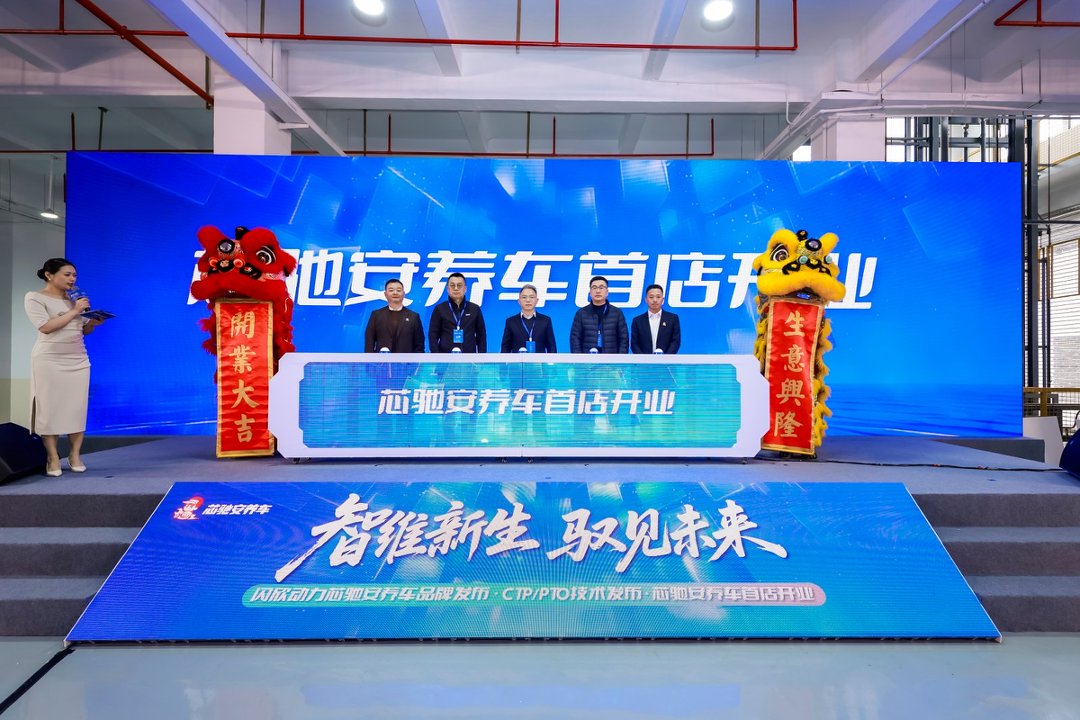
Core Insights - The core viewpoint of the articles emphasizes the urgent need for a sustainable after-sales service ecosystem for electric vehicle (EV) batteries, as the number of EVs in China is projected to reach 43.97 million by the end of 2025, accounting for 12.01% of the total vehicle population [1] Group 1: Industry Context and Challenges - The increasing ownership of electric vehicles indicates a growing demand for battery maintenance and repair services, highlighting a significant market opportunity [3] - The industry faces challenges such as a lack of standardized repair practices, leading to issues like "not daring to repair, not knowing how to repair, and improper repairs" [3] - The launch of the world's first CTP automatic battery repair production line aims to address these challenges by providing a systematic solution for battery maintenance [4] Group 2: Company Initiatives and Innovations - Shenzhen Shining Power Technology Co., Ltd. (闪欣动力) aims to drive the upgrade of the EV after-sales industry through technological and model innovations, establishing itself as an empowering platform for the entire industry chain [1][4] - The CTP automatic repair production line integrates intelligent diagnostics, automated operations, and digital management, significantly improving repair capabilities and efficiency [4] - The production line can process approximately 1,300 battery packs annually, offering a clear path to profitability and reducing maintenance costs for users by over 70% compared to traditional replacement methods [4] Group 3: Strategic Partnerships and Market Positioning - Shining Power has established partnerships with major automotive and battery manufacturers, allowing it to provide authorized repair services that meet industry standards [6] - The company is committed to maintaining an independent market identity, fostering collaboration with various stakeholders, including automakers, battery manufacturers, and insurance companies [6][7] - The establishment of a comprehensive service platform aims to enhance the efficiency and effectiveness of battery maintenance, benefiting all parties involved [8] Group 4: Future Plans and Market Expansion - Shining Power plans to expand its service network through a dual strategy of "Thousand Enterprises Alliance" and "County Connectivity," targeting both urban and rural markets [12] - The goal is to establish 1,000 service locations across China by 2026, with additional international expansion into Europe, Asia-Pacific, and the Americas [12] - The company aims to provide a professional, efficient, and affordable battery maintenance service to a broader range of EV users, addressing the current lack of service points in less urbanized areas [12] Group 5: Sustainability and Circular Economy - Shining Power is also focusing on the recycling and remanufacturing of batteries, collaborating with companies in the battery recycling sector to ensure a sustainable lifecycle management approach [9][10] - The company is developing standardized production lines for battery remanufacturing, which will enhance compliance and environmental responsibility within the industry [10] - Through professional training and industry standards research, Shining Power aims to elevate the overall capabilities and innovation potential of the battery maintenance sector [10]