
吉利

Search documents
大众ID.ERA 9X、蔚来ES9等 1月工信部新车盘点
Zhong Guo Zhi Liang Xin Wen Wang· 2026-01-13 06:56
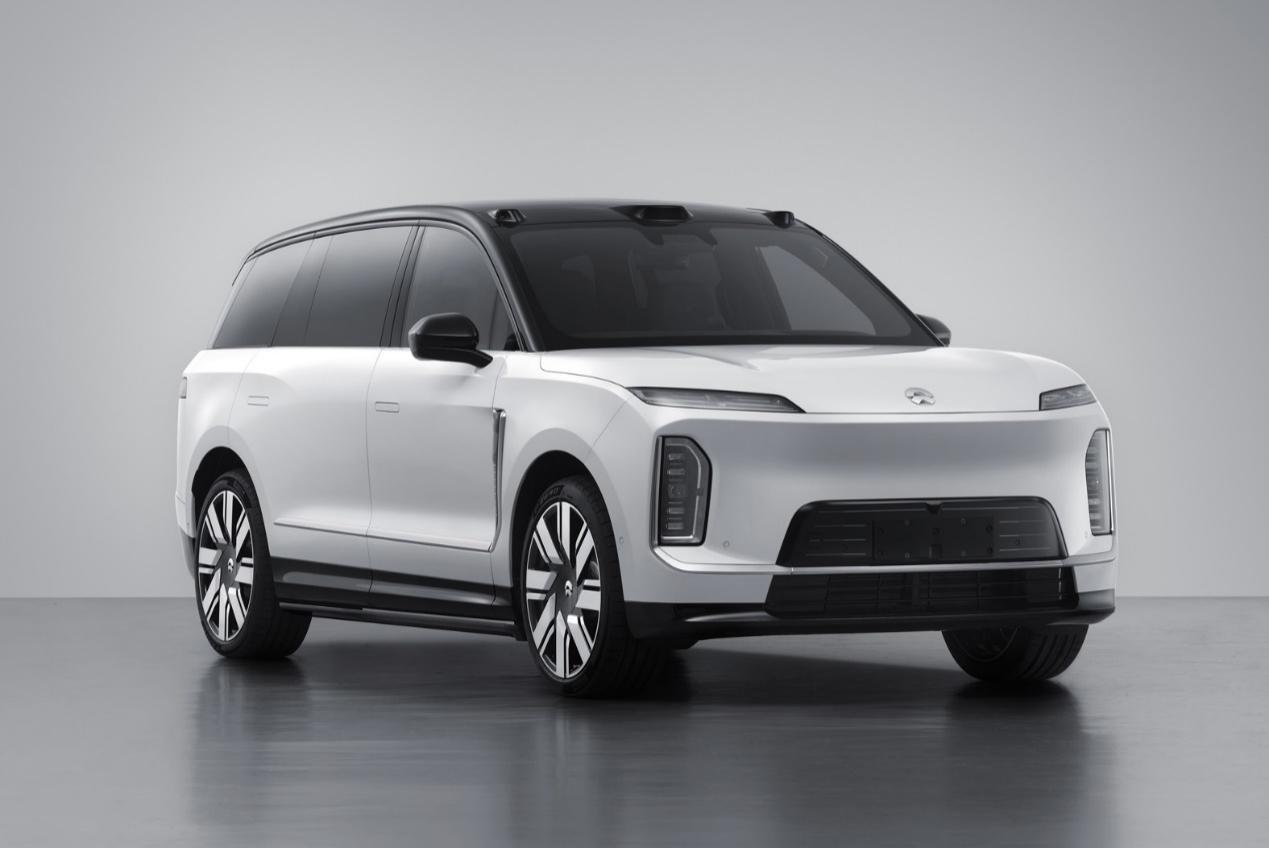
Group 1 - The Ministry of Industry and Information Technology announced the 403rd batch of "Announcement of Production Enterprises and Products of Road Motor Vehicles," featuring several new vehicles set to debut at the 2026 Beijing Auto Show [1] - NIO's ES9 is positioned as a full-size SUV with dimensions of 5365×2029×1870mm and a wheelbase of 3250mm, starting with a curb weight of 2845kg [3][5] - The Volkswagen ID.ERA 9X is a large range-extended SUV featuring a new design language, with dimensions of 5207×1997×1810mm and a wheelbase of 3070mm [4][5] Group 2 - The ID.ERA 9X offers single and dual motor versions, with peak power outputs of 160kW and 220kW for the dual motor version, and a range of battery options including 51.1kWh and 65.2kWh [7] - Leap Motor's D19 is a large SUV with both pure electric and range-extended versions set to launch in April, featuring a two-tone body and various customizable options [8] - The new Xiaomi SU7 has three configurations with pre-sale prices ranging from 229,900 to 309,900 yuan, expected to launch in April [13] Group 3 - The new generation Xiaomi SU7 features enhanced safety with standard laser radar and driving assistance systems, maintaining a similar design to the current model [15][17] - The Mercedes-Benz all-electric GLC is built on the MB.EA platform, with dimensions of 4949×1970×1710mm and a wheelbase of 3027mm, offering a design consistent with its fuel-powered counterpart [19] - The Zhijie V9, as the first MPV from Hongmeng Zhixing, features a 7-seat layout and dimensions of 5359×2009×1859mm, with a dual motor setup providing a total peak power of 463kW [20][21]



钱江摩托(000913.SZ):没有参与吉利卫星业务
Ge Long Hui· 2026-01-12 07:13
格隆汇1月12日丨钱江摩托(000913.SZ)在投资者互动平台表示,公司没有参与吉利卫星业务。 ...
全球电动车转型走到十字路口:中国、欧盟与美国路径分化
Counterpoint Research· 2026-01-12 02:45
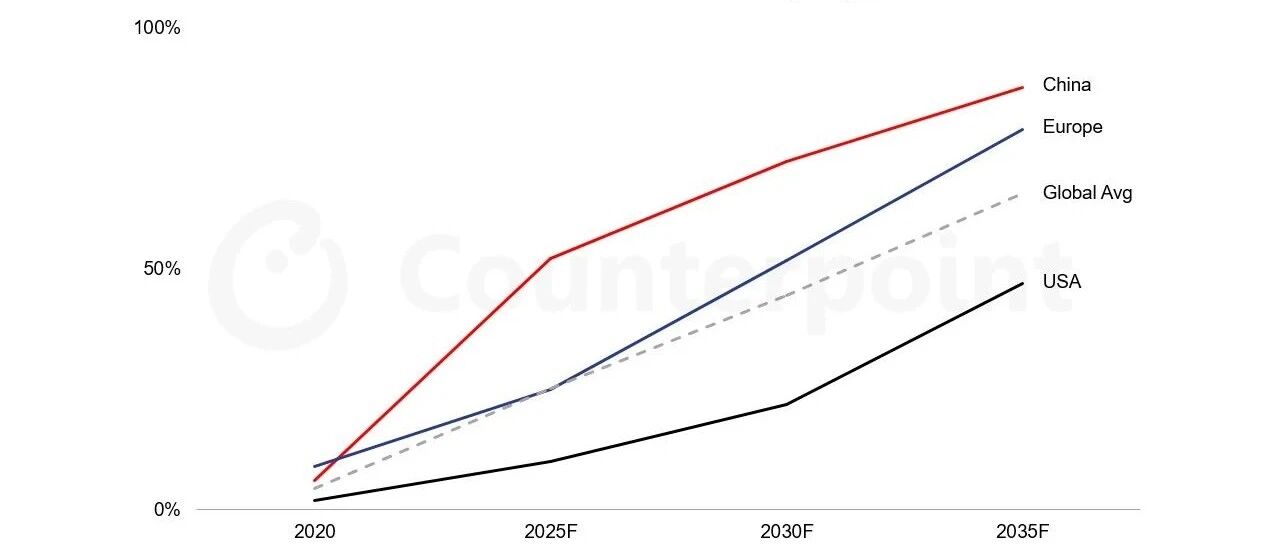
Core Viewpoint - The global electric vehicle (EV) market is entering a phase of significant differentiation, with China rapidly advancing while the EU and the US exhibit hesitance and policy adjustments that may slow their electric vehicle transitions [4][5][7]. Group 1: Electric Vehicle Market Dynamics - China's electric vehicle sales have surpassed 50% of total passenger car sales, indicating a shift from policy-driven to market-driven growth [4][7]. - The US electric vehicle market is experiencing a slowdown due to the potential rollback of federal EV purchase subsidies and weakened emissions regulations, leading manufacturers to refocus on hybrid and internal combustion engine (ICE) vehicles [5][11]. - The EU is recalibrating its electric vehicle strategy by relaxing the 2035 ban on ICE vehicles and introducing the M1E category for small electric cars, aiming to balance decarbonization goals with industry pressures [8][9][10]. Group 2: EU Policy Adjustments - The EU's new policy allows for a 90% reduction in CO2 emissions by 2035 instead of a complete ban, enabling the continued sale of hybrid and ICE vehicles under certain conditions [8][9]. - The introduction of the M1E category aims to promote affordable small electric vehicles, which could mirror the success seen in China's compact EV market [9][10]. - The EU's "super credit" system for M1E vehicles incentivizes local production and sales, potentially benefiting companies like BYD that are expanding in the EU market [10]. Group 3: Challenges for Global Automakers - The differentiation in regional policies forces automakers to adapt their strategies, impacting economies of scale and increasing overall costs [11]. - Companies like Ford and General Motors are facing significant financial challenges, with Ford reporting approximately $19.5 billion in EV-related losses and adjusting their strategies towards hybrids [11]. - The need for regional adaptability in strategy is becoming as crucial as global scale, influencing the competitive landscape of the electric vehicle market [11].
晶丰明源推32.83亿收购完善布局 经营企稳单季归母净利增131.8%
Chang Jiang Shang Bao· 2026-01-11 23:31
Core Viewpoint - Jiangfeng Mingyuan (688368.SH) is acquiring 100% equity of Yichong Technology for a total price of 3.283 billion yuan, aiming to enhance its power management chip layout and accelerate its transformation into a platform semiconductor enterprise [1][2]. Group 1: Acquisition Details - The acquisition involves a combination of shares and cash, with 1.249 billion yuan in cash (38.05%) and 2.033 billion yuan in shares (61.95%), corresponding to an issuance price of 50.39 yuan per share, with approximately 40.35 million shares expected to be issued [2]. - To ensure funding for the transaction, Jiangfeng Mingyuan plans to raise up to 1.8 billion yuan through a private placement to no more than 35 specific investors, which will be used for cash payments, working capital, and intermediary fees [2]. Group 2: Valuation and Market Position - The transaction price of 3.283 billion yuan is supported by a professional assessment valuing Yichong Technology at 3.56 billion yuan, indicating a reasonable discount that protects the interests of the listed company and minority shareholders [3]. - Yichong Technology specializes in high-performance analog and mixed-signal chips, covering key areas such as wireless charging and automotive power management, which aligns with Jiangfeng Mingyuan's strategic goals [4]. Group 3: Financial Performance and Synergy - Jiangfeng Mingyuan reported a revenue of 1.117 billion yuan for the first three quarters of 2025, a year-on-year increase of 2.67%, and a net profit of 23.33 million yuan, marking a turnaround from losses [5]. - The merger is expected to create strong synergies, enhancing Jiangfeng Mingyuan's market position and potentially placing it among the top five in the industry [5].

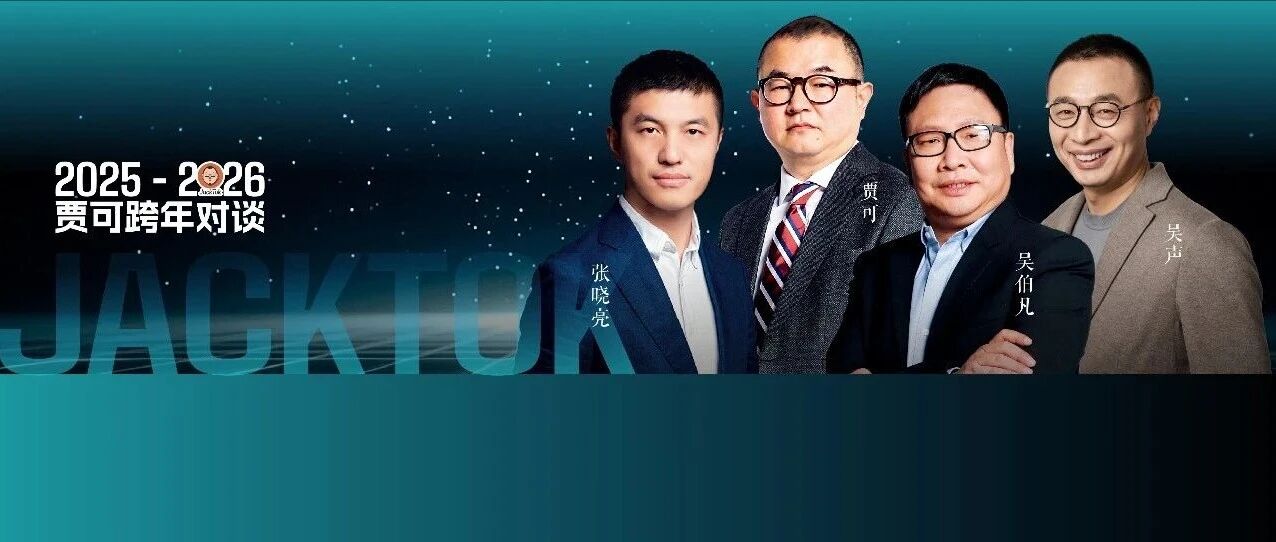
贾可吴伯凡吴声张晓亮,4万字2025-2026跨年对谈全文(下)
汽车商业评论· 2026-01-11 23:06
Core Viewpoint - The article discusses the evolving landscape of the Chinese automotive industry, focusing on the impact of personal branding (IP) of industry leaders, the rise of Huawei in automotive technology, and the trends in global expansion and regulatory changes in autonomous driving [4][5][6]. Group 1: Personal Branding in Automotive Industry - The debate on whether automotive leaders like Lei Jun and Wei Jianjun should develop personal brands (IP) has intensified, with differing opinions on its effectiveness and potential backlash [5][25]. - Lei Jun's recent challenges with Xiaomi's automotive ventures highlight the risks of personal branding, while Wei Jianjun's successful IP development reflects a more grounded approach [26][30]. - The article emphasizes the need for automotive leaders to focus on product quality and strategic management rather than solely on personal branding [31][35]. Group 2: Huawei's Role in Automotive Technology - Huawei's positioning as a service provider rather than a car manufacturer allows it to play a unique role in the automotive industry, focusing on empowering car manufacturers with advanced technologies [7][10]. - The introduction of Huawei's "Jing" and "Jie" series vehicles indicates a strategic expansion into the automotive market, with a focus on high-end segments [9][10]. - Huawei's technology capabilities, including smart cockpit and driving technologies, are seen as critical to its success in the automotive sector, potentially reshaping the competitive landscape [12][15]. Group 3: Trends in Global Expansion - The article notes a significant trend of Chinese automotive companies pursuing IPOs in Hong Kong, reflecting a renewed interest in capital markets and the need for ongoing funding in a capital-intensive industry [38][39]. - The global expansion of Chinese automotive brands is characterized by a shift towards local production and partnerships, moving beyond simple export strategies to more integrated approaches [43][45]. - The necessity for Chinese companies to adapt to local markets and consumer behaviors is emphasized, indicating a more mature approach to globalization [47][49]. Group 4: Regulatory Changes in Autonomous Driving - The Chinese government has implemented stricter regulations on L2 autonomous driving systems, reflecting a growing emphasis on safety following recent incidents [58][60]. - The approval of L3 autonomous driving systems indicates a positive regulatory environment for advanced driving technologies, with companies like Deep Blue and BAIC leading the way [58][61]. - The article suggests that the development of Robotaxi services is gaining momentum, with a focus on subscription-based models as a viable business strategy [61][63].



极氪9系豪华双旗舰CES全球吸睛 外媒点赞中国豪华品牌实力
Zheng Quan Ri Bao Wang· 2026-01-09 12:19
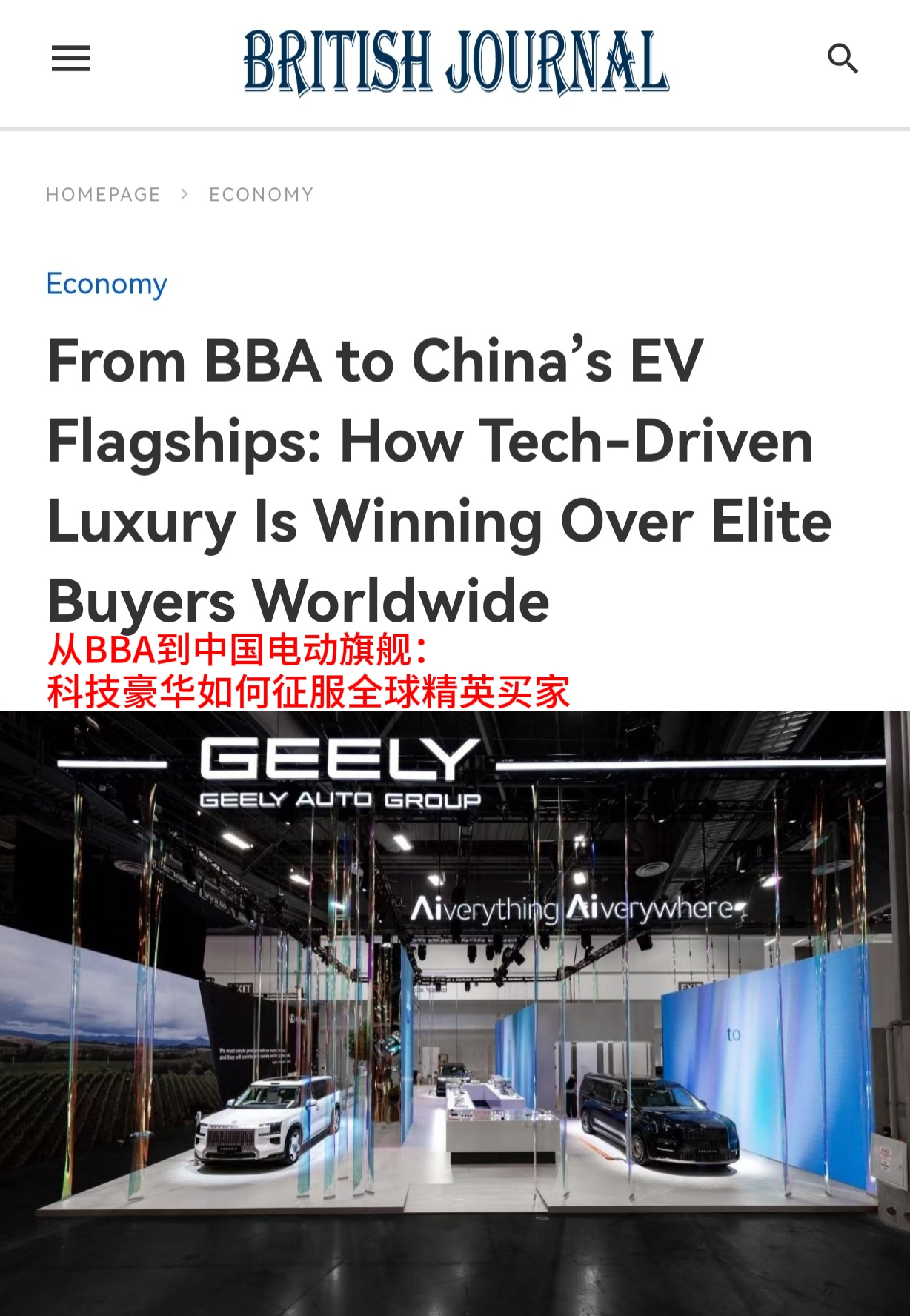
Group 1 - The 2026 International Consumer Electronics Show (CES) in Las Vegas showcased Zeekr's luxury flagship models, Zeekr 9X and 009, highlighting advanced technologies developed by Geely over the past 30 years [1] - The Zeekr 9X and 009 attracted significant media attention and public interest, with calls for the 9X to be launched in the U.S. and trending on social media platforms [1] - Reports from British Journal and European Business Review indicate that the high-end automotive market in China is being dominated by local luxury electric brands, with Zeekr gaining global recognition for its technological strengths [1] Group 2 - The British Journal emphasized that the long-standing dominance of European luxury brands in the high-end market has been disrupted, with Zeekr 9X entering the market at a price point above $80,000, challenging traditional giants [6] - There is a shift in consumer preferences among high-end buyers in China, moving from brand worship to a focus on technological recognition and smart experiences [6] - Zeekr 9X achieved significant market success, becoming the best-selling large SUV priced over 500,000 yuan in November 2025, with an average delivery price of 538,000 yuan and a user satisfaction rate of 98.6% [10] Group 3 - Zeekr 009 has consistently ranked as the best-selling luxury pure electric MPV in China, also achieving top sales in Southeast Asian markets like Malaysia and Thailand [12] - The global market response to Zeekr 9X has been overwhelmingly positive, with reports of consumers in the U.S. and other regions expressing a willingness to pay a premium for the vehicle [13] - In the Middle East, the top configuration of Zeekr 9X has seen price increases of up to 200,000 yuan, while the 009 has experienced price hikes exceeding 150,000 yuan in Southeast Asia [15] Group 4 - The phenomenon of price increases for Zeekr vehicles marks a significant shift in the global luxury car market, indicating that Chinese brands are gaining pricing power previously held by European luxury brands [15] - The success of Zeekr in both domestic and international markets is creating a positive feedback loop, enhancing consumer confidence in China and establishing Zeekr as a model for the upward development and globalization of the Chinese automotive industry [15]
AI基建-电力需求缺口
2026-01-08 16:02
Summary of Key Points from Conference Call Records Industry Overview - The records primarily focus on the **gas turbine industry**, highlighting the surge in demand driven by **AI data center construction** and **energy transition**. The demand for gas turbines is projected to reach approximately **56 GW in 2024**, with further growth expected in 2025 [1][2]. Core Insights and Arguments - **Demand Drivers**: The global gas turbine market is primarily driven by two factors: the increasing demand for AI and the upgrade of energy structures. These trends are expected to accelerate starting in 2024 [2]. - **Regional Demand**: The North American and Middle Eastern markets are experiencing significant growth in gas turbine orders, with major manufacturers like **Mitsubishi Heavy Industries** and **GE** reporting substantial increases in orders, particularly for heavy gas turbines [3][4]. - **Middle East Energy Transition**: Saudi Arabia aims for **50% of its electricity to come from natural gas by 2030**, contributing to a significant rise in gas demand in the region. Since June 2024, major gas turbine manufacturers in the Middle East have secured around **20 GW** in gas orders, which will be crucial for the demand increase in 2025 [5]. - **Supply Constraints**: Global gas turbine manufacturers are facing supply shortages and are actively expanding production capacities. GE plans to increase its capacity to **90 units by 2028**, while Siemens Energy anticipates reaching over **30 GW** in capacity by 2030 [6]. Additional Important Insights - **Opportunities for Chinese Component Suppliers**: Chinese companies are gaining opportunities to deepen collaborations with international manufacturers. Companies like **Longda** and **Yingliu** have signed long-term agreements with firms such as **GE** and **Siemens Energy** [7]. - **Growth in Storage Solutions**: The demand for energy storage solutions is expected to grow significantly, with North American large-scale storage capacity projected to reach **70 GWh by 2025**. The annual growth rate for AI data center-related storage is anticipated to be between **20%-30%** [19]. - **HRSG Market Impact**: The demand for Heat Recovery Steam Generators (HRSG) is expected to rise as **60-70%** of North American gas power projects will adopt combined cycle power generation, enhancing power generation efficiency by **40-50%** [13]. - **Economic Viability of Solar and Storage Solutions**: The cost of solar energy combined with storage is becoming increasingly competitive, especially with policy support that can reduce overall investment costs by about **30%** [18]. Conclusion The gas turbine industry is poised for significant growth driven by AI and energy transition trends, with substantial opportunities for both established manufacturers and emerging suppliers, particularly in the context of North American and Middle Eastern markets. The integration of renewable energy solutions, such as solar and storage, is also becoming a critical component of the energy landscape.
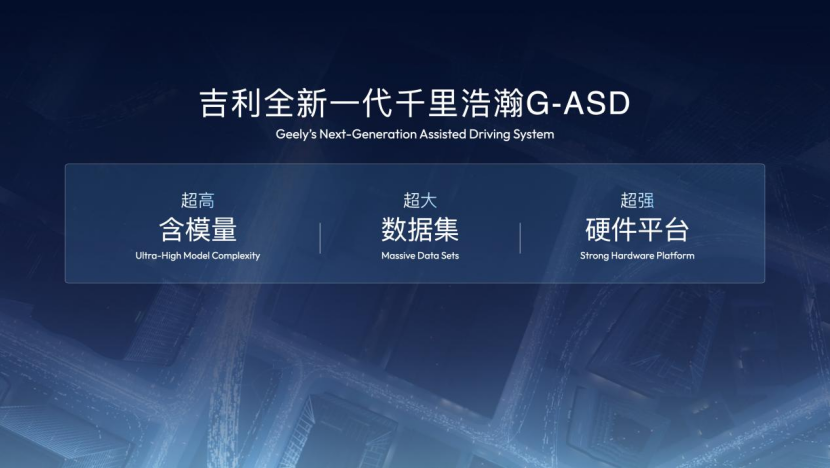
高含模量,30万+上车!千里智驾凭G-ASD冲击中国智驾第一梯队
Feng Huang Wang· 2026-01-08 12:06
Core Insights - The article highlights the launch of G-ASD, a new advanced driving assistance brand developed by Qianli Zhijia and Geely, which aims to cover driving capabilities from L2 to L4 levels, marking a significant step in the smart driving market [1][11]. Group 1: Technology and Innovation - Qianli Zhijia emphasizes a "high model content" approach, which refers to the proportion of AI-driven decision-making in the driving system, aiming for a more flexible and safer system compared to traditional methods that rely heavily on manual rules and high-precision maps [3][5]. - The company has integrated advanced AI technologies, including multimodal base models and reinforcement learning, into its G-ASD system, which is designed to enhance the overall driving experience and safety [3][9]. - Qianli Zhijia's system is built on a foundation of over 25 million real driving video segments, allowing for efficient data feedback and training of AI models to understand complex real-world scenarios [6][9]. Group 2: Market Position and Strategy - G-ASD has already been deployed in over 300,000 vehicles, with expectations to exceed 1 million units in the current year, positioning it among the top tier of advanced driving solutions [11][12]. - The company aims to establish deep partnerships with leading automotive manufacturers rather than focusing solely on customer quantity, which is seen as a strategy to solidify its market position [12]. - Qianli Zhijia's collaboration with major players like Geely and Mercedes-Benz is indicative of its strategy to create a robust ecosystem and enhance its competitive edge in the global market [12][14]. Group 3: Future Outlook - The company anticipates significant trends in the integration of cabin and driving experiences, aiming to create a seamless user experience by 2026 [13]. - The potential growth of the Robotaxi market is also highlighted, with expectations for explosive growth in the coming years, particularly in international markets [13]. - The competition in the smart driving sector will increasingly revolve around the integration of big data, large models, and large-scale engineering capabilities, with Qianli Zhijia positioning itself as a leader in this domain [14].

应可逐步部署。
ZHONGTAI INTERNATIONAL SECURITIES· 2026-01-08 11:39
Market Performance - The Hang Seng Index and the China Enterprises Index fell by 0.9% and 1.1% respectively, with brokerage stocks retreating after a previous rise[1] - The Dow Jones dropped by 0.9%, while the Nasdaq increased by 0.2%, and the S&P 500 fell by 0.3%[2] Oil Market Impact - Concerns over oil prices arose as Trump announced Venezuela would supply 30-50 million barrels of oil to the U.S., affecting market sentiment[2] - Oil stocks declined due to these market worries[1] Automotive Sector Trends - The automotive sector showed mixed performance, with smart driving-related stocks performing well, while traditional vehicle manufacturers faced declines of 1-4%[4] - Concerns about a potential drop in car sales and renewed price wars negatively impacted the overall automotive sector[4] Semiconductor and Chip Prices - Samsung Electronics warned of a memory chip supply shortage, predicting a price increase of 60-70% for DRAM in Q1 compared to Q4 of the previous year[1] - Chip prices are expected to continue rising, benefiting companies like Huahong Semiconductor and ASMPT[1] Pharmaceutical Sector Developments - The Hang Seng Healthcare Index rose by 3.7%, driven by the innovative drug sector and favorable regulatory announcements from the National Medical Products Administration[5] - The approval of 76 innovative drugs by 2025 marks a historical high, surpassing the 48 approved in 2024[5]