奔驰

Search documents
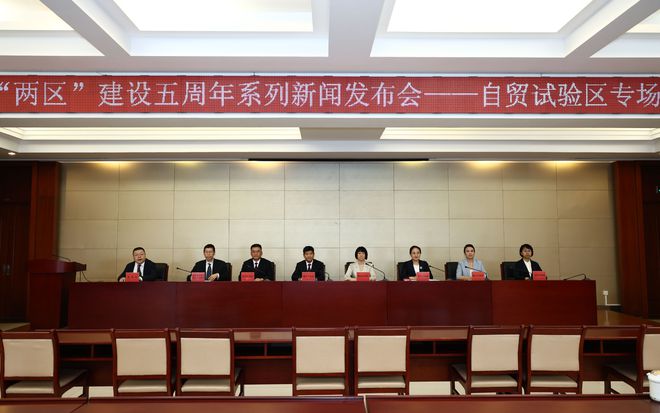
北京“两区”建设五周年,制度创新引领高水平开放
Xin Jing Bao· 2025-07-03 14:53
Core Viewpoint - The five-year development of Beijing's "Two Zones" (National Service Industry Expansion Pilot Zone and Beijing Free Trade Zone) has led to significant achievements in institutional innovation, the establishment of an open economy, and advancements in technological innovation and industrial upgrading [1][3]. Group 1: Institutional Innovation - Over the past five years, Beijing's Free Trade Zone has formed a series of nationally influential pioneering achievements, with Haidian District generating 98 institutional innovation cases, four of which have been promoted nationwide [3]. - The Zhongguancun Comprehensive Bonded Zone has become the first in the country to focus on "bonded R&D," implementing a "3+1" smart supervision model [3]. - Changping District has made strides in the medical and health sector, establishing several "national firsts," including the first international research hospital and the first decentralized clinical trial pilot [3][8]. Group 2: Economic Growth and Foreign Investment - Shunyi District has attracted 2,180 projects over five years, ranking first among the seven groups in the city, with a notable focus on rare disease drug imports [5]. - Daxing District has introduced over 7,800 market entities with registered capital exceeding 130 billion, becoming a hub for cross-border e-commerce [5]. - Chaoyang District has seen nearly 60,000 new enterprises established in the CBD area, with over 10,000 foreign investment institutions, accounting for nearly half of the city's multinational company regional headquarters [6]. Group 3: Technological and Industrial Development - Haidian District's GDP is projected to reach 1.29 trillion yuan in 2024, accounting for one-fourth of the city's total, with over 1,900 AI-related companies [7]. - Changping District has developed a comprehensive ecosystem in the medical health sector, with over 2,000 companies and a revenue exceeding 100 billion yuan [8]. - The Beijing Economic-Technological Development Area has achieved breakthroughs in various cutting-edge fields, including the establishment of the first artificial intelligence data training base in the country [4]. Group 4: Future Development Strategies - Future strategies include deepening medical health reforms in Changping, promoting data cross-border flow in Daxing, and focusing on green finance and digital economy in Tongzhou [9][10]. - Haidian District plans to accelerate the construction of an AI model industry cluster and enhance the technology service system to support SMEs [10].

AI法案监管过严,阿斯麦等多家企业呼吁欧盟推迟实施
Feng Huang Wang· 2025-07-03 09:03
Group 1 - Major European companies, including ASML, SAP, and Mistral AI, are urging the EU to postpone the implementation of the landmark AI Act, citing potential risks to Europe's ambitions in the AI sector [1][2] - A public letter signed by 44 CEOs calls for a two-year delay in regulations concerning powerful AI models and high-risk AI systems, advocating for a more innovation-friendly regulatory approach [1][2] - The letter emphasizes that delaying the regulations and prioritizing regulatory quality over speed would send a strong signal to global innovators and investors about Europe's commitment to deregulation and enhancing competitiveness [1] Group 2 - The AI Act, passed last year, aims to prevent serious misuse of AI technology, requiring developers to disclose training methods and comply with copyright policies [2] - Companies are frustrated with the EU Commission's failure to issue key guidelines and standards, including a compliance guideline for advanced AI companies that was supposed to be released in May but has faced delays and criticism [2] - The US government has expressed concerns regarding the current version of the guidelines, urging the EU to abandon the existing draft due to its perceived overreach beyond the scope of the AI Act [2]

【百人会百人谈】德国汽车工业协会张琳:合资2.0时代,我们在研发端追赶“中国速度”
Xin Hua Cai Jing· 2025-07-03 08:00
Core Insights - The core viewpoint of the article emphasizes the evolution of Sino-German automotive cooperation, highlighting a strategic shift towards localized R&D by German companies in China, marking the beginning of a "Joint Venture Cooperation 2.0 Era" [1][2]. Group 1: New Trends in Sino-German Automotive Cooperation - Recent years have seen a strategic focus from German companies in China characterized by "In China, for China," with a strong emphasis on localized R&D [2]. - A survey conducted by the German Automotive Industry Association revealed that 70% of member companies plan to increase investments in China, with over 78% focusing on R&D [2]. - The supply chain collaboration has evolved from a "chain" model to a "network" model, involving partnerships with both traditional suppliers and innovative Chinese startups [2]. Group 2: Financial and Investment Initiatives - German companies are not only investing in product development but are also establishing joint ventures and partnerships with promising domestic firms in areas like autonomous driving and chip technology [3][4]. Group 3: Observations on Chinese Companies Entering Europe - The experience of German companies in China over the past 40 years offers valuable lessons for Chinese firms looking to expand into Europe, emphasizing the importance of long-term strategies and patience [5][6]. - The current wave of Chinese companies entering Europe is significantly different from previous attempts, with a broader impact and deeper significance [6]. Group 4: Challenges in European Electric Vehicle Development - The slow progress of electric vehicle development in Europe is attributed to several factors, including inadequate charging infrastructure, high energy prices, and inconsistent policy support across EU member states [8][9][10]. - The EU's ambitious 2035 "ban on combustion engines" goal faces challenges in aligning industry needs with policy objectives [10]. Group 5: Recommendations for Chinese Companies in Europe - Chinese companies should adopt a long-term perspective and strategic consistency when entering the European market, treating it as a significant consumer market [11]. - Compliance with stringent European regulations is crucial, as any product issues can lead to severe reputational damage [11]. - Understanding consumer preferences is essential, as products successful in China may not necessarily meet the demands of European customers [11].
未进行这项评估,爱信(中国)旗下车身零部件公司上榜处罚公示栏
Qi Lu Wan Bao· 2025-07-02 08:23
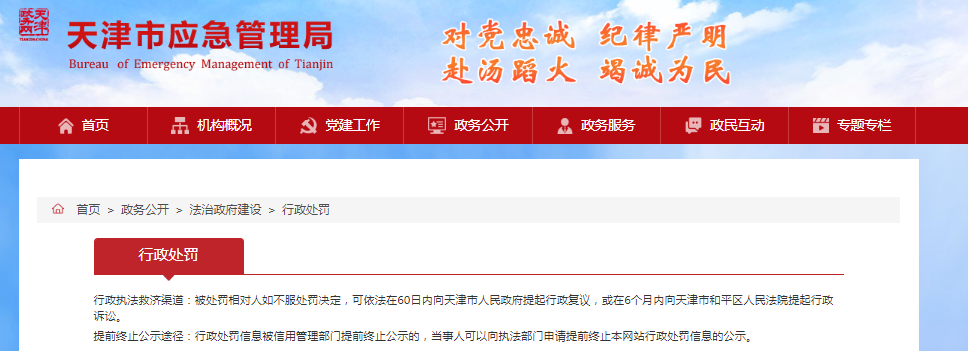
Group 1 - Aisin (Tianjin) Body Parts Co., Ltd. was recently listed in the administrative penalty public notice for failing to conduct an emergency plan assessment as required [1][3] - The company is part of Aisin Group, a Fortune Global 500 company and the sixth largest automotive supplier globally, with 208 companies and approximately 110,000 employees worldwide [3][4] - Aisin (Tianjin) Body Parts Co., Ltd. primarily serves major clients such as FAW Toyota, Mercedes-Benz, SAIC, JAC, and Great Wall, producing components like panoramic sunroofs, door locks, and window regulators [3] Group 2 - The company was established in 2001 with a registered capital of 13,680 million RMB, and its legal representative is Zhu Zhongshan [4] - Aisin (China) Investment Co., Ltd., the major shareholder, was also founded in 2001 with a registered capital of 19,848.3 million USD, and Zhu Zhongshan serves as its legal representative as well [4]

一线调查:热门新能源品牌保值率逼近燃油车 “价格战”下二手车商不敢囤货
Zhong Guo Jing Ying Bao· 2025-07-01 13:32
Core Insights - The depreciation rate of new energy vehicles (NEVs) in the second-hand market is significantly higher compared to traditional fuel vehicles, with many NEVs losing over half their value within three years [1][3][4] - The low resale value of NEVs is primarily attributed to frequent new model releases and price cuts, leading to a chaotic pricing structure in the market [5][6] - The penetration rate of second-hand NEVs is increasing, rising from 3.6% at the end of 2022 to 9.1% by April 2025, indicating a growing market potential [2] Group 1: Depreciation and Resale Value - The Polestar 2, registered in October 2021, has a resale price of 78,000 yuan, only 17% of its original price of 467,100 yuan, while the Polestar 4, registered in December 2023, is priced at 140,000 yuan, about 30% of its new price [1] - Data from Guazi shows that NEVs typically experience the highest depreciation in the first year, with over 10% of NEVs having a first-year resale value below 50% [3] - Brands with higher new car sales, such as Tesla and NIO, tend to have better resale values, with some Tesla models retaining over 60% of their value after three years [3] Group 2: Market Dynamics - The second-hand NEV market is still significantly smaller than the fuel vehicle market, with NEVs often requiring appointments for viewing, while fuel vehicles are readily available [4] - The ongoing "price war" in the new car market is impacting the second-hand market, forcing dealers to adopt a fast-moving sales model to avoid losses [5][6] - The rapid technological advancements in NEVs lead to older models becoming less competitive, further driving down their resale values [6] Group 3: Export Opportunities - The export of second-hand vehicles, including NEVs, is on the rise, with Zhejiang Province leading in this sector, and policies are being implemented to support this growth [8][9] - The demand for second-hand NEVs in international markets, particularly in Africa and the Middle East, is increasing, with domestic brands gaining attention [9]
当年轻人爱上“嗑糖”,品牌该如何“产粮”?
Tai Mei Ti A P P· 2025-07-01 09:35
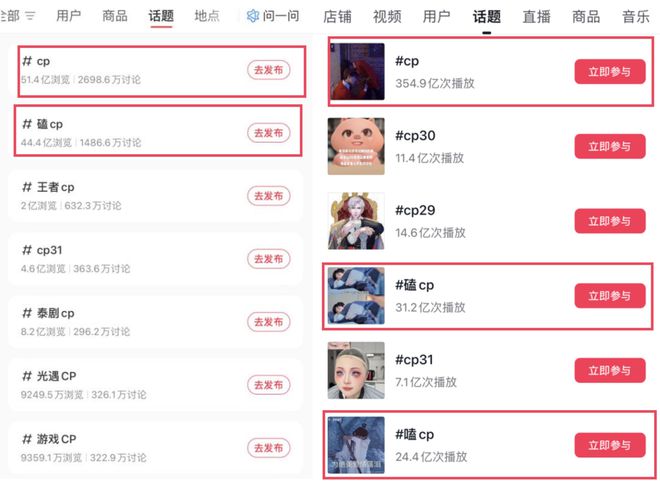
Core Insights - The article discusses the phenomenon of "CP" (couple pairing) among young people, highlighting its evolution into a cultural trend that influences emotional consumption and social interactions [1][2][3] - Brands are increasingly leveraging CP marketing to connect with young consumers, creating emotional resonance and community engagement [7][21] Group 1: CP Phenomenon - Young people are engaging in CP culture across various media, from traditional dramas to modern AI interactions, showcasing a limitless imagination in pairing characters [2][3] - The popularity of CP is reflected in significant social media metrics, with hashtags like CP and 嗑CP garnering billions of views and millions of discussions, indicating a widespread cultural phenomenon [3][5] - CP serves as a source of joy and emotional fulfillment for young people, providing an escape from the complexities of real-life relationships [5][6] Group 2: Brand Engagement Strategies - Brands are adopting CP marketing strategies to tap into the emotional engagement of young consumers, transforming their enthusiasm for CP into brand value [7][21] - Common strategies include leveraging existing CPs, inviting popular CP figures as brand ambassadors, and creating nostalgic campaigns that resonate with audiences [8][9][10] - Brands are also engaging in competitive CP marketing, where rival brands play off each other’s narratives to create buzz and engagement [18][20] Group 3: Recommendations for Effective CP Marketing - Successful CP marketing requires a natural alignment between the brand and the CP, ensuring that the partnership resonates with the target audience [22] - Content co-creation is essential for maximizing user-generated content (UGC) potential, allowing brands to engage consumers actively rather than passively [23] - Brands must carefully manage the frequency and tone of CP marketing to avoid consumer fatigue and maintain a positive brand image [24]
BBA大幅降价 豪车格局要重新洗牌
Xi Niu Cai Jing· 2025-07-01 04:03
Core Viewpoint - The luxury automotive market, particularly the German trio of BBA (Benz, BMW, Audi), is experiencing a significant price drop due to the rise of electric vehicles and strong competition from domestic brands, leading to a collective price war that undermines their traditional premium positioning [3][4][6]. Price Cuts and Market Dynamics - Since 2025, BBA has engaged in aggressive price reductions, with Mercedes-Benz GLC seeing discounts up to 199,000 yuan, and the EQC dropping from 620,000 yuan to 220,000 yuan, a staggering decrease of 400,000 yuan [4][5]. - Audi's A4L has seen its price drop to the 200,000 yuan range, while the Q7's entry price has fallen below 500,000 yuan for the first time [4]. - BMW's 525Li has dropped to below 290,000 yuan, representing a 34% discount from its original price [5]. - The overall luxury car market is witnessing a collapse in pricing, with models like the Porsche Cayenne and Macan also seeing significant price reductions [5]. Impact of Electric Vehicles and Domestic Brands - The price decline is primarily driven by the competitive pressure from domestic electric vehicle brands, which are advancing rapidly in technology and market share [6][10]. - Domestic brands like Li Auto and AITO are offering advanced features that BBA's models lack, such as superior intelligent driving systems [7][8]. - BBA's sales in China are declining, with Mercedes-Benz down 7% to 683,600 units, BMW down 13.3% to 714,500 units, and Audi down 10.9% to 649,000 units in 2024 [10]. Challenges in Transformation - BBA is struggling with the transition to electric and smart vehicles, with significant investments required while their net profits are declining: Mercedes-Benz down 28.4%, BMW down 36.9%, and Audi down 33.1% [12]. - The lack of in-house battery production capabilities forces BBA to rely on expensive external suppliers, impacting their cost structure [12]. - BBA's attempts to collaborate with tech companies like Huawei for smart driving solutions may lead to a loss of brand identity and autonomy [13]. Strategic Responses - In response to the crisis, BBA plans to launch 36 new products from 2025 to 2027, with BMW aiming for a 20% efficiency improvement and Audi collaborating with Porsche on a new electric platform [11][12]. - Initial signs of recovery are noted, with models like the Audi Q4 e-tron and BMW i3 seeing increased orders after integrating advanced technologies [13]. Conclusion - The luxury car market's definition is shifting, and BBA's ability to reclaim its former status is increasingly uncertain, suggesting a potential long-term decline in brand value and consumer trust [14].
中国技术成全球车企采购的“必选项”
Zhong Guo Xin Wen Wang· 2025-06-30 16:37
Group 1 - The global automotive technology leadership is rapidly shifting from West to East [1] - Chinese companies like XPeng have developed autonomous driving chips that surpass Nvidia's performance, attracting major clients like Volkswagen [2] - Traditional automakers are increasingly collaborating with Chinese tech firms to enhance their smart and electric vehicle transformations [3] Group 2 - Chinese automakers have achieved significant advancements in the new energy sector, outpacing traditional manufacturers who struggle with innovation [4] - The vast Chinese market provides ample opportunities for automotive companies to innovate and test new technologies [4] - Chinese firms have established a strong foothold in key areas such as battery technology and smart driving solutions, becoming essential suppliers for global brands [4] Group 3 - China is reshaping the global automotive innovation network, with multinational companies setting up major R&D centers in the country [5] - The experience and technology gained in China are vital for the transformation of global automotive companies [5] - China is transitioning from a technology-importing nation to a technology-exporting one, becoming a hub for innovation and industry standards [6]
疯了!奔驰技术王炸?改变电动焦虑史?
电动车公社· 2025-06-30 12:31
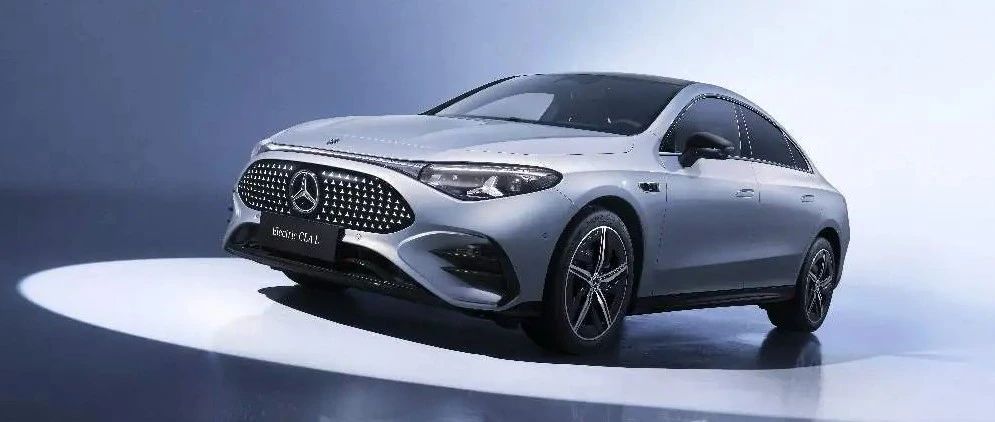
Core Viewpoint - The article discusses the significant advancements in electric vehicle (EV) technology, particularly in addressing the issue of range anxiety, which has become less of a concern due to improved battery technology and charging infrastructure [1][4]. Group 1: Evolution of Electric Vehicle Range - The range of pure electric vehicles has increased from a mainstream 400 km to 600-800 km, thanks to innovations like heat pump air conditioning, silicon carbide (SiC) drives, and 800V architecture [3][4]. - The introduction of 5C batteries that can provide over 400 km of range in just 10 minutes is becoming common, further alleviating range anxiety [4]. Group 2: Real-World Testing and Performance - Mercedes conducted a high-speed test of its new electric CLA, achieving a range of 572 km at a constant speed of 120 km/h with an average energy consumption of less than 15 kWh/100 km [16][19]. - The CLA can potentially travel from Shanghai to Beijing without needing to recharge, showcasing the vehicle's impressive range capabilities [18]. Group 3: Technological Innovations - The CLA features an 800V high-voltage platform and a two-speed transmission designed for efficiency, achieving an energy conversion efficiency of 93% [19][22]. - The vehicle includes advanced energy recovery systems and a heat pump air conditioning system that is significantly more efficient than traditional systems [28]. Group 4: Brand Philosophy and Market Positioning - Mercedes aims to redefine its brand image with the CLA, emphasizing a blend of technology and emotional appeal in its marketing [30][33]. - The CLA is equipped with a new electronic architecture (MB.OS) that enhances user interaction and driving experience through advanced AI and voice recognition [36][41]. Group 5: Historical Context and Innovation Legacy - Mercedes has a long history of innovation, from the first four-cylinder engine to modern safety technologies like ABS and ESP, which have significantly influenced automotive design and safety standards [55][61]. - The company continues to lead in the development of autonomous driving technologies, having received the first international certification for L3 conditional automated driving [62][64].
内卷的解药不是涨价
首席商业评论· 2025-06-29 04:23
Core Viewpoint - The article discusses the evolution of business competition from price-cutting strategies to concerns about "low-price internal competition," emphasizing the need for businesses to focus on value creation rather than merely competing on price [4][5]. Group 1: Price Dynamics - Over the past decade, the price of a 55-inch television has dropped from approximately 5000 yuan to 1500 yuan, driven by larger display panel production sizes that reduce unit costs [8]. - The average price of household air purifiers has decreased by 34% since 2016, while production volume has increased by 53%, indicating that market expansion leads to lower prices [10]. - The emergence of low prices is often linked to two conditions: market scale growth and a fragmented market structure, where increased consumer sensitivity to price drives manufacturers to lower prices [9]. Group 2: Value Creation - The article argues that when a product's price increases without any enhancement in its attributes or production processes, competitors will likely undercut prices, leading to a return to fair pricing [20]. - True consumption upgrades occur when previously unaffordable products become accessible to new consumer segments, rather than merely shifting existing consumers to higher-priced alternatives [21]. - The creation of new value beyond raw materials and production processes is essential for improving social wealth and purchasing power [22][23]. Group 3: Market Structure and Competition - As market scales reach their limits and competition consolidates, price competition becomes less effective, leading to stable pricing among major players [14][15]. - The article highlights that the characteristics of entrepreneurs often reflect the stability and growth potential of their respective markets, with those in stagnant markets expressing concerns about low-price competition [17]. - The need to escape low-price competition is linked to enhancing labor productivity rather than eliminating low-priced goods [28]. Group 4: Human Capital and Innovation - High-value products often reduce the proportion of value derived from raw materials and production, instead relying on human knowledge and skills for value creation [27]. - The article emphasizes that the true value of products comes from design, innovation, and branding, rather than just manufacturing processes [24][25]. - Social progress is defined by the ability of individuals to achieve fair market pricing based on their skills and knowledge, rather than being tied to traditional production metrics [32][33].