奔驰

Search documents
大湾区车展小米挤满了人,奔驰挤满了车
3 6 Ke· 2025-06-03 23:44
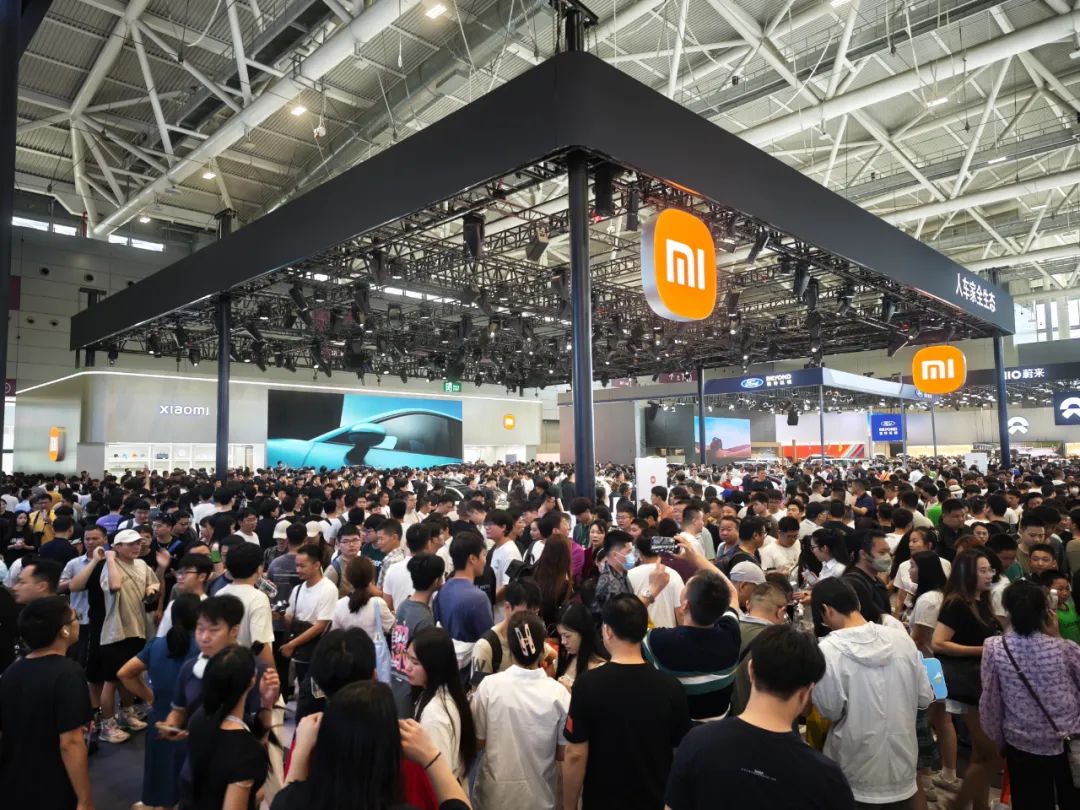
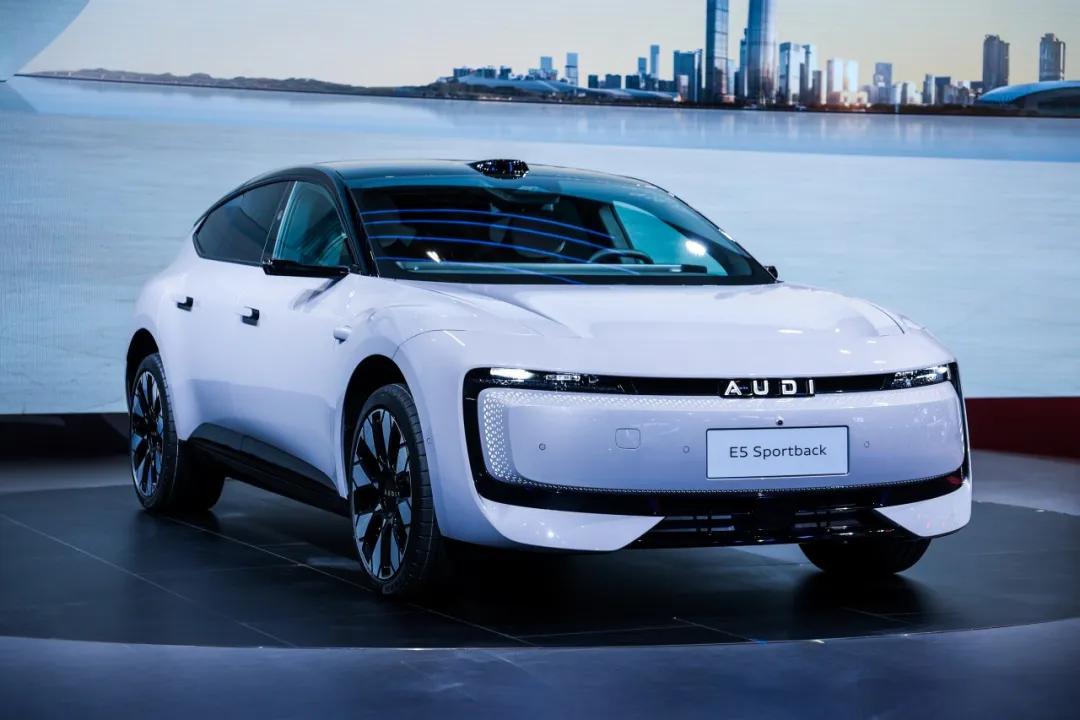
Core Insights - The 29th Guangdong-Hong Kong-Macao Greater Bay Area Auto Show was highly successful, attracting over 450,000 visitors and generating more than 4 billion yuan in pre-orders for over 16,000 new cars [1] - Despite the strong attendance, traditional automakers like Mercedes-Benz, BMW, and Audi (BBA) are facing significant sales declines, with each experiencing over a 10% drop in Q1 sales year-on-year [1] - New energy vehicle companies, particularly Xiaopeng, are showing stronger performance, with Xiaopeng's new model generating 20,000 new orders in just one week after its launch [6][7] Group 1: Industry Performance - New energy vehicle companies have achieved over 30% of their annual sales targets by May, with only Xiaopeng meeting the timeline expectations for 2025 [1] - In contrast, traditional automakers like BBA are struggling, with their sales figures declining significantly compared to the previous year [1][2] - The auto show highlighted the need for BBA to innovate in marketing strategies to compete effectively with new energy vehicle companies [6][7] Group 2: Marketing Strategies - BBA's traditional marketing tactics, such as celebrity endorsements and price reductions, are becoming less effective compared to the innovative strategies employed by new energy vehicle companies [2][6] - Xiaomi's unique approach of using limited edition bottled water to attract visitors proved to be more effective than traditional celebrity endorsements [4][6] - Xiaopeng's successful use of celebrity endorsement with Ouyang Nana significantly boosted its visibility and sales, demonstrating the importance of effective marketing in the current competitive landscape [6][7] Group 3: Product Development - Mercedes-Benz and Audi showcased their latest localized products at the auto show, while BMW struggled to present compelling new offerings beyond price cuts [7][12] - Audi's new E5 Sportback and Mercedes-Benz's long-wheelbase CLA are positioned to enhance their market presence with advanced technology and local partnerships [9][11] - BMW's new models, including the X3, are facing declining sales and significant discounts, indicating a need for a complete overhaul of their product strategy [12]



深蓝“广告门”背后,车机大屏成车企营销新手段
第一财经· 2025-06-03 15:52
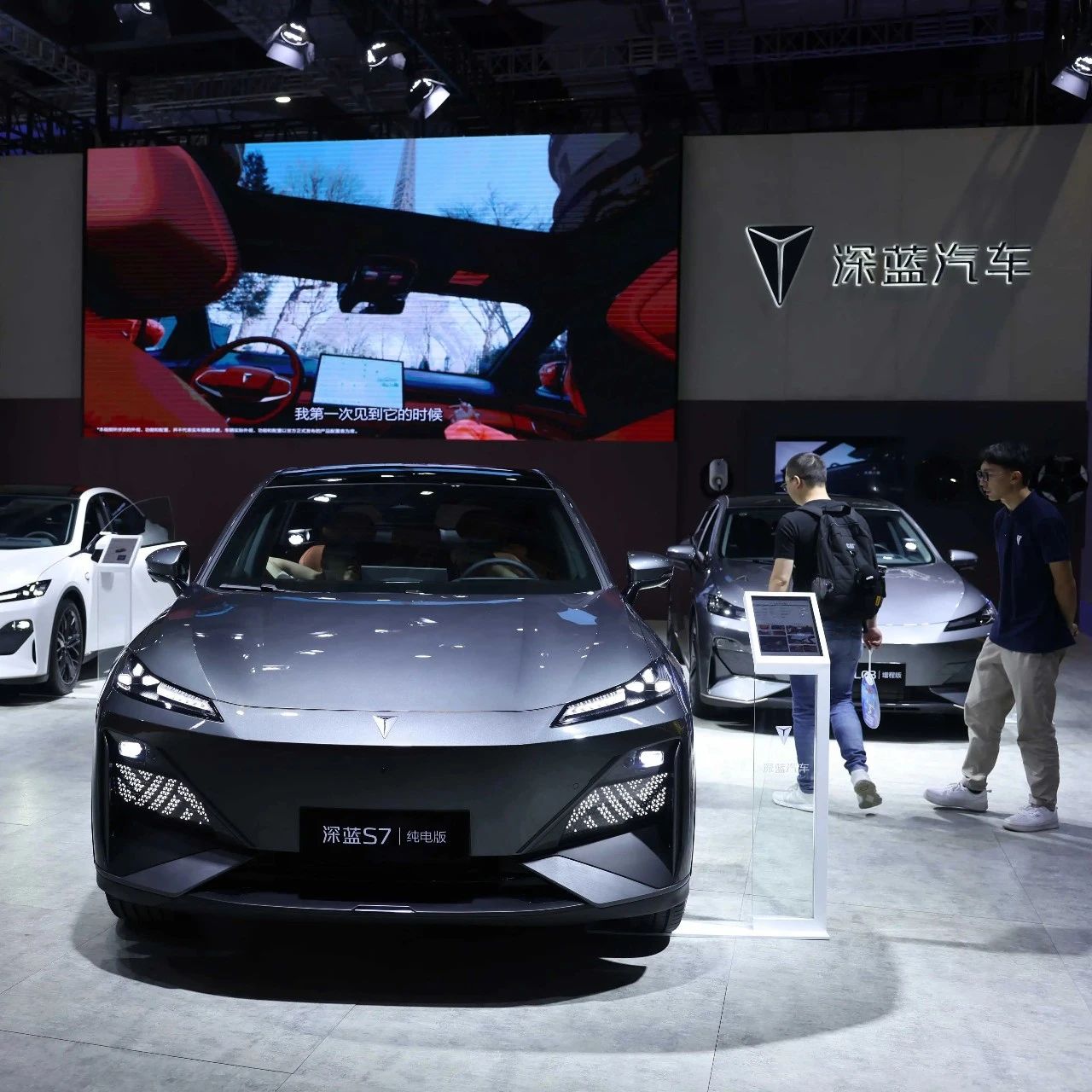
Core Viewpoint - The article discusses the ongoing controversy surrounding Deep Blue Automotive's advertising practices on in-car screens, highlighting the company's response to allegations of intrusive advertising and privacy policy changes [1][2]. Group 1: Advertising Practices - Deep Blue Automotive faced backlash from car owners for pushing advertisements on the vehicle's display without consent, which some owners claimed affected their driving experience [2]. - The CEO of Deep Blue Automotive apologized for the incident, stating that the intention was to inform customers about a promotional offer, but acknowledged the mistake and committed to improving communication methods [2][3]. - The trend of using in-car displays for advertising has become common among automakers as competition intensifies, with several brands employing similar strategies to promote new models and offers [3]. Group 2: Regulatory and Privacy Concerns - The rise in complaints about in-car advertising has led to increased scrutiny from regulatory bodies, with new regulations requiring clear disclosure of advertising practices and user consent [4]. - Concerns about personal data privacy have escalated, with consumers worried about potential data collection by automakers for targeted advertising, including sensitive information such as location and in-car activities [4][5]. - A significant number of data breach incidents related to automotive companies have been reported, prompting the industry to implement measures for better privacy protection [5][6].
深蓝“广告门”背后,车机大屏成车企营销新手段
Di Yi Cai Jing· 2025-06-03 13:53
Core Viewpoint - The controversy surrounding Deep Blue Automotive's in-car advertising has sparked significant backlash from car owners, leading to clarifications and apologies from the company regarding the nature and intent of the advertisements [2][3]. Group 1: Company Response - Deep Blue Automotive's legal department has denied claims that in-car advertisements negatively impact driving safety and that users are forced to view ads for over five seconds [2]. - The company clarified that the advertisement appears only when the vehicle is in park (P) mode and can be closed by the user, ensuring it does not obstruct critical driving information [2][3]. - CEO Deng Chenghao acknowledged the mistake in communication and expressed regret, stating that the intention was to inform car owners about a special purchase voucher [3]. Group 2: Industry Context - The trend of using in-car screens for advertising has become common among automakers as competition intensifies and smart technology becomes more prevalent [3]. - Other manufacturers, such as Dongfeng Nissan and GAC Toyota, have also implemented similar advertising strategies, aiming to encourage trade-ins and referrals through in-car promotions [3]. - Complaints regarding in-car advertisements have surged, with a reported 210% increase in complaints in 2024, making it a significant concern for car owners alongside battery safety issues [4]. Group 3: Regulatory Environment - The National Internet Information Office and other regulatory bodies have issued guidelines to manage internet pop-up advertising, emphasizing user experience and the need for clear cancellation options [5]. - According to the Advertising Law, failure to provide a clear close button for advertisements can result in fines ranging from 5,000 to 30,000 yuan [6]. - Concerns about personal data privacy have risen with the increasing penetration of smart connected vehicles, with over 40% of consumers expressing doubts about automakers' ability to protect sensitive information [6].
车展观察 | 十一城联动的A级车展:从“西洋景”到“中国风”
Mei Ri Jing Ji Xin Wen· 2025-06-03 12:37
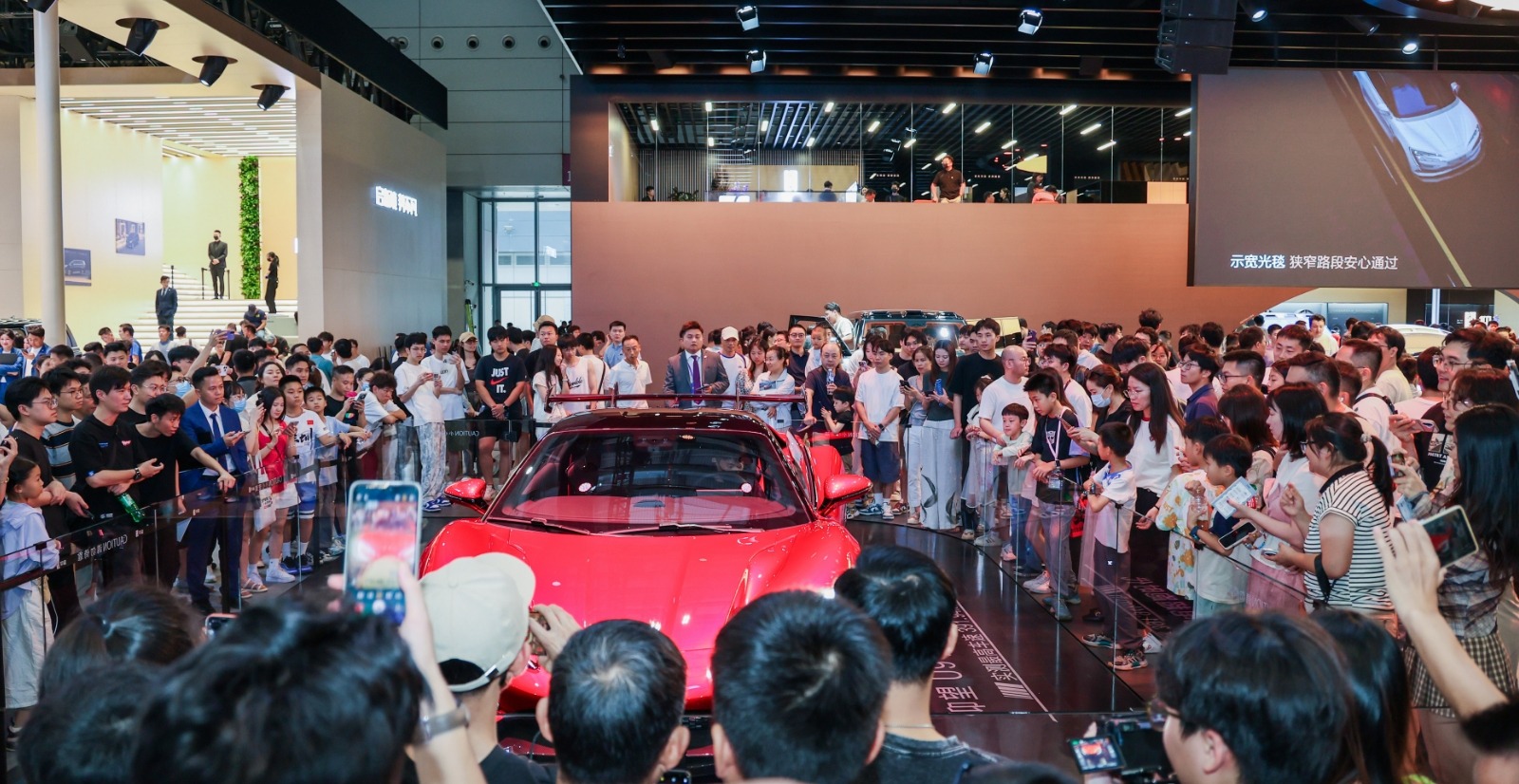
Core Insights - The 2025 Guangdong-Hong Kong-Macao Greater Bay Area Auto Show in Shenzhen has transformed from a traditional car exhibition to a platform showcasing an ecosystem of automotive technology and innovation, reflecting a shift from "displaying cars" to "displaying ecosystems" [2][10] Event Overview - The auto show, held from May 31 to June 8, attracted over 183,000 visitors on its first day, setting a new record [2][6] - The event features over 112 vehicle brands and 1,039 models, covering a total area of 260,000 square meters [6] - It is expected to draw 450,000 visitors and generate a transaction volume of 4 billion yuan, representing a 27.84% and 8.1% increase compared to the previous event [6] Historical Context - The first Shenzhen International Auto Show took place in 1991, initially in temporary structures, and has evolved significantly over the years [3][6] - The event transitioned from a local exhibition to an international one, now recognized as an A-level auto show alongside major cities like Beijing and Shanghai [6] Industry Transformation - The auto industry is shifting from traditional vehicles to smart terminals, with a notable increase in the presence of new energy vehicles (NEVs) at the show [2][9] - In April 2023, Shenzhen's auto sales reached 37,000 units, with NEVs accounting for 25,000 units, reflecting a 30% year-on-year growth [9] Technological Advancements - The show emphasizes the integration of technology and automotive innovation, with companies like BYD showcasing advanced features such as intelligent driving systems and rapid charging solutions [11][14] - The collaboration between Huawei and Jianghuai Automobile to launch the high-end model, the Zun Jie S800, highlights the region's strength in smart connected vehicles [14][15] Market Dynamics - The Greater Bay Area is becoming a significant market for luxury and new energy vehicles, with brands like Audi, Mercedes-Benz, and Tesla actively participating in the event [9][10] - The automotive ecosystem in Shenzhen is supported by over 2,400 companies in the intelligent connected vehicle industry, positioning the city as a technology hub [14][15]

BBA 们开始学着中国车企做豪华
3 6 Ke· 2025-06-03 02:26
Core Viewpoint - The traditional luxury car brands represented by BBA (BMW, Benz, Audi) are facing significant challenges in the Chinese market, with local luxury brands rapidly gaining market share and altering consumer perceptions of luxury vehicles [1][3][20]. Group 1: Market Dynamics - The global sales of BBA brands are declining, with BMW and Benz experiencing the largest drops in China, with sales down 13% and 7% respectively, while Audi's sales fell by approximately 11% [1][3]. - The Chinese luxury car market is evolving, with the segment priced between 200,000 to 300,000 yuan experiencing a 92% growth from 1.982 million units in 2018 to 3.822 million units in 2024 [3][18]. - In 2024, domestic high-end brand passenger car sales are projected to reach 4.738 million units, reflecting a 2.3% year-on-year increase [3][18]. Group 2: Audi's Strategic Shift - Audi is launching a new AUDI brand in China, aiming to attract younger consumers and differentiate itself in the luxury market [2][3]. - The AUDI E5 Sportback, which debuted shortly before the Shanghai Auto Show, represents Audi's commitment to electric and intelligent vehicle technology, with a focus on local partnerships for battery and smart driving solutions [2][4][7]. - Audi's collaboration with local suppliers like CATL for battery systems and Momenta for intelligent driving technology highlights a strategic pivot towards leveraging Chinese innovation [2][9][11]. Group 3: Competitive Landscape - Traditional luxury brands are increasingly adopting Chinese smart automotive solutions, with BBA brands collaborating with local companies to enhance their technological offerings [9][10][21]. - The shift towards smart and electric vehicles is not just limited to BBA; other foreign brands are also forming partnerships with Chinese suppliers to adapt to the rapidly changing market [10][13]. - The competitive landscape is intensifying, with the Chinese market leading in the adoption of new energy vehicles, achieving over 50% penetration, while other regions lag behind [18][20]. Group 4: Future Outlook - The success of BBA brands in China is seen as critical for their global strategy, with significant investments planned for new electric models and local R&D initiatives [17][20]. - The rapid development of smart and electric vehicles in China is expected to influence global automotive trends, with Chinese solutions beginning to penetrate international markets [21].
越来越热闹的大湾区车展:鸿蒙智行首次包馆,小米YU7不开车门
Di Yi Cai Jing· 2025-06-02 11:30
Group 1: Event Overview - The 2025 Guangdong-Hong Kong-Macao Greater Bay Area Auto Show was held in Shenzhen from May 31 to June 8, featuring 112 vehicle brands and 1,039 models, covering an area of approximately 260,000 square meters [1] - The event attracted a record attendance of 183,000 visitors on its opening day, coinciding with the Dragon Boat Festival [1] - The auto show has evolved from a sales venue to a new A-level auto show, gaining importance among car manufacturers, particularly in the electric vehicle segment [1][2] Group 2: Industry Insights - Shenzhen ranked first in China for new energy vehicle production in 2024, with a total output of 2.9353 million units, supported by major players like BYD and Huawei [2] - The auto show highlighted the increasing significance of the Guangdong automotive market, with rapid development in Shenzhen driving more attention from car manufacturers [1][2] Group 3: Company Highlights - BYD secured an entire exhibition hall for the second consecutive year, showcasing its full range of models and creating an interactive outdoor smart area of 30,000 square meters [3] - Huawei's "HarmonyOS Smart Driving" showcased its ecosystem partners and launched the high-end vehicle, the Zun Jie S800, with a starting price of 708,000 yuan [3] - Xiaomi's YU7 SUV made its debut at the show, generating significant interest despite not being fully operational for public interaction [7] Group 4: Market Trends - The luxury vehicle market is seeing increased competition from Chinese manufacturers, with brands like HarmonyOS Smart Driving and NIO entering the high-end segment traditionally dominated by foreign brands [6] - The report predicts that by 2025, China's new energy vehicle sales will reach 16.5 million units, maintaining a growth rate of 30% [7] Group 5: Sales Strategies - The auto show emphasized a strong sales approach, with many manufacturers offering exclusive discounts and promotional policies to attract buyers [10][11] - The local government in Shenzhen is providing subsidies up to 6,000 yuan, which can be combined with other incentives for vehicle purchases [11] - Recent price reductions by major players like BYD and others indicate a competitive market environment, although regulatory bodies are addressing concerns over price wars [12]

零公里二手车:新能源汽车保值困局下的行业畸变
3 6 Ke· 2025-06-02 11:19
Core Viewpoint - The rapid rise of zero-kilometer used cars in the Chinese electric vehicle (EV) market is a significant issue, exacerbated by price wars initiated by leading companies like BYD, leading to a collapse in the residual value of EVs [1][2]. Group 1: Price War Impact - BYD's price war in 2024 resulted in a dramatic price drop for new models, with the Qin PLUS DM-i priced at 12.58 million yuan and zero-kilometer used cars selling for 8.98 million yuan, a decrease of 28.6% [2]. - The residual value of the BYD Seagull dropped from 75.29% in 2024 to 68.7% in 2025 due to the price war, indicating a significant decline in the value of new energy vehicles [2]. - The phenomenon of zero-kilometer used cars has created a "shadow market," with 18% of BYD's inventory being sold through this channel in 2024, leading to confusion in the pricing system between new and used cars [2][3]. Group 2: Technological and Policy Challenges - Rapid technological advancements in EVs have further complicated the residual value issue, with the introduction of BYD's fifth-generation DM system leading to a 12% depreciation in older models [4]. - The introduction of new battery technologies, such as solid-state batteries, has resulted in a 25% decline in the residual value of older models, compressing the depreciation cycle from five years to 2-3 years [6]. - Policy exploitation by used car dealers, such as fraudulent practices to claim government subsidies, has led to a further decline in the residual value of vehicles sold under these schemes [6][7]. Group 3: Regulatory Response and Industry Adaptation - Regulatory bodies are beginning to take action, with the Ministry of Commerce convening meetings with major car manufacturers to enhance oversight and establish a credit evaluation system [7]. - NIO has launched an official used car platform that includes extensive inspections and warranties, aiming to transform the perception of used cars from non-standard to certified products [8]. - The industry is exploring innovative solutions, such as the adoption of solid-state batteries, which could improve the longevity and value retention of EVs in the future [8][10]. Group 4: Future Outlook - The potential for improved residual values exists with the widespread adoption of solid-state batteries and the establishment of a certified used car system [10]. - A collaborative effort among manufacturers, regulators, and consumers is essential to create a sustainable ecosystem for the EV market, ensuring long-term growth and stability [10].
电动汽车增速放缓,丰田重仓押注插混
汽车商业评论· 2025-06-01 15:18
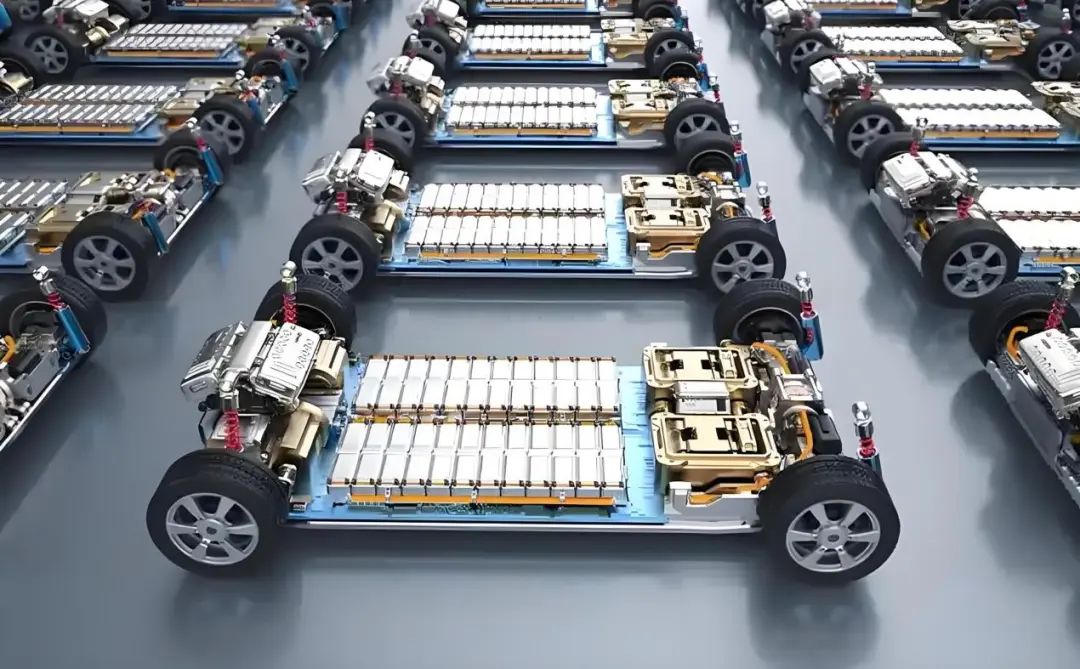
Core Viewpoint - The article discusses Toyota's strategic focus on plug-in hybrid electric vehicles (PHEVs) amidst a slowing growth rate in electric vehicle (EV) sales, highlighting the company's diversified approach to achieving carbon neutrality and its cautious stance compared to other manufacturers [3][5][11]. Group 1: Market Trends and Predictions - Electric vehicle sales are still growing, but the pace has slowed compared to early 2020 [3]. - Analysts predict moderate growth for PHEVs in the next five years, with S&P forecasting a penetration rate increase from about 2% last year to 5% by the end of the decade in the U.S. [5]. - AutoPacific estimates that by 2030, the penetration rate for PHEVs will reach approximately 4.2%, while AutoForecast Solutions expects it to stabilize around 3.3% [5]. Group 2: Toyota's Strategy and Product Line - Toyota has been promoting hybrid vehicles globally since 1997, with PHEVs being a natural extension of this strategy [7]. - Currently, PHEVs account for 50.6% of Toyota's electric vehicle sales in North America [7]. - The company plans to expand its PHEV lineup, with a focus on increasing electric-only range [9][11]. Group 3: Sales Performance and Growth - Toyota and Lexus PHEV sales grew by 39% last year, with the Prius and RAV4 PHEV models increasing by 30% [13]. - Lexus PHEVs, including the new TX model, saw an impressive growth of 88.6% [14]. Group 4: Challenges and Consumer Education - PHEVs face higher manufacturing costs due to the dual powertrain system, making them more expensive than traditional hybrids or gasoline vehicles [16][18]. - Educating consumers about the benefits and operation of PHEVs is crucial for increasing market acceptance [20]. Group 5: Future Models and Innovations - Toyota is transitioning core models to offer only hybrid options, starting with the new Camry and RAV4 [23]. - The Grand Highlander is expected to feature a PHEV system, likely based on the RAV4's technology [25]. Group 6: Long-term Strategy and Production Capacity - Toyota's long-term strategy includes offering a variety of powertrain options, including hybrids, PHEVs, and EVs [27]. - The company is set to begin battery production at its new North Carolina plant, which will support the demand for PHEVs and EVs [31][32].


百万豪车,一小时狂卖1000台!尊界S800卖便宜了?
电动车公社· 2025-05-31 17:49
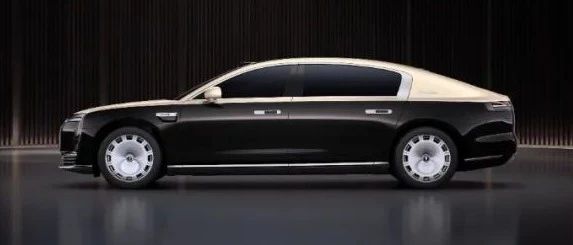
Core Viewpoint - The launch of the ZunJie S800, priced between 708,000 to 1,018,000 yuan, positions it as a competitive option in the luxury D-class sedan market, aiming to attract both traditional luxury car buyers and new-age consumers seeking advanced technology and privacy features [1][3][42]. Group 1: Target Audience - The ZunJie S800 is designed for affluent consumers who value luxury, comfort, safety, and advanced technology, with a focus on features like spaciousness and high-quality materials [6][22]. - The vehicle aims to cater to two primary user groups: "creative generation" industry leaders and "second-generation" tech-savvy elites, emphasizing privacy and intelligent features [36][40]. Group 2: Product Features - The S800 boasts unique features such as ActiveSafe zero-gravity seats, a high-end sound system with 43 speakers, and an air purification system that can eliminate harmful gases [11][12][19]. - It includes innovative privacy features like a 40-inch retractable screen and soundproofing technology, addressing the privacy concerns of high-end users [26][28]. Group 3: Pricing Strategy - The starting price of 708,000 yuan is seen as a strategic move to penetrate a competitive market, with some analysts suggesting it could have been priced higher to reflect brand value [42][43]. - The pricing strategy is compared to Xiaomi's approach, using an initial high expectation followed by a competitive price to capture market share [45]. Group 4: Market Context - The D-class sedan market is facing intense competition, with traditional luxury brands like BMW and Audi offering lower-priced models, making the S800's pricing critical for its success [43][44]. - The S800's initial booking numbers indicate strong interest, with over 1,600 units reserved within 24 hours, suggesting a positive market reception [48]. Group 5: Industry Evolution - The automotive industry is shifting towards smart and digital features, with the ZunJie S800 exemplifying this trend by integrating advanced technology into luxury vehicles [55][56]. - The focus on intelligent design and high-quality materials reflects a broader movement within Chinese brands to redefine luxury and compete with established foreign brands [55].
车圈恒大,杯弓蛇影
36氪· 2025-05-31 13:40
Core Viewpoint - The Chinese new energy vehicle (NEV) industry is experiencing rapid growth on a mature industrial chain foundation, and the concerns regarding a "car circle Evergrande" are unfounded and stem from a natural market caution rather than the actual industry ecology [1][4][25]. Group 1: Industry Growth and Competition - The NEV industry in China has evolved since 2014, producing quality car manufacturers like NIO, Li Auto, and Xpeng, with BYD experiencing explosive sales growth by 2021, pushing NEV penetration rates above 50% [4][19]. - The current phase of the NEV industry is characterized by high competition, which naturally leads to both risks and opportunities [4][26]. - The industry is entering a harvest season, with many companies achieving significant sales growth and nearing profitability [20][27]. Group 2: Financial Metrics and Debt Levels - High debt levels are common in large manufacturing industries, with many global automakers like Ford and General Motors having debt ratios exceeding 70% [6][7]. - Chinese NEV companies generally have lower debt ratios compared to their American counterparts, with companies like BYD at 70.71% and others like Geely and SAIC also above 60% [7][8]. - The necessity for investment in R&D, factory expansion, and equipment acquisition during growth phases leads to increased debt levels, which is a normal aspect of development [11][16]. Group 3: Market Dynamics and Future Outlook - The NEV industry is not in a crisis similar to that of the real estate sector, as it is still in a growth phase, with companies like Xiaomi and Huawei entering the market and leveraging technology to enhance competitiveness [18][19]. - The market is expected to continue expanding, with new car manufacturers gradually narrowing losses and aiming for breakeven within the year [20][21]. - The industry has achieved significant technological advancements, with the cost of components like lidar and smart chips decreasing dramatically, facilitating broader market access [23][24].