宝马

Search documents
对话未来出行 | 商汤绝影CEO王晓刚:汽车是人工智能最好的载体,以世界模型和仿真学习突破特斯拉式数据壁垒
Mei Ri Jing Ji Xin Wen· 2025-05-16 04:00
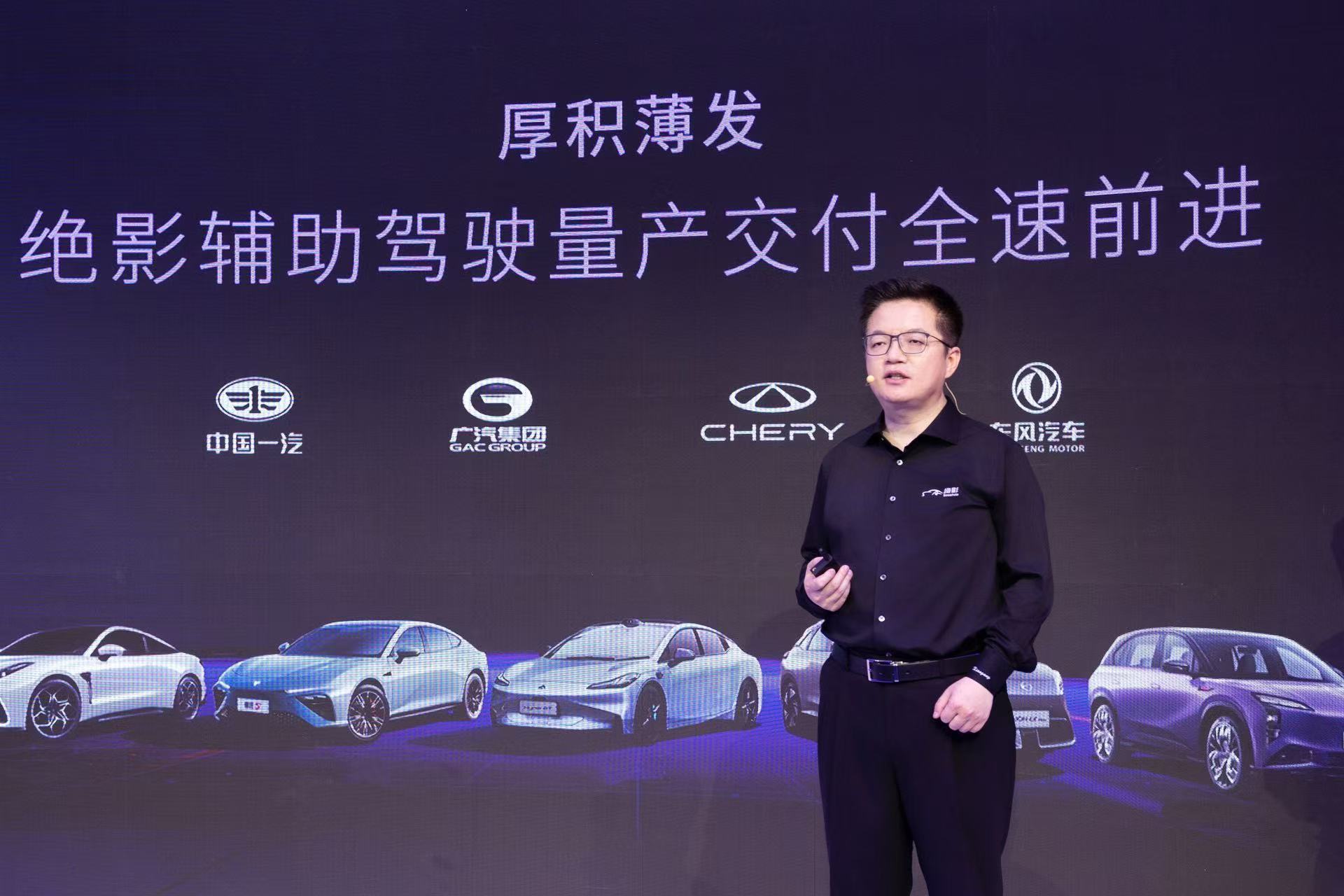
Core Insights - The automotive industry is transitioning from hardware-focused competition to cognitive capabilities, with a shift towards "software-defined vehicles" and "cognitive reshaping of mobility" [1] - The evolution of smart cockpits is described in three stages: from a "Q&A tool" to an "all-around assistant," and finally to a "family member" with memory and empathy [1][8] - The penetration rate of L2-level assisted driving new cars in China reached 65% in Q1 2025, but challenges such as price wars and self-research trends among car manufacturers are emerging [1] Company Strategy - The company positions itself as an AI infrastructure and cloud service provider, deeply integrating with car manufacturers' data and R&D systems [3][19] - The focus is on the automotive sector as the strongest driver for AI development, leveraging multi-modal large models and world models to enhance capabilities [4][5] - The company aims to provide cloud services and foundational infrastructure for autonomous driving, shifting the R&D focus from vehicle-based to cloud-based solutions [22] Technology and Innovation - The company utilizes a combination of "world models + reinforcement learning" to overcome data limitations and reduce hardware dependency while ensuring system safety [1][10] - The approach to autonomous driving emphasizes simulation and reconstruction of failure scenarios to improve safety and model generalization [16] - The company believes that laser radar is a temporary requirement and can be replaced as model algorithms and data iterations improve [12][13] Collaboration with Automakers - The relationship with automakers is described as a "Tai Chi" model, emphasizing mutual dependence and collaboration rather than a clear-cut supplier-client dynamic [3][18] - The company has already integrated its products into seven vehicle models and plans to expand its offerings with more affordable solutions [17] - Data ownership remains with car manufacturers, and the company ensures data privacy through desensitization techniques [21] Future Outlook - The company aims to lead in the rapidly evolving field of general artificial intelligence, enhancing user experiences in the automotive sector over the next 3 to 5 years [24] - The focus will be on developing a platform that supports the AI ecosystem, ensuring that advanced technologies find suitable applications and feedback loops [24]

泽润新能:乘光伏东风业绩稳增,布局汽车领域开辟全新增长空间
梧桐树下V· 2025-05-16 03:09
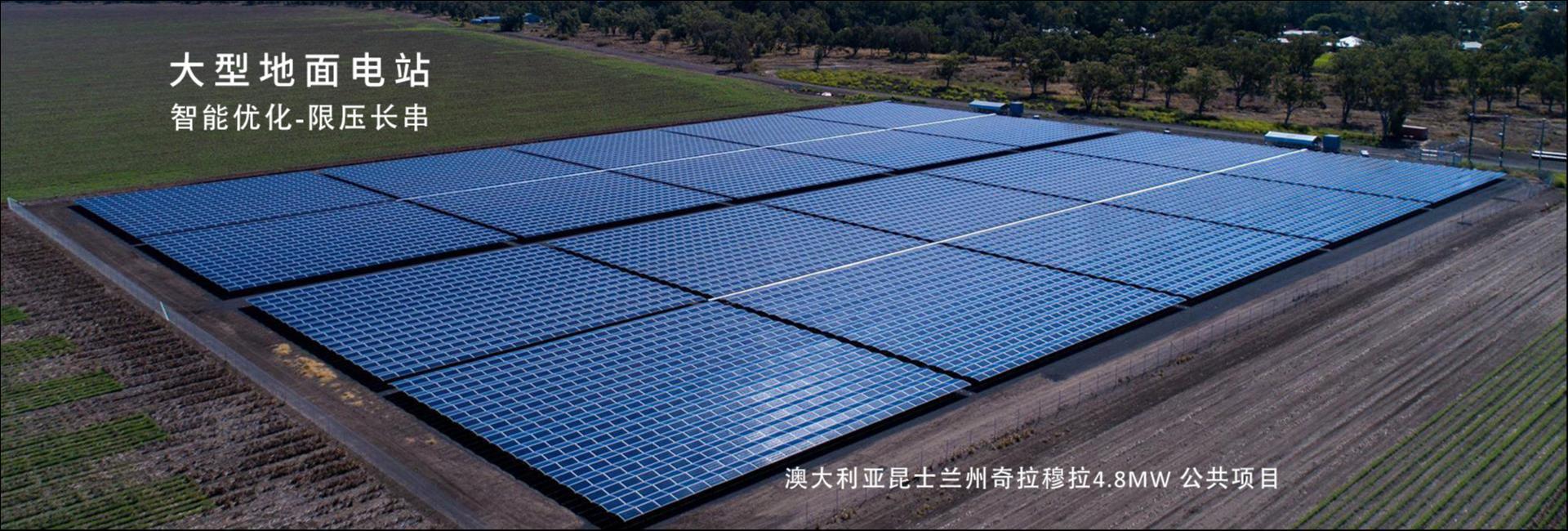
Core Viewpoint - Jiangsu Zerun New Energy Technology Co., Ltd. (stock code: 301636) has officially listed on the Shenzhen Stock Exchange's Growth Enterprise Market, focusing on the photovoltaic junction box sector and expanding into the electric vehicle and energy storage markets. The company raised 528 million yuan through its IPO to enhance production capacity and innovation, aiming to capitalize on carbon neutrality opportunities and initiate a second growth curve [1]. Group 1: Company Overview and Market Position - Zerun New Energy, established in 2009, transitioned to the photovoltaic junction box sector in 2011, seizing global solar industry opportunities. The company emphasizes technological innovation, launching products like the Victor and Z7 junction boxes, solidifying its industry position [2]. - The Z8X junction box features a unique design that optimizes diode heat dissipation, achieving a rated current of 30A, with an upgraded version reaching 35A, becoming the first in the industry to receive TUV Rheinland certification for 35A [2]. - The Z8C junction box innovatively reduces components from three to two, enhancing performance while cutting electrical connection points by over 30%. This product has won multiple awards and established a strong patent portfolio [3]. Group 2: Financial Performance and Growth Metrics - From 2022 to 2024, Zerun's junction box sales surged from 29.77 million units to 60.77 million units, with a compound annual growth rate (CAGR) of 42.87%. Revenue increased from 522 million yuan to 876 million yuan, averaging a growth rate of 29.55%, maintaining a global market share above 7% [3]. - The company's gross margin remained between 23.78% and 26.50% from 2022 to 2024, consistently outperforming the industry average. Net profit attributable to shareholders grew from 86.40 million yuan to 131.32 million yuan, reflecting a CAGR of 23.28% [4]. Group 3: Industry Trends and Opportunities - The global photovoltaic installation is expected to reach 530 GW in 2024, a 35.90% increase year-on-year, with China leading at 277.57 GW, accounting for 52% of the global share. Emerging markets in the Middle East and North Africa are also rapidly developing [5][6]. - The distributed photovoltaic market is becoming a significant growth area, with global distributed installations reaching 43% of total installations in 2023. China's distributed market is particularly strong, with a CAGR of 57.95% from 2019 to 2024 [6]. Group 4: Technological Innovations and Future Prospects - Zerun is a pioneer in smart junction box development, integrating intelligent chips for precise control of photovoltaic components, enhancing efficiency and safety. The ZS and Z8S series have received TUV Rheinland certifications, establishing a technological barrier [7]. - The company plans to expand production capacity for both general and smart junction boxes, addressing increasing demand and optimizing product structure. The new projects aim to add 35 million units of general junction boxes and 1 million units of smart junction boxes annually [8]. - Zerun is also diversifying into the electric vehicle sector, leveraging its expertise in junction box technology to develop auxiliary power supply products. Collaborations with major automotive companies are underway, positioning the company for growth in the electric vehicle market [9].

万亿光伏市场新故事:泽润新能成功登陆A股,募资开辟第二增长曲线
Tai Mei Ti A P P· 2025-05-16 02:26
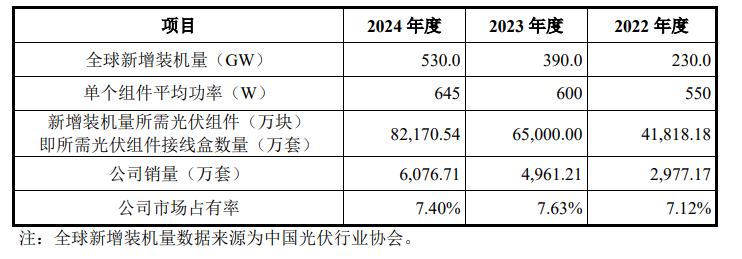
Core Viewpoint - The photovoltaic industry is experiencing rapid growth, driven by global energy transformation and the "dual carbon" narrative, with Jiangsu Zerun New Energy Technology Co., Ltd. (Zerun New Energy) emerging as a key player in the photovoltaic component junction box market [2][3]. Industry Overview - The global solar photovoltaic installed capacity has been increasing annually since 2019, with an expected addition of 553 GW in 2024 [2]. - The photovoltaic junction box, a critical component of solar power systems, is witnessing strong demand alongside the growth of the photovoltaic industry [2][3]. - China has developed a complete and competitive photovoltaic industry over the past two decades, achieving multiple "global firsts" in materials, technology, and market presence [3]. Company Performance - Zerun New Energy has achieved a compound annual growth rate (CAGR) of 68.70% in revenue from 2021 to 2023 [2]. - The company reported revenues of 297 million yuan, 522 million yuan, 844 million yuan, and 876 million yuan for the years 2021 to 2024, with year-on-year growth rates of 98.53%, 75.92%, 61.77%, and 3.75% respectively [4]. - The net profit attributable to shareholders for the same period was 37.78 million yuan, 86.40 million yuan, 120.15 million yuan, and 131.32 million yuan, with growth rates of 405.39%, 128.67%, 39.06%, and 9.30% respectively [4]. Market Position - Zerun New Energy's market share in the photovoltaic junction box sector is projected to be 7.12%, 7.63%, and 7.40% for the years 2022, 2023, and 2024 respectively, indicating an overall increasing trend [7][8]. - The company has established long-term partnerships with major photovoltaic component manufacturers, securing a procurement share of 40%-80% from key clients [11]. Technological Innovation - Zerun New Energy has consistently focused on research and development, with R&D expenditures increasing from 11.19 million yuan in 2021 to 32.83 million yuan in 2024, representing a CAGR of 43.16% [13]. - The company has introduced several innovative products, including the first TUV Rheinland certified smart junction box in mainland China and the first junction box designed for high-power photovoltaic components [10][11]. Future Growth Strategy - Zerun New Energy plans to raise 720 million yuan through its IPO to enhance production capacity, R&D, and develop auxiliary power battery boxes for electric vehicles [14][16]. - The company aims to expand its production capacity for junction boxes to 35 million units annually and 1 million units for smart junction boxes, significantly increasing its manufacturing scale [15][16]. - The strategic partnership with Camel Group for electric vehicle battery boxes is expected to become a new growth driver for the company [11][16].
泽润新能深交所敲钟上市:深耕光伏细分赛道,开启资本赋能新篇章
Cai Jing Wang· 2025-05-16 01:14
Core Viewpoint - Jiangsu Zerun New Energy Technology Co., Ltd. (Zerun New Energy) officially listed on the ChiNext board, marking a new chapter in its capital market journey, focusing on photovoltaic component junction boxes and related technologies [1] Company Overview - Zerun New Energy, a national-level specialized and innovative "little giant" enterprise, specializes in providing integrated solutions for photovoltaic component junction boxes [1][2] - The company has over 100 patents, showcasing its strong technical capabilities and competitive edge in the market [1] Financial Performance - In 2024, Zerun New Energy achieved a revenue of 876 million yuan and a net profit of 131 million yuan, reflecting significant growth [1] - The company’s revenue from 2022 to 2024 showed a compound annual growth rate (CAGR) of 29.55%, with net profit increasing from 86 million yuan to 131 million yuan during the same period [4] Market Demand and Growth - The global photovoltaic junction box market is projected to reach a sales volume of 1.391 billion USD in 2024, with a compound annual growth rate of 7% from 2025 to 2031 [3] - The demand for photovoltaic junction boxes is expected to rise significantly due to the increasing installation of distributed photovoltaic systems and the growing need for intelligent solutions [2][3] Product and Innovation - Zerun New Energy's photovoltaic junction boxes are critical components that ensure the safe operation of photovoltaic systems, with features like intelligent optimization and monitoring capabilities [2] - The company has invested significantly in R&D, with expenses growing from 19.08 million yuan in 2022 to 32.83 million yuan in 2024, achieving a CAGR of 31.19% [8] Production Capacity and Utilization - The production capacity for photovoltaic junction boxes increased from 29.46 million units in 2022 to 66.59 million units in 2024, with utilization rates remaining high [12][13] - The company’s production and sales rates indicate a strong market demand, with production rates exceeding capacity utilization in previous years [12] Strategic Expansion - Zerun New Energy plans to raise 720 million yuan through its IPO to expand its production capacity for photovoltaic junction boxes and develop auxiliary power battery boxes for electric vehicles [11][16] - The company aims to enhance its market share in the electric vehicle sector by supplying high-quality battery boxes to major automotive manufacturers [15][16] Industry Context - The photovoltaic industry is experiencing unprecedented growth, with global installations projected to reach 530 GW in 2024, driven by a global consensus on renewable energy development [3][11] - China's commitment to increasing the share of non-fossil energy in its power system provides a favorable policy environment for the long-term growth of the photovoltaic sector [11]
阿里的AI转型与进化
硬AI· 2025-05-15 15:04
Core Viewpoint - The article emphasizes the significant increase in AI investments by major technology companies, highlighting that AI has transitioned from an experimental phase to a growth-driving operational lever, with companies like Amazon and Meta recognizing AI as a core strategic focus [2][5]. Group 1: AI Investment Trends - Major tech players are increasingly investing in AI, with Amazon's CEO stating that AI will be one of the company's largest business areas in the coming decades [2]. - Alibaba's recent financial report shows a 10% year-over-year revenue growth, with its cloud intelligence business growing by 18%, indicating a shift towards AI-driven growth [5]. - Alibaba plans to invest over 380 billion yuan in capital expenditures over the next three years for cloud computing and AI infrastructure, surpassing the total investment of the past decade [5][6]. Group 2: Technological Advancements - Alibaba's self-developed Qwen model series has gained global recognition, with the latest Qwen-3 model outperforming competitors while significantly reducing costs [9][10]. - The open-source strategy adopted by Alibaba is crucial for fostering innovation and collaboration in AI development, with over 100,000 derivative models created based on the Qwen model [10][11]. Group 3: AI Application Across Industries - The demand for cloud computing resources is surging as AI applications transition from model training to inference deployment, positioning Alibaba Cloud as a key player in this trend [13]. - AI applications are expanding beyond large enterprises to include small and medium-sized businesses, with industries such as traditional manufacturing and agriculture actively exploring AI solutions [13][15]. - Strategic partnerships with leading companies in various sectors, including automotive and telecommunications, demonstrate Alibaba's commitment to integrating AI into real-world applications [14][15].


都市车界|从“屏幕之争”到“门把手之困”,造车安全之本何时寻?
Qi Lu Wan Bao· 2025-05-15 05:55
Core Viewpoint - The automotive industry is experiencing a debate between "technology" and "safety," sparked by Ferrari CEO Benedetto Vigna's comments on the ineffectiveness of in-car screens, emphasizing that cars are meant for driving, not for entertainment [1] Group 1: Trends in Automotive Design - The automotive interior design is diverging into two trends: the minimalist tech approach represented by Tesla, which uses a central touchscreen to replace most physical buttons, and the traditional approach upheld by companies like Ferrari, which values the tactile feedback of physical controls [4] - The "efficiency-first" camp advocates for touchscreen operations that align with digital-native user habits, while the "safety-first" camp emphasizes the irreplaceable nature of physical buttons in emergencies [4] - The European New Car Assessment Programme (Euro NCAP) warns that integrating all functions into screens increases the risk of accidents due to driver distraction [4] Group 2: Regulatory Changes and Industry Response - The recent regulations from the Ministry of Industry and Information Technology (MIIT) regarding hidden door handles in electric vehicles signal a shift in the automotive industry from a focus on aesthetics and technology to prioritizing safety and practicality [5] - Volkswagen plans to reintroduce physical buttons for core functions across all models starting in 2026, reflecting market recognition of the safety benefits of physical controls [4] Group 3: Systemic Safety Risks - The safety crisis in smart vehicles has evolved from mechanical failures to systemic risks, including the elimination of hardware redundancies, increased cognitive load from human-machine interaction, and vulnerabilities in software security [6] - The average time a driver’s gaze is diverted from the road when using a touchscreen is 1.5 seconds longer than with physical buttons, significantly increasing accident risk [6] Group 4: Innovations in Safety Design - The automotive industry is seeking breakthroughs in safety through advancements in materials and architecture, such as solid-state batteries and fire-resistant electrolytes [7] - New safety designs, like BMW's iDrive system, aim to reduce reliance on touchscreens by enhancing voice control response times [7] - Regulatory bodies are implementing stricter safety standards, compelling manufacturers to invest significantly in safety technology [7] Group 5: Future of Automotive Safety Standards - The automotive safety revolution is underway, with a focus on integrating proactive, passive, and operational safety measures [10] - Future regulations will likely become more stringent, with increased emphasis on safety design and technology investment by manufacturers [9] - Consumers are expected to prioritize safety ratings and features in their purchasing decisions, making safety a critical factor in the automotive market [9]
2025年中国混合动力汽车行业产业链、市场规模及发展全景研判:具有环保和经济性方面的双重优势,在汽车行业中极具发展前景[图]
Chan Ye Xin Xi Wang· 2025-05-15 01:39
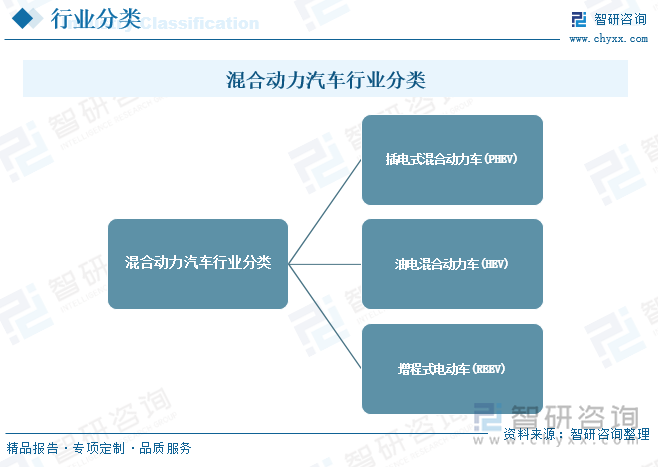
Core Insights - The hybrid electric vehicle (HEV) market is expected to grow significantly, with global sales projected to reach approximately 15.84 million units in 2024, an increase of 2.33 million units from 2023 [1][6] - China is the largest automotive market globally, with the hybrid vehicle market size estimated at around 916.7 billion yuan in 2024, reflecting a growth of 88.07 billion yuan from 2023 [1][8] - Hybrid vehicles serve as a crucial transition from traditional fuel vehicles to fully electric vehicles, benefiting from mature technology and positive consumer reception [1][6] Hybrid Vehicle Industry Definition and Classification - Hybrid electric vehicles (HEVs) combine two different power sources, allowing for flexible adjustments based on driving conditions to optimize performance [2] - The main classifications of hybrid vehicles include plug-in hybrid electric vehicles (PHEVs), conventional hybrid electric vehicles (HEVs), and range-extended electric vehicles (REEVs) [2] Current Industry Status Global Hybrid Vehicle Market - The global hybrid vehicle market is experiencing growth due to increasing environmental concerns and stricter emission regulations, with a projected sales increase of 2.33 million units in 2024 [6] - PHEVs and REEVs are expected to account for approximately 55% of total hybrid vehicle sales, while conventional HEVs will make up about 45% [6] Domestic Hybrid Vehicle Market - In China, hybrid vehicles are gaining traction as a strategic direction for the automotive industry, with a market size of approximately 916.7 billion yuan in 2024 [8] - In the first three quarters of 2024, China's hybrid vehicle sales accounted for 46.9% of global sales, significantly higher than the United States' 14.5% [8] Industry Value Chain - The hybrid vehicle industry value chain includes upstream components such as power batteries, internal combustion engines, chassis, automotive electronics, and downstream services like charging and after-market services [10] - The power battery sector is crucial for plug-in hybrid vehicles, with China's battery installation volume expected to grow from 62.3 GWh in 2019 to 548.4 GWh in 2024 [12] Competitive Landscape - Major global players in the hybrid vehicle market include Toyota, Honda, Ford, BMW, and Mercedes-Benz, while domestic competitors include BYD, Li Auto, SAIC, and Changan [16] - BYD is focusing on technology and innovation, with projected revenues of 777.1 billion yuan in 2024, an increase of 174.79 billion yuan from 2023 [19] - Li Auto is expanding its product line with the launch of the Li L6, targeting the family vehicle market, and is expected to achieve significant sales growth in 2024 [21] Development Trends in Control Strategies - The hybrid vehicle market is evolving rapidly, with increasing consumer preference driven by environmental awareness and rising fuel prices [23] - Countries like the US, Japan, and Germany are advancing hybrid technology, focusing on powertrain matching control and energy recovery strategies [24] - The hybrid vehicle sector is anticipated to play a vital role in achieving energy conservation and emission reduction goals, with a shift towards fully electric vehicles in the public sector [24]


英伟达豪赌“物理AI”:下一个风口,还是又一个GE Predix?
3 6 Ke· 2025-05-14 09:45
Core Insights - The article discusses the rapid advancement of "Physical AI," particularly through NVIDIA's ambitious strategy to create a platform-level infrastructure that integrates training, simulation, and deployment in physical systems [1][2][11] - It highlights the collaboration between NVIDIA and leading industrial giants like Siemens, BMW, and General Motors to incorporate AI into complex physical systems such as manufacturing and autonomous driving [1][11] Summary by Categories Definition and Differentiation - Physical AI, embodied intelligence, and spatial intelligence represent different pathways for AI to perceive, integrate, and alter the physical world [2][6] - Spatial intelligence focuses on AI's understanding of three-dimensional structures and relationships, while embodied intelligence emphasizes interaction with the environment through physical actions [3][4][9] - Physical AI serves as the central nervous system connecting perception and action, enabling AI to truly enter the physical realm [5][6] Technological Framework - The core of Physical AI is NVIDIA's "three computers" architecture, which includes training with real and synthetic data, creating high-fidelity virtual environments, and deploying trained models in real-world applications [14][16] - Key technologies supporting Physical AI include synthetic data generation, virtual simulation platforms, and model generalization capabilities [9][10][11] Historical Context and Comparison - The article draws parallels between NVIDIA's Physical AI strategy and GE's earlier industrial internet platform, Predix, which ultimately failed due to its closed ecosystem approach [15][19][21] - Unlike GE, NVIDIA's strategy emphasizes an open, developer-first approach, providing a comprehensive toolkit rather than a singular solution [23][24][27] Future Trends and Industry Implications - The integration of AI into physical systems is seen as a long-term evolution rather than a short-term trend, requiring patience and strategic investment in foundational capabilities [37][39] - Companies in the industry are advised to focus on building internal capabilities and understanding the underlying logic of the tools they use, rather than merely adopting them superficially [33][35][36]


蔚来ET9于4月上险量达835辆,超同级宝马7系、奥迪A8L
Ju Chao Zi Xun· 2025-05-14 02:11
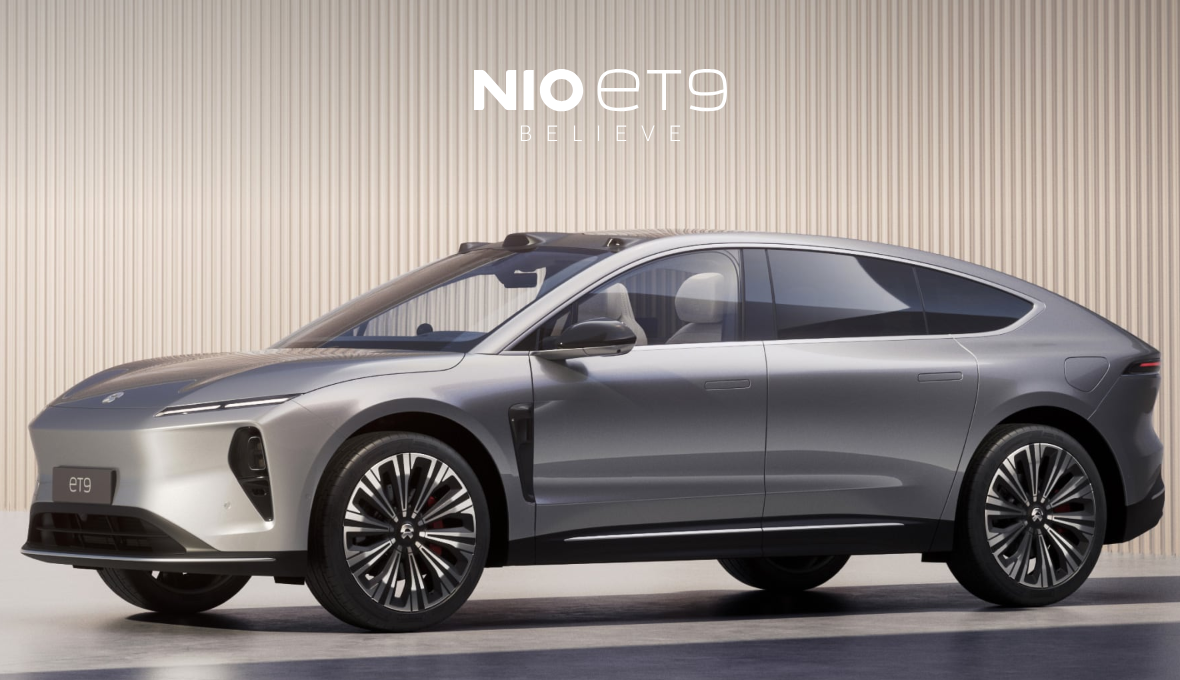
Core Insights - NIO's luxury sedan ET9 has surpassed traditional luxury brands in sales, with 835 units sold in April, compared to BMW 7 Series at 761 units and Audi A8L at 649 units, although it still trails behind Mercedes S-Class at 1,673 units [2] - The ET9 features NIO's self-developed 5nm smart driving chip "Shenji NX9031," which integrates over 50 billion transistors and matches the computing power of NVIDIA's Thor-X [2] - The ET9 is priced at 788,000 yuan, with a battery leasing option at 660,000 yuan, and a limited edition priced at 818,000 yuan [2] Technical Specifications - The ET9 utilizes a 900V architecture with a maximum voltage of 925V and a self-developed 1200V silicon carbide power module, featuring a front motor of 180kW and a rear motor of 340kW, achieving a total output of 520kW and a 0-100 km/h acceleration in 4.7 seconds [3] - With a 100kWh battery, the ET9 offers a CLTC range of 650 kilometers and an energy consumption of 16.2 kWh per 100 kilometers [3] - The vehicle's "Tianxing chassis" includes active air suspension and steer-by-wire technology, allowing for a maximum rear wheel steering angle of 8.3 degrees and a minimum turning diameter of 10.9 meters [3]

中国车企在欧洲逆势“狂飙”
第一财经· 2025-05-14 00:29
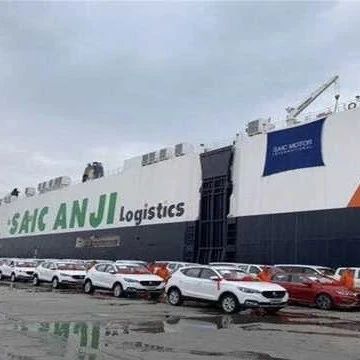
Core Viewpoint - Chinese automakers are leveraging plug-in hybrid electric vehicles (PHEVs) as a strategic response to the EU's high tariffs on pure electric vehicles, resulting in significant sales growth in the European market [1][2]. Group 1: Market Performance - In Q1 2025, Chinese car sales in Europe reached 148,000 units, a 78% year-on-year increase, with market share rising from 2.5% to 4.5% [1]. - Sales of plug-in hybrid models surged by 368%, becoming the main driver of this growth [1][2]. - BYD and Chery sold 3,269 and 757 plug-in hybrid vehicles in March 2025, respectively, marking a significant increase from nearly zero sales in July 2024 [2]. Group 2: Strategic Adjustments - Chinese automakers are adjusting their strategies in Europe by focusing on plug-in hybrid models, which are still subject to a 10% base tariff, unlike pure electric vehicles facing tariffs as high as 45.3% [2][4]. - BYD's plug-in hybrid vehicles accounted for 41% of its electric vehicle sales in the EU in March 2025, while SAIC's figure was as high as 49% [2]. - Chery's plug-in hybrid sales exceeded pure electric models, with 71% of its electric vehicle sales in the EU being plug-in hybrids [2]. Group 3: Competitive Landscape - The low base of plug-in hybrid sales in Europe and limited offerings from major European automakers (e.g., BMW, Mercedes) have created opportunities for Chinese brands to capture market share with high-cost performance products [3][4]. - BYD plans to launch two new plug-in hybrid models in Germany by 2025, aiming to meet diverse consumer needs [3]. Group 4: Future Outlook - Ongoing negotiations between China and the EU regarding electric vehicle tariffs may lead to a minimum price setting for Chinese electric vehicles, which could be more favorable for market competition than tariffs [5]. - The transition to pure electric vehicles is seen as the long-term trend in Europe, with plug-in hybrids serving as a transitional solution [5].