中国稀土

Search documents
特朗普拉11国搞联盟,想断中国稀土后路,机会有多大?
Sou Hu Cai Jing· 2026-02-09 02:08
Core Viewpoint - The "Strategic Critical Minerals Reserve Plan," initiated by President Trump, aims to assist U.S. manufacturing in mitigating supply shocks and reducing dependence on Chinese rare earths and critical metals, with a budget of $12 billion [1] Group 1: Plan Overview - The plan, referred to as the "Treasury Plan," consists of $2 billion in private capital and $10 billion in loans from the U.S. Export-Import Bank, specifically for U.S. manufacturers to procure and store rare earth minerals [1] - The initiative is seen as a blend of national security and industrial policy, allowing companies to avoid the financial burden of inventory risks by having the government back their stockpiling efforts [4] Group 2: Challenges and Limitations - The first major challenge is that stockpiling can only buffer against supply shocks but cannot replace supply chains, as rare earths have significant performance differences based on their source and processing methods, making them less interchangeable than oil [4] - The second challenge is the complexity and high costs associated with mineral storage, which can lead to issues such as warehousing and quality degradation as scale increases [7] - The third challenge is the inherent short-sightedness of private capital involvement, as investors seek stable returns while mineral projects typically have long cycles and high risks, leading to potential withdrawal of funding [8] Group 3: Alliance and Policy Issues - The plan may face structural flaws in its alliance-building approach, as U.S. allies have differing priorities, with countries like Australia and Canada focused on profit, while the EU aims to maintain industry stability, and Japan and South Korea seek reliable supply [8] - U.S. policy cycles are often short, typically aligned with presidential terms, which can create uncertainty for long-term projects that require a decade or more to develop, making allies and investors wary of potential policy shifts [9] - Ultimately, the "Treasury Plan" is viewed as a political maneuver rather than a viable solution to reduce reliance on Chinese critical minerals, as it fails to respect industry realities and underestimates the robustness of China's supply chain [11]


稀土永磁概念震荡拉升 盛和资源触及涨停
2 1 Shi Ji Jing Ji Bao Dao· 2026-02-09 01:51
Core Viewpoint - The rare earth permanent magnet sector is experiencing significant price increases, with specific companies seeing substantial stock price movements due to rising market prices for light rare earth elements [1] Group 1: Market Performance - The rare earth permanent magnet concept has seen a surge, with Shenghe Resources hitting the daily limit up [1] - Other companies such as China Rare Earth, Northern Rare Earth, and Zhongke Magnetic Materials also experienced stock price increases [1] Group 2: Price Movements - On February 6, the domestic light rare earth market prices rose, with praseodymium and neodymium metal prices increasing by 5,000 yuan per ton to 925,000 yuan per ton [1] - The price of praseodymium and neodymium oxide rose by 7,500 yuan per ton to 752,500 yuan per ton [1]

有色金属行业周报:节前市场波动加剧,坚定看好有色牛市-20260208
SINOLINK SECURITIES· 2026-02-08 11:02
Group 1: Copper - LME copper price decreased by 1.65% to $12,855.0 per ton, while Shanghai copper fell by 3.45% to ¥100,100 per ton [1][14] - Domestic copper inventory increased by 4.03% week-on-week, with a year-on-year increase of 62,700 tons [1][14] - The operating rate of waste anode plate enterprises is expected to drop by 28.52% to 38.36% next week due to the upcoming Spring Festival [1][14] Group 2: Aluminum - LME aluminum price decreased by 3.49% to $3,026.00 per ton, and Shanghai aluminum fell by 5.07% to ¥23,300 per ton [2][15] - Domestic aluminum rod inventory increased by 15,000 tons week-on-week, reaching 258,500 tons [2][15] - The overall aluminum processing operating rate recorded 57.9%, a decrease of 1.5% week-on-week, indicating a significant divergence within the sector [2][15] Group 3: Gold - COMEX gold price increased by 6.57% to $4,988.6 per ounce, while the 10-year TIPS yield decreased by 0.06 percentage points to 1.88% [3][16] - SPDR gold holdings decreased by 10.87 tons to 1,076.23 tons, reflecting market dynamics influenced by geopolitical risks [3][16] - The U.S. Treasury yield curve reached its steepest level in nearly four years, indicating rising concerns over inflation and fiscal deficits [3][16] Group 4: Rare Earths - The price of praseodymium and neodymium oxide increased by 1.20% this week, with December exports of rare earth permanent magnets showing a year-on-year increase of 7% [4][35] - The expectation of more relaxed export policies is anticipated to boost future demand for rare earths [4][35] - Key companies to watch include China Rare Earth, Guangxi Rare Earth, and Northern Rare Earth [4][36] Group 5: Tungsten - Tungsten price increased by 11.98% this week, driven by tight supply conditions and increased strategic reserves in the U.S. [4][38] - The establishment of a $2.5 billion "strategic resilience reserve" by U.S. lawmakers is expected to elevate tungsten's priority [4][38] - Recommended companies include China Tungsten High-Tech and Xiamen Tungsten [4][38] Group 6: Lithium - The average price of lithium carbonate decreased by 13.3% to ¥148,000 per ton, while lithium hydroxide fell by 11.6% to ¥150,000 per ton [4][53] - Total lithium carbonate production this week was 20,700 tons, reflecting a slight decrease [4][53] - Market sentiment remains cautious as downstream purchasing activity is expected to slow down as inventory levels stabilize [4][53] Group 7: Cobalt - Cobalt price decreased by 5.6% to ¥420,000 per ton, while cobalt intermediate prices remained stable [5][54] - The market for cobalt intermediates is characterized by limited transactions, with prices holding steady amid geopolitical supply concerns [5][54] - Long-term structural shortages in raw materials may support future price increases [5][54]
有色金属周报:节前市场波动加剧,坚定看好有色牛市
SINOLINK SECURITIES· 2026-02-08 10:24
Investment Rating - The report does not explicitly provide an investment rating for the industry Core Insights - The copper price on LME decreased by 1.65% to $12,855.0 per ton, while the Shanghai copper price fell by 3.45% to ¥100,100 per ton. The copper inventory in major regions increased by 4.03% week-on-week, and total inventory rose by 6,270 tons year-on-year [1][14] - The aluminum price on LME dropped by 3.49% to $3,026.00 per ton, and the Shanghai aluminum price decreased by 5.07% to ¥23,300 per ton. The aluminum processing industry showed a comprehensive operating rate of 57.9%, down by 1.5% week-on-week [2][15] - The gold price on COMEX increased by 6.57% to $4,988.6 per ounce, influenced by geopolitical risks and rising expectations of interest rate cuts [3][16] - The rare earth sector saw a price increase for praseodymium and neodymium oxide by 1.20%, with expectations of improved demand due to relaxed export policies [4][35] - Tungsten prices rose by 11.98% due to tight supply conditions, while tin prices fell by 15.81% amid inventory depletion [4][38] Summary by Sections Copper - LME copper price decreased by 1.65% to $12,855.0 per ton, and Shanghai copper price fell by 3.45% to ¥100,100 per ton. The processing fee index dropped to -$52.37 per ton. Copper inventory increased by 4.03% week-on-week [1][14] - The operating rate of copper cable enterprises was 60.15%, with an increase of 0.69% week-on-week. The industry maintained stable production due to new orders from State Grid [1][14] Aluminum - LME aluminum price decreased by 3.49% to $3,026.00 per ton, and Shanghai aluminum price fell by 5.07% to ¥23,300 per ton. The aluminum processing industry showed a comprehensive operating rate of 57.9%, down by 1.5% week-on-week [2][15] - The operating rate for primary aluminum alloy dropped to 57.9% due to holiday impacts and high aluminum prices [2][15] Precious Metals - COMEX gold price increased by 6.57% to $4,988.6 per ounce, driven by geopolitical risks and expectations of interest rate cuts [3][16] - SPDR gold holdings decreased by 10.87 tons to 1,076.23 tons [3][16] Rare Earths - Praseodymium and neodymium oxide prices increased by 1.20%. December exports of rare earth permanent magnets showed a year-on-year increase of 7% [4][35] - The sector is expected to benefit from relaxed export policies and increased demand [4][36] Tungsten and Tin - Tungsten prices rose by 11.98% due to tight supply conditions, while tin prices fell by 15.81% amid inventory depletion [4][38] - The supply of tin is expected to remain tight due to lower-than-expected production from Indonesia and Myanmar [4][38] Lithium and Cobalt - Lithium carbonate price decreased by 13.3% to ¥148,000 per ton, while lithium hydroxide price fell by 11.6% to ¥150,000 per ton. The total lithium production was 20,700 tons, down slightly [4][53] - Cobalt price decreased by 5.6% to ¥420,000 per ton, with stable prices for cobalt intermediates [5][54]


有色金属行业研究:有色金属周报:节前市场波动加剧,坚定看好有色牛市-20260208
SINOLINK SECURITIES· 2026-02-08 08:56
Investment Rating - The report does not explicitly provide an investment rating for the industry Core Insights - The copper market is experiencing a decrease in prices, with LME copper down 1.65% to $12,855.0 per ton and Shanghai copper down 3.45% to ¥100,100 per ton. Supply-side indicators show an increase in copper inventory and a decrease in processing fees, while demand remains stable due to ongoing orders from major clients [1][14] - The aluminum market has seen LME aluminum prices drop by 3.49% to $3,026.00 per ton, with domestic aluminum rod inventory increasing. The overall operating rate for aluminum processing has decreased, indicating a mixed demand scenario [2][15] - Gold prices have risen by 6.57% to $4,988.6 per ounce, driven by geopolitical risks and changes in U.S. Treasury yields. The market is showing strong volatility, influenced by expectations of interest rate cuts and inflation concerns [3][16] - The rare earth sector is witnessing price increases, particularly in praseodymium and neodymium, with exports showing signs of recovery. The report suggests a positive outlook for demand and pricing in this sector [4][35] - Tungsten prices have increased significantly, supported by tight supply conditions and strategic stockpiling initiatives in the U.S. The report indicates a bullish outlook for tungsten prices [4][38] - Lithium prices have decreased, with carbonate lithium averaging ¥148,000 per ton, reflecting a decline in production and market adjustments. The report notes a potential turning point in the lithium market [4][52] - Cobalt prices have decreased by 5.6% to ¥420,000 per ton, with market conditions remaining stable but facing supply concerns. The report anticipates upward pressure on prices in the long term due to structural shortages [5][53] Summary by Sections Copper - LME copper price decreased by 1.65% to $12,855.0 per ton, with an increase in domestic inventory and a decrease in processing fees. The operating rate for copper processing is expected to decline as the industry approaches the Chinese New Year [1][14] Aluminum - LME aluminum price fell by 3.49% to $3,026.00 per ton, with an increase in aluminum rod inventory. The overall operating rate for aluminum processing decreased, indicating a mixed demand scenario [2][15] Precious Metals - Gold price increased by 6.57% to $4,988.6 per ounce, influenced by geopolitical risks and changes in U.S. Treasury yields. The market is experiencing strong volatility [3][16] Rare Earths - Prices for praseodymium and neodymium increased, with exports showing signs of recovery. The report suggests a positive outlook for demand and pricing in this sector [4][35] Tungsten - Tungsten prices increased significantly, supported by tight supply conditions and strategic stockpiling initiatives in the U.S. The report indicates a bullish outlook for tungsten prices [4][38] Lithium - Lithium prices decreased, with carbonate lithium averaging ¥148,000 per ton. The report notes a potential turning point in the lithium market [4][52] Cobalt - Cobalt prices decreased by 5.6% to ¥420,000 per ton, with market conditions remaining stable but facing supply concerns. The report anticipates upward pressure on prices in the long term [5][53]
——小金属双周报(2026/1/26-2026/2/6):供给紧缺格局加剧,钨&稀土价格持续新高-20260208
Hua Yuan Zheng Quan· 2026-02-08 02:50
Investment Rating - The industry investment rating is "Positive" (maintained) [4] Core Views - The supply tightness in the rare earth sector is increasing, with prices for praseodymium and neodymium oxide reaching new highs, up 12.64% to 757,500 CNY/ton [4] - Molybdenum prices have rebounded due to improved supply-demand dynamics, with molybdenum concentrate prices rising 2.48% to 4,135 CNY/ton [21] - Tungsten prices continue to hit historical highs, with black tungsten concentrate prices increasing 25.19% to 671,000 CNY/ton [27] - Tin prices have seen significant adjustments, with SHFE tin down 16.89% to 357,000 CNY/ton [30] - Antimony prices are experiencing a rebound, with antimony ingot prices up 2.49% to 164,500 CNY/ton [39] Summary by Category Rare Earth - Praseodymium and neodymium oxide prices increased by 12.64% to 757,500 CNY/ton, while dysprosium and terbium prices decreased by 1.41% to 140,000 CNY/ton and 2.37% to 617,500 CNY/ton respectively [9][4] Molybdenum - Molybdenum concentrate prices rose 2.48% to 4,135 CNY/ton, and molybdenum iron (Mo60) prices increased 3.48% to 267,500 CNY/ton [21][4] Tungsten - Black tungsten concentrate prices surged 25.19% to 671,000 CNY/ton, and ammonium paratungstate prices rose 24.68% to 985,000 CNY/ton [27][4] Tin - SHFE tin prices fell 16.89% to 357,000 CNY/ton, while LME tin prices decreased 15.42% to 45,845 USD/ton [30][4] Antimony - Antimony ingot prices increased by 2.49% to 164,500 CNY/ton, and antimony concentrate prices rose 1.40% to 144,500 CNY/ton [39][4]
都想抗衡中国稀土主导地位,“美国往巴西砸了5亿,欧盟一看跑了”
Guan Cha Zhe Wang· 2026-02-07 14:11
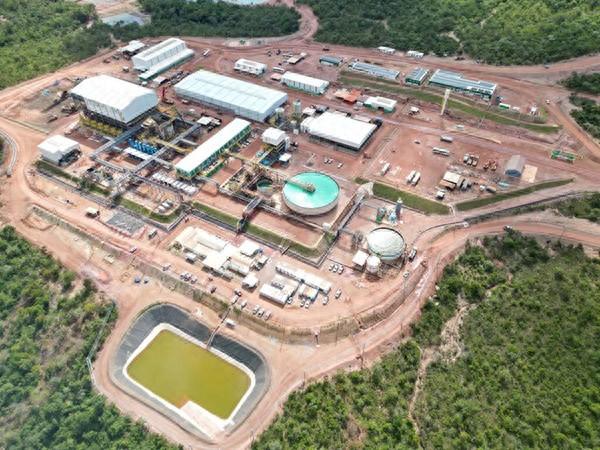
Core Viewpoint - Brazil, with the second-largest global reserves of rare earth materials, is becoming a focal point for the U.S. and Europe to reduce dependence on China for rare earth supplies, leading to a competitive landscape among major economies [1][2]. Group 1: Investment and Financing - Brazil's rare earth projects have raised approximately $700 million in equity and debt financing over recent years, primarily from Western investors, including the London-listed Hochschild Group and various private investors [1]. - The U.S. has invested over $500 million in Brazil's only operational rare earth mine, operated by Serra Verde, positioning itself as the largest investor in this sector [2][4]. Group 2: Geopolitical Dynamics - The U.S. is actively seeking to secure Brazil's undeveloped rare earth reserves, viewing Brazil as a key ally in its strategy to reduce reliance on China [2][4]. - The European Union is attempting to counter U.S. investments by focusing on supporting local employment and mineral processing industries in Brazil, although its decision-making and financing capabilities are perceived as less efficient compared to the U.S. [4][6]. Group 3: China's Position - China currently dominates the global rare earth market, accounting for over 60% of production and 92% of processing, making it a formidable competitor for both the U.S. and Europe [7][10]. - Chinese investments in Brazil's mining sector are projected to reach $556 million in 2024, indicating a strong interest in securing mineral resources [6]. Group 4: Challenges in Development - Despite Brazil's significant rare earth potential, large-scale production remains years away, with only one mine currently operational and producing limited quantities [10][11]. - The processing of Brazilian rare earths is still reliant on China, which possesses unique capabilities in separating and processing high atomic number rare earths [11].
特朗普启动120亿美元金库计划,旨在摆脱对中国稀土的依赖
Sou Hu Cai Jing· 2026-02-07 06:58
Core Insights - The "Treasury Plan" launched by President Trump aims to break the U.S. dependence on China for critical minerals, with a budget of $12 billion [1] - The plan involves collaboration with major companies like General Motors, Boeing, and Google to create emergency stockpiles of strategic minerals [1][3] - The U.S. has formed a critical minerals production alliance with 31 countries to reduce reliance on Chinese resources [3] Funding and Investment - The plan is backed by approximately $2 billion in private capital and up to $10 billion in loans from the Export-Import Bank of the United States [1] - Japan has committed to invest up to $55 billion in the U.S. as part of this initiative, although the terms of the investment have raised concerns domestically [3][5] Strategic Implications - The U.S. government is pushing for public-private partnerships to strengthen domestic mineral production, including investments in companies like MP Materials and American Lithium [1] - Japan's investment strategy has been criticized for its unfavorable terms, which could lead to significant financial risks for Japanese investors [3][5] Geopolitical Context - By 2024, the U.S. is projected to rely on 100% imports for 12 critical minerals, with over 50% of 29 other minerals also coming from imports, highlighting a significant vulnerability [3] - The geopolitical tensions have prompted the U.S. to seek alternatives to Chinese supply chains, but experts warn that immediate changes are unrealistic [3][7] Technological Challenges - Western companies, despite having capital, face significant challenges in replicating China's advanced rare earth processing capabilities, particularly in achieving the required purity levels [8][10] - The concept of "tacit knowledge" in China's industrial ecosystem presents a barrier that Western firms struggle to overcome, impacting their ability to compete effectively [10]

中国稀土储量曾占全球71%,如今只占20%,现在弥补,为时已晚?
Sou Hu Cai Jing· 2026-02-07 04:41
Core Viewpoint - The article discusses the decline of China's dominance in rare earth resources, highlighting the importance of these materials for industrial development and the need for protective measures to sustain China's position in the global market. Group 1: China's Rare Earth Resources - China has historically been known as the "Rare Earth Kingdom," with significant reserves and production capabilities, holding 71.1% of global rare earth resources at its peak [3][4] - Currently, China's rare earth reserves account for only 20% of the global total, a significant decline from previous years [8][9] - The distribution of rare earth resources in China is characterized by a large total and wide geographical spread, with Inner Mongolia holding 83% of the national total [3][4] Group 2: Global Context and Competition - Other countries, including the USA, Japan, and Australia, are increasing their rare earth reserves while relying on imports from China, creating a "false market gap" [8][9] - The global demand for rare earths remains high, with China being the largest consumer, surpassing the combined consumption of Japan, the USA, and Europe [6] Group 3: Challenges and Strategic Responses - The decline in China's rare earth dominance is attributed to both external competition and internal issues, such as illegal exports and unsustainable mining practices [9][11] - China is now focusing on protecting its rare earth resources through regulatory measures, including limiting illegal exports and enhancing industry standards [11][13] - The need for a comprehensive legal framework to manage rare earth resources effectively is emphasized, aiming to ensure sustainable utilization and prevent resource loss [13]
特朗普刚挂断中方电话,转头拉拢54国成立“关键矿产联盟”,直指中国稀土!
Sou Hu Cai Jing· 2026-02-06 16:17
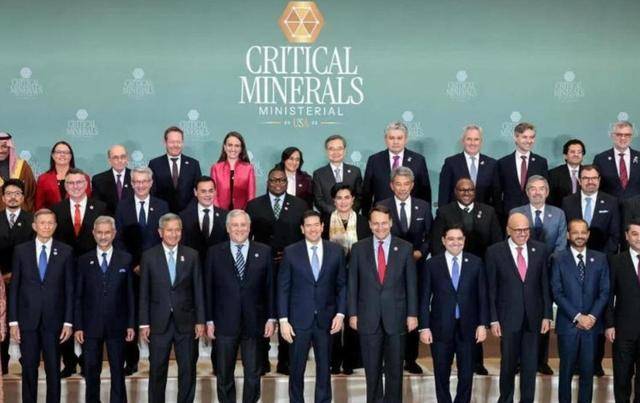
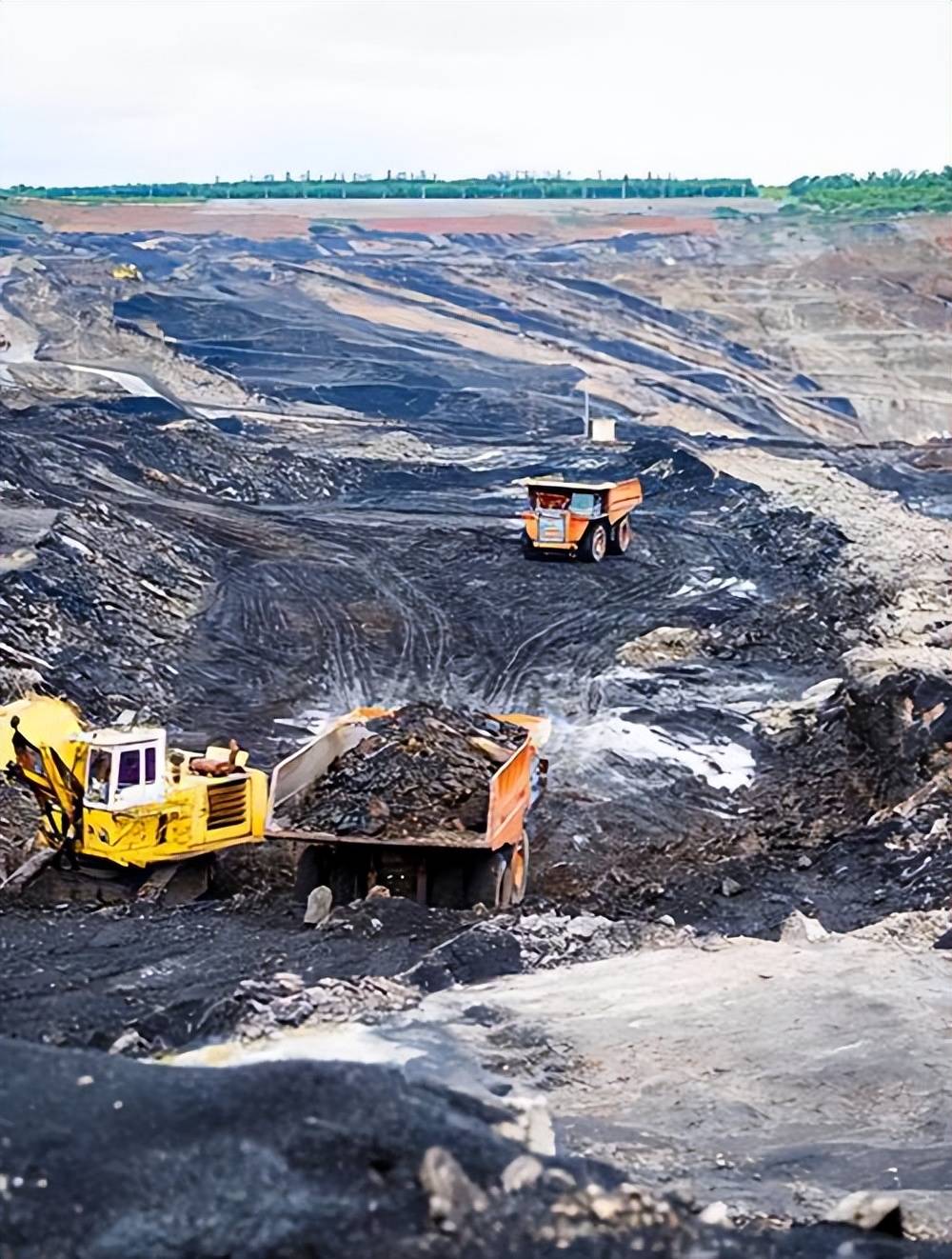
最近,美国召集54国成立"稀土联盟",看似在谋求合作,实则是在试图以团结之名排斥中国。这一看似 矛盾却又令人信服的举动,究竟隐藏着怎样的意图?而中国又该如何应对这场新一轮的稀土争夺战呢? 2月4日,中美高层通话之际,特朗普表示中美关系的重要性,强调希望通过对话解决问题。然而就在同 一天,美国国务卿鲁比奥在华盛顿召开了由54个国家参与的关键矿产部长级会议,宣布启动"资源地缘 战略合作论坛"。这项论坛的核心目的是为了重构供应链,显然是想在稀土和其他关键矿产领域与中国 拉开距离。 可以说,美国此举有两大明确目标:首先,"去中国化"成为了其供应链战略的重点。近年来,中国在稀 土、锂、钴等关键矿产的开采与精炼环节占据绝对主导地位。美国通过创建"稀土联盟",试图借助政策 底价来置换市场规则,为其本土企业争取生存空间。这样的战略不仅关乎经济,更是一场力量的较量。 中国外交部的回应则传达了清晰的立场发言人林剑指出,我们应维护开放、包容、普惠的国际贸易环 境,反对"小圈"规则破坏国际经贸秩序。这样的表述不仅展示了中国对全球供应链稳定的重视在潜移默 化中把美国推到了"破者"的角色。通过强调共同责任,中国在反对阵营对抗的同时,也为 ...