蜜雪冰城

Search documents
社服行业2026年度投资策略
2025-12-31 16:02
Summary of Key Points from Conference Call Records Industry Overview - **Industry Focus**: The conference call primarily discusses the service industry, particularly tourism, hospitality, duty-free, local lifestyle, K12 education, and human resources sectors [1][2][3][4][5][6][7][8][9][10][11][12][13][14][15]. Core Insights and Arguments - **Policy Support and Consumer Trends**: National policies are supporting domestic demand expansion, driven by aging populations and the rise of Generation Z, which is fostering experiential and personalized consumption. Key investment areas include wellness tourism and new consumption models [1][2]. - **Tourism Recovery**: The tourism and travel industry is experiencing a sustained recovery, with both domestic and outbound travel rebounding. Promotional activities by local tourism departments and OTA platforms like Meituan and Ctrip are significantly boosting the industry [3][4]. - **OTA Platforms' Role**: OTA platforms hold a crucial position in the tourism value chain, with major players like Meituan and Ctrip enhancing profitability through differentiated competition strategies, including overseas expansion and acquisitions [4][5]. - **Hotel Industry Dynamics**: The hotel sector's performance is closely tied to economic conditions. With demand differentiation and slowing supply, leading companies like Shoulv Jinjiang, Huazhu, and Atour are expected to have pricing power and growth potential [6]. - **Duty-Free Market Growth**: The duty-free industry is gaining attention, with a low base effect leading to positive data trends. The increase in high-value goods is raising average transaction values, and new policies in Hainan are expected to create growth opportunities for companies like China Duty Free, Wangfujing, and Zhuhai Duty Free [7]. - **Local Lifestyle Sector Competition**: The local lifestyle sector, particularly in dining and tea, is highly competitive. Meituan faces challenges from competitors like JD and Alibaba, but remains a key focus for investors despite market value return uncertainties [8][9]. - **K12 Education Sector Outlook**: The K12 education sector is stabilizing with market recovery, benefiting leading companies like TAL Education and New Oriental due to their strong brand, teaching quality, and expansion capabilities [11]. - **Public Service Exam Training and HR Services**: The public service exam training sector is competitive, with rising enrollment numbers. Leading companies are expected to gain market share as they leverage AI applications. In HR services, improved employment rates are driving recruitment demand, particularly in emerging industries like internet and renewable energy [13][15]. Additional Important Insights - **Investment Opportunities in Service Consumption**: The service consumption sector, particularly tourism-related industries, OTA, hotels, and duty-free businesses, presents clear investment opportunities. The local lifestyle sector is also expected to see continued competition, with specific opportunities in dining and tea [14]. - **AI Technology Impact**: AI technology is creating structural improvement opportunities in the education and HR sectors, with companies like Huatu and Kory International poised for growth due to their software application potential [15]. This summary encapsulates the key points discussed in the conference call, highlighting the current trends, challenges, and opportunities within the service industry.






【豫财经】五个维度,看河南资本市场这一年
Xin Hua Cai Jing· 2025-12-31 13:36
Group 1: Overview of Henan Capital Market in 2025 - The Henan capital market has shown significant progress in 2025, with various activities such as overseas expansion, mergers and acquisitions, listings, and share buybacks [1] - Companies in Henan are increasingly adopting strategic and systematic approaches to global expansion, reflecting a shift in their operational mindset [2][4] Group 2: Overseas Expansion - Henan listed companies are actively pursuing overseas opportunities, with some opting for substantial capital acquisitions to secure strategic resources [3] - For instance, Luoyang Molybdenum Co. announced a $1.015 billion acquisition of Equinox Gold Corp.'s gold mining projects in Brazil, which is expected to increase its annual gold production by 8 tons [3] - Other companies, like Chengfa Environment, are initiating projects abroad, such as a 30 MW solar power project in Hungary, marking a significant step towards becoming a global green energy supplier [3] Group 3: Mergers and Acquisitions - The activity level of mergers and acquisitions in Henan's capital market has surged, with 110 announcements made by A-share listed companies, totaling a transaction value of 80.905 billion yuan by December 26 [5] - A notable strategic merger involves China Pingmei Shenma Group and Henan Energy Group, which will create a new energy giant with total assets exceeding 550 billion yuan and annual revenue surpassing 250 billion yuan [6][7] - Other significant acquisitions include Jiaozuo Wanfang's purchase of 100% equity in Sanmenxia Aluminum and Jianlong Micro-Nano's acquisition of 51% equity in Shanghai Hanxing Energy [7] Group 4: IPOs and Listings - 2025 has seen a rise in Henan companies seeking to list on the Hong Kong Stock Exchange, with notable examples including the successful IPO of Mixue Ice City, which opened at 262.00 HKD per share, a 30% increase from its issue price [9] - Several other companies, such as Banou Hotpot and Real Bio, are also in the process of planning their listings in Hong Kong [9] Group 5: Share Buybacks - Share buybacks have become a prominent trend among Henan listed companies, with 27 companies repurchasing a total of 29.394 million shares for approximately 4.875 billion yuan, nearly double the amount from the previous year [11] - Companies like Shennong Technology and Qianwei Central Kitchen are utilizing buybacks for employee stock ownership plans, while Shennong plans to reduce its registered capital through buybacks [11] Group 6: Bond Financing - The bond market in Henan has demonstrated robust growth, with companies issuing over 1 trillion yuan in bonds for five consecutive years, and the total outstanding company bonds surpassing 500 billion yuan for the first time [12] - In the interbank market, 73 Henan companies raised 144.02 billion yuan through bond issuance in the first three quarters of the year, indicating a continuous expansion of financing channels [13]
十年一觉新消费:从病痛到醒悟,一个创业者的生命课
新消费智库· 2025-12-31 13:03
Group 1 - The article reflects on the past ten years of the "New Consumption Think Tank," emphasizing that the initial passion for the project has evolved into a deeper understanding of its significance [2][4][5] - The author highlights that surviving without debt is a significant achievement in entrepreneurship, suggesting that longevity and self-sufficiency are more important than grand ambitions [7][8][9] - The narrative critiques the glorification of entrepreneurship, arguing that the journey itself holds more value than the end results, and that true wealth comes from daily experiences [10][14][15] Group 2 - The article posits that happiness is derived from the ability to be present and engaged in daily life, rather than from material wealth [17][18] - It discusses the importance of focusing on personal growth and self-acceptance, rather than seeking external validation or societal approval [25][26][27] - The author emphasizes the need for clarity in direction after reconciling with oneself, shifting focus from acquiring to contributing [29][30] Group 3 - The article mentions health challenges faced by the author, which served as a wake-up call to appreciate the fleeting nature of time and the importance of living meaningfully [31][33][34] - It suggests that true fulfillment comes from internal alignment and the pursuit of personal passions, rather than conforming to external expectations [38][40] - The narrative concludes with a commitment to a future focused on personal values and helping others, rather than chasing conventional success [49][51]



年终盘点|回归商业本质:餐饮业新业务、现炒与降价的突围战
Sou Hu Cai Jing· 2025-12-31 09:18
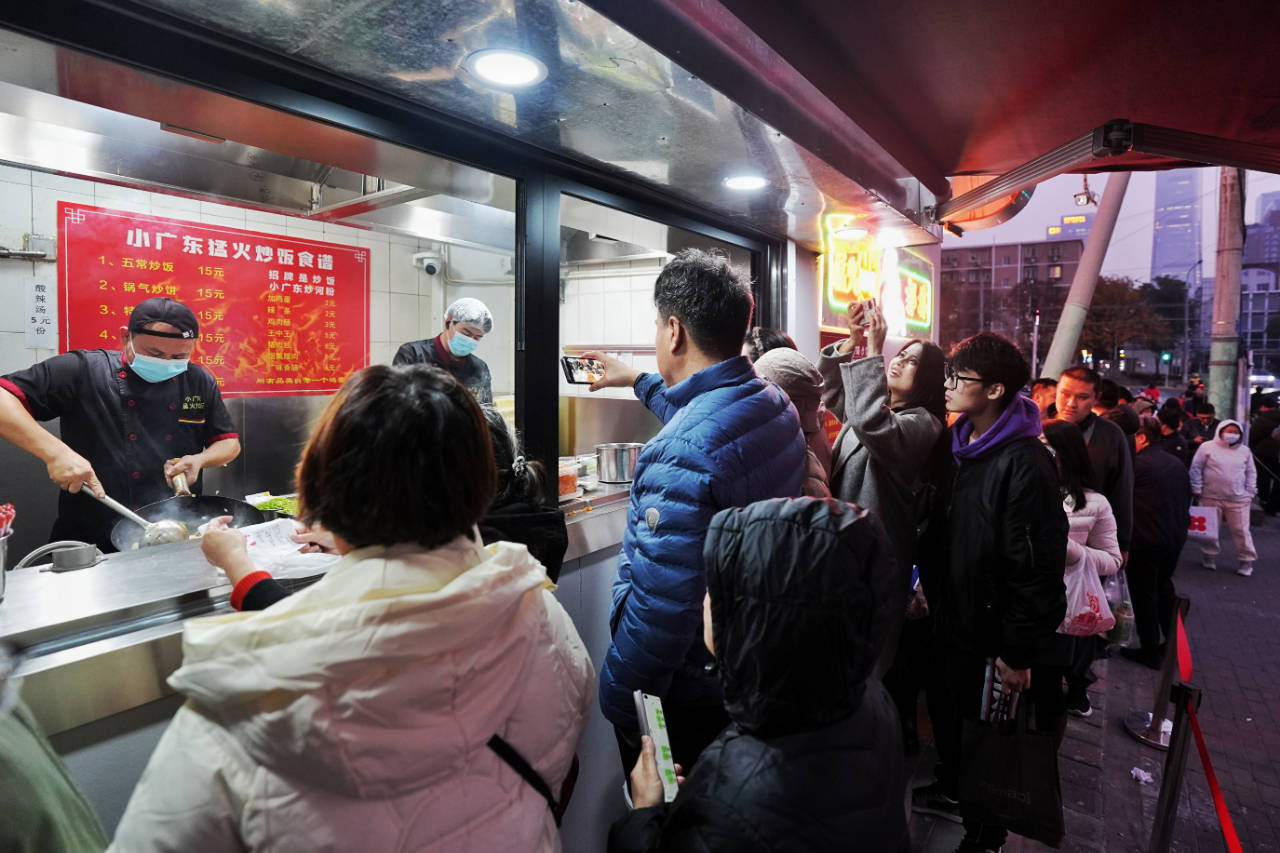
Core Insights - The restaurant industry in China is facing significant operational pressures in 2025, prompting companies to adopt various self-rescue strategies to regain consumer trust and focus on core business principles [1] Group 1: New Business Models - Major brands are launching sub-brands to explore new growth avenues, such as "Xiao Ma Liu" by Ma Liu Ji, which focuses on a lighter dining experience with a lower average spend of around 60 yuan compared to the main brand's 100 yuan [2] - Haidilao has opened community stores and a new style of hot pot restaurant, successfully diversifying into 14 different restaurant brands under its "Red Pomegranate Plan," generating 597 million yuan in revenue, a 227% year-on-year increase [2] - The introduction of new dining concepts like "Xiaboo Ranch" by Xiaoboo and "Bisheng Grilled Skewers" reflects a trend towards offering high-quality yet affordable dining experiences aimed at younger consumers [3] Group 2: Price Adjustments - Many restaurant brands have quietly reduced prices in response to declining customer spending, with notable examples including Jiumaojiu's price cuts and He Fu's 30% reduction in main product prices [4][5] - The average customer spending in the Chinese dining sector has seen a significant decline, with traditional Chinese dining experiencing a 29.5% drop in average spending since 2023 [5] Group 3: Shift Towards Freshly Cooked Meals - There is a growing consumer demand for freshly cooked meals, leading to a resurgence of "freshly stir-fried" offerings in the market, as seen with brands like Xi Bei and various noodle shops [6][7] - The trend towards "freshly cooked" is also influencing the takeaway sector, with companies like Qixian Xiaochu emphasizing fresh ingredients and transparent cooking processes [7] Group 4: Market Outlook - The overall revenue for the restaurant industry is projected to achieve low single-digit growth, reaching 5.7 trillion yuan in 2025, despite a high closure rate of restaurants [3] - Industry experts believe that returning to quality and service fundamentals will be crucial for companies to navigate the competitive landscape and seize new opportunities [8]

这座中原农业县城,藏着一位“雪王”
Zhong Guo Xin Wen Wang· 2025-12-31 06:51
Group 1 - The core viewpoint of the article highlights the transformation of Wenxian County from a traditional agricultural base to a modern industrial hub, particularly in the tea beverage supply chain, exemplified by the success of Daka International, which has grown to nearly 10 billion in annual revenue [1][4][6] - Wenxian County is recognized as a key production base for tea beverage ingredients, leveraging its agricultural resources, including the production of high-quality yam and wheat, to enhance its industrial capabilities [3][5] - The county's development strategy is characterized by a "point-chain-group" integration model, which connects local agricultural resources with global supply chains, significantly increasing the economic value generated from these resources [3][4] Group 2 - The impact of industrial revitalization is evident in the tangible benefits to local farmers, with Daka International's initiatives leading to an annual procurement volume of 150 million for local agricultural products, benefiting over 8,000 households [6] - In 2024, all 262 village collective economies in Wenxian achieved annual incomes exceeding 50,000, with 182 villages surpassing 100,000, indicating a significant uplift in rural economic conditions [6] - The integration of culture and industry has opened new development pathways, with tourism in Wenxian seeing 8.03 million visitors and 650 million in revenue in 2024, reflecting a 12% and 19.4% increase respectively [6]
2025年终复盘:5个正在重塑消费市场的关键词
3 6 Ke· 2025-12-31 03:35
Consumer Trends - Emotional value has shifted from being a supplementary factor in brand narratives to becoming a core driver in consumer decision-making, influenced by a decrease in patience for long-term planning and an increase in sensitivity to immediate emotional feedback [2][4] - Brands that resonate with consumers' emotional states, such as loneliness and the need for companionship, are more likely to be remembered and chosen, as functionality and price become necessary but not decisive factors [4][7] Brand Narrative - Brands are moving away from highly polished narratives towards more authentic and relatable storytelling, reflecting a consumer expectation for brands to appear more human and genuine [5][7] - The success of content like "凡人修仙传" indicates a shift from grand narratives to more relatable, everyday stories that resonate with younger audiences [5][7] Marketing Strategies - Collaborations are evolving from short-term, high-impact campaigns to longer-term partnerships that integrate into consumers' daily lives, enhancing brand presence and engagement [8][11] - The recent collaboration between 喜茶 and 泡泡玛特 exemplifies this trend, focusing on sustained consumer interaction rather than one-off promotions [9][11] Channel Dynamics - The decline of online traffic growth has led brands to reassess the value of offline channels, emphasizing stability and controllability over mere scale [12][14] - Offline experiences are being redefined as essential touchpoints for building brand relationships, with brands like 浴见 creating immersive environments that enhance consumer engagement [12][14] Industry Structure - The consumer sector is entering a consolidation phase, marked by increased merger and acquisition activity, as brands seek to optimize resources and focus on core markets [15][17] - This shift indicates a move from aggressive expansion to refined operational strategies, with a growing emphasis on efficiency and profitability [15][17] Conclusion - The identified trends collectively indicate a transition in consumer and marketing dynamics from creating noise to fostering long-term relationships, with emotional value, authenticity, sustained engagement, offline presence, and industry consolidation as key components [18][19]

巅峰时估值600亿的喜茶,如今大量关店,到底发生了什么?
Sou Hu Cai Jing· 2025-12-31 02:49
Core Insights - The tea beverage market, particularly the new tea brands, is facing significant challenges as economic downturns and market contractions lead to strategic shifts and store closures among previously high-flying companies like Heytea [2][5][12] Group 1: Market Dynamics - The period from 2012 to 2023 marked a rapid growth phase for Heytea, characterized by high demand and long queues for its products, with peak valuations reaching 60 billion [4][5] - In 2023, Heytea faced increased competition from brands like Mixue Ice Cream and Bawang Tea, which adopted different strategies, leading to a stagnation in growth for Heytea [4][5] - The overall market is experiencing a decline in consumer spending power, prompting a shift in purchasing behavior among young consumers who are now more cautious about their spending [10][12] Group 2: Strategic Shifts - Heytea has begun to implement strategic contractions, including halting new franchise applications and avoiding price wars, indicating a transition from aggressive growth to a more stable growth model [7][12] - The company has reduced its price range from 20-40 yuan to 15-19 yuan, and even introduced items below 10 yuan to retain customers, but this has diminished its brand differentiation and high-end appeal [12][14] - The industry is moving away from reckless expansion towards a focus on avoiding homogenization and ensuring sustainability, as many franchisees face financial difficulties [12][14]
社会服务板块2026年度策略:重视服务消费布局元年,看好细分景气与周期改善
Guoxin Securities· 2025-12-31 00:45
Group 1 - The report emphasizes the importance of service consumption in 2026, highlighting a year of strategic layout and potential improvements in specific sectors and cycles [4][6][8] - The overall recovery of the service sector is characterized by a moderate rebound and structural prosperity, with service consumption growth outpacing that of goods consumption [11][12] - The report identifies three key changes affecting demand, policy, and technology, including a shift towards more rational consumer behavior, the impact of policy and globalization on corporate decisions, and accelerated technological iterations [11][4][6] Group 2 - The investment strategy for 2026 focuses on boosting domestic demand, with significant potential for service consumption in China compared to developed countries [19][26] - The report outlines specific sub-sectors such as duty-free, hotels, and education, which are expected to perform differently based on demand and supply dynamics [7][8][34] - Recommendations include focusing on cyclical recovery and sector-specific prosperity, with suggested investments in companies like China Duty Free Group, Huazhu Group, and Meituan [4][34][8] Group 3 - The report notes that the service sector has underperformed compared to the broader market, with a year-to-date increase of 14.55%, lagging behind the CSI 300 index [14][12] - Structural trends indicate that leading companies in tea drinks and hotels have outperformed, while duty-free and hotel stocks have shown strength in the fourth quarter [14][12] - The report highlights the importance of policy measures aimed at enhancing service consumption, including various initiatives to stimulate demand and improve the consumer environment [26][28][27]

曾经的县城“印钞机”,今年彻底歇了?
创业邦· 2025-12-31 00:09
Core Viewpoint - The article discusses the cautious approach of franchise operators in the current market, highlighting the challenges and risks associated with joining new brands, particularly in the food and beverage sector. It emphasizes the need for careful evaluation of brand viability and market conditions before making investment decisions [5][6][24]. Group 1: Franchise Market Trends - Franchise operators are increasingly hesitant to open new stores, with one operator reporting zero new projects in the past year, reflecting a shift in market dynamics and increased competition [7][8]. - The lifespan of successful restaurant brands has decreased significantly, with operators estimating it to be around six months to one year, compared to previous years [6][31]. - The number of snack stores has doubled within a year, but the consumer base has not expanded correspondingly, leading to intensified competition and reduced profitability [9][10]. Group 2: Investment Considerations - Operators are focusing on brands that have demonstrated success and are looking to enter the market at the peak of a brand's momentum to ensure quick returns on investment [6][12]. - The costs associated with opening new stores, particularly in the hard discount supermarket sector, are substantial, with estimates ranging from 2.6 million to 4 million yuan, making it a significant financial commitment [25][29]. - The article highlights the importance of location in determining store performance, with a good site potentially accounting for 80% of a store's success [12]. Group 3: Consumer Behavior and Market Dynamics - There is a growing consumer preference for quality and cost-effectiveness over brand prestige, allowing smaller, well-managed brands to thrive [21][22]. - The article notes that many franchise operators are now more cautious and selective, often waiting for the right opportunity rather than rushing into new ventures [24][32]. - The rise of social media influencers in promoting franchise opportunities has created a complex landscape where distinguishing genuine opportunities from marketing hype is increasingly challenging [15][20].

财经观察:外媒热议中国2025年经济亮点
Huan Qiu Shi Bao· 2025-12-30 22:34
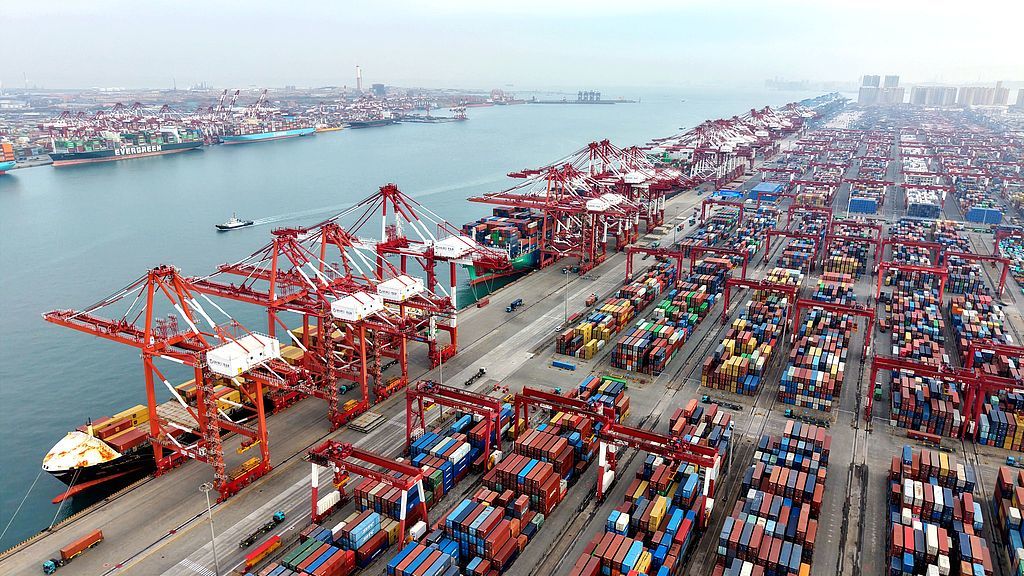
Core Viewpoint - In 2025, China's economy demonstrates resilience and vitality amidst global challenges, attracting international attention and investment opportunities in various sectors, including stock markets, AI development, and soft power expansion [1] Trade Resilience - Despite ongoing U.S. tariff policies, China's goods trade has shown consistent growth, with exports expected to increase by 8% year-on-year in 2025 [2][4] - China achieved a record annual trade surplus of $1 trillion in November 2025, offsetting declines in specific markets through expanded trade with Europe, Latin America, and Africa [4] - China's export innovation and new trade dynamics are crucial for maintaining global supply chain stability, with predictions of increased global market share by 2030 [4] Artificial Intelligence Advancements - 2025 marks a pivotal year for AI, with China's DeepSeek releasing the R1 model, challenging U.S. dominance in the AI sector [5][6] - China has emerged as a leader in open-source AI, with significant competition against U.S. companies, as evidenced by the rapid development and availability of free models [6] - The influence of Chinese technology extends beyond AI into robotics and deep-sea science, showcasing a systematic advancement in various high-tech fields [5] Stock Market Performance - The total market capitalization of A-shares surpassed 100 trillion yuan for the first time in 2025, with significant returns exceeding initial predictions [7][8] - High expectations for the Chinese stock market are supported by a bullish outlook, with forecasts indicating a potential 38% increase by the end of 2027 [7] - Global investors are increasingly interested in Chinese equities, driven by strong market performance and the emergence of innovative companies like DeepSeek [8] Soft Power and Global Influence - China ranks second in the global soft power index, surpassing the UK, with cultural products like the toy "Labubu" gaining international acclaim [9][10] - The success of Chinese lifestyle brands and cultural exports reflects a shift towards China leading global trends rather than merely following them [9] - The expansion of Chinese brands into international markets, including the U.S., highlights the growing global presence of Chinese products [10] Economic Growth Outlook - Multiple international organizations have raised China's GDP growth forecast for 2025 to 5%, recognizing its role as a key stabilizer in global growth [11][12] - Consumer spending is projected to significantly contribute to economic growth, with its quarterly contribution rate rising from 29.7% at the end of 2024 to 56.6% by the third quarter of 2025 [12] - The outlook for 2026 remains positive, with expectations of continued strong performance in the technology sector driven by AI innovations and supportive policies [12]