
农夫山泉

Search documents
ETF盘中资讯|港股最大优势是便宜?两大因素或提振港股!自带哑铃策略的——香港大盘30ETF(520560)近20日狂揽1.35亿元
Jin Rong Jie· 2025-12-24 03:28
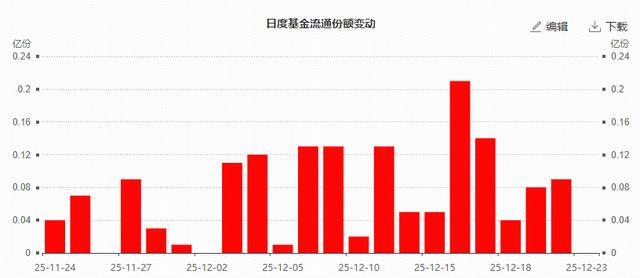
Core Viewpoint - The Hong Kong market is experiencing increased investment interest due to its attractive valuation and strong corporate governance, with a focus on the "technology + dividend" strategy through the Hong Kong Large Cap 30 ETF (520560) [1][3]. Group 1: Market Performance - The Hong Kong Large Cap 30 ETF (520560) has seen a recent decline of 0.11% but has attracted 135 million yuan in the last 20 days, reaching a record high of 810 million yuan as of December 22 [1]. - Key stocks in the ETF include SMIC, which rose over 3%, and other notable companies like Nongfu Spring, BYD, and CNOOC, which increased by more than 1% [1]. Group 2: Investment Logic - The core logic for investing in Hong Kong stocks lies in their significant valuation advantages and high-quality corporate governance, with many large companies focusing on shareholder returns through dividends and buybacks [3]. - The current low valuation of Hong Kong stocks, along with a number of scarce industry leaders, enhances their investment appeal, particularly due to higher dividend rates [3]. Group 3: Sector Opportunities - In the technology sector, there is a focus on internet companies with a strong presence in the large model field, where leading firms are establishing competitive barriers through funding and data advantages [4]. - In the dividend sector, bank stocks are highlighted for their low valuations and stable dividend returns, attracting long-term institutional investors [4]. Group 4: Future Outlook - Two factors are expected to further boost the Hong Kong market: the potential for a U.S. interest rate cut, which may lead to a global capital influx, and the continued appreciation of the renminbi, increasing the attractiveness of renminbi-denominated assets [4]. - The recommended investment strategy is a "barbell strategy," combining stable value assets with growth-oriented assets in the Hong Kong market [4]. Group 5: ETF Composition - The Hong Kong Large Cap 30 ETF comprises 30 major Hong Kong-listed Chinese stocks, including Alibaba and Tencent for high-growth technology exposure, as well as stable dividend payers like China Construction Bank and Ping An Insurance [5].

“涨薪只能靠跳槽”,为什么新员工总比老员工工资高?
3 6 Ke· 2025-12-24 02:49
Core Viewpoint - The year 2025 is expected to be a tumultuous year for the food and beverage industry, primarily characterized by widespread leadership changes across numerous companies, which is a rare occurrence in the industry [1] Group 1: Leadership Changes - A significant number of traditional fast-moving consumer goods (FMCG) companies are undergoing leadership changes, including major players like Coca-Cola, Nestlé China, Unilever, Kraft Heinz, and others [1] - The widespread nature of these changes suggests a collective struggle within the industry, as many companies are facing challenges in sales performance and are seeking new directions through new leadership [4] Group 2: Employee Compensation and Job Market - There is a prevailing sentiment among employees in the FMCG sector that salary increases are unlikely, leading many to consider job changes as the only viable option for salary growth [2][3] - Employees have observed that new hires often receive significantly higher salaries than existing staff, creating a disparity that can lead to dissatisfaction among long-term employees [5][6] - The current environment has led to a situation where companies are more inclined to hire externally, often at higher salaries, rather than promoting from within, which can create tension and feelings of unfair treatment among existing employees [5][6] Group 3: Market Dynamics and Future Outlook - The leadership changes are seen as a response to the challenging sales environment, with companies hoping that new leaders can revitalize performance and restore confidence among stakeholders [4] - The expectation is that new leaders will be given a grace period of about one to one and a half years to stabilize the market before being held accountable for performance [3] - Despite the current difficulties, there is an underlying belief that these traditional companies have the potential for future growth, as they possess the resources and aspirations to navigate through turbulent times [3]

康师傅二代接班第一课:在“外卖大战”中抢人
Xin Lang Cai Jing· 2025-12-23 12:55
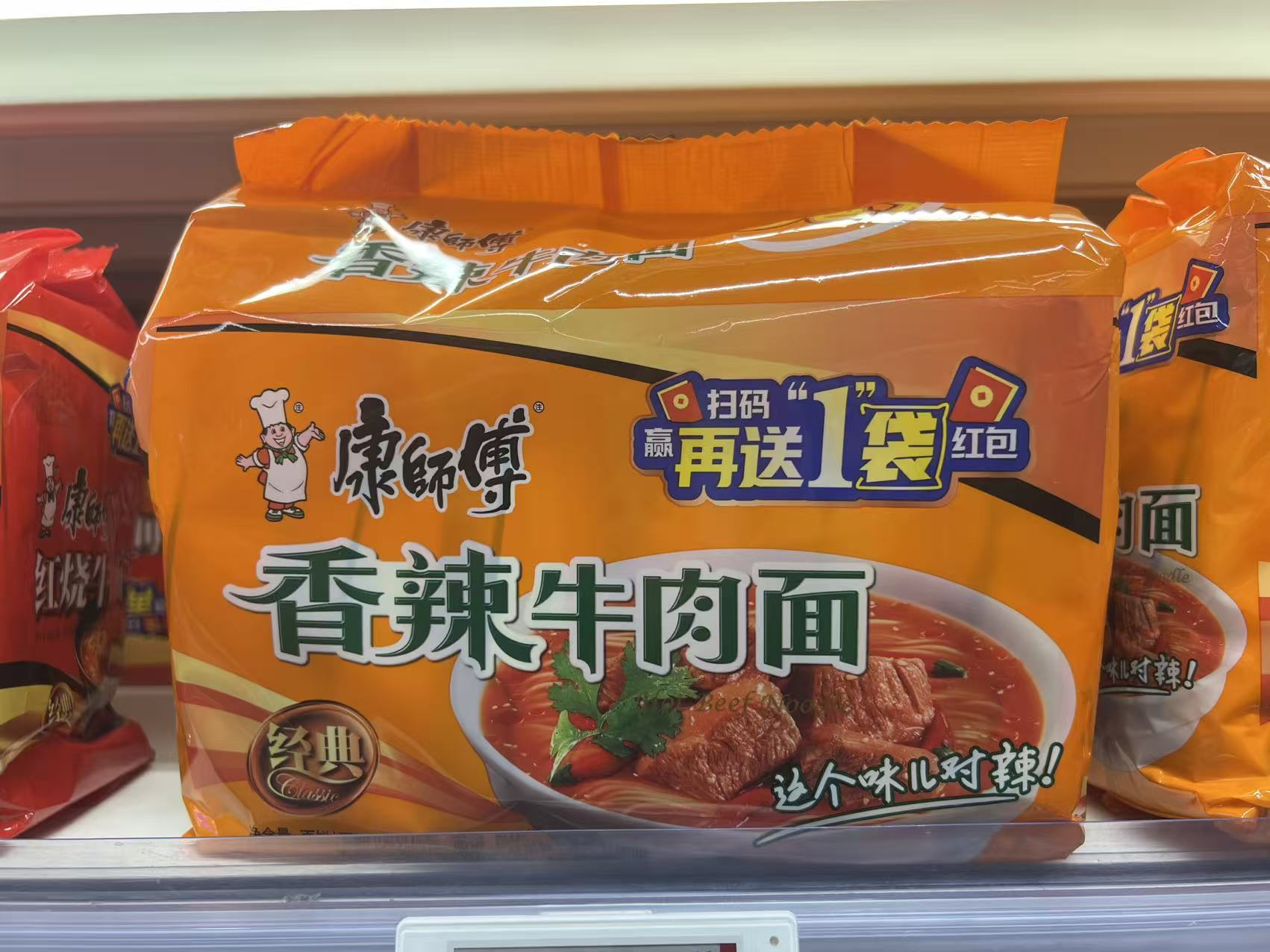
Core Viewpoint - The leadership transition at Master Kong, with CEO Chen Yingrang retiring in 2025 and being succeeded by Wei Hongcheng, marks a return to family control, which may impact the company's strategic direction and innovation efforts [1] Group 1: Leadership Transition - Chen Yingrang, the current CEO of Master Kong, will retire on December 31, 2025, after his contract ends [1] - Wei Hongcheng, the son of founder Wei Yingzhou, will take over as CEO, establishing a "brotherly co-management" structure with current Chairman Wei Hongming [1] - This transition signifies a shift from professional management back to family leadership [1] Group 2: Market Challenges - Master Kong, a leader in the instant noodle market, faces significant competition from emerging food delivery services and pre-prepared meals, which are impacting its traditional product lines [2] - The company's instant noodle revenue peaked at 29.51 billion yuan in 2020 but has since declined, with a projected revenue of 28.41 billion yuan in 2024, reflecting a compound annual growth rate of -0.94% [4] - The proportion of instant noodles in Master Kong's overall revenue has decreased from 43.64% in 2020 to 35.2% in 2024 [4] Group 3: Beverage Segment Performance - Master Kong's beverage revenue has become increasingly important, rising from 55.13% of total revenue in 2020 to 64.0% in 2024, making it the largest revenue source for the company [6] - However, the beverage segment has also faced challenges, with a 2.6% year-on-year decline in revenue for the first half of 2025, equating to a loss of approximately 706 million yuan [5] - The beverage market is experiencing a downturn, with a 9% decline in sales growth in September 2023, attributed to competition from new channels and the impact of food delivery services [5] Group 4: Product Innovation and Market Position - Despite launching various new products, including sugar-free teas and sparkling water, Master Kong has struggled to create standout hits in the beverage market [9] - The company's market share in the sugar-free tea segment is declining, with major competitors like Nongfu Spring dominating the market with over 86% share during peak seasons [11] - Master Kong's traditional products, such as its beef noodle soup and iced red tea, still hold significant market presence, but the company must adapt to changing consumer preferences and distribution channels [13]

韧行2025:企业家画像|钟睒睒:沉默中天亮了
Mei Ri Jing Ji Xin Wen· 2025-12-23 12:10
Core Viewpoint - In 2025, Zhong Shanshan has transformed from a public figure facing intense scrutiny in 2024 to a successful entrepreneur, regaining his status as a leading billionaire and restoring the market value of his company, Nongfu Spring [8][10]. Group 1: Public Image and Reputation Management - In 2024, Zhong faced significant public backlash following the death of a competitor, leading to various accusations and a decline in his company's market value [4][6]. - He responded to the criticisms by clarifying his relationship with the late founder of Wahaha and addressing concerns about his son's nationality, emphasizing that Nongfu Spring remains a Chinese enterprise [5][6]. - Despite his efforts, the company's market value halved, and its revenue dropped by 21.3%, indicating a severe impact on its brand image [7]. Group 2: Financial Recovery and Business Performance - By 2025, Zhong's net worth reached 530 billion yuan, making him the richest person in China for the fourth time, while Nongfu Spring's market value surpassed 500 billion HKD, with stock prices hitting a four-year high [8][10]. - The company's gross margin returned to over 60%, and new product lines, such as Oriental Leaf tea, significantly contributed to revenue, with tea beverage sales reaching 10.089 billion yuan, accounting for nearly 40% of total revenue [8][11]. Group 3: Strategic Business Initiatives - Zhong's long-term strategy focused on enhancing brand value and operational efficiency, including the development of multiple water source projects, which solidified Nongfu Spring's competitive advantage [11][12]. - The company shifted its market strategy away from price competition towards elevating industry standards, promoting sustainable practices, and supporting local farmers, thereby creating a mutually beneficial ecosystem [12][13]. - This approach not only improved the company's supply chain resilience but also aligned with social responsibility, marking a mature transition in its competitive logic [13][14].


马年CNY营销,除了“谐音梗”品牌还能如何做叙事创新?
3 6 Ke· 2025-12-23 11:22
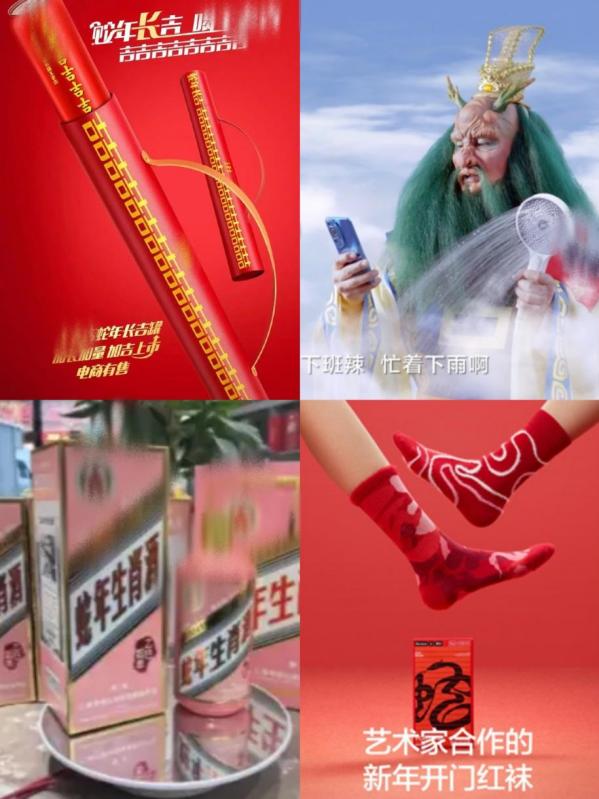
Core Insights - The article discusses the evolving landscape of brand marketing strategies for the upcoming Year of the Horse, emphasizing the need for brands to move beyond simple phonetic puns to create deeper emotional connections and narratives [2][5][17] Group 1: Phonetic Puns in Marketing - Phonetic puns have become a standard marketing tactic due to their memorability and shareability, but as brands increasingly adopt this approach, it risks leading to creative fatigue and homogenization [2][3] - Effective phonetic marketing should serve value communication, integrating the zodiac element into the brand story rather than being a detached wordplay [5][11] Group 2: Cultural and IP Integration - Advanced brand marketing strategies are shifting towards nuanced scene insights and value anchoring, leveraging cultural symbols or high-energy IPs to enhance brand visibility [6][7] - Collaborations with high-energy IPs can facilitate "energy exchange," allowing brands to transfer recognition and goodwill from the IP to their own brand assets [7] Group 3: Long-term Brand Asset Development - The highest level of marketing not only utilizes cultural IPs but also transforms cultural symbols into brand assets, requiring brands to establish a long-term, systematic cultural expression framework [11][14] - Successful examples, such as Nongfu Spring's zodiac water series, illustrate how brands can create lasting cultural value through consistent and innovative engagement with traditional symbols [13][14]
食品饮料行业周度市场观察:行业环境,头部品牌动态,投资运营,产品技术,营销活动-20251223
Ai Rui Zi Xun· 2025-12-23 07:46
Investment Rating - The report indicates a gradual recovery in the food and beverage sector, suggesting a positive outlook for investment opportunities in the industry [6]. Core Insights - The beverage market is experiencing a surge in demand for health-oriented products, particularly turmeric drinks and low-GI foods, driven by younger consumers' health consciousness [2][10]. - The approval of elderberry anthocyanins as a new food ingredient is expected to unlock a significant market potential, with a projected global market size of $960 million by 2027 [4]. - The report highlights the ongoing price wars in the beverage industry, with major brands signaling a trend towards price reductions, which may impact profit margins across the supply chain [9]. Industry Trends - The popularity of turmeric drinks among young consumers is attributed to their perceived health benefits, despite concerns over taste and sugar content [2]. - The rise of the health economy is evident, with a significant increase in sales of health-related products, such as herbal teas and functional foods, particularly among millennials and Gen Z [2]. - The elderberry anthocyanins market is anticipated to grow rapidly, with opportunities for product innovation in immune support and gut health [4]. - The low-GI food market is projected to reach ¥176.2 billion by 2024, driven by increasing health awareness and the prevalence of diabetes among younger populations [10]. - The beverage industry is facing a structural shift, with a focus on "precision" beverages that cater to specific consumer needs and preferences [14]. Brand Dynamics - Kunlun Mountain Mineral Water has entered a strategic partnership to expand its market presence in Hong Kong, leveraging local resources and distribution channels [16]. - Jiahe Foods is transitioning from a contract manufacturer to a consumer brand, facing challenges in profitability due to rising raw material costs and increased marketing expenses [19]. - Vitasoy International reported a decline in revenue, particularly in the mainland market, as competition in the plant-based milk sector intensifies [20]. - Tian Shili's "medical-grade" sugar-free tea has achieved a high repurchase rate by targeting pre-diabetic consumers, showcasing the potential for functional beverages in the health market [21]. - The new brand "Bie Xiang Bao Bao" has gained traction in the sugar-free tea market, achieving significant sales growth through innovative product offerings [22].
“十四五”河源经济总量连跨3个百亿台阶
Nan Fang Ri Bao Wang Luo Ban· 2025-12-23 07:46
Economic Growth - During the "14th Five-Year Plan" period, Heyuan's economic total is projected to increase from 110.27 billion yuan in 2020 to 140.77 billion yuan in 2024, marking a growth of 27.7% [1] - The average annual growth rate of industrial added value in Heyuan is 5.2%, with the total ranking advancing one position in the province [1] - The proportion of industrial investment in fixed asset investment rose from 28.2% in 2020 to 50.7% [1] Industrial Development - Heyuan has attracted major enterprises such as China National Grain Group, White Elephant Food, and Huqin Electronics, resulting in a 42.1% increase in the number of industrial enterprises compared to the end of the "13th Five-Year Plan" [1] - The water beverage and food industry in Heyuan achieved an output value exceeding 10 billion yuan from January to November this year, with packaging drinking water revenue ranking first among all prefecture-level cities in China [1] - Tax revenue from the water beverage and food industry is expected to reach 900 million yuan this year, a 267% increase compared to 2020 [1] Technological Innovation - R&D expenditure in Heyuan is projected to grow at an average annual rate of 17%, with the highest growth rate in the province expected in 2024 [2] - The establishment of the first over 10 billion yuan enterprise, Derun Steel, and the successful development of a 1230-ton skin stretching machine by Guangdong Maino highlight the technological advancements in the region [2] Social Development - The urbanization rate of the permanent population in Heyuan increased by 4.2 percentage points compared to 2020, with rural per capita disposable income growing at an annual rate of 7.7%, ranking second in the province [2] - The collective economic income of Shuangxia Village surged from 85,000 yuan to 12.56 million yuan, reflecting the impact of industrial development [2] Environmental Sustainability - Heyuan has maintained the highest level of ecological environment status index and ecological quality index for 14 consecutive years, with water and air quality ranking first in the province [3] - The area of optimized forest stands exceeded 1.4 million acres, and new forest nurturing surpassed 1.05 million acres, both ranking first in the province [3] Infrastructure Development - The approval time for processes has been reduced by over 30%, with rankings for building permits and utility access indicators being first in the province [3] - The opening of the Gan-Shen and Mei-Long high-speed railways marks the beginning of a "dual high-speed rail" era, with travel times to major cities like Hong Kong, Guangzhou, and Shenzhen within 1.5 hours [3] Quality of Life - Heyuan successfully created a national civilized city in 2024 and has been recognized as a national model city for five consecutive terms [3] - Public spending on people's livelihoods increased by 6.1% compared to the "13th Five-Year Plan," accounting for 75.7% of general public budget expenditures [3]
呷哺呷哺、西贝 给员工们分钱救市丨消费参考
2 1 Shi Ji Jing Ji Bao Dao· 2025-12-23 04:55
Group 1: Employee Engagement Strategies - The core focus of the news is on how restaurant owners are trying to enhance employee motivation, with companies like Xiaobai Xiaobai launching the "Feng Huan Chao" partner program to share profits with employees [1] - Xiaobai Xiaobai's founder, He Guangqi, emphasized the transformation of employees from "workers" to "partners" to boost engagement and operational efficiency [1] - Since the initiation of the partner program, Xiaobai Xiaobai has seen a 30% year-on-year revenue increase in partner stores, with profit margins exceeding 30% [1] Group 2: Industry Challenges - The restaurant industry is facing significant growth pressures, with many national brands reporting revenue declines and operational difficulties [3] - Xiaobai Xiaobai's revenue fell by 18.88% to 1.942 billion yuan in the first half of the year, resulting in a net loss of 84 million yuan [3] - The need for increased employee engagement is critical not only for revenue growth but also for reducing operational costs [3] Group 3: Learning from Competitors - Companies like Xibei are also adopting similar strategies, aiming to increase employee satisfaction and customer experience by raising labor costs to provide higher wages [2] - Haidilao serves as a model for other companies, emphasizing the importance of employee growth opportunities and financial incentives [4] Group 4: Market Trends - The Chinese restaurant market is moving towards a phase of refined corporate governance, which is seen as beneficial for the long-term development of the industry [5]
呷哺呷哺、西贝,给员工们分钱救市丨消费参考
2 1 Shi Ji Jing Ji Bao Dao· 2025-12-23 04:49
Core Insights - The core focus of the articles is on the strategies employed by restaurant companies, particularly Xibei and Xiaobai Xiaobai, to enhance employee motivation and operational efficiency through partnership programs and profit-sharing initiatives. Group 1: Employee Engagement Strategies - Xiaobai Xiaobai has launched its "Feng Huan Chao" partner program, aiming to transform employees from "workers" to "partners" by offering profit-sharing opportunities [1][2] - The first batch of partner stores has seen revenue growth exceeding 30% year-on-year, with profit margins above 30% since the program's initiation [2] - Xibei is also implementing similar strategies, increasing labor costs to enhance employee income and improve customer experience through higher employee satisfaction [3] Group 2: Industry Challenges - The restaurant industry is facing significant growth pressures, with many national brands reporting revenue declines and operational difficulties [4] - Xiaobai Xiaobai's revenue fell by 18.88% year-on-year to 1.942 billion yuan, with a net loss of 84 million yuan [4] - Xibei's revenue is projected to remain in a declining range until May 2025, exacerbated by previous public relations issues [4] Group 3: Operational Improvements - The transition of employees to partners has led to increased work motivation, resulting in extended operating hours and better resource management to reduce waste [2] - The overall trend in the Chinese restaurant market is moving towards refined corporate governance, which is seen as beneficial for long-term industry development [6]

静水深流,大象无形 - 食品饮料行业2026年度投资策略
2025-12-22 15:47
Summary of the Food and Beverage Industry Conference Call Industry Overview - The food and beverage industry is expected to end its deep adjustment cycle by 2026, with consumer goods having largely completed inventory destocking [1][4] - The liquor sector, particularly baijiu, is projected to reach a new equilibrium by Q2 2026, with CPI stabilizing to alleviate price deflation pressures [1][4] - Companies with innovation or supply chain optimization capabilities are expected to stand out in the recovery phase [1][4] Key Insights and Arguments - The liquor sector is currently in a bottoming process, with mid-term investment value being significant [1][5] - Consumer goods are benefiting from an efficiency revolution and the transition between old and new growth drivers, with emerging channels and cost advantages continuing [1][5] - In 2025, the food and beverage sector showed mixed performance, with yellow wine, soft drinks, dairy products, and meat products leading in growth, while baijiu faced significant downward pressure from high-end price declines [1][6] Market Dynamics - The CPI and PPI differential has been volatile, with weak price increase expectations; however, a future stabilization of CPI could relieve downward price pressures [1][7] - The liquor price average has returned to a high level, indicating limited future downward space, necessitating companies to maintain a balance between volume and price [1][8] Sector-Specific Trends Liquor Industry - The baijiu sector is expected to reach a new balance by Q2 2026, with a characteristic of low-to-high price movement [1][5] - Companies are advised to focus on maintaining volume-price balance during the destocking phase [1][8] Consumer Goods - The industry is currently in a "channel is king" phase, necessitating the exploration of structural opportunities to meet changing consumer demands for health, personalization, convenience, and cost-effectiveness [1][9] - After completing inventory destocking, traditional sectors may rebound, with new emerging segments expected to thrive [1][9] Dairy Industry - The dairy sector is in a stabilization phase, with raw milk supply expected to contract in 2026, leading to a potential improvement cycle [1][11] - Key companies to watch include Yili, Mengniu, and Miaokelando, which are expected to show growth potential [1][11] Beer and Yellow Wine - The beer industry is stable but experiencing changes due to the rise of new channels, suggesting a focus on leading companies like Qingdao Beer and Yanjing Beer [1][12] - The yellow wine sector is seeing a concentration of market share among leading companies, with structural upgrades expected to continue [1][12] Soft Drinks and Snacks - The soft drink market is facing intensified competition, with notable segments like glucose tea and sports drinks showing promise [1][13] - The snack sector is benefiting from new channel transformations, with companies like Weilong and Chacha expected to perform well [1][13] Restaurant Supply Chain and Food Chains - The restaurant supply chain is recovering from regulatory impacts, with companies like Anji Food and Gaoli Co. being highlighted for their growth potential [1][14] - Food chain companies are accelerating their expansion through optimization and innovation, presenting investment opportunities [1][14] Health Products - The health product market shows potential for significant growth, with key products like coenzyme Q10 and probiotics gaining traction [1][15] Conclusion - Each sub-sector within the food and beverage industry presents unique opportunities and challenges, necessitating tailored investment strategies to capture alpha opportunities and achieve stable returns [1][16]