
美光

Search documents
化工行业新材料周报(20250714-20250720):KimiK2模型发布,本周金属硅、PBAT、缬氨酸价格上涨-20250721
Huachuang Securities· 2025-07-21 10:16
Investment Rating - The report maintains a recommendation for metals silicon, PBAT, and valine, indicating a positive outlook for these materials in the chemical industry [1]. Core Insights - The new materials sector outperformed the broader market and the basic chemical sector, with a weekly change of 1.37% for the new materials index compared to 1.17% for the basic chemical index and 1.09% for the CSI 300 index [8]. - Price increases were noted for metals silicon (+3.16%), PBAT (+0.51%), and valine (+0.35%), while significant declines were observed in electronic-grade hydrogen peroxide (-3.86%), 6F (-1.01%), and epoxy resin (-0.88%) [8][21]. - The report highlights the importance of the new materials sector, particularly in semiconductor materials, which showed significant gains [8][25]. Industry Updates - The Ministry of Industry and Information Technology held a meeting with photovoltaic companies to address low-price competition and promote the exit of outdated production capacity, aiming for sustainable development in the solar industry [9]. - The easing of trade tensions between China and the U.S. has led to a recovery in trade inquiries and shipping prices, positively impacting chemical prices [10]. - The report emphasizes the potential for growth in the new materials sector, particularly in areas that require domestic production capabilities and have been historically reliant on imports [11]. Trading Data - The Huachuang Chemical Industry Index stood at 73.06, reflecting a decrease of 0.22% week-on-week and a year-on-year decline of 25.03% [17]. - The industry inventory percentile is at 91.12%, indicating a high level of stock relative to the past five years [17].
需求端迭代滞后于原厂产能收缩,利基DRAM行情景气度有望持续
Orient Securities· 2025-07-17 12:13
Investment Rating - The industry investment rating is "Positive (Maintain)" [5] Core Viewpoints - The niche DRAM market is undergoing a supply-demand reshaping, driven by AI and domestic substitution opportunities, indicating a sustained market outlook [3][22] - The niche DRAM market is not only a stock market but also a growth market, with the market size expected to grow from $8.5 billion in 2024 to $12.2 billion in 2026 [8][18] - The supply gap for DDR4 and LPDDR4 is expected to persist, benefiting Tier 2 suppliers like Zhaoyi Innovation [21][22] Summary by Sections Investment Recommendations and Targets - Recommended companies to focus on include Zhaoyi Innovation, Beijing Junzheng, Fudan Microelectronics, and others [3][22] Market Dynamics - The demand for DDR4 and LPDDR4 remains stable across various sectors, including consumer electronics, industrial, and automotive markets [8][12] - The contract prices for DDR4 are expected to continue rising, with projected increases of 38%-43% in the PC market and 40%-45% in the consumer market for Q3 [12][15] - NAND product prices have shown a consistent upward trend, with increases of 17.4% and 15.6% for specific NAND Flash products since June [9][12] Supply Chain Insights - Major manufacturers are exiting the DDR4 and LPDDR4 markets, leading to a supply shortage that is expected to drive prices up [21][22] - The ongoing production cuts by Micron are anticipated to exacerbate the LPDDR4 shortage, with price increases expected [12][17] Market Growth Projections - The niche DRAM market is projected to grow significantly, with AI applications driving demand for higher data processing and storage capabilities [18][19] - The overall market for niche DRAM is expected to see a substantial increase in demand due to advancements in technology and new application scenarios [18][19]


算力大涨!星辰大海有多远?
格隆汇APP· 2025-07-17 11:06
Core Viewpoint - The article highlights the significant surge in stock prices of companies in the AI and semiconductor sectors, driven by advancements in AI capabilities and increased demand for computing power, particularly in the context of the ongoing AI boom [1][2][4][5]. Group 1: Stock Performance - Nvidia's stock price has doubled since April, with its market capitalization soaring to $4.2 trillion, leading a global tech rally [1]. - New Yisheng has seen a 293% increase since April, with a recent 41% rise in just a few trading days [2]. - Zhongji Xuchuang has increased by 167% since April, with a recent 23% rise [3]. - Tianfu Communication has risen by 129% since April, with a recent 28% increase [4]. Group 2: Market Dynamics - The market sentiment has improved following the tariff impacts in April, but this does not fully explain the record highs in stock prices for AI-related companies in both US and A-shares [4]. - The fundamental progress includes accelerated iterations of large models by leading tech companies, breakthroughs in multimodal capabilities, and significant reductions in model inference costs, which have stimulated downstream demand [5]. Group 3: Industry Outlook - There is a belief that the current AI market will reshape perceptions and investment strategies in the tech manufacturing sector, with a surge in demand for high-performance chips like GPUs driving the need for related equipment [6][7]. - The domestic GPU market is entering a high-growth cycle, supported by technological advancements and increasing demand for AI models [7]. - Nvidia's CEO announced the approval for H20 chips to be sold in China, reinforcing the global competitiveness of Chinese AI models [7]. Group 4: Challenges Ahead - The domestic AI computing sector faces three core issues: funding, computing power, and demand, with computing power gradually being addressed [8]. - A lack of significant AI application products remains a critical challenge for the industry [9]. - The development of a robust application ecosystem is essential to support the upstream hardware infrastructure [10]. Group 5: Future Considerations - If substantial AI application breakthroughs are not realized by the second half of 2025, skepticism may arise, potentially affecting investor confidence [11]. - The article encourages a balanced perspective on the future of AI, urging stakeholders to remain cautious while exploring opportunities [12].


中原证券晨会聚焦-20250717
Zhongyuan Securities· 2025-07-17 00:57
Core Insights - The report highlights a moderate recovery in the Chinese economy, with consumption and investment as core drivers, suggesting a favorable environment for long-term investment strategies [8][9][12] - The report emphasizes the importance of monitoring policy changes, capital flows, and external market conditions to optimize investment strategies [9][12][27] Domestic Market Performance - The Shanghai Composite Index closed at 3,503.78, with a slight decline of 0.03%, while the Shenzhen Component Index fell by 0.22% to 10,720.81 [3] - The average price-to-earnings ratios for the Shanghai Composite and ChiNext are 14.40 and 39.37, respectively, indicating a suitable environment for medium to long-term investments [9][12] International Market Performance - The Dow Jones Industrial Average decreased by 0.67% to 30,772.79, while the S&P 500 and Nasdaq also saw declines of 0.45% and 0.15%, respectively [4] - The report notes a significant increase in the Hang Seng Index by 1.60%, reflecting a positive trend in the Hong Kong market [4] Industry Analysis - The automotive and electric power sectors are leading the market, with significant interest in electric vehicles and related technologies [5][9] - The semiconductor industry is experiencing strong growth, with a 6.01% increase in the semiconductor index in June, outperforming the broader market [18] - The report indicates a robust performance in the lithium battery sector, with a 26.69% year-on-year increase in new energy vehicle sales [17] Investment Recommendations - The report suggests focusing on sectors with strong growth potential, such as electric vehicles, semiconductors, and consumer goods, particularly in the snack food market, which is projected to grow at 6% to 8% annually [13][17][21] - Specific stocks recommended include Qiaqia Food (002557), Jin Zai Food (003000), and Yanjinpuzi (002847) within the snack food sector [16] Key Data Updates - The report notes that the average daily trading volume in the A-share market remains above the three-year average, indicating healthy market activity [9][12] - The report highlights a significant increase in domestic photovoltaic installations, with a record 92.92 GW added in May, reflecting strong demand in the renewable energy sector [29][30]
靠着HBM挣大钱的设备巨头
半导体芯闻· 2025-07-15 10:04
Core Viewpoint - The semiconductor equipment manufacturer DISCO is experiencing significant growth driven by the increasing demand for precision processing equipment, particularly due to the rise of generative AI and high-bandwidth memory (HBM) technology [1][2][3]. Group 1: DISCO's Performance - DISCO's non-consolidated shipment amount for the first quarter of fiscal year 2025 is expected to reach 93 billion yen, marking an 8.5% year-on-year increase and achieving the fifth consecutive quarter of growth [1][2]. - The company has revised its revenue forecast for the first quarter of fiscal year 2025 from 75 billion yen to 89.9 billion yen, reflecting a 19.9% increase [5][6]. - The operating income forecast has been adjusted from 23.8 billion yen to 34.5 billion yen, indicating a 44.9% increase [6]. Group 2: HBM and AI Demand - HBM technology is crucial for the development of generative AI, as it meets the need for rapid data access and storage, thus driving the sales of semiconductor manufacturing equipment [3][9]. - The demand for HBM is not only benefiting DISCO but also numerous semiconductor backend equipment manufacturers, showcasing significant market potential [3][9]. Group 3: Industry Trends - The global market for TCB (Thermal Compression Bonding) equipment used in HBM packaging is projected to grow from approximately $460 million in 2024 to over $1.5 billion by 2027, with a compound annual growth rate exceeding 50% [33][34]. - Companies like Hanmi Semiconductor and ASMPT are emerging as key players in the HBM TCB equipment market, with Hanmi Semiconductor achieving record sales and significant profit growth [34][35]. - The competitive landscape is evolving, with multiple companies, including K&S and Zeus, also making strides in the HBM equipment sector, indicating a shift from a single dominant player to a more diversified market [43][52].
靠着HBM挣大钱的设备巨头
半导体行业观察· 2025-07-14 01:16
Core Viewpoint - The semiconductor equipment manufacturer DISCO is experiencing significant growth driven by the increasing demand for high-bandwidth memory (HBM) due to the rise of generative AI, with a record shipment amount expected in the first quarter of fiscal year 2025 [1][3][4]. Group 1: DISCO's Performance and Market Position - DISCO's non-consolidated shipment amount for the first quarter of fiscal year 2025 is projected to reach 93 billion yen, marking an 8.5% year-over-year increase and surpassing the previous record of 90.8 billion yen in the third quarter of fiscal year 2024 [1][2]. - The company has revised its revenue forecast for the first quarter of fiscal year 2025 from 75 billion yen to 89.9 billion yen, indicating a 19.9% increase, and its operating income forecast has been adjusted from 23.8 billion yen to 34.5 billion yen, reflecting a 44.9% increase [4][5]. - DISCO holds a 20% market share in the advanced packaging sector, benefiting from strong demand for precision processing equipment [4]. Group 2: HBM Technology and Its Impact - HBM is identified as a key technology supporting the development of generative AI, with its high bandwidth and low power consumption making it essential for rapid data access [3][8]. - The demand for HBM is not only benefiting DISCO but also driving significant revenue growth for various semiconductor equipment manufacturers, indicating a robust market potential [3][8]. - The rise of HBM technology is pushing semiconductor manufacturers to adopt advanced packaging techniques, such as 3D stacking, to meet the performance and efficiency demands of AI applications [8][12]. Group 3: Industry Trends and Future Outlook - The global market for TCB (thermal compression bonding) equipment used in HBM packaging is expected to grow rapidly, with projections indicating an increase from approximately $460 million in 2024 to over $1.5 billion by 2027, reflecting a compound annual growth rate of over 50% [32]. - Companies like Hanmi Semiconductor and ASMPT are emerging as key players in the TCB market, with Hanmi Semiconductor reporting a 252% increase in sales and a significant order from Micron for TCB machines [33][45]. - The competitive landscape is evolving, with multiple companies, including K&S and ASMPT, actively developing advanced packaging technologies to capitalize on the growing demand for HBM and AI applications [53][45].
险资长周期考核机制落地,A股有望迎万亿元级增量资金;上交所发布《科创成长层指引》,32家未盈利企业即日起进入科创成长层——《投资早参》
Mei Ri Jing Ji Xin Wen· 2025-07-13 23:54
Important Market News - The Ministry of Finance issued a notice on July 11 to guide insurance funds towards long-term stable investments, establishing a long-cycle assessment mechanism for state-owned commercial insurance companies starting from the 2025 performance evaluation. This is expected to bring trillions of yuan in incremental funds to the A-share market, enhancing market resilience and promoting a value investment atmosphere [1][1]. - On July 13, the Shanghai Stock Exchange released self-regulatory guidelines for the Sci-Tech Innovation Board, officially including 32 unprofitable companies into the Sci-Tech Growth Layer. This aims to support technology companies with significant breakthroughs and broad commercial prospects, despite currently being unprofitable [1][1]. Industry Insights - The Ministry of Industry and Information Technology released the 2025 work points for the integration of information technology and industrialization, emphasizing the development of key integration technologies and supporting the high-quality development of basic and industrial software. The focus is on AI-enabled new industrialization and the promotion of industrial intelligence [2][2]. - The price of DDR4 DRAM has doubled in the past six months, with recent price increases of about 20% by SK Hynix. This price surge is driven by recovering market demand and supply-side adjustments, with significant price increases expected for various applications in the third quarter [3][3]. - The fifth RISC-V China Summit will be held from July 16 to 19, 2025, in Shanghai, attracting around 2,000 professionals. RISC-V architecture is rapidly gaining traction due to its open-source nature and flexibility, with a projected compound annual growth rate of over 40% in product shipments by 2030 [4][4]. Stock Movements - Qilu Bank announced a plan for a major shareholder to reduce its stake by up to 1.1% through block trading [5][5]. - Saikexide and Zhongci Electronics also announced plans for their shareholders to reduce stakes by up to 1% through various trading methods [5][5]. - Defu Technology's shareholders plan to reduce their holdings by up to 3.4% within three months following the announcement [6][6].
招商研究一周回顾(0704-0711)
CMS· 2025-07-11 15:04
Macro Insights - The macro policy for the second half of the year may involve non-traditional measures, with a focus on price stability and the marginal improvement of asset prices, particularly in equity products [2][32] - The "anti-involution" policy is expected to drive companies to reduce capital expenditures and clear excess capacity, leading to improved economic supply-demand relationships and enhanced corporate profitability [3][44] Strategy Insights - The "anti-involution" trend is identified as a key driver for a bullish market, with high-quality stocks likely to play a crucial role in pushing indices higher [3][44] - AI is recognized as a core driver of the current technological revolution, creating investment opportunities across multiple industries in the A-share market [3][44] - Key sectors to watch in July include solid-state batteries, domestic computing power, non-bank financials, defense and military, and innovative pharmaceuticals, all showing signs of marginal improvement [3][44] Market Performance - The Shanghai Composite Index closed at 3510.18, reflecting a weekly increase of 1.09% [5][7] - The Shenzhen Component Index closed at 10696.10, with a weekly increase of 1.78% [8] Economic Indicators - The manufacturing PMI rose to 49.7% in June, indicating a slight recovery, while the construction PMI significantly improved to 52.8% due to accelerated infrastructure projects [12][13] - Consumer spending showed mixed results, with significant growth in automobile and home appliance sales driven by government subsidies, while other sectors like clothing and cosmetics remained weak [13][14] Industry Trends - The real estate market continues to face challenges, with declining sales and investment, leading to a negative outlook for related sectors [13][14] - The "anti-involution" policy is expected to address price competition and improve product quality, particularly in the durable consumer goods sector [30][44]



超1500亿估值,存储龙头长鑫科技IPO,多重挑战待解
Nan Fang Du Shi Bao· 2025-07-09 13:42
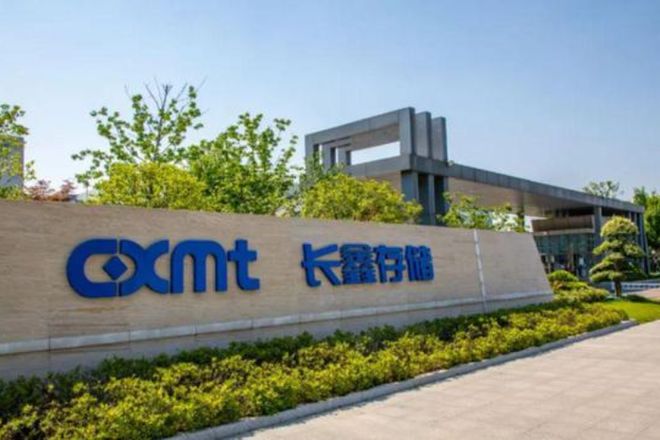
Core Viewpoint - Changxin Technology Group has initiated its IPO journey with a market valuation of 150.8 billion yuan, amidst challenges in the global memory chip market driven by the AI wave [2][5]. Group 1: Company Overview - Changxin Technology Group's IPO application has been accepted by the China Securities Regulatory Commission [2]. - The company has achieved a market valuation of 150.8 billion yuan following a key financing round completed in March 2024 [2]. - The company's unique "no controlling shareholder" structure is highlighted, with the largest shareholder holding 21.67% [2][3]. Group 2: Shareholder Structure - The largest shareholder, Hefei Qinghui Electric Enterprise Management Partnership, is ultimately funded by Hefei Industrial Investment Holding Group, a key player in the "Hefei Model" of local government investment [3]. - The "Hefei Model" involves significant long-term investments in strategic emerging industries, with previous successes in sectors like new displays and electric vehicles [3]. Group 3: Strategic Partnerships - Changxin Group has formed a strong partnership with leading domestic MCU company, Zhaoyi Innovation, which has invested 1.5 billion yuan in the company [4]. - Zhaoyi Innovation not only acts as a shareholder but also as a crucial customer, with projected purchases from Changxin Group reaching 1.61 billion yuan in 2025 [4]. Group 4: Market Challenges - The global DRAM market is experiencing a structural divide, with high demand for high-end products driven by AI, while traditional markets are recovering slowly [5][6]. - Changxin Group's current product offerings are primarily in the slower-recovering general DRAM market, which is closely tied to the performance of traditional consumer electronics [5][6]. - The company faces significant technological gaps in the high-margin HBM sector compared to international giants like Samsung and SK Hynix, posing a challenge for future growth [6]. Group 5: Market Position and Future Outlook - Changxin Group's successful IPO would fill a critical gap in the A-share semiconductor sector, as it is currently the only DRAM integrated device manufacturer of its scale [6]. - The company's ability to navigate its capital market journey will test its technological advancement capabilities and the market's long-term valuation of Chinese core technology assets [6].
三星、SK海力士、美光退出,下游抢囤促提价
2 1 Shi Ji Jing Ji Bao Dao· 2025-07-08 14:21
Core Viewpoint - The recent price increase in DDR4 and LPDDR4x memory is primarily driven by supply constraints due to major manufacturers exiting the DDR4 market to focus on higher-margin products like DDR5 and HBM [1][3][4]. Group 1: Price Trends - DDR4 prices have surged significantly, with the price of 8GB DDR4 3200MHz modules rising from $1.63 at the beginning of the year to $5.1, an increase of over 200% [2]. - The price of 16GB DDR4 3200MHz modules has exceeded $12.8, reflecting a 260% increase since the start of the year [2]. - As of July 5, the average price for DDR4 16Gb (1Gx16) reached $16, making it 2.6 times more expensive than DDR5, marking the largest generational price gap in DRAM history [1]. Group 2: Supply Dynamics - Major manufacturers like Samsung, SK Hynix, and Micron have announced strategic exits from DDR4 production, with plans to cease production by early 2026 [1][3]. - The exit of these suppliers has led to a tightening of supply, causing prices to rise as downstream customers rush to stock up [3][4]. - Despite concerns over rising prices, manufacturers continue to procure memory due to inventory considerations, further driving up prices [3]. Group 3: Market Outlook - The current round of production halts is mainly focused on consumer-grade products, while supply for automotive, industrial, and network communication sectors will be maintained [4]. - Analysts predict that DDR4 prices may peak and then decline in the fourth quarter as suppliers begin to release inventory [4]. - Domestic manufacturers are expanding DDR4 production to fill the supply gap left by international firms, with companies like Dongxin and Beijing Junzheng optimizing their production lines [6][7]. Group 4: Industry Sentiment - The overall sentiment in the storage industry is positive, with expectations of improved demand in sectors like network communication and consumer electronics in the second half of the year [7].
