
蜜雪集团

Search documents
基金有点“担心”泡泡玛特和老铺黄金了
Sou Hu Cai Jing· 2025-11-19 10:42
Core Viewpoint - The report from Bernstein indicates a general slowdown in demand for Pop Mart in both China and overseas markets, warning that the company's Q4 performance may fall short of expectations, leading to a stock price drop of over 3% on November 12 [1] Group 1: Stock Performance - Since reaching a historical high of 339.8 HKD on August 25, Pop Mart's stock has been in a continuous decline, hitting a low of 203.6 HKD by November 7, representing a 40% drop and a market capitalization loss of 182.9 billion HKD [1] - The stock price decline is part of a broader trend among the "new consumption trio" in Hong Kong, which includes Pop Mart, Lao Pu Gold, and Mixue Group, all experiencing significant stock price corrections of around 40% [3][4] Group 2: Fund Holdings - In Q2, the number of public funds holding Pop Mart peaked at 311, with a total of 72.3 million shares. By Q3, this number dropped to 197 funds and 51.7 million shares, indicating a sell-off of 20.6 million shares, a 28.52% decrease in holdings [5][6] - Despite the overall reduction in holdings, the fund "Invesco Great Wall Quality Evergreen A" increased its position by 2.23 million shares in Q3, reflecting a belief in the company's future growth potential [8] Group 3: Comparison with Other Companies - Lao Pu Gold's stock also saw a significant decline, dropping from a high of 1108 HKD in July to a low of 592 HKD in November, a 46.57% decrease, with a market cap loss of 90.8 billion HKD [3] - Mixue Group's stock fell from a high of 618.5 HKD in June to a low of 371.6 HKD in October, a 39.91% drop, resulting in a market cap loss of 93.8 billion HKD [3] Group 4: Fund Manager Perspectives - Fund managers have differing views on Pop Mart's future. While some, like the manager of "Invesco Great Wall Quality Evergreen A," are increasing their positions, others, such as the manager of "Invesco Consumption Select 30 A," have significantly reduced their holdings due to concerns over market conditions and high baseline risks [8][14] - The overall trend indicates that while some funds are optimistic about future growth, many are opting to realize profits amid the stock's decline [8]



反常的港股
Sou Hu Cai Jing· 2025-11-18 00:06
Group 1 - The A-share market is dominated by domestic investors, particularly public and private funds, which are highly sensitive to policy information and prefer sectors with high policy visibility [2] - In contrast, the Hong Kong stock market has seen significant gains from certain stocks, referred to as the "three sisters," with prices skyrocketing, such as Old Poo Gold rising 11 times and Pop Mart increasing by 617% [3][4] - The Hang Seng Index rose from around 17,000 to a peak of 24,800, reflecting a 40% increase, with trading volume tripling, indicating a narrative of "global value gap" [5] Group 2 - The "three sisters" in the Hong Kong market share a commonality of concentrated liquidity and sentiment-driven trading, leading to rapid corrections once sentiment wanes [6] - Despite global liquidity improvements, the Hong Kong market has struggled due to tightening local liquidity, with the overnight Hibor rising significantly, indicating a decrease in market liquidity [9][10] - The relationship between the Hong Kong market and U.S. Treasury yields is inverse; when U.S. yields rise, funds tend to flow out of Hong Kong, putting pressure on the market [12][15] Group 3 - The local liquidity tightening has been exacerbated by the Hong Kong Monetary Authority's interventions to maintain the currency peg, leading to increased funding costs and reduced liquidity in the banking system [16][17] - The overall economic fundamentals in Hong Kong have been under pressure, with weak domestic demand and declining profits across various sectors, although there are signs of marginal improvement [20][21] - Analysts have begun to adjust earnings expectations positively, indicating a potential shift in the economic trajectory, which could support the Hong Kong market [22][24] Group 4 - The market's recovery is contingent on two main factors: improvement in economic fundamentals and more abundant liquidity [31][33] - The ongoing uncertainty regarding the U.S. Federal Reserve's interest rate decisions adds to the volatility, with the market awaiting clearer signals on future rate cuts [35][36] - The current environment suggests that while short-term risks remain, the long-term outlook for the Hong Kong market may present more opportunities than risks [36]

反常的港股
虎嗅APP· 2025-11-17 23:45
Core Viewpoint - The article discusses the contrasting performance of A-shares and Hong Kong stocks during the current bull market, highlighting the dominance of domestic investors in A-shares and the influence of external liquidity and local market conditions on Hong Kong stocks [2][10]. Group 1: A-shares vs. Hong Kong Stocks - A-shares are primarily driven by domestic investors, particularly public and private funds, who are highly sensitive to policy information and favor "industry tracks" with high visibility [2]. - In contrast, Hong Kong stocks have seen significant price increases in certain assets, referred to as the "three sisters," with notable price surges: Old Poo Gold's stock price increased 11 times, Pop Mart rose 617%, and Mixue Group saw a maximum increase of 165% [3][4]. Group 2: Market Dynamics - The surge in these assets has amplified market sentiment, contributing to a 40% increase in the Hang Seng Index, which rose from around 17,000 to 24,800 points, with trading volume tripling [4]. - However, the "three sisters" share a common trait of concentrated liquidity and sentiment-driven trading, leading to rapid corrections once sentiment wanes [5][6]. Group 3: Liquidity Factors - Despite global liquidity improvements, Hong Kong stocks have struggled due to tightening local liquidity conditions, particularly as the overnight Hibor rate surged, indicating a decrease in market liquidity [10][18]. - The relationship between the Hang Seng Index and U.S. Treasury yields is highlighted, with the index typically responding inversely to changes in U.S. interest rates [11][13]. Group 4: Economic Fundamentals - The article emphasizes that global liquidity improvements do not necessarily equate to a recovery in risk appetite, as market confidence ultimately hinges on economic fundamentals [22][23]. - Recent trends show a marginal improvement in Hong Kong's corporate earnings, with a decrease in the rate of decline in net profits for the Hang Seng Index from a 7.2% drop in 2024 to a 1.4% decline in Q1 2025 [23][24]. Group 5: Future Outlook - The article suggests that the key factors influencing the future of Hong Kong stocks include the improvement of economic fundamentals and the establishment of a more accommodative liquidity environment [30][32]. - The potential for a more favorable liquidity situation is contingent upon the confirmation of a U.S. Federal Reserve rate-cutting cycle, which could lead to a decrease in local funding costs and an increase in market liquidity [33].

2025年中国现制咖饮行业发展历程、市场政策、产业链图谱、市场规模、竞争格局及发展趋势分析:“价格战”愈演愈烈[图]
Chan Ye Xin Xi Wang· 2025-11-17 02:05
Core Insights - The coffee consumption market in China is experiencing significant growth, with the ready-to-drink coffee industry projected to reach a market size of 117.7 billion yuan in 2024, reflecting a year-on-year growth of 15.39% [1][8] - Consumer preferences are shifting from occasional indulgence to daily necessity, with motivations evolving from "energizing function" to "flavor experience" and "daily accompaniment" [1][8] - The industry is witnessing a diversification trend, with innovative products and consumption scenarios emerging, alongside a growing emphasis on local coffee bean usage [3][7] Industry Overview - Ready-to-drink coffee is defined as beverages made from coffee beans or powder, combined with water, milk, cream, syrup, and other ingredients, prepared on-site for immediate consumption [2] - The industry has evolved since Starbucks opened its first store in Beijing in 1999, leading to the rise of local brands like Luckin Coffee, which has disrupted the market with competitive pricing [3][5] Market Dynamics - The number of coffee consumers in China is expected to reach 417 million in 2024, marking a 4.47% increase [8] - Female consumers dominate the market, accounting for 65.4%, while Generation Z and Y represent over 90% of the consumer base, with Generation Z being the largest group at 66.1% [8] Policy Environment - The Chinese government has implemented various policies to support the development of the restaurant industry, including ready-to-drink coffee, creating a favorable environment for growth [5] Industry Structure - The supply chain includes raw material suppliers (coffee beans, milk, etc.), equipment suppliers, brand operators, and sales channels [6][7] - Yunnan province is the primary coffee bean production area, contributing over 90% of China's coffee bean output, which supports the industry's growth [7] Competitive Landscape - The market is characterized by intense competition, with over 32,000 new companies registered in the ready-to-drink coffee sector in 2025, and independent brands making up approximately 60.5% of the market [10][11] - Price wars have intensified, leading brands to seek differentiation through supply chain optimization and product innovation [11] Future Trends - Future developments will likely include deeper integration of tea and coffee products, as well as a focus on health-conscious options like low-sugar and plant-based ingredients [13]


新消费行业周报(2025.11.10-2025.11.14):10月CPI同比上涨0.2%,海南离岛免税新政11月1日起正式实施-20251115
Hua Yuan Zheng Quan· 2025-11-15 11:16
证券研究报告 | 商贸零售 | | --- | 行业定期报告 hyzqdatemark 2025 年 11 月 15 日 投资评级: 看好(维持) 证券分析师 丁一 SAC:S1350524040003 dingyi@huayuanstock.com 板块表现: 10 月 CPI 同比上涨 0.2%,海南离岛免税新政 11 月 1 日 起正式实施 ——新消费行业周报(2025.11.10-2025.11.14) 投资要点: 请务必仔细阅读正文之后的评级说明和重要声明 联系人 10 月 CPI 同比上涨 0.2%。10 月 CPI 环比上涨 0.2%,同比上涨 0.2%,扣除食品和 能源价格的核心 CPI 同比上涨 1.2%,涨幅连续第 6 个月扩大,整体表现超预期。其 中,扩内需等政策措施持续显效,叠加国庆、中秋长假带动,服务价格上涨 0.8%, 涨幅比上月扩大 0.2pct,增速亮眼,飞机票和宾馆住宿价格分别上涨 8.9%和 2.8%; 医疗服务和家政服务价格分别上涨 2.4%和 2.3%。 海南离岛免税新政 11 月 1 日起正式实施,周度免税数据高增。海口海关 11 月 8 日 公布数据,11 月 1 ...
星巴克、汉堡王们易主背后:中国市场玩法变了
2 1 Shi Ji Jing Ji Bao Dao· 2025-11-15 07:07
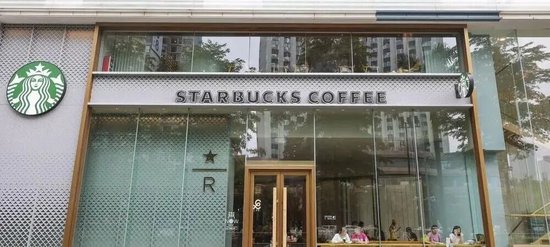
Core Viewpoint - There is a noticeable trend of foreign restaurant brands selling their operations in China, indicating a shift in market dynamics and strategies for foreign companies in the Chinese market [3][15]. Group 1: Strategic Partnerships and Sales - Starbucks has entered a strategic partnership with Boyu Capital to form a joint venture for its retail operations in China, with Boyu holding up to 60% and Starbucks retaining 40% [3]. - CPE Yuanfeng has also formed a strategic partnership with Burger King, acquiring approximately 83% of the joint venture, while RBI retains about 17% [3]. - Earlier, CITIC Capital acquired a significant stake in McDonald's China, becoming its second-largest shareholder [4]. Group 2: Market Characteristics - The Chinese restaurant market is characterized by its large scale, with projected revenues exceeding 5.5 trillion yuan in 2024, reflecting a year-on-year growth of 5.3%, outpacing the retail sector's growth [7]. - The market's extensive supply chain allows local brands to have a cost advantage, as seen with Kudi's self-sourcing of most raw materials [8]. - Local brands are increasingly adopting differentiated strategies, with Luckin Coffee's innovative model contributing to its success [9]. Group 3: Competitive Landscape - Local brands like Luckin Coffee and Kudi are gaining market share due to their lower pricing strategies, with Luckin's average transaction value at 14.28 yuan compared to Starbucks' 35.86 yuan [11]. - In Q2, Luckin's revenue grew by 47.1% to 12.36 billion yuan, while Starbucks' revenue increased by only 8% to approximately 56.26 billion yuan [12]. - Starbucks has historically not viewed Luckin as a direct competitor due to its strong brand presence and customer experience [13]. Group 4: Operational Challenges - Starbucks faces challenges with declining average transaction values and rising rental costs, indicating a shift in its operational model may be necessary [14][15]. - The company has been granting more autonomy to its Chinese team, leading to a 6% revenue increase in its latest fiscal quarter [18]. - Starbucks anticipates its retail business in China to be valued at over $13 billion, with a significant portion of this value derived from the partnership with Boyu [20]. Group 5: Future Outlook - The future of foreign brands in China may involve partnerships with local entities to navigate the changing market landscape [20]. - Starbucks plans to expand its store count to 20,000, which poses challenges in terms of pricing and operational adjustments [20].
星巴克、汉堡王们易主背后:中国市场玩法变了
21世纪经济报道· 2025-11-15 07:04
Core Viewpoint - There is a noticeable trend of foreign dining brands selling their stakes in the Chinese market, indicating a shift in market dynamics and strategies [1][10]. Group 1: Foreign Brand Partnerships - Starbucks has formed a strategic partnership with Boyu Capital to establish a joint venture for its retail operations in China, with Boyu holding up to 60% and Starbucks retaining 40% [1]. - CPE Yuanfeng has partnered with Burger King to create a joint venture, with CPE holding approximately 83% of the new entity [1]. - CITIC Capital has acquired a significant stake in McDonald's China, indicating a trend of foreign brands seeking local partnerships [1]. Group 2: Unique Characteristics of the Chinese Market - The Chinese restaurant market is vast, with projected revenues exceeding 5.5 trillion yuan in 2024, growing at 5.3%, outpacing the retail sector's growth [3]. - The complete supply chain in China provides local brands with cost advantages, as seen with Kudi Coffee's self-sourcing of materials, significantly reducing costs [3]. - Local brands like Mixue are expanding their production capabilities, indicating a strong domestic supply chain [3]. Group 3: Competitive Landscape - Local brands are gaining a competitive edge through innovative pricing strategies, with Luckin Coffee's average transaction price at 14.28 yuan compared to Starbucks' 35.86 yuan [5][6]. - Luckin Coffee reported a 47.1% year-on-year revenue increase to 123.6 billion yuan, while Starbucks China saw an 8% increase to approximately 56.26 billion yuan [6]. - The rapid expansion of local brands, with Luckin exceeding 26,000 stores and Kudi over 18,000, contrasts with Starbucks' 8,000 stores [6]. Group 4: Challenges for Foreign Brands - Starbucks is experiencing a decline in average transaction value and facing rising rental costs, indicating challenges in maintaining its previous business model in China [7]. - The operational costs for Starbucks flagship stores are substantial, with some costing nearly 100 million yuan annually [9]. - Starbucks is adapting by granting more autonomy to its Chinese team, leading to a 6% revenue increase in the latest fiscal year [9][11]. Group 5: Future Outlook - Starbucks anticipates its retail business in China to be valued over 13 billion USD, with a significant portion of this value derived from its partnership with Boyu [11]. - The company plans to expand its store count to 20,000, which poses challenges in terms of pricing and operational adjustments [11]. - The overall trend suggests that foreign giants are recognizing the need to adapt to the evolving Chinese market, with partnerships likely becoming a common strategy [11].
星巴克、汉堡王们“必然”易主:中国市场,玩法早变了
2 1 Shi Ji Jing Ji Bao Dao· 2025-11-14 12:05
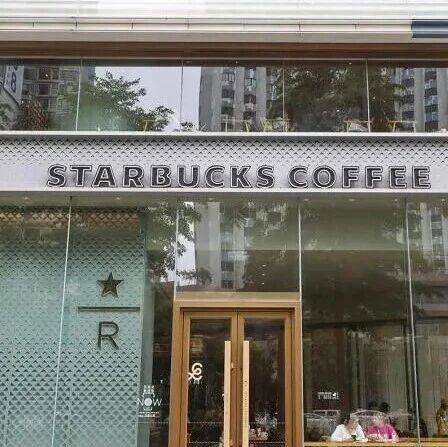
Core Insights - There is a noticeable trend of foreign dining brands selling their stakes in China, indicating a shift in market dynamics [1][3][20] - The Chinese dining market is characterized by its vast scale and a rapidly growing consumer base, with projected dining revenue exceeding 5.5 trillion yuan in 2024, a 5.3% year-on-year increase [4] - Local brands are gaining a competitive edge due to a complete supply chain and cost advantages, allowing them to thrive in a price-sensitive market [5][7] Company Developments - Starbucks has entered a strategic partnership with Boyu Capital to form a joint venture for its retail operations in China, with Boyu holding up to 60% and Starbucks retaining 40% [1] - CPE Yuanfeng has partnered with Burger King to establish a joint venture, with CPE holding approximately 83% of the new entity [1] - Citic Capital has acquired a significant stake in McDonald's China, positioning it as the second-largest shareholder [1] Market Dynamics - The Chinese market's unique characteristics have led to a shift in strategies for foreign brands, as they adapt to local consumer preferences and competitive pressures [3][11] - Local brands like Luckin Coffee and Kudi are rapidly expanding, with Luckin reporting a 47.1% year-on-year revenue increase to 12.36 billion yuan in Q2, while Starbucks' revenue grew by only 8% to approximately 56.26 billion yuan [8] - The average transaction price for Starbucks is significantly higher than that of local competitors, with Starbucks at 35.86 yuan compared to Luckin's 14.28 yuan and Kudi's 9.9 yuan [7] Strategic Shifts - Starbucks is increasingly decentralizing its operations in China, allowing local teams more autonomy, which has led to a 6% revenue increase in its latest fiscal quarter [12][13] - The decision to sell a majority stake in its Chinese operations is seen as a strategic move to secure a stable revenue source, with the total value of Starbucks' Chinese retail business estimated to exceed 13 billion USD [13][14] - Future plans for Starbucks include expanding its store count to 20,000 locations, which poses challenges in terms of pricing and operational adjustments [16][18]

东吴证券:餐饮行业中外卖与堂食的“黄金平衡点”
Zhi Tong Cai Jing· 2025-11-14 08:43
Core Viewpoint - The report from Dongwu Securities emphasizes the increasing importance of online channels in the restaurant industry, particularly the balance between takeout and dine-in services to enhance profitability and efficiency [1][3]. Group 1: Importance of Online Channels - Online channels are becoming a key growth engine for the restaurant industry, with takeout revenue potentially reaching 60-70% for fast food and coffee sectors, while traditional dining experiences are declining [1][3]. - National restaurant revenue growth is slowing, with a reported increase of only 3.3% year-on-year for the first nine months of 2025, indicating a shift from aggressive expansion to a more stable growth phase [1]. Group 2: Takeout Adaptability Across Different Formats - The adaptability of various restaurant formats to takeout is ranked from highest to lowest: beverages & fast food > casual dining > hot pot, with takeout revenue for coffee and fast food potentially reaching 50-70% [2]. - The adaptability is influenced by the type of service required, frequency of consumption, and the complexity of delivery logistics [2]. Group 3: Balancing Takeout and Dine-in - A healthy takeout ratio is crucial for restaurant brands, as it can significantly improve operational efficiency and brand competitiveness; however, over-reliance on takeout can lead to a loss of brand identity and profitability [3]. - The optimal takeout revenue ratio for fast food and coffee is suggested to be 60-70%, while for traditional dining, it is 30-40% to avoid operational inefficiencies [3]. Group 4: Strategies for Internal Growth - Restaurants should establish a takeout revenue threshold and innovate their takeout offerings while also focusing on building a proprietary membership system to convert external traffic into internal loyalty [4]. Group 5: Investment Recommendations - The industry is rated as "outperforming the market," with a focus on balancing takeout and dine-in strategies tailored to consumer trends and brand positioning [5]. - Recommended companies include Xiaocaiyuan, Guoquan, Guming, Mixue Group, Haidilao, and Yum China, with additional attention on Green Tea Group, Dashihua, Tongqinglou, Guangzhou Restaurant, Jiumaojiu, and Chabaidao [5].

国信证券晨会纪要-20251114
Guoxin Securities· 2025-11-14 01:46
Group 1: Macro and Strategy - The core conclusion indicates that the bull market initiated in 2024 is not over, transitioning into its second phase, with the driving force shifting from sentiment to fundamentals [6] - Technology is identified as the main theme, with a focus on AI glasses, robotics, intelligent driving, AI programming, and AI in life sciences [6][7] - The bull market is characterized by structural features, with "small assets" outperforming "old assets," and the market is currently in the explosive phase of the bull market [6][7] Group 2: Industry and Company Analysis - The restaurant industry is transitioning from extensive expansion to stable growth, with online channels becoming increasingly important [8][9] - Different restaurant formats have varying adaptability to delivery services, with beverages and fast food showing the highest adaptability [8][9] - A balanced approach between dine-in and delivery is crucial for restaurant brands to maintain brand recognition and profitability [10] Group 3: Investment Recommendations - The report maintains an "outperform the market" rating for the restaurant industry, emphasizing the need for brands to adapt to consumer trends and optimize their cost-benefit ratios [11] - Specific recommendations include companies like Xiaocaiyuan, Guoquan, and Haidilao, while also suggesting attention to Meituan-W as a platform leader [11] Group 4: Company Financial Performance - Beike-W reported a 2% year-on-year revenue growth in Q3 2025, with a total GTV of 736.7 billion RMB [15] - The adjusted net profit for Beike-W decreased by 28% year-on-year, indicating challenges in profitability despite revenue growth [15][16] - Yonyou Network's revenue for the first three quarters of 2025 was 5.584 billion RMB, a 2.7% decline year-on-year, but showed a positive growth trend in Q3 [19][20]