奔驰

Search documents
又一电车冬季续航测试发布,小米YU7达成率超Model Y,小鹏P7全场最高
Jin Rong Jie· 2025-12-28 09:29
Core Insights - The latest winter testing results for electric vehicles were released by Auto Home, conducted in Yakeshi, Inner Mongolia, under extreme cold conditions of around -20°C, showcasing unexpected performances from various models [1] Electric Vehicle Performance Rankings - In the "Advanced Family 5-Seater Electric SUVs" category, the 2026 Wanjie M7 Pure Electric Itra Four-Wheel Drive version achieved a 44.4% range completion rate with an actual range of 282 km, ranking first [7] - The 2025 Xiaopeng P7 750 Four-Wheel Drive High-Performance Ultra version led the "Advanced Family Electric Cars" category with a 53.9% range completion rate and an actual range of 366.7 km [10] - The 2025 Nissan N7 625 Max topped the "Mainstream Family Electric Cars" category with a 47.4% range completion rate and an actual range of 296.3 km [16] - In the "Essential Commuter Electric Small Cars" category, the 2025 BYD Seagull Intelligent Driving version achieved a 43.8% range completion rate with an actual range of 177.2 km, ranking first [18] - The 2025 BYD Ti3 501 km Four-Wheel Drive Ultra version led the "Personalized Electric SUVs" category with a 44.9% range completion rate and an actual range of 224.7 km [19] Overall Rankings - The overall testing results indicated that the Xiaopeng P7 had the highest range completion rate among all tested models, while the Ideal i8 2025 Standard version had the lowest at 34.8% with an actual range of 250.3 km [21] - Among joint venture electric vehicles, the Nissan N7 had the highest range completion rate, ranking fifth overall [21]






巴菲特谢幕、OpenAI搅动万亿市值、谷歌强势崛起......2025全球十大商业事件盘点
Hua Er Jie Jian Wen· 2025-12-28 06:09
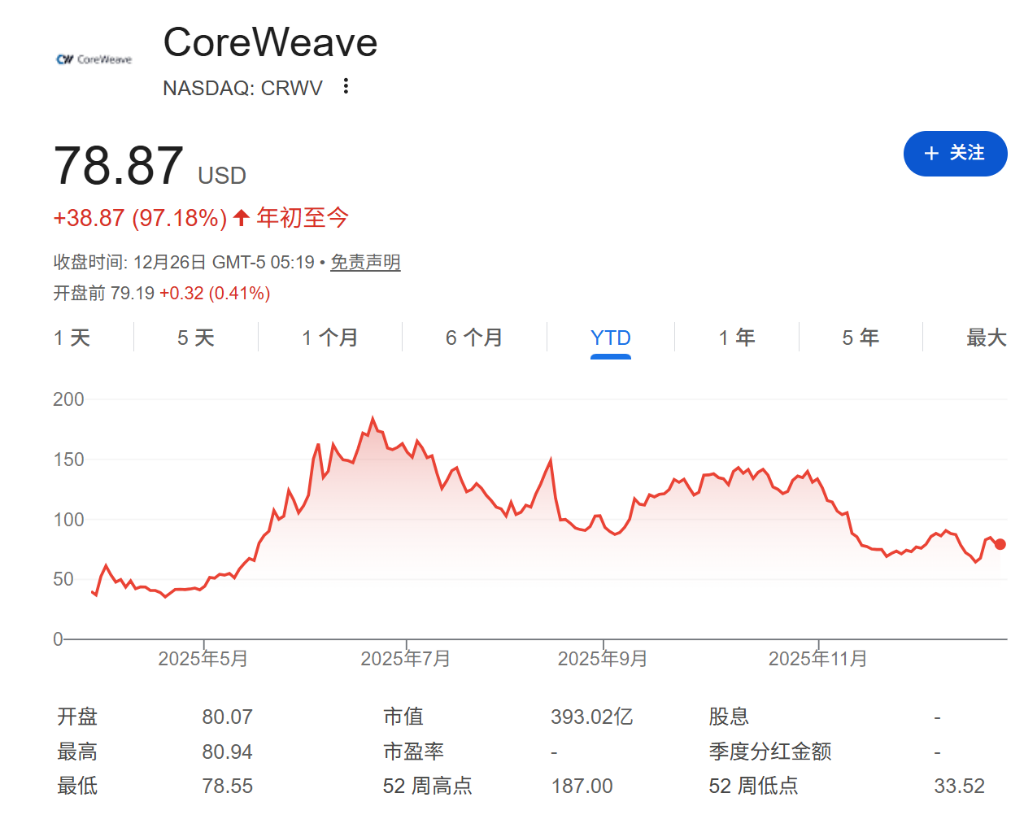
Group 1 - The "Stargate" project, a $500 billion investment in AI infrastructure, was announced by the White House, aiming to build 20 large-scale AI data centers across the U.S. [2][3] - Initial enthusiasm for the project waned as disagreements over equity and funding emerged between SoftBank and OpenAI, leading to delays and a reduction in project scope [3][4] - By December, only the Abilene site showed significant progress, with plans to become the largest AI cluster by mid-2026, while other sites remained unconfirmed [3][4] Group 2 - CoreWeave went public with a valuation of approximately $230 billion, marking the first public market pricing of AI compute leasing [4][7] - The company transitioned from a cryptocurrency mining operation to a GPU cloud service, securing long-term contracts with major clients, including OpenAI [7][8] - CoreWeave's success has prompted similar companies to pursue IPOs and has changed the perception of compute power from a scarce resource to a flexible asset [8] Group 3 - NVIDIA became the first company to reach a market capitalization of $5 trillion, driven by the demand for GPUs in AI applications [20][22] - The company's stock price surged approximately 90% over six months, reflecting its pivotal role in the AI market [22][23] - Concerns about the sustainability of NVIDIA's valuation have emerged, drawing parallels to the dot-com bubble [22][23] Group 4 - Warren Buffett announced his retirement in his final letter to shareholders, marking the end of an era for Berkshire Hathaway [24][25] - Buffett emphasized the importance of long-term thinking in business and criticized the competitive nature of executive compensation [25][26] Group 5 - SpaceX completed 155 launches in 2025, redefining the concept of scalable space operations [26][27] - The company achieved significant cost reductions through reusable rocket technology, transforming rockets into "turnaround assets" [27][28] - SpaceX is moving towards an IPO, signaling a shift from engineering marvels to industrial-scale operations in commercial space [30] Group 6 - Germany revised its 2035 ban on internal combustion engines, allowing for a transition period that reflects market realities [31][32] - The decision was influenced by lobbying from major automotive companies and highlighted the gap between aggressive climate goals and actual market conditions [31][32] Group 7 - Alphabet's market capitalization rose to $3.8 trillion, driven by advancements in AI technology and a focus on self-developed chips and models [34][36] - The company aims to challenge NVIDIA's dominance by enhancing the compatibility of its TPU with popular frameworks and directly selling its hardware [34][35] - The competition in AI is shifting towards cost efficiency and usability, with Alphabet positioning itself as a potential leader in the new AI platform landscape [35][36] Group 8 - NVIDIA acquired Groq's core technology for approximately $20 billion, emphasizing the importance of low-latency inference capabilities in AI [37][39] - This strategic move reflects a shift in focus from training to inference, as companies seek to optimize costs and efficiency in AI applications [39]
算力够了,为什么大模型体验却没变化?
汽车商业评论· 2025-12-27 23:05
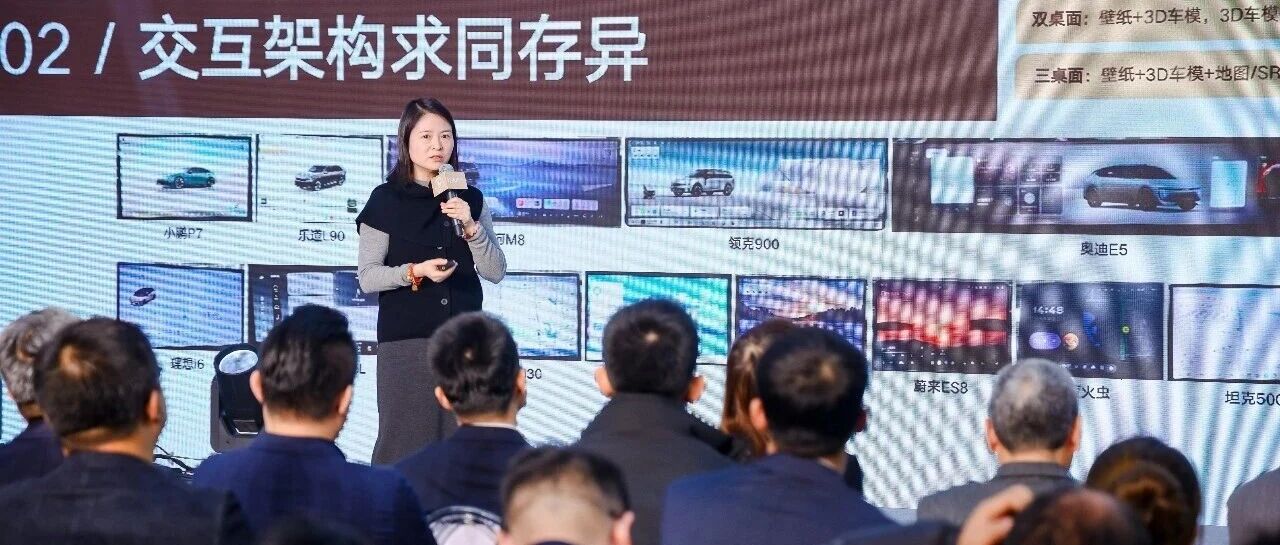
Core Insights - The article discusses the significant advancements in AI models within the automotive industry, particularly focusing on the launch of the lightweight version of the domestic AI model DeepSeek in early 2025, which has rapidly gained traction in both domestic and international markets [3] - The automotive sector is entering a new era of large-scale AI model integration, with major manufacturers like Mercedes-Benz, BYD, NIO, and SAIC accelerating their adoption of AI models since February 2025 [3] - The focus has shifted from initial testing to deeper integration of AI models into vehicle functionalities, particularly in smart cockpit experiences [3][4] AI Model Integration in Automotive - By 2025, the consensus in the industry has shifted towards the deep integration of AI models into cockpit functionalities, moving beyond basic search capabilities to more complex applications [3] - The 2026 Xuanyuan Award evaluation emphasized the importance of AI models in enhancing user experience, with a focus on generative UI, proactive perception, and multimodal interaction [4] - The evaluation revealed that while some manufacturers have made significant strides, many still lag behind in delivering substantial improvements in AI capabilities compared to the previous year [4][5] Challenges in AI Model Implementation - The distribution of computing power and performance constraints pose significant challenges, as many manufacturers allocate substantial resources to autonomous driving, limiting the available computing power for cockpit AI applications [5] - The complexity of testing AI models complicates the assessment of their effectiveness, as it is often difficult to determine whether the intelligence displayed is genuinely derived from AI models [5][42] - The industry is currently focused on enhancing the user experience through AI, but many manufacturers have yet to fully realize the potential of AI in cockpit interactions [5][42] Future Directions for AI in Cockpits - The article suggests that AI will become a native capability of operating systems in vehicles, with a shift towards integrating AI deeply into the OS architecture [6][46] - Future developments will include offline voice AI, edge-based visual language models, and memory capabilities, which are essential for creating a seamless user experience [6][46] - The evolution of AI models will also involve enhancing their analytical and planning capabilities, allowing them to serve as scene engines that can automatically orchestrate interactions and provide optimal solutions [6][47] Trends in Smart Cockpit Design - The evaluation of smart cockpit experiences highlighted several key trends, including platformization, 3D HMI exploration, and spatial interaction design [9][10][23] - Manufacturers are increasingly focusing on optimizing rear seat space and enhancing user interaction through innovative designs, such as movable screens and gesture controls [30][34] - The integration of sound zones and cross-screen interactions is becoming a priority, allowing for a more personalized and immersive user experience [30][31][33] Notable Case Studies - The article presents several innovative case studies, such as NIO's Firefly cockpit, which features unique gesture controls and personalized desktop card generation [48][49] - The use of AI-generated content, such as children's storybooks and interactive features, showcases the potential for AI to enhance user engagement in vehicles [48][57] - The development of dynamic control interfaces that adapt to different applications demonstrates the flexibility and potential of smart cockpit technologies [54]
卢放:中国汽车近五年的巨变远大于前二十年|我们的四分之一世纪
经济观察报· 2025-12-27 05:04
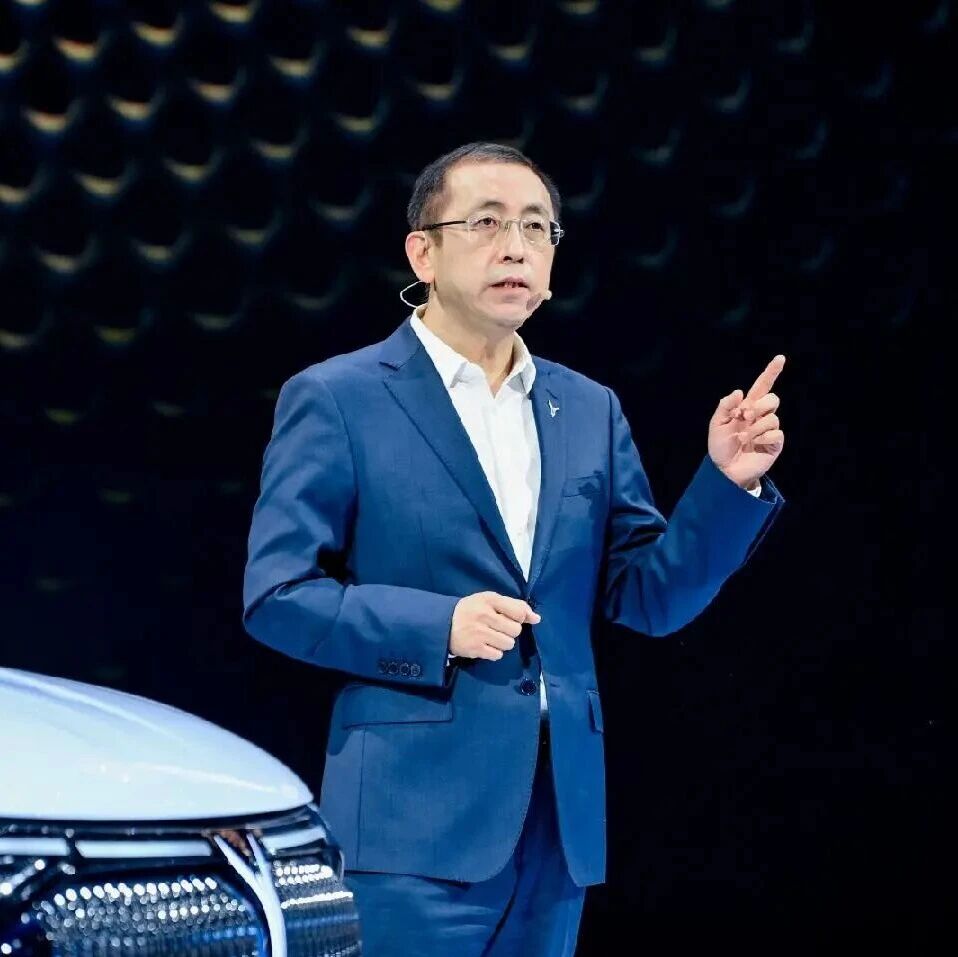
Core Viewpoint - The current moment presents a unique opportunity for the rise of Chinese automotive brands, as articulated by Lu Fang, Chairman of Lantu Automotive, who reflects on the challenges faced when establishing the brand in 2019 and emphasizes the importance of taking risks to seize opportunities [1][3]. Group 1: Brand Development and Market Position - Lantu Automotive aims to integrate Chinese culture and stories into its brand narrative, distinguishing itself in a competitive market by launching new models that embody this vision [2][3]. - The Chinese automotive market has seen a significant shift, with domestic brands transitioning from followers to leaders, capturing a market share of 69.4% by October 2025, up from 44.4% in 2021 [23]. - The sales of new energy vehicles in China surged from 352 million units in 2021 to nearly 1,287 million units by 2024, indicating a rapid increase in market penetration from 13.4% to 40.9% [22][23]. Group 2: Strategic Insights and Future Directions - Lu Fang believes that technology is no longer a barrier for Chinese brands but rather a tool for competitive advantage, while cultural elements can provide unique differentiation [24]. - Lantu has developed a comprehensive technological framework, including platforms for new energy vehicles, intelligent connectivity, and autonomous driving, which are essential for adapting to market changes [20]. - The company emphasizes the importance of direct sales channels to foster a closer relationship with customers, aiming to create a feedback loop that enhances brand loyalty and user engagement [26].

“幽灵刹车” 的锅,车主背?
汽车商业评论· 2025-12-26 23:04
Core Viewpoint - The article discusses the systemic risks associated with the Automatic Emergency Braking (AEB) system, particularly the phenomenon known as "phantom braking," which poses significant safety concerns for drivers and raises questions about the reliability of advanced driver-assistance systems [4][10][21]. Group 1: Technical Issues and Incidents - "Phantom braking" occurs when the AEB system mistakenly identifies harmless objects or sensor signal loss as imminent collisions, leading to sudden braking without warning [4][10]. - In December 2025, Hyundai's luxury brand Genesis recalled 483 G90 vehicles due to a paint issue that interfered with radar functionality, causing false collision warnings [6][8]. - A French driver experienced a severe accident due to phantom braking, prompting over 400 affected drivers to petition the French parliament for an investigation into the AEB system's failures [10][11]. Group 2: Legal and Regulatory Responses - The tragic case of a driver being convicted of involuntary manslaughter due to phantom braking highlights the legal implications of AEB system failures, where drivers are still held responsible for vehicle actions [11]. - Starting July 2024, the EU mandates that all new vehicles must be equipped with AEB systems, reflecting a regulatory push for enhanced vehicle safety [11][13]. Group 3: Industry Trends and Safety Statistics - AEB technology, initially developed for military applications, aims to reduce collision incidents, particularly rear-end crashes, and has been progressively adopted since its first commercial application in 2003 [15][17]. - The National Highway Traffic Safety Administration (NHTSA) predicts that the implementation of AEB systems will save at least 360 lives annually and prevent over 24,000 injuries [17][18]. - Research indicates that vehicles equipped with AEB from 2021 to 2023 saw a 52% reduction in rear-end collision rates compared to earlier models [18][20]. Group 4: Consumer Trust and Market Implications - The reliability of AEB systems is crucial for consumer trust, as unexpected braking can lead to anxiety and a sense of betrayal among drivers who expect safety from these technologies [21][24]. - The competition among automakers to introduce partially automated driving technologies may inadvertently reduce driver attentiveness and responsibility, raising concerns about overall road safety [21][24]. - The Insurance Institute for Highway Safety (IIHS) emphasizes the need for stricter protective mechanisms in AEB systems to address the significant distraction of drivers when using these features [24].

德铁买中国大巴德国财长这么说
Di Yi Cai Jing Zi Xun· 2025-12-25 09:47
Group 1 - The core point of the article is the signing of a framework agreement between Deutsche Bahn and BYD for the production of 200 electric buses, highlighting the push for green public transport in Germany and the importance of cost-effectiveness in procurement decisions [2] - The agreement comes at a time when the EU is easing restrictions on fuel vehicles, with German officials emphasizing the need for electric vehicle adoption while also expressing a desire for patriotic purchasing practices [2][3] - Despite a decline in Germany's economic performance, foreign investment interest, including from Chinese companies, remains strong, with a slight decrease in foreign investment projects in 2024 compared to the previous year [3][4] Group 2 - Germany is implementing the "Growth Opportunities Act" to attract more foreign investment through tax incentives and structural reforms, including a gradual reduction of corporate tax rates from 15% to 10% by 2032 [4] - The bilateral trade volume between Germany and China reached €185.9 billion in the first three quarters of the year, with China remaining Germany's largest trading partner [4] - Chinese companies are increasingly focusing on greenfield investments in Germany, particularly in sectors like electric vehicles and digitalization, moving away from previous trends of mergers and acquisitions [5] Group 3 - Chinese enterprises face challenges in Germany due to increased scrutiny on foreign investments, including foreign investment reviews and data protection regulations, which can lead to longer approval times for transactions [6] - The German business community emphasizes the importance of the Chinese market, with many companies relocating operations to China to better align with local demands [7] - The trend of German companies moving operations to China reflects a strategic focus on local market needs, indicating a deep reliance on the Chinese market for future growth [7]


德铁买中国大巴德国财长这么说
第一财经· 2025-12-25 09:22
Core Viewpoint - The article discusses the recent agreement between Deutsche Bahn and BYD for the purchase of 200 electric buses, highlighting the shift towards electric transportation in Germany and the challenges faced by foreign investments in the country [3][4]. Group 1: Electric Bus Agreement - Deutsche Bahn signed a framework agreement with BYD for 200 electric buses to be produced in Hungary, emphasizing cost-effectiveness and the push for green public transport in Germany [3]. - The agreement coincides with the EU's relaxation of the "fuel vehicle ban," indicating a significant trend towards electrification in transportation [3]. Group 2: Economic Performance and Foreign Investment - Germany's economic growth has stagnated, with a projected growth of only 0.1% for 2025, down from previous forecasts [4]. - Despite the economic downturn, foreign investment interest in Germany remains, driven by the need for supply chain integration and access to the EU market [4]. Group 3: Tax Reforms and Investment Climate - Germany plans to gradually reduce the corporate tax rate from 15% to 10% by 2032, alongside other tax incentives to attract foreign investment [5]. - In the first three quarters of this year, bilateral trade between Germany and China reached €185.9 billion, with China remaining Germany's largest trading partner [5]. Group 4: Changing Investment Strategies - Chinese companies are increasingly favoring greenfield investments over mergers and acquisitions, reflecting a more strategic approach to entering the German market [6]. - Key sectors of interest for Chinese investments in Germany include digitalization, energy, and electric vehicles, with a focus on local sales rather than manufacturing [6]. Group 5: Challenges for Chinese Investments - Chinese companies face significant challenges in Germany, including foreign investment scrutiny, subsidy reviews, and data protection regulations [7]. - The German government has tightened regulations on foreign investments, particularly in sensitive sectors, which may lead to longer approval times for investments [7]. Group 6: Importance of the Chinese Market for German Companies - German companies are increasingly recognizing the importance of the Chinese market, with many relocating R&D centers to China to better align with local demands [8]. - The trend of "Eastward migration" among German firms highlights their commitment to maintaining a strong presence in China, as they believe leaving the market would result in lost opportunities [8].

大数据洞察中国二手车消费新方向
Zhong Guo Qi Che Bao Wang· 2025-12-25 08:59
Core Insights - The central theme of the articles highlights the ongoing support for automotive consumption in China, particularly through the "trade-in" policy, which is expected to maintain high demand in 2026, especially for used cars [1] - The rise of new energy vehicles (NEVs) is contrasted with the stability of traditional fuel vehicles, showcasing the varying depreciation rates and market dynamics between these segments [2][4] Group 1: Automotive Consumption Trends - The "trade-in" policy will continue to be a key initiative in promoting automotive consumption, with a focus on used car exchanges [1] - In 2025, over 11.2 million cars were traded in under the "trade-in" program, indicating a strong demand for vehicle replacement [1] - The high transfer rate of used cars, reaching 33.1% in October 2025, suggests a breaking down of regional barriers, facilitating smoother transactions [1] Group 2: Depreciation Rates and Vehicle Value - Fuel vehicles experience significant depreciation, with a first-year value retention of approximately 66%, while the third-year depreciation approaches 50% [4] - New energy vehicles see a sharper depreciation curve, with values nearly halving within two years, suggesting a need for timely trade-ins to maximize value [4] - The best time to sell fuel vehicles is within three years, while new energy vehicles should ideally be traded within two years to avoid rapid value loss [4] Group 3: Market Performance of Vehicle Brands - Traditional fuel brands like Toyota and Honda maintain strong resale values, with models like the Highlander and Accord retaining over 65% of their value after three years [2][3] - In contrast, some luxury brands, such as Land Rover and Volvo, show declining resale values, with rates around 40% [2][3] - Among new energy vehicles, Xiaomi's SU7 leads with a one-year retention rate exceeding 90%, while traditional luxury brands struggle to compete in this segment [2][3] Group 4: Regional Market Dynamics - The second-hand car market shows significant regional preferences, with Beijing having the highest average transaction price exceeding 100,000 yuan, while provinces like Gansu and Inner Mongolia show more tolerance for older vehicles [9] - The penetration rate of second-hand new energy vehicles has increased from 3.6% at the end of 2022 to 11.2% by October 2025, with southern regions showing stronger demand compared to northern areas [11] - Cross-regional transactions are becoming commonplace, with platforms like Guazi facilitating a significant volume of sales across provinces, enhancing market accessibility [8]

德铁买中国大巴德国财长这么说,中企如何“迎难而上”
Di Yi Cai Jing· 2025-12-25 06:41
Group 1 - The core viewpoint of the article highlights the growing interest of Chinese companies in investing in Germany, particularly in sectors like electric vehicles and digitalization, as evidenced by the recent agreement between Deutsche Bahn and BYD for 200 electric buses [1][2] - Deutsche Bahn's decision to partner with BYD is driven by cost-effectiveness and the aim to support Germany's green transition and carbon reduction goals, coinciding with the EU's relaxation of the "fuel vehicle ban" [1][2] - The German economy has shown signs of stagnation, with zero growth in Q3 compared to Q2, and a forecasted growth of only 0.1% for 2025, prompting discussions on economic restructuring [2][3] Group 2 - Foreign investment in Germany is primarily motivated by the need for supply chain integration and access to the EU market rather than short-term high returns, with 1,724 foreign investment projects recorded in 2024, a slight decrease of 2% year-on-year [2][3] - The German government is actively seeking to attract more foreign investment through tax incentives and structural reforms, as outlined in the "Growth Opportunities Act" [2][3] - Recent changes in investment patterns show a shift from mergers and acquisitions to greenfield investments by Chinese companies, with a notable example being CATL's factory investment in Thuringia [3][4] Group 3 - Chinese companies are increasingly focusing on rational investment strategies, moving away from opportunistic investments, with key areas of interest including digitalization (51%), energy (48%), and electric vehicles (35%) [4][5] - Challenges for Chinese enterprises in Germany include site selection for factories or stores, accessing local government subsidies, and finding suitable labor [5][6] - The tightening of foreign investment regulations in Germany has created uncertainties for Chinese companies, with increased scrutiny on foreign acquisitions and data protection [6][7] Group 4 - German companies emphasize the importance of the Chinese market, with a notable trend of relocating operations to China, as seen with major firms like Volkswagen and BMW [7] - The dependency of the German economy on China remains significant, with a lack of clear structural de-risking trends observed [7]

中国市场 L3 自动驾驶车型量产准入许可:象征性举措还是重大产业机遇?
Counterpoint Research· 2025-12-25 06:14
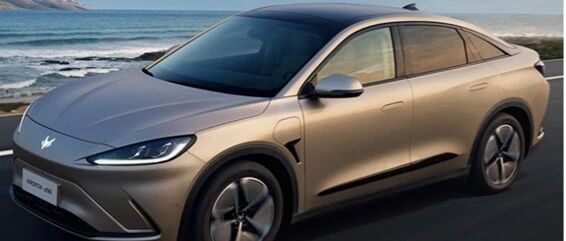
Core Insights - The article discusses the approval of L3-level conditional autonomous driving vehicles in China, specifically the Changan Deep Blue SL03 and BAIC Arcfox αS6, highlighting their operational limitations and the significance of this regulatory milestone [4][6]. Group 1: Regulatory Approval and Market Impact - On December 15, 2025, the Ministry of Industry and Information Technology of China approved Changan and BAIC's applications for L3-level autonomous vehicles, allowing them to operate under specific conditions [4][6]. - The approval is seen as a symbolic milestone that exceeds the immediate production value, with the first half of 2026 expected to be a critical window for mass production of L3-level autonomous vehicles in China [6][7]. Group 2: Competitive Landscape - Tesla's Full Self-Driving (FSD) 14.2 system is anticipated to enter mass production in China between Q2 and Q3 of 2026, increasing competitive pressure on local automakers [6]. - Joint ventures represented by companies like BMW, GM, and Mercedes are likely to miss the approval window for L3-level autonomous production in 2026 due to internal communication and localization compliance challenges [6]. Group 3: Technical Analysis of Approved Models - Both approved models, Changan Deep Blue SL03 and BAIC Arcfox αS6, are based on L2-level hardware but have been adapted for specific L3 operational design domains (ODD) [7]. - Changan's solution relies on pure visual perception and a rule-based planning and control system, reflecting the company's ongoing advancements since 2020 [10]. - BAIC's approach utilizes multi-sensor fusion and an end-to-end software architecture, optimized for L3 highway scenarios based on Huawei's commercial autonomous driving system [10]. Group 4: Future Projections - Additional models from companies such as BYD, FAW, GAC, NIO, and SAIC are expected to receive L3-level approval, with models from XPeng, Tesla, and those equipped with Huawei ADS 4.0 anticipated to launch in the latter half of 2026 [7].