
奔驰

Search documents
8点1氪:明年1月1日起,向好友发淫秽信息违法;多平台回应陈震账号解封传闻;日本最大核电站将重启,此前因福岛核事故关闭
36氪· 2025-12-23 00:16
Group 1 - The revised "Public Security Administration Punishment Law" will take effect on January 1, 2026, increasing penalties for disseminating obscene information [2][3] - The new law clarifies that using information networks, telephones, and other communication tools to spread obscene information is punishable, regardless of whether it occurs in public groups or private chats [5] - Penalties include detention of 10 to 15 days and fines up to 5,000 yuan for serious cases, while lighter cases may incur detention of up to 5 days or fines between 1,000 and 3,000 yuan [5] Group 2 - The law aims to correct the public misconception that private dissemination of obscene information is merely a moral issue [5] - Even sending inappropriate photos or videos in private chats can lead to legal consequences if reported and verified [6]






8点1氪|明年1月1日起,向好友发淫秽信息违法;多平台回应陈震账号解封传闻;日本最大核电站将重启,此前因福岛核事故关闭
3 6 Ke· 2025-12-23 00:11
Group 1 - The new amendment to the Public Security Administration Punishment Law in China will impose stricter penalties for disseminating obscene information starting January 1, 2026, including fines and detention for both public and private communications [2] - The largest nuclear power plant in Japan, Kashiwazaki-Kariwa, is set to restart operations after receiving approval from the Niigata Prefectural Assembly, marking the first restart of a nuclear plant since the Fukushima disaster in 2011 [3] - Kuaishou has reported a black and gray industry attack on its platform and has taken measures to address the situation, including reporting to law enforcement [4] Group 2 - The weight-based tax on electric vehicles in Japan will be implemented starting May 2028, aiming to compensate for lost fuel tax revenue due to the increasing adoption of electric vehicles [12] - The Italian antitrust authority has fined Apple approximately $115.53 million for allegedly abusing its market dominance in the iOS app distribution sector [7] - Geely Automobile has completed the privatization of its electric vehicle brand Zeekr, with all issued shares acquired and the company now operating as a wholly-owned subsidiary [6] Group 3 - The price of gasoline and diesel in China will decrease by 170 yuan and 165 yuan per ton, respectively, effective December 22, 2023, resulting in a reduction of approximately 0.13 yuan per liter for 92-octane gasoline [5] - Xiaomi has confirmed that its flagship model, Xiaomi 17 Ultra, will see a price increase due to rising memory costs, which have been exacerbated by increased demand for high-performance computing [5] - The first open robot rental platform in China, "Qingtian Rent," has been launched in Shanghai, covering over 50 key cities and offering various robot rental services [9]
12月23日隔夜要闻:美股收高 油价上涨 奔驰达成1.2亿美元和解协议 Strategy暂停购...
Xin Lang Cai Jing· 2025-12-22 22:36
Company - Oracle founder provides $40.4 billion guarantee to strengthen Paramount's bid for Warner Bros [3] - Google to acquire Intersect for $4.75 billion, continuing its expansion in artificial intelligence investments [3] - Coinbase increases its stake in prediction markets by acquiring a liquidation company [3] - Mercedes reaches a $120 million settlement with multiple U.S. states over emissions scandal [3] Industry - AI's economic benefits are increasingly evident, according to the CEO of Bank of America [3] - President Trump halts all offshore wind projects, leading to a decline in related stock prices [3] - Analysts are generally bullish on the stock market, although some investors express concerns [3] - The U.S. defense department collaborates with xAI to expand its artificial intelligence platform [2]

虹软科技20251222
2025-12-22 15:47
Summary of Conference Call for Hongsoft Technology Industry and Company Overview - The conference call primarily discusses the developments in the **automotive industry**, particularly focusing on **Hongsoft Technology** and its collaboration with **Changan Automobile** regarding **L3 autonomous driving technology** [2][4]. Key Points and Arguments - **L3 License Acquisition**: Changan Automobile has obtained the first L3 autonomous driving license, marking a significant shift from demonstration to practical application in the autonomous driving sector. This creates new compliance thresholds for automakers and accelerates the iteration of system reliability and takeover mechanisms [2][4]. - **Collaboration with Changan**: Hongsoft Technology has a deepening partnership with Changan, which is expected to play a crucial role in Changan's smart driving projects. Specific details of the collaboration are restricted due to confidentiality agreements [2][5]. - **Market Position**: Since entering the automotive sector in 2018, Hongsoft has captured over **80%** of the domestic market share in the smart cockpit chip market. The company has rapidly launched ADAS products such as AEB, LCC, and ACC [2][6]. - **Cost Efficiency**: Hongsoft's core competitive advantage lies in reducing costs for automakers. Their pure vision solutions lower hardware costs, especially on low-computing power platforms, making L2+ level products popular in the market [2][7]. - **Product Launch Timeline**: Hongsoft's ADAS solutions are set to begin mass production and delivery in the first quarter of **2026**, with capabilities for full autonomous driving and having passed EU NCAP safety certification [2][9]. Additional Important Insights - **Strategic Market Expansion**: Starting in **2023**, Hongsoft has begun expanding into overseas markets, establishing partnerships with brands like Jaguar, Land Rover, and Mercedes-Benz. The strategy involves collaborating with automakers or their designated top suppliers to penetrate the market [3][10]. - **Regulatory Impact**: The issuance of the L3 license is seen as a pivotal moment that shifts the focus from technology validation to the ability to implement autonomous driving in real-world scenarios. This change is expected to influence future service charges and operational scenarios for automakers [4]. - **Cost Reduction Strategies**: Hongsoft optimizes hardware configurations through software visual algorithms, allowing for significant cost reductions in high, mid, and low-end vehicle models. For instance, they can eliminate one laser radar in high-end models and reduce the number of sensors in mid-range vehicles [8]. - **Future Outlook**: Despite challenges in the first quarter of the year due to policy impacts, Hongsoft anticipates achieving **70% to 100%** of its revenue targets for the year. The specific goals for the next year will be determined in late December or early January [14]. - **Potential for Commercial Vehicle Market**: Currently, Hongsoft focuses on passenger vehicles but does not rule out the possibility of expanding into the commercial vehicle market in the future [11]. - **AI Glasses Market**: Hongsoft holds over **95%** of the market share in AI glasses, which are seen as a significant AI interaction entry point, validating market demand for their technology [12]. This summary encapsulates the critical insights and developments discussed in the conference call, highlighting Hongsoft Technology's strategic positioning and future prospects in the automotive industry.

碳排放+补贴+产品三重共振,欧洲电动车开启短暂复兴还是长期繁荣?
Minmetals Securities· 2025-12-22 03:46
Investment Rating - The report rates the automotive industry as "Positive" [5] Core Insights - The development of new energy vehicles (NEVs) in Europe from 2020 to 2025 has experienced three phases: "explosion period ➡ stagnation period ➡ return to growth" [15] - The EU's carbon emission targets are driving the cyclical growth of electric vehicles (EVs) [15] - Government incentives and infrastructure development are directly related to EV penetration rates [2] - Automakers are transitioning to new electric platforms and expanding their product matrix to include entry-level models [3] - The long-term trend for European EVs suggests a potential for steady growth beyond cyclical fluctuations [4] Summary by Sections 1. EU's Top-Level Design - Carbon Emission Targets - The EU has implemented stringent carbon emission regulations, tightening targets every five years, which has led to a cyclical growth pattern in NEVs [16] - The average carbon emission target for 2025 is set at 93.6 g/km, with penalties for non-compliance [34] - The introduction of a "new energy vehicle coefficient" allows automakers to count EV sales more favorably towards their carbon targets [24][34] 2. Government Efforts - Incentives & Infrastructure - Various countries have introduced diverse and robust incentive measures, including purchase subsidies, which have significantly boosted EV sales [45] - The correlation between charging station density and EV penetration is strong, with a coefficient of approximately 0.64 [2] - By 2025, Europe will need around 7 million charging stations to meet carbon emission targets, with current numbers at approximately 1.218 million [2] 3. Automakers' Efforts - Electrification Transition - Major automakers are shifting from internal combustion engine platforms to dedicated electric platforms, enhancing product capabilities such as range and charging speed [3] - Companies like Volkswagen and Renault are focusing on reducing vehicle prices to make EVs more accessible, targeting price points around €20,000 [3] - The competitive landscape is evolving with increased offerings from Chinese automakers in the European market [3] 4. Long-Term Trends for European EVs - The average EV penetration rate in Europe needs to reach 33% from 2025 to 2027 to meet carbon emission requirements, with projected rates of 25%, 32%, and 35% for those years [4] - The long-term market outlook is positive, with expected compound annual growth rates (CAGR) of approximately 16% from 2025 to 2030 [4]

首批L3级自动驾驶车型获准入许可,全球首条具身智能机器人电池产线在宁德时代规模化落地 | 投研报告
Zhong Guo Neng Yuan Wang· 2025-12-22 02:03
Core Viewpoint - The automotive sector shows mixed performance with the overall market declining, while certain segments like automotive parts exhibit growth, indicating potential investment opportunities in specific companies and technologies [1][2]. Industry Key News - China's first batch of L3 autonomous driving models, including Deep Blue SL03 and Arcfox Alpha S, has received approval for pilot testing in Beijing and Chongqing [1]. - Changan Automobile's annual sales of new energy vehicles have surpassed one million, with a target of five million by 2030 [1]. - Lantu Motors and CATL have signed a ten-year deepening cooperation agreement to prioritize advanced battery technology [1]. - Ford has terminated a battery supply agreement worth 9.6 trillion KRW with LG Energy Solution, indicating a contraction in its electrification business [1]. - The domestically produced Tesla Model Y L has received EU certification and is expected to enter the international market in 2026 [1]. - Xiaomi has invested over 100 million yuan to subsidize dealers, accelerating its nationwide channel layout [1]. - BYD is leveraging its cloud system as a core competitive advantage in the robotics sector [1]. Market Review - The CSI 300 index fell by 0.28% this week, while the automotive sector rose by 0.13%, ranking 19th among A-share primary industries [2]. - The passenger vehicle index decreased by 1.64%, with BAIC BluePark and Xpeng Motors leading the gains [2]. - The commercial vehicle index fell by 0.43%, with Shuguang Co. and Foton Motor leading the gains [2]. - The automotive parts index increased by 1.12%, with Zhejiang Shibao and Haon Automotive Electric leading the gains [2]. Investment Recommendations - In the passenger vehicle segment, the demand for domestic high-end luxury cars is exceeding expectations, with a favorable competitive landscape. Companies recommended include JAC Motors and Seres, with Geely Automotive as a beneficiary [3]. - In the parts sector, the profitability is expected to improve against a backdrop of reduced competition, with growth potential remaining high. Recommended companies include Desay SV, Zhejiang Xiantong, and Meili Technology, with beneficiaries including Weichai Power and Huayu Automotive [3].

欧洲刚拿到稀土就翻脸,对中国6家企业下狠手,商务部的警告他们听懂了吗
Sou Hu Cai Jing· 2025-12-21 00:35
Group 1 - The European Union (EU) has initiated investigations against Chinese companies like CRRC and Tongfang Weishi under the Foreign Subsidies Regulation (FSR), which came into effect in July 2023, despite recently granting long-term rare earth export licenses to European firms [3][5] - The investigations are perceived as politically motivated actions aimed at suppressing Chinese enterprises, reflecting EU's anxiety over protecting local industries and countering the rise of Chinese manufacturing [3][5] - The EU's reliance on Chinese rare earth resources is critical for its manufacturing sectors, particularly in automotive and high-tech industries, highlighting a contradiction in its approach of imposing trade barriers while depending on Chinese supplies [5][10] Group 2 - Chinese companies are adapting to the challenges posed by the EU's investigations by localizing supply chains, as exemplified by BYD's plan to expand the use of local suppliers in Hungary, which mitigates potential trade barriers and enhances resilience [7] - Many Chinese firms are proactively establishing transparent and compliant internal mechanisms, hiring top international legal and accounting teams to withstand EU scrutiny, thereby transforming the challenges into opportunities [7] - The Chinese government has expressed its commitment to protecting the legitimate rights of Chinese enterprises in response to the EU's actions, emphasizing the need for mutual respect and fairness in cooperation [9][10]
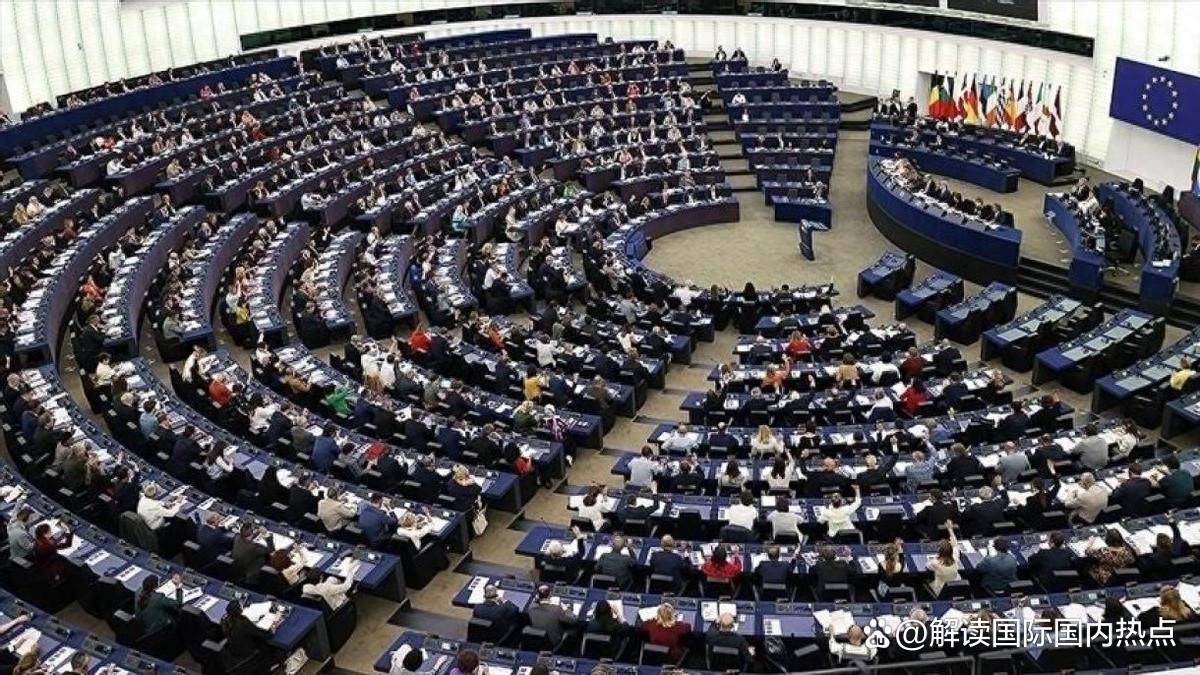
质疑欧盟规则,德国总理公开叫板,反对2035禁售燃油车
Sou Hu Cai Jing· 2025-12-20 05:15
Core Argument - The article discusses the ongoing debate surrounding the EU's 2035 ban on combustion engine vehicles, highlighting German Chancellor Merz's push to reconsider the legislation due to its potential impact on millions of jobs in the German automotive industry [1][3][11]. Group 1: Legislative Context - The EU's regulation mandates a 55% reduction in new car carbon emissions by 2030, a further 50% reduction by 2034, and a complete zero-emission requirement by 2035, effectively phasing out internal combustion engine technology [3][4]. - The legislation has faced opposition from Germany, with former Chancellor Scholz expressing resistance to the ban [3][4]. Group 2: Economic Impact - The German automotive industry contributes nearly 5% to the national GDP and provides jobs for over 7 million workers, making it a critical sector for the country's economy [4][6]. - Merz's stance is supported by the German Automotive Industry Association and the Metal Industry Association, which have united to exert pressure on the EU [8][11]. Group 3: Industry Dynamics - The automotive sector in Germany is at a crossroads, facing challenges from the global expansion of Chinese electric vehicles and increasing import tariffs from the U.S. [11][19]. - The internal combustion engine is seen as a vital part of the industry, with companies like Volkswagen and BMW expressing concerns over the financial implications of a complete ban [8][17]. Group 4: Technological Considerations - The EU's legislation does allow for the registration and use of vehicles powered by synthetic fuels after 2035, which is viewed as a potential lifeline for the internal combustion engine [13][23]. - The development of solid-state batteries is anticipated to revolutionize the automotive market, with projections indicating that they will begin limited use by 2027 and achieve mass production by 2030 [23][25].
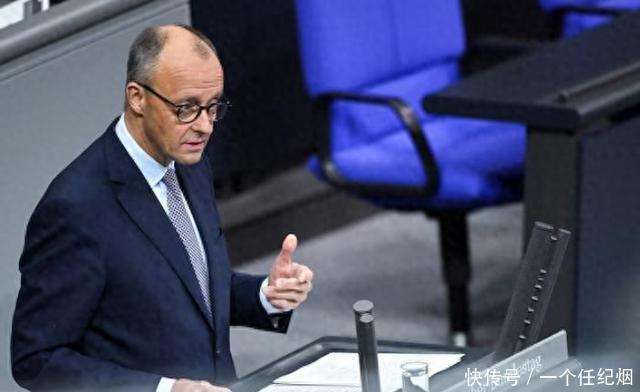
盈利承压转型阵痛 跨国车企集体“降速御冬”
Zhong Guo Zheng Quan Bao· 2025-12-19 20:10
Core Insights - The global automotive market is undergoing an unprecedented deep adjustment, with major automakers like Volkswagen, Ford, and Mercedes-Benz implementing significant strategic changes in response to rising electric vehicle penetration, intensified market competition, and increasing profitability pressures [1][2][3] Strategic Adjustments - Volkswagen plans to shut down part of its traditional fuel vehicle production lines in Wolfsburg, Germany, affecting around 3,000 employees, as part of its "2030 strategy" adjustment, with a 25% reduction in R&D budget for traditional powertrains from 2025 to 2027 [1] - Ford has reduced its planned investment in electric vehicle transformation from $50 billion to $35 billion, delaying the launch of several electric models and halting the construction of a new battery factory in Germany [2] - Mercedes-Benz has initiated a three-year efficiency improvement plan aiming to cut costs by over €14 billion, focusing on optimizing supply chains and reducing non-core business investments [2] Market Pressures - The global automotive sales are projected to reach 88 million units in 2025, with electric vehicles accounting for over 42% of the market, an 8 percentage point increase from 2024, driven largely by growth in the Asian market [3] - Traditional automakers face significant profitability challenges, with Ford's electric vehicle segment expected to incur a loss of $4.5 billion in 2024, while Volkswagen's electric vehicle profit margin stands at only 3.2%, compared to 8.5% for traditional fuel vehicles [3][4] Industry Transformation - Automakers are shifting from large-scale investments and vertical integration to a light-asset operation model, focusing on strategic partnerships for battery supply rather than building in-house factories [4][5] - Companies are concentrating production capacity in high-growth markets and high-margin products, with Volkswagen increasing investment in new energy vehicles in emerging markets while reducing production in Europe [5] - Research and development budgets are being refocused on core technologies, with companies like Mercedes-Benz prioritizing autonomous driving and smart cockpit technologies [5] Future Outlook - The collective slowdown of major automakers is seen as a pragmatic response to short-term pressures and a necessary evolution in the industry's development stage, with only those able to adapt quickly to market changes and maintain financial stability likely to succeed in the long term [6]

价格打“骨折”,曾“高攀不起”的进口豪车,找中国车企“求带”
Mei Ri Jing Ji Xin Wen· 2025-12-19 12:44
Core Viewpoint - The imported luxury car market in China is experiencing significant price reductions and declining sales, with domestic brands gaining market share and competitiveness [1][5][7]. Group 1: Price Reductions - Maserati's Grecale model, once priced around 900,000 yuan, is now available for as low as 358,800 yuan, reflecting a discount of over 60% [1][2]. - Aston Martin's DBX model has seen its price drop from 2,448,000 yuan to between 1,600,000 and 1,700,000 yuan, equating to a discount of approximately 35% [3]. - Porsche's 718 model is being offered at a significant discount, with prices as low as 50,000 yuan after adjustments [4]. Group 2: Market Trends - The imported car market in China has seen a decline from 1.43 million units in 2014 to 400,000 units in 2025, marking a 30% year-on-year decrease [5][6]. - Maserati's sales in China have plummeted from 14,400 units in 2017 to just 1,228 units in 2024, a drop of over 70% [5]. - The overall luxury car market is under pressure, with domestic brands capturing 68.5% of the passenger car market share in the first half of 2025, up 6.6 percentage points year-on-year [7][8]. Group 3: Competitive Landscape - Domestic high-end brands are increasingly competitive, offering better technology and features at similar price points, which is impacting the sales of imported luxury vehicles [7][8]. - The shift in consumer preferences towards domestic brands is evident, as they provide more intelligent and higher-configured products compared to traditional imported luxury cars [8][9]. - Foreign luxury brands are adapting by integrating into local supply chains and developing models specifically for the Chinese market, such as BMW and Mercedes-Benz's new production plans [10][11].