蜜雪冰城

Search documents
潮品、文创、黑科技一站式打卡!河南品牌“秀”出多元消费新体验
Sou Hu Cai Jing· 2025-12-05 12:16
Core Insights - The event "Supply Renewal Journey, Service Leap New Stage - 2025 Henan Province New Service and Supply Brand Construction Exchange Activity" showcased a variety of innovative and diverse brands from Henan, highlighting the province's vibrant economic landscape [1][30] - The exhibition featured prominent brands such as Mixue Ice City and Henan Museum's cultural products, demonstrating the integration of modern consumer needs with traditional heritage [5][8] Group 1: Brand Highlights - Mixue Ice City, a globally recognized tea beverage chain, has established a comprehensive control over its entire supply chain, creating an efficient and replicable business model for fresh tea drinks [5] - Henan Museum's cultural innovation showcased sub-brands like "Yulai Yuchao" and "Bohua Yatang," transforming six thousand years of history into accessible and consumable products, emphasizing their role as pioneers in cultural product development and intellectual property protection [8] - The exhibition also featured innovative technologies such as "naked-eye 3D + XR" to bring ancient oracle bone inscriptions to life, enhancing the cultural tourism experience [12] Group 2: Product Innovations - Various food products were highlighted, including Shan Yao powder and Huai Ju tea from Sanhua Tang, which integrate traditional Chinese medicine into modern lifestyles [16] - The "Little Pear Sister" series from Ningling Guoyuan Gong and traditional sour and spicy noodles from Shedian Ancient Town reflect the blend of traditional flavors with contemporary fast-food settings [16] Group 3: Technological Advancements - Power Diamond, a leader in the cultivated diamond industry, is building a new development ecosystem that integrates smart manufacturing, creative design, and brand sales [19][22] - Henan Guangyuan New Materials Co., Ltd. showcased electronic-grade glass fiber, essential for advanced electronic devices, indicating the company's focus on high-tech materials [26] - Henan Xuanshi Tool Co., Ltd. is transitioning from traditional manufacturing to an integrated model of R&D, production, and sales, aiming for global expansion [26] Group 4: Overall Impact - The exhibition served as a significant platform for brand exchange and industrial collaboration, showcasing Henan enterprises' achievements in industrial upgrading, cultural transformation, and technological innovation [30]


跨境出海周度市场观察-20251205
Ai Rui Zi Xun· 2025-12-05 05:45
跨境出海 周度市场观察 行业环境 头部品牌动态 投资运营 产品技术 营销活动 01 行业趋势 Industry Trends 本周看点: 合规与增长两难:出海企业如何突围?业内人士谈破局关键; 文化理解:中国企业出海拉美的必修课; "传统茶"变"时尚味",一杯奶茶融入95后泰国女生日常。 行业环境: 1. 合规与增长两难:出海企业如何突围?业内人士谈破局关键 关键词:合规门槛,资金流动,本土化运营,地缘政治,监管政策 概要:中国企业出海面临合规、资金流动和本土化运营等挑战。在"安客尔全球远航论坛"上, 专家指出,合规与资金压力是关键瓶颈,需通过多元化交易设计和弹性资金储备应对。中信银 行建议前瞻性合规布局和金融服务创新,如全球司库功能和分离式保函。地缘政治加剧了供应 链和ODI备案的复杂性,隐性风险如税务差异和金融规则需提前规划。未来十年,出海趋势将 聚焦合规、协同和本土化,人民币结算和精准布局成为重点。企业需从"单打独斗"转向"协 同作战",合规将成为核心竞争力。 原文链接:http://finance.sina.com.cn/jjxw/2025-11-13/doc-infxhkct2395167.shtm ...
六部委“供需适配政策”精准发力“新消费”
Soochow Securities· 2025-12-05 03:33
Group 1: Policy Insights - The joint policy issued by six ministries aims to enhance the adaptability of supply and demand in consumer goods, marking a significant shift in consumption policy since the Fourth Plenary Session[6] - By 2027, the goal is to establish three trillion-level consumption sectors and ten hundred-billion-level consumption hotspots, indicating a strong focus on new consumption[7] - The policy emphasizes the application of new technologies and models, expanding the supply of unique and new products, and fostering new consumption scenarios and business formats[6] Group 2: New Consumption Characteristics - New consumption is characterized by a focus on emotional value and technological content, with consumers increasingly valuing emotional experiences over mere functionality[14] - The rise of short video platforms and the experience economy is reshaping both online and offline consumption scenarios, enhancing consumer engagement and satisfaction[16] - The Z generation and younger elderly populations are becoming the main consumer forces, driving demand for products that align with their values and emotional needs[26] Group 3: Market Dynamics - The transition from an incremental consumption market to a high-quality development phase is driven by the need to address product homogeneity and enhance consumer experience[18] - The increasing middle-income population, projected to exceed 400 million by 2025, is expected to provide sustained momentum for consumption growth[20] - New consumption brands like Mixue Ice City, Pop Mart, and Laopuhuang are thriving due to their unique IPs and precise market positioning, demonstrating strong revenue growth[41]
9个月分红41亿!巨头上市“速套现”,超七成流入老板口袋……
Sou Hu Cai Jing· 2025-12-05 01:08
Core Viewpoint - The restaurant industry in 2025 is experiencing a dramatic contrast, with brands like Gu Ming and Mi Xue Bing Cheng showing significant growth, while the capital market witnesses a wave of cash-out activities in the food and beverage sector [1][6]. Group 1: Company Performance - Gu Ming reported impressive results for the first half of 2025, with revenue increasing by 41.2% and net profit soaring by 121.5%, reaching 1.625 billion yuan [3][4]. - The total number of Gu Ming stores surpassed 11,000, making it the second tea brand to achieve this milestone after Mi Xue Bing Cheng [1][3]. - The average daily GMV per store rose from 6,200 yuan to 7,600 yuan, and the average daily cups sold increased from 374 to 439 [3]. Group 2: Capital Market Activities - Gu Ming initiated two rounds of dividend payouts totaling 4.1 billion HKD within just nine months of its IPO, which exceeds the company's net profit accumulated over the past year and a half [5][6]. - Approximately 2.7 billion HKD of the dividends flowed into the founder's team, raising concerns about the implications for long-term corporate governance [6][9]. - The broader trend in the A-share market shows a significant "dividend wave," with over 1,034 listed companies announcing mid-term dividend plans, expected to exceed 734.9 billion yuan [6]. Group 3: Market Trends and Concerns - The phenomenon of substantial cash-outs by shareholders is not isolated to Gu Ming, as other companies in the food and beverage sector are also engaging in similar practices, raising questions about their motivations for going public [12][14]. - The actions of major shareholders, such as selling shares before or after dividend announcements, often signal a lack of confidence in the company's short-term prospects [12][16]. - The ongoing discussions around Gu Ming's dividend strategy provide important insights into the capitalized processes within the food and beverage industry [18].

为了三套新工服,外卖平台烧光1000亿
3 6 Ke· 2025-12-04 23:48
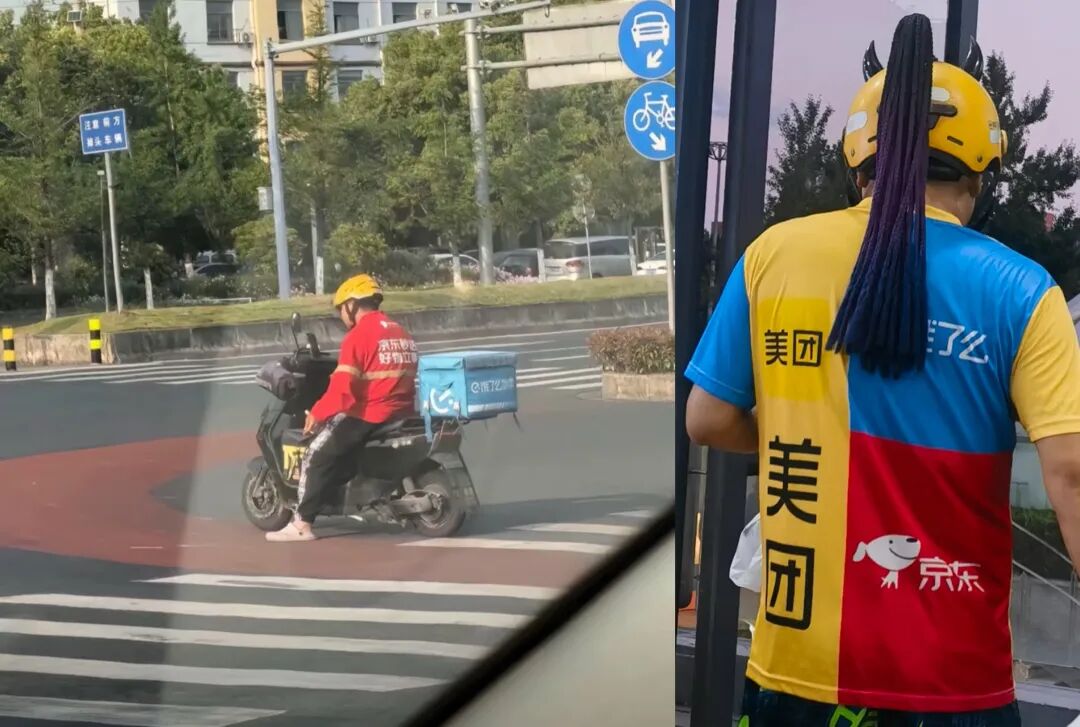
Core Insights - The intense competition among Meituan, JD.com, and Alibaba in the food delivery sector has led to a combined loss of nearly 100 billion yuan in profits over the past six months, marking one of the most costly battles in Chinese internet history [1][4][7] - The third quarter saw unprecedented levels of platform subsidies, resulting in significant financial losses for all three companies, with Meituan reporting its largest quarterly loss since its IPO [1][4][12] Financial Performance - Meituan experienced a quarterly loss of approximately 448 million yuan, while Alibaba's e-commerce business saw a staggering 85% year-on-year decline in operating profit [1][4] - JD.com reported a 108% year-on-year drop in overall operating profit, indicating severe financial strain across the board [1][4] - Marketing expenditures surged dramatically, with Alibaba and JD.com increasing their spending by 106% and 110% respectively, while Meituan's marketing costs rose by 91% [4][12] Market Dynamics - The oligopolistic structure of the food delivery market is beginning to shift, with Meituan's market share expected to drop to around 65% in 2024, a decline of nearly 20% from previous levels [4][7] - The competition is not just about food delivery; it serves as a strategic entry point for e-commerce growth, with JD.com and Alibaba leveraging food delivery to drive traffic to their core retail businesses [7][12] User Engagement and Growth - Despite the financial losses, user engagement metrics have shown positive trends, with JD.com's food delivery GMV experiencing triple-digit growth and a nearly 50% conversion rate for new users [7][12] - Meituan's daily active users increased by over 20% year-on-year, indicating a strong user base despite the competitive pressures [7][12] Strategic Shifts - The companies are recognizing the unsustainable nature of the price war, with a collective call to resist "disorderly competition" in the food delivery sector [22][24] - JD.com is reportedly adjusting its strategy by launching an independent app for food delivery and focusing on improving unit economic costs [22][24] - Alibaba plans to significantly reduce its investment in flash sales in the upcoming quarter, indicating a shift towards more sustainable practices [22][24]

2025十大标杆营销案例!
Xin Lang Cai Jing· 2025-12-04 19:16
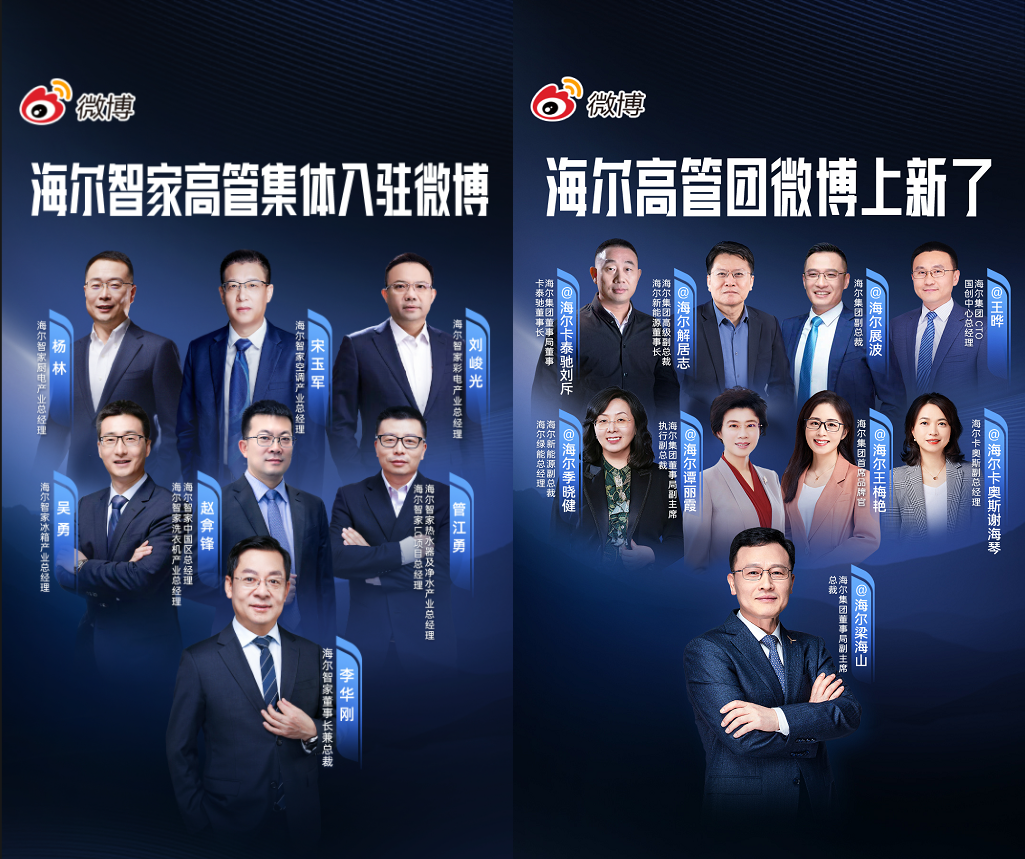
Core Insights - In 2025, brands are shifting from traditional marketing strategies to more innovative and engaging approaches that resonate with consumers' emotions and preferences [1][2] - Successful marketing now involves creating participatory events and leveraging user-generated content to enhance brand visibility and connection [1] Group 1: Case Studies of Innovative Marketing - **Mixue Ice City**: The brand's IPO was marked by a lively event featuring various IPs, breaking the traditional solemnity of such occasions and enhancing brand relatability among younger consumers [1][2] - **Haier**: The brand effectively utilized the "listening to advice" strategy by having its CEO return to social media, which resonated with users and boosted product sales [3][5] - **Yike Spring**: The brand creatively linked its marketing to a popular drama, using a pun on its spokesperson's name to enhance product appeal and engagement [4][7] Group 2: Sports and Event Marketing - **Yili**: The brand transformed traditional sports marketing by integrating long-term engagement strategies with current events, creating a relatable brand image [10][11] - **Sanjiao Weitai**: The brand capitalized on a trending drama to create a humorous and engaging marketing campaign that resonated with viewers, enhancing brand affinity [11][13] - **Gaotu Education**: The collaboration with a celebrity for an English course showcased a new model of education marketing that combines entertainment with learning [16][15] Group 3: User-Centric Marketing - **Xiangpiaopiao**: The brand's partnership with a popular figure demonstrated the effectiveness of user-driven marketing, enhancing consumer connection and brand perception [16][18] - **Zhuanzhuan**: The brand's strategic business shift was cleverly marketed, turning a potential negative into a viral advertising opportunity [18][20] - **Luckin Coffee**: The brand's dramatic marketing campaign involving a partnership and subsequent "divorce" with another brand created significant buzz and consumer engagement [22][23] Group 4: Competitive Landscape in Delivery Services - **JD.com, Meituan, Ele.me**: The competition in the food delivery market intensified with aggressive pricing strategies and targeted marketing campaigns, each brand leveraging unique selling propositions to attract consumers [25][23] - **Market Dynamics**: The shift towards local and immediate retail services reflects changing consumer behaviors, with brands adapting to meet the demand for convenience [25]






生鲜传奇董事长王卫:我为什么再次“回到大店”
Sou Hu Cai Jing· 2025-12-04 17:11
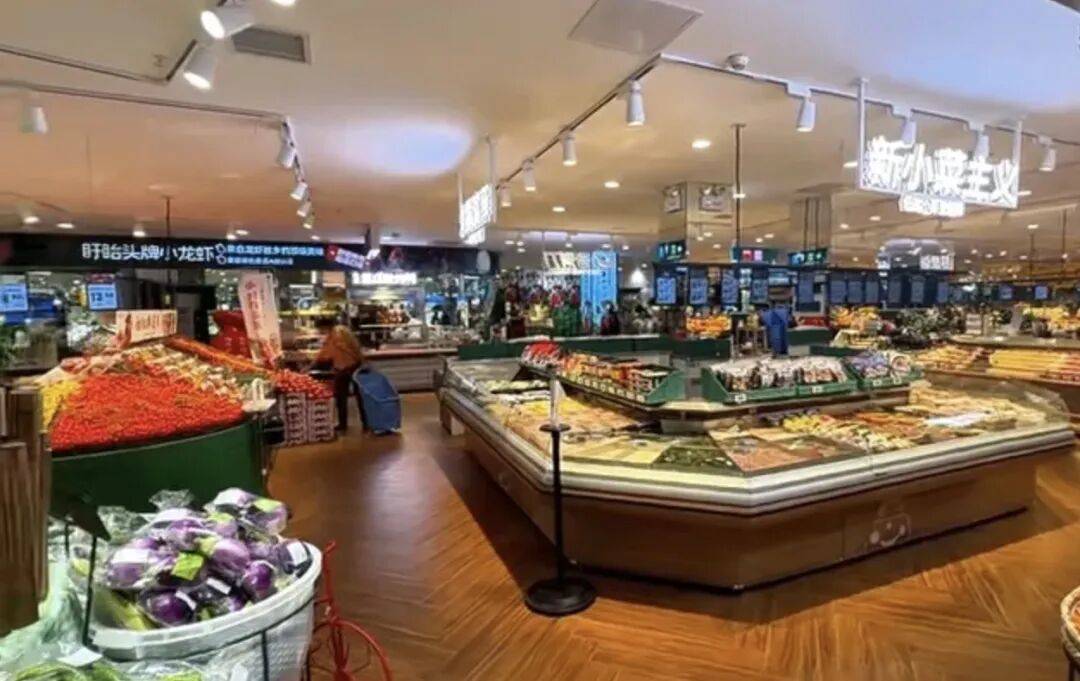
Core Insights - The article discusses the shift in consumer behavior towards "emotional consumption" and "experiential eating" amid economic downturns, emphasizing the need to reconstruct product logic in retail [2][30][66] Group 1: Retail Trends - The debate between large stores and small stores continues, influenced by economic cycles, with a current trend favoring smaller formats [2][4] - Wang Wei, chairman of Lecheng Supermarket and Fresh Legend, highlights the transformation of large stores into new entities that focus on emotional consumption within shopping centers [2][4] - The decline of hypermarkets and the rise of small formats have been observed, with small stores outperforming larger ones in consumer preference and profitability [9][11] Group 2: Consumer Behavior - The concept of "precious poverty" is emerging, where consumers seek affordable options while maintaining a sense of quality and brand association [27][28] - The shift in consumer spending patterns shows that high-end consumers are moving to discount stores, while middle-income groups are seeking value in supermarkets [25][27] - The article notes that consumers are increasingly looking for cheaper alternatives to previously expensive dining options, indicating a change in lifestyle without sacrificing quality [27][30] Group 3: Product Structure Changes - The product structure in retail must adapt to meet the demands of emotional consumption, moving away from traditional offerings to more experiential and immediate options [33][66] - The focus on ready-to-eat and snackable items is crucial, with a shift towards products that cater to on-the-go consumption rather than just filling meals [35][37] - There is a growing demand for innovative and trendy food items, particularly in the bakery and snack categories, which should prioritize novelty over classic offerings [37][40] Group 4: Future Opportunities - New growth areas identified include light meals, desserts, beverages, and alcoholic drinks, reflecting changing consumer preferences towards simpler and more enjoyable eating experiences [60][64] - The article emphasizes the importance of adapting to rapid changes in beverage trends, with consumers favoring affordable and healthier options [64][66] - Retailers are encouraged to embrace fresh and unique products while maintaining a balance between innovation and consumer familiarity [55][66]
为了三套新工服,外卖平台烧光1000亿
远川研究所· 2025-12-04 13:04
Core Viewpoint - The intense competition among Meituan, JD, and Alibaba in the food delivery sector has led to significant financial losses, with nearly 100 billion yuan in profits wiped out over the past six months, marking one of the most costly battles in Chinese internet history [2][6]. Group 1: Financial Performance - Meituan reported its largest quarterly loss since its IPO, while Alibaba's e-commerce business saw operating profits decline by 85% year-on-year, and JD's overall operating profit dropped by 108% [2][6]. - In Q3, Alibaba's EBITDA decreased by approximately 24 billion yuan, while JD and Meituan's EBITDA fell by 17.5 billion yuan and 44.8 billion yuan, respectively [6]. - Marketing expenses surged dramatically, with Alibaba and JD increasing their spending by 106% and 110% year-on-year, while Meituan's marketing costs rose by 91% [6]. Group 2: Market Dynamics - The oligopolistic structure of the food delivery market is beginning to shift, with Meituan's market share expected to drop to around 65% in 2024, a decline of nearly 20% this year [6][8]. - The competition is not just about food delivery; it serves as a strategic entry point for e-commerce growth, with JD and Alibaba leveraging food delivery to drive traffic to their core retail businesses [8][9]. Group 3: User Engagement and Growth - JD's food delivery GMV experienced triple-digit growth, with new user conversion rates nearing 50%, leading to a 40% increase in active users and shopping frequency [9]. - Taobao's flash sales in August contributed to a 25% year-on-year increase in monthly active users, while Meituan also saw a more than 20% increase in daily active users [9]. Group 4: Strategic Adjustments - The three major platforms have begun to recognize the unsustainable nature of the price war, with joint statements issued to resist "disorderly competition" in July [22]. - JD has quietly adjusted its strategy, including plans to launch an independent app and improve unit economic costs, while Alibaba aims to significantly reduce its flash sales investments in the upcoming quarter [22]. Group 5: Long-term Outlook - Despite the fierce competition, the platforms are now more focused on survival rather than solely defeating competitors, indicating a potential shift towards more sustainable practices in the industry [22][23]. - The ongoing battle in the food delivery sector is expected to continue, with companies acknowledging that the price war has not created value for the industry and is not sustainable [20][26].

早餐套餐开卖,蜜雪冰城太想进步了
36氪· 2025-12-04 10:03
Core Viewpoint - The article discusses the strategic entry of the company, Mixue Ice Cream, into the breakfast market, highlighting the competitive nature of the breakfast segment in the restaurant industry and the potential for increased sales and brand presence [4][15]. Group 1: Breakfast Market Entry - The entry of Mixue Ice Cream into the breakfast market indicates that the brand is not yet saturated, as evidenced by its ongoing expansion despite already having a significant number of stores and daily sales [4][15]. - The company has begun testing breakfast products in various cities, including Dalian, Xi'an, Nanning, and Hangzhou, with a focus on traditional breakfast items such as soy milk, millet porridge, and sandwiches [4][5]. - The breakfast offerings include a combination of drinks and staple foods, with prices set at 5 yuan for drinks and 2.9 yuan for staple items, creating a package deal priced at 7.9 yuan [6][8]. Group 2: Pricing and Product Strategy - The pricing of Mixue's breakfast products does not present a significant advantage over competitors, as the staple foods are sourced from established manufacturers and are not unique to the brand [11][12]. - The breakfast menu is available all day, which suggests a strategy to maximize store utilization rather than offering limited-time promotions [14][15]. - The company aims to maintain operational efficiency by avoiding complex food preparation processes, thus ensuring quick service and minimizing the need for specialized staff [14][18]. Group 3: Market Positioning and Future Outlook - The breakfast segment is seen as a critical area for restaurant brands, with competitors like KFC and McDonald's also expanding their breakfast offerings [17]. - The success of Mixue's breakfast initiative will depend on its ability to provide suitable services in the right locations, particularly in high-traffic areas [18]. - The company is looking to enhance its market presence and sales volume, as indicated by its ambitious growth plans, which include increasing the number of stores from 27,188 in 2022 to 41,584 by 2024 [16].
库迪不能一直爆陆正耀的金币
3 6 Ke· 2025-12-04 04:18
"我不是想证明我有多了不起,只想告诉人家,失去的东西我一定要拿回来。"这句电影台词,恰似当年福建资本"雄狮"陆正耀再战咖啡赛道、创立库迪咖 啡时的心声。 2022年10月,瑞幸咖啡前董事长陆正耀携新品牌库迪重返咖啡赛道,也再次施展了熟悉的资本运营手法。从神州租车到神州优车,再到瑞幸咖啡,陆正耀 的商业打法始终围绕"资本驱动+规模扩张+流量营销"逻辑展开。 截至今年11月,库迪门店总数刚刚突破1.5万家——距离年初目标仅完成不到三分之一,与此同时,品牌已暴露出扩张的后遗症。从"10个月开4万家店"的 激昂誓言,到不得不面对增长失速、加盟商矛盾与营销转化的现实难题,库迪的故事,已成为陆系品牌寻求规模扩张与资本运作平衡性的再度拷问。 一、陆式打法2.0 库迪咖啡在年初定下了一个宏大目标,到2025年底全球门店规模达到5万家。 2025年接近尾声,这一目标与现实间的落差逐渐清晰:截至2025年11月,库迪门店总数仅突破1.5万家。曾立下"10个月开4万家店"誓言的库迪,不得不在现 实面前调整节奏。 2022年10月,瑞幸咖啡前董事长陆正耀携新品牌库迪重返咖啡赛道,再次施展了熟悉的资本运营手法:从神州租车到神州优车,再 ...