
奔驰

Search documents
价格打“骨折”,曾“高攀不起”的进口豪车,找中国车企“求带”
Mei Ri Jing Ji Xin Wen· 2025-12-19 12:44
Core Viewpoint - The imported luxury car market in China is experiencing significant price reductions and declining sales, with domestic brands gaining market share and competitiveness [1][5][7]. Group 1: Price Reductions - Maserati's Grecale model, once priced around 900,000 yuan, is now available for as low as 358,800 yuan, reflecting a discount of over 60% [1][2]. - Aston Martin's DBX model has seen its price drop from 2,448,000 yuan to between 1,600,000 and 1,700,000 yuan, equating to a discount of approximately 35% [3]. - Porsche's 718 model is being offered at a significant discount, with prices as low as 50,000 yuan after adjustments [4]. Group 2: Market Trends - The imported car market in China has seen a decline from 1.43 million units in 2014 to 400,000 units in 2025, marking a 30% year-on-year decrease [5][6]. - Maserati's sales in China have plummeted from 14,400 units in 2017 to just 1,228 units in 2024, a drop of over 70% [5]. - The overall luxury car market is under pressure, with domestic brands capturing 68.5% of the passenger car market share in the first half of 2025, up 6.6 percentage points year-on-year [7][8]. Group 3: Competitive Landscape - Domestic high-end brands are increasingly competitive, offering better technology and features at similar price points, which is impacting the sales of imported luxury vehicles [7][8]. - The shift in consumer preferences towards domestic brands is evident, as they provide more intelligent and higher-configured products compared to traditional imported luxury cars [8][9]. - Foreign luxury brands are adapting by integrating into local supply chains and developing models specifically for the Chinese market, such as BMW and Mercedes-Benz's new production plans [10][11].
突发!又一汽车产业龙头破产
Xin Lang Cai Jing· 2025-12-19 12:36
作者:枫叶 突然破产! 又一汽车产业龙头崩盘了。 曾经的激光雷达一哥,这个曾让沃尔沃、奔驰抢着下单的激光雷达明星巨头,巅峰市值近千亿,如今跌到崩溃边缘。 Luminar(卢米纳尔),美国激光雷达最后的希望,最终还是破产了。 要说,激光雷达曾被卖到几十万元一颗,这些企业也赚得盆满钵满,不至于垮的如此之快。 可事实却是,美国激光雷达玩家接二连三地"死去"。 报告显示,中国激光雷达品牌占据了全球九成以上的市场份额,全球前三全是中国企业! 这就是中国新能源"超车"给行业带来的巨大变化,让豪车标配"大众化",把智驾驶入千家万户。 不禁感慨,汽车行业发展至今,已然迈入数字化大变革前夜,电动智能化已成大势所趋,走在技术前沿的中国汽车迎来狂欢。 究其根本,国产激光雷达企业不仅在技术上完成了突围成为世界第一,还一度成了"价格屠夫",把激光雷达做到了"白菜价"。 01 美国激光雷达最后的希望,还是破灭了。 不久前,曾经被视为激光雷达先驱的美国公司Luminar Technologies,正式向得克萨斯州南区法院提交了破产保护申请。 计划一边尽量维持交付与运营连续性,一边推进激光雷达主业出售,并同步剥离其半导体子公司。 若重整与出 ...

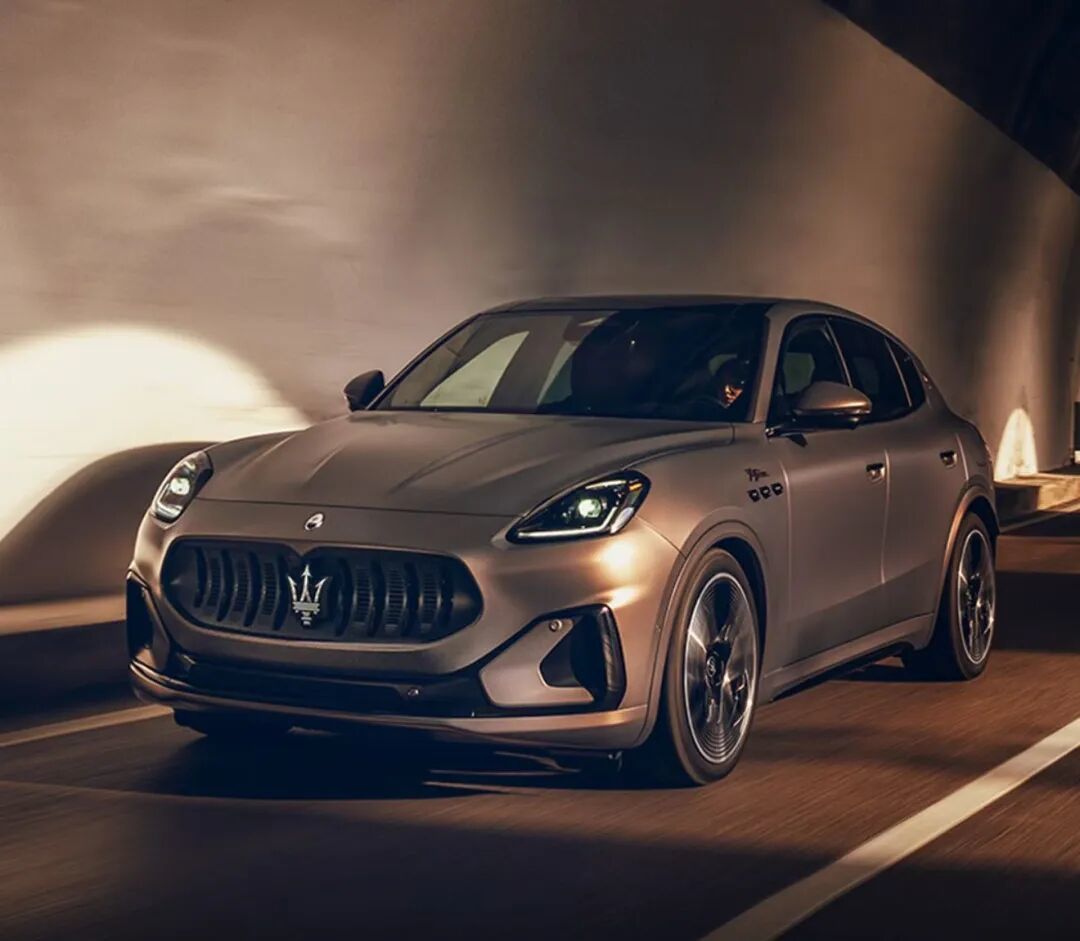
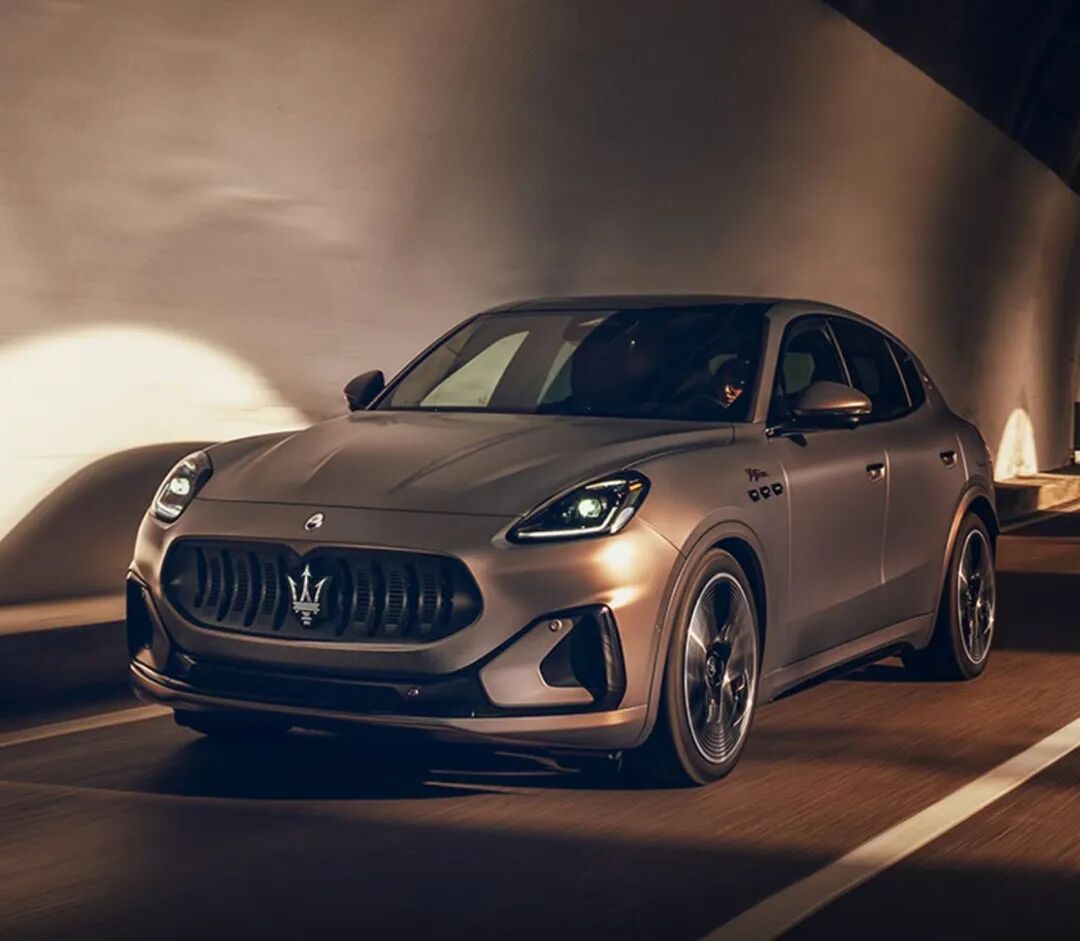
进口豪车干不过中国车了,30多万元买玛莎拉蒂,六五折买阿斯顿·马丁
Mei Ri Jing Ji Xin Wen· 2025-12-19 11:31
Core Viewpoint - The luxury car market in China is experiencing significant price reductions and inventory challenges, with brands like Maserati and Aston Martin offering steep discounts to stimulate sales amid declining demand [1][10][14]. Group 1: Price Reductions and Discounts - Maserati's Grecale electric SUV has seen its price drop from nearly 900,000 yuan to as low as 358,800 yuan, a reduction of over 60% [1]. - The Grecale fuel version offers discounts exceeding 200,000 yuan, with final prices often falling between 400,000 to 500,000 yuan [1]. - Aston Martin's DBX V8, originally priced at 2.448 million yuan, is now available for around 1.6 to 1.7 million yuan, representing a discount of approximately 35% [5][6]. Group 2: Market Trends and Sales Data - The overall import car market in China has seen a decline, with 400,000 units imported in the first ten months of 2025, a 30% year-on-year decrease [10]. - Maserati's sales in China have plummeted from 14,400 units in 2017 to just 1,228 units in 2024, a drop of over 70% [10]. - Other luxury brands like Bentley, Ferrari, and Lamborghini have also reported significant declines in sales, with Bentley's imports down 21% and Ferrari's down 19% in the same period [12]. Group 3: Competitive Landscape - The rise of domestic high-end brands is significantly impacting the luxury car market, with local brands capturing over 68.5% of the passenger car market share by mid-2025 [14][17]. - Domestic brands are increasingly offering more technologically advanced and competitively priced vehicles, challenging the traditional dominance of imported luxury cars [17][21]. - The shift in consumer preferences towards value and experience over brand prestige is further exacerbating the challenges faced by foreign luxury brands [17].
押注智能化的确定性,火山引擎做对了什么?
远川研究所· 2025-12-19 11:03
Core Insights - The article discusses the evolution of AI from a centralized, isolated system, as depicted in Stanley Kubrick's "2001: A Space Odyssey," to a more integrated and collaborative role in various industries, emphasizing AI as an "intelligent external brain" rather than a controlling entity [2] - The rapid adoption of AI technologies, particularly large models, is reshaping industry standards and operational frameworks, with a significant increase in token usage reflecting the growing demand for AI services [2][3] Industry Trends - In the first half of this year, the total number of tokens called in China's public cloud services for large models reached 536.7 trillion, with Volcano Engine holding over 49% market share [2] - The shift towards AI cloud-native architecture is highlighted, where models become the core of software, and the use of tokens represents a new metric for measuring AI service consumption [3][5] Investment Landscape - Major tech companies are significantly increasing their capital expenditures on AI, with Google raising its guidance by $8 billion and Meta by $4 billion, leading to an overall industry spending exceeding $200 billion [7][9] - Concerns are raised about the sustainability of this investment, questioning the actual demand and business value generated from such capital expenditures [7][9] Business Model Transformation - The transition from selling computing power (IaaS) to selling tokens (MaaS) represents a fundamental shift in cloud service providers' business models, focusing on delivering productivity rather than just resources [13][14] - The MaaS model allows for direct access to model capabilities, reducing the need for extensive infrastructure development and maintenance, thus enhancing efficiency and scalability [14][15] Application Across Industries - The adoption of AI models, particularly the Doubao model from Volcano Engine, has been significant in the automotive industry, with 90% of major car manufacturers integrating this technology [18] - Various sectors, including automotive, electronics, and food service, are leveraging AI to enhance user experiences and operational efficiencies, demonstrating the versatility and applicability of AI technologies [21][22] Future Outlook - The article emphasizes that the demand for AI capabilities is expected to grow, with token consumption serving as a key indicator of industry health and AI integration [24] - As industries continue to embrace AI, the focus will shift towards achieving measurable outcomes and optimizing investment returns through the effective use of tokens [23][24]

进口豪车干不过中国车了,价格打“骨折”!30多万元买玛莎拉蒂,六五折买阿斯顿·马丁!曾“高攀不起”的进口豪车,找中国车企“求带”
Mei Ri Jing Ji Xin Wen· 2025-12-19 10:47
Group 1 - The luxury car market in China is experiencing significant price reductions, with brands like Maserati and Aston Martin offering substantial discounts on their models [1][3][5] - Maserati's Grecale electric SUV has seen its price drop from nearly 900,000 yuan to as low as 358,800 yuan, representing a discount of over 60% [1] - Aston Martin's DBX model is now priced between 1.6 million to 1.7 million yuan, down from a guide price of 2.448 million yuan, effectively a 35% discount [5] Group 2 - The overall import car market in China has been declining, with a reported 30% drop in imported vehicles from January to October 2025, marking the largest year-on-year decline in recent years [8][10] - Maserati's sales in China have plummeted over 70% from its peak in 2017, with only 1,228 units sold in 2024 [9] - The luxury car segment is facing increased competition from domestic brands, which have gained significant market share, particularly in the high-end segment [12][15] Group 3 - The market share of high-end vehicles priced over 300,000 yuan has decreased from 15% in 2017 to 13% in 2025, indicating a shift in consumer preferences [12] - Domestic brands are increasingly preferred due to their cost advantages and rapid improvements in product quality, impacting the sales of imported luxury vehicles [15][19] - Foreign luxury brands are now focusing on adapting to the Chinese market by enhancing their product offerings and integrating into local supply chains [17][19]
中国车出海在俄遇阻:当地重建汽车工业 产品可靠性遭质疑
Tai Mei Ti A P P· 2025-12-19 10:37
Group 1: China’s Automotive Export Growth - In 2023, China's automotive export volume reached 5.22 million units, a year-on-year increase of 57.4%, surpassing Japan to become the world's largest automotive exporter [1] - For 2024, a 19% annual growth is expected, solidifying China's position as the top automotive exporter, with projections of total exports between 6.8 to 7 million units [1] Group 2: Decline in Exports to Russia - In 2025, despite overall growth, China's automotive exports to Russia are experiencing a significant decline, with a 50% year-on-year drop in the first four months [2] - By the first three quarters of 2023, exports to Russia decreased to 357,700 units, marking a 58% decline [2] - Russia has fallen to the third-largest market for Chinese automotive exports, with Mexico and the UAE now leading [2] Group 3: Russian Automotive Industry Policies - Following the Ukraine conflict, Russia aims to rebuild its automotive industry by limiting imports and increasing costs for foreign vehicles [3][4] - New policies include raising the scrappage tax for imported vehicles, with fees for 1L-2L engines increasing from 300,600 rubles to 556,000 rubles [3] - Import tariffs for vehicles will rise to between 20% and 38% starting January 1, 2025, increasing costs for Chinese imports [4] Group 4: Challenges for Chinese Brands in Russia - Chinese automotive brands face challenges in Russia due to a lack of after-sales service and product reliability, impacting their market share [6][7] - Despite a peak market share of 60% in 2024, this has dropped to below 40% in the first three quarters of 2023 [6] - Reliability issues have been highlighted, with tests showing that some Chinese models suffer from corrosion and durability problems in Russia's harsh climate [7][8] Group 5: Local Production and Market Adaptation - Chinese companies are adapting by increasing local assembly, with Great Wall Motors achieving a localization rate of about 65% [6] - New brands like Tenet have seen rapid growth in sales after local production began [6] - However, the overall market for automobiles in Russia remains weak, with low consumer demand and high interest rates affecting sales [5]
欧盟取消2040年全面停售燃油车计划,汽车产业多技术路线时代开启
Hua Xia Shi Bao· 2025-12-19 09:32
本报(chinatimes.net.cn)记者刘凯 北京报道 近日,欧盟委员会在争议声中正式公布了对2035年汽车排放法规的重大修订方案。核心内容是将新车减 排目标从原定的100%调整为90%,剩余10%的排放可通过低碳钢、电子燃料或生物燃料等方式抵消。与 此同时,欧盟取消了原定的2040年全面停售计划,并通过引入"积分存储和借用"等灵活机制,为混合动 力及高效内燃机技术敞开了大门。 这一表态与两年前欧盟坚决推进"完全零排放"的立场形成明显对比。德国总理默茨曾致信欧盟委员会主 席冯德莱恩,明确要求允许2035年后继续使用生物燃料或合成燃料的高效内燃机。德国汽车工业协会 (VDA)此前警告,原"禁燃令"可能危及约27万个就业岗位。据了解,汽车制造业约占德国GDP的 6%,关联近百万工作岗位。 在法国、意大利等国,汽车产业同样是经济支柱。目前,欧洲车企在电动化转型中普遍陷入"卖一辆亏 一辆"的困境。据摩根士丹利分析,传统车企在欧洲每售出一辆电动车平均亏损高达3000—6000欧元。 大众汽车集团CFO指出,低利润率的电动车产量增加是业绩走弱的主因。2025年第三季度,大众遭遇近 五年来首次季度净亏损,奔驰同期营收 ...

放弃内燃机禁令后,欧洲与美国仍有很大差异
Guan Cha Zhe Wang· 2025-12-19 09:19
Group 1 - The EU's decision to abandon the 2035 ban on internal combustion engine vehicles provides traditional automakers in Europe with more time to transition, but electric vehicles remain the future, making it difficult for Europe to compete with China's electric vehicle industry in the long run [1] - The new EU rules allow plug-in hybrids, range-extended vehicles, and even fuel vehicles to be sold legally after 2035, and a new category for small electric vehicles has been introduced, providing additional credit for European manufacturers [2][6] - The European Automobile Manufacturers Association (ACEA) reported that electric vehicle sales in the EU increased by 25.7% year-on-year, accounting for 16.4% of total sales, but the market share is still low in Southern and Eastern Europe [2] Group 2 - Analysts predict that by 2035, pure electric vehicles will only account for 62% of sales in Europe, with slow charging infrastructure being a major barrier to higher adoption rates [5] - High-end brands like Porsche, Mercedes, and BMW may benefit the most from the EU's policy shift, as their customer base is more interested in traditional mechanical structures [5] - The EU's decision aims to give European manufacturers time to develop cost-competitive electric vehicles to catch up with Chinese brands, which have been expanding in the European market despite tariffs [6][8] Group 3 - The EU's policy shift has faced criticism from industry stakeholders and environmental organizations, with over 150 CEOs, including those from Volvo and Polestar, supporting the original 2035 ban [12] - The EU's approach contrasts with the U.S. under the Trump administration, which has withdrawn support for electric vehicles [5] - The policy changes have raised concerns among automakers about the impact on their investments, as many have spent billions on electric vehicle development and factory expansions [10]
从“辅助”到“自动”的关键一跃,首批L3级自动驾驶车型获批,车企明确:L2车辆暂无法直接升级
3 6 Ke· 2025-12-19 06:17
12月15日,这份束缚迎来被打破的关键节点——工业和信息化部正式公布我国首批L3级有条件自动驾驶车型准入许可,长安深蓝、北汽极狐各有一款纯 电动轿车入选,分别在重庆、北京的指定区域开启上路试点。 周二早高峰的北京京台高速,阳光刚穿透薄雾,刘磊(化名)的手指已经在方向盘上搭了23分钟。他每天要往返50公里通勤,座驾是2023年购入的搭载 L2级辅助驾驶的轿车——这套能自动跟车、保持车道的系统,曾让他以为"轻松开车"触手可及。但此刻,仪表盘上"请保持注意力"的提示灯第三次亮起, 他不得不挺直腰板,紧盯前方缓行的车流。 上周晚高峰堵在机场北线,L2级辅助驾驶帮忙跟着车,但眼睛得一直盯着,他的手臂僵了一路。刘磊想起手机里刷到的工信部许可两款L3级自动驾驶车 型产品的新闻,屏幕上"特定场景解放双手"的描述让他忍不住多看了两眼。"要是能在拥堵的高速上真正松开方向盘,哪怕只是让我活动下胳膊,都是奢 望成真了。"他心里想。 刘磊的期盼,正是中国数千万L2级辅助驾驶车主的共同心声。按乘联分会近年乘用车销量数据估算,结合中国L2级辅助驾驶超50%的全球第一普及率, 仅近三年累计售出的7000余万辆乘用车中,就有超3500万辆搭载 ...


出行观|L3级自动驾驶将进入生活,但行业仍需“谨慎乐观”
Guan Cha Zhe Wang· 2025-12-18 23:49
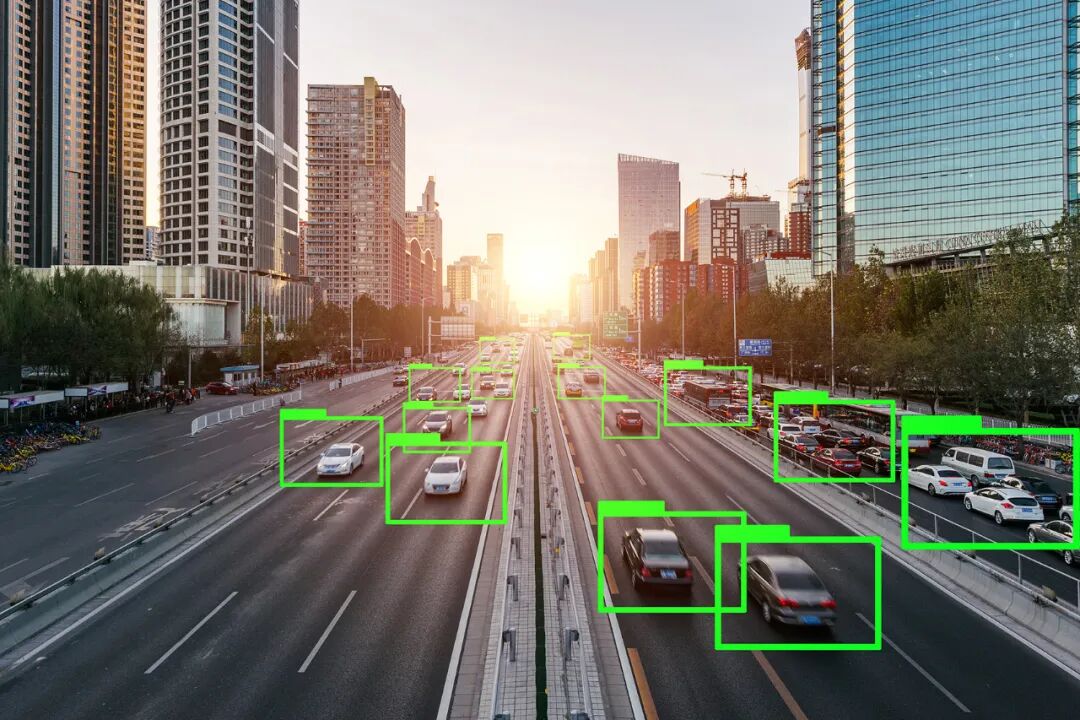
Core Viewpoint - The approval of L3-level conditional autonomous driving vehicles marks a significant milestone in China's autonomous driving technology, transitioning from testing to mass production [2][3] Group 1: Product Approval - The Ministry of Industry and Information Technology approved two models with L3-level conditional autonomous driving capabilities: Changan Automobile's Deep Blue SL03 and BAIC Group's Arcfox Alpha S6 [2] - The Deep Blue SL03 features Changan's self-developed "Tianshu Intelligent" system, while the Arcfox Alpha S6 is equipped with Huawei's QianKun Intelligent Driving ADS system [2] - This approval indicates that L3-level autonomous driving technology is moving from "test tracks" to "mass production" [2] Group 2: Conditional Nature of L3 - L3 is classified as "conditional autonomous driving," meaning the vehicle can perform all driving tasks under specific conditions, but the driver must be ready to take control when requested [4] - The operational limits for these L3 vehicles include specific urban areas, road types, speed limits, and scenarios, as outlined in the Ministry's announcement [4][5] - For instance, the Deep Blue SL03 can operate in congested traffic on highways and urban expressways at a maximum speed of 50 km/h, while the Arcfox Alpha S6 can do so at up to 80 km/h [4] Group 3: Regulatory and Management Framework - The approval of L3 products necessitates the establishment of a management and regulatory framework to address issues such as traffic responsibility, insurance, and policy integration [6] - The process of validating and refining standards, regulations, and policies will be crucial as L3 vehicles are introduced on the roads [6] - This approval is seen as a "constrained advancement," acknowledging technological progress while setting clear operational boundaries for future advancements in autonomous driving [6] Group 4: Future Outlook - A cautious optimism is suggested regarding the impact of L3 product approval on transportation and industry dynamics, emphasizing the importance of not overestimating its current capabilities [7] - The future of autonomous driving in China will depend on both technological capabilities and the patience to progress step by step [7]