康师傅控股

Search documents
广东广州冲出一家IPO,为康师傅、王老吉等提供营销服务,夫妻合计持股95.8%
格隆汇APP· 2025-09-17 10:33
Group 1 - The article discusses a new IPO emerging from Guangzhou, Guangdong, which provides marketing services for brands like Master Kong and Wanglaoji [1] - The company is primarily owned by a couple who collectively hold 95.8% of the shares [1]


圣火科技港股IPO,为康师傅等提供营销服务,客户集中度较高
Ge Long Hui· 2025-09-17 09:43
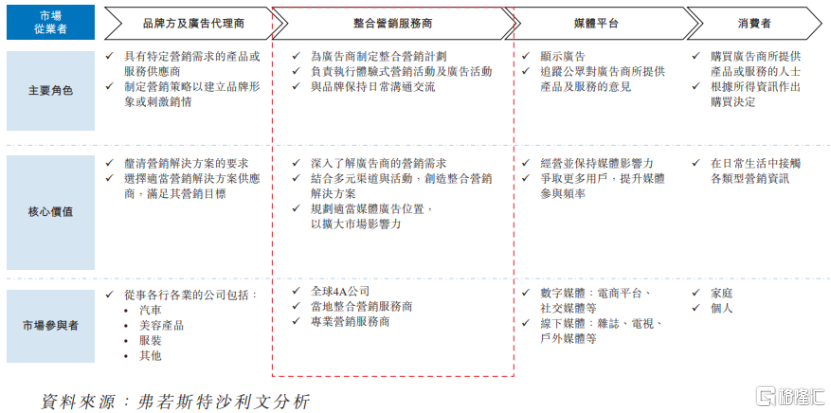
Core Insights - The article highlights the increasing awareness among companies regarding brand building, with a focus on enhancing the influence and competitiveness of domestic brands in China, particularly in sectors like cosmetics, apparel, and electronics [1] - The advertising industry in China is projected to generate over 1.5 trillion yuan in revenue by 2024, with internet advertising accounting for 86.5% of total revenue [1] - Shenghuo Technology Group Limited is seeking to go public on the Hong Kong Stock Exchange, aiming to leverage its marketing services primarily for fast-moving consumer goods [1][2] Industry Overview - The integrated marketing industry is segmented into three tiers: upstream brand owners and advertising agencies, midstream integrated marketing service providers, and downstream media channels and consumers [3][4] - Shenghuo Technology operates in the midstream, providing integrated marketing services that include market research, brand strategy design, and multi-channel marketing execution [5] Financial Performance - Shenghuo Technology's revenue sources include integrated marketing services, marketing technology services, and advertising marketing services, with integrated marketing services accounting for over 40% of total revenue during the reporting period [6][7] - The company has experienced revenue growth, with figures of approximately 1.12 billion yuan in 2022, 1.63 billion yuan in 2023, and 2.52 billion yuan in 2024, although gross margins have declined from 35% in 2022 to 22.8% in the first half of 2025 [10][11] Client and Supplier Dynamics - Shenghuo Technology has a high client concentration, with significant revenue derived from major clients like Master Kong and Pepsi, and over 45% of revenue coming from its largest client [8][9] - The company relies on various suppliers for resources, with the top five suppliers accounting for approximately 42.9% of total procurement costs [8] Market Trends - The integrated marketing market in China is expected to grow from 804 billion yuan in 2024 to 993 billion yuan by 2029, with a compound annual growth rate (CAGR) of about 4.3% [12] - The advertising spending in China is projected to reach approximately 1.57 trillion yuan in 2024, with online advertising expected to exceed 2.35 trillion yuan by 2029, reflecting a CAGR of around 10.6% [12] Competitive Landscape - The integrated marketing and advertising services market in China is highly fragmented, with significant competition from companies like BlueFocus and others, which may have broader reach and more resources [15] - Shenghuo Technology holds a market share of 1.8%, ranking fourth among competitors in the integrated marketing sector [15] Company Structure and Leadership - Shenghuo Technology was founded in 2013 and is headquartered in Guangzhou, with its founders holding a combined 95.8% stake in the company [16][17] - The company has a history of dividend payments, with significant dividends declared in 2024 and the first half of 2025 [18]
拒餐厅“投喂”预制菜 消费者盼餐饮“于东来”
2 1 Shi Ji Jing Ji Bao Dao· 2025-09-16 00:09
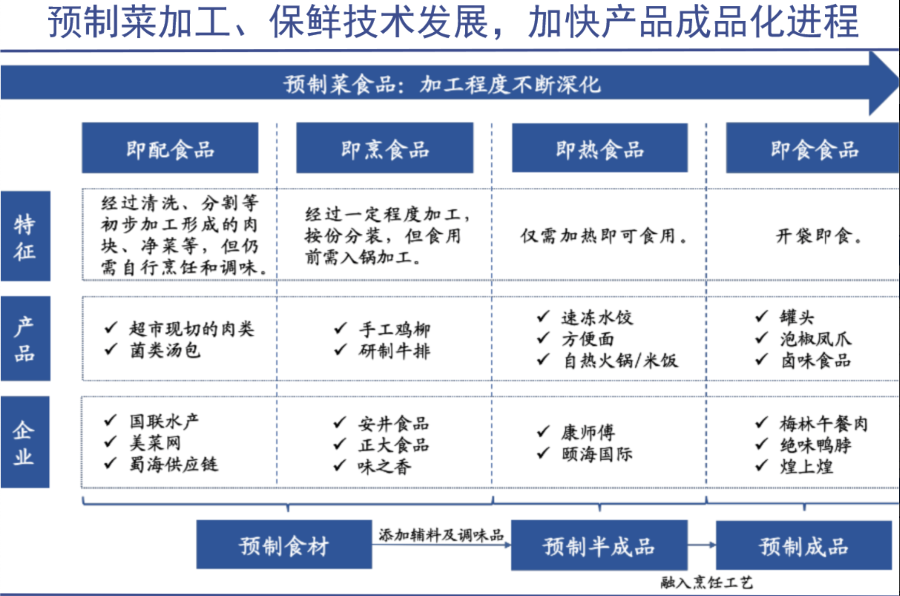
Core Viewpoint - The ongoing debate surrounding pre-prepared meals (pre-cooked dishes) highlights consumer concerns about transparency and quality in the restaurant industry, with a call for industry leaders who prioritize consumer rights and operational efficiency [1] Group 1: Consumer Attitudes - Many consumers express strong opposition to being served pre-prepared meals in restaurants that offer freshly cooked dishes, indicating a desire for transparency in food sourcing [1] - A significant disparity exists in consumer acceptance of pre-prepared meals based on dining context; over 50% of consumers accept them in fast-food settings, while only 8.8% do so in high-end restaurants [8][9] - Consumers are not entirely resistant to pre-prepared meals; they prefer to choose them from retail channels rather than being served them in restaurants [9] Group 2: Industry Perspectives - Industry professionals argue that pre-prepared meals, when produced under proper standards, can enhance food safety and efficiency, countering negative perceptions [1][5] - The pre-prepared meal sector is seen as a solution to challenges faced by large-scale chain restaurants, such as high rental and labor costs [5][6] - The pre-prepared meal market in China is projected to reach 617.3 billion yuan by 2025, reflecting a 27.3% year-on-year growth [7] Group 3: Regulatory and Standardization Issues - Current regulations prohibit the use of preservatives in pre-prepared meals, ensuring their natural quality and safety through cold chain logistics [5] - There is a pressing need for clearer definitions and standards for pre-prepared meals to address consumer confusion and enhance trust [11][12] - The upcoming national standards for pre-prepared meals are expected to clarify their classification and usage in restaurants, marking a significant shift towards regulatory compliance in the industry [12] Group 4: Future Outlook - The future of the restaurant industry will likely see a coexistence of artisanal cooking and pre-prepared meal solutions, emphasizing the need for technological integration and robust regulations [13]
康师傅钟国兴:如何构建食品安全管理的“三道防线”
Zhong Guo Jing Ji Wang· 2025-09-15 05:44
Group 1 - The core theme of the 16th China Food Safety Forum is "Integrity and Law-abiding, Sharing Food Safety" [1] - The company has 75 production bases and 561 production lines across China, with a household penetration rate exceeding 80% [1] - The company has been ranked among the top three consumer brands in China for 13 consecutive years [1] Group 2 - The company actively responds to health safety concerns by launching products that align with the "three reductions" policy: reducing sugar, salt, and fat [1] - The company employs isotope technology for origin gene identification and uses genetic technology to prevent product adulteration [1] Group 3 - The company has implemented a management mechanism for production dates to address common pain points, achieving clear visibility and accuracy [2] - The food safety control center has the capability to test for 1,700 types of heavy metals and pesticide residues, conducting over 3.5 million tests annually [2] - The company has established a three-tier food safety defense system, including research, prevention, and quality control [2] Group 4 - The company has a supplier management mechanism that includes strict entry criteria and a mentorship model to enhance supplier capabilities [2] - The company conducts annual assessments of suppliers based on quality, cost, and delivery, with an elimination rate of approximately 5% [2] Group 5 - The company has implemented five key measures for channel management, including real-time monitoring and rapid response to market product inspections [2] - The company organizes an annual "Food Safety Awareness Month" to promote food safety education and public supervision [2] Group 6 - The company is advancing its digital factory construction with technologies such as big data, AI recognition, and X-ray detection to ensure product safety and quality [3]

于东来力挺西贝,源于对直播购物跨界竞争的瞧不上
Sou Hu Cai Jing· 2025-09-15 04:28
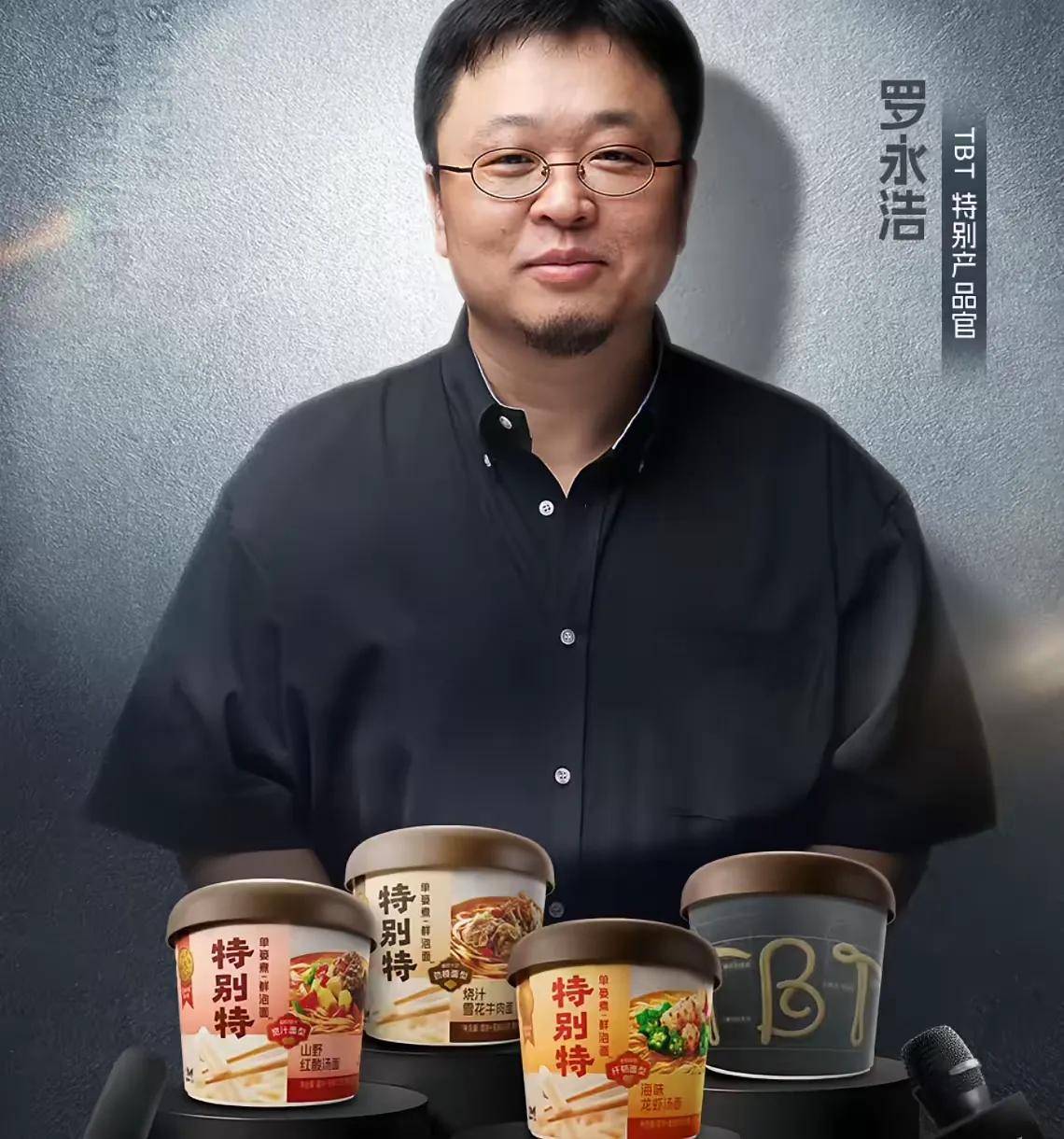
Core Viewpoint - The recent statements by Yu Donglai, founder of the offline retail company Pang Donglai, have sparked widespread attention regarding the collision between traditional retail and online live-streaming business models. This reflects the complex attitudes of traditional operators towards emerging e-commerce models [1][3]. Group 1: Traditional Retail Perspective - Pang Donglai is recognized as a benchmark in China's retail industry, having developed over 260 proprietary brand products and introduced a "transparent price tag" system, which emphasizes strict quality control and exceptional customer service [1]. - Yu Donglai emphasizes "enterprise value" and the hard work of entrepreneurs and their teams, highlighting a fundamental distinction between traditional retail's focus on product quality and brand building versus the sales model reliant on traffic monetization [3]. Group 2: Online Live-Streaming Perspective - Luo Yonghao, a prominent live-streaming host, demonstrated significant commercial potential in digital marketing, achieving a record of 71,000 orders sold in one hour for a limited edition instant noodle collaboration with Kang Shifu, showcasing the explosive power of online channels [1]. - Despite Luo's efforts to repay substantial debts and gain public respect, traditional operators remain skeptical about the live-streaming business model, especially when concerns about product quality arise [6]. Group 3: Market Dynamics - The essence of business indicates that the consumer experience-focused offline model and the efficiency-driven online channel are not necessarily in conflict. Pang Donglai maintains its commitment to avoiding live-streaming sales, while Luo Yonghao leverages new channels for commercial value, indicating that both models have their strengths [8]. - A healthy market ecosystem should embrace the coexistence of diverse business models rather than fall into binary opposition [8].
食饮 :如何展望H2重点标的投资机会
2025-09-15 01:49
Summary of Key Points from the Conference Call Industry Overview: Baijiu (Chinese Liquor) Industry Sales Performance - The Baijiu industry is expected to see a year-on-year decline in terminal sales of 5%-15%, despite a low base from last year. However, the decline has narrowed from over 40% in June [1][2] - Major brands like Moutai and Wuliangye reported significant month-on-month growth in August, with Moutai's sales in Nanjing increasing by 30% and other cities like Zhengzhou and Guangzhou recovering by 15%-35% [1][2] Price Trends - Core product wholesale prices have shown fluctuations due to the upcoming double festival, with Moutai's price dropping to around 1,780 RMB, influenced by restaurant demand and Moutai's increased supply [1][4] - Wuliangye's price has decreased to around 820 RMB, while Luzhou Laojiao's Guojiao 1573 maintains a price range of 830-860 RMB [1][4] Product Strategy - Baijiu companies are adjusting their product lines by introducing lower-alcohol products and light bottle options, targeting younger consumers. For instance, Wuliangye launched a 29-degree product, and Luzhou Laojiao promoted 38/28-degree products [1][5] - Companies are focusing on channel profitability, with Pearl Lidu launching a "Great Competition Alliance" equity incentive plan, aiming to sign 3,000 distributors and generate 5-6 billion RMB in revenue [1][6][7] Market Outlook - The second quarter saw a slowdown in performance, with growth rates in the single digits, primarily driven by leading brands. The third quarter is expected to see performance stabilize or slightly decline, which could benefit future growth [1][8] - Positive catalysts for the Baijiu sector include expectations for better sales during the double festival and market adjustments post the Autumn Sugar Conference [1][10][11] Recommended Stocks - Key recommendations include Luzhou Laojiao, Gujing Gongjiu, and Yingjia Gongjiu, with Luzhou Laojiao highlighted for its price leadership and national strategy [1][12][13] - Gujing Gongjiu and Yingjia Gongjiu are noted for their low valuations and strong recovery potential [1][14][15] Company-Specific Insights - Luzhou Laojiao is recognized for its price-setting ability and effective product diversification, which alleviates cash flow pressures and enhances performance [1][13] - Gujing Gongjiu and Yingjia Gongjiu are seen as having strong investment value due to their competitive mid-range products and potential for recovery [1][14][15] Other Relevant Industry Insights - The overall beverage industry is projected to grow by 4% in revenue and 14% in profit in the first half of 2025, with significant growth in functional drinks and carbonated beverages [3][38][39] - Companies like Nongfu Spring and Uni-President have reported strong performance, with Nongfu Spring's profitability significantly improving due to lower raw material costs [40][41][42] This summary encapsulates the key points from the conference call regarding the Baijiu industry and related beverage sectors, highlighting sales performance, pricing trends, product strategies, market outlook, and specific company recommendations.

港股早评:三大指数低开 科技股多数下跌 半导体芯片股全线上涨
Ge Long Hui· 2025-09-15 01:37
Market Performance - The Hong Kong stock market indices opened lower after reaching a new high last Friday, with the Hang Seng Index down 0.3%, the Hang Seng China Enterprises Index down 0.24%, and the Hang Seng Tech Index down 0.11% [1] - Major technology stocks that had been rising consecutively mostly declined, with Kuaishou and Baidu dropping over 1%, while Meituan, Alibaba, and NetEase saw slight declines; Tencent and Xiaomi managed to stay positive [1] Sector Movements - Chinese semiconductor stocks surged collectively following the announcement of an anti-dumping investigation into U.S. chips, with Beike Micro rising over 9%, Hua Hong Semiconductor up over 4%, and the heavyweight SMIC increasing by 1.4% [1] - Lithium battery stocks, Apple-related stocks, film and entertainment stocks, and biopharmaceutical stocks mostly experienced gains [1] - Conversely, port and shipping stocks, restaurant stocks, and new consumption concept stocks declined, with Pop Mart down nearly 3%, Yum China down 2%, and Master Kong Holdings down 1.5% [1] - Gold stocks, beer stocks, home appliance stocks, and logistics stocks generally performed poorly [1]
一周新消费NO.326|蒙牛推出奶酪小丸子;好奇小森林系列全新「0痕」升级
新消费智库· 2025-09-14 13:03
New Consumption Overview - Mengniu launched cheese balls with strawberry and mixed fruit flavors, reduced sugar and fat, and a cheese content of ≥ 20% [4] - Huggies upgraded its Little Forest series with a new "0 mark" design for better comfort [7] - Meiji Savas introduced a new milk beverage providing 15 grams of protein per 250ml, with a 0 fat formula [7] - WE11DONE released its 2025 Autumn/Winter collection themed "Punk Wonderland" [7] - Babycare launched a lightweight stroller weighing only 6.5kg, designed for easy folding and portability [9] - DQ introduced new Angus beef burgers in Shanghai [11] - Qihua Dun appointed a new CEO, Christian Stammkoetter, effective March 1, 2026 [13] - Master Kong launched a new product aimed at competing with the takeaway industry [13] - Zhang Liang exited as a direct shareholder of Zhang Liang Spicy Hot Pot [13] - Yonghui opened its first modified store in Tangshan [13] - Walmart launched an AI-driven super agent to optimize shopping experiences [13] - Meituan's Happy Monkey supermarket opened its first store nationwide [12] - Douben Dou collaborated with the animated series "Pleasant Goat and Big Big Wolf" to launch a co-branded soy milk [12] New Products - Mengniu launched cheese balls with reduced sugar and fat, featuring real fruit jam and cheese [4] - Suntory is set to launch The Bezel s non-alcoholic beer, providing a beer-like experience with 0.00% alcohol [4] - Yili QQ Star introduced a new cheese stick made from A2 milk, suitable for children [4] - Haagen-Dazs released a Mid-Autumn ice cream gift box inspired by Dunhuang motifs [4] Industry Events - Qihua Dun appointed a new CEO, Christian Stammkoetter, effective March 1, 2026 [13] - Master Kong launched a new product to challenge the takeaway industry at the 25th China Convenience Food Conference [13] - Chanel celebrated the 10th anniversary of its "Through Her Lens" program at the Tribeca Film Festival [13] - Balenciaga launched a new tote bag priced at 8200 yuan [14] - Zhang Liang exited as a direct shareholder of Zhang Liang Spicy Hot Pot [13] - Yonghui opened its first modified store in Tangshan [13] - Walmart introduced an AI-driven super agent to enhance shopping experiences [13] Investment and Financing Trends - PhDUO completed an angel round financing of tens of millions [21] - KuaFu Technology secured several million in Pre-A round financing led by Fosun Rui Zheng [21] - PepsiCo increased its stake in Celsius through a $585 million deal [21] - Three Squirrels established a food company in Foshan with a registered capital of 100 million [23] - New Hong Electronics completed several hundred million in strategic financing [24] - ST United received approval for a 3 billion acquisition of RunTian Industrial [24] - GREENLAB completed nearly 10 million in Pre-A round financing [24] - Chery Holdings acquired 100% of Dream Future [24] - Huami Technology acquired core assets of Wild.AI to support female athletes [25] - Kering and Mayhoola announced a delay in acquiring the remaining stake in Valentino [25] Food Industry Developments - Starbucks announced the rollout of an AI inventory management system in over 11,000 stores in North America [27] - Meituan's Happy Monkey supermarket opened its first store in Hangzhou [27] - Yang Guofu Group established two companies in Dongjiang with a total registered capital of 155 million [27] - Douben Dou launched a co-branded soy milk with "Pleasant Goat and Big Big Wolf" [27] - HeMa launched a new rambutan juice drink with ≥ 35% fruit and vegetable juice content [28] - Starbucks opened its first store in Tokyo offering freshly baked bread [28] - Qing Shang introduced a new drink made from various natural ingredients [28] - McDonald's exited the American Restaurant Association over wage payment disagreements [28] - Fengxing Milk launched a new ginger milk product [31] - Dongpeng Beverage established a new company with a registered capital of 10 million [31]
让“济阳造”美味香飘全国走向世界
Qi Lu Wan Bao· 2025-09-12 11:10
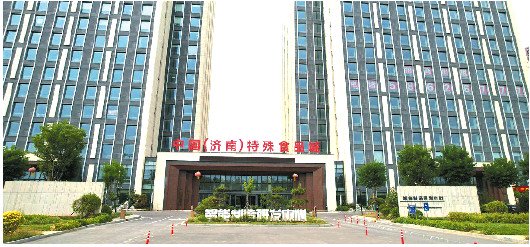
Core Viewpoint - Jiyang District has successfully developed its food and beverage industry into a key driver of regional economic growth, leveraging its traditional strengths and modern innovations to enhance its market presence and competitiveness on both national and international stages [2][5][10] Group 1: Industry Development - Jiyang District has established itself as a significant player in the national food industry, attracting over 160 well-known food companies, including Wangwang and Uni-President, which have contributed to a robust industrial cluster [2][3] - The district's food and beverage industry has evolved from a single-point development model to a collaborative cluster model, characterized by leading enterprises, supporting industries, and brand aggregation [2][4] - The region has seen a notable increase in production value, with 25 large-scale food and beverage enterprises achieving a total output value of 8.095 billion yuan, reflecting a year-on-year growth of 10.4% [8] Group 2: Technological Innovation - Jiyang District is embracing technological advancements, transitioning from traditional manufacturing to smart production through the introduction of automated production lines and digital management systems [6][7] - The implementation of smart production lines has significantly increased production efficiency while ensuring product quality, with some lines capable of producing tens of thousands of bottles per hour [6] - The district has fostered a culture of innovation, with numerous companies obtaining patents and achieving recognition for their technological advancements, thereby enhancing the overall competitiveness of the food industry [7] Group 3: Strategic Planning - Jiyang District is strategically positioning itself in the high-value special food sector, with initiatives such as the establishment of the China (Jinan) Special Medical Food City and the formation of a special food industry alliance [5] - The dual-engine strategy of combining traditional industries with future potential sectors aims to solidify the existing foundation while capturing new growth opportunities [5][10] Group 4: Government Support and Services - The local government has created a favorable business environment through consistent policies and support, which has encouraged long-term investments from major food companies [8][9] - Jiyang District has implemented a service-oriented approach to address the needs of enterprises, ensuring that businesses can focus on production without concerns about operational challenges [9][10] - The district promotes a culture that values and supports businesses, enhancing its attractiveness for both new and existing companies [10]
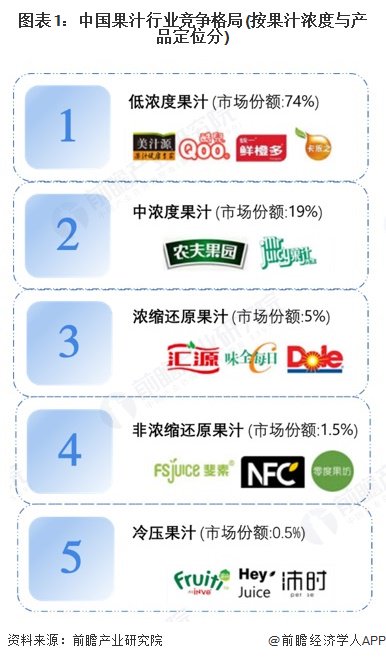
【行业深度】洞察2025:中国果汁行业竞争格局及市场份额(附市场集中度、企业竞争力评价等)
Qian Zhan Wang· 2025-09-12 07:19
Group 1: Industry Overview - The Chinese juice industry is in a mature development stage, characterized by intense competition and a mix of differentiation and cooperation among companies [1][3] - Low-concentration juice dominates the market, with major players like Coca-Cola, Master Kong, and Uni-President leading the segment [1][3] - The overall market share of the top five companies (Coca-Cola, Wei Chuan, Master Kong, Huiyuan, and Uni-President) is 56.20%, indicating a concentrated competitive landscape [3][7] Group 2: Market Ranking - Coca-Cola (China) leads the industry in revenue, with its brand Meiziyuan holding a strong position in the low-concentration juice market [4] - Wei Chuan and Huiyuan follow closely, with Wei Chuan excelling in refrigerated pure juice and Huiyuan focusing on high-concentration juice [4] - Other notable players include Master Kong, Uni-President, and Nongfu Spring, with Nongfu Spring actively expanding into the high-end market through NFC juice [4][7] Group 3: Market Concentration - The CR5 of the Chinese juice beverage industry is projected to reach 58.3% in 2024, with Master Kong, Uni-President, and Nongfu Spring collectively holding a market share of 42.7% [7] - The concentration in low-concentration juice is relatively high, while the mid-to-high concentration and pure juice segments are becoming more diversified [7] Group 4: Competitive Landscape and Company Strategies - Domestic brands focus on pure juice and NFC products in the mid-to-high-end segments, emphasizing health benefits but facing channel and cost pressures [8] - Comprehensive beverage brands leverage scale and full-channel strategies to maintain market share with low-priced products, though they face significant homogenization [8] - International brands dominate the low-concentration market due to brand and channel advantages, while Japanese and Korean brands attract younger consumers with unique flavors [8][10] Group 5: Competitive Dynamics - Supplier bargaining power is moderate, with leading companies mitigating raw material price fluctuations through scale procurement [8] - Buyer bargaining power is strong, as consumers are price-sensitive and switching costs are low, allowing channel partners to exert pressure [8] - The threat of new entrants is low due to high barriers in channels, branding, and technology, while substitute products like tea, coffee, and fresh-cut fruits pose significant competition [8]