瑞幸咖啡

Search documents
咖啡万店新王诞生:挪瓦如何以“寄生模式”隐秘扩张?
虎嗅APP· 2025-12-20 13:20
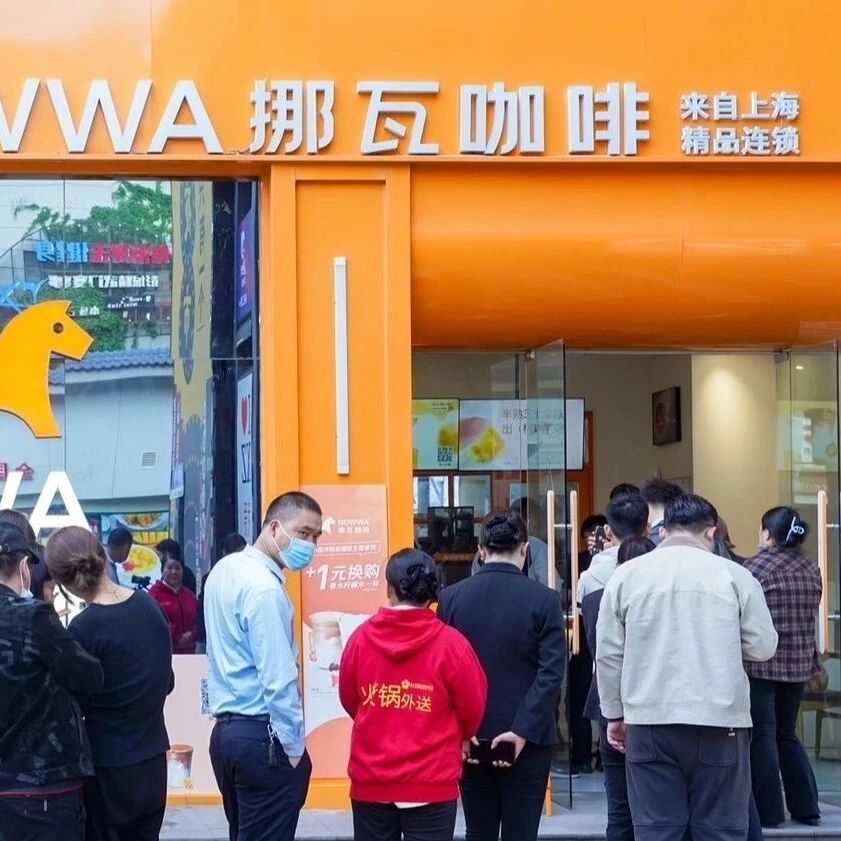
Core Viewpoint - The article discusses the rapid expansion of NOWWA coffee, which has surpassed 10,000 stores globally, marking a significant shift in the coffee market previously dominated by foreign brands like Starbucks. This expansion raises questions about the future of the coffee industry and the strategies employed by local brands [2][11]. Expansion Strategy - NOWWA's growth is characterized as "rocket-level," with a significant increase in store numbers from 3,258 in July 2025 to over 10,000 by December 2025, showcasing a net increase of 4,617 stores in just four months [6]. - The brand employs a "parasitic" expansion model, with 91.9% of its stores embedded within convenience stores, allowing it to avoid independent rental costs and leverage existing customer traffic [6][8]. - The brand focuses on regions outside major cities like Shanghai and Beijing, with over 80% of its stores located in Eastern, Southern, and Central China, where it maintains a competitive price point of around 15 yuan per cup [7]. Marketing and Brand Strategy - Unlike competitors that engage in aggressive marketing, NOWWA prioritizes backend efficiency and partnerships with convenience stores and franchisees, aiming to enhance profitability for its partners rather than investing heavily in advertising [8][9]. - The brand's deep integration with convenience stores poses challenges for brand recognition, as many consumers associate the coffee with the store rather than the NOWWA brand itself [9]. Industry Context and Challenges - The coffee market is undergoing a significant shake-up, with a total of 25.4 million coffee stores in China, but a net increase of only 38,000 stores in the past year, indicating a high closure rate of 62% for new stores within their first year [11][12]. - The competition is increasingly focused on efficiency, with leading brands reducing costs through supply chain integration, which pressures smaller brands [11][12]. - NOWWA faces challenges related to management consistency across its extensive franchise network and the need to build a distinct brand identity in a market that is maturing and increasingly valuing brand loyalty [12][13]. Future Outlook - The article suggests that the coffee market is shifting from growth through expansion to competition based on operational efficiency, profitability, and brand value [13][14]. - NOWWA's future strategies post-expansion remain unclear, but the brand must balance its efficiency-driven approach with the need for stronger brand recognition and emotional connection with consumers [14].

本土品牌太争气!美咖啡巨头被挤出中国,40亿出让60%的控股权
Sou Hu Cai Jing· 2025-12-20 12:00
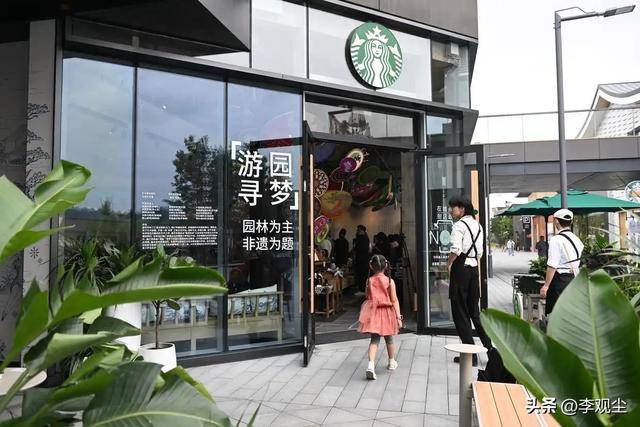
Core Viewpoint - A major American coffee giant has sold 60% of its stake in its Chinese operations for $4 billion, effectively relinquishing its dominance in the Chinese market [2][26]. Group 1: Market Dynamics - The coffee giant entered China in 1999 and expanded to 8,000 stores at its peak, capturing 34% of the high-end coffee market [5][8][10]. - The company failed to adapt to changing consumer preferences and maintained high prices, with basic coffee costing over 30 yuan, which limited its appeal [12][24]. - Local brands have emerged, offering innovative products that cater to Chinese tastes, such as the sauce-flavored latte, which sold over one million cups on its first day [17][19]. Group 2: Competitive Landscape - Local brands like Luckin Coffee have gained market share by providing high-quality, affordable options, with prices ranging from 10 to 20 yuan [19][24]. - The shift in consumer behavior towards convenience has favored local brands that utilize digital tools for ordering and delivery, contrasting with the coffee giant's traditional in-store model [21][30]. - The coffee giant's market share plummeted from 34% to 14% as local brands captured consumer loyalty [24][36]. Group 3: Strategic Decisions - Faced with declining performance, the coffee giant opted to sell 60% of its stake to a local capital firm, Bo Yu Capital, after multiple failed attempts at localization [26][28]. - The transaction signifies a loss of control over its operations in China, although the company retains 40% ownership and brand rights [28][30]. - The deal reflects a broader trend in the Chinese market where local brands are increasingly preferred, highlighting the need for foreign companies to adapt to local demands [32][34].

看懂这些关键领域,在2026年捡回「上行」信心
36氪· 2025-12-20 10:27
Core Insights - The article discusses the impact of AI on the workplace by 2025, highlighting both opportunities and challenges for job seekers and employers [5][6]. Group 1: AI and Job Market Dynamics - AI is expected to revolutionize job roles, but it also poses risks of job displacement, particularly for those in roles that can be automated [5]. - The emergence of "super individuals" in the workforce may lead to reduced job opportunities for others, as increased productivity from these individuals can displace multiple workers [5]. Group 2: Employer Branding and Recruitment Trends - There is a lack of investment in employer branding among companies, as many prioritize product performance over employee satisfaction [6]. - Companies are increasingly seeking "versatile talents" by expanding job descriptions, which may undermine the value of teamwork and specialized roles [6]. Group 3: Industry-Specific Insights - The advanced manufacturing sector is experiencing a surge in investment, particularly in robotics and 3D printing, with significant growth in talent demand [9]. - The chip manufacturing industry is accelerating its domestic production capabilities, with a reported 90% yield rate for new processes, indicating a strong push towards self-sufficiency [9]. Group 4: Employment Trends and Challenges - The article notes a structural talent shortage in various sectors, including robotics and chip manufacturing, with a reported talent gap exceeding 300,000 in the semiconductor industry [9]. - The article emphasizes the need for companies to adapt to changing market demands and invest in employee development to remain competitive [6][9].

纷纷拥抱“中国合伙人”,再本土化能否成为外资品牌2025新解法?
Xin Lang Cai Jing· 2025-12-20 05:44
Core Insights - The article discusses the trend of foreign brands in China opting for local partnerships and divestitures as they adapt to a competitive market landscape, exemplified by the recent strategic collaboration between Ingka Centers and Gaohe Capital regarding the Huiju shopping centers [2][3][4]. Group 1: Foreign Brand Divestitures - Ingka Centers has formed a strategic partnership with Gaohe Capital to establish a real estate fund, jointly owning three Huiju experience centers in Wuxi, Beijing, and Wuhan, with existing IKEA properties being repurposed [2]. - The partnership reflects a broader trend of foreign brands, such as Burger King and Decathlon, seeking local partnerships to navigate the competitive Chinese market [4][5]. - Burger King's parent company, Restaurant Brands International, announced a joint venture with CPE Yuanfeng, injecting $350 million into Burger King China, resulting in CPE holding approximately 83% of the equity [4]. Group 2: Market Challenges for Foreign Brands - Starbucks faces significant competition from local brands like Luckin Coffee, which has rapidly expanded its market presence, leading to a decline in Starbucks' same-store sales by 6% in Q1 2025 [8][10]. - The competitive landscape has forced Starbucks to reconsider its expansion strategy, focusing on smaller cities and emerging regions, which poses challenges to its traditional high-end brand image [10]. - The article highlights the cyclical nature of market dynamics, where foreign brands that once dominated are now collaborating with local entities to regain market share [9][10]. Group 3: Localization Strategies - The need for localization is emphasized, with companies like Adidas undergoing significant transformations to better align with local consumer preferences, resulting in a 12% revenue growth in Q3 2025 [13][14]. - Successful localization requires understanding local culture and consumer behavior, as demonstrated by Adidas' shift in strategy under local leadership [16][17]. - The article suggests that foreign brands must establish independent local teams with decision-making power to effectively compete in the evolving Chinese market [16][17].

护肤品牌林清轩开启招股;蜜雪冰城美国首店试运营;小红书社区架构再调整|创投大视野
36氪未来消费· 2025-12-20 04:24
Group 1 - Busy Money has completed a 10 million yuan angel round financing to support its nationwide expansion in the flash warehouse model [4] - Xiaohongshu has undergone a deep adjustment in its community organizational structure to integrate production, operation, and research [5] - KKV's Shenzhen store has been forced to suspend operations due to a unilateral termination of the lease by the shopping center [6][7] Group 2 - Mannings announced the closure of its stores in mainland China due to a strategic business adjustment, with offline stores set to close by January 15, 2026 [8] - Haotemai is closing stores in major cities due to rental issues and operational losses, with a significant reduction in new store openings [9] - Mixue Ice City is facing criticism over its breakfast pricing, with no current plans for price adjustments [10][11] Group 3 - Lin Qingxuan has initiated its IPO process, planning to raise 1.086 billion HKD with a share price of 77.77 HKD, targeting a listing on December 30, 2025 [13][14] - The core product, camellia oil essence, has sold over 45 million bottles since its launch, contributing 45.5% of the company's revenue in the first half of 2025 [14] - The company has seen significant revenue growth from 690 million yuan in 2022 to 1.21 billion yuan in 2024, with a profit turnaround from a loss of 5.93 million yuan to a profit of 187 million yuan [14] Group 4 - TikTok's CEO announced a new joint venture in the U.S. to handle data security and algorithm safety, while ByteDance retains control over e-commerce and advertising [12] - The Hainan Free Trade Port officially started its full island closure on December 18, 2025, as part of a national strategy [19] - The film "Avatar 3" has surpassed 100 million yuan in pre-sale and preview box office [20]



2025新消费大会:寻找新增量 从“中国消费”到“消费中国”
Xin Lang Cai Jing· 2025-12-19 23:35
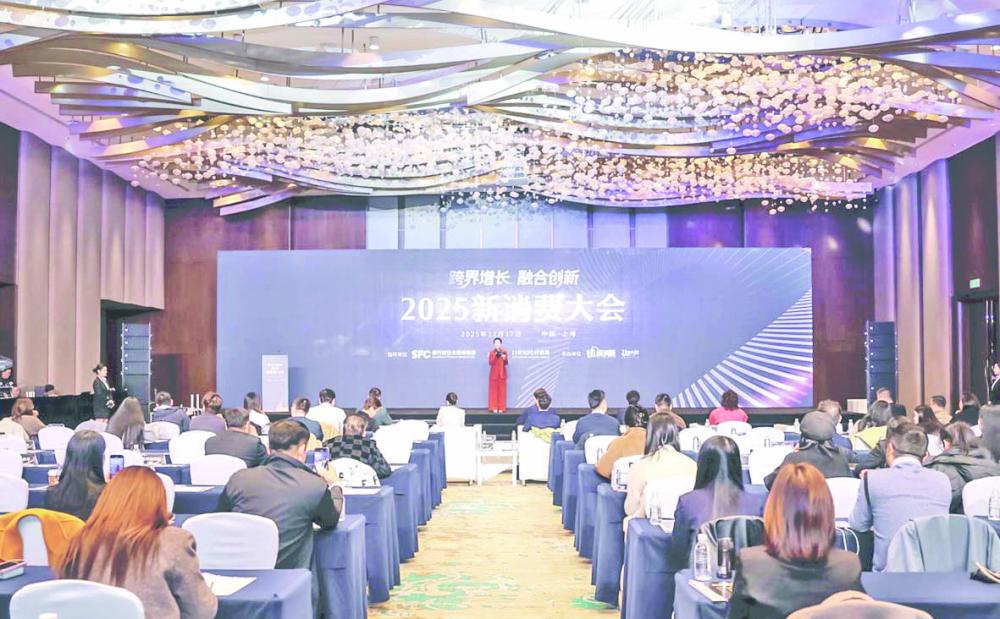
Core Insights - The "New Consumption Conference" held in Shanghai focused on the theme of "Cross-Border Growth and Integrated Innovation," discussing industry trends, business models, and strategies for rapid brand growth and innovation [2] - The consumer market is undergoing significant changes, driven by the emergence of the younger generation, particularly Generation Z, who are reshaping consumption demands and preferences [3][4] - The conference highlighted the importance of brands evolving from mere sellers to experience co-creators, emphasizing the need for deeper connections with consumers [5] Industry Trends - The consumption sector is witnessing a shift towards health-oriented and experiential consumption, moving from merely purchasing products to a holistic approach to self-care [4] - The Hong Kong stock market has become a primary venue for consumer companies to go public, with over 23 IPOs in the retail and consumption sector by the end of November [6][7] - The demand for new consumer brands is high, with a significant number of companies applying for listings, particularly in the consumer sector, indicating a robust supply-demand dynamic [7] Brand Strategies - Brands are increasingly focusing on international expansion as a core strategy, with successful domestic models serving as a foundation for global competition [8] - Emotional value is becoming a key decision-making factor in consumer choices, leading to the emergence of new consumption scenarios and demands [9] - Collaborative marketing and cross-industry partnerships are seen as effective strategies for brands to refresh their image and reach new consumer segments [9] Future Outlook - The 2025 consumer market in China is expected to explore new balances amid structural changes, with a focus on both short-term pressures and long-term confidence [10] - The conference underscored the ongoing transformation of consumption as a driving force for global economic growth, entering a phase rich with opportunities [10]
商业秘密|幸运咖、挪瓦咖啡门店破万背后:行业激战 盈利与增长如何平衡
Di Yi Cai Jing· 2025-12-19 14:00
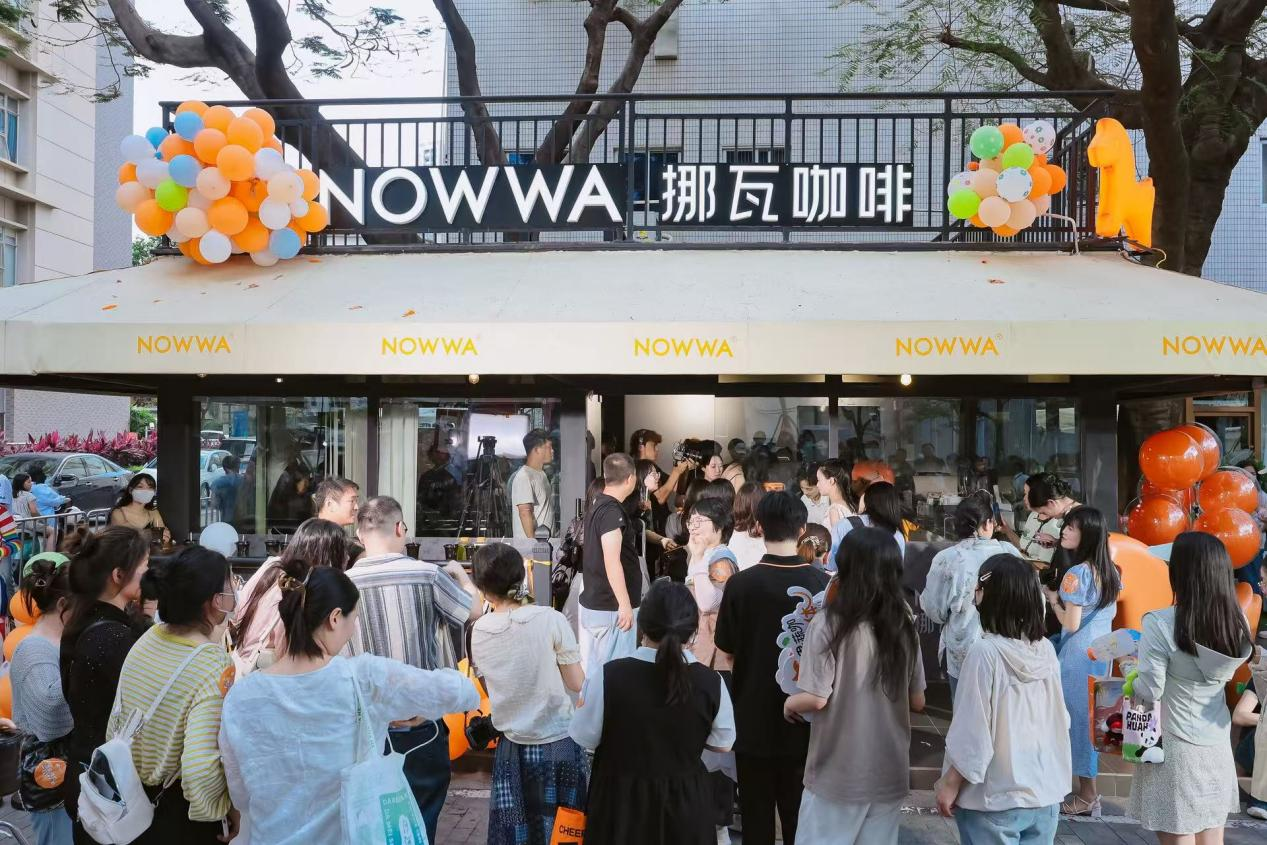
Core Insights - The coffee industry in China is experiencing significant expansion, with new brands like Luckin Coffee and Nova Coffee joining the "10,000 store club," indicating a shift in industry dynamics [1][2] - The competitive landscape is marked by aggressive price wars, leading to concerns about profitability for franchisees and established brands alike [2][3] Group 1: Industry Expansion - By December 2025, the number of coffee stores in China surpassed 10,000 for both Luckin Coffee and Nova Coffee, joining existing players like Luckin and Kudi [1] - The current market includes four major brands with over 10,000 stores each, highlighting a rapidly evolving competitive environment [1] - Nova Coffee's unique "coffee + convenience store" model has contributed to its rapid growth, achieving a 210% increase in daily cup sales through partnerships [1] Group 2: Competitive Dynamics - The coffee market is projected to reach nearly 250 billion yuan by 2024, with an expected growth rate of around 20% [3] - The number of coffee consumers in China is anticipated to double from 130 million in 2023 to 260 million by 2028, indicating substantial market potential [3] - Price wars initiated in 2023 have intensified competition, with brands adopting low-price strategies that have led to reduced profit margins for franchisees [3][4] Group 3: Consumer Behavior - Consumer preferences are shifting towards high-cost performance coffee, with a significant portion of consumers favoring lower-priced options [5] - A report indicates that 51.9% of consumers prefer new beverage products priced between 15-20 yuan, while only 4% are willing to pay over 25 yuan [5] Group 4: Future Directions - As competition escalates, brands are exploring various strategies to differentiate themselves, with Starbucks planning to expand its store count significantly [6] - Tims Coffee is focusing on differentiation by introducing complementary food items, aiming to stand out in a crowded market [6] - The market is expected to see a shift towards lower price points and a focus on convenience, with brands needing to adapt to survive [7]

商业秘密|幸运咖、挪瓦咖啡门店破万背后:行业激战,盈利与增长如何平衡
Di Yi Cai Jing· 2025-12-19 13:50
Group 1 - The coffee industry in China is experiencing significant expansion, with the number of stores for brands like Luckin Coffee and Nova Coffee surpassing 10,000, indicating a reshaping of the industry landscape [1][3] - The current market features four major brands with over 10,000 stores: Luckin, Kudi, Luckin Coffee, and Nova Coffee, highlighting a competitive environment [3] - Nova Coffee has introduced a unique "coffee + convenience store" model, achieving a 210% increase in daily cup sales through partnerships with channels like Meiyijia [3] Group 2 - The coffee market in China is projected to reach nearly 250 billion yuan by 2024, with an expected growth rate of around 20%, indicating substantial market potential [5] - The competition has intensified since 2023, leading to a price war among major brands, with some offering coffee at as low as 9.9 yuan, which raises concerns about profitability for franchisees [5][6] - The emergence of new brands is accelerating the restructuring of the industry, with a clear division between first-tier cities, where market saturation is approaching, and lower-tier cities, which still present significant growth opportunities [6] Group 3 - Starbucks is adapting to the competitive landscape by expanding its store count from 8,000 to 20,000 in partnership with Boyu Capital, indicating a strategic shift to regain market share [7] - Tims Coffee is pursuing a differentiation strategy by introducing complementary food items, such as baked goods, to stand out in a crowded market [7] - The industry is entering a "positioning battle," with low pricing becoming a norm and the focus shifting to capturing market share in less saturated areas like towns and subway terminals [8]
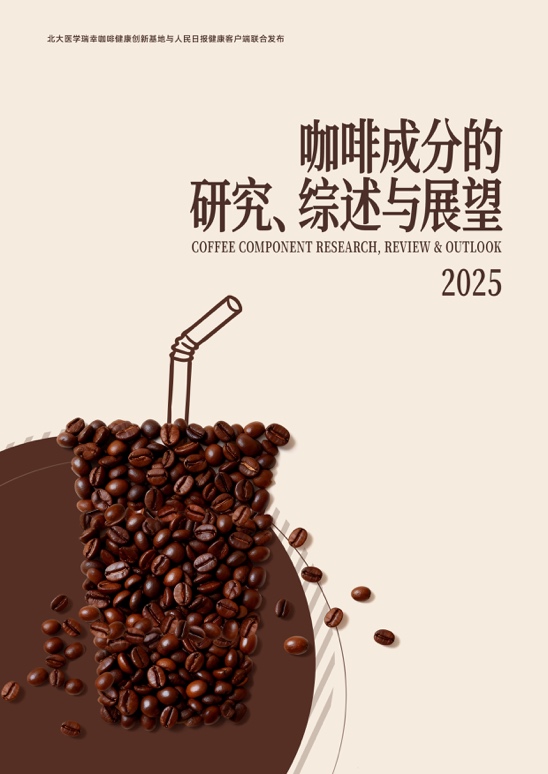
探索咖啡健康,瑞幸发布咖啡成分研究报告
Zhong Guo Jing Ji Wang· 2025-12-19 13:23
Core Insights - The report titled "Research, Review, and Outlook on Coffee Components by 2025" was jointly released by Peking University Medical Luckin Coffee Health Innovation Base and People's Daily Health Client, aiming to provide an authoritative and practical scientific reference for the public and industry [1][3] Group 1: Scientific Consensus and Public Health Concerns - The coffee market in China is rapidly growing, with increasing consumer demands for healthier drinking options, yet issues like insufficient labeling of key components and concept confusion persist, affecting consumer choices [3] - The implementation of new national standards and the "Healthy China" strategy necessitate guiding public awareness with scientific evidence to promote healthy consumption [3] Group 2: Health Component Analysis and Recommendations - The report systematically reviews core health components in coffee, such as caffeine and chlorogenic acid, and constructs a structured knowledge system, providing targeted drinking suggestions based on different health conditions and drinking habits [4] - Innovative research projects led by students further explore the mechanisms of coffee components, individual differences, and health responses under various physiological states, yielding valuable research outcomes [4] Group 3: Integration of Research and Industry - The report reflects the 2025 work summary and outlook of the Peking University Medical Luckin Coffee Health Innovation Base, showcasing the integration of research and industry practices [7] - The base, established in May 2024, aims to merge the research strengths of Peking University with the practical needs of Luckin Coffee, fostering innovative research that addresses public health needs [7][8] - A "Research Practice Center" was set up at Luckin Coffee's processing plant to enhance the connection between research and real industry scenarios, providing students with practical opportunities [8] Group 4: Commitment to Public Health and Industry Standards - Luckin Coffee is committed to supporting innovative research and translating scientific findings into industry standards, health guidelines, and public education, leading the coffee industry towards a more scientific and health-oriented future [8] - The release of this report signifies a shift in coffee health research from fragmented studies to a systematic approach, enhancing public scientific literacy and promoting a healthier national lifestyle [8]
聚焦跨界增长:平台、品牌与IP共拓市场蓝海
2 1 Shi Ji Jing Ji Bao Dao· 2025-12-19 12:06
Core Insights - The conference "New Consumption Conference" held in Shanghai focused on "cross-border growth and innovative integration" in the consumer industry, highlighting the evolving characteristics of the Chinese consumer market, which has undergone phases of "revenge spending, rational return, and structural differentiation" over the past three years [1][3]. Group 1: Market Trends - The current consumer market is increasingly characterized by stratification, personalization, and scenario-based consumption, necessitating precise market strategies to cater to diverse consumer needs [3]. - The "silver economy" is emerging as a significant consumer group, driven by the aging population, with growing market potential in areas such as elder care and entertainment services for younger seniors [3]. Group 2: Consumer Behavior - Youth consumers are becoming more rational in their spending, often comparing prices and seeking value for money, while also showing a rising demand for emotional value in their purchases [3]. - Instant consumption needs among young consumers are increasing, with a willingness to pay for time-saving and efficiency-enhancing products [3]. Group 3: Brand Strategies - Brands must provide more choices to meet the growing personalized demands of consumers, as highlighted by Adidas' approach to catering to different consumer segments with specific product lines [4][5]. - The importance of social media in e-commerce is emphasized, with brands needing to create a content pyramid for effective communication and conversion strategies [6]. Group 4: Celebrity and IP Utilization - Utilizing celebrity IP can enhance brand value by linking emotional value to products, allowing consumers to connect with brands through familiar figures [7]. - Successful brand collaborations require careful selection of partners and alignment of marketing goals to effectively engage target audiences [11]. Group 5: Innovative Marketing Approaches - The integration of online and offline experiences is crucial for driving consumer engagement, as demonstrated by Adidas' flagship store initiatives that attract consumers through unique events [8][9]. - Brands can leverage user-generated content and social media to create a closed-loop system of "communication-consumption-communication," enhancing brand visibility and consumer interaction [9]. Group 6: Future Collaborations - Adidas plans to deepen collaborations with diverse designers to infuse fresh ideas into their product lines, aiming to resonate with younger consumers and express cultural confidence [10]. - The essence of collaboration is to break boundaries and increase user engagement, ensuring that brand and celebrity styles align to avoid alienating audiences [11].