宝马

Search documents
事关中国?欧盟被曝将取消内燃机禁令,德国支持,西班牙反对
Guan Cha Zhe Wang· 2025-12-13 01:27
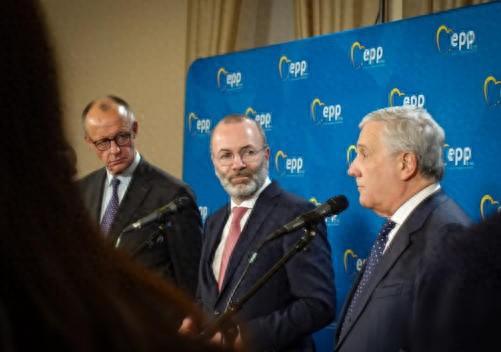
Core Viewpoint - The European Union is considering the repeal of the 2035 ban on internal combustion engine (ICE) vehicles, driven by pressure from member states like Germany and Italy, amid concerns over competitiveness against Chinese electric vehicle manufacturers [1][12]. Group 1: EU Policy Changes - The European People's Party (EPP) leader Manfred Weber announced that the European Commission will propose the repeal of the ICE ban on December 16 [2][3]. - Instead of a complete ban, a new proposal will require a 90% reduction in CO2 emissions for new registered vehicles starting in 2035 [3]. - There will be no target for 100% reduction in carbon emissions by 2040 [4]. Group 2: Industry Reactions - The announcement led to a rise in the European STOXX 600 automotive index by 0.8%, with traditional ICE manufacturers like Renault, Porsche, and Volkswagen seeing stock increases of 1.3% to 3% [6]. - German automakers such as Mercedes-Benz and BMW support the repeal, while companies like Volvo, which have invested heavily in electrification, oppose it, fearing it undermines future regulatory confidence [7]. Group 3: Diverging Opinions Among EU Members - Germany and Italy advocate for the repeal due to fears of losing competitiveness against Chinese firms, while Spain opposes it, citing risks to employment and the transition to electric vehicles [10][11]. - Spanish Prime Minister Sánchez warned that weakening the ban could delay modernization investments and harm the EU's goal of becoming a leader in electric vehicle manufacturing [11]. Group 4: Competitive Landscape - The EU's decision to potentially repeal the ban reflects anxiety over the competitive pressure from Chinese electric vehicle manufacturers, as evidenced by a significant increase in the registration of Chinese brands in Europe [15]. - In the first half of the year, 5.1% of new car registrations in 28 European countries were from Chinese brands, nearly doubling from the previous year [15].

ST逸飞:公司下游客户主要为锂电池制造企业,终端应用主要根据客户情况决定
Mei Ri Jing Ji Xin Wen· 2025-12-12 10:40
Group 1 - The investor inquiry on the interactive platform regarding whether the large cylindrical battery for BMW ix3 is produced by the company's equipment [1] - The company, ST Yifei, stated that its downstream customers are primarily lithium battery manufacturers, and the end applications are determined based on customer needs [1]

盘点2025:从召回超200万辆看新能源车企解决质量问题的能力
3 6 Ke· 2025-12-12 08:36
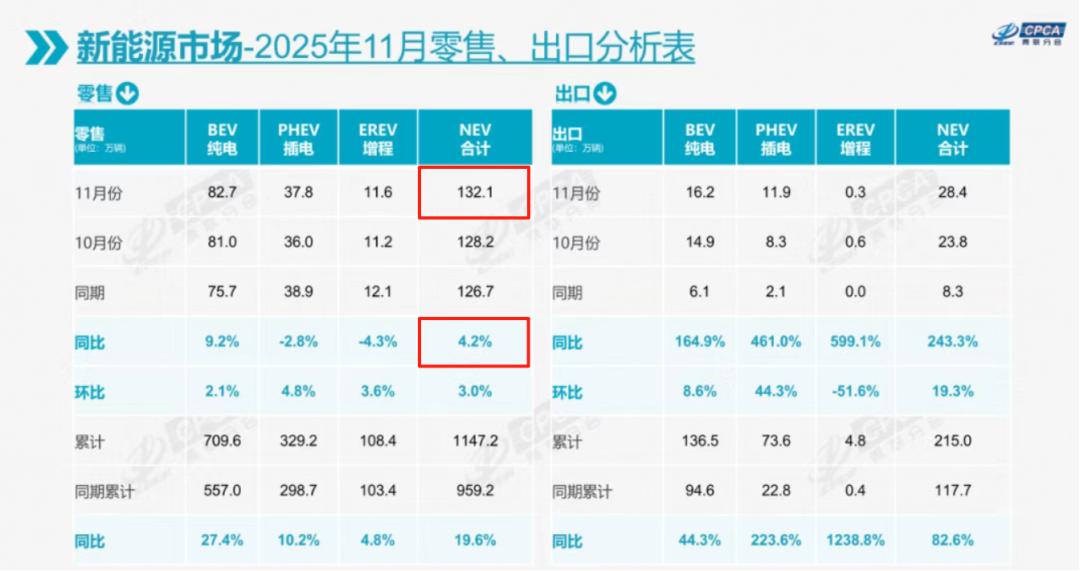
Core Viewpoint - The Chinese electric vehicle (EV) market is experiencing a paradox where high sales figures are accompanied by frequent recalls, raising concerns about quality and safety among consumers [2][3][19]. Group 1: Sales and Market Performance - In November, the total retail sales of new energy vehicles (NEVs) reached 132.1 thousand units, a year-on-year increase of 4.2% [1]. - BYD, the leading seller, sold over 480 thousand vehicles in November, but faced significant recalls due to battery issues affecting nearly 90 thousand units of the Qin PLUS DM-i model [2][5]. - Cumulative sales from January to November for NEVs reached 1,147.2 thousand units, up 19.6% year-on-year [1]. Group 2: Recall Trends - In the first half of 2025, there were 48 recalls in the NEV sector, totaling 1.529 million vehicles, a 20% increase from the previous year [3]. - Major brands like BYD, Xpeng, Xiaomi, BMW, and Toyota have initiated recalls due to issues primarily related to battery systems and electronic control failures [5][8]. - BYD has become a focal point for recalls, with over 200 thousand vehicles affected in just two months due to various battery-related issues [5][7]. Group 3: Consumer Sentiment and Trust - Consumers express growing concerns about the safety of their vehicles, with many feeling uneasy about the frequent recalls and questioning the reliability of brands like BYD [7][12]. - Discussions on social media reflect a shift in consumer attitudes, with potential buyers reconsidering their choices based on recall incidents and the perceived quality of vehicles [11][19]. - Trust in brands is increasingly tied to their response to quality issues, with consumers favoring companies that demonstrate transparency and effective problem resolution [24].

如何看待高成长与经典价值?柏基“传奇基金经理”2019年深度撰文 | 思考汇
高毅资产管理· 2025-12-12 07:03
Core Viewpoint - The article discusses the evolving landscape of investment strategies, particularly the tension between growth and value investing, emphasizing the need for a nuanced understanding of these concepts in the context of modern economic changes [6][8][9]. Group 1: Growth vs. Value Investing - James Anderson acknowledges a widening divide between growth and value investing, suggesting that traditional value metrics may not suffice in a changing economic landscape dominated by tech giants like Microsoft and Google [8]. - The article highlights that while growth and value investing appear divergent, they share fundamental principles, such as the importance of honest long-term cash flow estimation and risk awareness [9]. - Anderson emphasizes the need for a longer time perspective and serious company research, valuing patience and governance sensitivity inherent in value investing [9][10]. Group 2: Historical Context and Literature - The article notes a lack of literature supporting growth investing compared to the extensive documentation of value investing, which has a rich tradition and numerous classic texts [11][13]. - It references Benjamin Graham's views on growth stocks, indicating that while he recognized their potential, he also warned of their speculative nature and preferred investing in larger, less popular companies [13][14]. - The article argues that the realities of the past decade have diverged from Graham's observations, with growth stocks outperforming traditional value stocks [15]. Group 3: Future Investment Landscape - The article posits that future returns are highly uncertain, urging a reevaluation of investment beliefs and strategies in light of complex market dynamics [18][30]. - It suggests that understanding structural changes in the global economy is crucial for predicting long-term investment outcomes, rather than focusing solely on short-term financial metrics [33][34]. - The piece warns against relying on historical volatility to forecast future performance, advocating for a mindset open to exploring various possibilities [38][39]. Group 4: Case Studies - The article compares Coca-Cola and Facebook, illustrating how traditional value metrics may misrepresent the potential of high-growth companies [64][69]. - It highlights that Coca-Cola's growth has stagnated, while Facebook has shown significant growth potential, challenging the notion of which company represents true value [66][70]. - The automotive industry is used as a case study, showcasing how different companies within the sector exhibit varying growth and value characteristics, with General Motors and Ferrari serving as contrasting examples [82][88].




特朗普的政策“逆行”,能否让全球燃油车复兴?
Guan Cha Zhe Wang· 2025-12-12 05:09
(文/观察者网 张家栋 编辑/高莘) 日前,英国会计师事务所安永发布一份报告称,由于政策逆转、贸易战以及对电动汽车基础设施和成本 日益增长的怀疑,全球汽车买家正在回归燃油车。 该报告重点提到了美国政策"逆转"是燃油车复苏的关键,事实上,自本月初特朗普政府宣布将放松美国 燃油经济性(CAFE)标准的监管力度,并重新评估上一届政府制定的节能要求后,行业内便普遍将之 看作是特朗普为燃油车提供政策松绑的关键一步。 Pixabay 从今年就任美国总统以来,特朗普对于电动车的打压以及电动车的扶持早已成为公开的战略,但这份单 一市场的政策推动,究竟能否让燃油车在全球"复兴",恐怕仍需要打上一个大大的问号。 从全球市场规模结构和车企的运营与投资逻辑来看,美国市场在短期内或将因政策的变更带来燃油车的 销量回升,但无论在产业还是市场层面,汽车行业电动化的全球趋势显然已经是不可逆的状态。 9月全球电动汽车销量统计 MOTORWATT 值得一提的是,尽管特朗普政府百般阻挠电动化,甚至唱衰电动车市场前景,但全球各主销市场的电动 车销量依然在稳步增长。今年前三季度,全球新能源汽车销量同比大幅增长32%。其中,纯电动车占据 主导地位,销量 ...

华尔街见闻早餐|2025年12月12日
Sou Hu Cai Jing· 2025-12-11 23:52
逢低买盘推动标普500指数创下收盘新高,AI担忧打压纳指,甲骨文大跌11%;欧洲股市上涨;原油期 货跌1.5%;黄金期货涨超2%,白银和伦铜再创历史新高。 中央经济工作会议在北京举行。会议指出, 要继续实施适度宽松的货币政策,灵活高效运用降准降息等多种政策工具,着力稳定房地产市场,积极 有序化解地方政府债务风险,深入实施提振消费专项行动,清理消费领域不合理限制措施。 美国上周 首申失业救济人数增4.4万人,创2020年来最大增幅,续请人数骤降至8个月低点。 黄金"囤积潮"退去, 美国9月商品贸易逆差降至五年新低。 博通上季AI芯片收入加速增74%,料本季翻倍猛增,但积压订单 逊色,警告因AI产品销售,总利润率在收窄。博通股价盘后先一度涨4%,后转跌,曾跌超5%。 OpenAI发布GPT-5.2迎战Gemini,号称智能体编码最强,赶超人类专家,Altman料1月解除红色警报。 Altman说对"即将推出的芯片"感到兴奋。 迪士尼向OpenAI投资10亿美元,并向Sora授权标志性角色。 台积电明年CoWoS月产冲12.7万片,英伟达包揽过半,博通AMD紧随其后。 Rivian放大招挑战英伟 达:AI芯片+L4 ...


汽车智能化月报系列三十:9月城区NOA渗透率达16%,小鹏发布第二代 VLA、Robotaxi、全新一代 IRON【国信汽车】
车中旭霞· 2025-12-11 15:03
Core Insights - The article highlights the rapid advancements in automotive intelligence, particularly focusing on the penetration rates of various smart driving technologies and the latest developments from key players in the industry. Group 1: Key Developments in Automotive Intelligence - Xiaopeng Motors launched the second-generation VLA, Robotaxi, the new generation IRON, and two flight systems, all with clear mass production plans [10][39] - Pony.ai announced that its fourth-generation autonomous truck family will enter mass production next year [13] - WeRide received a pure unmanned license for its Robotaxi in Switzerland, marking a significant milestone in its global strategy [14] - Horizon Robotics deepened its strategic cooperation with Volkswagen Group to enhance smart driving capabilities [18] - Black Sesame Intelligence introduced the SesameX platform, aiming to revolutionize robotics with comprehensive intelligence [19] - Hesai Technology secured exclusive laser radar supply contracts for Li Auto's new generation of assisted driving platforms [20] - Youjia Innovation is accelerating the large-scale deployment of its unmanned logistics vehicle, the Xiaozhu T5 [21] Group 2: High-Frequency Core Data Updates - As of September 2025, the penetration rate of 800 million pixel cameras in passenger vehicles reached 67.8%, with an increase of 8 percentage points year-on-year [4] - The penetration rate of L2 and above smart driving functions in passenger vehicles reached 34.8%, up 19 percentage points year-on-year [5] - The penetration rate of laser radar in passenger vehicles was 12.2%, reflecting a year-on-year increase of 5.3 percentage points [5] - The penetration rate of OTA (Over-The-Air) updates in passenger vehicles reached 78.1%, with a year-on-year increase of 5 percentage points [6] Group 3: Market Performance and User Engagement - Xiaopeng Motors reported a record high of 42,013 new car deliveries in October 2025, a year-on-year increase of 76% [39] - Li Auto delivered 31,767 new vehicles in October 2025, with a cumulative delivery of 1,462,788 vehicles [42] - The cumulative mileage of Li Auto's assisted driving system reached 55.1 billion kilometers, with significant safety achievements [42][43]



欧洲要出局?俄罗斯眼中的国际秩序,中美俄三强并列!
Sou Hu Cai Jing· 2025-12-11 14:54
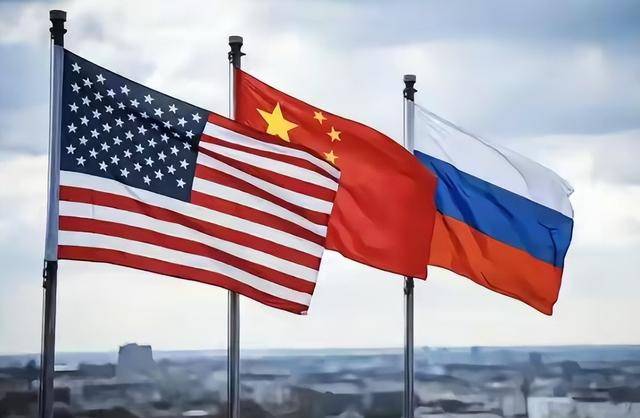
不是欧洲没上桌,而是它的那把椅子早就被人悄悄抽走。 未来世界将由中美俄说了算,听上去像是"口嗨",可你真要拆解一下这盘棋,就发现欧洲掉队,的确是 板上钉钉。 布鲁塞尔和它的盟友们还在高谈"软实力",可冷酷的现实是他们的硬通货,经济、能源与军事实力正在 断崖式滑落。 2025年12月初《美国国家安全战略》全文厚厚几十页,之前好歹还会在序言中象征性地喊欧洲一句"关 键伙伴",现在干脆用"重要盟友"这种模糊词混过去。 欧洲军工行业象征性地保留在全球前十的只剩个把门面;欧盟经济总量下跌严重;绿能投资被美国吸走 不少;连重大科技企业都开始搬去得州和亚利桑那。 华盛顿亮明新牌桌,欧洲发现自己连邀请函都没收到。 第一,战略存在感:俄乌冲突让莫斯科保持了全球焦点地位;逼迫欧盟用真金白银支持乌克兰,但换来 的是内部债务爆炸。 欧洲崛起靠三样东西:廉价俄气、对华出口、大西洋庇护,如今这三条线全断了,而且是自己把剪刀递 上去的。 2022年北溪管道被炸是信号弹也是分水岭,德国化工行业成本飙涨,巴斯夫跑到广东湛江投资新园区, 大众、宝马高端电池打算搬去重庆合肥。 在军工上,欧洲就更干脆地"裸奔"了。俄罗斯高超音速导弹"先锋""匕首" ...
崔东树:2025年11月乘用车零售降8% 大幅低于批发2%的增长
Zhi Tong Cai Jing· 2025-12-11 14:28
Core Viewpoint - The automotive market is shifting towards a trend of "price reduction and moderate promotions," with retail sales of passenger cars declining by 8% in November 2025, significantly lower than the 2% growth in wholesale sales [1] Group 1: Market Trends - The retail sales of passenger cars fell by 8% in November 2025, while wholesale sales increased by 2% [1] - The A0-class sedans and C-class SUVs became the main retail drivers in November, with strong performance in high-end SUVs [1] - The retail environment is influenced by consumer urgency due to the expiration of tax exemptions for new energy vehicles, leading to increased sales in December [2] Group 2: Economic Vehicle Market Performance - A00-class sedans saw wholesale of 171,900 units in November 2025, with a year-on-year decline of 1% and a month-on-month increase of 4% [4] - A0-class sedans had wholesale of 183,500 units in November 2025, showing a year-on-year growth of 25% [5] - A0-class SUVs experienced a wholesale decline of 9% year-on-year in November 2025, with retail sales also down by 22% [6] Group 3: A-Class Vehicle Market - A-class sedans had wholesale of 445,800 units in November 2025, with a year-on-year decline of 7% [8] - A-class SUVs had wholesale of 880,000 units in November 2025, with a year-on-year decline of 2% [9] Group 4: B-Class Vehicle Market - B-class sedans had wholesale of 380,500 units in November 2025, with a year-on-year growth of 3% [10] - B-class SUVs saw wholesale of 454,200 units in November 2025, with a year-on-year growth of 10% [11] - The high-end SUV market is witnessing a rapid rise in autonomous new energy vehicles, while traditional fuel vehicles are losing their competitive edge [12] Group 5: MPV Market Trends - B-class MPVs had wholesale of 45,100 units in November 2025, with a year-on-year growth of 40% [13] - C-class MPVs experienced a year-on-year decline of 20% in wholesale in November 2025 [14] - The MPV market is transitioning from a high-growth phase to a low-growth trend, with strong performances from brands like BYD and Tengshi [14]



维修费比油车多花一倍!新能源车为何修不起?
Xin Lang Cai Jing· 2025-12-11 10:17
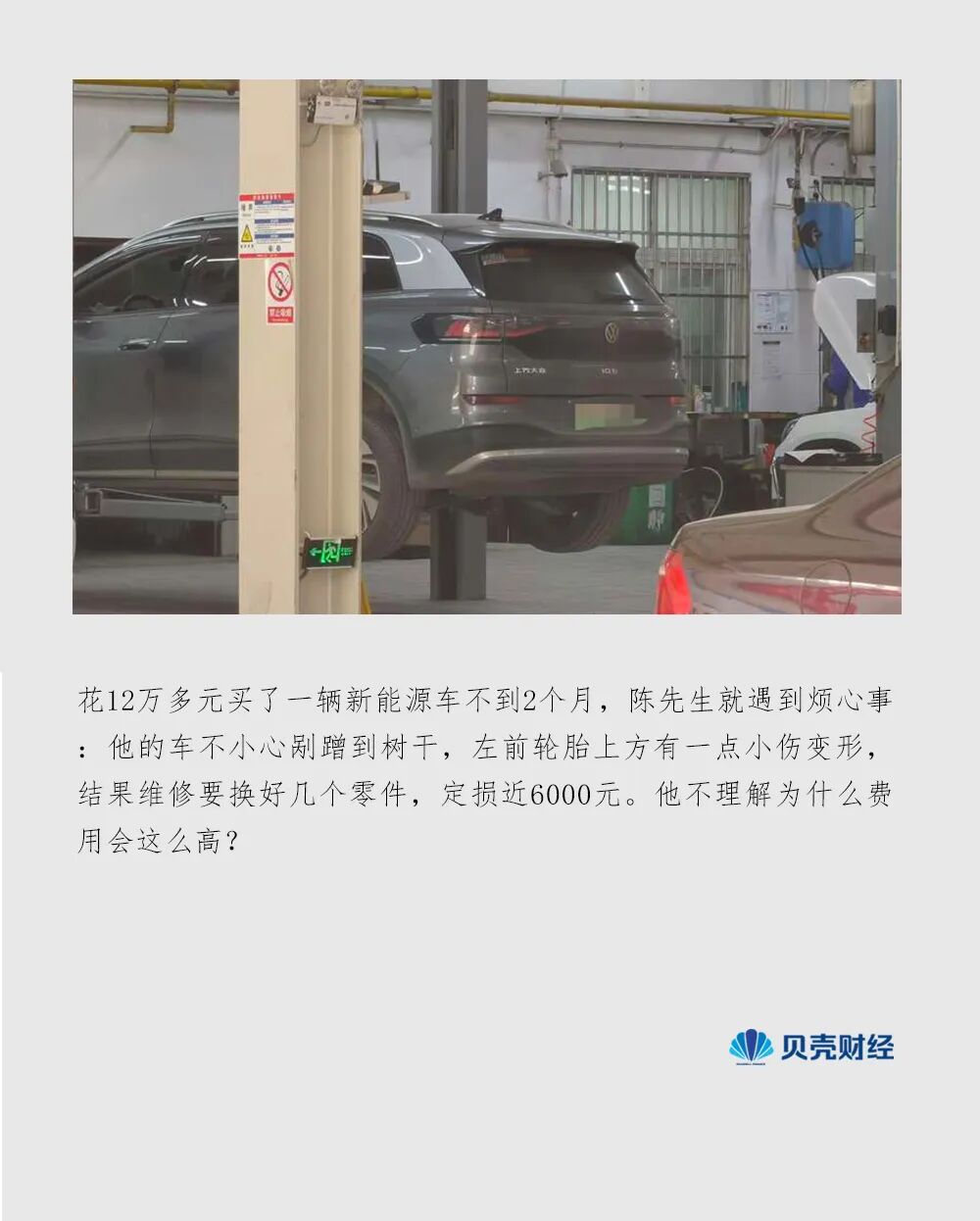
Core Insights - The high cost of maintenance for electric vehicles (EVs) is a significant concern for owners, with repair costs being 2-2.5 times higher than that of traditional fuel vehicles for minor damages [3][4][9] - There is a severe shortage of qualified EV maintenance technicians, with only about 100,000 certified technicians available and a gap of approximately 842,000 needed in the industry [4][20][40] - The combination of high repair costs, lack of skilled technicians, and monopolistic practices in the parts supply chain creates a challenging environment for EV owners [4][27][37] Group 1: High Repair Costs - Repair costs for EVs can reach thousands or even tens of thousands of yuan, with examples including a nearly 20,000 yuan cost for a minor rear trunk repair on a Tesla Model 3 [7][29] - Owners report that even minor repairs, such as replacing a bumper or headlight, can cost several thousand yuan, with some repairs involving battery or chassis replacements exceeding 10,000 yuan [8][30][31] - The average cost of battery replacement can account for 51% of the total vehicle price, indicating the high expense associated with core components [9][33] Group 2: Technician Shortage - The industry faces a significant shortage of EV maintenance technicians, with estimates indicating a need for over 842,000 additional skilled workers [4][20][40] - Many existing technicians lack the necessary training to handle the complexities of EV repairs, particularly those involving high-voltage systems and advanced electronic components [41][42] - The transition from traditional fuel vehicle maintenance to EV maintenance requires substantial retraining, which is currently not keeping pace with the rapid growth of the EV market [20][42] Group 3: Monopolistic Practices - The supply chain for EV parts is often controlled by manufacturers, making it difficult for independent repair shops to access necessary components [34][37] - Many EV manufacturers impose restrictions on warranty coverage if repairs are not conducted through authorized channels, discouraging owners from seeking third-party repair options [36][37] - The lack of transparency in pricing and repair processes contributes to the perception of high costs and limited options for consumers [44] Group 4: Recommendations for Improvement - Industry experts suggest establishing a centralized automotive service data platform to improve transparency and efficiency in the repair process [43][44] - There is a call for policy initiatives to support the development of a balanced aftermarket service ecosystem for EVs, similar to what has been achieved for traditional vehicles [44] - Long-term strategies should focus on reducing repair costs through improved technology and parts availability, ultimately enhancing consumer confidence in EV ownership [44]