
万科A

Search documents
房地产行业周度观点更新:年中或再迎交易窗口-20250505
Changjiang Securities· 2025-05-05 06:50
Investment Rating - The report maintains a "Positive" investment rating for the real estate industry [13]. Core Insights - The real estate sector is currently at a bottom range, with a significant downward trend in volume and price having likely passed. The industry is expected to see a policy trading window around mid-year, despite short-term policies not meeting market expectations [2][11]. - The adjustment phase of the industry has entered its second half, with the fastest decline in volume and price likely over. The core areas and quality properties present structural highlights [7][11]. - Continuous easing of industrial policies is anticipated, although the stabilization of the market remains fragile. The potential for further policy easing exists, including interest rate cuts and tax incentives [2][11]. Market Performance - The Yangtze River Real Estate Index decreased by 2.80% this week, with a year-to-date decline of 6.43%. The sector ranks low in performance relative to the broader market [8][16]. - In April, new home registrations in sample cities turned negative year-on-year, while second-hand home sales saw a decrease in growth rate [10][19]. Policy Developments - Recent policies include tax deductions for second-home loans transitioning to first-home loans, and various local governments have introduced new real estate measures to stimulate the market [9][18]. - Notable local policies include the introduction of housing vouchers in Nanjing and changes to housing fund regulations in Shanghai, aimed at increasing accessibility for non-residents [9][18]. Sales Data - In April, the new home transaction area in 37 cities saw a year-on-year decline of 7.5%, while second-hand homes experienced a year-on-year increase of 19.3% [10][19]. - The cumulative year-to-date transaction area for new homes in 37 cities is up by 0.9%, while second-hand homes have increased by 28.7% [10][19].
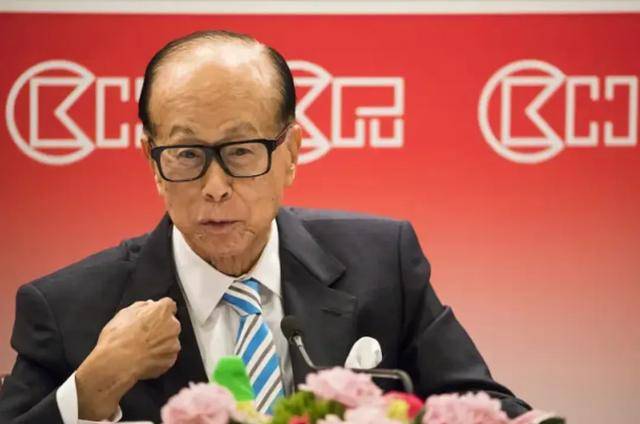
李嘉诚一言:未来十年,把房子存款换成这4个资产
Sou Hu Cai Jing· 2025-05-04 19:55
Core Insights - The article emphasizes the importance of asset diversification in the current economic climate, suggesting that individuals should focus on knowledge, gold, quality real estate, and health as key assets to preserve wealth [3][10]. Group 1: Knowledge and Skills - Knowledge and skills are highlighted as essential assets, with a focus on continuous learning and adaptation to avoid obsolescence in the job market. The article cites a McKinsey report predicting that 30% of jobs could be automated by 2030, particularly affecting traditional manufacturing roles [3][10]. - The average salary in the IT sector is projected to increase by 12% in 2024, while traditional manufacturing only sees a 3% increase, indicating a significant shift in value towards tech skills [3][10]. Group 2: Gold - Gold is presented as a reliable asset, with prices rising from over 400 yuan per gram in 2020 to over 600 yuan currently. The article notes that gold tends to perform well during global turmoil, such as an 8% increase during the Russia-Ukraine conflict [4][5]. - The domestic gold ETF market is expected to exceed 20 billion yuan in 2024, indicating growing interest among retail investors in gold as a financial instrument [5]. Group 3: Quality Real Estate - The article discusses the real estate market, noting a 5.8% decline in average housing prices nationwide in 2024, while core areas in first-tier cities saw a 2.5% increase. This suggests a divergence in real estate value based on location and quality [6][7]. - The government is implementing measures to absorb excess inventory, creating opportunities for savvy investors to acquire undervalued properties [7]. Group 4: Health - Health is framed as a critical asset, with statistics indicating that 70% of Chinese adults are in a state of sub-health. The article emphasizes the importance of maintaining good health to avoid costly medical expenses [8][10]. - The trend of "health investment" is growing, with high demand for premium health services and products, reflecting a shift in consumer priorities towards health and wellness [9].

券商批量调整评级!这些股票被上调
券商中国· 2025-05-04 10:07
Group 1: Core Views - The recent upgrades in stock ratings by brokerages are primarily concentrated in sectors with significant performance growth, rising industry sentiment, or turnaround situations, particularly in AI and robotics [2][5] - The number of stocks downgraded by brokerages has reached a year-to-date high, with notable downgrades in the coal and tourism sectors [5][6] Group 2: Upgraded Stocks - Multiple stocks in the AI and robotics sectors have received rating upgrades, including: - Platinum New Materials, with a projected net profit of 376 million yuan for 2024, a year-on-year increase of 46.9% [2] - Huichang Communications, expected to achieve a net profit of 29 million yuan in 2024, turning profitable with a 12.28% year-on-year revenue growth in Q1 [2] - Beijing Junzheng, with Q1 revenue of 1.06 billion yuan, a 5.3% year-on-year increase, and anticipated market recovery [3] - Keli Sensor, reporting a net profit of 76 million yuan in Q1, a nearly 76% year-on-year increase [3] - Nanshan Zhishang, recognized for its leading position in domestic wool spinning and new materials applications [3][4] Group 3: Downgraded Stocks - Several coal stocks have been downgraded, including: - Shanxi Coking Coal and Pingmei Shenma, downgraded to "overweight" due to weak coking coal prices [5] - Shanmei International, also downgraded to "overweight" despite low mining costs and potential production increases [5] - The tourism sector has seen downgrades, such as: - Jinjiang Hotels, with a Q1 net profit of 36 million yuan, down 81% year-on-year [5] - Miao Exhibition, downgraded due to declining revenue amid intensified competition [6] Group 4: Market Outlook - Brokerages are optimistic about AI and high-dividend sectors for May, with expectations of a continued oscillating market [7] - Recommendations include focusing on three main directions: financial dividends, self-sufficiency in industries like military, and domestic consumption [7] - The market is expected to follow a gentle recovery path, with attention on cyclical sectors and growth styles, particularly in AI and robotics [7]



湾财周报|人物 刘强东送外卖;王石代言遇冷;董明珠连任
Sou Hu Cai Jing· 2025-05-04 08:51
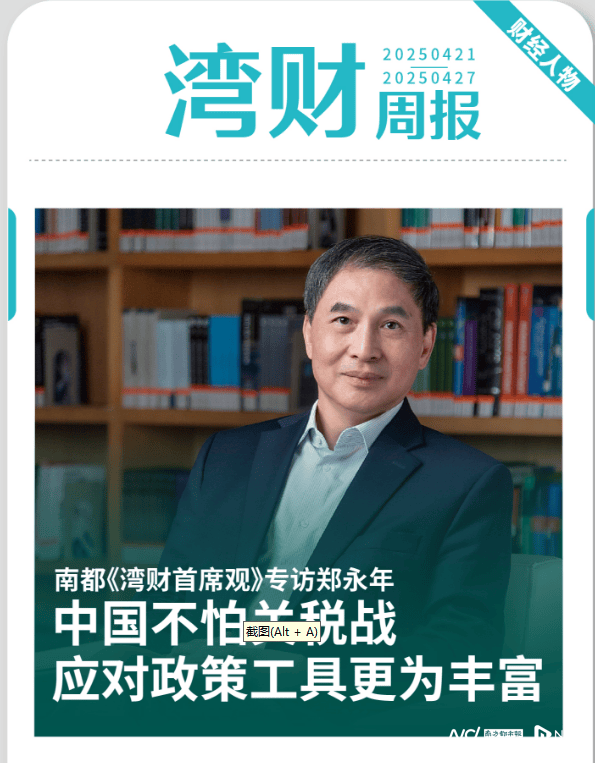
Group 1 - The core viewpoint of the article is that China is not afraid of a tariff war and has a richer set of policy tools to respond compared to the United States [2] - China does not wish to initiate a tariff war but will base its responses on its economic needs [2] - The Chinese government has more operational space in both tariff and financial policy areas, which can effectively mitigate the negative impacts of the U.S. tariff war on its economy [2] Group 2 - JD.com's founder Liu Qiangdong personally delivered food, which was confirmed by the company, highlighting the brand's engagement with customers [4] - Wang Shi, founder of Vanke Group, endorsed a high-priced product "Total Executive Bird's Nest," but sales have been disappointing, raising questions about market acceptance of premium health products [4] - Gree Electric's board has elected Dong Mingzhu as chairperson for the 13th board term, while Zhang Wei has been appointed as the new president, indicating a leadership transition [5] Group 3 - Zheng Jiashun will step down as chairman of the nomination committee at New World Development, with his daughter Zheng Zhiwen appointed to the committee, marking a generational leadership change [7] - Wang Youlin, founder of Kangli Elevator, passed away at the age of 62, which may impact the company's future direction and leadership [8]

大模型浪潮席卷物业,50%头部物企重金投入仍陷困局,三大转型路径成关键
Hua Xia Shi Bao· 2025-05-02 06:13
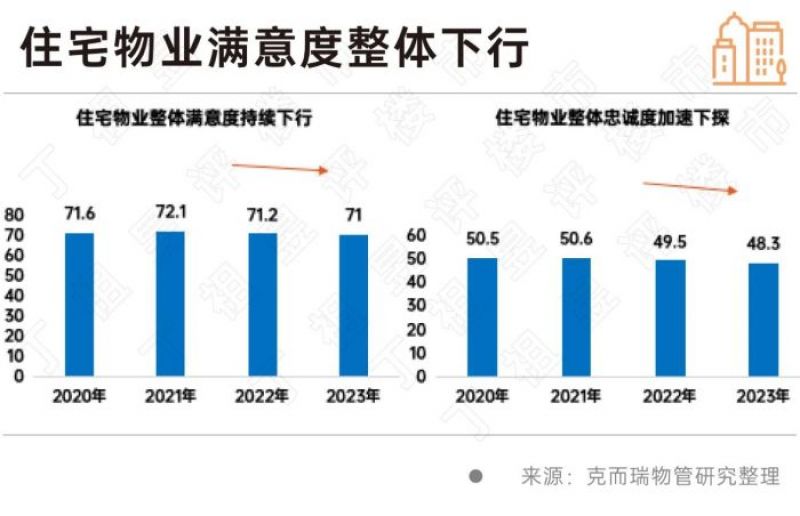
Core Insights - The property management industry is undergoing significant transformation driven by the need for digitalization and AI integration to address operational challenges and enhance service quality [3][4][8] Group 1: Industry Challenges - 50% of leading property companies have implemented AI large models, but face issues such as data fragmentation, insufficient industry knowledge structuring, data silos, real-time bottlenecks, and balancing security with efficiency [3][8] - The industry is experiencing a dual pressure of rising labor costs and declining revenue, leading to a negative spiral in service quality and overall revenue [4] - The average annual digital investment by leading property companies has reached tens of millions, yet the industry still struggles with imbalances in investment and output, service capability gaps, and dormant data assets [3][4] Group 2: AI Integration and Opportunities - The CEO of CRIC Group highlighted three transformation paths for the property service industry driven by AI: enhanced intelligent service response, predictive maintenance loops, and upgraded operational management centers [3] - A survey indicated that 92.86% of leading property companies are highly focused on the implementation of AI large models in 2024, with 42.86% already applying them in specific business scenarios [4] - CRIC has launched an AI assistant specifically for property companies, which provides standardized intelligent services and customizable AI solutions, aiming to bridge the gap between AI platforms and practical applications [9] Group 3: Innovations and Future Directions - Vanke Property has successfully implemented a "human + machine + remote operation" service model across over 3,000 communities, showcasing a leading example of smart community governance [7] - The concept of "good houses" has been emphasized in government reports, highlighting the importance of smart, safe, and green living environments, with AI technology being a key driver for this initiative [8] - CRIC aims to leverage its data asset transformation capabilities, scene penetration abilities, and ecological evolution to establish a competitive advantage in the property AI collaboration space [9]

前4月百强房企销售过万亿
第一财经· 2025-05-02 04:16
Core Viewpoint - The real estate market is showing signs of stabilization, with top 100 real estate companies experiencing a slight decline in sales but maintaining a steady recovery trend [1][3]. Group 1: Sales Performance - In April, the top 100 real estate companies achieved a sales turnover of 284.68 billion yuan, with a cumulative sales turnover of 1,018.17 billion yuan from January to April, reflecting a year-on-year decrease of 6.7% [1]. - Poly Developments leads the sales rankings with a turnover of 80.61 billion yuan, followed by Greentown China and China Overseas Land & Investment with 71.02 billion yuan and 61.39 billion yuan respectively [1]. - The sales thresholds for different tiers of companies have shown differentiation, with the top 10, 30, and 50 companies experiencing increased sales thresholds, while the top 20 companies saw a year-on-year decrease of 8.9% to 11.26 billion yuan [1]. Group 2: Market Strategy - Real estate companies are shifting focus from merely achieving sales targets to enhancing high-quality development and improving contract collection rates [2]. - The implementation of "one city, one policy" marketing strategies allows companies to respond quickly to market changes and optimize regional land reserve structures [2]. - Investment strategies are now concentrated on high-capacity cities, prioritizing projects with high revenue certainty, leading to significant land acquisitions in core areas of first and strong second-tier cities [2]. Group 3: Market Outlook - The new housing supply in April remained stable compared to the previous month, but transaction volumes showed a slight decline, with expectations for May indicating a similar trend [3]. - The emphasis on constructing "good houses" has been reinforced by the government, with a significant portion of the housing stock being older, indicating a persistent demand for high-quality housing [3]. - The central government is expected to accelerate the implementation of supportive policies for the real estate market, which may lead to continued recovery in core city markets [4].





A股2024年及2025年1季度归母净利润初析
雪球· 2025-05-02 00:05
Core Viewpoint - The overall net profit of 5,399 listed companies in A-shares for 2024 is projected to be 5.2142 trillion yuan, a decrease of 2.23% compared to 2023, with only the Shanghai Main Board showing a slight increase of 2.79% [3][4]. Financial Performance Summary - In Q4 2024, the total net profit for 5,399 companies was only 786.98 billion yuan, a year-on-year decline of 14.18%, with the Shanghai Main Board being the only sector to show a slight increase of 0.81% [4]. - The number of loss-making companies in 2024 reached 1,449, accounting for 26.84% of the total [3]. - In Q1 2025, there was a slight recovery with a total net profit of 1.4896 trillion yuan, an increase of 3.61% year-on-year, driven by significant growth in the Shenzhen Growth Enterprise Market [4][8]. Sector Analysis - The banking sector remains the most profitable, with 42 banks earning 485.59 billion yuan in Q4 2024, representing 61.70% of the total profit of 786.98 billion yuan for all companies [7]. - The agriculture, forestry, animal husbandry, and fishery sector saw the highest increase in net profit for 2024 at 1,486.40%, largely due to the pig cycle [8]. - The real estate sector experienced the most significant decline, with a year-on-year decrease of 3,228.65% in 2024, indicating ongoing challenges in the industry [8]. Company Performance - The top ten companies by net profit in 2024 were all from the Shanghai Main Board, predominantly banks, with the highest being Shanghai Pudong Development Bank at 3.62366 billion yuan [11]. - The bottom ten companies included several from the real estate sector, with Vanke A reporting a loss of 553.63 million yuan, marking it as the largest loss-maker [14]. Quarterly Performance Trends - In Q4 2024, 13 out of 32 industries reported losses, with the media and real estate sectors being the most affected [8]. - By Q1 2025, only the real estate sector reported losses, indicating a potential stabilization in other sectors [8].

4月份A股面对冲击展现韧性
Sou Hu Cai Jing· 2025-05-01 12:19
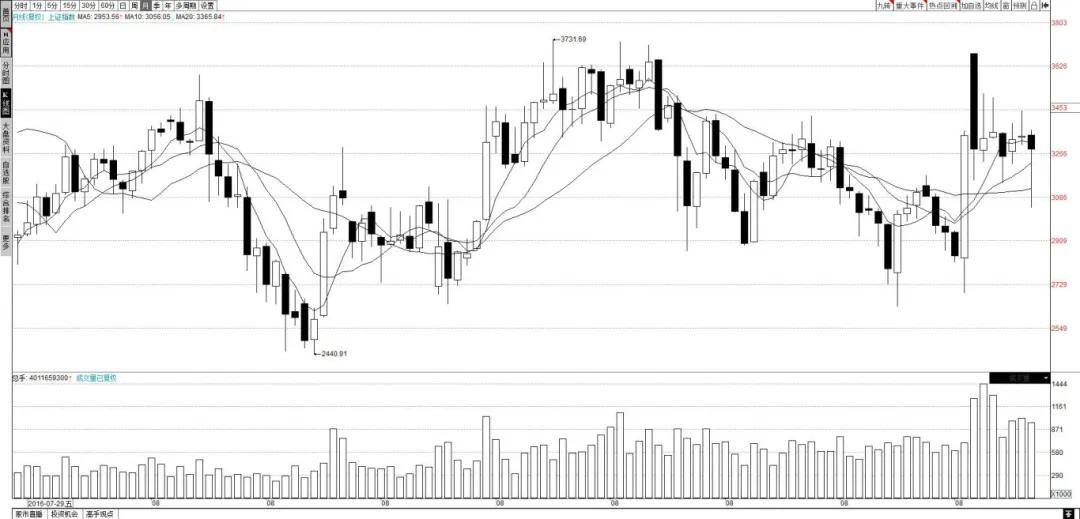
Market Performance - In April, the A-share market showed resilience despite the impact of the trade war initiated by the Trump administration, with the Shanghai Composite Index only declining by 1.7% [1][2] - The Shanghai Composite Index reached its lowest point on April 7 at 3040.69 points, with a subsequent recovery to close at 3279.03 points by the end of the month [2][4] - The Shenzhen Component Index and the ChiNext Index also experienced significant declines of 5.75% and 7.4% respectively, but both indices showed recovery towards the end of the month [4][10] Company Earnings - The overall performance of listed companies in 2024 is projected to decline for the second consecutive year, with total operating revenue of 71.7 trillion yuan, a decrease of 0.7% year-on-year, and net profit attributable to shareholders of 5.2 trillion yuan, down 2.28% [11][13] - The primary reasons for the decline in earnings are substantial losses in the real estate and photovoltaic sectors, with 1,333 companies reporting losses, accounting for 26% of the total [11][13] - Notably, four real estate companies reported losses exceeding 10 billion yuan, with Vanke losing 49.5 billion yuan, and other major losses from companies like *ST Jinke and Greenland Holdings [11][13] Quarterly Recovery - In contrast to the annual decline, the first quarter of 2025 showed signs of recovery, with net profit for 5,133 listed companies reaching 1.487 trillion yuan, an increase of 3.6% year-on-year [17][19] - This growth is particularly significant given the backdrop of declining bank profits, with 42 listed banks reporting a total net profit of 564 billion yuan, a decrease of 68 billion yuan compared to the previous year [19] - The recovery in the first quarter suggests that many companies are beginning to improve their performance, indicating a positive start for the Chinese economy in 2025 [17][19]





A股2024年业绩扫描
21世纪经济报道· 2025-04-30 23:39
Core Viewpoint - Despite a complex internal and external environment, A-share listed companies demonstrated strong resilience in 2024, with total operating revenue of 70.46 trillion yuan, a slight decrease of 0.1% year-on-year, and a net profit attributable to shareholders of 5.21 trillion yuan, down 0.285% year-on-year [3][5]. Group 1: Company Performance - Over 4,000 out of 5,392 listed companies reported positive profits, with more than 2,500 companies showing positive net profit growth. Approximately 550 companies achieved a net profit growth rate exceeding 100% [5][6]. - The top performer, Zhengdan Co., achieved a staggering 119-fold increase in net profit, driven by significant sales and price increases of its main product, TMA [5][6]. - Companies in the AI sector, such as Haitian Ruisheng and Beike, reported net profit growth exceeding 100%, reflecting the strong demand for AI-related products [7]. Group 2: Industry Trends - The rapid iteration of AI technology and its application in various scenarios is a core driver of performance growth among listed companies. The demand for computing power has surged, benefiting industries like GPU, PCB, and storage chips [6][7]. - The consumer electronics sector is experiencing a rebound, with a reported 5.6% year-on-year increase in smartphone shipments in China, marking a recovery after two years of decline [8]. - International business expansion is accelerating, with 3,653 companies reporting overseas revenue of 9.43 trillion yuan, accounting for about 20% of their total revenue [10][11]. Group 3: Internationalization - Companies are increasingly investing in emerging markets and localizing operations to mitigate risks. For instance, Transsion Holdings reported overseas revenue of 65.91 billion yuan, with significant contributions from the African market [11][12]. - The medical device company Mindray achieved a 21.28% year-on-year increase in international revenue, highlighting the importance of foreign markets in sustaining growth amid domestic challenges [11][12]. Group 4: Losses in Certain Sectors - A total of 124 companies reported net losses exceeding 1 billion yuan, with real estate companies being the most affected. Vanke A led the losses with a deficit of 49.48 billion yuan [14][15]. - The energy sector, including solar and lithium mining companies, also faced significant losses due to oversupply and intensified competition [14][15].
市领导开展“五一”节前安全生产检查
Zhen Jiang Ri Bao· 2025-04-30 23:32
"五一"假期前夕,市领导分多路开展节前安全生产检查,进一步把好节前安全关,确保全市人民度 过一个快乐的"五一"假期。 4月27日,市委常委、副市长周凯率市应急管理局、市国资委、市消防救援支队等部门负责人,赴 索普集团、大东纸业开展安全生产检查。在索普集团生产调度中心,周凯认真听取企业负责人关于安全 生产管理、风险防控及应急措施的情况汇报。随后,周凯来到大东纸业生产车间,详细了解企业安全生 产制度执行情况,重点检查生产设备安全防护、作业环境及员工安全操作规范。他要求企业进一步加强 节日期间安全巡查,做好应急值守,严防各类事故发生。 4月27日,市委常委、常务副市长张克率市应急管理局、市消防救援支队负责人赴丹阳开展节前安 全生产检查。张克一行先后走进丹阳市助剂化工厂有限公司、江苏辰阳电子有限公司了解安全生产措施 落实情况。张克强调,必须时刻绷紧安全这根弦,要压紧压实企业主体责任、行业监管责任、属地管理 责任,立足于依靠有效管用的机制抓责任落实。要突出智慧消防建设,提升应急处置能力,加强值班值 守,完善应急预案,强化员工安全培训,全力保障人民群众生命财产安全与社会稳定。 4月30日,副市长武鸣带队开展节前安全检查。 ...