问界

Search documents
鑫椤锂电一周观察 | 锂电设备行业阵痛期与加速出海
鑫椤锂电· 2025-05-09 08:48
-广告- 关注公众号,点击公众号主页右上角" ··· ",设置星标 "⭐" ,关注 鑫椤锂电 资讯~ 本文来源: #鑫椤锂电 行业热点 锂电设备公司业绩盘点:行业阵痛期与加速出海 2024年锂电设备公司营业收入普遍下滑,部分出现亏损: 大多数公司2024年营业收入同比出现20%-50% 的降幅, 仅曼恩斯特、星云股份和纳科诺尔等少数公司保持正增长。 利润方面,大多数公司出于谨慎原则计提了较高减值,导致归母净利润同比降幅相较收入降幅扩大,海目 星、利元亨、金银河和星云股份等公司出现了亏损。业绩下滑反映了2024年国内锂电下游市场需求放缓, 客户设备验收节奏有所延迟的情况。2025年一季度行业出现分化,部分头部公司降幅收窄:大多数公司延 续下滑趋势,甚至出现了营收和利润同比降幅的进一步扩大;但部分头部公司业绩出现改善趋势,如先导 智能和杭可科技的收入和利润降幅均出现了环比改善。 业绩改善反映了2025年至今国内锂电下游需求逐渐 回暖以及海外需求的拓展加速。 比亚迪又一海外工厂动工! 柬埔寨第一个新能源汽车生产基地—— 比亚迪柬埔寨乘用车工厂,于当地时间28日在西哈努克港经济特区 举行奠基仪式。 据了解工厂总投资额 ...

车企“智驾”,集体改名
Nan Fang Du Shi Bao· 2025-05-08 13:02
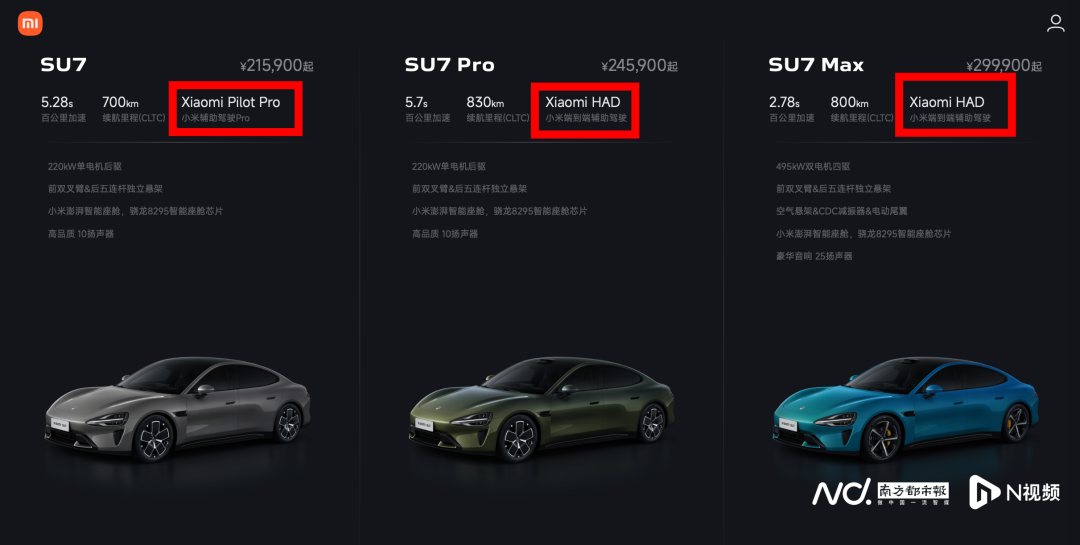
小米汽车与近日调整了SU7新车订购页面的措辞:将"智驾"修改为"辅助驾驶",另外,"代客泊车"功能的介绍也被修改为"代客泊车辅助"。小米汽车官方 回应媒体称,此举为响应国家号召,顺应汽车行业驾驶自动化分级标准。 小米汽车官网截图 南都记者注意到,小米汽车并非个例,理想、蔚来、鸿蒙智行等多家车企也纷纷调整了宣传口径,不再使用"高阶智驾"等概念,而是普遍采用"导航辅助 驾驶"等说法。 小米汽车3月29日事故已经过去月余,虽然事故原因仍在调查中,但公众对智能驾驶技术开启了深入的反思:当我们将方向盘让渡给算法时,究竟在让渡 什么? 多家车企"智驾"更名背后 一场合规与责任的博弈 工信部明确要求车企在宣传中不得使用"自动驾驶""自主驾驶""智驾""智能驾驶""高阶智驾"等容易引发误解的名词,必须以"智驾等级 + 辅助驾驶"进行描 述,例如"L2 级辅助驾驶"。此外,禁止使用"代客泊车""一键召唤""远程遥控"等名词,强调驾驶员必须全程参与控制。 南都记者注意到,除小米汽车,多家车企均调整了智能驾驶的宣传策略。5月1日,理想产品线负责人李昕旸在微博上介绍理想L6智能焕新版时,强调 了"辅助驾驶焕新",理想官微也转发了这条 ...



“智驾”是否该叫停?理想汽车CEO李想回应!小米、理想、问界改口,“智驾”更名为“辅助驾驶”
Mei Ri Jing Ji Xin Wen· 2025-05-07 15:14
Core Insights - The CEO of Li Auto, Li Xiang, believes that the smart driving industry is at a critical juncture, comparing the current state to "darkness before dawn," suggesting that significant advancements are imminent despite current challenges [2][3] Industry Developments - Li Auto has transitioned from traditional algorithms to end-to-end models and is now entering the Visual Language Action (VLA) model phase, indicating a technological evolution in smart driving [2] - The company aims to address industry challenges, such as high battery costs and slow charging times, by developing solutions like range-extended products and advanced battery technology [3] Market Trends - Recent shifts in terminology from "smart driving" to "assisted driving" by companies like Xiaomi and Aito have sparked discussions in the industry, reflecting a broader trend towards more cautious language regarding autonomous driving capabilities [3][6] - Xiaomi has updated its marketing materials to replace "Xiaomi Smart Driving" with "Xiaomi Assisted Driving," indicating a strategic rebranding effort [3] - Aito has also adopted the term "smart assisted driving" in its communications, showing a similar trend in the industry [6]
中国首份AI汽车产品报告:智能辅助驾驶五星标准来了
3 6 Ke· 2025-05-07 08:01
Core Viewpoint - The competition in the smart assisted driving sector remains intense, with companies focusing on enhancing user experience and product capabilities, particularly in the context of AI vehicles [1][5]. Industry Trends - The industry has entered a new phase where product experience is prioritized over technical jargon, leading to the establishment of new standards for evaluating AI vehicle capabilities [3]. - Smart assisted driving technology has reached a performance ceiling, with leading players implementing "from parking space to parking space" capabilities, while innovations are now focused on responsibility delineation [5]. - The proliferation of smart assisted driving features is accelerating across various vehicle types and price points, with a notable increase in fuel vehicles adopting intelligent driving technologies [5]. Market Dynamics - The relationship between vehicle pricing and the level of smart assisted driving capabilities is becoming evident, with higher-priced models offering advanced features and earlier access to over-the-air updates [6]. - A trend towards free standardization of smart assisted driving features is emerging, with some manufacturers including high-level assisted driving as standard across all models, effectively embedding these costs into the overall vehicle price [6][14]. Capability Classification - A new star rating system for smart assisted driving capabilities has been proposed, with five stars representing comprehensive functionality from parking to navigation [7][8]. - The introduction of a "five-star vehicle" concept is anticipated, where vehicles will be rated on multiple criteria including smart assisted driving, safety, and environmental standards [10]. Product Launch Insights - In the first quarter of the year, new models featuring high-speed navigation assistance have been launched, with several models priced above 70,000 yuan being equipped with standard features [11][12]. - The cost structure for smart assisted driving varies, with some models offering free standard features, while others charge for advanced capabilities, typically ranging from 3,000 to 64,000 yuan [18]. Technological Integration - The industry is moving towards a fully integrated vehicle architecture, with advancements in electronic systems and software enabling a seamless integration of smart assisted driving, intelligent cockpit, and connectivity features [20].
新鲜早科技丨美国法院裁定苹果违反禁令;特斯拉在中国本土化率超95%;文远知行、小马智行与Uber携手推广Robotaxi
2 1 Shi Ji Jing Ji Bao Dao· 2025-05-07 02:08
Group 1: Legal and Regulatory Developments - A U.S. federal judge ruled that Apple violated a previous court order, requiring the company to open its App Store to allow external payment methods, which could change the iOS payment landscape [2] - Apple has appealed the ruling, but developers within the iOS ecosystem can start directing consumers to third-party payment channels for at least two months before the appeal outcome [2] Group 2: Technology and Product Updates - Google launched the upgraded Gemini 2.5 Pro AI model, enhancing capabilities in coding and interactive web application development, available through Gemini API and Google’s Vertex AI [3] - Apple AI is expected to debut in the iOS 18.6 system in China, supported by Alibaba and Baidu, with Baidu's Wenxin Yiyan model as the core engine [3] - OpenAI announced a shift back to a Public Benefit Corporation model, maintaining nonprofit control over its operations, amidst criticism and legal challenges [3] Group 3: Market Strategies and Competition - Apple is changing its iPhone marketing strategy to release lower-end models in the first half of the year and high-end models in the second half, aiming to address competition in markets like China [4] - Tesla reported that over 95% of the parts for its Model 3 and refreshed Model Y are sourced from China, highlighting its reliance on local suppliers [4] Group 4: Corporate Actions and Partnerships - WeRide and Uber announced an expansion of their strategic partnership to deploy Robotaxi services in 15 new international cities over the next five years [6] - Pony.ai and Uber also reached a strategic partnership to integrate Pony.ai's Robotaxi services into the Uber platform, starting in the Middle East [7] Group 5: Industry Trends and Innovations - The global DRAM market saw a 42.5% year-on-year growth in Q1 2025, with SK Hynix overtaking Samsung to become the market leader with a 36.7% share [9] - Guoxin Technology successfully tested its quantum-resistant chip, AHC001, which is designed for high-security applications in finance, communication, and IoT [9]




“智驾”更名“辅助驾驶”是理性纠偏
Qi Lu Wan Bao Wang· 2025-05-06 08:21
Core Viewpoint - The shift from "smart driving" to "assisted driving" reflects a necessary correction in the automotive industry's marketing practices, emphasizing safety over misleading technological claims [1][2][3] Group 1: Industry Changes - Several electric vehicle manufacturers, including Xiaomi and Li Auto, have reduced the use of the term "smart driving" in their promotional materials, opting for "assisted driving" instead [1] - The Ministry of Industry and Information Technology has mandated that companies use a combination of "driving level + assisted driving" in their marketing to prevent misleading advertising [1][2] Group 2: Legal Implications - Companies that exaggerate or fabricate claims about assisted driving features may face fines ranging from five to ten times the advertising costs, with severe cases potentially leading to criminal charges [2] - By adjusting their marketing language, brands like Xiaomi and Li Auto are proactively complying with regulations to mitigate legal risks [2] Group 3: Consumer Education and Safety - Automotive companies are shifting focus from merely showcasing technology to emphasizing safety education, with initiatives like Xiaomi's "Safety Score Beta" and XPeng's "AI Assisted Driving Safety Training Camp" [2] - This transition indicates a broader industry movement towards shared responsibility for safety, moving away from the notion that advanced driving features can replace human drivers [2][3] Group 4: Market Perception - The renaming of "smart driving" to "assisted driving" signifies a fundamental change in the industry's values, prioritizing safety over marketing hype [3] - The previous marketing strategies created unrealistic consumer expectations regarding the capabilities of driving assistance technologies, leading to misconceptions about their functionality [2][3]
拓普集团(601689):点评:主要客户销量承压下收入表现平稳,短期费用刚性扰动盈利
Changjiang Securities· 2025-05-05 11:13
Investment Rating - The investment rating for the company is "Buy" and it is maintained [7]. Core Views - The company achieved a revenue of 5.77 billion yuan in Q1 2025, representing a year-on-year increase of 1.4%, while the net profit attributable to shareholders was 570 million yuan, down 12.4% year-on-year. The company is transitioning towards becoming a global intelligent electric platform enterprise with nine product lines fully operational [2][4]. Summary by Sections Financial Performance - In Q1 2025, the company reported a revenue of 57.7 billion yuan, up 1.4% year-on-year but down 20.4% quarter-on-quarter. The net profit attributable to shareholders was 5.7 billion yuan, reflecting a decrease of 12.4% year-on-year and 26.2% quarter-on-quarter. The gross profit margin was 19.9%, a decline of 2.5 percentage points year-on-year [2][4][11]. Customer Performance - Major customers such as Tesla and Wanjie faced sales pressure, impacting the company's revenue stability. In Q1, the wholesale sales of passenger cars reached 6.417 million units, a year-on-year increase of 12.9% but a quarter-on-quarter decrease of 27.7%. Tesla's global sales were 337,000 units, down 22.3% year-on-year, while Wanjie's sales dropped 45.7% year-on-year [11]. Future Outlook - The company anticipates accelerated growth in multiple product lines in 2025, with international strategies further advancing. Key clients like Tesla, Wanjie, Geely, and BYD are expected to drive revenue growth. The company plans to expand its production capacity and enhance its global footprint, including new factories in Malaysia and Thailand [11][12]. Investment Recommendations - The company is positioned for significant growth with a diversified customer base and product offerings. The projected net profits for 2025, 2026, and 2027 are 3.5 billion, 4.3 billion, and 5.3 billion yuan, respectively, with corresponding price-to-earnings ratios of 25.5X, 20.7X, and 16.9X [11].

大型SUV“9字辈”乱斗,领克林杰称有量的可能就前三名
Di Yi Cai Jing· 2025-05-03 07:19
Group 1 - The core viewpoint is that 2025 is expected to be a pivotal year for domestic large SUV brands, with intense competition anticipated in the market [1] - The market for large SUVs is projected to see a significant increase in players, with over ten new models expected to launch this year, including several "9 series" models [1] - Currently, the large SUV market has limited players, with only nine models recorded for insurance, and only two models, the AITO M9 and Li Auto L9, achieving substantial sales [1] Group 2 - The Lynk & Co 900 has adjusted its pricing strategy to remain competitive, with a price range of 289,900 to 396,900 yuan, down from a previous range of 330,000 to 435,000 yuan [2] - The large SUV segment, while not the largest, is noted for its rapid growth, and the entry of more manufacturers is expected to expand the market for large electric SUVs [2] - Lynk & Co's sales for the first four months of the year reached 100,000 units, a year-on-year increase of 25.6%, with a sales target of 390,000 units for the year [2]
以旧换新 扩围升级
He Nan Ri Bao· 2025-05-02 23:28
Group 1: Policy and Market Impact - The government has intensified the promotion of the "trade-in" policy for consumer goods, including 3C digital products, electric bicycles, and washing machines, to stimulate green and intelligent consumption and drive industrial upgrades [1][2] - The retail sales of communication equipment and home appliances in the province saw significant growth in Q1, with increases of 76.2% and 33.0% year-on-year, respectively [2][8] - The "trade-in" policy has led to the sale of 2.59 million digital products and 335,000 home appliances in the province by April 30 [2][8] Group 2: Consumer Behavior and Trends - Young consumers are increasingly drawn to 3C digital products, with the inclusion of these items in the national subsidy program effectively meeting their demand [2][4] - The trend is shifting from price sensitivity to prioritizing quality and technology in consumer purchases, as seen in the growing popularity of smart home appliances [7][8] - The electric bicycle market is experiencing a surge in sales, with 28,000 units traded in under the "trade-in" policy from January to April [10][11] Group 3: Electric Bicycles and New Energy Vehicles - The "trade-in" policy for electric bicycles has been well-received, with government subsidies ranging from 300 to 500 yuan, leading to increased sales during the peak season [10][11] - The new national standards for electric bicycles, effective from September, aim to enhance safety and performance, further encouraging consumer purchases [11] - The new energy vehicle market is thriving, with significant sales growth attributed to government incentives and rising consumer awareness of environmental issues [15][16]


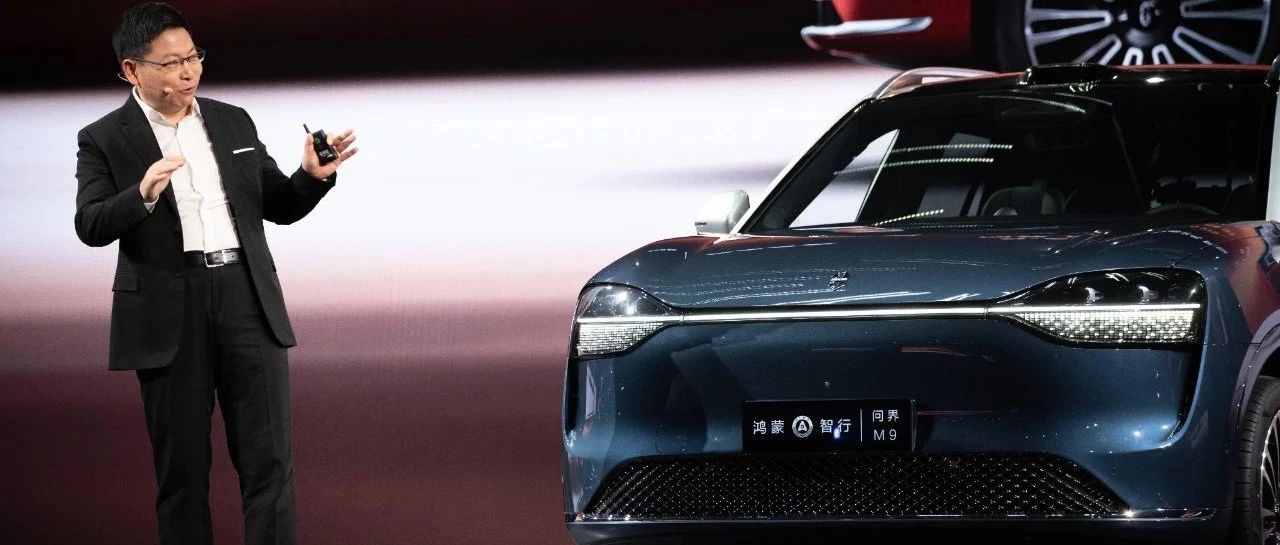
问界M9卖太好,引来低价围攻
汽车商业评论· 2025-05-02 16:05
Core Viewpoint - The article discusses the competitive landscape of the SUV market in China, particularly focusing on the surge of mid-size and large SUVs that are targeting the Tesla Model Y and other established models, indicating a shift in consumer preferences and market dynamics [4][15][21]. Group 1: Market Dynamics - The mid-size SUV segment, particularly the Tesla Model Y, has seen significant competition from domestic brands like Zeekr, Leado, and Zhijie, which are launching electric SUVs at lower prices with better configurations [4][16]. - In 2024, the cumulative retail sales of the SUV market in China reached 11.31 million units, a year-on-year increase of 9.7%, with large and mid-large SUVs growing by 52.5% [16][15]. - The large and mid-large SUV market accounts for 14.6% of the total SUV market, indicating potential for further growth, especially in the electric vehicle segment [16][15]. Group 2: New Model Launches - Several new large SUVs were launched at the 2025 Shanghai Auto Show, including the Lynk & Co 900, Changan Deep Blue S09, and others, all featuring three-row seating and competitive pricing [5][7][11]. - The common features among these new models include high comfort levels, advanced technology, and luxury elements, aiming to differentiate themselves in a crowded market [13][18]. Group 3: Competitive Strategies - Domestic brands are strategically launching new models to capture market share from successful competitors like the Model Y, with a focus on offering better value for money [4][21]. - The article highlights that the competition is expected to intensify in 2026, with more brands entering the large SUV market, particularly targeting the 25-40 million yuan price range [13][21]. Group 4: Consumer Preferences - Consumers are increasingly attracted to large SUVs due to their competitive pricing compared to the Model Y, with many new models offering features that cater to family needs [17][21]. - The demand for large SUVs is driven by the desire for spacious interiors and advanced features, which have become standard expectations in this segment [18][20].