宝马

Search documents
从造车到造“人”车企发出人形机器人量产信号
Zheng Quan Shi Bao· 2025-11-25 23:44
Group 1 - The automotive industry is increasingly investing in humanoid robots, viewing them as a new growth engine and a strategic positioning battle in the smart technology sector [1][3][6] - Major companies like Xpeng Motors and GAC Group have announced plans for mass production of humanoid robots, with Xpeng aiming for 2026 and GAC for 2025 [2][3] - Analysts highlight the synergy between automotive technology and humanoid robotics, suggesting that the transition from automotive to robotics can be smoother due to shared technologies [2][4] Group 2 - Companies are adopting different strategies to enter the humanoid robot market, with self-research and investment partnerships being the most common approaches [4][5] - Tesla's Optimus robot utilizes technology from its Full Self-Driving (FSD) system, showcasing the reuse of existing technologies to expedite development [4] - The humanoid robot market is projected to reach a scale of 20 trillion USD, indicating significant future potential [3][6] Group 3 - Despite the promising outlook, many companies have yet to generate substantial revenue from humanoid robots, facing technical and commercialization challenges [6][7] - High costs associated with software training and integration pose a significant barrier to mass production, making it difficult for consumers to accept robots priced similarly to cars [7] - The industry is still in the exploratory phase, with a lack of mature supply chain systems for humanoid robots [6][7]



从广州车展看2026年车市动向:合资车用上“中国脑”
Bei Jing Ri Bao Ke Hu Duan· 2025-11-25 22:45
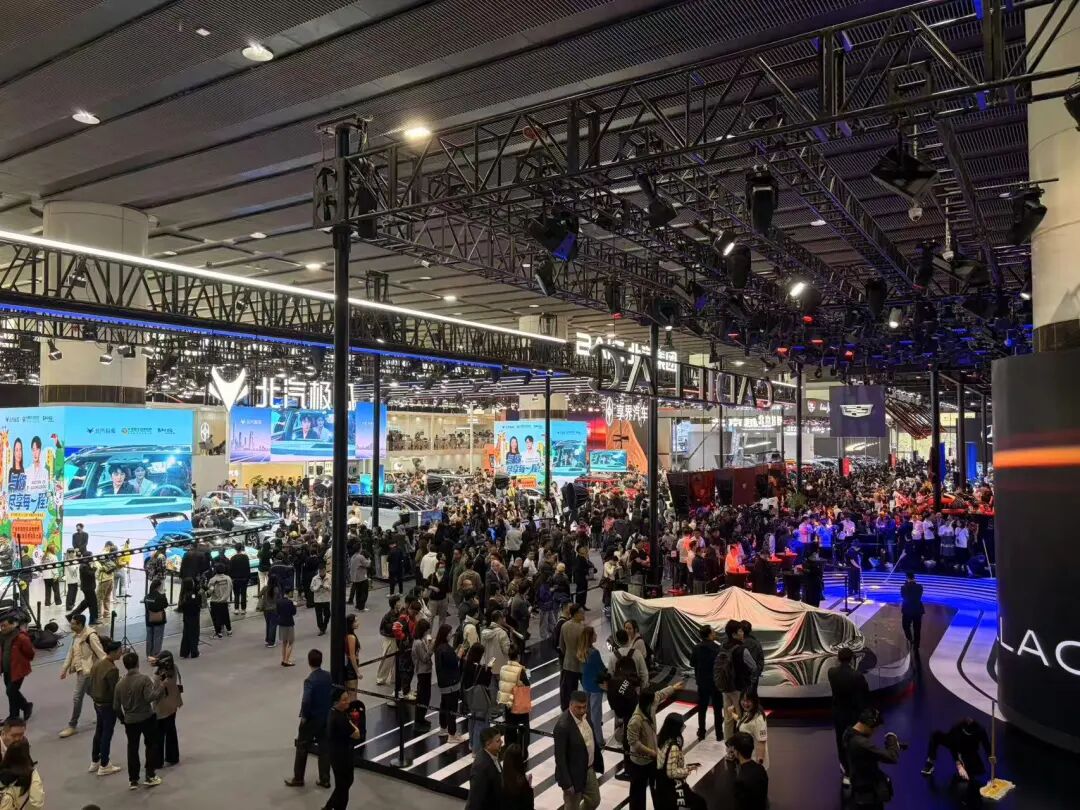
Core Insights - The 2025 Guangzhou International Auto Show showcases 93 new car models and 629 new energy vehicles, highlighting the industry's shift towards electrification and intelligence [1][3] - In October, new energy vehicles accounted for over 50% of total car sales for the first time, indicating a significant market trend [3] - The event emphasizes advancements in L3-level autonomous driving and next-generation battery technologies, which are seen as key areas for technological breakthroughs [4][5] New Energy Vehicles - Out of 1,085 vehicles displayed, 629 are new energy models, making up 58% of the total [3] - Notable new energy models include Xiaopeng's X9 Super Extended Range version priced at 309,800 yuan and Leap Motor's D19 Extended Range version with a 500 km pure electric range [3] - The market is witnessing a diversification in demand, with extended range vehicles addressing range anxiety while pure electric vehicles offer lower operating costs [3] Technological Advancements - Huawei's booth was one of the most popular, showcasing its smart driving solutions, including L3-level autonomous driving tests in seven major cities [4] - GAC Group's flagship model, the A800, has begun L3-level highway testing at speeds of 120 km/h, marking a significant milestone in autonomous vehicle testing [4] Battery Technology - SAIC MG introduced the MG4 model featuring semi-solid-state batteries, set for delivery in December [5] - GAC Group announced the production of a pilot line for solid-state batteries, aiming for small-scale trials by 2026 and mass production by 2027-2030 [5] Market Dynamics - Several luxury brands, including Beijing Hyundai and Lamborghini, were absent from the show, indicating a potential decline in competitiveness in the Chinese market [5] - Joint ventures between foreign brands and Chinese tech companies are emerging, with Volkswagen and Xiaopeng collaborating on a new electric SUV featuring L2-level assisted driving [5][6] Collaborations and Innovations - Audi launched the A5L with Huawei's smart driving technology, while BMW and Mercedes are partnering with Chinese tech firms to enhance their models with localized smart features [6] - These collaborations aim to shorten development cycles and quickly adapt to market changes, reflecting a strategic shift among joint venture brands [6]

从造车到造“人” 车企发出人形机器人量产信号
Zheng Quan Shi Bao· 2025-11-25 18:29
Core Insights - The automotive industry is increasingly investing in humanoid robots, viewing them as a new growth engine and a strategic positioning battle in the smart technology sector [1][3][7] - Major automotive companies are showcasing their humanoid robots at exhibitions, with clear timelines for mass production announced by several firms [2][3] - The integration of technologies from the automotive sector into humanoid robots is seen as a way to enhance production efficiency and reduce manufacturing costs [2][4] Industry Trends - The humanoid robot market is projected to reach a market size of $20 trillion, indicating significant growth potential [3] - Companies like Xpeng and GAC Group are planning to achieve mass production of their humanoid robots by 2026, with GAC aiming for batch production of self-developed components by 2025 [2][3] - The competition in the humanoid robot space is characterized by a mix of self-research and investment partnerships, with companies leveraging existing technologies to expedite development [4][5] Technological Integration - Automotive companies are applying their expertise in sensors and algorithms to humanoid robots, which allows for a smoother transition and lower trial costs compared to other industries [2][4] - The development of humanoid robots involves addressing complex technical challenges, such as bipedal movement and environmental interaction, necessitating dedicated research teams [4][6] Application Scenarios - Initial applications for humanoid robots are focused on industrial manufacturing, with potential future uses in customer-facing roles and household environments [6][8] - The industry is still in the exploratory phase regarding the practical applications of humanoid robots, with many concepts remaining untested in real-world scenarios [6][8] Market Challenges - Despite the promising outlook, many automotive companies have yet to generate substantial revenue from humanoid robots, facing technical and commercialization hurdles [7][8] - High costs associated with software training and integration pose significant barriers to mass production, with companies needing to ensure affordability for consumers [8] - The current state of the humanoid robot industry is still largely in the research and development phase, with a lack of mature supply chain systems [7][8]
智通港股解盘 | 中美元首通话关系缓和 AI持续发酵有资金支持
Zhi Tong Cai Jing· 2025-11-25 13:11
Market Overview - The market consensus indicates a rebound from oversold conditions, with the Nasdaq rising 2.69% overnight, leading to a 0.69% increase in Hong Kong stocks at the close [1] US-China Relations - A surprising positive and constructive phone call occurred between US President Trump and Chinese President, discussing various topics including the Russia-Ukraine situation and agricultural products [2] - Trump has accepted an invitation to visit China in April next year, indicating a desire for improved relations ahead of the midterm elections [2] Lithium Industry - Longpan Technology announced a contract exceeding 450 billion yuan with subsidiaries, significantly surpassing the previous estimate of over 50 billion yuan, resulting in a nearly 23% surge in its stock [3] - Related companies such as Tianqi Lithium and Ganfeng Lithium also saw stock increases of nearly 5% and over 3%, respectively [3] AI Sector - Google aims to double its AI computing power every six months and achieve a 1000-fold increase in the next 4-5 years to meet rising demand [3] - Meta Platforms is reportedly considering a multi-billion dollar acquisition of Google's TPU for data center development, contributing to Google's stock rise of 6.31% [3] Hardware Sector - Changfei Optical Fiber's components business has become a strong growth point, benefiting from North American AI data center construction, with a stock increase of nearly 13% [4] - Baidu's revenue from Kunlun chips is expected to grow significantly, with projections showing a sixfold increase from 2025 to 2026 [4] Healthcare Sector - There has been a significant increase in flu antiviral drug purchases, with sales of certain medications rising over 14 times compared to October [6] - Companies like Alibaba Health and Shandong Xinhua Pharmaceutical saw stock increases of over 4% and 7%, respectively [6] Electric Vehicle Market - European electric vehicle sales surged, with plug-in hybrid sales up 40% and pure electric vehicles nearly 33% [7] - BYD's sales more than doubled, while other companies like NIO and XPeng are expanding into new markets [7] Huawei Product Launch - Huawei launched the Mate 80 series and Mate X7, showcasing significant performance improvements over previous models, which is expected to attract market interest [8] Zhongtong Express - Zhongtong Express reported strong growth in its parcel business, with a revenue increase of 11.1% year-on-year for Q3 2025 [9][10] - The company is expanding its operations with a new smart operations center and has implemented advanced delivery technologies to enhance efficiency [10]
“窄门”的胜利:恩力动力如何靠细分场景赢在“固态电池”当下?
高工锂电· 2025-11-25 11:32
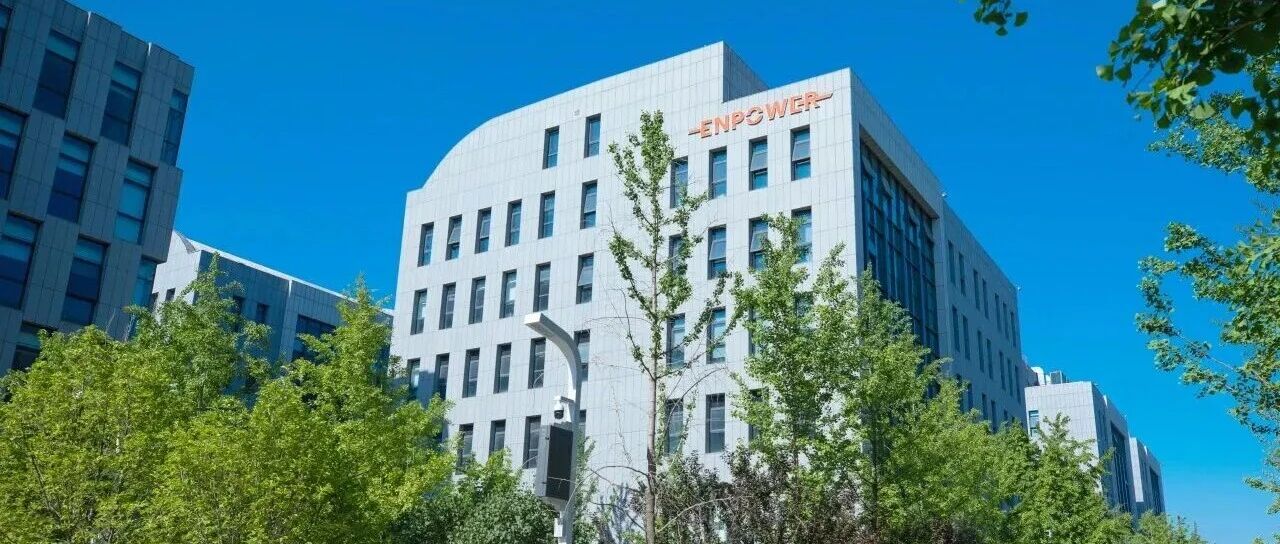
Core Viewpoint - The solid-state battery industry is experiencing a divide between optimistic projections and delivery anxieties, with companies like Enli Power demonstrating actual production capabilities amidst market skepticism [2][4][5]. Group 1: Industry Trends - The capital market is showing renewed enthusiasm for solid-state batteries, with companies like QuantumScape and SolidPower seeing significant stock price rebounds due to technological advancements and partnerships [3]. - Major automotive manufacturers such as Toyota and Volkswagen are investing heavily in solid-state battery technology, aiming for mass production between 2027 and 2030 [3]. - Despite the optimism, there is a collective anxiety regarding the industry's ability to deliver on these promises, as evidenced by QuantumScape's lack of revenue and high short-selling rates [5]. Group 2: Enli Power's Achievements - Enli Power has successfully delivered millions of high-performance solid-state battery cells from its factory in Beijing, addressing market concerns about timely and quality delivery [6][7]. - The factory achieved full production shortly after its launch in December 2023, with over 200,000 cells produced by September 2025 [7]. - Enli's battery performance metrics include an energy density exceeding 300Wh/kg, with capabilities for rapid charging and discharging even in extreme temperatures [9]. Group 3: Strategic Choices - Enli Power's strategy diverges from the mainstream focus on electric vehicles, opting instead for niche markets such as drones and high-end electric motorcycles, which require high-performance batteries [10][11]. - The founder, Dr. Dai Xiang, emphasizes the importance of addressing real market needs rather than following popular trends, positioning Enli to fill gaps left by established battery manufacturers [13][15]. - Enli's collaboration with SoftBank for a high-density battery project demonstrates its ability to meet demanding specifications that traditional manufacturers could not fulfill [16][18]. Group 4: Technological Approach - Enli Power is pursuing a challenging but potentially rewarding technological path by focusing on sulfide solid electrolytes and lithium metal anodes, which are expected to yield superior performance [20]. - The company has developed a tiered product matrix to balance immediate revenue generation with long-term technological goals, including semi-solid and fully solid-state battery products [22]. Group 5: Manufacturing Capabilities - Enli's manufacturing facility boasts a high yield rate of over 95%, significantly outperforming industry standards [25]. - The company has rapidly established its production line, completing the setup in just over four months, showcasing its operational efficiency [27]. - Enli's business model emphasizes collaboration with existing supply chains rather than attempting to dominate them, positioning itself as a battery cell manufacturer and product solution provider [28]. Group 6: Financial Outlook - Enli Power's revenue projections indicate a strong growth trajectory, with sales expected to reach 1 billion in 2026, driven by its successful product offerings [29][31]. - The profits from niche markets are being reinvested into the development of fully solid-state battery technologies, ensuring a sustainable growth model [31][32]. Group 7: Market Positioning - Enli Power's pragmatic approach contrasts with the more speculative strategies of other companies, allowing it to thrive in a market that is increasingly valuing manufacturing capabilities [34][35]. - The shift in market sentiment towards valuing manufacturing strength provides Enli with a competitive advantage as it focuses on delivering tangible results rather than lofty promises [35].
Stellantis力荐多元路线并存,欧盟2035燃油车禁令或生变?
Zhong Guo Qi Che Bao Wang· 2025-11-25 09:21
Core Viewpoint - Stellantis opposes the EU's 2035 ban on new internal combustion engine vehicles, advocating for the continued sale of plug-in hybrids and range-extended electric vehicles, and supports alternative fuels as a decarbonization pathway [2][4][12] Industry Response - Stellantis is among several European automakers pressuring the EU, highlighting the significant impact on Italy's economy and employment due to the strict implementation of the ban [4][9] - The company promotes a "technology-neutral" principle, arguing for the coexistence of various technological pathways, including plug-in hybrids and synthetic fuels, to address consumer needs and regional differences [4][10] Market Conditions - The European Automobile Manufacturers Association (ACEA) reports that the EU's electric vehicle penetration rate for 2024 is significantly below expectations, indicating that the market is not developing as policymakers envisioned [5][7] - The slow sales of electric vehicles, particularly in major markets like Germany and France, coupled with varying subsidy policies across EU member states, have created challenges for the automotive industry [7][8] Infrastructure Challenges - The lack of adequate charging infrastructure is a major bottleneck for electric vehicle adoption, with the current installation rate of charging stations falling far short of the required pace [8] - High raw material costs are increasing production expenses for automakers, squeezing profit margins and leading to layoffs and factory closures as companies struggle to adapt [8][11] Divergent National Perspectives - There are notable divisions among EU member states regarding the 2035 ban, with countries like Italy advocating for a delay due to the potential devastating impact on their automotive industries [9][10] - Germany is pushing for exemptions for synthetic fuels, viewing them as a viable transitional solution for high-end fuel vehicles to achieve carbon neutrality [10] Future Implications - Regardless of whether the ban is modified, European automakers face pressure to accelerate electrification, which may lead to short-term employment issues and economic repercussions [11][12] - The debate over the ban reflects the broader conflict between environmental ideals and the survival of the automotive industry, with the outcome potentially reshaping global decarbonization strategies [12]


机构调研揭示行业矛盾:机器人爆单之后将迎交付大考
Bei Jing Shang Bao· 2025-11-25 01:32
Core Insights - Goldman Sachs' supply chain report highlights a significant gap between optimistic production capacity plans and actual confirmed orders in the humanoid robot industry, indicating a typical characteristic of the current market [1] - The report titled "Capacity Optimism Ahead of Actual Orders" suggests that while key supply chain companies have planned annual production capacities ranging from 100,000 to 1,000,000 units, none have secured large, confirmed orders [1] Group 1: Industry Challenges - The release of a production video by UBTECH, showcasing their humanoid robot Walker S2, has sparked controversy due to prior skepticism from Goldman Sachs and public doubts about delivery authenticity [3] - Criticism from industry peers, such as Brett Adcock from Figure AI, claims that parts of the video were digitally altered, raising questions about the credibility of the demonstration [3] - Despite these challenges, UBTECH claims to have established partnerships with major companies like BYD and Foxconn to promote the commercial application of humanoid robots in various sectors [3] Group 2: Positive Signals - The humanoid robot sector is witnessing a surge in orders and investment, with over 18 significant contracts exceeding 10 million yuan since 2025, indicating a shift from concept validation to industrialization [5] - Investment activity has intensified, with over 100 financing events in the first half of 2025, totaling more than 15 billion yuan, and major firms like JD and Alibaba making substantial investments in the sector [6] - UBTECH has publicly disclosed multiple large orders, including a 1.59 billion yuan project for a humanoid robot data collection center, although details on operational specifics remain vague [7] Group 3: Delivery Strategies - UBTECH aims for large-scale delivery by focusing on key sectors such as automotive manufacturing and logistics, with a production capacity plan targeting 5,000 units by 2026 and 10,000 units by 2027 [8] - In contrast, Accelerated Evolution adopts a "small steps" approach, prioritizing single-unit deliveries to refine production and service capabilities before scaling up [9] - The competition in the humanoid robot sector is expected to intensify by 2025, with a focus on achieving large-scale commercial deployment and improving cost efficiency [9]

中东造车局,等来一个欧洲贵族
汽车商业评论· 2025-11-24 23:07
Core Insights - Saudi Arabia is shifting from being a consumer to a manufacturer in the automotive industry, aiming to establish a local vehicle production base as part of its Vision 2030 initiative [4][7][9] - The memorandum of understanding signed with Stellantis and Petromin marks a strategic step towards localizing production and enhancing the supply chain in Saudi Arabia [7][8] - The automotive market in Saudi Arabia is transitioning, with a significant focus on electric vehicles (EVs) and a projected increase in local manufacturing capabilities [11][12][14] Group 1: Memorandum of Understanding - The memorandum aims to assess the feasibility of building a vehicle manufacturing plant in Saudi Arabia, focusing on both passenger and commercial vehicles [7] - Key players involved include the Saudi Investment Ministry, the National Industrial Development Center, Stellantis, and Petromin, emphasizing local production and job creation [8] - The project is still in the early stages, with specific investment amounts and production capacity details yet to be disclosed [7] Group 2: Market Dynamics - Saudi Arabia is the largest automotive market in the Middle East, with passenger vehicles expected to account for over 70% of the market by 2024, while traditional fuel vehicles still dominate [11] - The demand for electric vehicles is growing, with sales projected to reach approximately 24,000 units in 2024, marking it as the fastest-growing segment [11] - Chinese brands are gaining traction in the EV market, with expectations to increase their market share in the Middle East and Africa from about 10% in 2024 to over 30% by 2030 [11] Group 3: Strategic Partnerships - The King Salman Automotive Industry Cluster is being developed in the Red Sea Economic City, attracting companies like Lucid and Hyundai to establish manufacturing facilities [12][13] - Stellantis is investing in local production to align with its "Dare Forward 2030" strategy, aiming for a 22% market share in the region and a significant increase in electric vehicle offerings [14][16] - The collaboration with Stellantis is seen as a way for Saudi Arabia to diversify its economy and reduce reliance on oil by developing a robust automotive manufacturing sector [17][18]
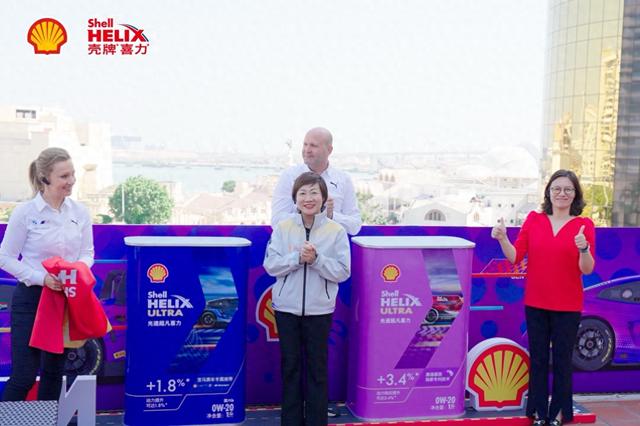
壳牌光速超凡喜力赛道首秀,实力见证
Huan Qiu Wang· 2025-11-24 12:34
Core Insights - Shell and BMW M Motorsport have launched new lubricants, Shell Helix Ultra "Midnight Blue" and "Twilight Purple," during the 72nd Macau Grand Prix, emphasizing their long-term collaboration and technological innovation in performance [1][3][6] - The Macau Grand Prix, known for its challenging 6.2 km street circuit, serves as a testing ground for vehicle performance, showcasing the integration of track technology into consumer products [1][3] Group 1: Partnership and Collaboration - Shell has been a leading global energy company with operations in over 70 countries, recognized as the world's top international finished lubricants supplier for 19 consecutive years [3][4] - The partnership between Shell and BMW M Motorsport has been ongoing for nearly a decade, focusing on technological breakthroughs and shared values in pursuit of excellence [3][4] - Shell's commitment to the Chinese market is highlighted, with increasing consumer demand for "track-level" driving experiences, supported by the endorsement of the new lubricants by BMW M Motorsport [3][4] Group 2: Product Features and Performance - The new Shell Helix Ultra lubricants utilize Shell's proprietary PurePlus technology, achieving 99.5% purity in base oil, providing exceptional wear protection for engines [6][8] - Independent testing has shown that the new lubricants can enhance power by up to 1.8% and improve engine response by up to 3.4%, allowing everyday drivers to experience superior performance [6][8] - The packaging design incorporates classic elements from BMW M Motorsport, reflecting the product's racing heritage and enhancing its visual appeal [6][8] Group 3: Technical Validation and Future Commitment - The performance of Shell lubricants has been validated in extreme racing conditions, providing reliable support for BMW M Motorsport in various world-class events [4][8] - Insights from BMW M Motorsport drivers emphasize the critical role of lubricant performance in racing, particularly in power response [8] - Both companies are committed to further exploring high-performance lubrication technologies and translating innovations from racing to enhance everyday driving experiences [8]


劳斯莱斯等顶级豪车退群,海外品牌自救,这届广州车展还有哪些趋势?
3 6 Ke· 2025-11-24 10:14
Core Insights - The automotive industry is shifting from a "price war" to a "value war," focusing on product quality and features rather than just pricing strategies [2][5][15] - The Guangzhou Auto Show reflects a more pragmatic approach, with companies emphasizing self-improvement and local partnerships, particularly with Huawei [6][9][11] - Consumer behavior is becoming more rational, with a greater focus on product quality and functionality rather than brand loyalty or emotional appeal [15][17] Industry Trends - The current Guangzhou Auto Show has fewer high-profile executives and new models, indicating a shift towards marketing and sales of existing models [1] - The competition among car manufacturers is increasingly centered on product performance and quality, moving away from aggressive pricing strategies [2][3] - There is a notable increase in the number of D-class SUVs being launched, with over 10 new models introduced in the second half of the year, priced between 200,000 to 500,000 yuan [3][5] Brand Strategies - Domestic brands are focusing on enhancing value rather than cutting prices, with many introducing advanced features in new models without reducing prices [5][12] - Foreign brands are increasingly localizing their operations, with many models developed by domestic teams and collaborations with local suppliers [6][8] - Major foreign brands like Mercedes, BMW, and Audi are adopting more competitive pricing strategies, with some models priced lower than domestic competitors [8][12] Consumer Behavior - Consumers are showing a more practical approach to purchasing decisions, focusing on the alignment of products with their needs rather than emotional factors [15][17] - The trend of rapid product iteration in the automotive sector has led to a more discerning consumer base, with buyers prioritizing quality and functionality [17] - The overall sentiment suggests that the automotive industry will continue to face intense competition, but with a more mature and rational market environment in the coming years [15][17]