海信视像

Search documents
为何家电巨头都做起了「AI眼镜」?
Hua Er Jie Jian Wen· 2025-12-26 01:55
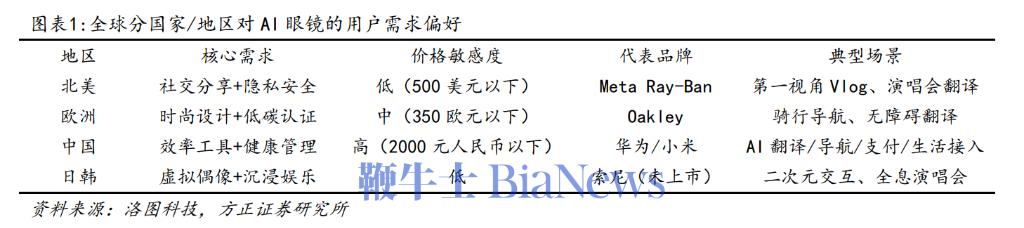
Core Insights - The article discusses the strategic entry of home appliance giants into the AI glasses market, leveraging their expertise in display technology, supply chain, and precision manufacturing to tap into a potential market worth hundreds of billions [1][29] - The demand for AI glasses is driven by consumer needs in mature markets seeking emotional value and developing markets focusing on productivity and tools, with AI+AR glasses serving as an ideal carrier for AI technology [1][29] Market Potential - The global annual sales of traditional glasses are approximately 2.3 billion pairs, with 1.45 billion pairs excluding sunglasses. If AI glasses penetrate 10% of the remaining 1.45 billion pairs, the expected global shipment could reach 145 million pairs, resulting in a market size exceeding 100 billion RMB [1][9][29] - The retail market for traditional glasses in China is significant, with a projected retail value of 128.3 billion RMB by 2029, driven by increasing demand for functional lenses [9] Technological Advancements - AI glasses are rapidly evolving, with advancements in hardware miniaturization, AI-driven interaction upgrades, ecosystem integration, and social features related to the metaverse [2][30] - Key components of AI glasses include optical display modules (35%-45%), main AI chips (20%-30%), and sensors and batteries (15%), with the remaining costs attributed to structural components and software [2][30] Industry Dynamics - Major players in the AI glasses market include TCL Electronics, Hisense, and Biyi Co., each leveraging their strengths in brand, manufacturing, and optical technology [3][4][31] - TCL Electronics has invested in Thunder Innovation, focusing on self-developed optical modules, while Hisense has launched its own AI glasses and partnered with XREAL for technology integration [3][4][31] - Biyi Co. has strategically invested in Shanghai Lihui Optoelectronics to enhance its AR glasses assembly capabilities, aiming to leverage its home appliance manufacturing expertise [23][31] Competitive Landscape - The AI glasses industry is characterized by rapid product iteration, with a focus on optical, chip, and operating system ecosystems as high-value segments [2][30] - Companies with established operating system ecosystems are expected to capture significant system value, similar to the smartphone industry's evolution where Apple and Google dominate through their OS platforms [16][30] Future Outlook - The future of AI glasses includes the potential for holographic AR products, with expectations for significant growth in shipments and market size driven by technological breakthroughs [2][30] - The integration of AI capabilities into glasses is anticipated to enhance user experience through features like real-time scene understanding and personalized content delivery [13][30]

高性价比保鲜,帮你留住每一餐原汁原味
Xin Lang Cai Jing· 2025-12-25 14:15
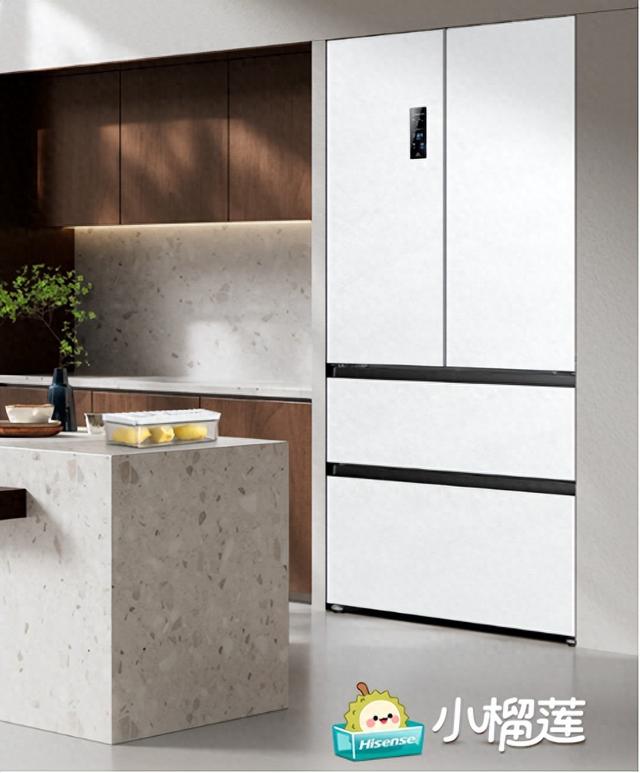
Core Viewpoint - The refrigerator market is evolving from merely being a "cold storage container" to a "fresh storage management tool" with advanced technologies like vacuum preservation and independent cooling systems becoming key metrics for high cost-performance refrigerators [1] Group 1: Product Recommendations - Hisense Little Durian 500 Refrigerator (Price: 5359.2 yuan) features a vacuum magic box for independent sealing, preventing odor transfer between foods, and supports vacuum marinating, achieving three times the efficiency of ordinary refrigerators [2] - Hisense Brilliant Vacuum First Class 650 Refrigerator (Price: 19999 yuan) utilizes vacuum magnetic preservation technology to prevent food oxidation and has a dual preservation system, achieving a TVB-N value of 7.57mg/100g for stored beef, surpassing national standards [4] - Hisense Brilliant Vacuum First Class 503 Refrigerator (Price: 7998.4 yuan) offers a complete experience of vacuum preservation, odor removal, and no odor transfer, featuring a DBD ion active sterilization system with a 99.9999% sterilization rate [5] Group 2: Market Trends - The differentiation in the refrigerator market is not based on flashy parameters but on practical solutions that address everyday issues, such as effective food storage and management, which enhances the overall user experience [6]

可选消费行业2026年度策略:新的消费观,新的格局
Huafu Securities· 2025-12-25 11:23
Core Insights - The report maintains a strong market rating for the home appliance sector, emphasizing the shift in consumer behavior towards a more present-focused consumption mindset, driven by the new generation of consumers [1] - The report highlights the expected leadership of the new consumption sector in 2025, while traditional consumption sectors are anticipated to show lackluster performance [4] Macro Consumption Trends - The report notes a significant transformation in consumer attitudes, moving from a culture of saving to one of cautious spending and living in the moment, which is expected to create new investment opportunities [4][11] - It identifies a structural opportunity in consumption, with the main drivers shifting from broad-based recovery to specific demographic groups, particularly the elderly and single-person households [32] Global Economic Landscape - The report emphasizes the importance of global emerging markets, suggesting that Chinese companies are well-positioned to lead in new product categories with significant growth potential [4] - It points out that the export structure is evolving towards innovation-driven categories, enhancing resilience against geopolitical risks [4] Domestic Consumption Dynamics - The report indicates that domestic consumption is entering a phase of refinement, with strong companies benefiting from the changing consumption landscape [4] - It highlights the ongoing growth in the pet economy and health supplements, suggesting that companies with e-commerce capabilities will be favored [4] Export Opportunities - The report discusses the resilience of exports, noting a shift from reliance on developed markets to emerging markets, with significant growth in exports to countries like India and Indonesia [49] - It highlights the importance of diversifying export markets and supporting new business models such as cross-border e-commerce [49] Sector-Specific Insights - The report identifies specific sectors poised for growth, including cleaning appliances, which are expected to benefit from government subsidies and increasing consumer demand [53] - It suggests that the pet economy and health products will continue to thrive, driven by changing consumer preferences and increased awareness [4] Consumer Income and Spending - The report notes that while income growth is stabilizing across different income groups, the spending power of high-income households is expected to drive consumption growth [35] - It emphasizes the importance of asset conditions, particularly housing, in influencing consumer behavior and spending patterns [35] Rural Consumption Potential - The report highlights the growing consumption potential in rural areas, where income growth is outpacing urban areas, suggesting a shift in focus towards rural markets [39] - It notes that rural high-income groups are likely to lead in spending on services, healthcare, and entertainment [39]
墨西哥加税瞄准中国,中方反制已启动,提前扎根北美市场抢先机
Sou Hu Cai Jing· 2025-12-25 11:07
全球贸易圈最近被一则消息搅动:墨西哥敲定了明年起对包括中国在内的多个亚洲国家加征关税的政策,税率最高能到50%。 这波操作明眼人都能看出,是照着美国的贸易保护路子学来的,但想靠这种方式保护本土产业,大概率是竹篮打水。 更值得关注的是,这波关税已经提前引发中国对墨出口的下滑,而早有准备的中国龙头企业,正靠着在海外布局的工厂逆势突围,把贸易壁垒变成了产业升 级的契机。 参议院以76票赞成、5票反对、35票弃权的结果,通过了一项新的进出口关税法案。 按照这个法案,从2026年1月1日开始,墨西哥要对汽车、汽车零件、纺织品、家电、钢铁这些常见商品加征关税,税率从5%到50%不等。 大部分商品的税率都定在了35%,算下来,这次加税涉及大约1400种商品,而没和墨西哥签自由贸易协定的中国,成了主要针对对象之一。 墨西哥政府给出的理由很直白,说是为了支持本土产业发展,但稍微了解全球经济的人都知道,这其实是在照抄美国的加税药方。 近年来,美国一直在给墨西哥施压,要求它堵住其他国家商品通过墨西哥转口进入北美市场的通道。 再加上墨西哥自身经济压力不小,2025年三季度经济增速已经由正转负,央行把全年经济增长预期从0.6%降到了0 ...

特斯拉欧洲市场持续“遇冷”|首席资讯日报
首席商业评论· 2025-12-25 04:18
Group 1 - Tesla's new car registrations in Europe fell to 22,801 units in November, a year-on-year decrease of 11.8%. For the first 11 months of the year, registrations dropped by 28% [2] - Samsung and SK Hynix have raised the prices of HBM3E memory chips by nearly 20% for next year, a rare occurrence as suppliers typically lower prices before launching new generations of products [3] - The movie "Avatar 3" has surpassed 10 million viewers in China within six days of its release [4] Group 2 - Sanofi has announced an agreement to acquire vaccine company Dynavax for approximately $2.2 billion, with a cash offer of $15.50 per share [5] - According to Ipsos, the global net trust level for Chinese brands has increased by 12 percentage points to 32% compared to 2024, with significant trust growth in developed markets [6][7] - JD.com has opened 30 stores of its "Seven Fresh" brand in Beijing, indicating intensified competition in the community fresh food market [8] Group 3 - Yu Minhong has appointed Sun Jin as the new CEO of Dongfang Zhenxuan, marking a stable transition within the company [9] - The Sichuan provincial government is implementing measures to boost consumption and expand domestic demand, aiming to create new growth points [10] - Sanya's duty-free shops reported sales exceeding 5.35 billion yuan over five days, reflecting a 50.3% year-on-year increase, driven by promotional activities [11] Group 4 - Rakuten Trade Research indicates that the Malaysian stock market presents selective opportunities as year-end approaches, supported by strong domestic liquidity and improved market sentiment [12] - A new robotics industry association in Beijing is set to be established, aimed at promoting industry research, data analysis, and collaboration [13] - Bilibili has denied rumors of a "full paywall" for its content, leading to the arrest of individuals spreading false information [14]


旧地图找不到新大陆,新地图藏在小红书
Sou Hu Cai Jing· 2025-12-25 03:32
Core Insights - The article discusses the shift in business strategies from chasing short-term traffic to nurturing long-term user relationships, emphasizing the need for companies to adapt to changing consumer demands and market conditions [3][4][6][17]. Group 1: User Engagement and Retention - Companies are realizing that true growth comes from establishing deep connections with users rather than merely seeking traffic [5][6]. - Many brands face challenges such as misalignment between target and actual consumer demographics, regional barriers, and product functionality not matching real-life scenarios [5][6]. - Successful brands are focusing on user retention and building comprehensive user engagement strategies that span from initial contact to conversion and retention [6][9]. Group 2: Evolving Consumer Demands - The consumer landscape has evolved, with users now prioritizing emotional and experiential aspects over mere functionality and specifications [10][11]. - Brands must shift their focus from traditional parameter-based competition to understanding and addressing the nuanced needs of consumers [11][13]. - The case of Hisense illustrates how brands can leverage community insights to connect with specific user groups, such as gamers, by translating technical specifications into relatable experiences [11][13]. Group 3: Quality Over Scale - The article highlights a transition from a focus on rapid scale to a commitment to high-quality growth, where brands prioritize genuine consumer needs over mere sales volume [14][15][19]. - The example of the tomato brand "Yike Da" demonstrates how targeted marketing and community engagement can lead to sustainable growth without succumbing to price wars [15][19]. - Companies are encouraged to adopt a long-term perspective on growth, utilizing data-driven strategies to ensure that marketing efforts translate into real user value [17][18][19]. Group 4: Strategic Transformation - The concept of "effectiveness in grass planting" is introduced as a new business paradigm that emphasizes user-centric thinking and cross-departmental collaboration [20]. - Companies are urged to view user engagement as a core business strategy rather than a mere marketing tactic, fostering a holistic approach to growth [20]. - By understanding and addressing the deeper motivations behind consumer behavior, brands can create sustainable competitive advantages in a rapidly changing market [20].


【新华财经调查】中国家电扎根“全球最难市场” 未来存在四大挑战
Xin Hua Cai Jing· 2025-12-24 11:56
尽管增长迅速、前景广阔,但巴西市场的复杂性、多变性和高门槛,使其被业内普遍视为"全球最具挑战的家电市场之一"。中国品牌在享受增长红利的同 时,也面临着一系列严峻而长期的考验。 新华财经圣保罗12月24日电(记者 杨家和 翟淑睿)在巴西贝伦近日闭幕的第三十届联合国气候变化大会(COP30)上,中国家电企业集中展示绿色节能 技术,与巴西能源转型议程同频共振。这一亮相背后,折射出中国家电企业在拉美最大家电市场——巴西,正经历从"规模扩张"向"价值竞争"的阶段性跃 迁,从传统消费品制造商,向绿色能源转型参与者角色延展。 中国家电企业在巴西的这场转型,发生在独特而复杂的历史节点。中国机电产品进出口商会数据显示,仅2024年前三季度,中国家电对拉美出口96.7亿美 元,同比增长33.5%,其中对巴西增长52%以上。这个曾经以"中国制造"性价比优势闻名的产业,正从简单的商品输出,转向技术输出、标准输出和价值 共创的新阶段。 行业统计显示,巴西家用空调普及率仍不足四分之一,远低于全球平均水平;电视机市场则在大屏化和智能化浪潮中持续迭代更新,正经历消费升级与绿 色转型的双重浪潮。与此同时,巴西市场以税制复杂、认证严苛、渠道分散 ...

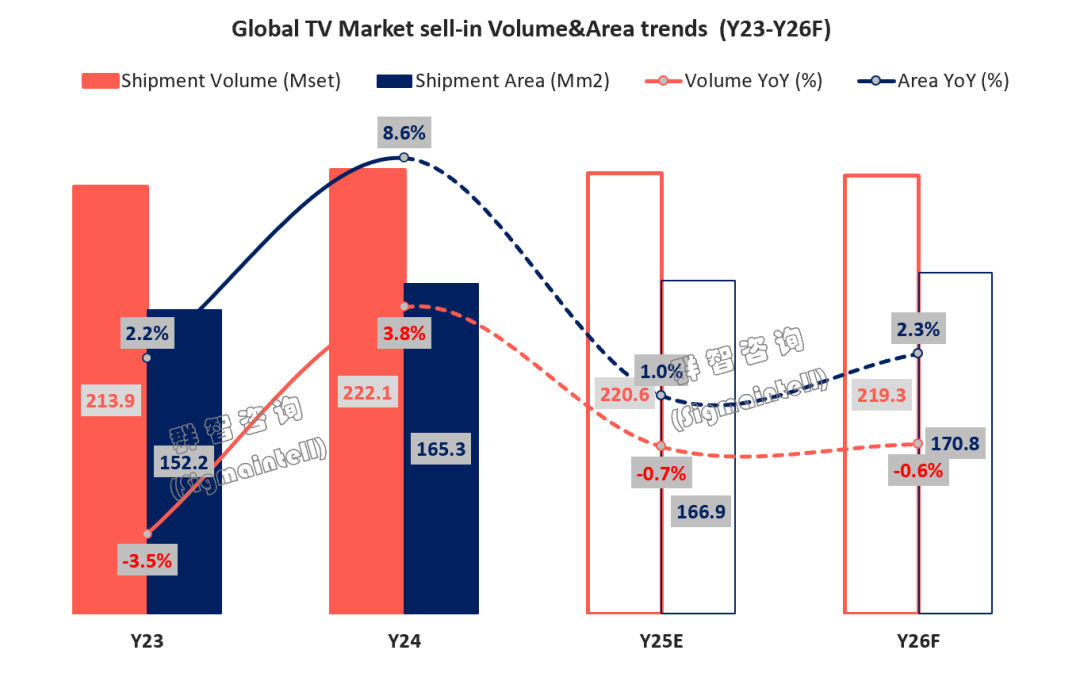
群智咨询:2025年全球TV市场出货量预计为2.21亿台 同比下降0.7%
Zhi Tong Cai Jing· 2025-12-24 07:55
2025年全球TV出货与终端零售市场备货节奏有一定的错位,一季度受中国国补强预期以及北美关税政策扰动,品牌出货强劲;二季度品牌严格进行库存管 理出货同比下滑,三季度在库存管理后需求恢复正常,四季度虽终端大促表现不佳,但受世界杯备货及半导体器件价格上涨提前拉货推动出货量超预期。 根据群智咨询数据显示,2025年全球出货量预计为2.21亿台,同比下降0.7%。 展望2026年,虽然世界杯赛事拉动,北美退税季及印度消费税改对需求有一定支撑,但受存储芯片等半导体价格飙涨带来生产成本压力陡增等因素影响, 预计全球TV市场全年出货量同比下降0.6%。然而成本压力有望转化为产品结构升级的推动力,带动平均尺寸恢复增长,预计2026年全球TV出货面积同比 增长2.3%。 三星(Samsung):供应链减负+高端创新强化竞争力 品牌策略:从"规模扩张"转向"价值提升",差异化路径构建壁垒 面对成本上升、利润下滑的现状,全球TV市场Top10品牌群凭借供应链韧性、全球化布局、产品技术实力、品牌并购等综合优势,积极扩张市场份额,群 智咨询数据显示,全球TV市场Top10品牌群出货量有望在2026年实现同比1.7%的增长。分品牌来看: ...




2025中国品牌全球信任指数发布 海信表现亮眼
Zhong Guo Zhi Liang Xin Wen Wang· 2025-12-24 07:23
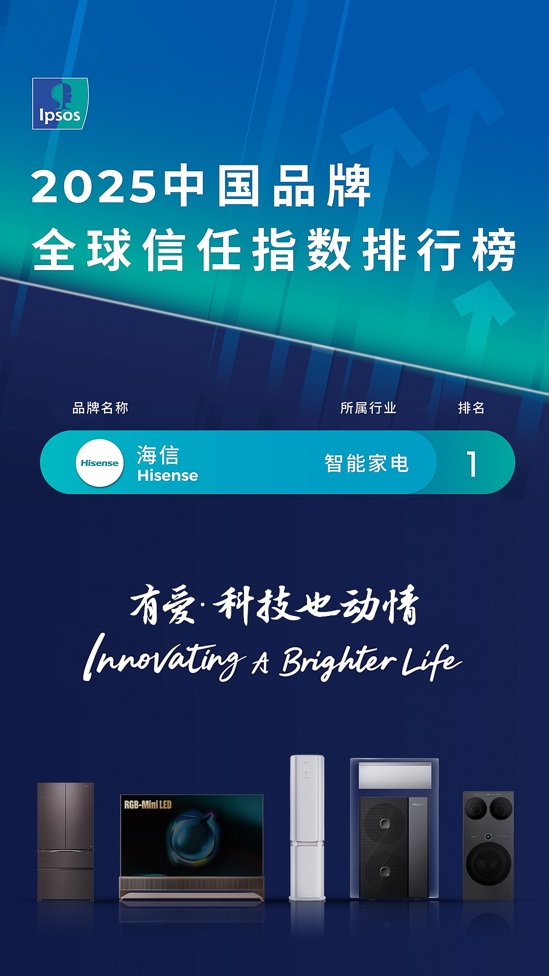
Core Insights - The report by Ipsos indicates that Chinese brands have seen a significant increase in global net trust, rising by 12 percentage points year-on-year, with Hisense Group maintaining its position as the leader in the smart home appliance sector [1][3]. Company Performance - Hisense has been globalizing for 30 years, establishing 30 R&D centers and 37 industrial parks worldwide. By 2024, overseas revenue is expected to account for nearly half of Hisense's total revenue, with its own brand contributing 85.6% [5]. - Hisense has been actively engaging in sports marketing, sponsoring major events like the UEFA European Championship and the FIFA World Cup, enhancing its global brand presence [5]. - The company has achieved high sales recognition globally, with Hisense TVs leading in market share in China, Japan, Australia, South Africa, and Slovenia, while its refrigerators have excelled in 12 countries [6]. Technological Innovation - Hisense is advancing in the high-end segments of the industry and value chain, with a significant share in the global market for 100-inch televisions, where one in every two sold is a Hisense product [6]. - Sales of refrigerators priced over $1,000 increased by 28% year-on-year, while sales of televisions in the same price range grew by 32% from January to November this year [6].
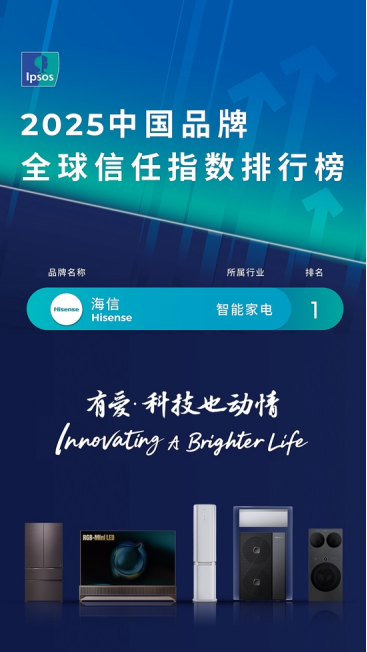
2025中国品牌全球信任指数发布 海信蝉联智能家电行业第一
Jin Rong Jie· 2025-12-24 06:42
Group 1 - The core viewpoint of the report is that Chinese brands have seen a significant increase in global trust, with a net trust level rising by 12 percentage points compared to the previous year, and Hisense has maintained its position as the leader in the smart home appliance industry [1][5][3] - The Ipsos report has been tracking the global trust performance of Chinese brands since 2019, covering 20 major overseas markets and 11 sectors, indicating a historic shift in the global brand trust landscape [3][5] - Hisense's globalization efforts have spanned 30 years, with 30 R&D centers and 37 industrial parks worldwide, and overseas revenue now accounts for nearly half of its total revenue, with 85.6% coming from its own brand [5][7] Group 2 - Hisense has leveraged sports marketing to accelerate its global brand presence, sponsoring major events like the UEFA European Championship and the FIFA World Cup, enhancing its brand recognition and consumer trust [7][8] - The report highlights that 67% of consumers prefer brands that align with their personal values, and 77% trust familiar brands for new products, shifting brand building from technical competition to emotional connection [8] - Hisense aims to focus on user-centered approaches and enhance consumer experiences through "human-centered technology" and "exquisite quality" in the global market [8]