谷歌

Search documents
信维通信(300136.SZ):已为谷歌硬件产品提供各类天线、射频连接器、精密结构件等解决方案
Ge Long Hui· 2026-01-13 12:37
Core Viewpoint - XW Communication (300136.SZ) has confirmed that Google is one of its important clients, providing various solutions including antennas, RF connectors, and precision structural components for Google's hardware products [1]. Group 1 - XW Communication has established a significant partnership with Google, indicating the importance of this client relationship for the company [1]. - The company offers a range of products to Google, which includes antennas, RF connectors, and precision structural components, showcasing its diverse capabilities in hardware solutions [1].

信维通信:谷歌是公司重要客户之一
Zheng Quan Shi Bao Wang· 2026-01-13 12:32
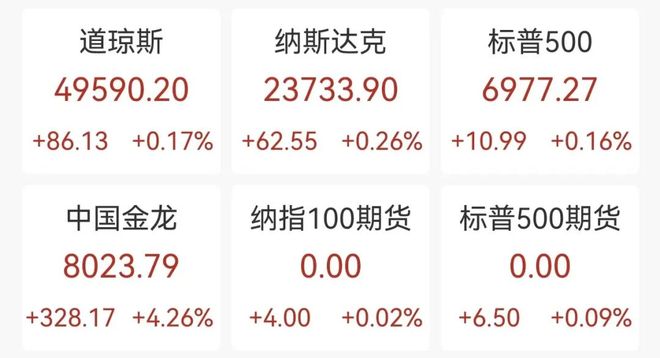
Group 1 - The core viewpoint of the article is that XW Communication has confirmed its collaboration with Google, indicating that Google is an important client for the company [1] - XW Communication provides various solutions for Google's hardware products, including antennas, RF connectors, and precision components [1]
苹果选中Gemini,谷歌登上“4万亿”
硬AI· 2026-01-13 09:20
Core Viewpoint - Apple has entered a multi-year partnership with Google to utilize the Gemini model and Google's cloud technology for its future Apple Foundation Models, marking a significant strategic shift in Apple's approach to AI [2][10]. Group 1: Partnership Details - The collaboration will support new AI features, including an updated version of Siri, expected to be launched later this year, although no specific timeline has been provided [10][11]. - Apple has evaluated Google's technology and believes it provides the strongest foundation for its models, indicating a strong reliance on Google's capabilities [10]. - This partnership resolves Apple's long-term exploration of AI collaboration, which included considerations of other partners like Anthropic and OpenAI [11]. Group 2: Market Impact - Following the announcement, Alphabet's stock price rebounded from an initial drop, reaching a peak of $334.04, and closing with over a 1% increase, marking a historic market cap of over $4 trillion [3][8]. - Alphabet's market cap surpassed Apple's for the first time since 2019, positioning it as the second-highest valued company globally, just behind Nvidia [8]. - The partnership is seen as a strategic advantage for both companies in the competitive AI landscape, with Alphabet's stock performance reflecting investor confidence in its AI initiatives [7][8]. Group 3: AI Advertising Innovations - Concurrently, Google announced the introduction of personalized advertising features in its AI shopping tools, leveraging the Gemini model to enhance consumer engagement [13]. - This move represents a significant step in monetizing AI capabilities, allowing advertisers to target consumers at critical purchasing moments [13].



ChatGPT坐拥亿级用户但付费率不足10%,AI如何转化持久利润?
3 6 Ke· 2026-01-13 08:22
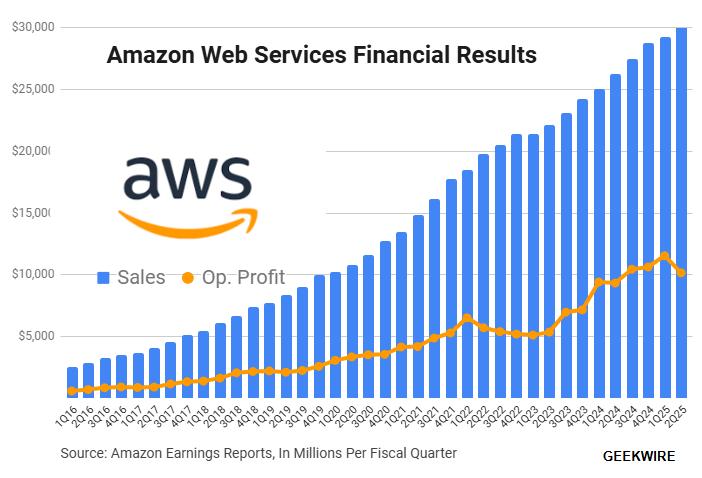
Core Insights - The narrative around the AI industry is undergoing significant scrutiny as massive capital expenditures collide with stagnant revenue growth, raising concerns about a potential "bubble" [1] - There is a growing gap between substantial investments in AI and the actual commercial returns, leading to a shift in focus from technological optimism to financial pragmatism [2] Group 1: Investment and Market Performance - In the U.S. market, NVIDIA's stock has reached new highs, reflecting investor enthusiasm for its AI chip business, while companies like Microsoft, Google, and Meta show structural differences in stock performance [1] - In China, Alibaba's stock has hit multi-year highs, with Tencent and Baidu also showing active performance in AI-related stocks, indicating ongoing market interest in domestic AI applications and infrastructure [1] - Despite high valuations in the global capital markets for the AI industry, concerns about the sustainability of these valuations are becoming a focal point of discussion [1] Group 2: Profitability Challenges in ToB AI - The global enterprise AI market is experiencing an asymmetric cycle of investment and profitability, with major players like Amazon and Google facing challenges as they expand [3] - Amazon's AWS is projected to have a capital expenditure of $125 billion in 2025, primarily for AI data center expansion, but its profit margins are under pressure due to rising operational costs [4][6] - AWS's revenue and operating income showed signs of recovery in Q3 2025, but profitability remains sensitive to capital expenditure and customer purchasing cycles [7] Group 3: Google Cloud's Growth and Challenges - Google Cloud has positioned AI at the core of its growth strategy, achieving significant revenue growth, but concerns about the mismatch between capital expenditure and returns persist [8][10] - Despite high ROI cases reported, the majority of AI projects struggle to achieve measurable returns, with only 25% of enterprise AI projects meeting initial ROI goals [14][15] Group 4: ToC AI Market Dynamics - The consumer AI segment faces challenges in converting user growth into revenue, with only 5% of AI projects yielding measurable benefits [16] - OpenAI's ChatGPT is projected to have annual revenue exceeding $20 billion in 2025, but its operational costs are rising exponentially, leading to significant losses [17] - The user base for ChatGPT has grown rapidly, but the conversion rate to paid subscriptions remains low, highlighting a disconnect between user acquisition and monetization [20][23] Group 5: Commercialization and Long-term Perspectives - The current investment-return imbalance in AI is seen as a phase rather than a failure of technology, with the potential for long-term value creation through efficiency improvements across industries [25][26] - The AI industry's commercial path is expected to follow a "J-curve," indicating that current losses are part of a necessary accumulation phase before significant returns can be realized [26][27] - The ongoing challenges in both ToB and ToC segments are contributing to the narrative of an "AI bubble," but the long-term potential of AI technology remains intact [27][28]




AI专题:AI模型迭代聚焦工程能力,AI应用落地锚定高ROI场景
Southwest Securities· 2026-01-13 06:54
Investment Rating - The report indicates a shift in AI investment from FOMO CapEx to ROI CapEx, suggesting a more cautious and strategic approach to capital expenditures in the AI sector [4]. Core Insights - Overseas AI investments are facing cash flow pressures, prompting tech giants to seek various data center construction methods and financing solutions to alleviate these pressures. The IPO process for AI unicorns is expected to accelerate [4]. - The focus on maximizing token output efficiency per watt in data centers is becoming critical due to power capacity limitations. Companies are optimizing hardware and software to enhance computational efficiency [4]. - The engineering capabilities of large AI models are improving, with a stronger emphasis on commercializing AI products through various business models such as subscriptions, APIs, and advertising [4]. - The growth of AI cloud services is anticipated to accelerate as capacity is released, with significant orders expected in 2025 [4]. Capital Expenditure Rhythm - Capital expenditure expectations are being raised, with cash flow pressures increasing in the future [5]. - The AI infrastructure paradigm is shifting, with capital expenditures continuing to expand as companies transition from CPU to GPU-based workloads [10][12]. Data Center Construction - Data centers are facing power capacity limitations, leading to a focus on maximizing output efficiency per watt [6]. - The construction of data centers is increasingly flexible to accommodate various generations of GPUs and other components [4]. Model Capability Evolution - The evolution of AI models is expected to continue, with advancements in long text processing, multi-modal capabilities, and logical reasoning [7]. - The commercial viability of AI products is expected to increase as engineering capabilities improve [4]. AI Cloud Business Growth - The AI cloud service sector is entering an expansion phase, with significant orders expected and a rapid increase in contract values [8]. - The release of computational capacity is projected to drive accelerated growth in AI cloud services [4]. Capital Expenditure Cash Flow Statement - The capital expenditure of major tech companies is growing rapidly, leading to increased pressure on free cash flow [20][21]. - The ratio of capital expenditure to operating cash flow is at historically high levels, indicating sustained investment despite cash flow pressures [21]. Capital Expenditure Balance Sheet - The fixed asset scale of major tech companies is steadily increasing, with operating lease liabilities showing slight growth [26]. - The ratio of operating lease assets to fixed assets indicates a preference for self-built data centers over leasing [26]. Capital Expenditure Income Statement - Depreciation and amortization expenses are increasing, putting pressure on profit margins [30]. - The proportion of depreciation to revenue is at its highest level since early 2020, indicating rising costs associated with infrastructure investments [31]. Capital Expenditure Financing Needs - Tech companies are increasingly turning to debt financing to manage cash flow pressures resulting from high capital expenditures [36]. - Major tech firms have issued significant amounts of debt to support AI infrastructure investments, indicating a shift from cash investments to debt financing [36][38].
中国科技巨头指数首超“美股七巨头”,AI或提升估值20%
Jing Ji Guan Cha Wang· 2026-01-13 06:38
Core Viewpoint - The Bloomberg industry report indicates that the Chinese technology giants index is expected to experience significant profit growth by 2026, surpassing the "Big Seven" of the US stock market for the first time since 2022, which has garnered considerable market attention [1][5]. Group 1: Market Performance - Asian technology stocks have shown strong performance in 2026, with a key index tracking Asian tech companies rising approximately 6% year-to-date, compared to a mere 2% increase in the Nasdaq 100 index [2]. - A-shares in the technology sector have collectively surged, with sectors like AI applications and semiconductors seeing weekly gains exceeding 10% [1]. - The Hong Kong market also performed well, with the Hong Kong Technology 30 ETF attracting over 450 million yuan in net inflows over five trading days [1]. Group 2: Factors Supporting Growth - Significant advancements in AI technology and applications have been made by Chinese tech companies, with breakthroughs like the DeepSeek-R1 model driving practical applications [2]. - Policy support, including subsidies for semiconductor localization and investments in the integrated circuit industry, has provided a strong foundation for the development of Chinese tech enterprises [3]. - The increase in semiconductor equipment procurement subsidies from 25% to 40% is expected to lower procurement costs significantly, enhancing the competitiveness of domestic chip manufacturers [3]. Group 3: Comparison with US Tech Stocks - US tech stocks face pressures from valuation bubbles and slowing growth, with the average P/E ratio of the "Big Seven" around 30 times, significantly higher than the 14 times for Chinese tech stocks [4]. - Concerns about an "AI bubble" have emerged, with discussions about the sustainability of valuations in the US tech sector intensifying [4][5]. - Chinese tech stocks are driven by domestic technological breakthroughs, policy resonance, and internal market demand, contrasting with US tech stocks that rely on global standards and mature ecosystems [5].
智能眼镜行业跟踪:CES 2026 新品百花齐放,产业趋势明确
GUOTAI HAITONG SECURITIES· 2026-01-13 06:12
Investment Rating - The report assigns an "Accumulate" rating for the smart glasses industry, indicating a positive outlook for investment in this sector [4]. Core Insights - The smart glasses industry is expected to enter a rapid growth phase, with companies in the supply chain poised to benefit from an upturn in market conditions. Recommended companies include Mingyue Lens, which is actively collaborating with leading brands, and Inpias, which is accelerating its entry into the smart sports equipment market [4][6]. - CES 2026 showcased a variety of innovative smart glasses, highlighting trends such as differentiated design, multi-core solutions for improved performance, and a focus on niche markets. Notable products include AI-integrated devices that enhance user experience through features like automatic life recording and real-time translation [2][6][7]. Summary by Sections Industry Overview - CES 2026 attracted over 4,000 companies, with more than 250 exhibitors focused on XR (extended reality) technologies. Major Chinese brands like Thunderbird Innovation, XREAL, and Rokid presented their latest smart glasses, emphasizing unique designs and advanced functionalities [6][7]. Product Highlights - Key products featured at CES 2026 include: - Thunderbird's X3 Pro, the first dual-eye AR glasses with eSIM support - XREAL's AR glasses with a 240Hz refresh rate - Rokid's lightweight AI glasses, designed for comfort and functionality [7][8]. Market Projections - Global smart glasses sales are projected to reach 1.52 million units in 2024, with a significant increase to 3.5 million units in 2025, representing a 230% year-on-year growth. By 2029, global sales are expected to hit 60 million units, with a CAGR of 109% from 2025 to 2029 [4][6].

汇量科技午前涨近8% AI广告商业化逐步推进 公司为AI+程序化广告分销龙头
Zhi Tong Cai Jing· 2026-01-13 04:40
Core Viewpoint - The stock of 汇量科技 (01860) has seen a significant increase, attributed to developments in AI advertising by Google and the company's strong revenue growth from its programmatic platform Mintegral [1] Group 1: Company Performance - 汇量科技's stock rose nearly 8% in the morning session, currently up 6.04% at HKD 20.18, with a trading volume of HKD 680 million [1] - Mintegral, a programmatic platform under 汇量科技, achieved revenue of USD 508 million in Q3 2025, representing a year-on-year growth of 26.2% and accounting for approximately 95.5% of the group's total revenue [1] Group 2: Industry Trends - Google is introducing new personalized advertising features in its AI shopping tool, marking a significant step in the monetization of AI by tech giants [1] - Long江证券's report suggests that advertising agencies may transition from traditional advertising services to marketing technology services, potentially leading to new business models such as subscription-based or performance-based payment systems, which could enhance profitability [1] - 信达证券 highlights that 汇量科技 is continuously optimizing ad performance through AI and machine learning, with a focus on meeting advertisers' core demands [1]
妙可蓝多,经销商数量为何下滑?丨消费参考
2 1 Shi Ji Jing Ji Bao Dao· 2026-01-13 02:48
Group 1 - Miaokelan maintains growth amidst market fluctuations, with Q3 2025 revenue increasing by 14.22% to 1.39 billion yuan and net profit attributable to shareholders rising by 214.67% to 42.97 million yuan [1] - The B-end market is driving growth, with liquid milk, cheese, and dairy product trade revenues for Q3 2025 at 87.15 million yuan, 1.166 billion yuan, and 130 million yuan, showing year-on-year changes of -8.55%, +22.44%, and -7.27% respectively [2] - The company is optimizing its distribution channel quality, leading to a decrease in the number of distributors, which is part of a strategic shift from scale coverage to efficiency enhancement [3] Group 2 - The integration of Mengniu's cheese business has created synergies, allowing for a unified B-end operation system and improved revenue from baking and tea coffee channels [3] - The demand for cheese in the catering market is significantly influenced by foreign brands, but Miaokelan's products are gradually achieving domestic substitution [4] - The temporary anti-subsidy measures on EU dairy products by the Ministry of Commerce in December 2025 are expected to accelerate the domestic substitution process, enhancing the company's competitive position [5]

中国资产爆发、金银齐创新高!中国金龙指数大涨4.26%,阿里巴巴股价暴涨10.17%
Jin Rong Jie· 2026-01-13 00:41
Market Overview - The global financial market displayed a distinct structural trend, with major US stock indices closing at historical highs, driven by a reallocation of funds between risk and safe assets [1] - The US stock market experienced a V-shaped rebound, with the Dow Jones Industrial Average rising by 86.13 points (0.17%) to close at 49,590.20 points, and the S&P 500 index increasing by 10.99 points (0.16%) to 6,977.27 points [2] Technology Sector - Large tech stocks showed mixed performance, with Google's Class A shares rising by 1.09%, marking a market capitalization breakthrough of $4 trillion, bolstered by a long-term AI collaboration agreement with Apple [4] - Apple's stock also increased by 0.34%, while Meta Platforms saw a decline of 1.7% as it announced a strategic project to build AI computing facilities over the next decade [4] Consumer and Financial Sectors - The consumer sector experienced significant gains, exemplified by Walmart's stock surging by 3% to reach a historical high, with a market capitalization exceeding $940 billion due to expectations of its inclusion in the Nasdaq 100 index [5] - Conversely, the financial sector led declines in the S&P 500 index, with a drop of over 1%, influenced by President Trump's announcement of a 10% cap on credit card annual interest rates, which pressured loan institutions and credit card companies [6] Chinese Stocks - Chinese stocks emerged as market stars, with the Nasdaq China Golden Dragon Index soaring by 4.26% to close at 8,023.79 points, marking a single-day increase of 328.17 points [7] - Notable individual stock performances included Kingsoft Cloud rising by 21.60%, Zhihu by 17.46%, and Alibaba by 10.17% [9] Precious Metals - The international precious metals market saw a strong surge, with COMEX gold futures rising by 2.40% to $4,608.80 per ounce, and spot gold increasing by 1.84% to $4,592.13 per ounce, reaching historical peaks [10] - Silver prices experienced even greater gains, with COMEX silver futures up by 7.33% to $85.16 per ounce [10] Oil and Industrial Metals - International oil prices saw slight increases, with light crude oil futures for February rising by $0.38 to $59.50 per barrel, and Brent crude oil futures for March up by $0.53 to $63.87 per barrel [10] - Industrial metals also showed signs of recovery, with copper prices returning to $6 per pound, indicating improved market expectations for global economic recovery [10]