LV

Search documents
消费品如何做好定价和促销?
Hu Xiu· 2025-06-04 01:57
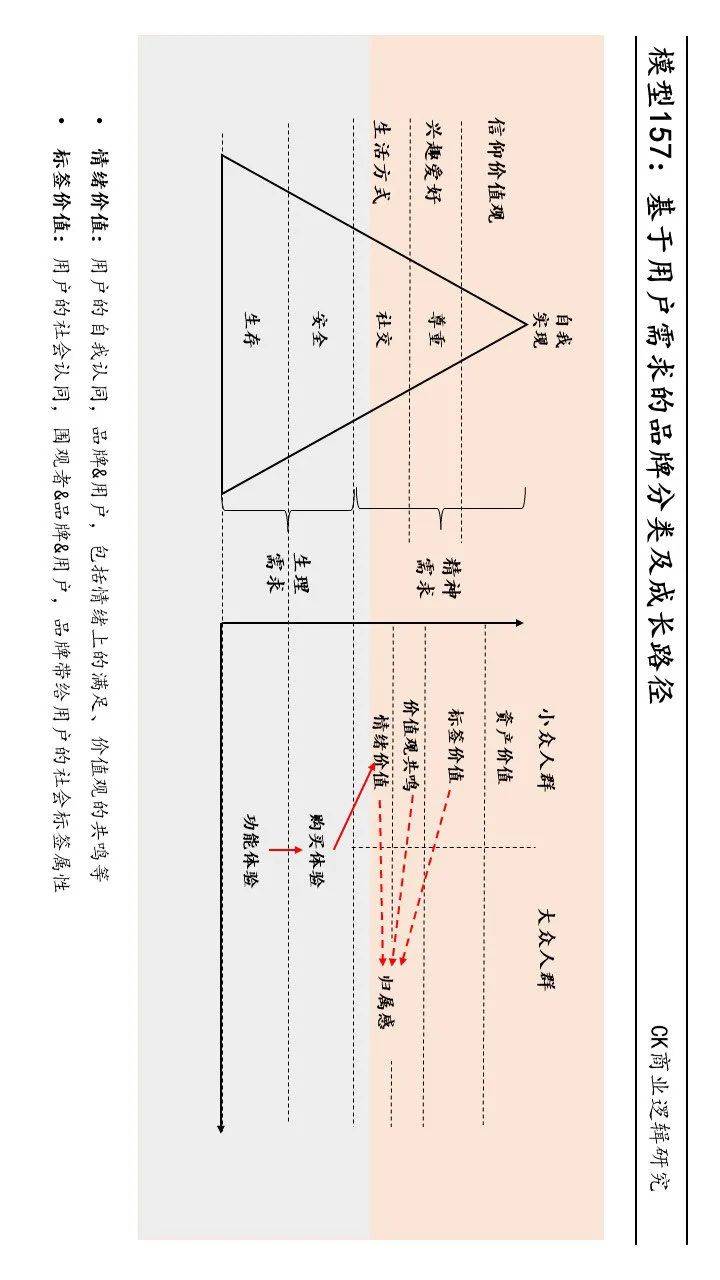
Group 1 - The article discusses the relationship between pricing and promotions, suggesting that promotional design can be integrated into pricing strategies to maintain price stability [1][2] - It emphasizes the importance of understanding the value structure of consumer goods for effective pricing [3][4] - The article introduces Maslow's hierarchy of needs as a framework to analyze the value structure of consumer products [4][6] Group 2 - The article categorizes consumer needs into physiological and psychological needs, with physiological needs focusing on functional value and psychological needs encompassing emotional and value resonance [39][48] - It highlights that products fulfilling physiological needs often face intense price competition due to high price elasticity [6][44] - Brands focusing on psychological needs can achieve higher price premiums by enhancing emotional value or establishing value resonance with consumers [21][59] Group 3 - Emotional value is identified as a key driver for consumer engagement, with brands needing to create strong emotional stimuli to break into broader markets [50][55] - Value resonance is described as a more stable connection between brands and consumers, requiring time and consistent brand actions to establish [54][59] - The article discusses the challenges brands face in creating label value, which involves complex communication with consumers and their social circles [27][56] Group 4 - The article outlines the concept of price expectations, where consumers assess the value of products based on their perceived performance relative to price [63][64] - It notes that consumer willingness to pay can fluctuate based on context, affecting their perception of value for money [64]

「丑车」卖爆了,“审丑经济学”硬控年轻人,越土越好卖?
3 6 Ke· 2025-06-03 10:55
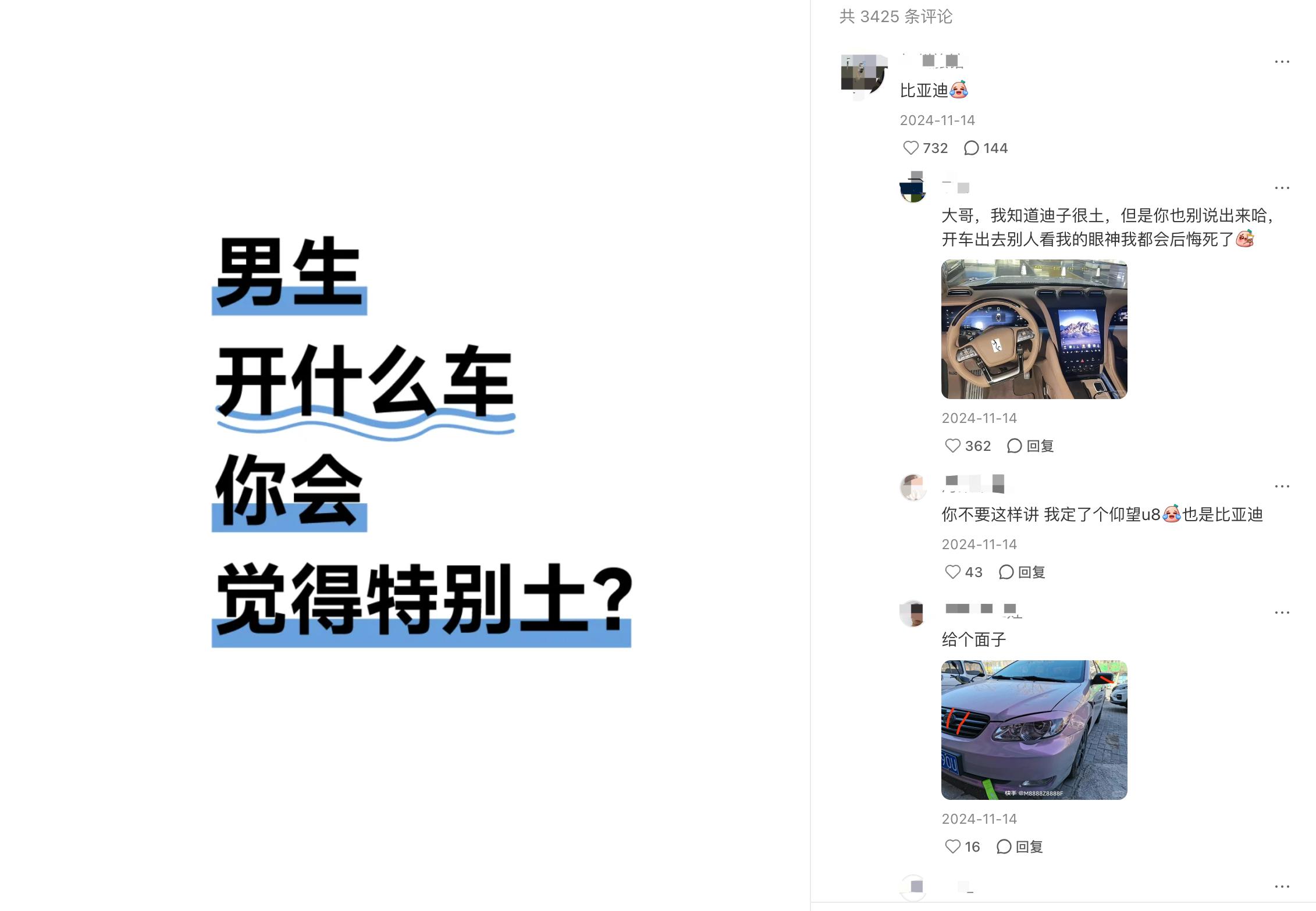
Core Viewpoint - The rise of "ugly design" in the automotive industry reflects a shift in consumer preferences, particularly among younger generations, who are increasingly embracing products that defy traditional aesthetic norms and challenge mainstream beauty standards [1][19][20]. Group 1: Trends in Automotive Design - Chinese car manufacturers are intentionally adopting "ugly designs" as a strategic response to market demands, prioritizing functionality over aesthetics [2][24]. - The K-Car model by BYD exemplifies this trend, as it is designed to cater to the Japanese microcar market, aiming for a 40% market share by next year [8][24]. - The "ugly" design of models like Li Auto's MEGA and NIO's Firefly has sparked debate, yet they have successfully attracted attention and sales, indicating a shift in consumer acceptance [9][15][18]. Group 2: Cultural and Economic Implications - The popularity of "ugly things" among young consumers signifies a broader cultural movement against "refined aesthetics," allowing for personal expression and identity through unconventional design [19][20]. - Brands are leveraging this trend to create buzz and engage consumers, as seen with high-profile collaborations and unique product offerings that challenge traditional beauty standards [21][22]. - The emergence of "ugly design" in the automotive sector highlights the need for differentiation in a rapidly evolving market, particularly as electric and smart technologies become standard [24][25]. Group 3: Future Directions - The challenge for Chinese automotive brands lies in translating the success of "ugly design" in domestic markets to international markets, where cultural perceptions of beauty differ [24][25]. - To achieve global recognition, these brands must develop a coherent aesthetic logic that resonates with youth culture worldwide, moving beyond mere product output to cultural influence [25][26]. - The ongoing experiment with "ugly design" presents an opportunity for the automotive industry to redefine its narrative and establish a new paradigm in global automotive aesthetics [25][26].

千元国产包,背上就像“打工版董洁”?
3 6 Ke· 2025-05-26 23:56
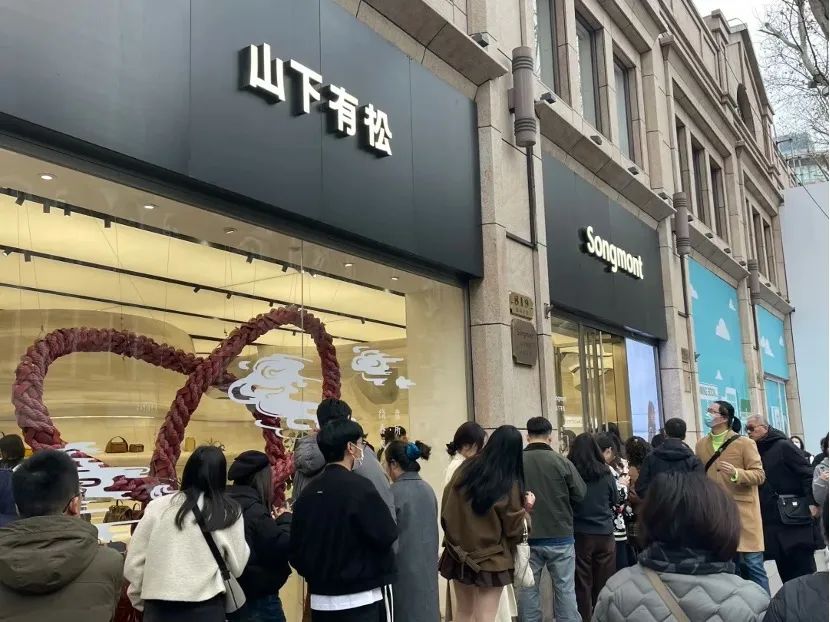
Core Insights - The rise of domestic bag brands in China, particularly those priced around 1,000 to 2,000 yuan, is attributed to their practicality and appeal to urban professionals, as well as a shift in consumer preferences towards local culture and design quality [5][16][21] - The popularity of brands like "Shanxia Yousong" and "Gele" is evident in their sales performance, with Shanxia Yousong ranking second in Tmall's sales of women's bags priced over 1,000 yuan [5][10] - The domestic bag market is experiencing a significant transformation, with brands focusing on high-quality materials, versatile designs, and effective marketing strategies to attract a broader audience, including male consumers [12][14][19] Market Trends - Domestic bag brands have captured a substantial market share, with seven out of the top fifteen women's bags on Tmall being local brands [5] - The trend of practicality and multi-scenario adaptability in bag design is driving sales, as consumers seek bags that can transition from work to leisure [7][10] - The "hobo bag" style has gained popularity, with several domestic brands offering their versions, indicating a trend towards casual yet stylish designs [12][10] Consumer Behavior - Young consumers are increasingly willing to pay for design and quality, moving away from purely price-sensitive purchasing behavior [16][21] - The influence of celebrity endorsements and social media marketing has played a crucial role in elevating brand perception and driving sales [16][19] - Despite the growth, there are concerns regarding product quality and brand loyalty, as consumers express skepticism about the value of higher-priced domestic bags compared to established international brands [21][25] Competitive Landscape - The domestic bag market faces challenges from both international luxury brands and emerging local competitors, necessitating a clear positioning strategy for domestic brands [21][27] - Brands are exploring high-end positioning or focusing on extreme cost-performance ratios to cater to different consumer segments [27] - The need for domestic brands to build a strong brand narrative and consumer trust is critical for long-term success in a competitive market [21][27]
2025奢品行业白皮书-小红书&Vogue Business
Sou Hu Cai Jing· 2025-05-23 19:05
Core Insights - The Chinese luxury market is undergoing a structural transformation from "symbolic consumption" to "cultural identity," with Xiaohongshu emerging as a key strategic platform for luxury brands to connect with Chinese consumers, reshaping the consumption decision chain and promoting cultural empathy and resonance [1][19]. Consumer Behavior Changes - High-net-worth individuals show "counter-cyclical" consumption resilience, with 43% indicating they will increase daily luxury goods consumption in the coming year, shifting their focus from materialism to values, culture, and lifestyle experiences [2][24]. - Middle-class consumers are leaning towards "long-termism," emphasizing classic items and product value retention, with discussions around "long-termism" on Xiaohongshu reaching 950 million views [2][26]. - Decision-making factors are evolving from "symbolic consumption" to "cultural identity," with younger consumers prioritizing brand alignment with personal identity, as seen in the "New Chinese Style" fashion content on Xiaohongshu [2][31]. Consumer Segmentation on Xiaohongshu - Xiaohongshu categorizes luxury consumers into six profiles: "Luxury Lifestyle Enthusiasts," "Self-Celebrators," "Trendy Luxury Seekers," "Subtle Luxury Intellectuals," "Luxury Newcomers," and "Socially Conscious Consumers," providing brands with targeted operational strategies [3][66]. Cultural Translation and Resonance - Cultural translation is crucial for localizing luxury brands, with examples like Bulgari's snake-themed exhibition increasing search interest by over 300% and Gucci's bamboo elements bridging Eastern and Western cultures [4][5]. - Events like DeBeers' high-end jewelry dinner and Cartier's art exhibitions leverage Xiaohongshu for deeper brand cultural recognition, with Cartier's event generating over 15 million exposures [6][5]. Full-Scale Transformation - Xiaohongshu's mini-programs and stores are driving a closed-loop system for brands, with Dior's mini-program achieving full-category sales and Longchamp's custom services seeing a 600% increase in DGMV [7][19]. - The collaboration between Xiaohongshu and platforms like Taobao is enhancing the consumer journey from interest to purchase, with brands like Maison Margiela seeing a 70% increase in e-commerce ROI [8][19]. Strategic Importance of Xiaohongshu - Xiaohongshu is positioned as a critical partner for luxury brands in understanding and engaging with the Chinese market, transforming from a social content platform to a strategic high ground for luxury marketing [19][18]. - The platform's unique user-generated content ecosystem fosters emotional resonance and cultural innovation, allowing brands to co-create narratives with consumers rather than merely transporting cultural elements [36][37].

520,男性开始给自己花钱
3 6 Ke· 2025-05-20 12:01
Group 1: Market Trends - The traditional couple economy is cooling down, with a notable shift towards male consumers focusing on self-investment and personal interests [1][3][14] - Data shows that 30% of men plan to not give gifts during the 2024 "520" period, indicating a significant change in spending behavior [1] - The sales of the domestic game "Black Myth: Wukong" reached 9 billion yuan, primarily driven by male players, reflecting the rise of "self-consumption" among men [1] Group 2: Changing Consumer Behavior - The willingness to engage in romantic relationships among young people is declining, with both genders scoring around 5 out of 10 on their desire for romance [2][3] - The sales of DR diamond rings, once a symbol of true love, have seen a significant decline, with a 36.19% drop in revenue year-on-year [2] - The cinema attendance for romantic films is decreasing, replaced by a demand for family and solo viewing experiences [3] Group 3: Male Consumption Dynamics - Male consumers are increasingly spending on personal grooming and beauty products, with sales in categories like skincare and cosmetics for men reaching 1.86 billion yuan, a 65% increase year-on-year [5] - The male medical beauty market is also growing, with 45% of surveyed men planning to increase their spending on medical aesthetics in 2024 [7] - The average spending of male consumers online has surpassed that of females, reaching 10,025 yuan, with the male consumption market expected to exceed 6 trillion yuan by 2025, growing at a compound annual growth rate of 9.8% [4] Group 4: Marketing and Brand Strategy - Brands need to adapt to the shift from relationship-based consumption to individual needs, focusing on "solitary consumption" [9][10] - Marketing strategies are evolving from emphasizing product functionality to highlighting emotional value and identity recognition [12][13] - The rise of interest-based consumption is evident, with products becoming symbols of social identity, such as the "middle-class three-piece set" [8][12] Group 5: Future Outlook - The transformation in male consumer behavior is indicative of a broader market restructuring, where consumption is increasingly tied to personal meaning rather than mere transactions [14] - The emergence of new markets driven by single economy, technological empowerment, and evolving values is expected to create significant opportunities for brands [14]
Z世代消费力如何重塑外资品牌?从酱香拿铁到LV直播的营销革命
Sou Hu Cai Jing· 2025-05-19 07:11
Core Insights - The rise of the "Sauce Aroma Latte" by Starbucks, which incorporates the scent of Moutai liquor, signifies a significant shift in the Chinese coffee market driven by the purchasing power of Generation Z [2] - Generation Z in China is showing a consumption growth rate of 14% annually, which is double that of individuals over 35, indicating a shift in brand loyalty towards those that understand local culture [2] - Successful foreign brands are adapting to local preferences by innovating products and marketing strategies, as evidenced by L'Oréal's localized product development and LV's engagement with consumers through live streaming [3][4] Product Innovation - L'Oréal's Asian Skin Laboratory was established to cater to the 37% higher demand for anti-aging products among Asian consumers compared to Western markets, leading to the successful launch of the "Truffle Essence" series [2] - The shift from merely repackaging Western products to developing products that resonate with local consumers marks a significant change in strategy for international beauty brands [2] Marketing and Channel Strategies - LV's live streaming debut on Xiaohongshu, utilizing popular internet slang, garnered 270 million views, demonstrating the importance of cultural integration in marketing to younger consumers [3] - Costco's initial pricing strategy in China failed to attract members, leading to a successful pivot to a "0 yuan experience membership" model, which significantly increased daily foot traffic [3] Consumer Behavior and Market Dynamics - According to Nielsen's report, by 2030, the global consumption power of Generation Z is expected to reach $12 trillion, with Chinese youth showing a preference for local elements and a willingness to pay a premium for emotional resonance [3] - The transition of consumer power from traditional methods to innovative approaches highlights the need for foreign brands to evolve, as expressed by a young consumer's desire for products "born for China" rather than just "customized for China" [4]


一周新消费NO.309|毛戈平美妆x故宫文创推出第六季新品香水;半天妖推出两款特色新品
新消费智库· 2025-05-18 10:53
这是新消费智库第 2 6 3 6 期文章 新消费导读 1. 永璞上新冰薄荷黑巧咖啡液 2. 安踏上线滑板鞋 3. 半天妖推出两款特色新品 4. Bape 携手林俊杰推出限定系列 5. Al lbirds 官宣董洁为品牌大使 6. 彩棠 x 茉莉奶白推联名系列 7. 小马智行 公司正计划赴港上市 8. WinnCafe 稳因咖啡获数千万元融资 9. 铜师傅冲刺港交所 10. 手滑科技完成数千万元 A 轮融资 11. 日本麦当劳 xChi i kawa 推出 8 款限定玩具 12. 伊索薇绿香水全新上市 13. 毛戈平美妆 x 故宫文创推出第六季新品香水 . . . . . . 一周新品 1. 永璞上新冰薄荷黑巧咖啡液 图片来源:腾讯公共图库 近日, 永璞官宣上新冰薄荷黑巧风味意式咖啡液。这款冰薄荷黑巧风味意式咖啡液选用的是 100% 阿拉比卡咖啡豆,添加了≥ 0.25% 的薄 荷提取液。每条咖啡液新品的能量为 19k J , 0 糖 0 脂,其中咖啡因含量≥ 200mg/ kg 。 ( FBIF 食品饮料创新) 2.延中饮料上新咸青桔风味盐汽水 延中饮料官宣上新咸青桔风味盐汽水。据品牌介绍,新品通过独特的工艺调 ...
通关更快更便利!上海打造首发消费品进口极速通道
Guo Ji Jin Rong Bao· 2025-05-16 14:58
Core Viewpoint - Shanghai has launched a pilot program for the facilitation of inspection for imported consumer goods, introducing an innovative model of "whitelist + differentiated qualification assessment" to enhance efficiency for first-time launches of imported products [1][2][3] Group 1: Policy Innovations - The new facilitation measures aim to address the pain points in customs clearance by expanding the scope of applicable products to include all categories such as clothing, toys, tableware, and electronics [3] - The measures include a flexible regulatory mechanism for small batch imports and a collaborative service model involving multiple departments to ensure quality and safety while facilitating rapid clearance [3][6] - The "Shanghai 3.0" support policy includes three new initiatives and seven extended measures, focusing on simplifying customs processes for newly launched imported products [2][3] Group 2: Economic Impact - In the first four months of this year, Shanghai has seen the establishment of 301 new stores, including 7 global and Asian first stores, indicating its growing status as a preferred location for brand launches [2][5] - The new policies are expected to improve average customs clearance efficiency by over 80%, significantly reducing the time required for products with long testing cycles [6][8] - The measures have attracted 14 multinational brands to apply for inclusion in the whitelist, covering over 20 consumer product brands and more than 20,000 global or regional first launches [6][8] Group 3: Brand Participation - Notable brands such as LV, Dior, and Prada have applied to become whitelist enterprises, reflecting the positive reception of the new facilitation policies [7] - The introduction of the new measures has led to the successful importation of products by companies like Jellycat, which reported efficient customs processes and significant time savings [8] - The policies are designed to enhance Shanghai's reputation as a global launch hub, supporting the city's goal of becoming a leading international consumption center [8]
为什么说当下的奢侈品下滑,不是历史的终结,而是反弹的前奏?
3 6 Ke· 2025-05-16 02:13
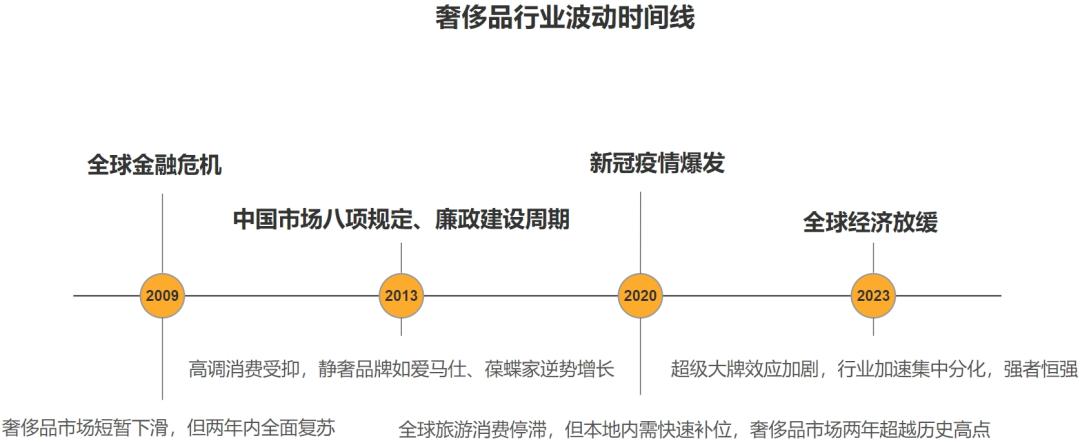
Core Viewpoint - The luxury goods industry is experiencing a temporary cooling period, but this is seen as a market adjustment rather than a long-term trend. The demand for luxury goods is deeply rooted in human nature and transcends economic conditions [1][2][15]. Group 1: Market Resilience - Historical data shows that the luxury goods market has consistently demonstrated strong recovery after crises, such as the 2009 financial crisis and the 2020 pandemic, with a compound annual growth rate of over 5% since 2000 [3][15]. - The luxury goods sector is characterized by a unique ability to rebound, as evidenced by brands like Hermès and Bottega Veneta, which have thrived even during downturns by maintaining exclusivity and quality [3][12][13]. Group 2: Consumer Demographics - The primary consumers of luxury goods include ultra-high-net-worth individuals, stable high-net-worth individuals, and culturally aware middle-class consumers, who are less affected by economic downturns [6][8]. - Emerging markets, particularly in Asia, are seeing a rise in affluent consumers, while the "Henry" group in the U.S. represents a significant target demographic for luxury brands [8][21]. Group 3: Brand Dynamics - Luxury brands possess a strong competitive advantage through their historical narratives and cultural significance, which create a protective moat against market fluctuations [9][12]. - The luxury sector benefits from absolute pricing power and supply control, allowing brands to maintain exclusivity and resist deflationary pressures [12][13]. Group 4: Current Market Trends - The current downturn in the luxury market is viewed as a necessary cleansing process, eliminating unsustainable growth patterns and allowing for a focus on high-quality brands [15][16]. - The luxury industry is entering an era dominated by "super brands," which are outperforming the market average due to their scale, brand equity, and emotional connection with consumers [20]. Group 5: Future Opportunities - New growth drivers are emerging in the luxury market, particularly in regions like China, Southeast Asia, and the Middle East, as well as among younger generations who prioritize sustainability and personalization [21]. - The luxury goods sector is adapting its value system and growth logic to align with evolving consumer demands, indicating a robust long-term outlook despite short-term fluctuations [21].

“胖”都来“蹭”胖东来,跟成功学大师“蹭”马云合影,有啥不一样?【炮老板品牌观】
Sou Hu Cai Jing· 2025-05-16 01:12
最近啊,你要说商界零售圈最火的,除了雷军雷总的SU7,估计就是河南许昌的胖东来了。火到什么程 度?不光是消费者排队去朝圣,我瞅着,各种"学习胖东来"、"借鉴胖东来模式"、"胖东来精神xx分 舵"的说法也开始冒头了。更有意思的是,有些名字、装修风格、甚至服务细节都开始有意无意地向胖 东来"看齐"。 咱圈里人把这种现象叫啥?一个字——"蹭"。"胖"都想来蹭"胖东来"的光。 看到这些,我就想起了我干知识产权和品牌这行多年的一些经历。这种"蹭"的现象,说实话,太常见 了。每当一个品牌、一个模式火起来的时候,后面准保跟着一堆"致敬者"、"学习者",当然,也少不了 那些打擦边球的"模仿者"。 一、"蹭"是强者的"勋章",但别指望"蹭"成强者 在我看来,一个品牌能被人"蹭",恰恰说明它牛,它火,它在某个阶段达到了一个让同行羡慕甚至嫉妒 的高峰。 你想想,谁会去蹭一个无人问津、半死不活的牌子?没人蹭,说明你还不够"亮"。 我经手过不少品牌维权的案子,也帮很多企业做过品牌战略。我发现一个规律:那些天天喊着被人仿 冒、被人抄袭、被人"蹭流量"的,往往都是各个行业的头部品牌,或者至少是某个细分领域的佼佼者。 LV、Gucci的假货 ...