奔驰

Search documents
为什么增程车很少用2.0T?
Zhong Guo Zhi Liang Xin Wen Wang· 2025-09-26 07:50
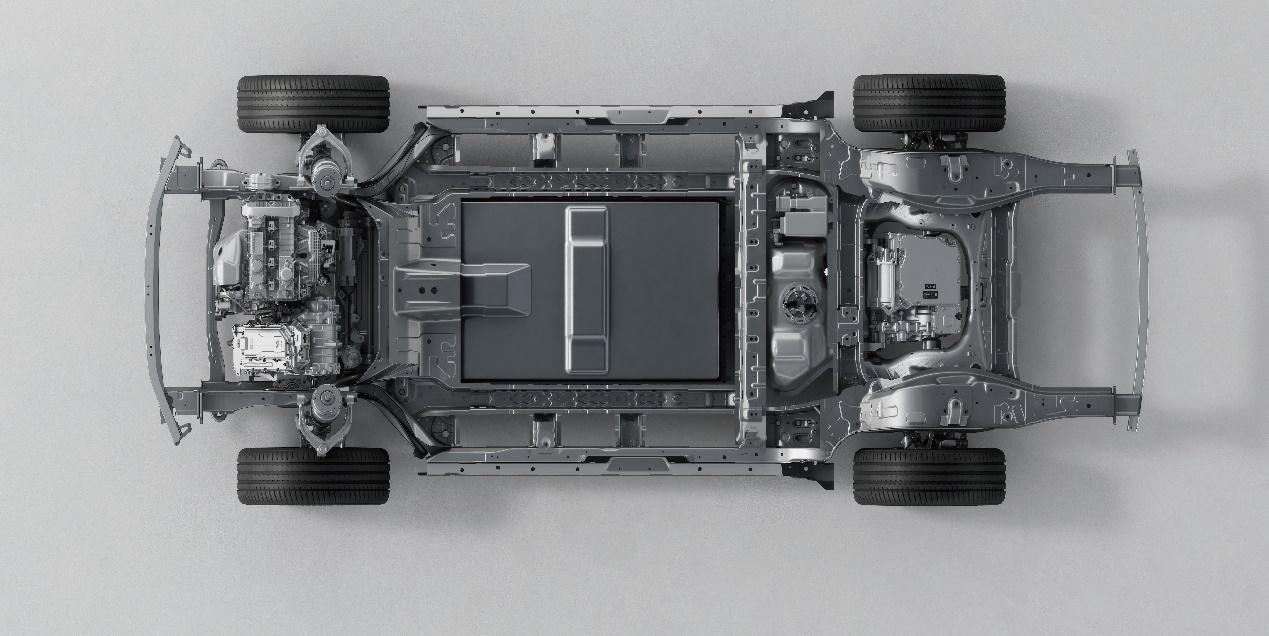
Core Viewpoint - The shift from 2.0T engines to 1.5T engines in range-extended electric vehicles (REEVs) is driven by the need for efficiency, cost-effectiveness, and the evolving role of the engine as a generator rather than a primary power source [1][5][17] Engine Role in REEVs - In REEVs, the engine functions primarily as a generator to produce electricity, while the electric motor drives the wheels, making the engine's role fundamentally different from traditional vehicles [5][6] - The focus on a strong electric drive system reduces the necessity for a powerful 2.0T engine, as the 1.5T engine can efficiently meet the power requirements for typical driving conditions [3][17] Efficiency and Cost Considerations - The 1.5T engine is favored due to its higher thermal efficiency, with many achieving over 40%, compared to most 2.0T engines which remain below 38% [8][11] - The smaller size and weight of the 1.5T engine allow for better vehicle layout, optimizing space for batteries and electric motors, which enhances overall performance and range [10][11] Market Trends and Consumer Preferences - Major REEV models like Li Auto's L series and Aito's M series predominantly use 1.5T engines, reflecting a strategic choice based on technology, cost, and efficiency [6][11] - As battery technology improves, the reliance on the engine for power generation decreases, further solidifying the 1.5T engine's position as the optimal choice for most consumers [17] Performance and Application - While 2.0T engines can provide higher power output, their advantages are often unnecessary for everyday driving, as demonstrated by the performance metrics of vehicles like the Li L9 [13][15] - The increasing battery capacity in modern REEVs means that the need for a larger engine is diminishing, aligning with consumer demands for lower operating costs and quieter driving experiences [17]


保时捷调整电动化转型节奏 采取燃油与纯电“双轨并行”策略
Cai Jing Wang· 2025-09-26 07:32
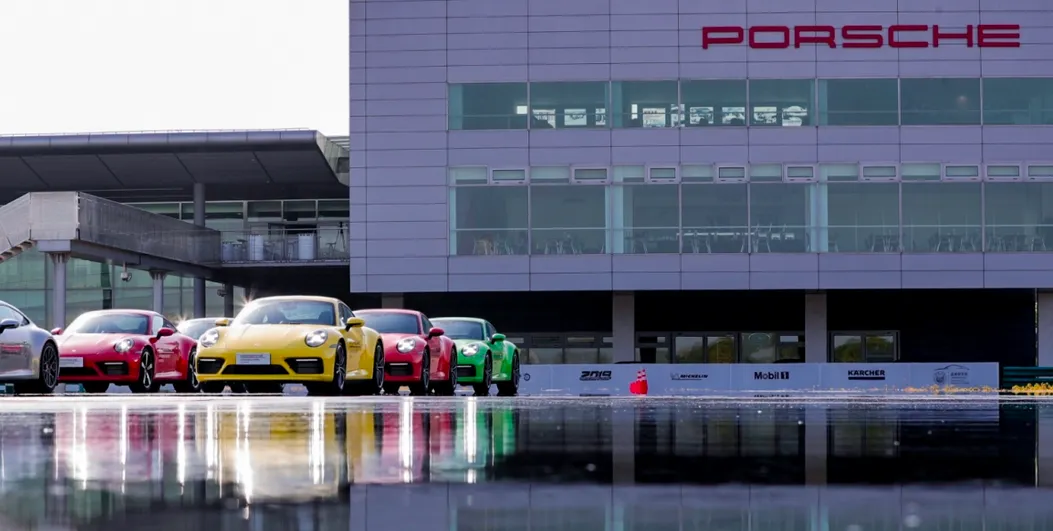
Core Viewpoint - Porsche has officially adjusted its product strategy to include new internal combustion engine models, extend the market lifecycle of existing fuel and plug-in hybrid models, and delay the launch of certain electric vehicle models, indicating a shift from aggressive electrification goals to a dual-track approach of fuel and electric vehicles [1][3][5] Strategic Adjustment - The decision clarifies Porsche's future product strategy, with a revised timeline for the electric platform development initially planned for the 2030s, while continuing to update existing electric models [3][5] - New internal combustion engine models will be added to the product matrix, and the lifecycle of current internal combustion models will be extended, with replacement models included in the planning [3][5] - A new SUV series, originally planned to be fully electric, will now launch with internal combustion and plug-in hybrid variants first, while the existing electric lineup will continue to be updated [3][5] Financial Performance - The strategic adjustment aims to enhance financial performance in the upcoming fiscal year, although it will incur significant depreciation and provisions in the short term [3][6] - Porsche's net profit for 2024 is projected at €3.595 billion, a 30.3% decline year-on-year, with a sales return rate of 14.1%, down from 18% in 2023 [6] - In the first half of this year, Porsche's net profit dropped to €718 million, a 66.6% decrease, with the sales return rate falling from 15.7% to 5.5% [6] Sales and Market Dynamics - In the first half of 2025, Porsche's global sales reached 146,000 units, a 6% decline year-on-year, with sales in China dropping 28% to 21,300 units [7] - The high costs and lower profit margins of electric vehicles, coupled with increased tariffs in the U.S., have led Porsche to lower its financial forecasts, with a revised sales return rate expectation of 5% to 7% for 2025 [7] - Other international automakers, including Audi, Mercedes, BMW, and Volvo, are also adjusting their electrification strategies, moving away from strict timelines for phasing out internal combustion engines [8][9]
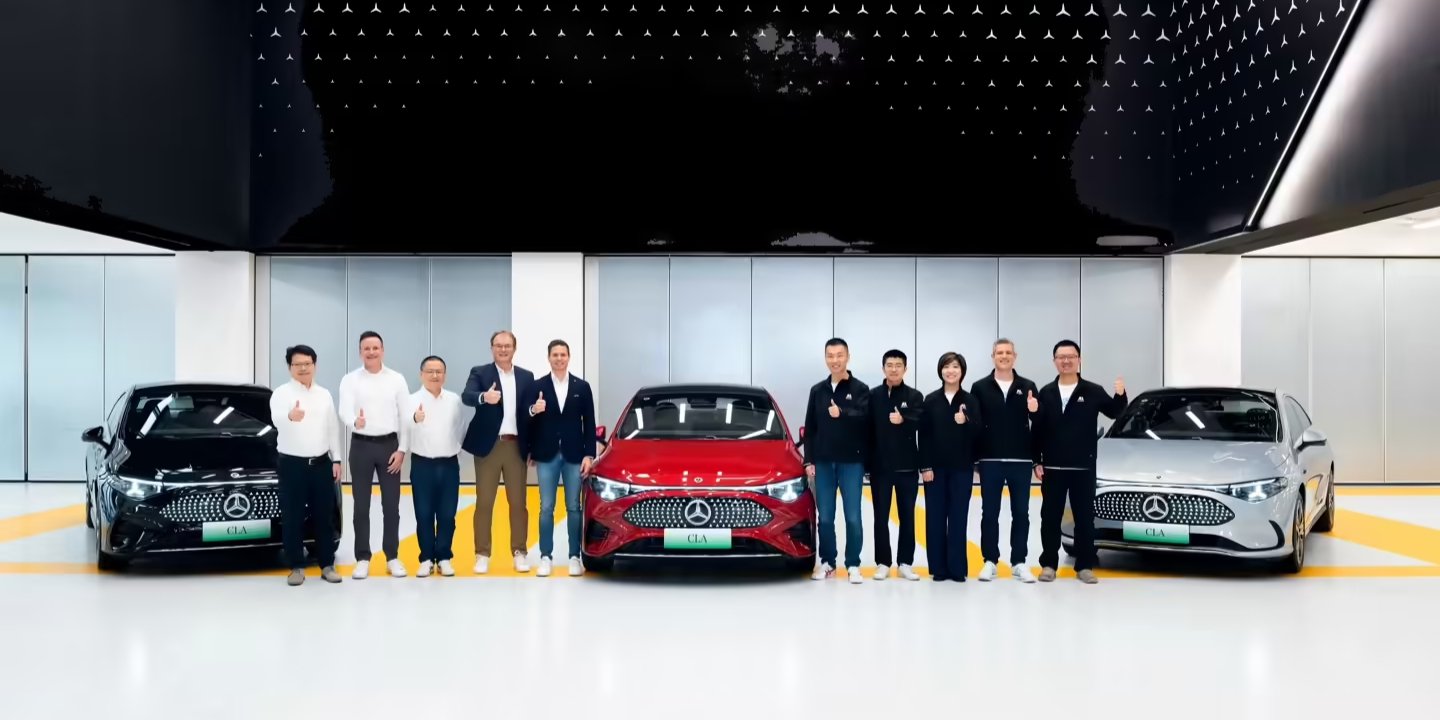
奔驰携手Momenta发布辅助驾驶系统 全新纯电CLA率先上车
Zhong Guo Zhi Liang Xin Wen Wang· 2025-09-26 06:38
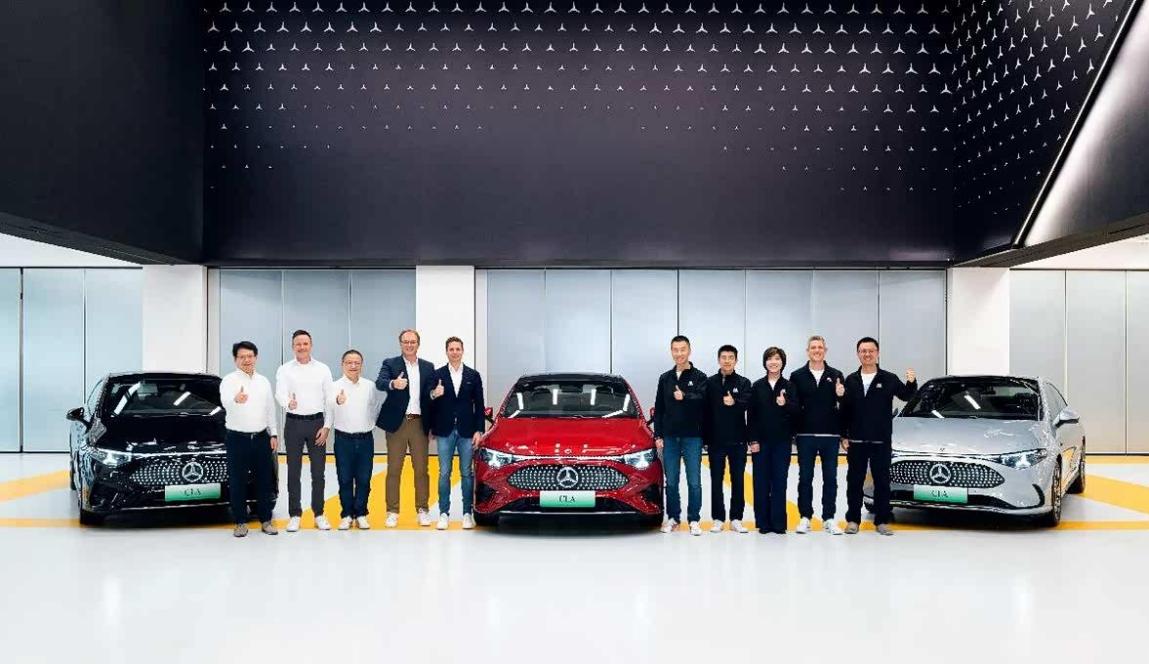
Core Insights - Mercedes-Benz announced a collaboration with Chinese autonomous driving technology company Momenta to develop a new generation of advanced driver-assistance systems, which will first be featured in the upcoming domestic all-electric CLA model [1][3] - The system is designed based on stringent Mercedes standards for safety, comfort, and travel efficiency, while also addressing the actual needs of Chinese customers [3] Group 1 - The new system will utilize Momenta's "Flywheel Model" technology to enable "point-to-point" driving assistance in various scenarios, including highways, urban areas, and parking [3] - All training data for the system is sourced from local Chinese data, incorporating a wealth of experience from seasoned drivers to better meet customer demands [3] - The system has undergone extensive testing for extreme conditions such as heavy fog, rain, and complex road situations to ensure reliability [3] Group 2 - The collaboration leverages the strengths of both companies, with Mercedes bringing nearly 40 years of self-developed experience in intelligent driving assistance and Momenta contributing its cutting-edge Flywheel Model technology [3] - The partnership aims to create a product that aligns with the needs of domestic users by integrating a century of engineering experience with advanced technology [3]
千呼万唤,隐藏式门把手要被禁了
3 6 Ke· 2025-09-26 04:41
Core Viewpoint - The hidden door handle, once seen as a high-tech feature, has become a source of frustration for consumers, leading to regulatory changes aimed at enhancing safety and usability [1][5][16]. Regulatory Changes - The Ministry of Industry and Information Technology has proposed a new mandatory national standard for automotive door handles, requiring a hand operation space of at least 60mm×20mm×25mm for each door handle [3][10]. - This regulation will render approximately 90% of fully hidden door handles obsolete, while semi-hidden designs, like those in the Xiaomi SU7 and AITO M8, will comply without needing modifications [3][5]. Consumer Concerns - Consumers have expressed significant concerns regarding the usability and safety of hidden door handles, particularly for children and the elderly, with reports of injuries and difficulties in emergency situations [5][8][16]. - The new regulations are seen as a direct response to these consumer concerns, signaling a shift in the industry from prioritizing technological aesthetics to ensuring safety [5][10][16]. Industry Impact - The new regulations will require new models to comply by July 1, 2027, and existing models by July 1, 2028, aligning with typical automotive design cycles [10][11]. - The changes may disrupt the development and production schedules of various manufacturers, as some models may need to undergo redesigns to meet the new standards [11][13]. Global Implications - The impact of these regulations may extend beyond the Chinese market, as global automotive standards often align with the most stringent requirements, potentially leading to the elimination of hidden door handles in international models [14][15]. - The automotive industry is increasingly adapting to stricter regulations, with a focus on producing safer vehicles, reflecting a broader trend towards prioritizing safety over mere technological innovation [15][16]. Future Outlook - The competition in the electric vehicle market is expected to shift towards safety, reliability, and user experience, marking a return to fundamental values in automotive design [17].

跨国车企绑定中国智驾,奔驰超13亿元投资“吉利系”千里科技
Xin Jing Bao· 2025-09-26 03:53
Core Insights - Geely and Mercedes-Benz have achieved indirect cooperation through Qianli Technology, with Mercedes investing approximately 1.342 billion yuan for a 3% stake in the company [1][2] - The collaboration aims to enhance Mercedes' localization and technological development in the Chinese market, while also strengthening Qianli Technology's competitive edge in the intelligent driving sector [1][4] Company Overview - Qianli Technology, formerly known as Lifan, transitioned from motorcycle manufacturing to automotive production and underwent restructuring in 2021, with Geely becoming a significant shareholder [3] - The largest shareholder of Qianli Technology is Chongqing Manjianghong Private Equity Investment Fund, with Geely indirectly holding a substantial stake through its investment arm [3] Business Development - Mercedes Digital, a wholly-owned subsidiary of Mercedes-Benz (China) Investment Co., focuses on various sectors including autonomous driving and has been recognized as a foreign R&D center in Shanghai [2] - The collaboration reflects a shift in the automotive industry from mere market partnerships to deeper technological and capital cooperation, integrating global resources into China's smart electric vehicle industry [2][4] Strategic Implications - The investment by Mercedes serves as an endorsement of Qianli Zhijia, Geely's unified intelligent driving platform, potentially increasing its valuation and market influence [4] - Qianli Zhijia is positioned as a core technology platform within Geely's ecosystem, indicating a strategic move towards independent development in intelligent driving solutions [3][4]


欧洲PP市场复苏路漫漫
Zhong Guo Hua Gong Bao· 2025-09-26 03:24
Core Insights - The European polypropylene (PP) market is facing significant challenges due to weak demand and increased competition from low-priced imports, leading to a downward trend in prices and market sentiment [2][3][4]. Group 1: Market Demand - The demand for PP is declining, primarily due to low capacity utilization in key consumer sectors such as automotive and construction [3]. - The automotive industry, a major consumer of PP, is experiencing a downturn, with EU car production expected to decrease by 6.2% in 2024, and major manufacturers reporting sales declines [3]. - Despite potential government initiatives like the €500 billion infrastructure funding in Germany, short-term expectations for demand recovery remain bleak [3]. Group 2: Import Competition - The influx of low-priced imports from the Middle East and Asia is exacerbating the oversupply situation in the European PP market [4]. - From June 2024 to June 2025, the EU is projected to import 1.616 million tons of PP, with Saudi Arabia being the largest supplier, accounting for 39% of imports [4]. - Middle Eastern producers are expanding their polyethylene production facilities and leveraging low raw material costs to offer competitive pricing in Europe [4]. Group 3: Market Outlook - Market participants are generally pessimistic about the recovery of the PP market in Q4 2025 and 2026, citing international uncertainties and economic weakness as major hindrances [5]. - Despite the ongoing industry consolidation, some companies are still investing in the European PP market, such as Borealis Group's €100 million investment in Austria [5]. - The trend of market consolidation may lead to some companies evaluating exit strategies while others seek to strengthen their market positions through investment [5].
福立旺20250924
2025-09-26 02:29
Summary of the Conference Call for 福立旺 Industry and Company Overview - 福立旺 is positioned to benefit from the 3C product boom in 2026-2027, particularly due to the new product cycle from Apple, enhancing its performance in connectors and custom springs [2][3] - The company has entered the automotive sector through self-developed products, covering sunroofs, headlights, and precision components for power systems, capitalizing on the trend of automotive intelligence [2][3] - Despite short-term profit declines due to convertible bond issuance and a sluggish photovoltaic industry, the company expects to stabilize its gross margin and see a net profit rebound by 2026 as capacity utilization improves [2][4] Core Insights and Arguments - 福立旺's core competitiveness lies in its exceptional ability in micro-component manufacturing, allowing it to maintain optimal quality and cost control across various sectors including 3C, automotive, power tools, and robotics [3] - The company anticipates significant growth in the 3C sector, particularly in the second half of 2025, driven by new Apple product launches [3][5] - Revenue projections for 2025-2027 are set at 2 billion, 2.4 billion, and 3 billion respectively, with net profits expected to reach 160 million, 250 million, and 300 million, reflecting substantial growth primarily from the 3C business recovery and new business expansions [3][12] Financial Performance - From 2020 to 2024, the compound annual growth rate (CAGR) of revenue reached 25.5%, with continued strong growth in the first half of 2025 [6] - The company faced losses in the first half of 2025 due to early construction of a new factory and extensive hiring to meet North American client orders, but expects to turn profitable in the third quarter [7] - The gross margin for precision components related to 3C remains around 35%, while the overall gross margin is expected to stabilize as capacity utilization increases [7] Business Segment Performance - In the 3C sector, 福立旺 produces connectors, custom springs, and turned keys for laptops, smartphones, and headphones, with a strong focus on North American clients [5] - The automotive segment is seeing increased demand for precision components due to the trend towards vehicle intelligence, with a growing market penetration in sunroofs [5] - The electric tools business is recovering, and while the photovoltaic sector currently has low profitability, signs of improvement are anticipated [5] Robotics Sector Development - 福立旺 is actively expanding into the robotics field, particularly in producing micro four-bar linkages and related components, with expectations of benefiting from the rapid growth of humanoid robots [2][9] - The company collaborates with leading equipment manufacturers to develop micro four-bar processing solutions and is investing in production and R&D bases [10] MIM Technology Application - The company has successfully applied Metal Injection Molding (MIM) technology, transitioning from 3C components to the robotics sector for manufacturing micro gears and bearings [11] - MIM technology allows for the production of complex-shaped small components that traditional machining methods cannot efficiently produce [11] Future Profit Forecast and Valuation - Revenue forecasts for 2025-2027 indicate growth rates of 40%, 35%, and 36%, with net profit growth rates of 200%, 50%, and 22% respectively [12] - The company's valuation remains relatively low compared to peers, with potential market value reaching 15 to 20 billion based on projected profits and contributions from the robotics sector [12]

现代-起亚引领韩国2025年Q2车联网汽车销量,内置车载网络技术快速普及
Counterpoint Research· 2025-09-26 01:02
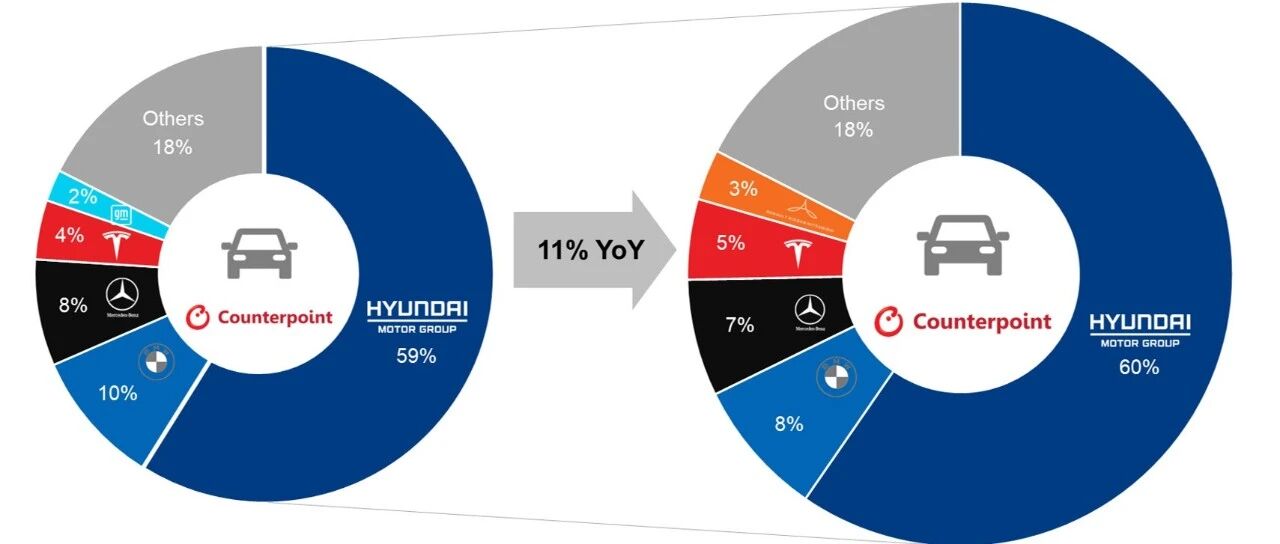
Core Insights - The article highlights the significant growth of the connected car market in South Korea, with a year-on-year increase of 11% in Q2 2025, driven by the accelerated launch of vehicles with built-in cellular connectivity [4][6] - The market is expected to mature, with a forecasted penetration rate of 100% for built-in cellular connectivity by 2030, indicating a stable demand for digital mobility features among consumers [4][6] Market Performance - In Q2 2025, 83% of all connected cars sold in South Korea were equipped with built-in network capabilities, showcasing the strong execution by local automakers [4][6] - Hyundai-Kia Group leads the market with a 60% share, achieving a 12% increase in connected car sales year-on-year, attributed to their continuous digital services across various powertrain models [6][7] Technological Advancements - Currently, approximately 94% of connected cars in South Korea utilize 4G networks, but by 2030, it is anticipated that 88% will transition to 5G, enhancing real-time cloud services and vehicle-to-everything (C-V2X) communication [6][7] - The shift towards 5G is supported by a robust technological environment in South Korea, including comprehensive 5G coverage and government-backed smart mobility policies [7] Competitive Landscape - Hyundai and Kia's connected services platforms, Bluelink and Kia Connect, are widely adopted across electric and fuel vehicles, providing features such as remote access, navigation, and vehicle health monitoring [6][7] - The article emphasizes that the transition from hardware-driven to software-defined vehicles is being accelerated by collaborations between automakers and telecom operators [7]
沈阳力争抢占智能网联高地
Zhong Guo Qi Che Bao Wang· 2025-09-25 14:34
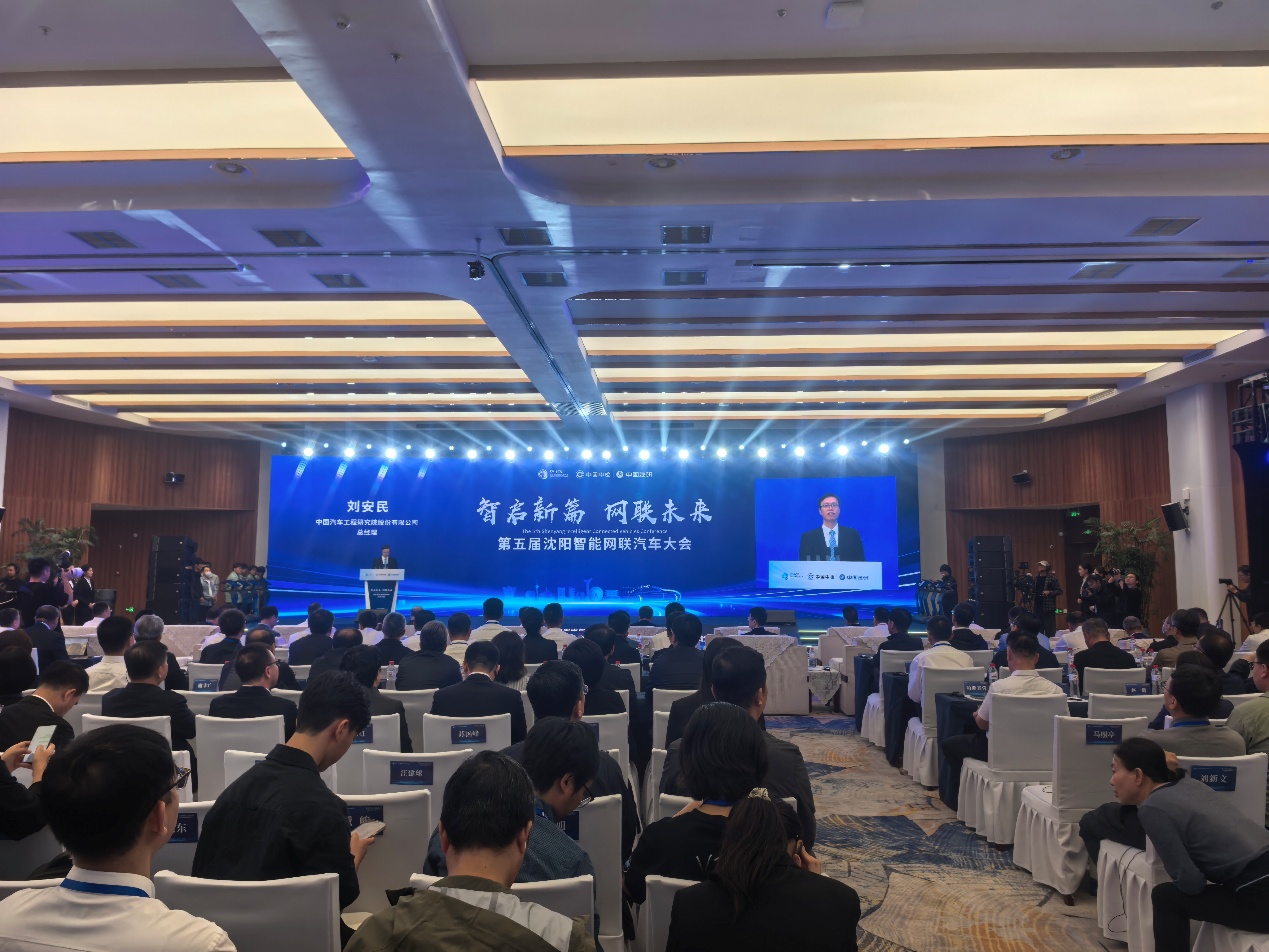
Core Viewpoint - The development of intelligent connected vehicles in Shenyang is being driven by technological innovation and government support, positioning the city as a key player in the automotive industry transformation [2][4][11]. Group 1: Technological Innovation - Emphasis on self-reliance in technology is crucial for industry safety, focusing on key areas such as automotive-grade chips, high-security solid-state batteries, and vehicle operating systems [4]. - The integration of AI and automotive industries is expected to enhance autonomous driving capabilities, with significant advancements anticipated by 2030 [4][12]. - AI is seen as a dual-purpose tool that not only generates data but also processes it, fundamentally changing automotive research, manufacturing, and service models [8][12]. Group 2: Industry Collaboration - The establishment of innovation consortia led by national centers aims to bridge the gap between production, academia, research, and application, fostering a collaborative ecosystem [5][6]. - The automotive industry is encouraged to adapt to international standards and enhance China's influence in the global value chain through active participation in standard-setting [6][12]. Group 3: Market Dynamics - The Chinese automotive market is transitioning from traditional fuel vehicles to electric and hybrid models, with a significant global market presence [15]. - The export model is evolving, with a focus on "overseas manufacturing + local R&D," potentially leading to a robust global production capacity [16]. - The competitive landscape is shifting, with expectations of consolidation into a few major players, while smaller companies may struggle to survive [17]. Group 4: Future Outlook - The automotive industry is projected to contribute significantly to China's GDP, with potential growth to 25-30 trillion yuan if it reaches developed country levels [13]. - The integration of electric vehicles, lithium batteries, and photovoltaic products is anticipated to drive global low-carbon development and support domestic industry upgrades [18]. - Shenyang is positioned to become a vital node in the global intelligent connected vehicle innovation ecosystem, leveraging its industrial foundation and collaborative opportunities [18].
折价24%成交,千里科技急需奔驰“输血”
Jing Ji Guan Cha Wang· 2025-09-25 11:42
Core Insights - On September 25, a significant event occurred in China's smart driving sector as Mercedes-Benz announced two key moves: the mass production of an intelligent driving system developed in collaboration with Momenta for the domestic CLA model, and the acquisition of a 3% stake in Qianli Technology at a price of 9.87 yuan per share, representing a nearly 24% discount [2][3]. Group 1: Mercedes-Benz's Strategic Moves - The simultaneous announcements reflect Mercedes-Benz's strategy to establish a foothold in the local smart driving ecosystem while addressing immediate product deployment needs [2]. - The investment in Qianli Technology, costing approximately 1.339 billion yuan, positions Mercedes-Benz as the fifth-largest shareholder, with a commitment not to sell shares within the next 12 months [3]. Group 2: Qianli Technology's Background - Qianli Technology, which emerged from the restructuring of Lifan Holdings, was once the first private passenger car company listed in A-shares but faced bankruptcy in 2020 before being acquired by Geely [3]. - The company has shifted its focus from traditional manufacturing to smart driving and intelligent cockpit technologies, with a workforce expansion to about 2,000 people through partnerships with Geely and Megvii [3]. Group 3: Industry Context and Implications - Qianli Zhijia, formed by Qianli Technology, Geely, and Megvii, aims to operate independently and provide solutions not only for Geely but for the entire industry [4]. - Mercedes-Benz's investment aligns with its earlier investment in Momenta in 2017, indicating a commitment to local data training and simulation for its new intelligent driving system, which will debut in the upcoming CLA model [4]. - The discount on the share purchase highlights the urgency of Lifan Holdings' divestment while simultaneously providing Qianli Technology with international brand recognition, crucial for its expansion [4]. Group 4: Future Outlook - The effectiveness of these strategic moves will ultimately be determined by real-world testing and consumer acceptance, as user experience will be the final measure of the value of these capital and technological investments [5].