房地产泡沫

Search documents
亚洲第一个倒下的国家即将出现,曾比肩中国,如今走日本的老路?
Sou Hu Cai Jing· 2026-02-17 14:02
Economic Overview - Vietnam, once seen as the "next Asian miracle," is now facing challenges due to global economic changes, including capital outflows and inflation pressures following the U.S. Federal Reserve's interest rate hikes in 2022 [1] - The country has experienced a significant depreciation of its currency, with the exchange rate moving from 23,000 VND to 25,000 VND per USD, leading to increased import costs for businesses [6] Historical Context - Vietnam's economic transformation began in the late 1980s with the "Doi Moi" policy, which opened the country to foreign investment and led to significant GDP growth, averaging over 6% from 2010 to 2015 [3][4] - The country has become an important part of the global manufacturing supply chain, attracting major companies like Samsung and Nike due to its low labor costs and strategic location [3] Current Economic Challenges - The influx of foreign investment has created a reliance on labor-intensive industries, with core technologies still imported, and infrastructure development lagging behind economic growth [4] - In 2022, Vietnam saw a net outflow of over $30 billion in foreign investment, raising concerns about its economic model and the risk of "hollowing out" its industries [6][8] Future Projections - The Vietnamese government is taking steps to improve infrastructure and attract high-quality foreign investments, with GDP projected to reach $4,763 billion in 2024, growing by 7.1% [10] - By 2025, Vietnam aims for a GDP growth target of at least 8%, with international organizations predicting growth rates between 5.6% and 6.6% [12] Comparative Analysis - Unlike Japan's historical economic bubble, Vietnam has managed to avoid excessive inflation and currency collapse, maintaining a stable exchange rate and a vibrant stock market [14] - Vietnam's early adoption of lessons from China's reform and opening-up has facilitated its industrialization, but it still lags behind China in terms of supply chain completeness and technological reserves [16]


避险属性托底 瑞士法郎高位震荡
Jin Tou Wang· 2026-02-06 02:44
Core Viewpoint - The Swiss Franc continues to show strength at the beginning of 2026, supported by its safe-haven status amid global risk volatility and the uncertain U.S. dollar performance [1][2] Exchange Rate Performance - As of 10:10 AM, the USD/CHF exchange rate was around 0.7770, down 0.1285% from the previous trading day, while the CHF/CNY rate was 8.9412, down 27 points, indicating a balanced market [1] - The Swiss Franc has appreciated over 3% against the U.S. dollar since the start of 2026, with a total increase of 12.7% in 2025, marking the highest level in 11 years since 2015 [1] Core Drivers - The primary driver of the Swiss Franc's strength is its safe-haven appeal, bolstered by global geopolitical tensions and uncertainty in U.S. policies, leading to continued inflows into the Swiss Franc [1] - Switzerland's long-standing political neutrality, substantial current account surplus, and low government debt levels further support the Franc's strength, alongside the historical high of gold prices [1] Swiss National Bank Policy Dilemma - The Swiss National Bank (SNB) maintains a 0% benchmark interest rate, with inflation at only 0.1%, nearing deflation, which pressures export industry profits due to a strong Franc [2] - The SNB has indicated readiness for negative interest rates and potential market interventions, but no actual actions have been taken yet, leading to a wait-and-see market attitude [2] Technical Analysis and Outlook - The USD/CHF pair is currently in a triangular consolidation pattern, with moderate bullish momentum; key support is at 0.7750, and a rebound could test resistance at 0.7945 [2] - A break below 0.7705 could open up further downside potential, while the Swiss Franc is expected to continue high-level fluctuations, with its safe-haven status as the core support [2]
韩国总统李在明强调需改变资产过度集中于房地产现状
Xin Lang Cai Jing· 2026-01-27 06:29
Core Viewpoint - The South Korean President Lee Jae-myung emphasizes the need to adjust resource allocation to change the current situation of excessive asset concentration in real estate [1] Group 1: Economic Concerns - President Lee warns that the excessive expansion of the real estate market could lead to a bubble, which may severely impact the overall economy and undermine trust among social members [1] - He stresses that issues of injustice and irrationality should not be ignored due to fear of immediate pain and resistance [1] Group 2: Policy Decisions - The government has decided not to extend the temporary measures that imposed additional capital gains tax on owners of multiple properties, which has been criticized for repeated extensions [1] - President Lee points out that when the extension was announced last year, it was stated that the measures would end on May 9 of this year, yet some individuals expect further extensions and criticize the government for imposing heavy taxes [1]
李明老师解构交易的底层逻辑!怎么样在交易中稳定持续的获利
Sou Hu Cai Jing· 2026-01-20 10:05
Core Insights - The article discusses the historical context of the 2008 financial crisis and draws parallels to current financial challenges in the U.S. market, emphasizing the need for enhanced awareness to seize investment opportunities [3][8]. Group 1: Historical Context of the 2008 Financial Crisis - The 2008 financial crisis was a global financial storm rooted in a complex interplay of factors, primarily driven by a housing bubble and uncontrolled financial innovation [3]. - Low interest rates post-2000 led to a significant housing bubble in the U.S., creating a widespread illusion that housing prices would only rise [3]. - The proliferation of high-risk subprime mortgages, particularly adjustable-rate mortgages, contributed to widespread defaults as borrowers faced rising payments [4]. - Financial derivatives, such as mortgage-backed securities (MBS) and collateralized debt obligations (CDOs), were misrated by agencies, leading to a false sense of security among global investors [5]. - A lack of effective regulation in the financial sector allowed for excessive risk-taking, with various stakeholders prioritizing short-term profits over long-term stability [6]. Group 2: Crisis Trigger and Transmission - The Federal Reserve's interest rate hikes from 2004 to 2006 led to a wave of defaults among subprime borrowers, initiating a downward spiral in housing prices [7]. - The resulting "death spiral" of falling home prices and increasing defaults caused significant losses for financial institutions, leading to a freeze in interbank lending and a broader financial panic [7]. - The bankruptcy of Lehman Brothers in September 2008 marked a critical point, triggering widespread fear and a global economic downturn [7]. Group 3: Current Financial Landscape - The current U.S. financial system faces structural issues, including a fiscal crisis characterized by unsustainable debt levels and a weakening dollar [8][12]. - The federal debt has surpassed $36 trillion, with annual deficits exceeding $1 trillion, raising concerns about the long-term sustainability of U.S. fiscal policy [12]. - The recent "Tax and Spending Act" is projected to increase debt by $3.4 trillion over the next decade, exacerbating existing fiscal challenges [12]. - The dollar's status as a global reserve currency is threatened by rising debt levels and policy missteps, leading to a potential loss of confidence in U.S. financial assets [12][17]. Group 4: Market Risks and Opportunities - The U.S. stock market is heavily concentrated in a few technology stocks, raising concerns about potential valuation bubbles [13]. - Economic recession risks are heightened by policy uncertainties, with predictions of significant downturns if current trends continue [13]. - The article suggests that gold may present a viable investment opportunity amidst these challenges, with expectations of a market surge by the end of the year [16].
放心吧,我们不是日本,也不会有“失去的三十年”
Xin Lang Cai Jing· 2026-01-19 13:16
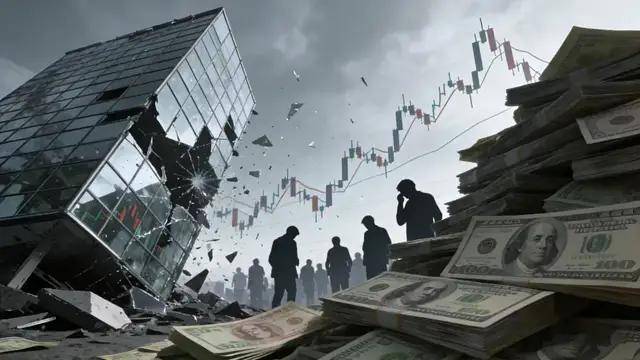
Core Viewpoint - The comparison between the current economic situation and Japan's lost decade is misleading and ignores critical macroeconomic factors [1][12][21] Group 1: Economic Comparison - The notion of a "lost thirty years" stems from Japan's real estate bubble collapse, which has led to significant declines in property prices in recent years [3][14] - Similar economic phenomena such as asset price declines, credit contraction, and weak consumption occur globally following significant real estate price drops [3][14] Group 2: Logical Fallacies - The absence of similar comparisons for the U.S. post-2008 housing crisis highlights the flawed logic in equating the current situation with Japan's [4][14] - Japan is not a comparable nation to China; the appropriate comparison would be with the U.S., as Japan lacks the same level of economic independence [5][15] Group 3: Key Differences - China is a peer nuclear power to the U.S., while Japan operates as an economic and military dependency of the U.S. [7][17] - Japan's inability to independently develop key industries, such as aerospace, due to U.S. restrictions, contrasts sharply with China's industrial capabilities [8][19] Group 4: Market Size and Economic Power - Japan's market of 100 million people cannot sustain its industrial capacity, whereas China's 1.4 billion population supports a robust industrial ecosystem [9][19] - China has become the world's largest consumer market and a key trading partner for surrounding regions, enhancing its economic resilience [10][19] Group 5: Future Outlook - The current economic downturn is a phase that will lead to a new cycle starting in 2026, and it is crucial not to adopt a defeatist mindset akin to Japan's past [11][21] - China's goals are focused on national rejuvenation and global aspirations, contrasting with Japan's historical struggles for autonomy [22][23]

人民币一夜破7背后:美国收割计划破产,中国藏了三张底牌!
Sou Hu Cai Jing· 2026-01-04 05:36
Core Viewpoint - The article discusses the significant appreciation of the Chinese yuan against the US dollar, highlighting the failure of the US's three-year plan to exploit emerging markets through aggressive monetary policy, and China's strategic responses that led to this reversal [1][3][8]. Group 1: Currency Movements - On December 25, 2025, the offshore yuan broke the 7.0 mark against the US dollar, reaching a high of 6.9985, while the onshore yuan surpassed 7.01, marking a significant recovery from a low of 7.40 in April [1][3]. - The Federal Reserve's shift to a rate-cutting cycle in December 2025 led to a nearly 10% drop in the US dollar index, which contributed to the yuan's appreciation [3][5]. Group 2: Market Dynamics - A "settlement rush" occurred as Chinese export companies, previously holding onto US dollars due to depreciation fears, began converting their dollars to yuan following the Fed's rate cuts, creating a positive feedback loop of currency appreciation [5][12]. - The divergence in global monetary policies, with the Fed cutting rates while the Bank of Japan raised rates, shifted capital flows away from the dollar and yen, favoring Chinese assets [5][10]. Group 3: Strategic Responses - China's capital account management acted as a firewall against speculative attacks, preventing large-scale short-selling that occurred in other emerging markets [8][10]. - The proactive decision to deflate the real estate bubble helped stabilize the economy, allowing Chinese assets to remain resilient during the dollar's aggressive rise [10][12]. - China's manufacturing capabilities, particularly in technology sectors like lithium batteries, have positioned it favorably in global markets, driving demand for the yuan [12][16]. Group 4: Future Outlook - The yuan's future exchange rate will be influenced by complex factors, with predictions suggesting a range between 6.8 and 7.1, rather than a straightforward appreciation [18][20]. - The People's Bank of China aims to maintain a stable yuan at a reasonable level to balance capital outflows and support export competitiveness [20].
越南楼市失控了
虎嗅APP· 2025-12-28 02:56
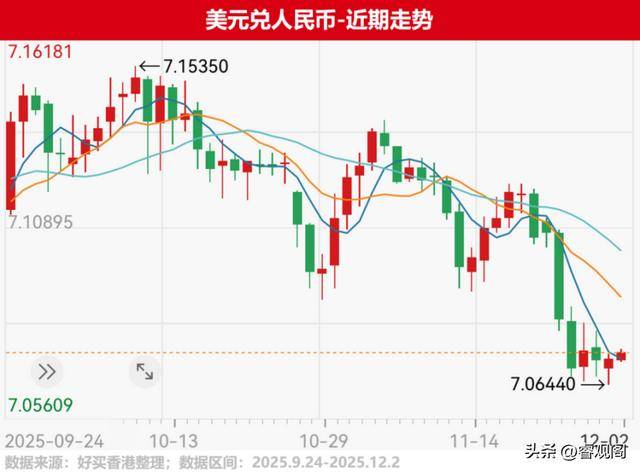
Core Viewpoint - Vietnam's real estate market is experiencing rapid price increases, with apartment prices in Hanoi exceeding 8 million VND per square meter, comparable to cities like Suzhou in China, despite the country's GDP per capita being under $5,000 [5][6][7]. Group 1: Economic Context - The State Bank of Vietnam has significantly lowered interest rates from 15% in 2008 to 4.5% by 2025, leading to a prolonged period of monetary easing aimed at stimulating economic growth [11]. - Despite global liquidity tightening, Vietnam's credit growth targets remain high at 15%-16%, with M2 growth at 13.5%, outpacing the actual GDP growth of 5.5% [14][15]. - The low-interest environment has distorted market funding flows, with excess liquidity flooding into the asset market instead of manufacturing [17][18]. Group 2: Land Policy and Market Dynamics - The new Land Law set to take effect in 2024 aims to marketize land pricing but has led to a significant increase in land acquisition costs for developers, from 15%-20% of total development costs to 40%-50% [26][27]. - The previous land pricing system resulted in substantial government revenue loss, with land-related income constituting only 12% of Vietnam's fiscal revenue in 2023, compared to an average of 25% in Southeast Asia [24]. - The supply of new apartments is critically low, with only 39,000 units available in Hanoi in 2024, translating to one unit for every 231 people [24]. Group 3: Housing Demand and Foreign Investment - The influx of foreign engineers and workers due to industrial migration has created a dual market, where high-end apartments cater to expatriates and affluent locals, while affordable housing is virtually non-existent [36][40]. - In 2024, foreign direct investment in Vietnam's real estate sector reached $5.63 billion, with a significant portion directed towards mid-to-high-end projects in major cities [40]. - The rental market for high-end apartments in Hanoi shows over 40% occupancy by foreign tenants, supporting high rental yields and prices [41]. Group 4: Social Implications and Market Risks - The disparity in wealth is growing, with the top 10% of families holding 78% of real estate assets, while the bottom 50% own only 2% [51]. - The price-to-income ratio for the 25-35 age group in Hanoi is 28:1, indicating a severe affordability crisis [52]. - Social unrest is emerging, with protests over housing affordability leading to temporary government measures, but these are insufficient to address the underlying issues [59][60].

未来5年,房子和车子都在贬值?真正值钱的,只剩“这2样”
Sou Hu Cai Jing· 2025-12-10 16:40
Group 1 - The core viewpoint is that both real estate and automobiles are expected to depreciate in value over the next five years, with alternative assets becoming more valuable [3][5][6] Group 2 - The real estate market has been in a long-term adjustment since 2022, with average national housing prices dropping over 30%, and certain areas experiencing declines of over 60% [5] - Factors contributing to the decline in real estate prices include a significant housing bubble, an aging population leading to reduced demand, and an oversupply of housing with 600 million units available [5] Group 3 - The automotive market is also entering a depreciation phase, with many brands announcing price cuts, and mid-range electric vehicles seeing reductions of 20,000 to 30,000 yuan, while luxury imports are dropping by 80,000 to 100,000 yuan [8] - The rapid depreciation of used cars is highlighted by a specific example where a vehicle purchased for 230,000 yuan is now valued at only 150,000 to 160,000 yuan within a year [8] - Reasons for the declining value of cars include the influx of electric vehicles leading to price wars, stagnant income growth among middle-class families, and rapid model turnover [8]

大批“银行直供房”上市,房地产“只住不炒”调控目标以这种方式实现
Sou Hu Cai Jing· 2025-11-13 00:40
Core Viewpoint - The recent surge in "bank direct supply housing" listings has become a significant trend in the real estate market, with banks selling properties at prices significantly lower than market rates, indicating a shift in the market dynamics and potential implications for the housing bubble [1][6]. Group 1: Bank's Role in Real Estate - Banks are increasingly acting as major players in the real estate market, with numerous banks listing thousands of properties for sale, effectively becoming the largest "second-hand housing intermediaries" in the country [1][6]. - The properties sold by banks have clear ownership, reducing transaction risks compared to auctioned properties, which often come with various complications [3]. - The motivation for banks to sell properties directly stems from the overwhelming number of foreclosed properties that are difficult to process through traditional auction methods, necessitating a faster asset clearance to reduce bad debts [3][6]. Group 2: Market Dynamics and Implications - The trend of banks selling properties is expected to escalate, potentially spreading from smaller cities to larger urban areas, which could lead to a downward pressure on housing prices and a tightening of credit [6][9]. - The pricing strategies employed by banks are pragmatic, focusing on recovering debts rather than maximizing profits, which could lead to a significant reduction in local property market prices and a shift towards more realistic valuations [9][12]. - The phenomenon of banks offloading properties signals a deterioration in asset quality within the financial system, reflecting the adverse effects of speculative behavior in the real estate market [6][9]. Group 3: Impact on Speculation and Housing Demand - The influx of "direct supply housing" is pushing speculative investors out of the market, as many of the properties being sold were previously owned by investors who leveraged high debt during price surges [7][9]. - The financial attributes of real estate are diminishing, with a return to its fundamental purpose of providing housing, as banks prioritize quick sales to recover funds [9][12]. - The current market conditions are reshaping buyer expectations, moving away from the belief that prices will only rise, which aligns with the "housing is for living, not for speculation" policy [9][12]. Group 4: Future Considerations - The ongoing sale of properties by banks highlights the need for a stable demand foundation from genuine homebuyers to prevent further price declines and potential financial risks [12][13]. - The successful implementation of the "housing is for living, not for speculation" policy requires the establishment of long-term mechanisms, such as a robust rental market and housing tax systems, which are still in development [12][13]. - The current market situation can be viewed as a necessary cleansing process, but the long-term health of the market will depend on its ability to stabilize and create a sustainable cycle [13].

手中有100万,该继续存银行还是买房?现在终于有了答案
Sou Hu Cai Jing· 2025-11-11 06:42
Core Viewpoint - The current economic environment presents a dilemma for individuals with substantial funds, weighing the choice between investing in real estate or keeping money in the bank, especially given the recent downturn in the real estate market and declining bank deposit rates [1][4]. Real Estate Market Analysis - The real estate market in China has shown signs of significant adjustment since 2023, with a 23.3% year-on-year decrease in the sales area of commercial housing from January to November, totaling approximately 1.212 billion square meters, and a 26.6% decline in sales revenue, amounting to about 11.86 trillion yuan [1]. - Among 70 major cities, 69 have experienced a drop in second-hand housing prices, indicating a widespread downturn in the market [1]. Bank Deposit Trends - Bank deposit rates have been on a downward trend, with three-year deposit rates falling below 3% and one-year rates dropping below 2%, marking historical lows and suggesting a continued decline in deposit yields [2]. - The total amount of deposits in China surged by 22.48 trillion yuan in the first three quarters of the year, with household deposits increasing by 14.42 trillion yuan, reflecting a strong inclination towards saving [1]. Investment Strategy Recommendations - Given the current high property prices, it is challenging to make a down payment in first and second-tier cities, and opting for a mortgage could lead to significant financial pressure, especially in the event of income loss [6][9]. - The prevailing market trend indicates that investing in real estate may not be wise, as property values are in a downward trajectory, making bank deposits a safer option [8]. - The real estate market is perceived to have substantial bubbles, particularly in major cities like Beijing, Shanghai, and Shenzhen, where the price-to-income ratios are exceedingly high, suggesting that waiting for a market correction before purchasing property could lead to lower costs [8][9].