本土化

Search documents
便利店+商超=烘焙新势力?全球商超烘焙市场给中国的启示
东京烘焙职业人· 2025-08-22 08:34
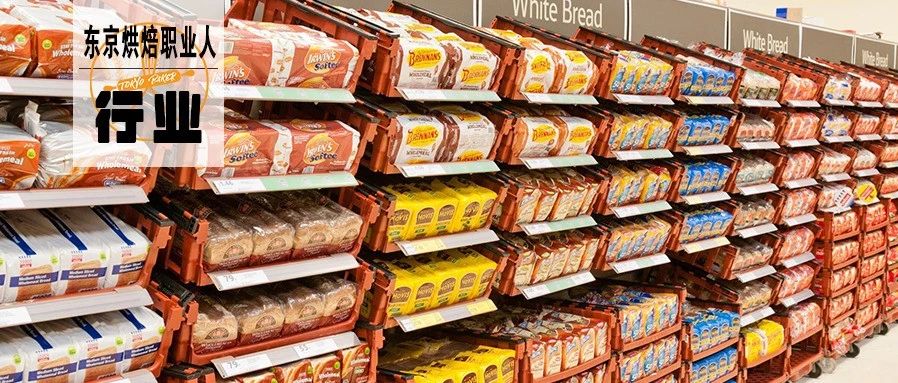
Core Viewpoint - The Chinese baking market is experiencing a shift from independent bakeries to new retail channels such as supermarkets and convenience stores, indicating a change in consumer demand despite stable market demand [1]. Group 1: Market Dynamics - In 2024, the number of baking stores in China saw a net growth of nearly zero, with 92,000 new stores and 91,000 closures, highlighting a stagnation in traditional bakery growth [1]. - New retail channels are showcasing strong sales, with examples including Sam's Club's Swiss roll sales exceeding 1 billion yuan, Hema's strawberry box cake generating 200 million yuan in seasonal sales, and Pang Donglai's mooncake sales estimated at 200 million yuan [1]. Group 2: International Comparisons - The trends observed in the Chinese baking market are not unique but are part of a broader global phenomenon influenced by the development of industrial food technology and rapid market expansion [4]. - Mature baking markets in Japan, South Korea, Europe, and North America have established stable supermarket baking models that meet consumer needs while continuously creating popular products [5]. Group 3: Asian Market Insights - Japan and South Korea serve as benchmarks in the Asian baking market, characterized by high-frequency purchases and a preference for soft bread, with a supply chain model centered around short shelf-life products [6]. - The emphasis on freshness is a common principle in Japanese and Korean supermarkets, supported by a mature "factory collaboration + regional distribution" system [7]. Group 4: Consumer Preferences - In Japan, 82.8% of consumers prefer to buy bread from supermarkets, while in South Korea, this figure is 76%, indicating a strong consumer preference for supermarket-bought baked goods [11]. - Health considerations have become essential, with products like "no added sugar toast" and "low GI whole grain bread" dominating sales in Japan and South Korea [12]. Group 5: North American Market Characteristics - The U.S. baking market is characterized by family-oriented consumption, with supermarkets catering to bulk purchases and family needs, leading to a unique model of large packaging and high cost-effectiveness [23]. - Supermarkets in the U.S. account for approximately 70% of total bread sales, with a focus on stable quality and low prices, although they lack the innovative marketing strategies seen in Japanese convenience stores [30]. Group 6: European Market Trends - The European baking market is projected to reach $157.36 billion by 2025, with supermarkets contributing approximately 60%-70% of sales, reflecting a high dependency on supermarket channels [31]. - Different countries in Europe have tailored their baking strategies based on local consumer preferences, with Germany focusing on cost control through self-owned factories and local ingredients [33]. Group 7: Strategic Recommendations for China - Chinese supermarkets and chain brands can learn from international practices by adopting strategies such as fine segmentation, local sourcing, and fresh product delivery to enhance consumer trust and satisfaction [42][43]. - Emphasizing family-oriented products and transparent labeling can help build consumer confidence and cater to local market demands [44][46].

观察中国汽车的最佳“切片”,2025成都车展8月29日启幕
Zhong Guo Jing Ji Wang· 2025-08-22 01:31
Core Insights - The 28th Chengdu International Auto Show will open on August 29, featuring nearly 120 automotive brands and covering 220,000 square meters across 12 exhibition halls and outdoor areas [1][2] - The theme of this year's show is "Leading the Trend, Moving Towards the New," aiming to serve as a platform for the transformation of technology, culture, and consumption in the automotive industry [1] Group 1: Domestic Brands - Domestic brands will gather in dedicated pavilions, with notable presentations from Chery Group, which will showcase five brands in Hall 5, and Changan, which will feature five brands in Hall 10 [1] - BYD will dominate Hall 9 and create an intelligent street area in the outdoor exhibition space, while Hongqi will present its "National Car Spirit" with a ceremonial vehicle team [1] - Other domestic brands such as Great Wall, Hongmeng Zhixing, Geely, and BAIC will also significantly expand their exhibition space compared to previous years [1] Group 2: Foreign and Joint Venture Brands - Foreign and joint venture brands will focus on "electrification" and "localization," showcasing their insights and commitments to the Chinese market [2] - The integration of smart robotics and advanced battery technologies will illustrate the emerging ecosystem of mobility at the show [2] Group 3: Event Significance - The Chengdu International Auto Show is positioned as a key platform for linking the global automotive industry chain and promoting regional consumption upgrades, especially before the peak sales months of September and October [2] - The event is co-hosted by the Chengdu Municipal Government and the China Council for the Promotion of International Trade Automotive Industry Branch, with multiple organizations involved in its execution [2]
当“胖改”风吹到麦德龙
Sou Hu Cai Jing· 2025-08-17 11:58
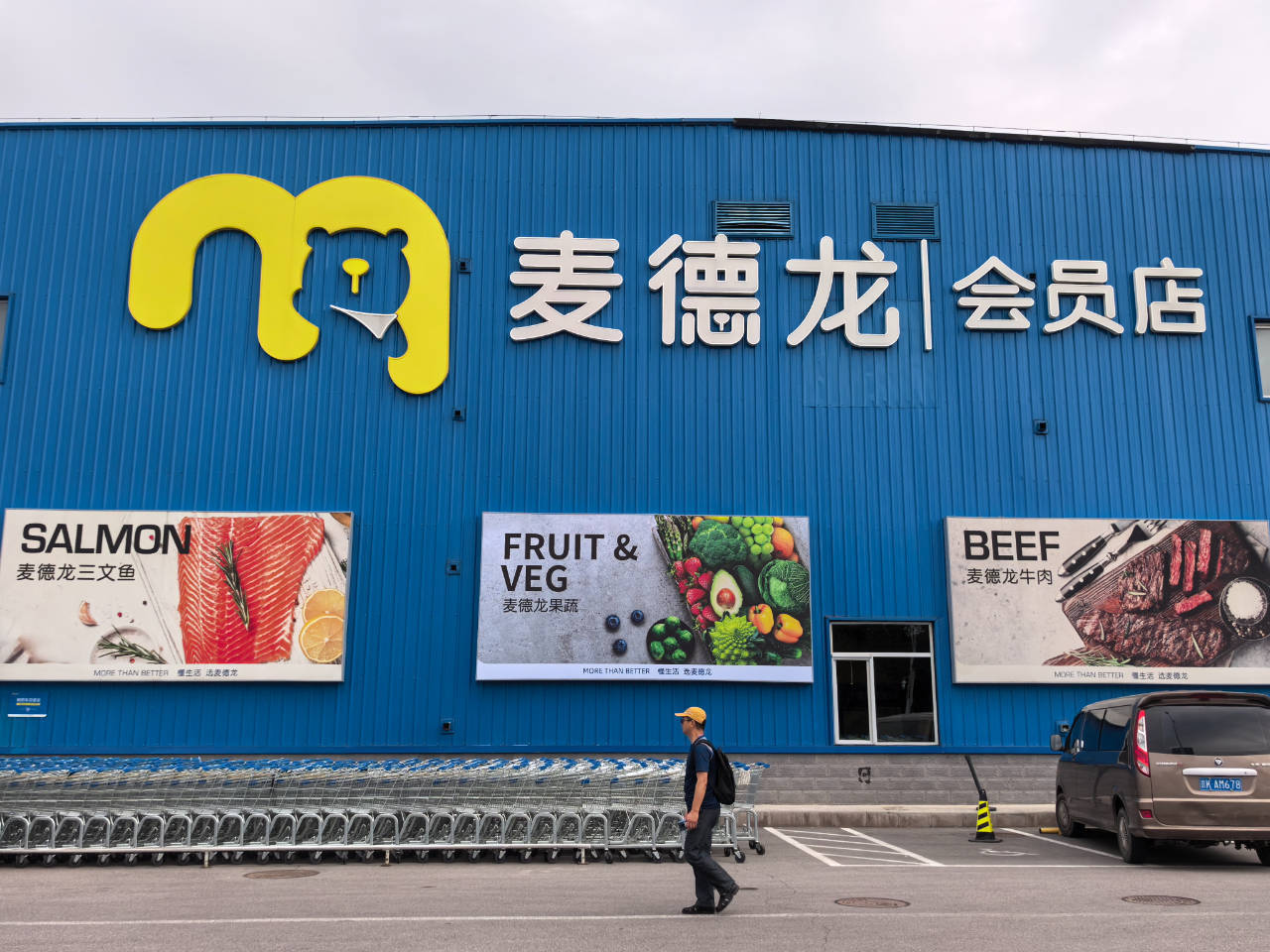
Core Viewpoint - Metro's first "Fat Reform" store in China, located in Beijing's Haidian District, marks a significant shift towards enhancing its to C business and local adaptation, following the model of successful competitors [1][11]. Group 1: Store Renovation and Offerings - The Four Seasons Qing store underwent minor renovations, maintaining its original style while introducing a dedicated area for popular products and a significant upgrade in the toy section, including trendy collectibles [3][4]. - The store's product count was streamlined to approximately 8,000 SKUs, with a 55% replacement rate, significantly increasing the variety of baked goods and ready-to-eat items by nearly six times compared to before the renovation [6][11]. - A new live seafood section was introduced, responding to consumer demand, which was previously limited to seasonal offerings [4][6]. Group 2: Customer Experience and Services - The store has enhanced customer service, including free meat slicing and on-site seafood processing, which has been well-received by customers [7][10]. - Additional convenience services such as ice, packaging materials, and health monitoring facilities have been implemented, improving the overall shopping experience [10][11]. - The store has adopted an "uninterrupted shopping" policy, eliminating promotional noise to create a more immersive shopping environment [10]. Group 3: Strategic Direction and Market Positioning - Metro's shift towards a more consumer-oriented approach reflects a broader trend in the retail industry, where competition is intensifying [11][12]. - The company aims to attract younger consumers by introducing trendy products and collaborating with popular brands, enhancing its appeal in a competitive market [12][14]. - The successful implementation of the "Fat Reform" model in the Four Seasons Qing store is seen as a critical milestone for Metro's ongoing localization and innovation efforts [14].
5GWh储能大单落地,中印新能源合作回温信号渐显
高工锂电· 2025-08-17 08:19
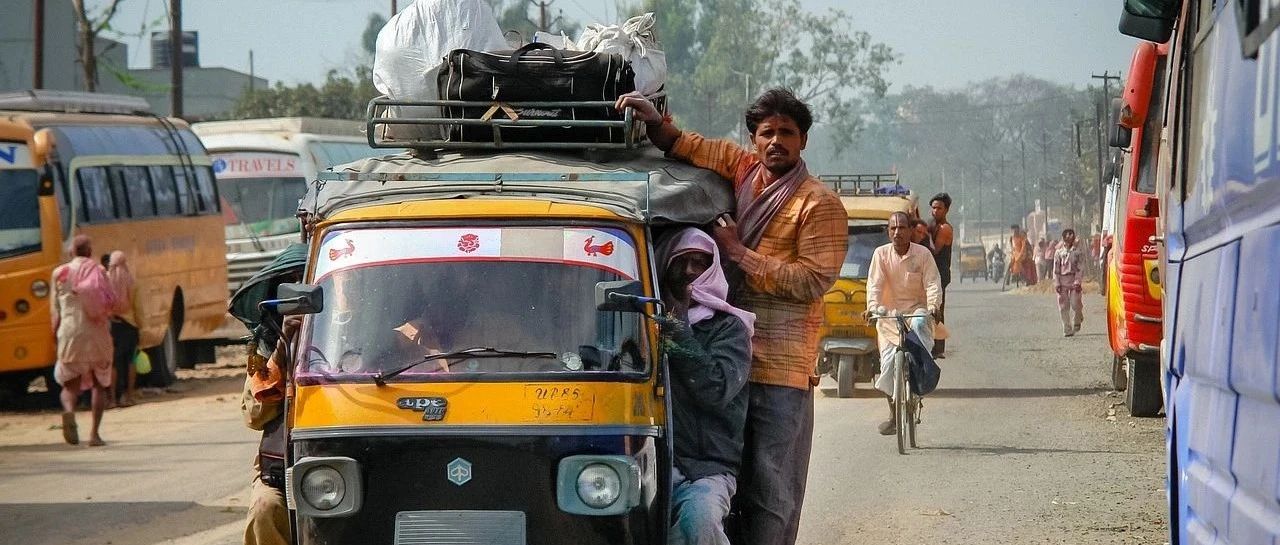
Core Viewpoint - The recent collaboration between China and India in the renewable energy sector, particularly in energy storage, signifies a warming of economic relations between the two countries, despite past tensions and challenges in cooperation [2][3][11]. Group 1: Recent Developments in China-India Cooperation - A memorandum of understanding has been signed between China’s Zhongqi New Energy and India’s IndiGrid for a 5GWh energy storage system, following a previous 1GWh order [2]. - The two countries are focusing on renewable energy cooperation, including solar, wind, and energy storage, as part of India's ambitious goal to achieve carbon neutrality by 2070 [3][11]. - High-level interactions and trade discussions have resumed, including the reopening of border trade routes that were disrupted during the pandemic [5][6]. Group 2: Challenges in Cooperation - Despite the positive developments, there are still significant barriers, including India's protectionist policies and a complex regulatory environment that may hinder foreign investment [3][20][26]. - India's ambitious renewable energy targets, such as achieving 500GW of renewable capacity by 2030, face skepticism due to the country's heavy reliance on coal, which currently accounts for about 70% of its power generation [13][15]. - The instability and unreliability of renewable energy sources in India, along with a significant energy storage gap, pose additional challenges to achieving these targets [15][17]. Group 3: Market Dynamics and Opportunities - The Indian market presents significant opportunities for Chinese companies, particularly in battery manufacturing, where Chinese firms dominate the supply chain [29]. - Despite a decline in solar exports from China to India, Chinese energy storage systems maintain a 90% market share in India due to their cost-effectiveness [30][31]. - The Indian government is actively promoting electric vehicle manufacturing and infrastructure investment, creating a favorable environment for collaboration in the electric mobility sector [32]. Group 4: Strategic Considerations - The need for a balanced approach that combines technology, capital, and localization is crucial for successful collaboration between Chinese and Indian companies [32]. - The Indian government's focus on domestic manufacturing and the "Make in India" initiative may create both opportunities and challenges for foreign investors [20][36]. - The evolving geopolitical landscape, including the recent downturn in US-India relations, may influence India's strategic priorities and its approach to international partnerships [36][37].
「日料界的瑞幸」,偷了萨莉亚的家
36氪· 2025-08-15 10:44
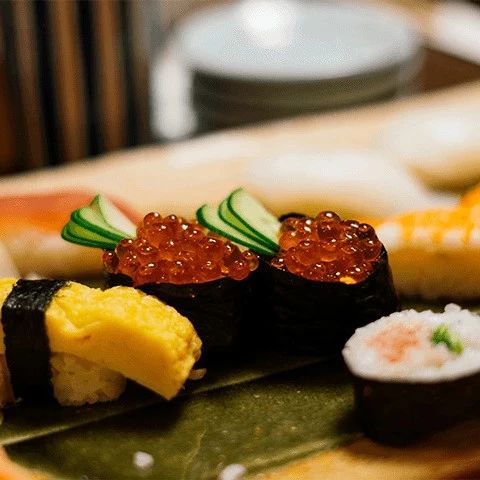
Core Viewpoint - The article discusses the rising popularity of Sushi Lang, a budget sushi brand in China, highlighting its appeal among young consumers and the shift in the sushi market towards affordability and local adaptation [10][38][50]. Group 1: Market Trends - The sushi market in China is experiencing a significant shift towards affordable sushi options, with Sushi Lang leading this trend [10][50]. - Sushi Lang has opened multiple locations in major cities like Beijing and Guangzhou, often resulting in long queues and high demand [11][14]. - The brand's pricing strategy, with items priced around 8 to 15 yuan, positions it as a "people's sushi," contrasting with traditional high-end sushi restaurants [23][26]. Group 2: Consumer Behavior - Young consumers are increasingly drawn to Sushi Lang for its perceived value and social media presence, with many sharing their dining experiences online [21][17]. - The concept of "value for money" is crucial, as consumers are looking for affordable dining options that still provide a satisfying experience [23][50]. - The popularity of Sushi Lang reflects a broader trend where consumers prioritize experience and social media shareability over traditional notions of authenticity in cuisine [48][58]. Group 3: Competitive Landscape - The rise of Sushi Lang coincides with the decline of traditional sushi brands that emphasize authenticity, as seen with KURA Sushi's struggles in the market [42][45]. - New entrants in the sushi market are adopting similar strategies to Sushi Lang, focusing on affordability and local flavors to attract consumers [60][66]. - The overall sushi market is expanding, with a significant increase in the number of sushi restaurants, indicating a growing acceptance of sushi as a mainstream dining option [60][68].
日妆巨头们,从未像今天这样渴望“本土化”
3 6 Ke· 2025-08-14 10:52
Group 1 - Japanese cosmetics companies are experiencing collective anxiety in the Chinese market, with Shiseido's executives acknowledging a decline in brand equity [2] - The Japanese beauty industry has been a significant player in China for over 40 years, but recent years have seen challenges due to the rise of local brands and external pressures from Western competitors [2][3] - In the first half of 2025, major Japanese beauty companies reported declines in their Chinese operations, with Shiseido's sales dropping by 10%, Kosé's by 7.3%, and POLA's net profit plummeting by 38% [2][3] Group 2 - The performance of Japanese beauty companies reflects a broader restructuring of the beauty industry, highlighting the need for multinational companies to adapt to the changing market dynamics in China [3] - Despite global profit growth, the persistent weakness in the Chinese market is a common challenge for these companies, indicating a significant shift in the competitive landscape [3][16] Group 3 - Shiseido's overall sales in the first half of 2025 were 469.83 billion yen (approximately 22.86 billion RMB), a decrease of 7.6%, while core operating profit increased by 21.3% to 23.37 billion yen (approximately 1.14 billion RMB) [7][10] - The Chinese and travel retail segment for Shiseido saw sales of 173.94 billion yen (approximately 8.46 billion RMB), down 12.4%, but it contributed nearly 80% of the group's core profit [10] Group 4 - Kao Corporation reported a global sales increase of 2.7% to 809 billion yen (approximately 39.3 billion RMB) in the first half of 2025, with operating profit rising by 19.9% to 69.5 billion yen (approximately 3.3 billion RMB) [10][13] - Kosé's sales were 160.5 billion yen (approximately 7.8 billion RMB), a slight increase of 0.9%, but operating profit fell by 17.7% to 11.3 billion yen (approximately 0.55 billion RMB) [15] Group 5 - POLA ORBIS Group's total revenue was 832.53 billion yen (approximately 38.3 billion RMB), a slight decrease of 0.7%, with net profit dropping by 38.1% to 4.64 billion yen (approximately 0.23 billion RMB) [16] - The performance of these companies illustrates a clear divide between global profitability and challenges in the Chinese market, with POLA facing additional difficulties due to delayed strategic adjustments [16] Group 6 - Japanese beauty companies are optimistic about the long-term potential of the Chinese market and are accelerating transformations to navigate current challenges [17] - Strategies include focusing on high-end products, channel innovation, and localization to better respond to the evolving consumer landscape in China [17][19]
日妆巨头们,从未像今天这样渴望“本土化”
FBeauty未来迹· 2025-08-13 10:53
Core Viewpoint - Japanese cosmetics companies are facing significant challenges in the Chinese market, with declining sales and profits, prompting a need for strategic transformation to regain market share and adapt to local consumer demands [2][3][14]. Group 1: Market Performance - Shiseido's sales in China fell by 10% in the first half of 2025, while Kose's business declined by 7.3%, and POLA's net profit dropped by 38% due to market weakness [3][10][13]. - The overall sales of Japanese cosmetics in China have been adversely affected by the rise of local brands and external factors such as the nuclear wastewater incident [3][4]. - In the first half of 2025, Shiseido's global sales were 469.83 billion yen (approximately 22.86 billion RMB), down 7.6% year-on-year, but core operating profit increased by 21.3% to 23.37 billion yen (approximately 1.14 billion RMB) [7][8]. Group 2: Strategic Adjustments - Japanese companies are focusing on high-end markets and localizing their operations to better meet consumer needs in China [16][22]. - Shiseido plans to integrate its China and travel retail operations into an independent profit center to enhance brand synergy and respond to the trend of high-end market penetration [16][32]. - Kose is implementing a strategy of channel optimization and brand restructuring, emphasizing high-end and mass-market segments while enhancing local R&D and marketing efforts [24][31]. Group 3: Future Outlook - Despite current challenges, Japanese companies remain optimistic about the long-term growth potential in the Chinese market and are accelerating their transformation efforts [16][32]. - The focus on high-quality growth rather than short-term sales boosts is evident in Shiseido's strategy, which includes significant investments in core brands and new product launches [18][32]. - The ability to adapt to local consumer preferences and integrate local insights into product development will be crucial for Japanese brands to maintain competitiveness in the evolving Chinese beauty market [27][32].
“我们的餐厅总会让海外同行惊讶”——麦当劳中国CEO张家茵谈本土焕新之路
Xin Hua Wang· 2025-08-12 06:33
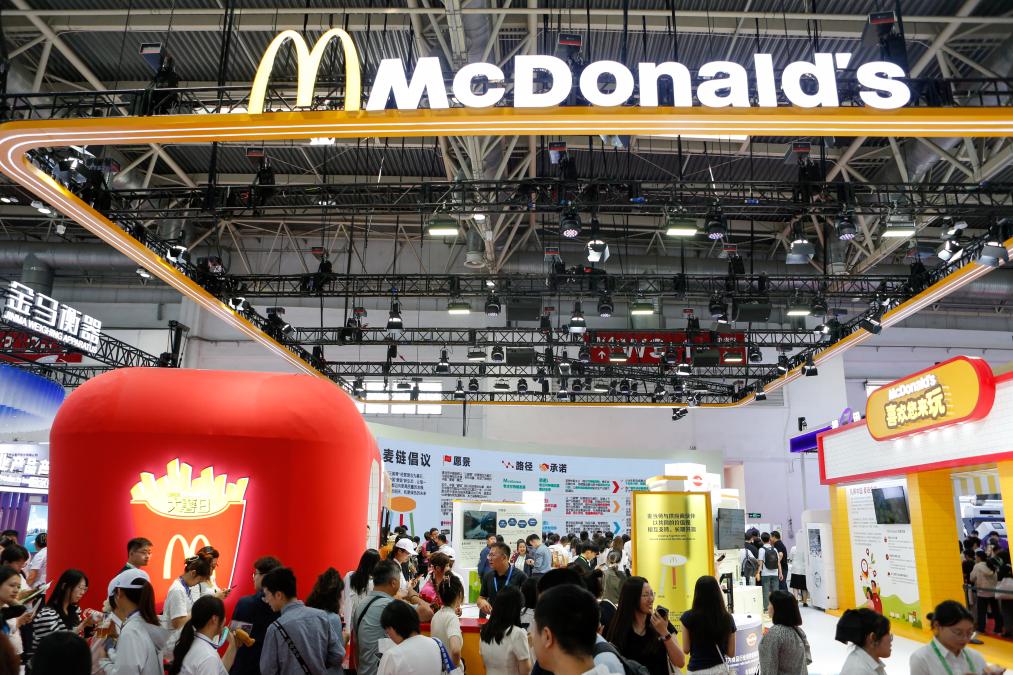
Core Viewpoint - McDonald's China is accelerating its localization strategy, showcasing its commitment to the Chinese market and surprising international peers with its achievements in local sourcing and operational efficiency [1][5][10]. Group 1: Localization Strategy - McDonald's China has embraced a "rooted in China, linked globally" philosophy, significantly enhancing its supply chain localization by supporting the growth of local industries such as potatoes, chicken, and vegetables [5][10]. - The company has increased its supply chain procurement volume to nearly 800,000 tons in 2024, covering over 400 types of ingredients and raw materials [5][10]. - Since the shift to local management in 2017, the number of McDonald's restaurants in China has grown from over 2,000 to more than 7,000, with plans to open an additional 1,000 restaurants this year [9][10]. Group 2: Digital Transformation - McDonald's China has developed a consumer-facing app and mini-program within six months of its transformation, now boasting a digital ecosystem with 300 million registered members [9][10]. - The introduction of smart pick-up cabinets and drive-thru services has enhanced customer convenience, attracting interest from international competitors [9][10]. Group 3: Supply Chain and Global Integration - Approximately 90% of McDonald's ingredients and raw materials in China are sourced locally, supported by a diverse supplier ecosystem that includes over 100 suppliers for each restaurant [10][11]. - The company has successfully exported products like pies and fries to markets in Japan and Singapore, demonstrating the potential for local suppliers to expand internationally [10][11]. Group 4: Future Growth Plans - McDonald's China aims to expand its restaurant count to 10,000 locations, reflecting strong confidence in the Chinese market's growth potential [11].
满足多元消费需求,餐饮企业寻找新突破口
Sou Hu Cai Jing· 2025-08-04 14:36
Group 1: McDonald's China - McDonald's China has surpassed 7,100 stores, tripling its presence since 2017, and serves over 1.3 billion customers annually [2][4] - The company emphasizes local sourcing, with over 90% of ingredients procured locally and nearly 60% of suppliers being domestic [4] - McDonald's China aims to reach 10,000 restaurants by 2028, with a focus on expanding into lower-tier cities [6] Group 2: Haidilao - Haidilao has launched its first "Premium Selection" store in Beijing, targeting consumers seeking a refined dining experience with high-quality ingredients [7][9] - The new store features a two-level layout with private rooms and specialized service teams, aiming to enhance the dining experience [9][11] - Haidilao plans to continue its refined layout strategy, introducing various themed restaurants in 2024, including family-friendly and late-night dining options [11]


进入“金拱门时代”第8年,麦当劳中国如何实现门店数量翻3倍?
Xin Jing Bao· 2025-08-04 02:40
Core Insights - McDonald's China has entered its "Golden Arches Era" for eight years, with significant growth in restaurant numbers and customer service, becoming the second-largest and fastest-growing market globally [1][3] - The company emphasizes a "localization" strategy, with 90% of its ingredients sourced locally, and aims to achieve full coverage across all provincial administrative regions in China [3][5] Expansion Strategy - McDonald's China has expanded its restaurant network from approximately 2,300 in 2017 to over 7,100, with a focus on third to fifth-tier cities, where about 50% of its restaurants are now located [3][5] - The company plans to open 1,000 new stores annually, aiming for a total of 10,000 by 2028, maintaining a pace of 2-3 new openings daily [3][5] Supply Chain and Sustainability - McDonald's China has launched the "McChain" initiative, committing to sustainable agricultural practices and supply chain improvements by 2028 [4] - The company has over 3,800 LEED-certified green restaurants, the largest number globally, and is focused on green packaging and recycling initiatives [9] Digital Transformation and Customer Engagement - The IT team has achieved 100% digital technology self-research, with 90% of orders placed via mobile or self-service kiosks, enhancing operational efficiency [7] - McDonald's China engages customers through interactive campaigns and feedback mechanisms, emphasizing the importance of in-person interactions [7][8] Community and Talent Development - The company has established "Ronald McDonald Houses" in three cities, providing over 77,000 nights of free accommodation for families of sick children [10] - McDonald's China focuses on talent development, with programs for rapid career advancement and extensive training through its Hamburger University and online platforms [10]