
地缘政治

Search documents
特朗普通告全球,不许3国买俄油,话音刚落,中方第一个公开反对
Sou Hu Cai Jing· 2026-01-12 04:33
这场戏的主角是美国共和党的资深参议员林赛·格雷厄姆,刚刚从白宫椭圆形办公室出来,神采奕奕地立刻在社交媒体上发布了一条震惊全球的消息:任何 购买俄罗斯石油和天然气的国家,其出口到美国的所有商品,将被征收至少500%的关税。这不再仅仅是关税,这简直是一种变相的全面禁运,意图通过窒 息疗法切断对手的经济命脉。 这场戏的目标异常明确。格雷厄姆在接受福克斯新闻采访时,毫不避讳地列出了狩猎名单:中国、印度、巴西。这三个国家不仅代表了金砖国家的核心力 量,也象征着全球南方国家对于独立自主发展的强烈愿望。美国通过设置500%的高关税壁垒,企图一举达成三重目的:一是经济上让俄罗斯彻底窒息;二 是分裂金砖组织;三是全球范围内确立顺我者昌,逆我者亡的霸权铁律。 然而,这个近乎疯狂的500%关税数字,却引发了全球范围内两极化的反应。最先受到冲击,且反应最为剧烈的,是平日里自诩左右逢源的印度。在这场强 硬压力面前,印度长期以来的平衡策略瞬间失效。莫迪政府一直在美国和俄罗斯之间寻找微妙的中间地带:一方面拿着美国的投资与技术承诺,另一方面以 低价大量进口俄罗斯石油,支撑本国制造业的发展。 刚刚从大洋彼岸传来的消息,让全球外交圈和金融圈都炸 ...


中辉有色观点-20260112
Zhong Hui Qi Huo· 2026-01-12 03:59
中辉有色观点 | T | | | --- | --- | | 7 | T | | 品种 | 核心观点 | 主要逻辑 | | --- | --- | --- | | 黄金 | | 美国意欲对染指多国,地缘问题升级。近期公布的数据喜忧参半影响抵消。国际局 | | | 长线持有 | 势紧张,地缘溢价交易继续,流动性风险偏好尚可。中长期来看,地缘秩序重塑, | | ★★ | | 不确定性持续存在,央行继续买黄金,长期战略配置价值不变。【990-1020】 | | 白银 | | 尽管短期 COMEX 白银有较大仓位持仓抛压,但是避险、交割逻辑、资源品紧张预期 | | | 长期持有 | 持续。长期降息、供需缺口连续 5 年,全球大财政均对白银长期有利,长期滚动做 | | ★★ | | 多逻辑不变【18200-20000】。继续关注海外市场调仓风险。 | | | | 美非农数据不及预期,1 月美联储大概率不降息,特朗普关税政策和全球地缘冲突加 | | 铜 | | | | ★ | 长线持有 | 剧的预期下,美元和铜齐涨,短期铜震荡偏强,建议多单持有,回调逢低试多。中 | | | | 长期对铜依旧看好。沪铜关注区间【99500 ...
金价狂飙,再创历史新高
Sou Hu Cai Jing· 2026-01-12 03:41
Group 1 - Precious metal prices surged significantly, with spot gold exceeding $4600 per ounce and spot silver rising nearly 5% to reach $84 per ounce, both hitting historical highs [1] - The escalation of geopolitical tensions, including U.S. military actions in Venezuela and unrest in Iran, has led to increased demand for gold as a safe-haven asset [1] - Central banks and institutions are aggressively purchasing gold due to the rapid erosion of the dollar's credibility as the core of the global order [1]
大越期货沪铜周报-20260112
Da Yue Qi Huo· 2026-01-12 03:03
交易咨询业务资格:证监许可【2012】1091号 沪铜周报(1.5~1.9) 大越期货投资咨询部:祝森林 从业资格证号:F3023048 投资咨询证号: Z0013626 联系方式:0575-85226759 重要提示:本报告非期货交易咨询业务项下服务,其中的观点和信息仅作参考之用,不构成对任何人的投资建议。 我司不会因为关注、收到或阅读本报告内容而视相关人员为客户;市场有风险,投资需谨慎。 目录 一、行情回顾 二、基本面(库存结构) 三、市场结构 上周回顾 沪铜周评: 上周沪铜企稳上涨,沪铜主力合约上涨3.23%,收报于101410元/吨。宏观面看,地缘政治扰动铜价, 全球不稳定因素仍存,印尼铜矿出险不可抗力和贵金属大涨,对铜价有明显支撑作用,委内瑞拉事件 起起伏伏。国内方面,消费淡季,目前来看下游消费意愿一般。产业端,国内现货交易一般,整体还 是刚需交易为主。库存方面,铜库存LME库存138975吨,上周小幅减少,上期所铜库存较上周,增 35201吨至180543吨。 期货主力 数据来源:博易大师 基本面 1、PMI 2、供需平衡表 3、库存 PMI 数据来源:Wind 供需平衡 2024供需紧平衡,20 ...
大摩-因果与外汇-委内瑞拉-石油与货币
2026-01-12 01:41
Summary of Conference Call Notes Industry Overview - The notes primarily discuss the oil industry in Venezuela and its implications for the broader Latin American market and currency dynamics, particularly focusing on the relationship between the U.S. and various Latin American countries [1][2][3]. Key Points and Arguments - **U.S. Relations with Latin America**: The U.S. adopts a differentiated strategy towards Latin American countries, maintaining close ties with Brazil and Uruguay while having a more strained relationship with Mexico and Colombia, which may lead to tougher trade negotiations [1][2]. - **Venezuela's Oil Industry Recovery**: The U.S. plans to restructure Venezuela's oil sector, with short-term expectations of a quick recovery in oil production. In an optimistic scenario, production could rise to 2 million barrels per day, contingent on government stability, sanctions, and fiscal terms [1][4]. - **Impact on Global Oil Market**: The production of heavy crude oil in Venezuela is expected to significantly influence the global oil market. Canada, as a major exporter of heavy sour crude, may face challenges if the U.S. adopts a tougher stance in USMCA negotiations due to increased oil imports from Venezuela [1][5]. - **Canadian Dollar Vulnerability**: The Canadian dollar may depreciate due to concerns over increased Venezuelan oil production and its impact on the price differential between Western Canadian Select (WCS) and West Texas Intermediate (WTI) crude [1][5]. - **Emerging Market Currency Outlook**: The situation in Venezuela could lead to a weaker U.S. dollar, benefiting non-U.S. currencies such as the euro and Asian currencies. Emerging market currencies are generally expected to appreciate due to low inflation driven by supply-side factors and improved risk appetite [3][6]. Other Important Insights - **Geopolitical Risks**: The U.S. government's focus on Latin America is likely to increase geopolitical risk premiums, although the direct impact on markets may be limited. Countries like Argentina and Ecuador may benefit from favorable trade agreements and financial support, while Mexico and Colombia may face tougher negotiations [2]. - **Long-term Investment Opportunities**: Despite potential short-term declines due to the Venezuelan situation, the overall outlook for emerging market assets remains positive, with investors encouraged to seek related investment opportunities [3][6].
牛弹琴:一场新的战争,已是一触即发
Xin Lang Cai Jing· 2026-01-12 01:07
Core Viewpoint - A new war is imminent as the U.S. and Israel are likely to attack Iran, with military plans already presented to Trump [3][39]. Group 1: Current Situation in Iran - Iran is currently at its weakest moment, facing severe internal unrest that has resulted in numerous casualties, marking one of the most critical crises in decades [5][41]. - The unrest is attributed to widespread dissatisfaction with the government, exacerbated by external influences, particularly from the U.S. and Israel [11][48]. - Official reports indicate that over 100 military personnel have died during the unrest, highlighting the severity of the situation [12][48]. Group 2: Motivations for U.S. and Israeli Actions - The U.S. and Israel view Iran as a significant adversary, and a regime change in Iran could drastically alter the geopolitical landscape in the Middle East, presenting a substantial opportunity for both nations [6][42]. - Trump's political commitments to support Iranian dissenters and his aggressive rhetoric suggest a strong inclination towards military action against Iran [7][43]. - The U.S. military has been preparing for potential strikes, with reports of increased military assets being deployed in Europe, indicating readiness for action against Iran [12][48]. Group 3: Potential Outcomes and Risks - If military action occurs, the U.S. and Israel are expected to have the upper hand, but Iran's missile capabilities could pose significant risks to U.S. and Israeli interests [31][67]. - The potential for military intervention could inadvertently unify Iranian factions against external threats, possibly strengthening the current regime [31][67]. - The importance of maintaining peace and stability in the region is emphasized, as ongoing conflicts have historically led to long-term devastation and instability [32][68].

新加坡又发声了,李显龙高调预测,美国没胆量和中国翻脸
Sou Hu Cai Jing· 2026-01-11 23:50
Core Insights - Singapore's Senior Minister Lee Hsien Loong delivered a thought-provoking speech at the "2026 Regional Outlook Forum," highlighting the underlying dilemmas in the U.S.'s seemingly tough stance towards China [1] - Lee predicts that neither the U.S. nor China will want to bear significant economic costs or engage in conflict in the next two to three years, indicating a reluctance from the U.S. to fully sever ties with China [1][9] Economic Context - The U.S.-China economic relationship faced unprecedented "stress tests" in 2025, with the U.S. attempting to impose "reciprocal tariffs" to force a decoupling from China [3] - Contrary to expectations, high tariffs did not cripple Chinese manufacturing but instead led to severe inflation and supply chain disruptions in the U.S., negatively impacting American consumers [5] - The U.S. economy, accounting for about one-fifth of the global economy, is closely tied to China, making complete decoupling impractical and economically damaging [7] Geopolitical Dynamics - Lee's insights suggest that the U.S. cannot afford a full-scale confrontation with China due to its massive national debt and fiscal deficits, which complicate its ability to engage in a cold war [9] - Singapore's unique position as a nation with a majority Chinese population yet influenced by Western political systems allows it to understand both U.S. and Chinese perspectives [15] - The U.S. military advantage in the Western Pacific is diminishing, and its allies are increasingly skeptical, making a confrontation over Taiwan unlikely [16] Strategic Positioning - Singapore is advocating for the U.S. to rejoin the Comprehensive and Progressive Agreement for Trans-Pacific Partnership (CPTPP) to mitigate bilateral tensions and promote multilateralism [17] - Lee emphasizes the importance of recognizing the determination of the Chinese people in pursuing development, which is a force that external powers cannot suppress [17] Observational Perspective - Lee's analysis provides a valuable lens for understanding global dynamics, urging observers not to be swayed by sensational headlines or overreact to U.S. provocations [22] - The essence of great power competition lies in endurance and adapting to historical trends, rather than mere confrontational posturing [22]
美国能源巨头在越南发现巨型石油储量,越南成最大赢家还是棋子?
Sou Hu Cai Jing· 2026-01-11 15:22
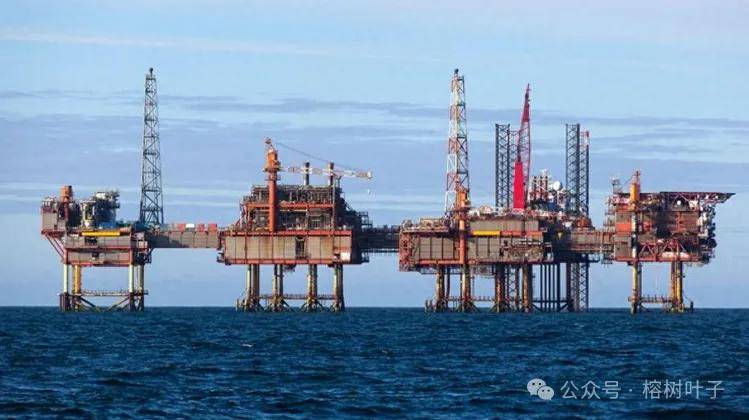
Group 1 - The discovery of 430 million barrels of oil equivalent at the Hai Su Wang oil field by Murphy Oil is a significant geological success, providing a critical lifeline for Vietnam's energy security as its oil production is projected to plummet from 365,000 barrels per day in 2005 to less than 120,000 barrels per day by 2025 [1][3] - Murphy Oil's involvement represents a "technical takeover" of Vietnam's energy supply chain, as the state-owned Vietnam National Oil and Gas Group has reached its limits in upstream exploration capabilities, with rising water cut in existing fields and production costs nearing the breakeven point of Brent crude [3] - The urgency of Vietnam's energy needs is highlighted by its reliance on high-priced crude oil purchases from international markets before Murphy Oil's new wells come online, which will strain its foreign exchange reserves and exacerbate fiscal deficits [5] Group 2 - The infrastructure in the Kien Giang Basin is outdated and has not been maintained, raising concerns about the reliability of pipelines and platforms, which could lead to significant costs for Vietnam to develop the discovered reserves [5] - The geopolitical implications of Murphy Oil's drilling in the South China Sea are significant, as any shifts in regional political dynamics could render the discovered oil reserves as stranded assets, impacting their economic viability [5][7] - The process from discovery to production in deepwater oil and gas development typically takes 5 to 7 years, which means Vietnam's immediate energy gap needs to be addressed without delay [3]
原油周报:委内及中东地缘溢价修正,油价反弹-20260111
Xinda Securities· 2026-01-11 14:05
Investment Rating - The report maintains a "Positive" investment rating for the oil processing industry [1]. Core Insights - The international oil prices experienced a rebound due to geopolitical tensions, particularly involving Venezuela and Iran, with Brent and WTI prices reaching $63.34 and $59.12 per barrel, respectively, as of January 11, 2026 [2][9]. - The report highlights a significant increase in U.S. crude oil imports, which rose by 27.98% to 6.339 million barrels per day, while exports increased by 23.92% to 4.263 million barrels per day, resulting in a net import increase of 37.21% [47]. - The oil and petrochemical sector showed a mixed performance, with the sector rising by 0.29% while the broader market (CSI 300) increased by 2.79% [10]. Summary by Sections Oil Price Review - As of January 9, 2026, Brent crude futures settled at $63.34 per barrel, up $2.59 (+4.26%) from the previous week, while WTI crude futures rose to $59.12 per barrel, an increase of $1.80 (+3.14%) [26]. Offshore Drilling Services - The number of global offshore self-elevating drilling rigs remained stable at 376, and floating drilling rigs also held steady at 129 as of January 5, 2026 [32]. Crude Oil Supply - U.S. crude oil production was reported at 13.811 million barrels per day, a decrease of 16,000 barrels from the previous week, with active drilling rigs down to 409 [42]. Crude Oil Demand - U.S. refinery crude processing increased to 16.909 million barrels per day, with a refinery utilization rate of 94.70%, unchanged from the previous week [50]. Crude Oil Inventory - Total U.S. crude oil inventories decreased by 3.587 million barrels (-0.43%) to 833 million barrels as of January 2, 2026, with commercial inventories down by 3.832 million barrels (-0.91%) [62]. Refined Oil Products - As of January 9, 2026, U.S. average prices for diesel, gasoline, and jet fuel were $88.99, $72.69, and $78.96 per barrel, respectively, with varying price changes compared to the previous week [85].






原油周报:地缘扰动带动原油波动-20260111
Hua Lian Qi Huo· 2026-01-11 13:17
Report Industry Investment Rating - Not provided in the report Core Viewpoints - The overall supply - demand of crude oil still tends to be in surplus, with global oil inventories at a high level. Attention should be paid to geopolitical disturbances between the US and Venezuela, Iran, etc. Technically, it shows a range - bound pattern, and the rebound space is expected to be limited. Futures should be treated bearishly in the medium - to - long - term, and long call options can be bought for protection. The resistance level of the SC2603 contract is around 440 - 450 yuan/barrel [8]. Summary by Directory 1. Supply - OPEC+ crude oil production in November was 43.065 million barrels per day, an increase of 2.42 million barrels per day compared to the beginning of the year. OPEC's crude oil production was 28.48 million barrels per day, up 1.765 million barrels per day from the start of the year. Saudi Arabia's production was 10.053 million barrels per day, a month - on - month increase of 53,000 barrels per day. OPEC decided to suspend the production increase plan in the first three months of 2026 due to seasonal factors. US crude oil production exceeded 13.8 million barrels per day, remaining at a high level [8][34]. - As of December last year, the global active oil and gas rig count was 1,782, a month - on - month decrease of 30 and a year - on - year decrease of 82. The number of US rigs was 546, down 3 month - on - month and 43 year - on - year [28]. - China's crude oil production in November was 17.627 million tons, a month - on - month decrease of 2.1% and a year - on - year increase of 2.2%. The cumulative production from January to November was 198 million tons, a year - on - year increase of 1.54%. China's crude oil imports in November were 50.891 million tons, a month - on - month increase of 5.2% and a year - on - year increase of 84.9%. The cumulative imports from January to November were 522 million tons, a year - on - year increase of 3.2% [52]. 2. Demand - The IEA monthly report raised the forecast of global oil demand growth in 2025 from 710,000 barrels per day to 788,000 barrels per day, and expected the growth to slow in the fourth quarter. It also raised the 2026 forecast from 699,000 barrels per day to 770,000 barrels per day. It is expected that the global oil supply in 2026 will exceed demand by 4.09 million barrels per day (previously forecasted as 3.97 million barrels per day). The EIA short - term energy outlook report expected global crude oil consumption in 2025 to be 104.1 million barrels per day (previously 104 million barrels per day) and 105.2 million barrels per day in 2026 (previously 105.1 million barrels per day). OPEC changed its estimate of the global oil market from a deficit to a surplus due to higher - than - expected US production and increased OPEC supply [8]. - According to EIA data, global crude oil demand in November was 104.8 million barrels, a month - on - month increase of 0.43% and a year - on - year increase of 1.10% [58]. - As of the week ending January 2, the US refinery utilization rate was 94.7%, flat month - on - month and 1.4 percentage points higher year - on - year, at a seasonal high. China's refinery utilization rate was 70.6%, a month - on - month increase of 0.45 percentage points and a year - on - year decrease of 0.26 percentage points. Domestic major refinery utilization rates rebounded and were at a moderately high level, while independent refinery utilization rates decreased slightly [60][65]. - China's cumulative gasoline production from January to December 2025 was 162.8 million tons, a year - on - year decrease of 5.07%, at the lowest level in recent years. Cumulative gasoline exports from January to November were 7.6775 million tons, a year - on - year decrease of 16.1%. Cumulative diesel production from January to December 2025 was 209.6 million tons, a year - on - year decrease of 4.55%. Cumulative diesel exports from January to November were 6.25 million tons, a year - on - year decrease of 21.28%. Cumulative kerosene production from January to December 2025 was 61.6166 million tons, a year - on - year increase of 5.76%. Cumulative kerosene exports from January to November were 19.5845 million tons, a year - on - year increase of 10.56% [70][75][79]. - China's cumulative automobile production from January to November was 31.19 million, a year - on - year increase of 11.79%. Among them, the cumulative production of new energy vehicles was 14.87 million, a year - on - year increase of 30.94%. The rapid development of China's new energy vehicle industry since 2020 has had a certain substitution effect on traditional oil product demand [83]. 3. Inventory - According to the OPEC monthly report, OECD commercial oil inventories in October decreased by 32 million barrels month - on - month (with crude oil inventories increasing by 12.9 million barrels and refined oil inventories decreasing by 44.9 million barrels), 62.7 million barrels higher than the same period last year but 12.4 million barrels lower than the five - year average. There has been an upward inventory accumulation trend this year, approaching the five - year average. Global in - transit crude oil inventories have declined from their highs but remain at a high level [89]. - As of the week ending January 2, US commercial crude oil inventories decreased by 38,300 barrels, and Cushing crude oil inventories increased by 7,300 barrels. US EIA gasoline inventories increased by 7.7 million barrels, and distillate inventories increased by 5.59 million barrels. With the high refinery utilization rate in the US, gasoline and diesel inventories continued to accumulate [91][95]. - China's port crude oil inventories increased slightly last week and were at a relatively high level in most years except 2020. Exchange warehouse receipt inventories remained stable at a low level [99]. 4. Market - Last week, international crude oil prices fluctuated at a low level, and the main contracts were at the lowest level in recent years. Domestic SC crude oil prices mainly followed the trend of international crude oil. The B - W spread rebounded slightly last week and was higher year - on - year. The SC - Oman spread continued to weaken and was lower year - on - year [17][21][24].