
健康化

Search documents
需求持续承压,龙头凸显韧性
SINOLINK SECURITIES· 2025-09-02 05:08
Investment Rating - The report indicates a cautious outlook for the consumer goods sector, with specific recommendations for companies that demonstrate resilience and growth potential in challenging market conditions [2][4]. Core Insights - The consumer goods sector is experiencing pressure on overall demand and intensified market competition, characterized by declining prices, slow product structure upgrades, and increased costs for acquiring potential customers [2][3]. - Despite the overall challenges, certain companies are performing well, particularly those with strong brand positioning and innovative product offerings, such as salt and pepper products and energy drinks [2][4]. - The report highlights two main investment themes: companies with solid fundamentals and growth potential in the next 2-3 years, and those that may benefit from a recovery in demand across various segments [5][31]. Summary by Sections 1. Snack Foods - The snack food segment shows a divergence in performance, with leading brands like Salted Fish and Wei Long achieving significant revenue growth, while others face challenges due to channel shifts and lower consumer spending [3][12]. - The report notes that the market is transitioning from channel-driven growth to category-driven growth, with health-oriented products gaining traction [12][19]. 2. Restaurant Chains - The restaurant chain segment is under pressure, with major players like Hai Tian and Zhong Ju experiencing varied revenue growth rates, reflecting the competitive landscape and changing consumer preferences [4][34]. - The report emphasizes the importance of adapting to consumer trends, such as the increasing demand for healthy and convenient food options [33][34]. 3. Soft Drinks - The soft drink sector is witnessing improved sales during peak seasons, with health-focused products like sugar-free tea and electrolyte drinks gaining market share [4][12]. - Companies like Nongfu Spring and Dongpeng are highlighted for their strong performance, with significant revenue increases reported [4][12]. 4. Dairy Products - The dairy segment is facing challenges, particularly in liquid milk demand, but cost advantages are noted for certain products, leading to improved profit margins for some companies [5][29]. - The report suggests that companies with diversified product lines and effective cost management strategies are better positioned to navigate the current market conditions [5][29].



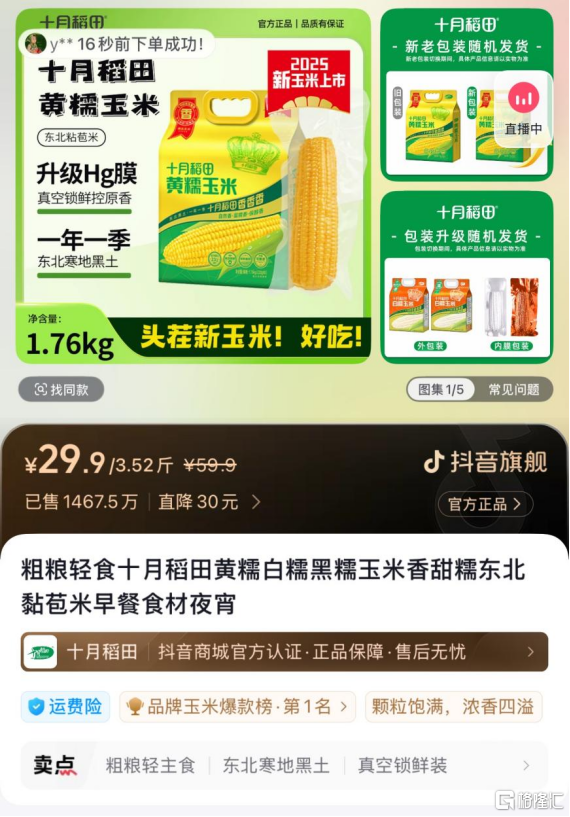
踩准消费趋势,十月稻田(09676.HK)中期业绩延续高增
Ge Long Hui· 2025-09-02 01:03
Core Insights - The food consumption sector is increasingly characterized by health, scenario-based, and emotional trends, with new consumption scenarios like family gatherings and outdoor camping driving the growth of convenient staple foods and grains [1] - October Rice Field has effectively captured these demand changes, providing a model for industry development [1] Financial Performance - October Rice Field reported a revenue of 3.06 billion yuan in the first half of 2023, marking a year-on-year increase of 16.9%, driven by stable performance in core categories and new growth curves [2] - The company's rice business generated 2.07 billion yuan, serving as a crucial support for overall performance [2] - Adjusted net profit reached 290 million yuan, a significant increase of 97.7% year-on-year, reflecting market recognition of product quality and innovation [3] Business Operations - The company's growth is attributed to a collaborative operational system of "category expansion + channel deepening," responding precisely to market demands [4] - October Rice Field is diversifying its product categories while maintaining its core rice business, which benefits from high-quality grain resources and strict quality control [5] - The company has launched various corn products, including corn sticks and flavored series, tapping into the growing demand for healthy eating [5] Channel Strategy - October Rice Field employs an omnichannel strategy, collaborating with over 40 major e-commerce platforms and entering instant retail markets to capture the vast instant consumption market [7] - The company has established a nationwide sales network by partnering with major supermarkets, ensuring product availability for consumers [7] Brand Strategy - The brand has repositioned itself as an "innovative family food brand," emphasizing emotional connections with consumers through its new slogan "Chinese Flavor, Fragrant" [8][9] - October Rice Field is implementing integrated marketing strategies to enhance brand visibility and consumer engagement, including collaborations with popular IPs and participation in high-profile events [11][12] - The brand's focus on young consumers through scenario-based marketing aims to strengthen emotional resonance and brand loyalty [14] Conclusion - Overall, October Rice Field is likely to maintain its competitive edge in the food market by consolidating core advantages, deepening category innovation, optimizing channel efficiency, and continuing its youth-oriented brand strategy [15]

帅丰电器: 浙江帅丰电器股份有限公司2025年半年度报告全文
Zheng Quan Zhi Xing· 2025-08-27 16:31
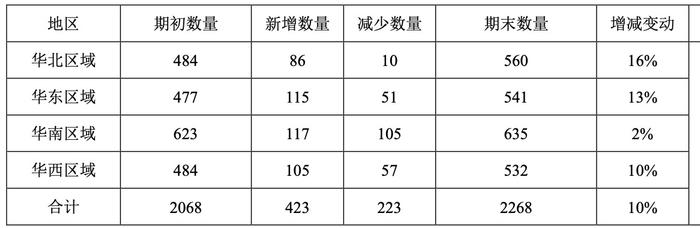
Core Viewpoint - The report highlights a significant decline in the financial performance of Zhejiang Sanfer Electric Co., Ltd. for the first half of 2025, with a notable drop in revenue and net profit compared to the same period last year, attributed to reduced sales volume and fewer new orders [2][4][10]. Company Overview and Financial Indicators - Company Name: Zhejiang Sanfer Electric Co., Ltd. [2] - Stock Code: 605336 [2] - Total Revenue for H1 2025: 130.36 million RMB, a decrease of 44.15% year-on-year [4] - Total Profit: 5.54 million RMB, down 88.17% year-on-year [4] - Net Profit Attributable to Shareholders: 3.30 million RMB, a decline of 91.80% year-on-year [4] - Total Assets: 2.02 billion RMB, down 4.67% from the previous year [4] Industry and Business Situation - The integrated stove industry is experiencing a downturn, with a 27.6% decline in retail sales and a 24.1% drop in retail volume in the first half of 2025 [5][10]. - The market for new housing is shrinking, impacting the kitchen appliance sector, although government policies promoting appliance upgrades may improve demand in the future [5][10]. - The company focuses on integrated kitchen appliances, emphasizing innovation and user needs to enhance product offerings [6][10]. Product Development and Innovation - The company has been continuously upgrading its integrated stove products since 2005, expanding its product line to include various kitchen appliances [17][25]. - Recent product launches include the Time-Space S5 series and Ideal L3 series, designed to meet diverse consumer needs [17][25]. - The company collaborates with Zhejiang University to enhance product design and functionality, integrating advanced technology into its offerings [18][20]. Marketing and Sales Strategy - The company employs a flat and efficient dealer model, maintaining nearly 1,000 dealers and approximately 1,900 sales terminals [9][12]. - It actively develops online and offline sales channels, leveraging e-commerce platforms like Tmall and JD.com to reach a broader audience [12][14]. - The company emphasizes brand positioning as a high-end kitchen appliance provider, targeting middle to high-income consumers [10][11]. Customer Engagement and Service - The company has implemented the "Sanfer Smile Service 3.0" initiative to enhance customer service and satisfaction [22][23]. - It focuses on building long-term relationships with customers through various engagement strategies, including loyalty programs and after-sales support [16][24]. - The company aims to improve customer experience by offering comprehensive service solutions and maintaining high service standards [22][24].

营收净利双降,百润股份RIO增长光环褪色
Xin Lang Cai Jing· 2025-08-27 10:31
Core Viewpoint - RIO's parent company, Bairun Co., is facing significant performance pressure as it transitions from a period of growth driven by the "stay-at-home economy" to a decline in revenue and profit, particularly in the ready-to-drink cocktail segment [1][2][3]. Financial Performance - In the first half of 2025, Bairun's total revenue was 1.489 billion yuan, a year-on-year decline of 8.56% [1]. - The net profit attributable to shareholders was 389 million yuan, down 3.32% year-on-year, while the net profit after deducting non-recurring gains and losses was 356 million yuan, a decrease of 9.04% [1]. - Revenue from alcoholic beverages, which account for 88% of total revenue, was 1.297 billion yuan, down 9.35% year-on-year [1]. Market Challenges - The North and West China markets are facing significant challenges, with revenues declining by 21.43% and 23.05% respectively, despite an increase in the number of distributors [2]. - RIO is experiencing dual pressures from declining internal growth momentum and disruptive shifts in consumer value [2][3]. Product and Competitive Landscape - RIO, once a market leader in the ready-to-drink cocktail segment, is losing its growth momentum due to weak consumption scenarios and a lack of price competitiveness compared to beer [3][4]. - The rise of diverse low-alcohol beverages, such as fruit wines and non-alcoholic beers, is further eroding RIO's market share [4]. - RIO's new product, jelly wine, aims to integrate the "tipsy" experience into casual snacking, but faces challenges in consumer motivation [4]. Sales Channels - Offline channels accounted for over 89% of RIO's revenue, which saw a year-on-year decline of 9.63%, while online channels made up about 11% with a slight decline of 0.57% [4]. - RIO's low sales in ready-to-drink formats indicate a misalignment with consumer purchasing behaviors, which favor impulse buys in physical stores [5][7]. Strategic Shift - In response to the stagnation in RIO's growth, Bairun is shifting its strategic focus towards developing its whiskey business, which has begun operations and is expected to contribute to future revenue [9][10]. - The whiskey segment aims to capture different market segments, with brands like "Bailide" targeting mass consumption and "Laizhou" focusing on premium offerings [9][10]. Profitability Concerns - Despite a relatively stable asset structure, Bairun faces risks related to high sales expenses, which have pressured profit margins [14][15]. - The company's gross profit margin for its main business was 70.51%, but high sales expenses of 301 million yuan significantly impacted profitability [14].

香飘飘(603711):冲泡业务阶段性承压 盈利能力下滑
Xin Lang Cai Jing· 2025-08-27 08:28
Core Viewpoint - The company is experiencing significant challenges in its brewing business, leading to a decline in overall revenue and profitability, while the ready-to-drink segment shows some growth potential through new product launches [1][2][3][4]. Financial Performance - In the first half of 2025 (25H1), the company's revenue, net profit attributable to shareholders, and net profit excluding non-recurring items were 1.04 billion, -100 million, and -110 million yuan, respectively, representing a year-on-year decline of 12.2% and increased losses [1]. - For the second quarter of 2025 (25Q2), revenue, net profit attributable to shareholders, and net profit excluding non-recurring items were 460 million, -80 million, and -90 million yuan, showing a slight revenue increase of 0.2% but continued losses [1]. - The brewing segment generated 420 million yuan in revenue, down 31.0% year-on-year, while the ready-to-drink segment saw an 8.0% increase to 590 million yuan [2]. Business Segments - The brewing segment faced significant pressure due to external factors, impacting sales during the peak season, while the ready-to-drink segment performed well during the off-peak season with new product launches like "Xinhui Chenpi Moonlight White Light Milk Tea" expected to contribute to revenue growth [1][2]. - In 25H1, the company maintained a dual-driven strategy focusing on both brewing and ready-to-drink segments, with the latter showing resilience and growth potential [1][3]. Cost and Profitability - The gross margin for 25H1 decreased by 1.2 percentage points to 29.4%, primarily due to the underperformance of the higher-margin brewing segment [3]. - The net profit margin for 25H1 was -9.4%, a decline of 6.9 percentage points year-on-year, indicating a significant impact on profitability from the brewing business [3]. Future Outlook and Valuation - Revenue forecasts for 2025-2027 have been revised down to 3.11 billion, 3.28 billion, and 3.42 billion yuan, reflecting a decrease of 9% to 8% compared to previous estimates [4]. - The expected earnings per share (EPS) for 2025-2027 are projected at 0.39, 0.57, and 0.64 yuan, with a significant downward adjustment of 40% to 18% from prior estimates [4]. - The company aims to stabilize its brewing business and expects a return to profitability by 2026, with a target price set at 15.39 yuan based on a 27x price-to-earnings ratio for that year [4].

香飘飘(603711):冲泡业务阶段性承压,盈利能力下滑
HTSC· 2025-08-27 05:26
Investment Rating - The investment rating for the company is maintained at "Accumulate" with a target price of RMB 15.39 [6][7]. Core Views - The company's revenue and net profit for the first half of 2025 showed a decline, with revenue at RMB 10.4 million, down 12.2% year-on-year, and a net loss of RMB 1.0 million [1][3]. - The company is facing pressure in its brewing business, while the ready-to-drink segment has shown positive growth during the peak season [2][4]. - The company is focusing on long-term strategies, emphasizing channel stability and rapid new product development to adapt to health and youth trends [1][2]. Revenue and Profitability - In the first half of 2025, the brewing segment generated revenue of RMB 4.2 million, down 31.0% year-on-year, while the ready-to-drink segment saw revenue of RMB 5.9 million, up 8.0% [2][3]. - The gross profit margin decreased by 1.2 percentage points to 29.4% in the first half of 2025, with a net profit margin of -9.4% [1][3]. - The company has adjusted its revenue forecasts for 2025-2027, now expecting revenues of RMB 31.1 billion, RMB 32.8 billion, and RMB 34.2 billion respectively, reflecting a downward revision of 9% for 2025 [4][10]. Cost and Expense Management - The sales and management expense ratios increased to 32.0% and 9.7% respectively in the first half of 2025, indicating a rise in operational costs [3][4]. - The company is expected to optimize its promotional spending structure and improve cost efficiency as inventory levels have normalized [3][4]. Earnings Forecast - The earnings per share (EPS) estimates for 2025, 2026, and 2027 are projected at RMB 0.39, RMB 0.57, and RMB 0.64 respectively, with a significant downward adjustment of 40% for 2025 [4][10]. - The company anticipates a return to profitability in 2026, with the valuation based on a price-to-earnings (PE) ratio of 27x for that year [4][10].
欢乐家(300997.SZ)半年报披露战略新动向 健康化与年轻化双轮驱动
Xin Lang Cai Jing· 2025-08-27 03:26
Company Insights - Company has showcased its latest progress in marketing reform, channel expansion, and brand innovation while releasing its semi-annual report [1] - The company focuses on two core segments: canned fruits and coconut-based beverages, and is committed to enhancing operational efficiency and management effectiveness through a reformed marketing system [1] - The company has entered emerging channels such as snack specialty chains, with products like peach and orange canned fruits and coconut juice now available in leading snack chain stores [1] - The company is leveraging its coconut processing project in Vietnam to support its diversified business layout [1] - New product launches include reduced-sugar canned fruits and coconut water beverages, with a focus on promoting gift beverage markets during festive seasons [1] Industry Insights - The global plant-based beverage market reached $26.8 billion in 2022 and is expected to exceed $70 billion by 2030, with a compound annual growth rate of over 13% [2] - The coconut-based beverage segment is one of the fastest-growing categories, benefiting from trends towards natural, low-sugar, and health-conscious consumption [2] - The company is exploring brand rejuvenation by launching cross-industry collaboration products with popular IPs, enhancing consumer recognition and emotional connection [2] - Industry experts believe that the company's long-term focus on canned fruits and coconut-based beverages, along with diversified channel strategies and brand innovation, positions it for structural breakthroughs during high growth cycles [2]
香飘飘: 香飘飘2025年半年度报告
Zheng Quan Zhi Xing· 2025-08-26 09:23
Core Viewpoint - The report highlights the financial performance and operational strategies of Xiangpiaopiao Food Co., Ltd. for the first half of 2025, indicating a decline in revenue and net profit, while emphasizing the company's focus on product innovation and market expansion in the beverage sector [1][3]. Financial Performance - The total revenue for the first half of 2025 was approximately 1.035 billion RMB, representing a decrease of 12.21% compared to the same period last year [3]. - The total profit for the period was a loss of approximately 137 million RMB, compared to a loss of about 49.75 million RMB in the previous year [3]. - The net profit attributable to shareholders was approximately -97.39 million RMB, a significant decline from -29.50 million RMB in the same period last year [3]. - The net cash flow from operating activities was approximately -258.26 million RMB, slightly worse than -244.64 million RMB in the previous year [3]. Industry Overview - The company operates in the beverage manufacturing sector, specifically in the tea beverage category, and has maintained the largest market share in the cup-based tea market for 13 consecutive years from 2012 to 2024 [4][5]. - The company has introduced health-oriented and innovative products, such as the "original leaf handmade oat milk tea," which have received positive consumer feedback [4][5]. Product Development and Innovation - The company has focused on product health upgrades and high-quality pricing strategies, increasing R&D expenses by 49.11% compared to the previous year [8][9]. - New product launches include seasonal limited editions and health-oriented beverages, such as "Meco" fruit tea and "Lan Fang Yuan" Hong Kong-style tea, which have been well-received in the market [9][10]. Sales and Marketing Strategy - The company employs a "sales-driven procurement" model, ensuring that production aligns with sales forecasts to maintain product freshness and quality [6][11]. - The marketing strategy has shifted towards content-driven approaches, enhancing consumer engagement through interactive campaigns and collaborations with popular brands [10][11]. Future Outlook - The company plans to continue its dual-driven strategy focusing on stabilizing the brewing business while accelerating the ready-to-drink segment, with new product launches and market expansion efforts planned for the second half of 2025 [12].
便利店+商超=烘焙新势力?全球商超烘焙市场给中国的启示
东京烘焙职业人· 2025-08-22 08:34
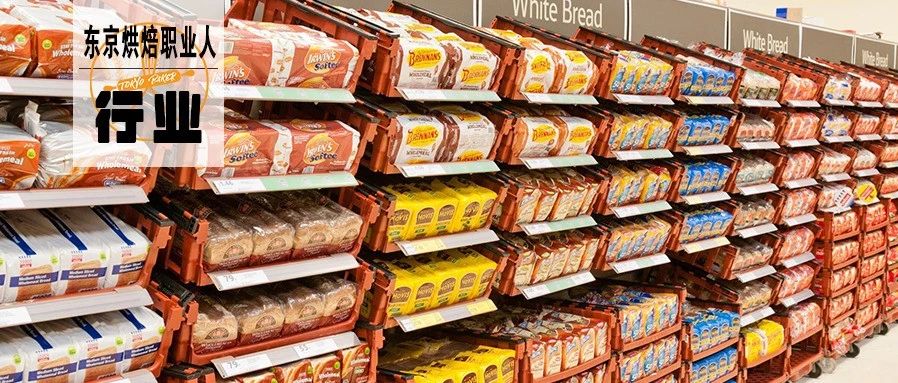
Core Viewpoint - The Chinese baking market is experiencing a shift from independent bakeries to new retail channels such as supermarkets and convenience stores, indicating a change in consumer demand despite stable market demand [1]. Group 1: Market Dynamics - In 2024, the number of baking stores in China saw a net growth of nearly zero, with 92,000 new stores and 91,000 closures, highlighting a stagnation in traditional bakery growth [1]. - New retail channels are showcasing strong sales, with examples including Sam's Club's Swiss roll sales exceeding 1 billion yuan, Hema's strawberry box cake generating 200 million yuan in seasonal sales, and Pang Donglai's mooncake sales estimated at 200 million yuan [1]. Group 2: International Comparisons - The trends observed in the Chinese baking market are not unique but are part of a broader global phenomenon influenced by the development of industrial food technology and rapid market expansion [4]. - Mature baking markets in Japan, South Korea, Europe, and North America have established stable supermarket baking models that meet consumer needs while continuously creating popular products [5]. Group 3: Asian Market Insights - Japan and South Korea serve as benchmarks in the Asian baking market, characterized by high-frequency purchases and a preference for soft bread, with a supply chain model centered around short shelf-life products [6]. - The emphasis on freshness is a common principle in Japanese and Korean supermarkets, supported by a mature "factory collaboration + regional distribution" system [7]. Group 4: Consumer Preferences - In Japan, 82.8% of consumers prefer to buy bread from supermarkets, while in South Korea, this figure is 76%, indicating a strong consumer preference for supermarket-bought baked goods [11]. - Health considerations have become essential, with products like "no added sugar toast" and "low GI whole grain bread" dominating sales in Japan and South Korea [12]. Group 5: North American Market Characteristics - The U.S. baking market is characterized by family-oriented consumption, with supermarkets catering to bulk purchases and family needs, leading to a unique model of large packaging and high cost-effectiveness [23]. - Supermarkets in the U.S. account for approximately 70% of total bread sales, with a focus on stable quality and low prices, although they lack the innovative marketing strategies seen in Japanese convenience stores [30]. Group 6: European Market Trends - The European baking market is projected to reach $157.36 billion by 2025, with supermarkets contributing approximately 60%-70% of sales, reflecting a high dependency on supermarket channels [31]. - Different countries in Europe have tailored their baking strategies based on local consumer preferences, with Germany focusing on cost control through self-owned factories and local ingredients [33]. Group 7: Strategic Recommendations for China - Chinese supermarkets and chain brands can learn from international practices by adopting strategies such as fine segmentation, local sourcing, and fresh product delivery to enhance consumer trust and satisfaction [42][43]. - Emphasizing family-oriented products and transparent labeling can help build consumer confidence and cater to local market demands [44][46].
软饮料行业深度:后来居上,中国软饮料巨头的平台化之路-东吴证券
Sou Hu Cai Jing· 2025-08-22 02:34
Industry Overview - The report focuses on the development of the Chinese soft drink industry, outlining its history, current status, and future trends, while providing investment recommendations [1]. - The industry has gone through three stages: the carbonated beverage-dominated phase before the mid-1990s, the diversified growth phase from 1995 to 2014, and the structural growth phase from 2015 to the present [1][18]. Current Market Dynamics - The current competition in the industry is intense, with traditional leaders showing significant advantages while new entrants are also making breakthroughs [1]. - Leaders in the market are building competitive moats through "big product iteration + penetration into segmented scenarios," with billion-yuan products being a crucial threshold for leading players in niche markets [1][37]. - The growth rates for bottled water, tea beverages, and energy drinks are strong, with varying levels of market concentration across different segments [1][6]. Future Trends - The future trend in the industry is towards health and functionality, with bottled water's packaging rate expected to rise from 14.4% in 2023 to 18.9% by 2028, indicating a clear long-term growth logic [6][49]. - The penetration rate for sugar-free tea products has significant room for improvement, with the billion-yuan product "Oriental Leaf" leading the charge [6][49]. - Energy drinks, particularly "Dongpeng Special Drink," are experiencing domestic growth and plan to expand into Southeast Asia, while electrolyte water is expected to see increased market opportunities in lower-tier cities [6][49]. - Emerging categories such as coconut water and sparkling water are gaining popularity, driven by their natural health attributes and innovative differentiation [6][49]. Investment Recommendations - The report recommends investing in Dongpeng Beverage and Nongfu Spring, while also suggesting attention to China Resources Beverage and IFBH [7]. - The main investment theme is to focus on high-growth segments and leaders with strong billion-yuan product capabilities, as the industry continues to evolve towards health and functionality [7].

