
多元化投资

Search documents
“泡沫先生”朱宁:伟大技术变革伴随着泡沫,也孕育伟大的公司
创业邦· 2025-07-16 03:44
Core Viewpoint - The emergence of great companies often coincides with the process of bubbles forming and bursting, particularly in the context of technological revolutions and economic cycles [6][38]. Group 1: Macro Economic Insights - The Chinese real estate market has been in a correction phase since 2021, with expectations that it will stabilize around 2027 [6][64]. - The adjustment in the real estate market has seen a general decline in property prices by 20%-30% since 2021, with predictions of further declines of 20%-30% in the coming years [64][66]. - The rental yield in major Chinese cities is significantly lower than international standards, indicating a potential overvaluation of real estate [65]. Group 2: Behavioral Finance and Market Dynamics - Behavioral biases such as overconfidence, linear extrapolation, and reluctance to cut losses are prevalent among investors, leading to irrational market behaviors [21][22][23]. - The strong local preference among investors can lead to a lack of diversification in investment portfolios, increasing vulnerability to market downturns [19][20]. - The social network effects in East Asian societies amplify these behavioral biases, leading to herd behavior in investment decisions [26][27]. Group 3: Industry-Specific Observations - The technology and innovation sectors, including AI and new energy vehicles, are experiencing significant investment interest, but historical patterns suggest that such enthusiasm often leads to bubbles [54][57]. - The new energy vehicle industry faces challenges of overcapacity, with reports indicating that production capacity in certain sectors exceeds global demand by 150% [58]. - The government’s role in guiding industry development has led to both opportunities and challenges, including the risk of overcapacity due to competitive local government policies [82]. Group 4: Recommendations for Stakeholders - Entrepreneurs should maintain their passion for innovation while being realistic about the challenges of the entrepreneurial journey [42][88]. - Investors, particularly in venture capital and private equity, should focus on understanding the underlying value of projects and avoid speculative investments [49][50]. - The government should shift its focus from traditional infrastructure investments to enhancing social welfare systems to boost consumer confidence and spending [78][81].


外资理财规模逆势攀升,法巴、贝莱德突破500亿大关
第一财经· 2025-07-15 15:21
Core Viewpoint - The scale of foreign-controlled joint venture wealth management companies has seen a counter-cyclical growth since the second quarter, with notable increases in assets under management for firms like BNP Paribas and BlackRock [1][3]. Group 1: Growth of Foreign Wealth Management Firms - BNP Paribas and BlackRock's joint venture wealth management companies have recently surpassed 600 billion yuan and 500 billion yuan in scale, respectively, marking significant growth in 2023 [1][3]. - The rapid growth of these foreign firms is attributed to support from local bank channels and a focus on diversified investment strategies, including fixed income and multi-asset products [1][3][4]. Group 2: Performance of Domestic Wealth Management Firms - In contrast, many domestic wealth management companies experienced fluctuations in scale, with some reporting declines in June 2023, primarily due to stock market recovery and low bond market yields [1][7]. - As of June 2025, the total scale of domestic wealth management products reached 30.97 trillion yuan, reflecting a slower growth rate compared to previous years [7][9]. Group 3: Market Dynamics and Investment Strategies - The current low interest rate environment has made fixed income assets a key tool for expanding scale, with the 10-year government bond yield dropping from approximately 3% at the beginning of 2023 to around 1.6% [3][9]. - Many wealth management firms are focusing on fixed income products, with equity asset allocations remaining low due to market volatility, despite the strong performance of equity markets [3][4][9]. Group 4: Challenges and Future Outlook - The bond market's low yields pose challenges for the expansion of wealth management scales, with expectations for supportive policies potentially emerging in late September or later [9][10]. - Institutions are adopting a range-bound trading strategy, anticipating limited adjustments in the bond market due to weak financing demand and a gradual recovery in inflation data [10].

对话朱宁:你没法赚你认知之外的钱,关键性思考很重要︱重阳Talk Vol.13
重阳投资· 2025-07-14 06:43
Core Viewpoint - The article emphasizes the importance of behavioral finance in investment decision-making, highlighting that understanding investor psychology can lead to better investment outcomes [4][5][6]. Group 1: Importance of Behavioral Finance - Behavioral finance is crucial as it helps investors understand their own biases and the market dynamics, which traditional financial theories often overlook [4][5]. - The author discusses the need for investors to develop a comprehensive framework for investment cognition, which includes understanding both market behavior and self-awareness [4][6]. Group 2: Investment Phases and Psychological Traps - Investors typically go through three phases of loss: chasing prices during market optimism, becoming passive during initial market corrections, and panic selling during prolonged downturns [8][10]. - The concept of loss aversion is highlighted, where investors focus on not losing money rather than achieving gains, leading to poor decision-making [18][19]. Group 3: Overconfidence and Herd Behavior - Overconfidence among investors often leads to poor performance, especially during bull markets where they tend to buy high and sell low [21][22]. - The article references historical market events to illustrate how herd behavior can lead to market bubbles and subsequent crashes [23][24]. Group 4: Diversification and Long-term Thinking - Diversification is presented as a key strategy to mitigate risk, with the understanding that it is not merely about spreading investments but ensuring low correlation among assets [26][27]. - The need for a long-term investment perspective is emphasized, encouraging investors to set clear financial goals and avoid impulsive decisions based on short-term market movements [30][31].

底仓还得配黄金!达利欧最新对话:美国“赤字控制在3%”的成功率也就5%,要关注美元贬值趋势……
聪明投资者· 2025-07-14 02:07
Core Viewpoint - The discussion emphasizes the urgent need to address the U.S. debt crisis and the potential long-term devaluation of the dollar, advocating for a "3-3-3 plan" to reduce the budget deficit to 3% of GDP through spending cuts, tax increases, and lower interest rates [5][6][62]. Group 1: Debt and Fiscal Policy - The U.S. is at a critical point regarding fiscal irresponsibility, with a current budget deficit of approximately 6.5% to 7% of GDP, necessitating a reduction of 4 to 5 percentage points [49][50]. - The "3-3-3 plan" proposes a combination of a 4% increase in tax revenue, a 4% reduction in spending, and a 1% decrease in interest rates to achieve the deficit target [55][56]. - The U.S. government faces a significant challenge in selling approximately $12 trillion in debt over the next year, including $1 trillion in interest payments and $9 trillion in refinancing [39][71]. Group 2: Currency and Investment Strategy - Concerns are raised about the long-term devaluation of the dollar, with a recommendation for investors to focus on gold and inflation-linked bonds as effective hedges against currency depreciation [7][8][92]. - The allocation of 10% to 15% of an investment portfolio to gold is suggested as a prudent strategy to mitigate risk and enhance diversification [92][93]. - The current economic environment is characterized by a potential loss of confidence in fiat currencies, making hard assets like gold increasingly attractive [82][100]. Group 3: Historical Context and Future Outlook - Historical patterns indicate that countries often resort to currency devaluation as a means of managing debt, with the U.S. potentially following similar paths [35][80]. - The discussion highlights the importance of understanding the implications of fiscal policies and the potential for a systemic crisis if current trends continue unchecked [84][145]. - The need for a foundational approach to address societal issues, including education and economic stability, is emphasized as critical for long-term prosperity [128][130].
不只经济衰退,崩溃还将改变一代人
海豚投研· 2025-07-12 08:20
Core Viewpoint - The article discusses a significant generational economic shift characterized by debt accumulation, social division, geopolitical tensions, and the potential collapse of the monetary system, suggesting that this is not just another economic recession but a transformative crisis that could reshape society [3]. Debt Cycle and Unsustainable Growth - Low debt costs, often due to low interest rates, lead borrowers to become complacent, resulting in increased leverage that becomes unsustainable as interest rates rise [5]. - The feedback loop created by debt-driven spending and growth can lead to asset price inflation, creating a false sense of security that ultimately results in a painful deleveraging process when debt repayment becomes burdensome [5][6]. - Central banks typically lower interest rates to stimulate borrowing and consumption, but this tool loses effectiveness when rates approach zero, leading to reliance on quantitative easing, which can distort price discovery and exacerbate inequality [6][7]. Internal Fractures: Social and Political Divisions - Historical patterns show that social disintegration often follows a buildup of tensions among various societal groups, leading to political dysfunction and economic inequality [9]. - Trust in institutions and leaders is crucial for societal cohesion; when this trust erodes, it can lead to a breakdown of the social contract and increased polarization [10][11]. - The rise of populism and extreme political rhetoric can hinder effective governance, making it difficult to address pressing issues like debt and education [10][11]. Geopolitical Deconstruction and Cold War 2.0 - The article highlights a strategic decoupling in global relations, particularly between the West and China, leading to a fragmented world order where nations prioritize security over efficiency in supply chains [13][14]. - Competition for technological supremacy and control over critical resources is intensifying, with countries increasingly seeking to reduce dependence on adversaries [14][15]. - The erosion of trust in the global financial system, particularly regarding the U.S. dollar, is prompting nations to explore alternative currencies and payment systems [17][18]. Currency Order Cracks - The current monetary system, heavily reliant on the U.S. dollar, is facing challenges due to persistent fiscal deficits and rising debt levels, leading to a loss of confidence in its stability [18][19]. - Countries are increasingly seeking to diversify away from dollar dependence, engaging in bilateral trade agreements and exploring digital currencies [20][21]. - The transition away from a dollar-centric system may not lead to immediate collapse but indicates a shift towards increased volatility and uncertainty in global finance [21]. Next Phase: Pain or Restructuring - The article emphasizes the importance of recognizing risks and opportunities in a volatile environment, advocating for a balanced approach to resource allocation [22][24]. - Diversification across asset classes, countries, and economic conditions is crucial for managing risk and seizing opportunities during periods of upheaval [24][25]. - Successful navigation of these challenges requires a thoughtful, adaptable strategy that prepares for multiple outcomes rather than relying on a single perspective [25][26].

机构:人民币汇率或重回7.0时代
21世纪经济报道· 2025-07-10 15:27
Group 1: Currency Exchange Rate - As of July 10, the central bank of China announced the RMB exchange rate against the USD at 7.1510, an increase of 31 basis points from the previous day's rate of 7.1541 [1] - By July 10, the offshore RMB was trading at 7.18 against the USD, indicating a depreciation of over 2% for the USD against the RMB since the beginning of the year [2] - UBS predicts that the RMB exchange rate may return to the 7.0 level in the future, supported by trade negotiations and improved capital flows [6] Group 2: Technology Sector Insights - UBS's Chief Investment Officer for Asia Pacific, Chen Minlan, expressed optimism about the performance of Chinese tech stocks in the second half of the year, citing strong development in the AI sector [4] - The competitive landscape in China is characterized by excessive competition, which is a significant pain point for investors, leading to unsustainable strategies for many companies [4] - The Chinese government has signaled a strong commitment to combating irrational price wars and promoting product quality, which may enhance the global competitiveness of successful firms [4] Group 3: Investment Diversification Trends - UBS observed a trend where clients are shifting investments from US assets to more diversified options, with strong growth in Asian and European assets [5] - The volatility in the US market serves as a reminder of the importance of diversification during uncertain times [5] - UBS plans to maintain a 50% to 66% allocation of US assets in investment portfolios, while emphasizing emerging markets in Asia, led by China, as key diversification opportunities [6]
瑞银:中国科技股“内卷”是痛点 人民币或重回7.0时代
2 1 Shi Ji Jing Ji Bao Dao· 2025-07-10 13:15
Group 1: Chinese AI and Technology Sector - The Chinese AI sector is experiencing strong growth, and UBS remains optimistic about the performance of Chinese tech stocks in the second half of the year [1] - The ongoing tariff war presents an uncertain outlook, leading to a cautious stance from China regarding large-scale fiscal stimulus measures, although there is still room for interest rate reductions [1] - Over-competition is identified as a major pain point for investors in China, with many companies engaging in irrational price wars, resulting in Chinese tech companies being valued at only half of their U.S. counterparts [1] Group 2: Government Policies and Market Dynamics - The Chinese government is committed to combating "involution" and has signaled strong policy intentions to regulate low-price disorderly competition, encouraging companies to enhance product quality and facilitate the orderly exit of outdated capacities [1] - The ultimate winners in this competitive landscape are expected to possess global competitiveness [1] Group 3: Diversification Trends in Investment - There is a noticeable trend among clients shifting from U.S. assets to more diversified investments, with strong growth observed in Asian and European assets [2] - The volatility in the U.S. market serves as a reminder of the importance of diversification during periods of high uncertainty [2] - UBS plans to maintain U.S. asset allocation between 50% to 66%, with emerging markets in Asia, led by China, being a key focus for diversification [2] Group 4: Currency Outlook - Progress in trade negotiations and improved capital flows support the potential for further appreciation of the Renminbi, with expectations for the exchange rate to reach 1 USD to 7 CNY by mid-next year [2]

【财经分析】黄金上半年涨势喜人 短期波动或不改长期牛市
Xin Hua Cai Jing· 2025-07-05 05:23
Group 1: Gold Price Trends - Gold prices reached a historical high in Q2, with a more than 25% increase over the past six months, and spot gold was reported at $3342.80 per ounce as of July 4 [1] - Analysts predict that gold prices may face pressure in the second half of 2025 due to weakening demand and increasing supply, despite ongoing support from geopolitical risks, central bank purchases, and a weakening dollar [1][3] Group 2: Central Bank Gold Purchases - Central banks have been accumulating gold to hedge against inflation and diversify assets, with global central bank net gold purchases exceeding 1000 tons for the third consecutive year [2] - In the first four months of 2025, central banks net purchased 256 tons of gold, maintaining high demand levels [2] - China's gold reserves increased to approximately 2296.37 tons as of May 2025, marking a continuous increase for seven months [3] Group 3: Market Dynamics and Alternatives - The rising gold prices have led jewelers to diversify into platinum, which has seen a price increase of over 30% this year, reflecting strong demand in the jewelry market, particularly in China [4][5] - Analysts suggest that even a small shift in demand from gold jewelry to platinum could significantly increase the supply gap for platinum [6] Group 4: Investment Opportunities - The gold sector has shown strong performance, with COMEX gold futures up 26.89% year-to-date, and several Hong Kong gold and jewelry stocks have surged over 100% [7] - Investors are advised to consider a long-term holding strategy for gold, as it may provide good returns despite short-term volatility [8]
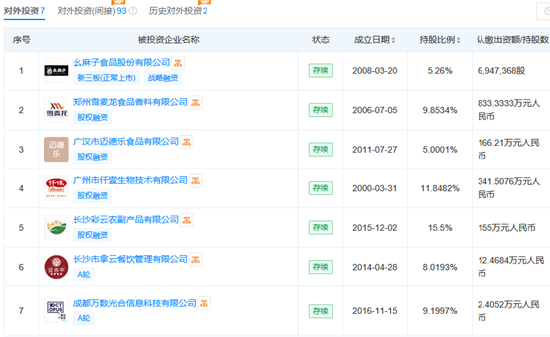
绝味食品对外投资成拖累:接连对旗下私募股权基金进行延期 去年投资亏损1.6亿元
Xin Lang Zheng Quan· 2025-07-02 03:54
Core Viewpoint - Recently, Juewei Foods announced the extension of the duration of its private equity funds, indicating challenges in its investment strategy and overall financial performance [1][2]. Group 1: Fund Extensions - Juewei Foods announced the extension of the Hunan 415 Private Equity Fund's duration by one year, changing the term from July 10, 2018, to July 9, 2026 [2]. - The Hunan 415 Fund was established in July 2018 with a total capital of 300 million yuan, with Juewei's subsidiary holding 99% of the equity [2]. - The extension is based on a comprehensive assessment of the capital market environment and investment project conditions, with no significant impact on the company's current performance [2]. Group 2: Investment Performance - Juewei Foods has faced negative net investment income for four out of the last five years, totaling a loss of 246 million yuan [4]. - The company has continuously experienced cash outflows from investment activities, amounting to 6.509 billion yuan over eight years, which has affected its dividend payout ratio [3][4]. - In 2024, Juewei Foods is projected to have a net investment loss of 160 million yuan, an increase of 44 million yuan compared to 2023 [1]. Group 3: Sales and Profitability Challenges - Juewei Foods reported a 13.84% decline in revenue for 2024, totaling 6.257 billion yuan, with a further 11.47% drop in the first quarter [5]. - The company has been closing stores, with a reported reduction of 981 stores in the first half of 2024, leading to concerns about brand aging and market competitiveness [5][6]. - The net profit has significantly decreased from 981 million yuan in 2022 to an estimated 227 million yuan in 2024, reflecting ongoing operational challenges [5][6]. Group 4: Strategic Concerns - The company's investment strategy has not effectively diversified risk, instead introducing new risks and lowering shareholder returns [4]. - Juewei Foods' management has acknowledged the need to adapt to new consumer demands and enhance multi-category and omni-channel development [6][7]. - The decline in net profit margin, which has dropped from over 10% before 2021 to around 3% recently, is attributed to declining sales, rising costs, and investment losses [6][7].

机构看金市:6月24日
Xin Hua Cai Jing· 2025-06-24 04:59
Core Viewpoints - The support for gold prices from risk-hedging factors is expected to weaken due to easing geopolitical tensions and dovish signals from the Federal Reserve [1] - The outlook for gold remains bullish in the long term despite short-term volatility, influenced by geopolitical events and monetary policy expectations [2][3] Group 1: Market Analysis - Minmetals Futures indicates that dovish comments from Federal Reserve officials, such as Governor Bowman supporting rate cuts if inflation pressures are controlled, will drive silver prices stronger than gold [1] - UBS emphasizes that gold should be viewed as a diversification tool rather than a hedge against geopolitical events, maintaining a target of $3,800 per ounce for gold [3] - Heraeus analysts note that due to the hawkish stance of the Federal Reserve, gold is temporarily losing its appeal as investors shift towards white metals like silver and platinum [3] Group 2: Economic Indicators - The U.S. economy is showing signs of slowing down under high deficit pressures, but the long-term bullish trend for gold remains intact despite short-term lack of clear drivers [2] - Economic data from the U.S. indicates ongoing expansion, but significant price increases in manufacturing and services are raising inflation concerns [2] - The Eurozone's composite PMI has dropped to a five-month low, contrasting with the resilience of the U.S. economy, which may support the stabilization of the dollar [2]