通胀挂钩债券

Search documents
阿根廷统计局长辞职,米莱也要“操控通胀数据”?
Hua Er Jie Jian Wen· 2026-02-06 00:23
Core Viewpoint - The resignation of Argentina's National Statistics Director Marco Lavagna raises concerns about the credibility of inflation data and investor confidence in President Milei's economic reforms [1][3]. Group 1: Inflation Data Concerns - The current inflation index is based on a household expenditure survey from about 20 years ago, leading to an underestimation of real inflation, particularly as utility costs have increased significantly in household budgets [2]. - Economists have urged the government to update the inflation index since Milei took office at the end of 2023, with a new index reportedly ready for implementation by June 2024 [2]. - The resignation of Lavagna is alarming as he was seen as a key figure in restoring the credibility of the statistics bureau [2]. Group 2: Market Reactions - The Argentine benchmark stock index S&P Merval has dropped approximately 8% since last Friday, reflecting negative investor sentiment following Lavagna's resignation [1]. - Investors are now closely monitoring the discrepancies between official inflation data and private sector calculations to assess the extent of data manipulation [3]. - The Argentine peso may face depreciation pressures as higher inflation could widen the range of monthly adjustments allowed, potentially leading to increased prices [3]. Group 3: Historical Context - The reputation of the statistics bureau was severely damaged during the Kirchner administration, where data manipulation led to a loss of market trust and the emergence of private inflation estimates [4]. - The government previously saved billions by artificially lowering inflation data, which has had long-term consequences for market credibility [4].
别只盯着黄金!全球通胀背景下,这3种冷门资产正被机构悄悄买入
Sou Hu Cai Jing· 2026-01-05 23:15
Core Viewpoint - Global inflation remains persistent, prompting investors to seek anti-inflation assets, with a notable shift towards three lesser-known asset classes beyond traditional gold investments [1] Group 1: Inflation-Linked Bonds - Inflation-linked bonds are highlighted as a "hidden shield" against inflation, offering returns that are directly tied to the Consumer Price Index (CPI), thus providing higher interest as inflation rises [3] - The issuance of domestic inflation-linked bonds is projected to increase by 60% in 2025, with an institutional subscription rate reaching 95%, indicating strong demand [3] - These bonds allow ordinary investors to participate with a low entry threshold of 10 yuan, with annual returns expected to outperform CPI by 1-2 percentage points [3][4] Group 2: Infrastructure Funds - Infrastructure funds, which invest in sectors like energy, transportation, and digital infrastructure, are seen as a "long-term ticket" due to their stable cash flow and ability to adjust pricing with inflation [5] - A report from UBS indicates that 35% of global billionaires are increasing their allocations to infrastructure assets, with Chinese clients particularly active, expecting stable returns of 5%-6% [5] - The scale of domestic infrastructure funds has surpassed one trillion yuan in 2025, with many products offering dividend rates above 4% and good liquidity for both long-term holding and immediate cash needs [5] Group 3: Strategic Minor Metals - Strategic minor metals, such as rare earths, cobalt, and lithium, are emerging as potential investment targets due to their critical role in new energy vehicles and renewable energy sectors, with a projected 25% increase in global demand by 2025 [6] - The supply of these metals is constrained, leading to rising prices, and institutions are quietly positioning themselves through related thematic funds to hedge against inflation while benefiting from industrial upgrades [6] - Ordinary investors are advised to consider funds focused on green energy demand for these minor metals, which, despite higher volatility, offer significant long-term return potential [6]

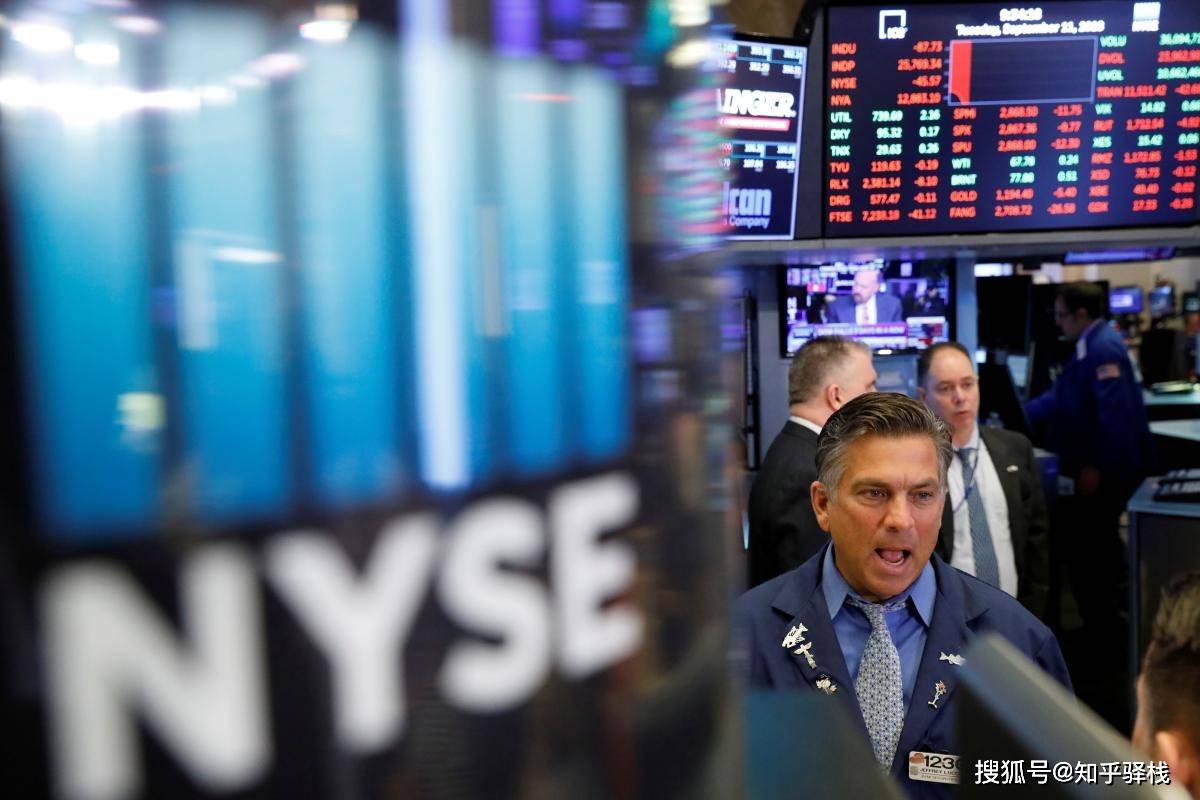
英国政治风暴+预算案临近:英国资产在恐慌抛售与追捧间摇摆 通胀挂钩债券被疯抢
智通财经网· 2025-11-12 13:43
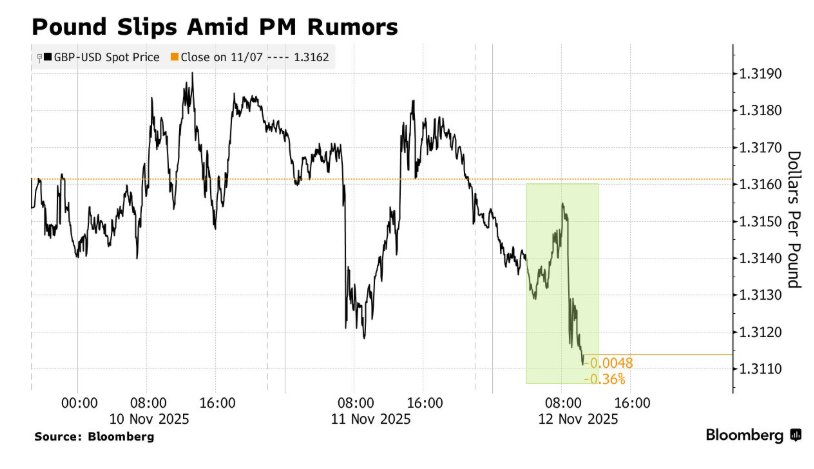
Group 1 - The latest political turmoil in the UK is negatively impacting asset performance, with increasing market volatility as a controversial budget proposal approaches [1][2] - Speculation regarding Health Secretary Wes Streeting challenging Prime Minister Keir Starmer has raised concerns among Wall Street strategists, indicating that such rumors could harm UK assets in the long term [2][4] - The British pound has depreciated by 0.4%, trading at 1.3105 USD, while the yield on 10-year UK government bonds has increased by 3 basis points [2][4] Group 2 - The upcoming budget announcement on November 26 is expected to include tax rate increases to balance the budget, which could further dampen market sentiment [2][4] - Political uncertainty is seen as detrimental to both the pound and UK government bonds, with past political missteps leading to significant market reactions [4] - The trade-weighted strength of the pound has fallen to its lowest level since January, reflecting ongoing concerns about fiscal deficits [4] Group 3 - A record demand for inflation-linked bonds has been observed ahead of the budget, alleviating some concerns about debt sustainability [6][7] - The recent issuance of inflation-linked bonds totaled £4.25 billion, with investors submitting over £69 billion (approximately $91 billion) in bids, indicating strong market interest [6][7] - The UK government bond market has shown strong performance in October, attracting major investment firms, which may provide some relief to the Chancellor [6][7]
生活在通缩的国家,赚通胀的钱,还有这好事?
虎嗅APP· 2025-10-28 09:25
Group 1 - The core viewpoint of the article discusses the concept of living in a deflationary country while investing in inflationary assets, highlighting the potential benefits of such a strategy [4][6][8] - The article emphasizes the importance of finding inflationary assets that can maintain or increase value in an inflationary environment, categorizing them into seven types [17][31] - It provides examples of successful cases, such as Swiss and Japanese high-net-worth individuals who have effectively invested overseas while residing in low-inflation environments [10][12][14] Group 2 - The article outlines three conditions necessary for effective cross-border asset allocation: the ability to allocate assets internationally, living in a stable or deflationary country without compromising quality of life, and ensuring investment targets are decoupled from the local deflation [10] - It identifies seven categories of inflationary assets, including precious metals, commodities, high pricing power stocks, emerging market stocks, inflation-linked bonds, rental real estate, and technology stocks in deflationary environments [17][18][20][22][24][26][28][29] - The article concludes that understanding inflation is crucial for making informed investment decisions, as it serves as a fundamental principle that can clarify various investment phenomena [32][34][35]

年内涨幅超60%!达利欧最新撰文,直面回答关于黄金的六大“高能”问题
雪球· 2025-10-23 13:00
Group 1 - The article emphasizes that 2023 has been an unexpectedly significant year for gold, with prices rising over 61% as of October 17, 2025, marking it as one of the largest annual increases since 2000 [4][6]. - Jamie Dimon, CEO of JPMorgan, expressed uncertainty about gold's valuation, suggesting it could rise to $5,000 or even $10,000, indicating a shift in perception towards gold as a viable investment [5][6]. - Ray Dalio's insights on gold investment are highlighted, particularly his view that gold should be considered a form of currency rather than just a metal, emphasizing its historical role as a stable store of value [11][12][16]. Group 2 - Dalio argues that gold is unique among assets, serving as a hedge against inflation and a reliable store of value without credit risk, unlike other commodities such as silver and platinum [20][21][22]. - The article discusses the potential impact of large holders, like banks, selling gold, but Dalio maintains that a diversified portfolio should include gold to mitigate risks associated with market volatility [27][34]. - The rise of gold ETFs has made gold more accessible to retail and institutional investors, increasing market liquidity, although the ETF market remains smaller than physical gold and central bank reserves [47][48]. Group 3 - Dalio asserts that gold is increasingly replacing U.S. Treasury bonds as a "risk-free asset" in many institutional portfolios, reflecting a broader trend of reallocating assets towards gold [49][50]. - The historical context is provided, noting that gold has maintained its value over time, unlike fiat currencies, which have often depreciated or disappeared [56][57]. - The article concludes with a recommendation for investors to consider a strategic allocation of 10% to 15% of their portfolios in gold to optimize risk-return profiles [40][41].

年内涨幅超60%达利欧最新撰文,直面回答关于黄金的六大“高能”问题
Sou Hu Cai Jing· 2025-10-20 18:54
Core Viewpoint - The article highlights the significant rise in gold prices in 2024, with an increase of over 61% by October 17, 2025, marking it as one of the largest annual gains since 2000 [1][4]. Group 1: Gold Market Insights - Gold has been recognized as a major investment asset, with its price potentially reaching $5,000 to $10,000 according to JPMorgan CEO Jamie Dimon [4]. - Ray Dalio emphasizes the importance of gold as a stable form of currency rather than just a metal, arguing that it serves as a hedge against debt and currency devaluation [9][12]. - Dalio suggests that gold should constitute about 10% to 15% of an investment portfolio for optimal risk-return balance, especially during times of economic uncertainty [36][35]. Group 2: Comparison with Other Assets - Unlike other metals such as silver and platinum, gold is viewed as a unique asset due to its lack of credit risk and its role as a universal medium of exchange [17][18]. - Dalio argues that while AI stocks may have high growth potential, their long-term value is uncertain, and they are subject to market volatility, unlike gold which provides a more stable investment [29][30]. - The rise of gold ETFs has increased market liquidity, but they are still smaller in scale compared to physical gold and central bank reserves, thus not being the primary driver of gold price increases [38][39]. Group 3: Gold as a Safe Haven - Gold is increasingly being viewed as a "risk-free asset," replacing U.S. Treasury bonds in many institutional portfolios, particularly among central banks [40][41]. - The historical performance of gold demonstrates its resilience as a store of value, especially during periods of economic crisis when fiat currencies may depreciate [45][46]. - Dalio notes that the intrinsic value of gold is not dependent on any repayment promise, making it a reliable asset across different economic conditions [45][46].
年内涨幅超60%!达利欧回答关于黄金的六大“高能”问题
Ge Long Hui· 2025-10-20 07:11
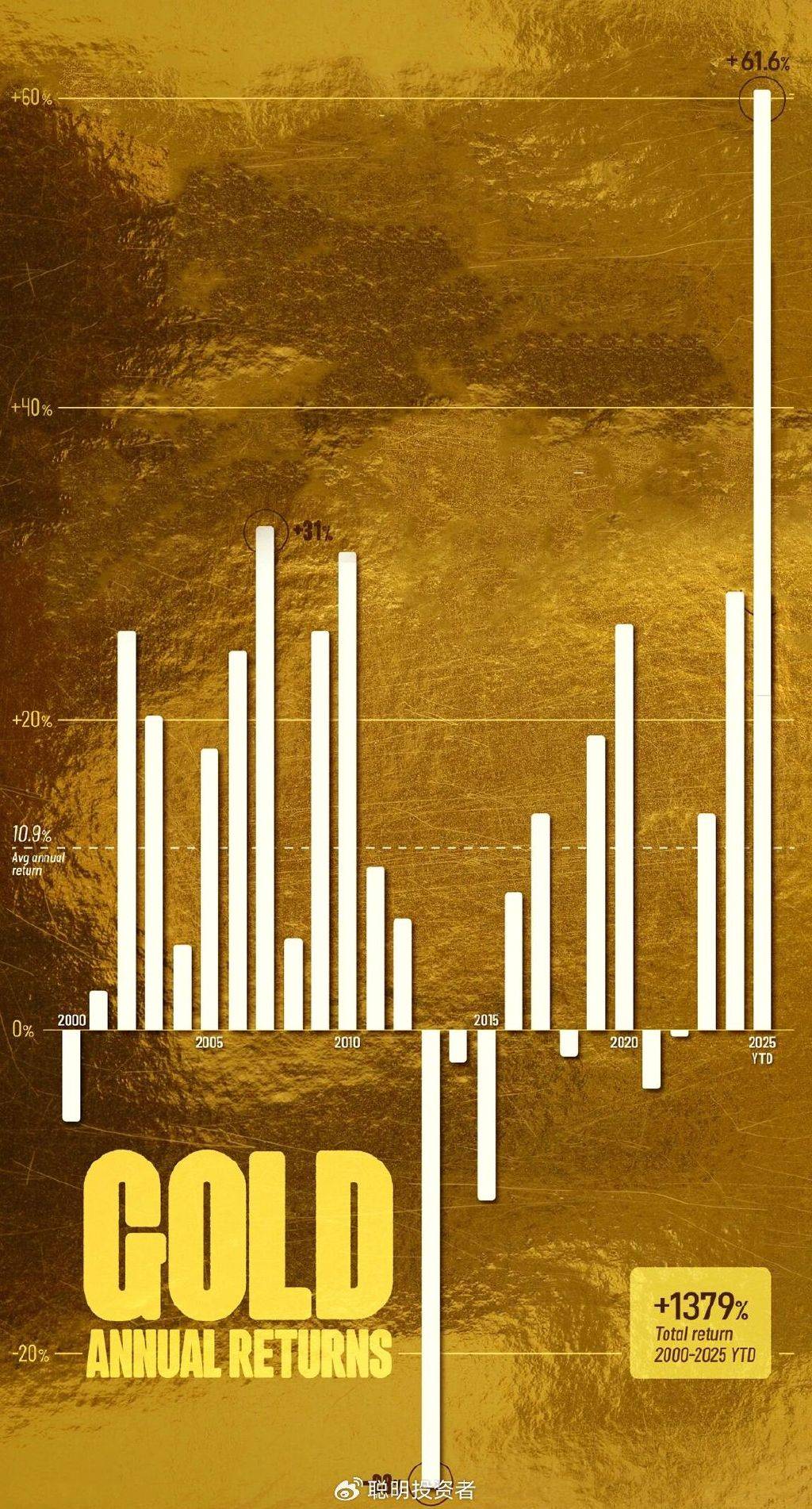
Core Insights - The article emphasizes that 2024 is proving to be an exceptional year for gold, with prices rising significantly, surpassing 61% year-to-date as of October 17, 2025, making it one of the largest annual increases since 2000 [2][3] - Notable financial figures, including Jamie Dimon of JPMorgan, express uncertainty about gold's valuation, suggesting it could rise to $5,000 or even $10,000, indicating a shift in perception towards gold as a viable investment [2][3] - Ray Dalio's insights on gold's role in investment portfolios are highlighted, particularly in the context of economic uncertainty and debt crises [2][4] Group 1: Gold's Investment Value - Dalio argues that gold should be viewed as a form of currency rather than just a metal, emphasizing its historical stability and role as a hedge against debt and currency devaluation [7][10] - The article discusses the unique position of gold as a non-debt asset, contrasting it with other commodities like silver and platinum, which are more influenced by industrial demand [13][14] - Dalio suggests that a strategic allocation of 10% to 15% of an investment portfolio in gold is reasonable for most investors, optimizing risk and return [27][29] Group 2: Market Dynamics and Trends - The rise of gold ETFs has increased market liquidity and accessibility for retail and institutional investors, although they remain smaller than physical gold and central bank reserves [32] - Dalio notes that gold is increasingly replacing U.S. Treasury bonds as a "risk-free asset" in many institutional portfolios, highlighting its status as a mature form of currency [33][34] - Historical trends indicate that gold has maintained its value over time, unlike fiat currencies, which have often depreciated or disappeared [36][37]
年内涨幅超60%!达利欧最新撰文,直面回答关于黄金的六大“高能”问题
聪明投资者· 2025-10-20 03:34
Core Viewpoint - The article emphasizes that 2024 is a significant year for gold, with prices rising dramatically, and suggests that gold is increasingly viewed as a crucial asset in investment portfolios [2][3]. Group 1: Gold Price Trends - Gold prices have surged over 61% as of October 17, 2025, marking one of the largest annual increases since 2000 [3]. - The price of gold is projected to potentially reach $5,000 to $10,000, indicating a strong bullish sentiment among market leaders [5]. Group 2: Investment Perspectives - Ray Dalio argues that gold should be viewed as a form of currency rather than just a metal, highlighting its historical role as a stable monetary asset [10][11]. - Dalio believes that gold serves as a hedge against debt and currency devaluation, making it a fundamental investment choice [13][14]. Group 3: Comparison with Other Assets - Gold is preferred over other metals like silver and platinum due to its unique position as a widely accepted form of "non-debt" currency, which carries no credit risk [16][17]. - Unlike bonds, which are subject to government credit risk, gold is seen as a true "risk-free asset" in many institutional portfolios [36][37]. Group 4: Strategic Asset Allocation - Dalio suggests that a strategic allocation of 10% to 15% of an investment portfolio should be in gold to optimize risk and return [30][31]. - The article discusses the importance of maintaining a diversified portfolio, especially in light of potential economic downturns [24][28]. Group 5: Market Dynamics - The rise of gold ETFs has increased market liquidity and accessibility, but they are not the primary driver of gold price increases [35]. - Institutional investors are increasingly reallocating assets from U.S. Treasuries to gold, reflecting a shift in perception of risk and value [36][38].

暴涨后还能买吗?达里欧对黄金的最新思考
Ge Long Hui· 2025-10-19 05:40
Core Viewpoint - Ray Dalio, founder of Bridgewater Associates, expresses a bullish stance on gold, emphasizing its unique role as a form of currency rather than just a metal [1][2]. Group 1: Gold as a Unique Asset - Dalio argues that gold is fundamentally different from fiat currency, which is essentially debt, while gold serves as a settlement tool that can pay off debts without creating new ones [2][3]. - Gold is viewed as an excellent diversification tool in investment portfolios, particularly during times of market turmoil when other assets underperform [2][3]. - Dalio highlights that gold has historically performed well when other assets, such as stocks and bonds, are struggling, acting almost like an "insurance policy" in diversified portfolios [2][3]. Group 2: Comparison with Other Assets - Dalio explains why gold is preferred over other assets like silver, platinum, or inflation-linked bonds, noting that while these can hedge against inflation, they are more volatile and influenced by industrial demand [2][9]. - Unlike inflation-linked bonds, which are still debt instruments and subject to government credit risk, gold does not carry inherent credit or devaluation risks [9][10]. - High-growth stocks, particularly in the AI sector, are seen as risky due to their dependence on uncertain cash flows, making gold a more stable choice for diversification [2][11]. Group 3: Gold's Role in Modern Portfolios - Dalio observes that gold is increasingly replacing U.S. Treasuries as a "risk-free asset" in many investment portfolios, especially among central banks and large institutions [3][17]. - Historically, gold has proven to be a lower-risk asset compared to government-issued debt, as it does not rely on any credit promises [3][18]. - The long-term trend shows that approximately 80% of currencies have disappeared since 1750, while gold remains a universally accepted form of currency [3][18]. Group 4: Optimal Allocation and Market Dynamics - Dalio suggests that a strategic allocation of about 15% to gold is optimal for maximizing risk-adjusted returns in investment portfolios [4][16]. - The rise of gold ETFs has improved market liquidity and transparency, but their scale is still much smaller than physical gold investments or central bank holdings, thus not being the primary driver of gold price increases [4][16]. - If individual and institutional investors allocate a suitable proportion of their assets to gold, the limited supply will necessitate higher gold prices [4][16].
假如发生通货膨胀,持有什么东西才最稳当?答案并不是房子和黄金
Sou Hu Cai Jing· 2025-10-10 22:06
Core Viewpoint - The article discusses the impact of inflation on personal finance and evaluates traditional assets like real estate and gold as hedges against inflation, suggesting that they may not be the best options in the current economic environment [1][3][4]. Real Estate - Real estate has historically been viewed as a hedge against inflation, but recent data shows that national housing prices increased only by 1.2% in 2024 and experienced a slight decline of 0.3% in the first half of 2025, indicating that real estate has not kept pace with inflation [3]. - Key considerations for purchasing real estate include high down payment requirements (typically 30-40%), poor liquidity, high holding costs (property tax, maintenance fees), and significant regional disparities in property performance [3]. Gold - Gold is traditionally seen as a safe-haven asset during inflationary periods, with prices rising by 8.5% in 2024. However, it has also experienced significant volatility, including a two-year period of stagnation or decline from 2020 to 2022 [4]. - Challenges of holding physical gold include storage security, liquidity issues, and the absence of cash flow, unlike stocks or rental income from real estate [4][5]. Alternative Assets - Personal skills and capabilities are highlighted as valuable assets during inflation, with professionals in high-demand fields (e.g., AI, data analysis) seeing salary increases of 15-55%, significantly outpacing CPI growth [7]. - High-quality stocks are identified as effective inflation hedges, with blue-chip stocks in the A-share market yielding an average annual return of approximately 9.7% over the past 30 years, surpassing inflation rates [7][8]. - Inflation-linked bonds and similar financial products are designed to hedge against inflation, with average yields of 3.2% in the first half of 2025, slightly above CPI [8]. - Essential consumer goods, such as food and household items, have seen price increases (3.5% for food and 2.8% for daily necessities in 2024), making pre-purchase a practical strategy to lock in current prices [10]. Strategies for Different Demographics - Recommendations for asset allocation vary by age group: - Young adults (25-40 years) should focus on personal development and allocate 60-70% to equities, 20-30% to fixed income, and 10% to cash [11]. - Middle-aged individuals (40-55 years) should maintain skill relevance and adjust to 40-50% equities, 40-50% fixed income, and 15% cash [11]. - Near-retirement individuals should prioritize capital preservation with 20-30% equities, 50-60% fixed income, and 20% cash [11]. Practical Tips - Practical strategies to combat inflation include enhancing consumer awareness, developing passive income streams, and maintaining a savings habit to provide a buffer against inflationary pressures [12][13].